歴史
この路線は別々に計画された二つの鉄道に起源をもつ。1892年に大分駅から犬飼方面への鉄道敷設を目的として南豊鉄道が設立され、熊本県側でも熊本駅から大津方面を目指して東肥鉄道が創設されたが、いずれも事業継続が困難となり、政府の手により軽便線として工事が進められた。両線とも1914年(大正3年)に開業し、大分側では犬飼軽便線が同年4月1日に大分駅 - 中判田駅間を、熊本側では宮地軽便線が同年6月21日に熊本駅 - 肥後大津駅間を開業した。立野駅 - 高森駅間の宮地線支線もこの時期に開業している。
両線はその後順次延伸され、最後の区間である玉来駅 - 宮地駅間が1928年(昭和3年)に開業して大分駅 - 熊本駅間が全通し、宮地線と犬飼線を合わせて豊肥本線となった。その際、立野駅 - 高森駅間の支線は高森線(現在の南阿蘇鉄道。1986年に分離)となった。戦後は近代化が進み、1973年に蒸気機関車が運用を終え、1983年には全線でCTC(列車集中制御装置)の使用が開始された(制御所は立野駅と大分駅に設置)。
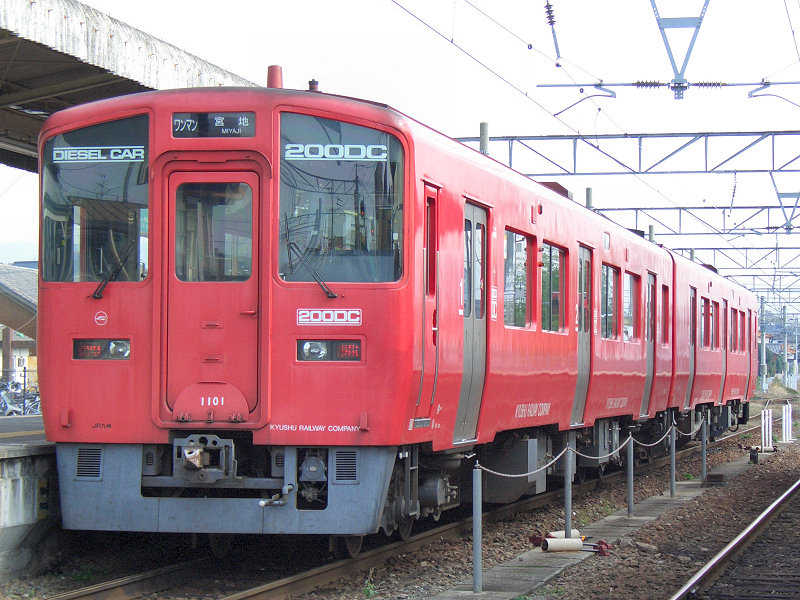
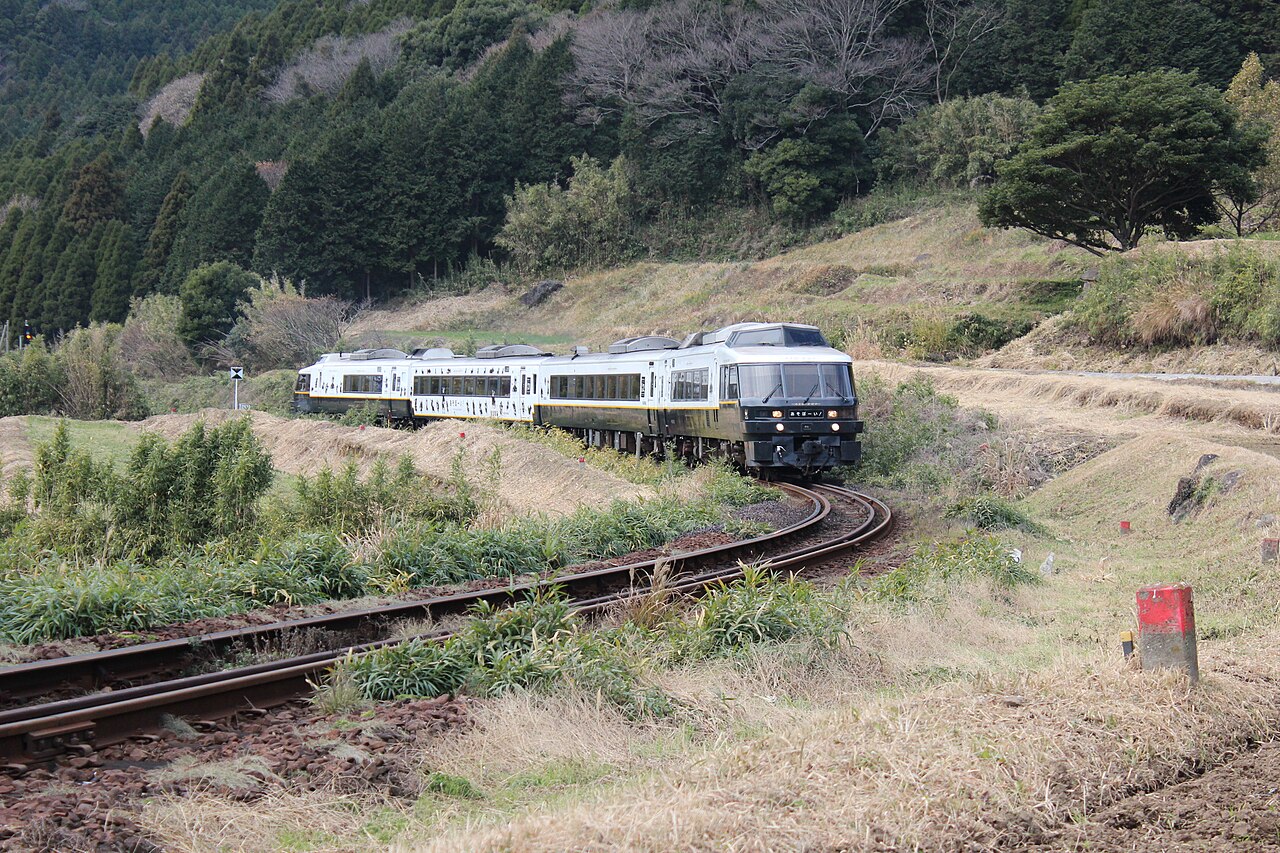
1999年には、熊本国体(第54回国民体育大会)に合わせて熊本駅 - 肥後大津駅間(22.5km)が交流20,000V・60Hzで電化され、以後この区間は電車により運行されている。肥後大津駅以東は非電化で気動車により運行され、大分駅 - 下郡信号場間も電化されているが、これは大分の車両基地への回送線を兼ねているためで、営業列車はすべて気動車である。現在JR九州は熊本都市圏の普通列車や観光特急などを運行している。
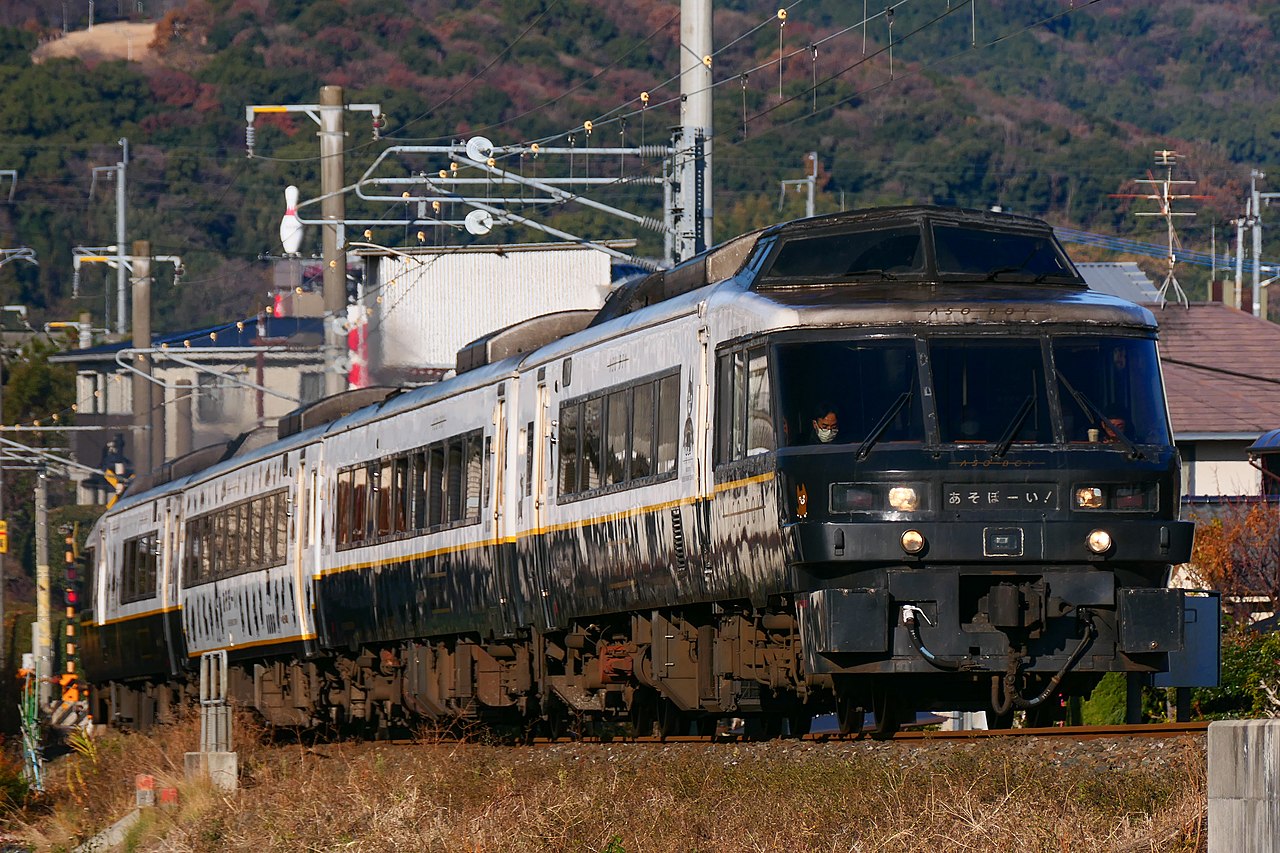
阿蘇・竹田など多雨な山間部を通るため、集中豪雨・土砂災害・地震によってたびたび不通となり、数か月から1年以上に及ぶこともある。1990年7月2日の集中豪雨では緒方駅 - 宮地駅間が不通となり、復旧に1年3か月を要した。1993年9月2日の台風13号では三重町駅 - 豊後清川駅間が不通となり、全線復旧まで8か月を要した。2004年9月には三重町駅 - 豊後清川駅間の百枝トンネルが土砂崩壊で不通となり、12月の復旧まで代行バスを運行した。2012年7月12日の九州北部豪雨では築堤崩壊や橋梁流出などが発生し、被害の大きかった豊後竹田駅 - 宮地駅間は388日後の2013年8月4日に運転を再開した。2016年4月の熊本地震では赤水駅 - 立野駅間で大規模な土砂崩れが起き、並走する国道57号もろとも線路が流出して赤水駅付近では列車が脱線し、阿蘇駅 - 肥後大津駅間が長期間不通となった。全線は地震から4年後の2020年8月8日に運転を再開した。
年表
- 1892The Nanhō Railway is founded to build a line from Ōita toward Inukai; construction is later taken over and completed by the government.
- 19141 April: the Inukai Light Line opens Ōita–Naka-Handa. 21 June: the Miyaji Light Line opens Kumamoto–Higo Ōzu. Both predecessor lines are built as government light railways.
- 1928The final Tamarai–Miyaji section opens, completing the Ōita–Kumamoto through route; the Miyaji and Inukai lines are combined to form the Hōhi Main Line. The Tateno–Takamori branch becomes the Takamori Line.
- 1973Steam locomotives are withdrawn from the line.
- 1983Centralised traffic control (CTC) is commissioned over the entire line, with control offices at Tateno and Ōita.
- 19861 April: the Takamori Line is separated to the Minami Aso Railway.
- 19902 July: torrential rain severs the Ogata–Miyaji section; restoration takes one year and three months.
- 19932 September: Typhoon No. 13 cuts the Miemachi–Bungo-Kiyokawa section; full restoration takes eight months.
- 1999The 22.5 km Kumamoto–Higo Ōzu section is electrified at 20 kV AC (60 Hz), timed to the 54th National Sports Festival (Kumamoto Kokutai).
- 2004September: a landslide at the Momoeda tunnel (Miemachi–Bungo-Kiyokawa) closes the line until December, with bus substitution.
- 201212 July: northern-Kyushu torrential rain causes embankment collapses and washed-out bridges; the line is severed.
- 20134 August: the worst-hit Bungo-Taketa–Miyaji section reopens after 388 days, rebuilt with strengthened track-bed and debris-flow defences.
- 2016April: the Kumamoto earthquakes trigger a major landslide between Akamizu and Tateno, washing away the line with National Route 57 and derailing a train; the Aso–Higo Ōzu section closes.
- 20208 August: the entire line reopens, four years after the earthquake.
出典
事実確認日:2026年6月3日
ギャラリー 5枚
このページの全写真 ― 画像をタップすると原寸大で表示します。すべてウィキメディア・コモンズより(各写真の下にクレジット)。