歴史
1890年(明治23年)に呉鎮守府が設置されたが陸上交通の便が悪く、鉄道開設の運動が起こった。工事は1901年(明治34年)5月に起工し、1903年(明治36年)12月27日に海田市駅 - 呉駅間(約19.96km)が官設線として開業した(開業当時の中間駅は矢野・坂・天応・吉浦)。この区間は1904年12月1日から山陽鉄道に貸し渡され、1906年12月1日に国有化された。1909年(明治42年)10月12日、国有鉄道線路名称の制定により海田市駅 - 呉駅間が「呉線」となった。
呉駅 - 三原駅間は別途「三呉線」(さんごせん)として建設された。1930年(昭和5年)3月19日に三原駅 - 須波駅間が開業し、1931年に安芸幸崎駅、1932年に竹原駅、1935年2月に三津内海駅(後の安浦駅)まで延伸した。一方、呉側からは1935年3月に呉駅 - 広駅間(6.8km)が開業し、同年11月24日に三津内海駅 - 広駅間(16.0km)が開業して三呉線が呉線に編入され、呉線が全通した。全通以後は軍港としての呉の重要性から東京直通の急行列車が運転された。内陸を並走する山陽本線は「瀬野八」と呼ばれる連続急勾配区間を挟むため、呉線は歴史的に山陽本線のバイパスとして機能してきた。
戦前の1939年には海田市駅 - 呉駅間の複線化が計画され、1941年3月に起工されたが、戦時の資材不足により1945年に複線化の計画は凍結された。未完成のトンネル・路盤は放置されたが、電化に際して従来の低規格のトンネルを放棄し、戦中に掘削した新トンネルに切り替えられた。電化工事は1968年4月25日に起工し、1970年(昭和45年)9月15日に全線が電化(直流1500V)され、9月28日に全区間でCTC(列車集中制御装置)の使用を開始、翌10月1日のダイヤ改正で電車による運行が始まった。1975年3月10日の山陽新幹線全線開業に伴い、寝台特急「安芸」を除く優等列車が廃止となり、その「安芸」も1978年10月2日に廃止されて線内の優等列車が消滅した。1986年11月1日には全線の貨物営業が廃止された。
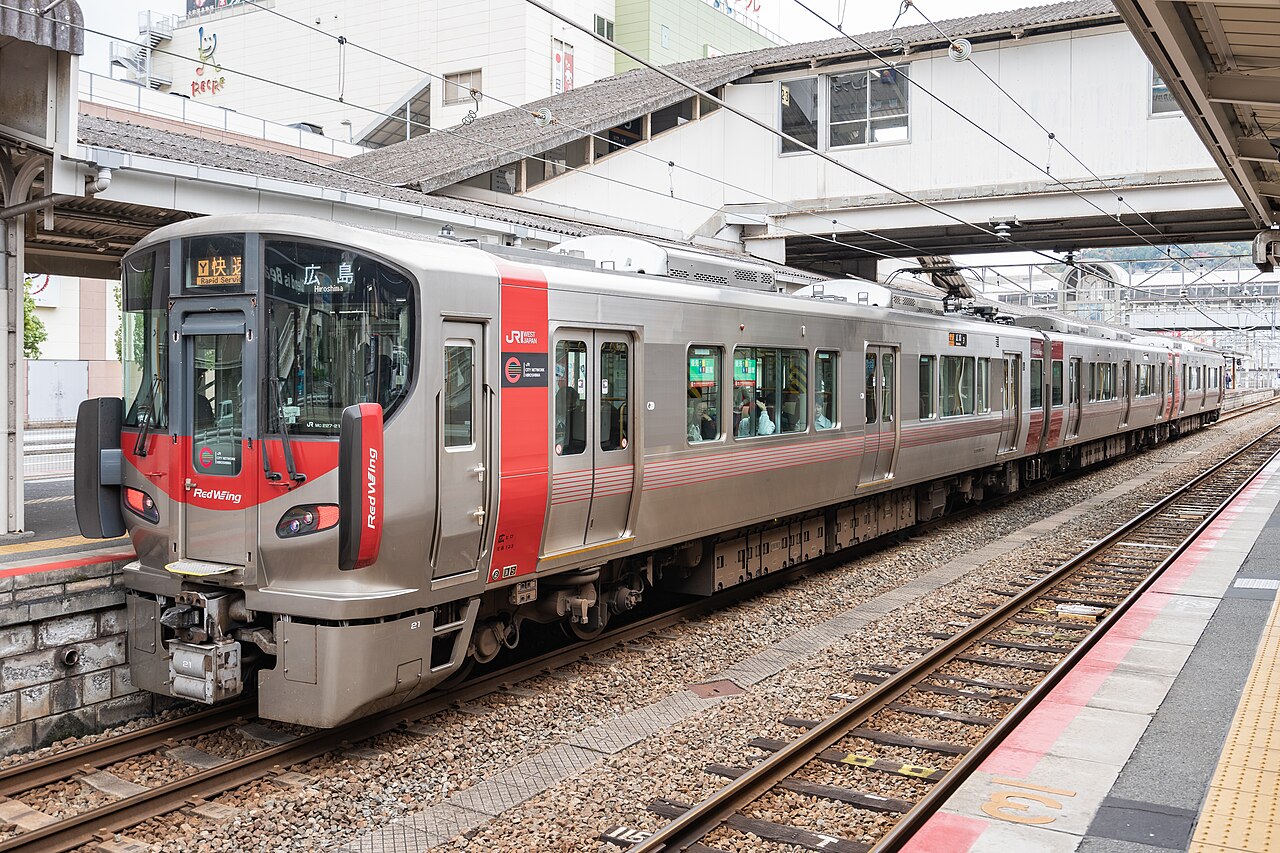
1987年(昭和62年)4月1日の国鉄分割民営化により、呉線はJR西日本が承継した。1988年にJR呉線複線化等期成同盟会が結成され、1994年に呉駅 - 広駅間の複線化の総費用が235億円と算出されたが、JR西日本は行き違い施設の増設により約10分の1の事業費で同程度の輸送効果が見込めるとする対案を示し、3か所の行き違い設備を整備してラッシュ時にも快速運転が可能となった。快速「安芸路ライナー」の名称は1999年2月7日から使用されている。2015年3月14日のダイヤ改正で黄色のラインカラーと路線記号「Y」が本格導入され、同日に227系電車の運行が開始された。現在は快速「安芸路ライナー」・「通勤ライナー」(2026年3月14日から土休日は「シティライナー」)と普通のみが227系で運転されている。呉駅はJR西日本の単線区間では最多の乗降人員があり、全線が広島支社の管轄でICOCAの利用エリアである。2018年7月の西日本豪雨では三原駅 - 広駅間が運休となったのち全線不通となり、約5か月後の2018年12月15日に全線で運転が再開された。
年表
- 190327 December: the Kaitaichi–Kure section (about 19.96 km) opens, with intermediate stations at Yano, Saka, Tenno and Yoshiura and the terminus at Kure.
- 19041 December: the Kaitaichi–Kure section is leased to the Sanyo Railway.
- 19061 December: the line is nationalised.
- 190912 October: under the national railway line-naming scheme, the Kaitaichi–Kure section is named the "Kure Line."
- 193019 March: the separate Sango Line opens its first section, Mihara–Sunami (about 5.15 km).
- 193524 March: the Kure–Hiro extension (6.8 km) opens, adding Akiaga and Hiro. 24 November: the Mitsuuchinoumi–Hiro section (16.0 km) opens, completing the through line; the Sango Line is absorbed into the Kure Line.
- 1941March: construction begins on double-tracking the Kaitaichi–Kure section (planned 1939); it is later stalled by wartime material shortages.
- 1945The double-tracking plan is frozen due to wartime material shortages.
- 196825 April: electrification work begins.
- 197015 September: the entire line is electrified at 1,500 V DC. 28 September: CTC begins across the line. 1 October: electric-train operation begins with a timetable revision.
- 197510 March: with the full opening of the Sanyo Shinkansen, the line's express services are withdrawn except the "Aki" sleeper limited express.
- 19782 October: the "Aki" sleeper limited express is discontinued, ending limited-/express-class trains on the line.
- 19861 November: all freight operations on the line end.
- 19871 April: on the privatisation of JNR, the Kure Line passes to JR West.
- 1994The total cost of double-tracking the Kure–Hiro section is estimated at 23.5 billion yen; JR West instead provides passing facilities at about a tenth of the cost.
- 19997 February: the "Aki-ji Liner" rapid-service name comes into use; new Mizushiri and Karugahama stations open and Kawaraishi Station is relocated.
- 201514 March: the yellow line colour and route symbol "Y" are fully introduced; 227 series electric trains enter service.
- 20185 July onward: the July 2018 West Japan heavy rain suspends the line; full service is restored on 15 December, about five months later.
出典
事実確認日:2026年6月3日
ギャラリー 5枚
このページの全写真 ― 画像をタップすると原寸大で表示します。すべてウィキメディア・コモンズより(各写真の下にクレジット)。