歴史
名古屋本線は一度に建設された路線ではなく、複数の地方鉄道の路線がつながって成立した。連絡される以前は東西の2区間に分かれており、神宮前駅から豊橋へ向かう東部と、名鉄岐阜駅から押切町へ向かう西部があり、1935年(昭和10年)にそれぞれ東部線・西部線と名づけられた。東部は愛知電気鉄道が都市間を結ぶ高速鉄道として建設した。1889年までに開通した官設鉄道の東海道本線が、愛知県内で東海道とは異なるルートを取ったため、同社は東海道沿いに都市間をほぼ一直線に結ぶ高速鉄道を敷いた。1917年(大正6年)に有松線として神宮前から順次開業し、1927年(昭和2年)に豊橋へ達して豊橋線と改称、1500Vで電化された。伊奈駅から豊橋へは豊川鉄道に並行して単線のみが建設され、現在も平井信号場 - 豊橋駅間をJR飯田線と共用するため運行が制約され、普通列車は豊橋ではなく伊奈駅で折り返す。
西部は名古屋電気鉄道・美濃電気軌道・尾西鉄道などの路線から成る。名古屋電気鉄道は1914年(大正3年)に枇杷島橋駅 - 須ヶ口駅間を開業し、同年に美濃電気軌道が笠松付近の路線を開業して新岐阜(現在の名鉄岐阜)まで延伸した。1921年(大正10年)、名古屋電気鉄道は名古屋鉄道(初代)を設立し、軌道線を名古屋市へ、鉄道線を新会社へ譲渡した。尾西鉄道の路線は1925年(大正14年)に名古屋鉄道へ譲渡され、1928年(昭和3年)までに新一宮(現在の名鉄一宮)から当時の名古屋側ターミナルであった押切町まで連絡した。1930年(昭和5年)8月20日、同社は美濃電気軌道を合併して名岐鉄道となった。西部は三つの別々の鉄道を継いで成立したため、沿線の市街地中心を通り、東海道本線に比べて曲線が多い。
1935年に現在の名古屋鉄道(名鉄)が発足した後、東西の連絡が進められた。官設鉄道の名古屋駅移転に合わせて名鉄は西部を新名古屋(現在の名鉄名古屋)まで延伸し、1944年(昭和19年)9月1日に神宮前駅 - 新名古屋駅間の東西連絡線が開業した。ただし西部(名岐線)は600V、東部(豊橋線)は1500Vであったため直通できず、金山橋駅での乗り換えが必要だった。1948年(昭和23年)5月12日に名岐線が1500Vへ昇圧され、5月16日に豊橋駅 - 新岐阜駅間が名古屋本線と改称されて直通運転が始まった(正式な成立・命名日は1948年4月18日とされる)。
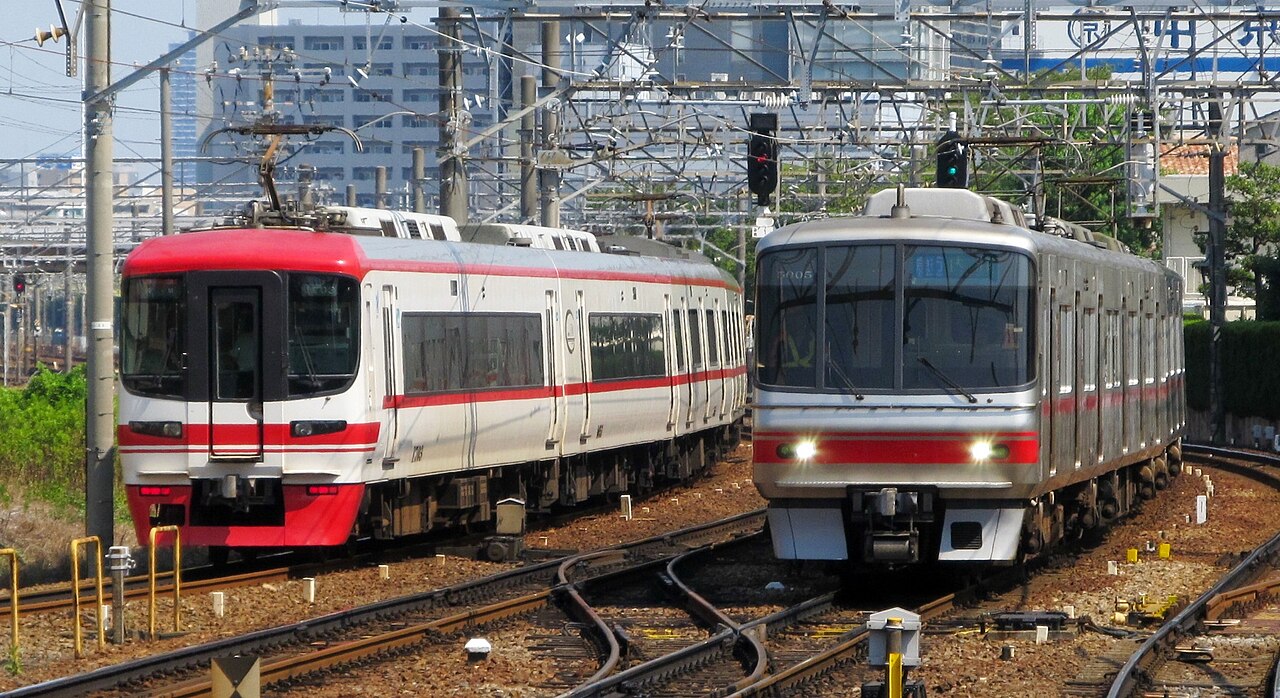
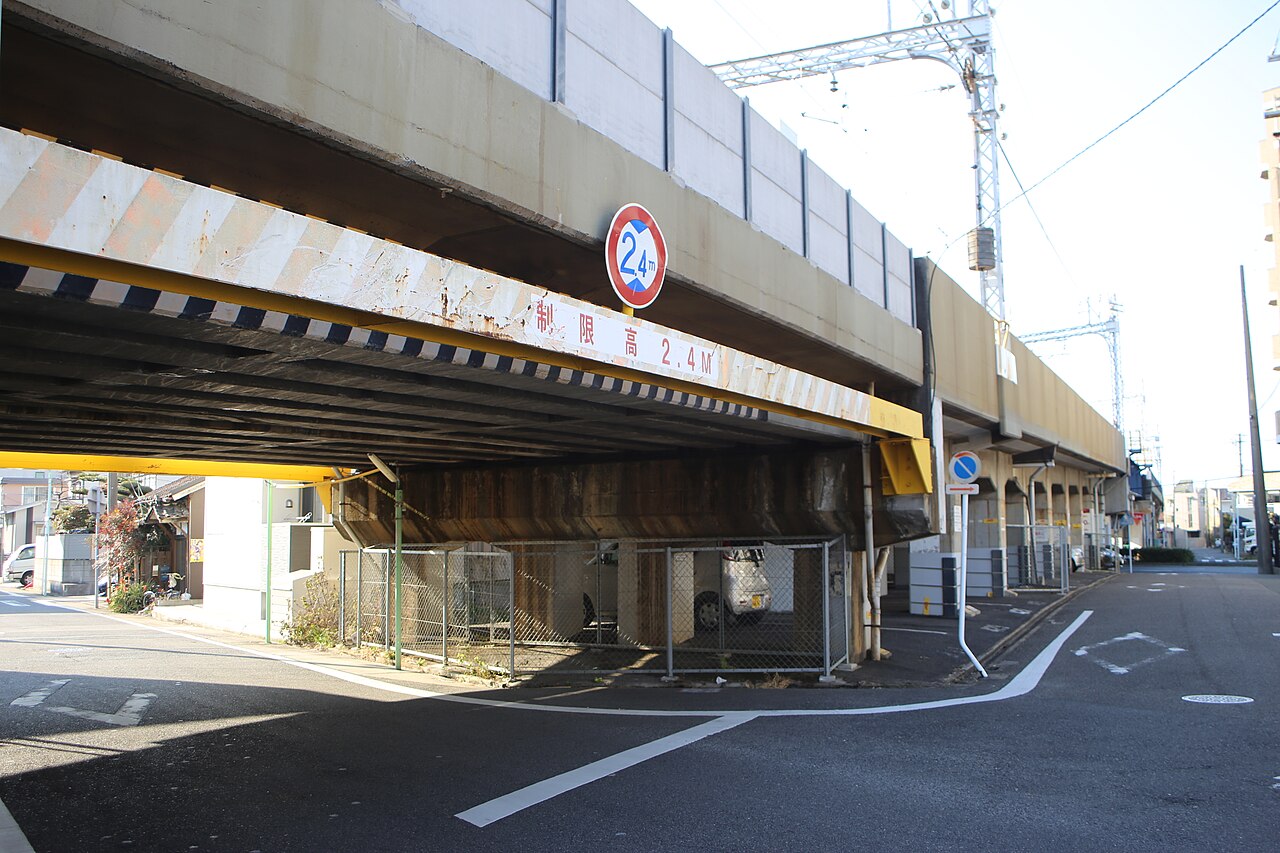
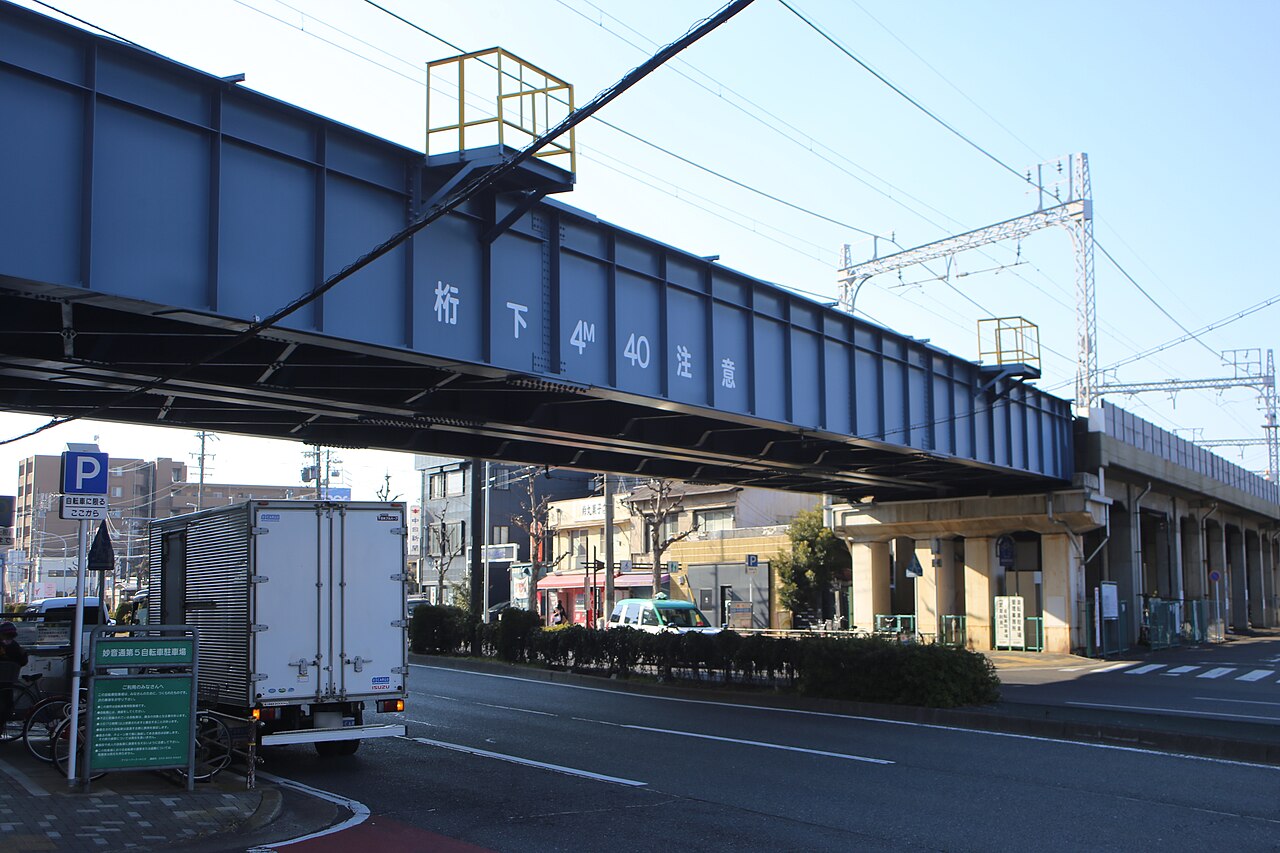
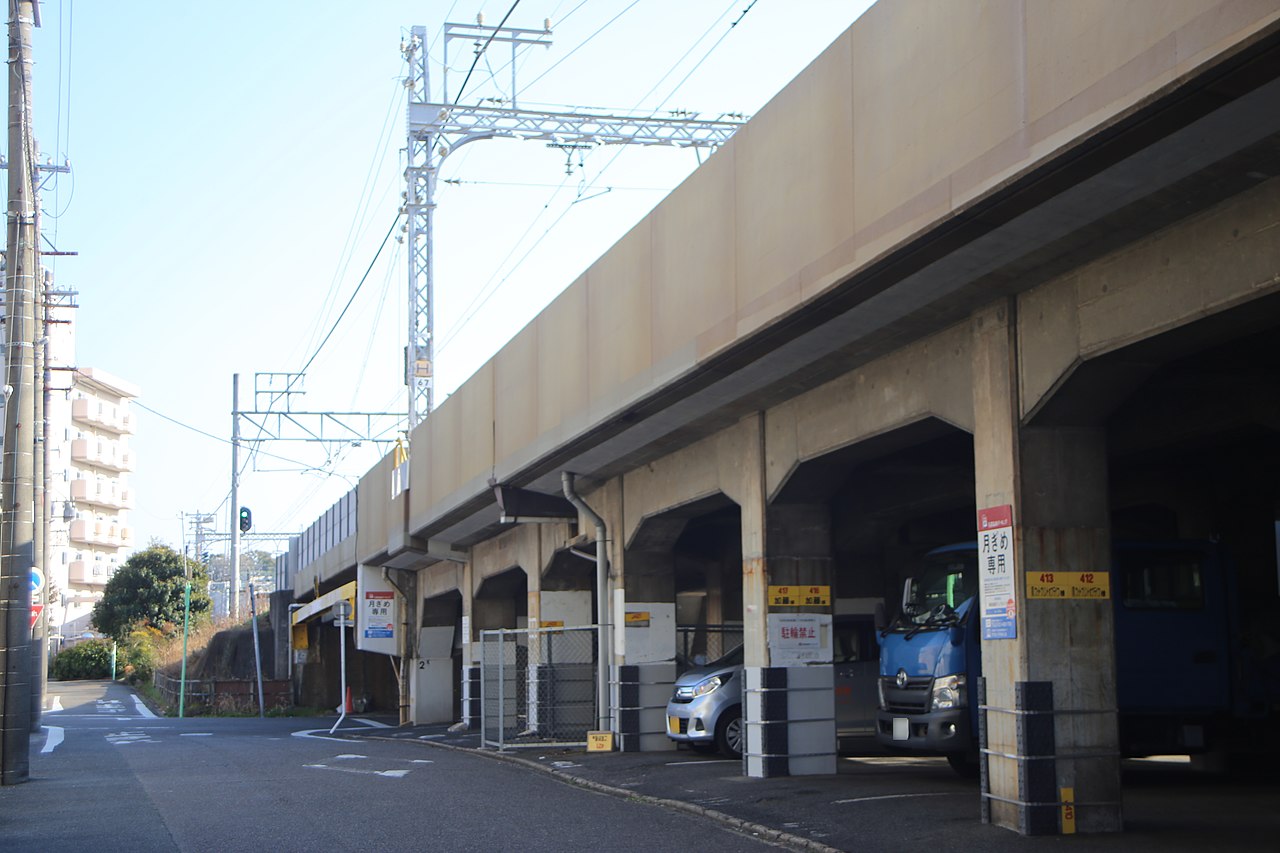
その後、名鉄は国鉄およびその後継であるJR東海の東海道本線と競うため設備を増強した。1955年に東海道本線が米原まで電化されると、名鉄は5000系などの新車を投入し、急曲線を緩和し直通運転を拡大した。1959年のダイヤ改正で最高速度が100km/hから105km/hへ引き上げられ、同時に登場した5500系は追加料金不要で冷房を備えた最初の車両であった。1965年には名鉄独自の自動列車停止装置(ATS)を導入した。1961年6月12日にはパノラマカー7000系が登場し、毎時1本の特急に投入されて高性能車の特急最高速度を110km/hに向上させた。1990年(平成2年)には神宮前駅 - 金山駅間が複々線化され、同年、線形の良い一部区間で最高速度が120km/hに引き上げられた(当初は1000系の全車指定席特急)。現在の最高速度は120km/h(豊橋駅 - 平井信号場間は85km/h)で、軌間1067mmの在来私鉄路線としては高速の部類に入る。鳴海駅付近は2006年に高架化され、2023年には知立駅付近の上り線が高架化された。
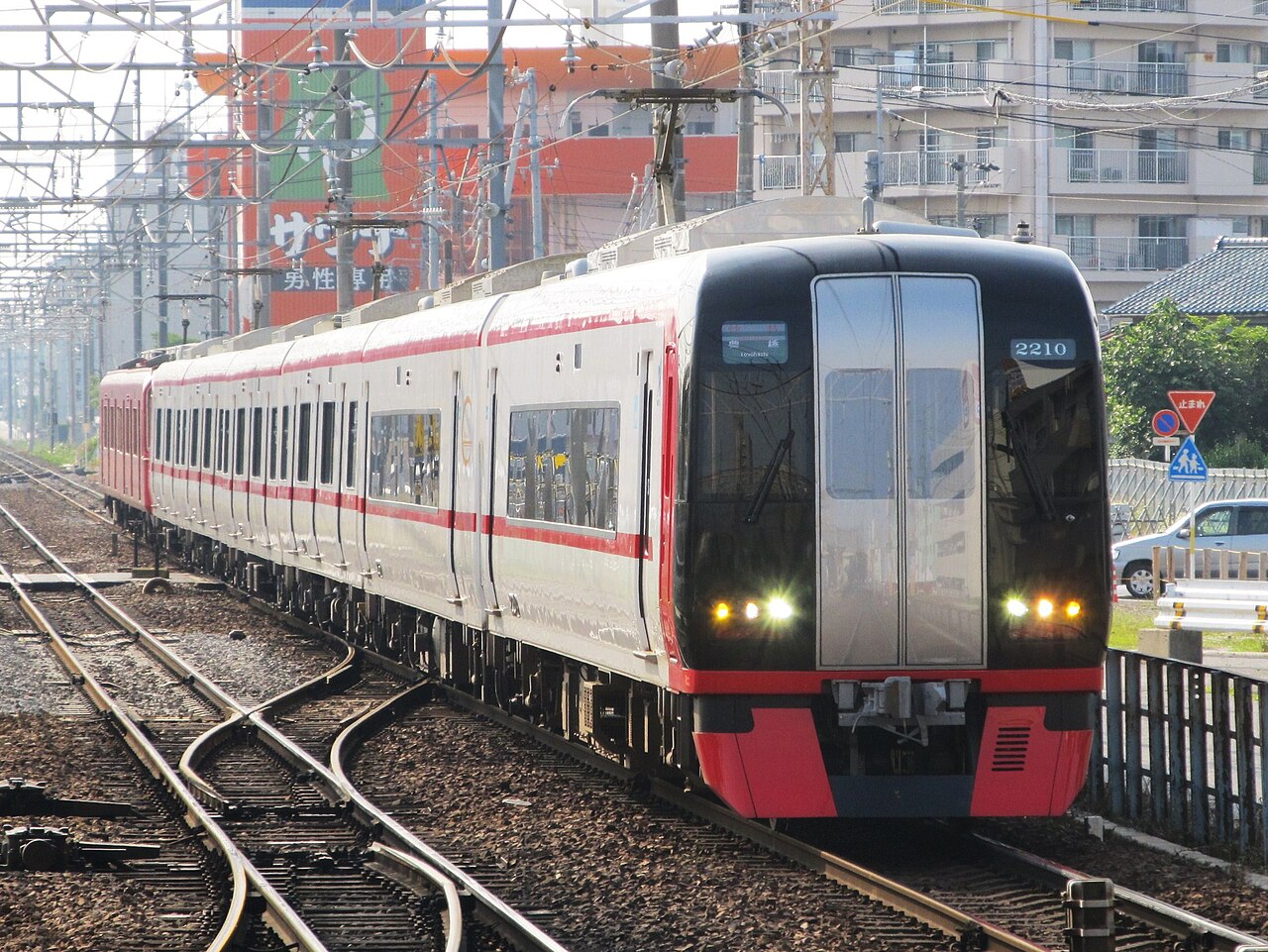
現在は普通・準急・急行・快速急行・特急・快速特急・ミュースカイの7種別が運行される。最も乗降人員が多い駅は名鉄名古屋駅で、3面2線のみのホームを持つ私鉄では珍しい通過型ターミナルであり、多方面の名鉄列車が乗り入れる。2022年度の朝ラッシュ時の最混雑率は、上り(栄生→名鉄名古屋)で約130%、下り(神宮前→金山)で約132%であった。名古屋本線の上り列車と犬山線の下り列車が平面交差する枇杷島分岐点は、運行上の大きなボトルネックとなっている。歴史的には事故も発生しており、1958年の一ツ木駅衝突火災事故や、2002年の奥田駅 - 大里駅間での衝突・脱線事故などがある。
年表
- 1914The Nagoya Electric Railway opens the Sukaguchi–Biwajimabashi segment (Western half); the line's official opening date is 23 September 1914. The Mino Electric Railroad also opens a line near Kasamatsu, extended to Shin-Gifu (now Meitetsu Gifu) the same year.
- 1917The Aichi Electric Railway opens the Eastern half as the Arimatsu Line from Jingū-mae (from 7 March).
- 1921The Nagoya Electric Railway founds the Nagoya Railroad, transferring its tramway network to the city of Nagoya and its heavy-rail network to the new company.
- 1925The Bisai Railway's line is transferred to the Nagoya Railroad.
- 1927The Eastern half reaches Toyohashi (Yoshida) and is renamed the Toyohashi Line; Jingū-mae–Toyohashi fully opens.
- 1928By April, Shin-Ichinomiya (now Meitetsu Ichinomiya) is connected to Oshikirichō, then the western terminal in Nagoya.
- 193020 August: the company merges with the Mino Electric Railroad to form the Meigi Railway.
- 1935The Eastern and Western sections are named the Eastern Line and Western Line; the present Nagoya Railroad (Meitetsu) is formed.
- 19441 September: the east–west connecting line Jingū-mae–Meitetsu Nagoya opens, joining the two halves (through running not yet possible due to differing voltage).
- 1948The western (Meigi Line) voltage is raised to 1,500 V on 12 May, and on 16 May Toyohashi–Shin-Gifu is renamed the Nagoya Main Line and through operation begins; the official naming/completion date is given as 18 April 1948.
- 1955After the Tōkaidō Main Line is electrified to Maibara, Meitetsu introduces new rolling stock (5000 series) and eases sharp curves to compete.
- 195824 November: the Hitotsugi level-crossing collision-and-fire — a three-wheeled truck collides with a limited express, which burns out.
- 1959Timetable revision raises the maximum speed from 100 to 105 km/h; the 5500 series, the first train with no-extra-fare air conditioning, is introduced.
- 196112 June: the 7000 series "Panorama Car" debuts on one limited express per hour, raising the high-performance limited-express top speed to 110 km/h.
- 1965Meitetsu adopts its own automatic train stop (ATS) system.
- 1990The Jingū-mae–Kanayama section is quadruple-tracked, and the operating speed is raised to 120 km/h on favourable sections (initially 1000 series all-reserved limited expresses).
- 200226 September: a collision and derailment between Okuda and Ōsato (the Nagoya Main Line collision-and-derailment).
- 2006The area around Narumi Station is elevated.
- 202321 March: the up line near Chiryū is elevated as part of continuing grade-separation work.
出典
事実確認日:2026年6月3日
ギャラリー 6枚
このページの全写真 ― 画像をタップすると原寸大で表示します。すべてウィキメディア・コモンズより(各写真の下にクレジット)。