歴史
神戸駅から下関駅までは、私鉄の山陽鉄道の手により建設された。1888年(11月1日)に神戸市内の兵庫駅 - 明石駅間が最初に開業し、翌1889年には東の神戸駅まで(官営鉄道と接続する複線として)、西の竜野方面へと延伸された。山陽鉄道はその後も順次西へと路線を延ばし、1891年に岡山・福山、1894年に広島、そして1901年に馬関駅(現在の下関駅)まで到達した。日本側の記録では、神戸 - 馬関間の全通は1901年5月27日とされる。山陽鉄道は1906年、鉄道国有法により国有化されて山陽本線となり、1909年に官設鉄道の線路名称として正式に「山陽本線」と定められた。
複線化は数十年をかけて進められた。兵庫 - 姫路間は1899年、広島 - 海田市間は1903年に複線化され、国有化後は上郡 - 吉永間(1910/11年)、幡生 - 下関間(1915年)、姫路 - 英賀保間(1917年)と続いた。残る区間の複線化は1921年に始まり、段階的に開業して1930年に完成したが、岩国 - 櫛ケ浜間だけは例外であった。柳井経由の海岸沿いを短絡する新しい直通線は長大トンネルを要し、予期せぬ地質の不安定さによって完成が1934年まで遅れ、単線として開業した。この新線は当時いったん山陽本線となったが、1944年に従来の海岸沿いの路線が複線化されて正式な山陽本線へと戻され、旧バイパス線は岩徳線となった。
九州へは当初、下関からの鉄道連絡船で接続していた。1942年に関門海峡の海底を通る関門トンネルが開通し(日本語版ウィキペディアは世界初の海底トンネルと記す)、山陽本線は門司駅まで延伸された。1944年には複線化のための二本目のトンネルが開通した。
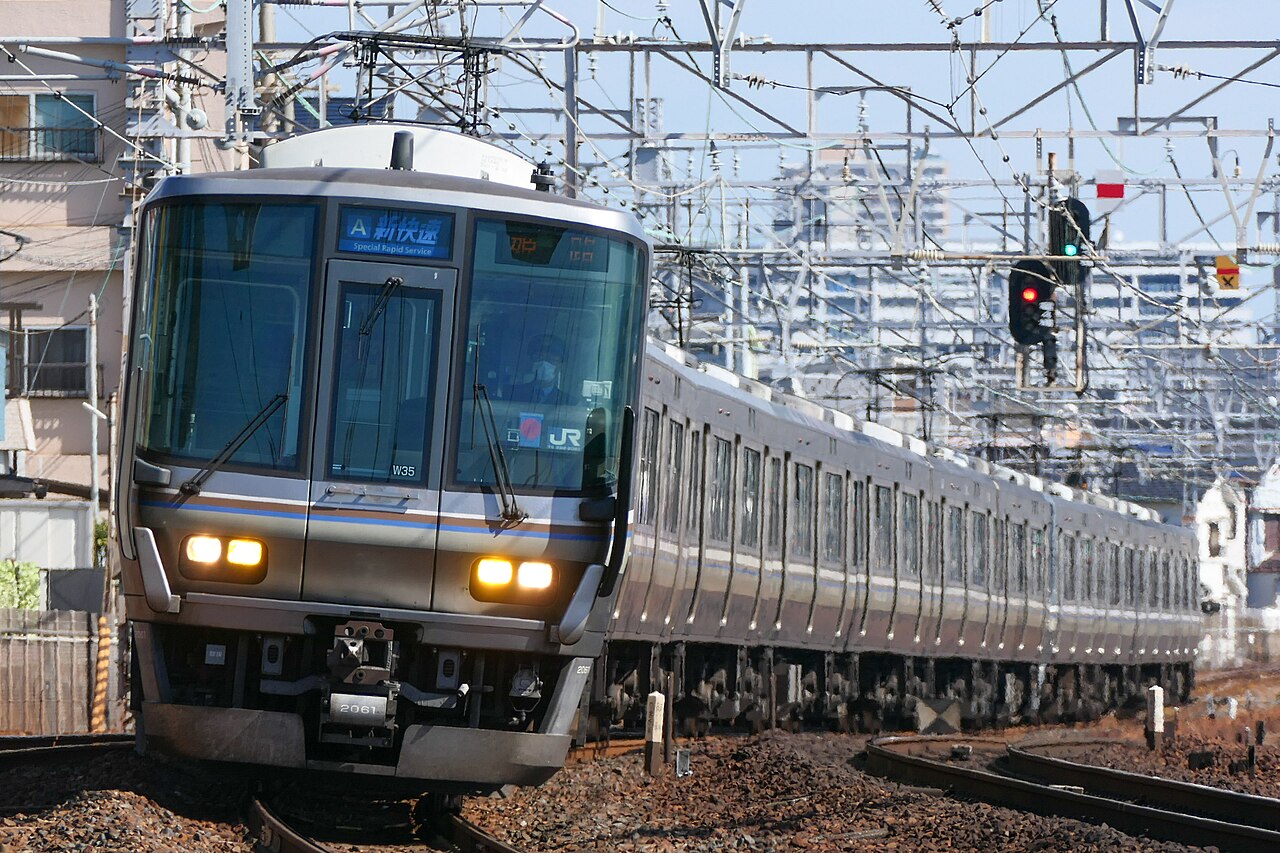
電化は関西側から西へと約30年をかけて進んだ。神戸 - 明石間は1934年、姫路まで1958年、広島まで1962年に電化され、和田岬線を除く全線は、同年に開業した東海道新幹線(東京 - 新大阪間)に接続する形で1964年に電化が完成した。この接続により、西日本各地へ向かう特急・急行列車が頻繁に運転されるようになった。和田岬線そのものの電化は2001年である。
並行する山陽新幹線の開業は、在来線である山陽本線の役割を大きく変えた。新幹線開業前の山陽本線は、西日本の本州から九州へと連絡する主要な輸送回廊として多くの優等列車が運転されていた。山陽新幹線は1972年に岡山駅まで、1975年に博多駅まで延伸され、そのたびに在来線の優等列車の多くが廃止された。1972年以降、この路線は主に普通列車と貨物列車に用いられている。三原 - 下関間のCTC(列車集中制御装置)は1984年に使用が開始された。
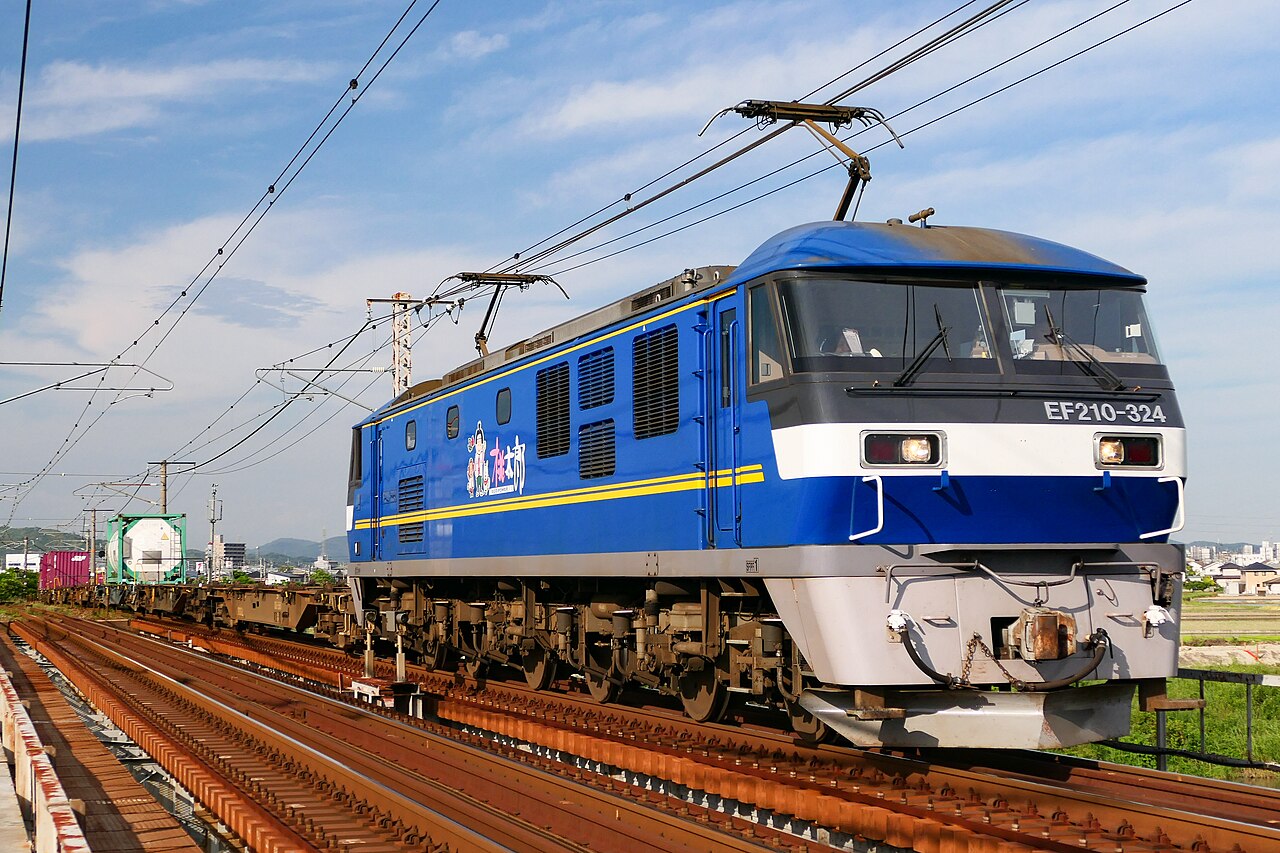
現在の山陽本線は、二つのJR旅客会社とJR貨物によって運行されている。JR西日本が神戸 - 下関間を担当し(神戸 - 姫路間は「JR神戸線」、それ以西は「山陽線」と案内する)、JR九州が下関 - 門司間を、JR貨物が神戸から北九州貨物ターミナルまでの貨物輸送を担う。最高速度は神戸 - 姫路間が130キロメートル毎時、姫路 - 下関間が120キロメートル毎時(姫路 - 岡山間は振り子式列車のみ130キロメートル毎時)、下関 - 門司間および兵庫 - 和田岬間が85キロメートル毎時である。
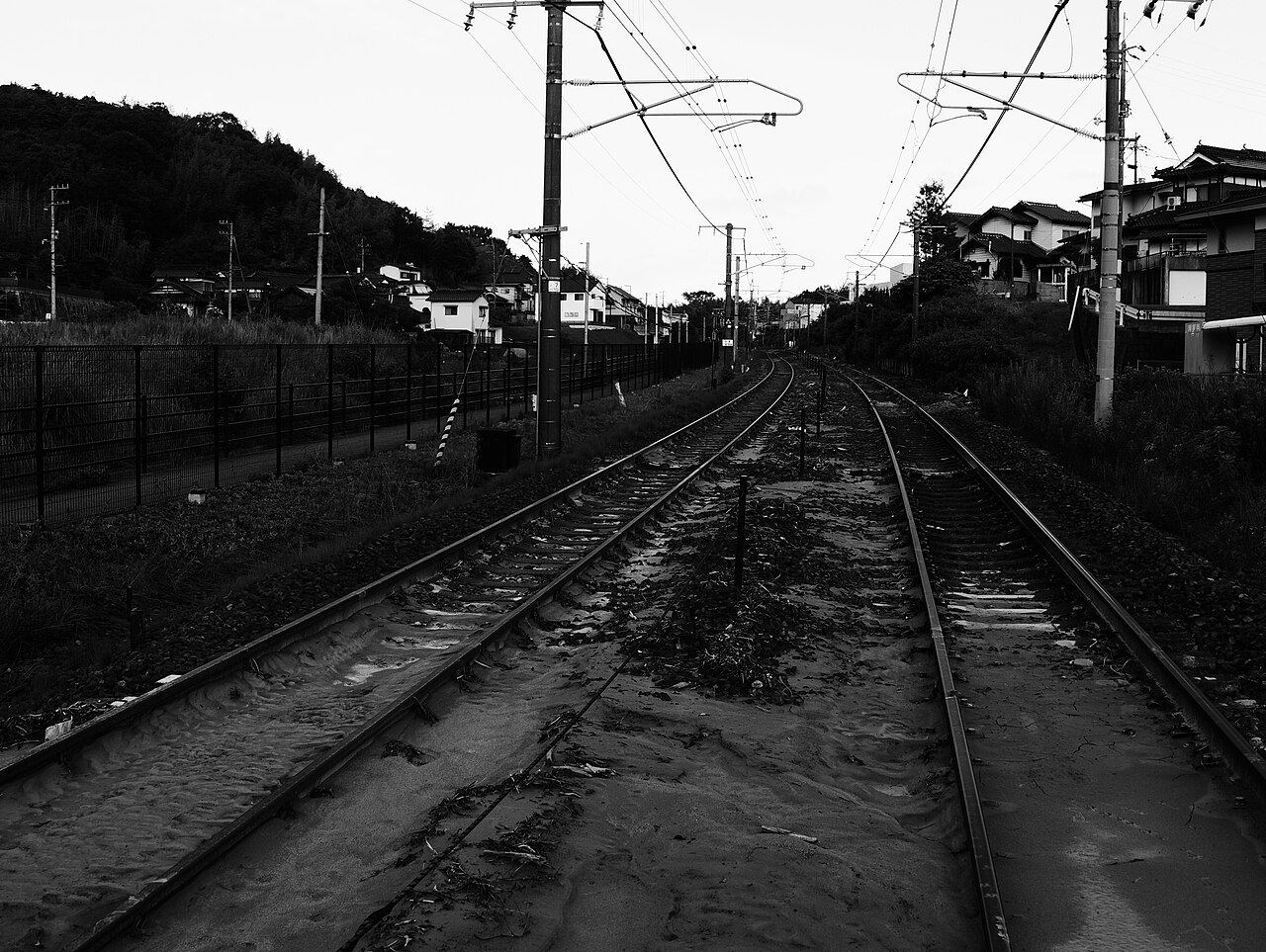
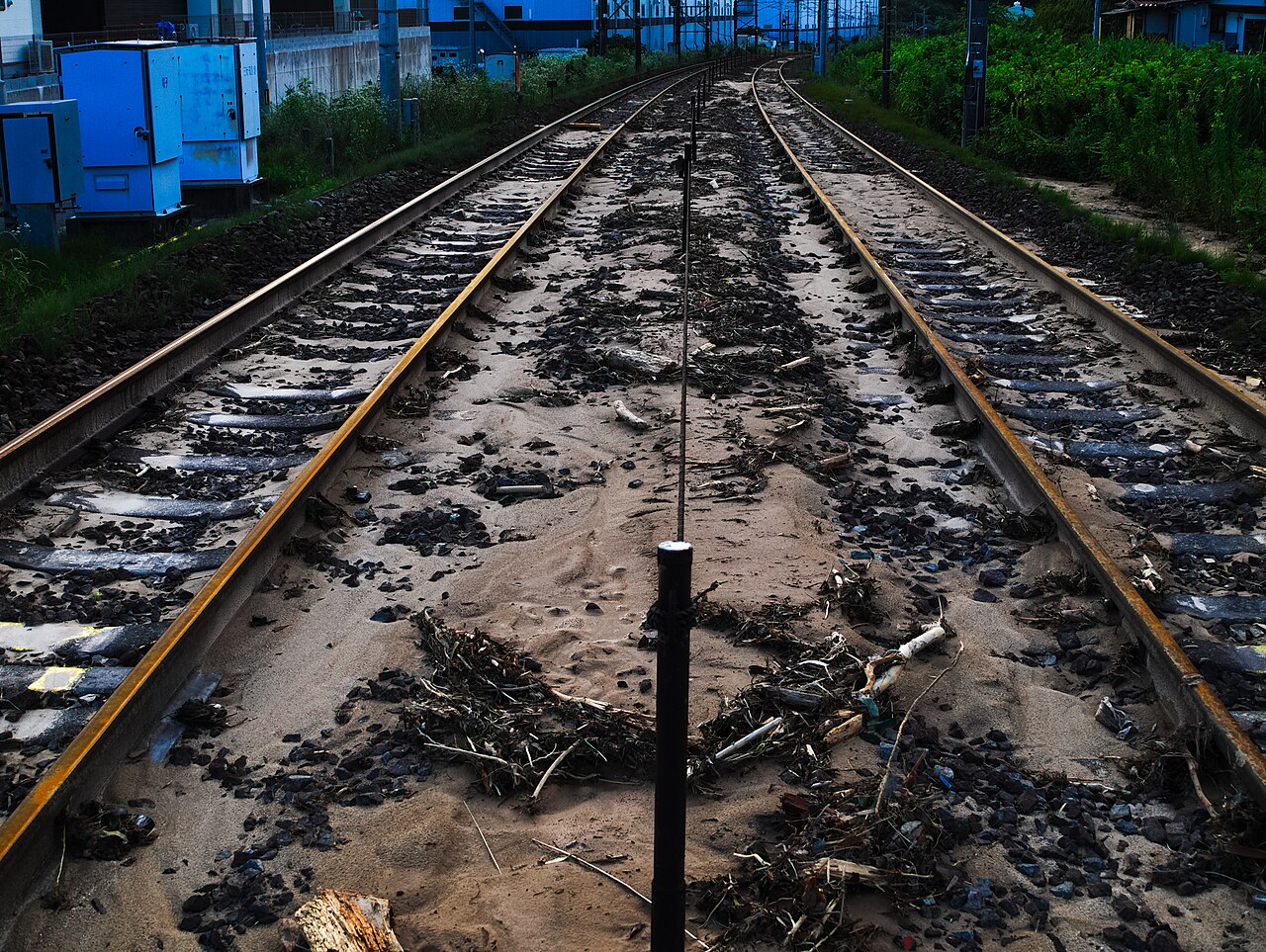
近年、この路線は二度の大きな災害に見舞われた。神戸 - 西明石間は1995年の阪神・淡路大震災で甚大な被害を受け、復旧に10週間を要した。2018年には、7月豪雨により岡山 - 下関間が7月6日から運休となり、大半の列車は7月8日から18日にかけて運転を再開したが、柳井 - 徳山間は同年9月9日まで運休が続いた。
年表
- 1888The private Sanyō Railway opens the first section, Hyōgo–Akashi (1 November per the Japanese record).
- 1889The line is extended east to Kobe Station (double-track, connecting with the government railway) and west toward Tatsuno.
- 1891The Sanyō Railway reaches Okayama and Fukuyama.
- 1894The line reaches Hiroshima.
- 1899The Hyōgo–Himeji section is duplicated (double-tracked).
- 1901The line reaches Bakan (now Shimonoseki); the Japanese record dates the Kobe–Bakan through opening to 27 May.
- 1903The Hiroshima–Kaitaichi section is duplicated.
- 1906Under the Railway Nationalization Act, the Sanyō Railway is purchased by the government and renamed the Sanyō Main Line.
- 1909The formal line name 山陽本線 is designated in the government railway's line-naming list.
- 1930Duplication of the remainder of the line (begun 1921) is completed in stages, except the Iwakuni–Kushigahama section.
- 1934The Kobe–Akashi section is electrified. A new direct inland line (delayed by geological instability) opens as single track and becomes the Sanyō Main Line.
- 1942The Kanmon Tunnel under the Kanmon Strait is completed and the line is extended to Moji Station. The Japanese-language account describes it as the world's first undersea tunnel.
- 1944The original coastal alignment is double-tracked and returned to the Sanyō Main Line; the former bypass becomes the Gantoku Line. A second Kanmon tunnel opens.
- 1958Electrification is extended to Himeji.
- 1962Electrification is extended to Hiroshima.
- 1964The entire line (except the Wadamisaki branch) is electrified, to coincide with the opening of the Tōkaidō Shinkansen.
- 1972The San'yō Shinkansen is extended to Okayama; many express services are withdrawn and the line becomes mainly local and freight.
- 1975The San'yō Shinkansen is extended to Hakata; further express services on the conventional line are withdrawn.
- 1984CTC signalling is commissioned between Mihara and Shimonoseki.
- 1995The Kobe–Nishi-Akashi section is severely damaged by the Great Hanshin earthquake (17 January) and takes ten weeks to repair.
- 2001The Wadamisaki Line (Hyōgo–Wadamisaki branch) is electrified.
- 2018The July floods close the Okayama–Shimonoseki section from 6 July; most services resume 8–18 July, but Yanai–Tokuyama stays closed until 9 September.
出典
事実確認日:2026年6月3日
ギャラリー 4枚
このページの全写真 ― 画像をタップすると原寸大で表示します。すべてウィキメディア・コモンズより(各写真の下にクレジット)。