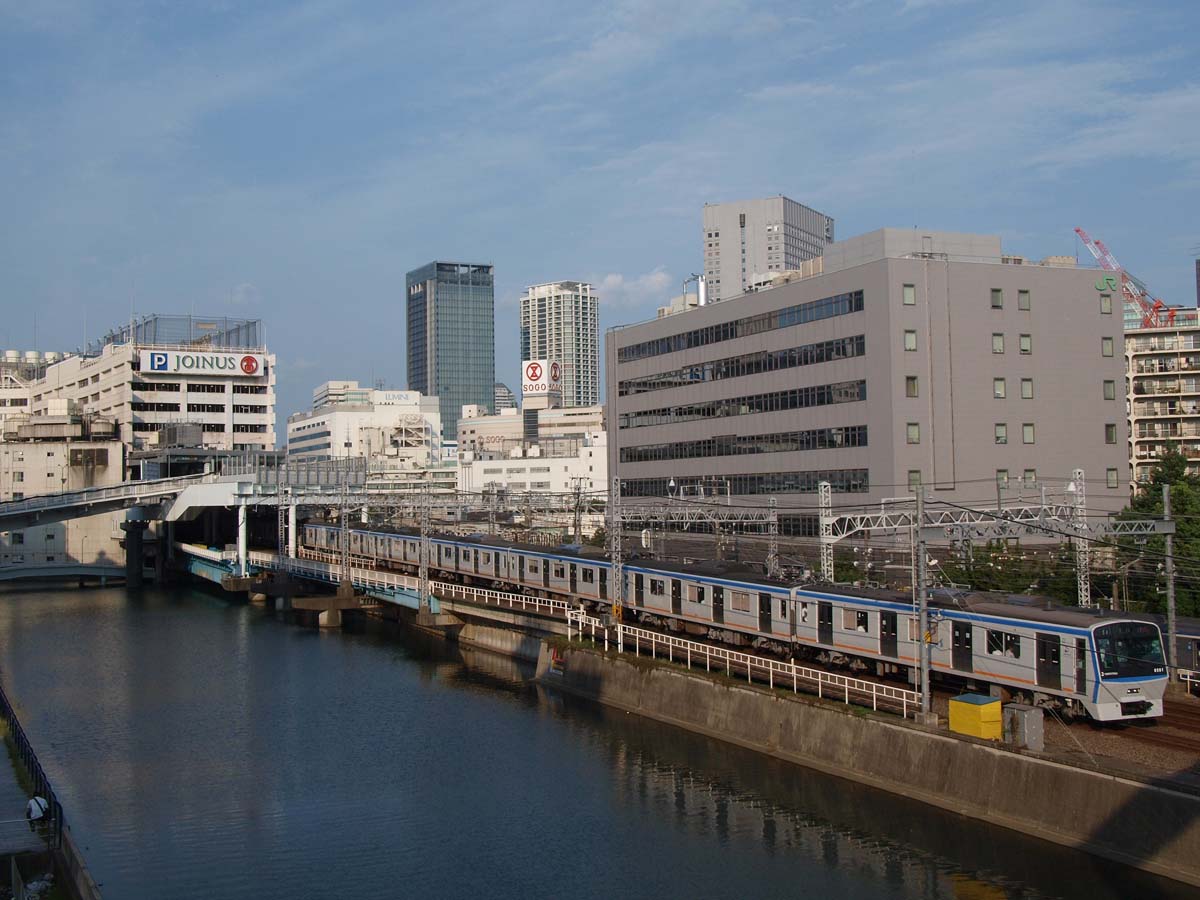
歴史
本路線は1926年(大正15年)5月12日、神中鉄道により二俣川 - 厚木間が蒸気運転で開業したことに始まる。当初は省線程ヶ谷駅 - 海老名村河原口間に762ミリメートル軌間の軌道を敷設する特許が請願されたが、のちに1,067ミリメートル軌間の軽便鉄道へ変更された。沿線はさしたる産業もない農村地帯であり、相模川で採取される砂利の輸送を主眼に置いて開業したものである。開業後は順次横浜へ向けて延伸を重ね、1933年(昭和8年)12月に横浜駅へ達して全通し、1941年(昭和16年)11月には相模国分(現在は廃止)- 海老名間が開業した。
第二次世界大戦中の1943年(昭和18年)4月1日、相模鉄道が神中鉄道を合併し、相模鉄道神中線となった。さらに相模鉄道の経営難により本路線は東京急行電鉄(現・東急電鉄)へ経営委託され、1947年(昭和22年)の委託終了まで「東急厚木線」として運行された。電化は1942年(昭和17年)6月に着手され、横浜 - 海老名間の全線が1944年(昭和19年)9月20日までに電化された。ただし戦時下の電化は最小限の資材で行われ、小田急小田原線などの変電所からも受電したため、二俣川駅を境に架線電圧が異なる状態となり、全線が直流1,500ボルトに統一されたのは1946年(昭和21年)であった。
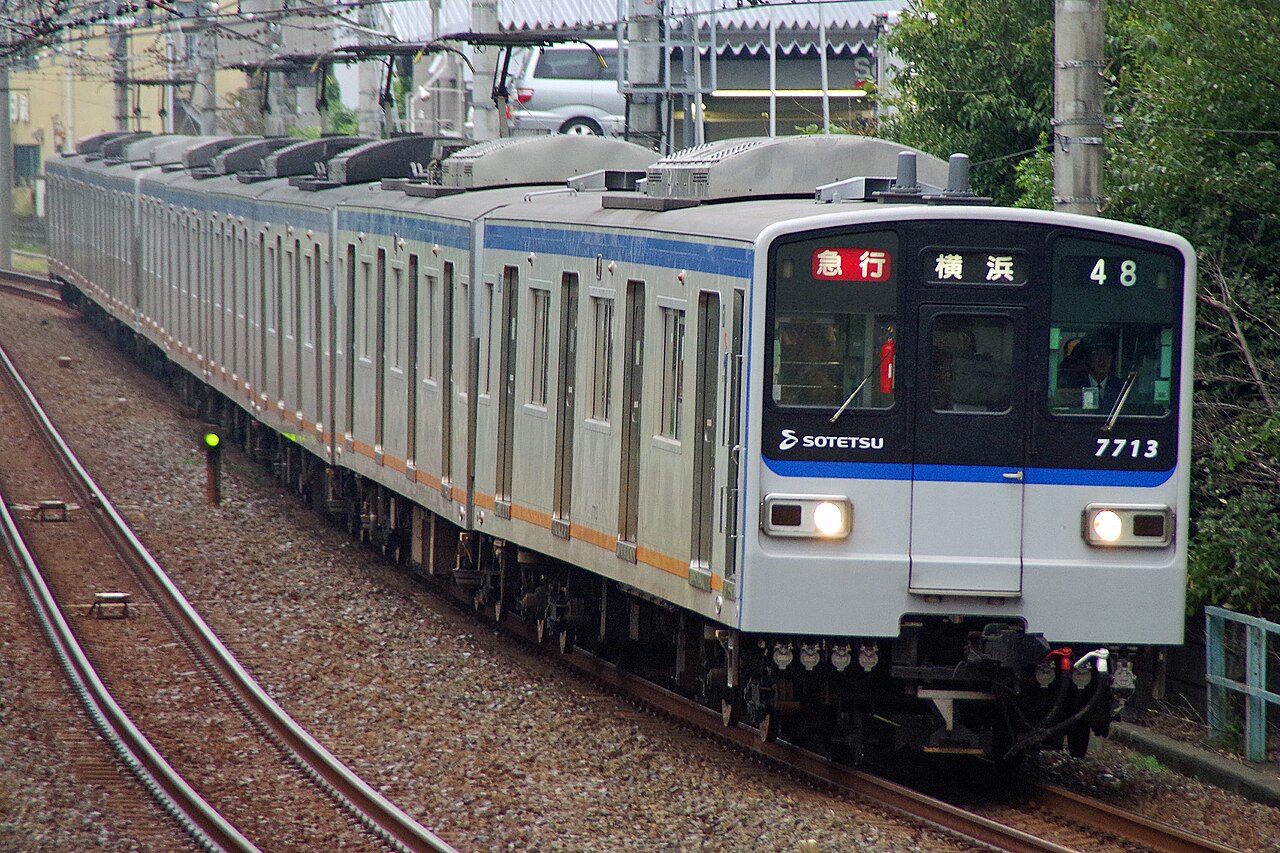
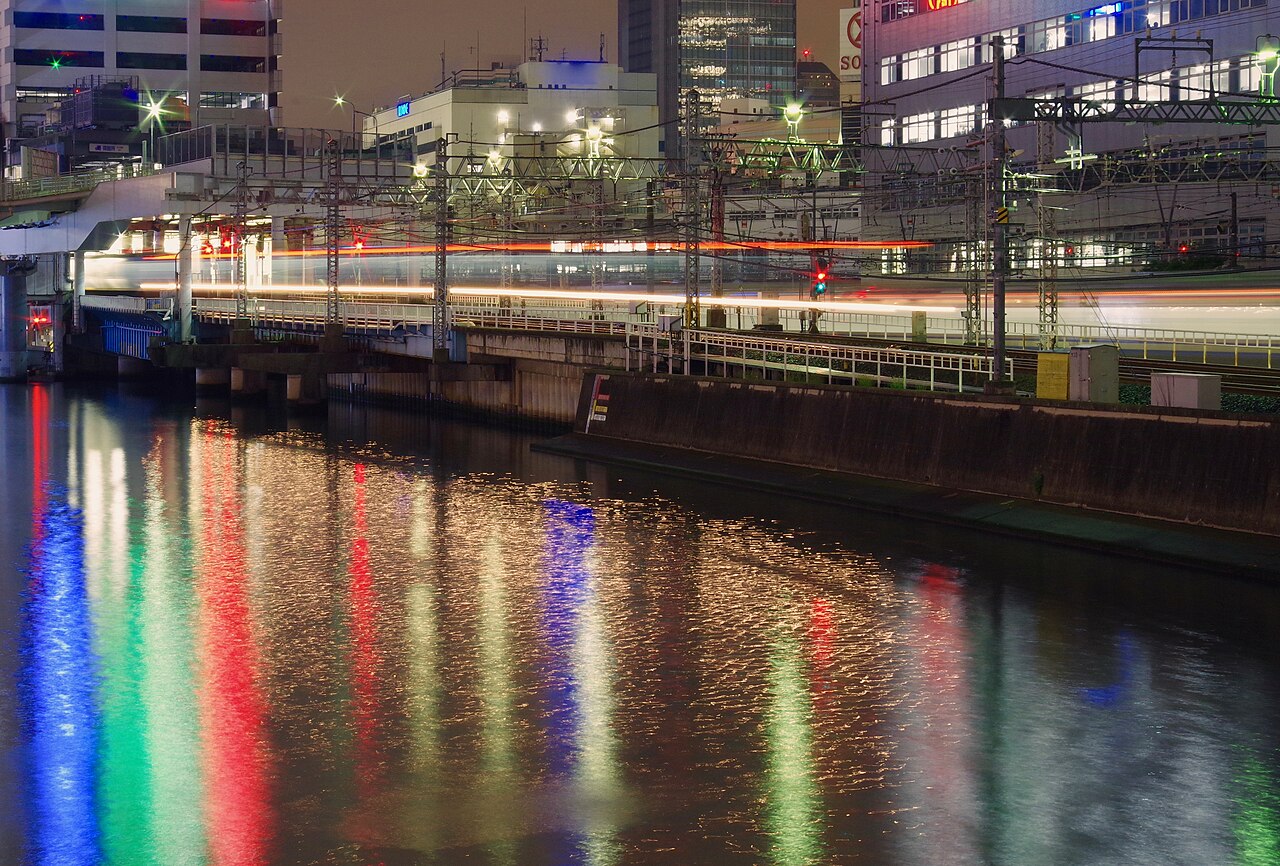
戦後は沿線の宅地化が急速に進み、相鉄は順次輸送力を増強した。複線化は区間ごとに順次進められ、1957年(昭和32年)1月には横浜 - 西横浜間が複線化、1974年(昭和49年)3月までに全線の複線化が完成した。輸送力増強に合わせて編成も長くなり、最初の冷房車である4両編成の6000系電車が1971年(昭和46年)7月3日に投入され、1981年(昭和56年)には10両編成の運転が始まった。また相鉄は、かつて町外れであった起点の横浜駅周辺を自社の手で商業開発し、一大商業拠点へと発展させた。
一方、貨物輸送は1960年代以降衰退した。開業以来の砂利輸送は相模川での砂利採取禁止により1964年(昭和39年)までに終了し、貨物列車の運転は1998年(平成10年)に廃止された。なお、今日のJR相模線はもともと相鉄が建設・所有していたが、第二次世界大戦中の1944年に政府へ買収され、戦後も返還の合意に至らず、現在はJR東日本が運営している。
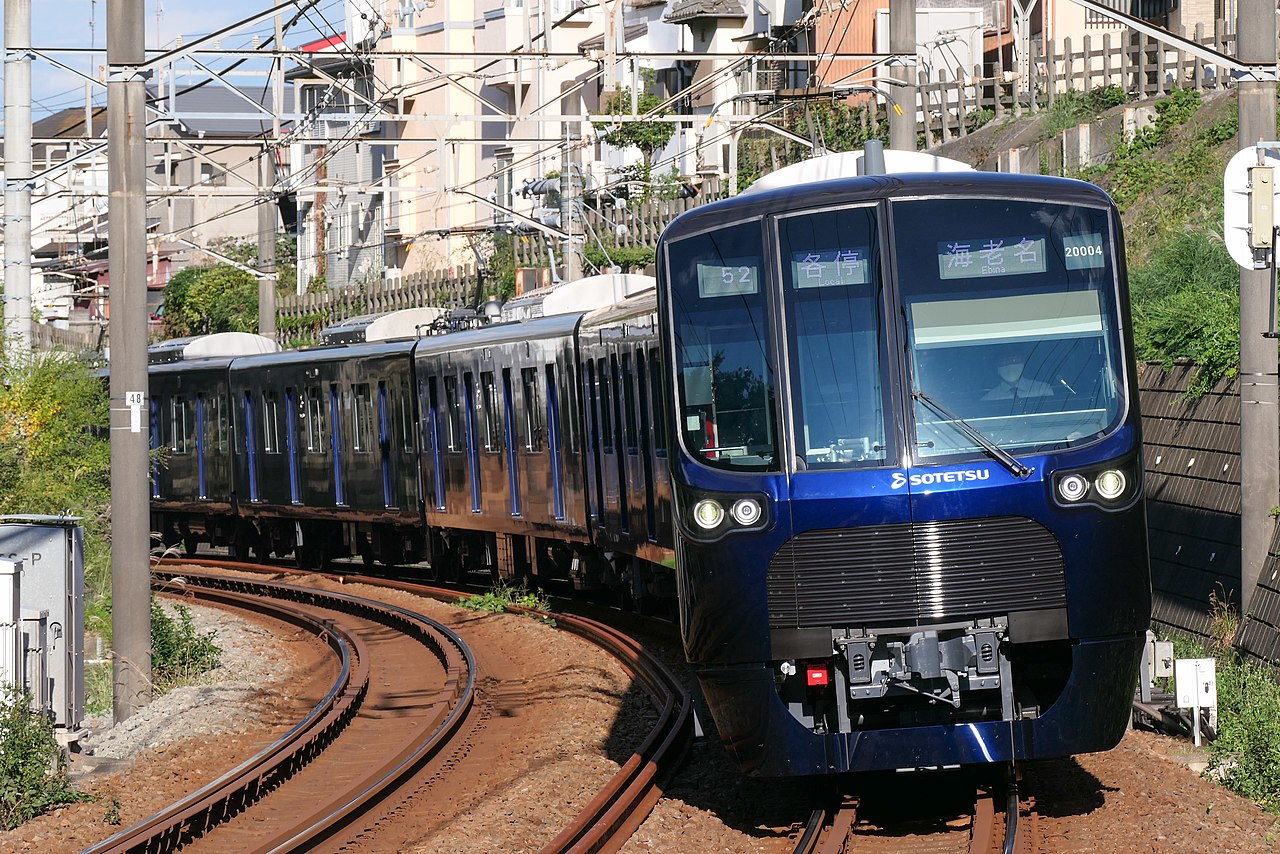
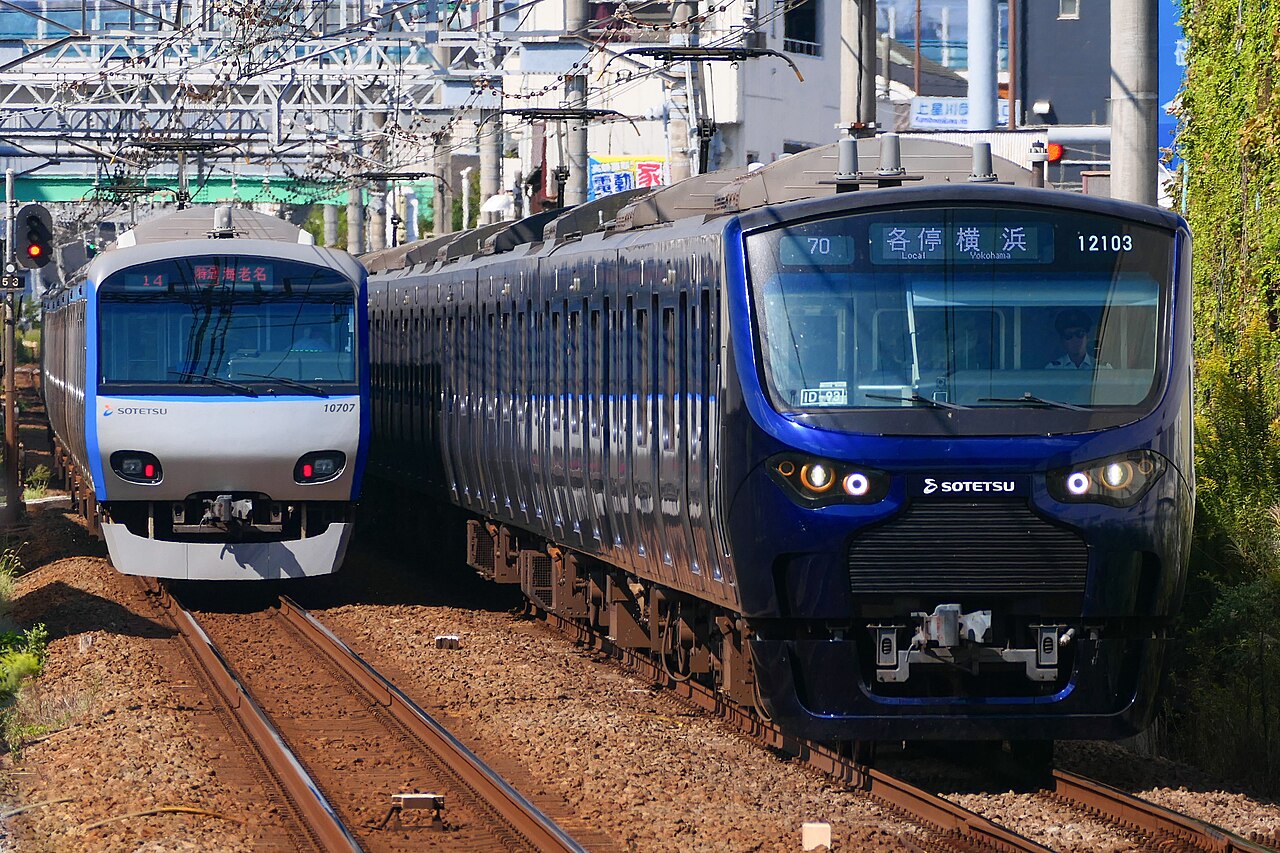
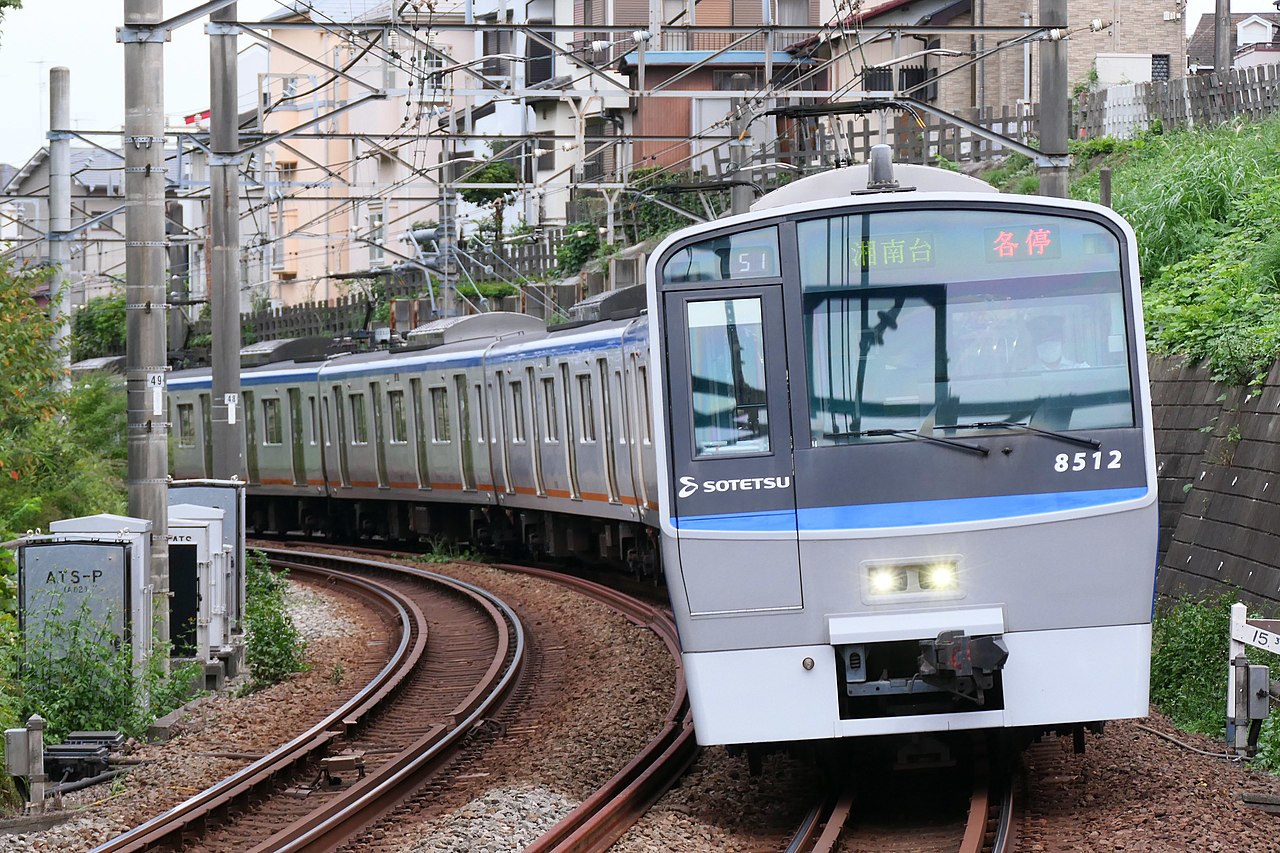
現在、相鉄本線は相模鉄道により最高速度100キロメートル毎時で運行され、車両基地はかしわ台駅に置かれている。列車種別には各停・快速・通勤急行・通勤特急・特急があり、多くの列車が二俣川以西で相鉄いずみ野線に直通し湘南台方面へ向かう。2000年(平成12年)10月1日には磁気乗車券パスネットに対応した。近年の大きな変化として、2019年(令和元年)11月30日に相鉄・JR直通線によるJR線への直通運転が、2023年(令和5年)3月18日には相鉄新横浜線・東急新横浜線を介した東急線への直通運転が開始された。また同じ2023年には、令和5年度版『鉄道要覧』から路線名に「相鉄」を冠した現在の「相鉄本線」へと改められた(それ以前は単に「本線」と称していた)。2010年度(平成22年度)の1日平均乗降人員は566,657人を記録している。安全性と効率の向上のため、鶴ヶ峰駅付近の約2.8キロメートル区間を地下化する事業が進められており、地下の線路と新駅舎は2034年に完成する予定である。
年表
- 192612 May: the line opens as the steam-operated Jinchū Railway between Futamata-gawa and Atsugi (the latter on the present-day Sagami Line).
- 1933December: the line is extended to reach Yokohama Station, completing through running to the Yokohama terminus.
- 1941November: the section from the former Sagami-Kokubu station (now closed) to Ebina opens.
- 1942June: electrification work on the line commences.
- 19431 April: the Sagami Railway merges the Jinchū Railway and the route becomes the Sagami Railway Jinchū Line. Owing to the Sagami Railway's financial difficulties the line was later commissioned to Tōkyū and run as the "Tōkyū Atsugi Line" (operated under that name from 1945 until the commission ended in 1947).
- 194420 September: the entire Yokohama–Ebina line is electrified (initially with mixed 600 V / 1,500 V sections).
- 1946The whole line is unified at 1,500 V DC.
- 1947The Tōkyū operating commission ends and Sagami Railway resumes operation of the line.
- 1957January: the Yokohama–Nishi-Yokohama section is double-tracked (one of several sections double-tracked progressively from the early 1950s to 1974).
- 1964Gravel transport — the traffic the line was built to carry — ends following a ban on gravel extraction from the Sagami River.
- 19713 July: the first air-conditioned trains, four-car 6000 series EMUs, enter service on the line.
- 1974March: the entire line is double-tracked.
- 1981Ten-car trains begin operating on the line (EN gives 6 April; the JA timeline and its cited newspaper source give 5 April).
- 1998Freight operation on the line ceases entirely.
- 20001 October: station ticket barriers are modified to accept the Passnet magnetic farecard.
- 201930 November: through services to the JR network begin via the Sōtetsu–JR Direct Line.
- 202318 March: through services to the Tōkyū network begin via the Shin-yokohama lines. Separately, in 2023 the line is renamed to its present "Sōtetsu Main Line" (the "Sōtetsu" prefix added in the FY2023 national rail directory; previously styled simply "Main Line").
- 2034A 2.8 km section around Tsurugamine Station is to be relocated underground, with the new track and station building expected to be completed (planned).
出典
事実確認日:2026年6月3日
ギャラリー 5枚
このページの全写真 ― 画像をタップすると原寸大で表示します。すべてウィキメディア・コモンズより(各写真の下にクレジット)。