歴史
東京・神戸間に建設される幹線鉄道は、国防上の理由から当初は中山道経由と決定された。レールや鉄骨などの建設資材を国外から輸入する計画であったため、それらを武豊港に陸揚げして運搬する路線として、武豊駅・熱田駅間が1886年(明治19年)3月1日に開業した。開業当初の通称は半田線であった。武豊線は愛知県で初めて建設された鉄道路線である。しかし中山道経由では難工事が予想されたことから、同年7月19日に幹線は東海道経由に変更され、翌年に大府以北が東海道線に組み込まれると、大府駅・武豊駅間は支線となった。1892年(明治25年)には武豊駅が大府寄りの現在地へ約950メートル移転している。日本語版の年表によれば、1895年(明治28年)の線路名称制定で東海道線の一部となり、1909年(明治42年)10月12日の国有鉄道線路名称制定で大府駅・武豊駅間が正式に「武豊線」と命名された。
この路線は建設時から1949年まで鉄道省(鉄道局)などの国営として運営され、1949年に国有鉄道路線の運営は日本国有鉄道(国鉄)へ引き継がれた。1932年に並行する名鉄河和線が開業すると、より高頻度で名古屋へ速く到達できる同線に乗客が流れ、利用は減少した。1933年には気動車(ガソリンカー)の運転が始まったが、第二次世界大戦中の1944年には資源不足のため気動車運転が廃止されて再び機関車牽引に戻り、藤江駅と尾張生路駅は両駅の中間に新設された東浦駅に統合された。1953年9月25日には台風により武豊駅・東成岩駅間が流失し、国鉄職員1名が死亡した。蒸気機関車の運転は1970年に終了し、武豊港への貨物支線は1965年に廃止、ワンマン運転は1992年に始まった。1987年4月1日の国鉄分割民営化により同線はJR東海が承継し、日本貨物鉄道(JR貨物)が大府駅・東成岩駅間の第二種鉄道事業者となった。
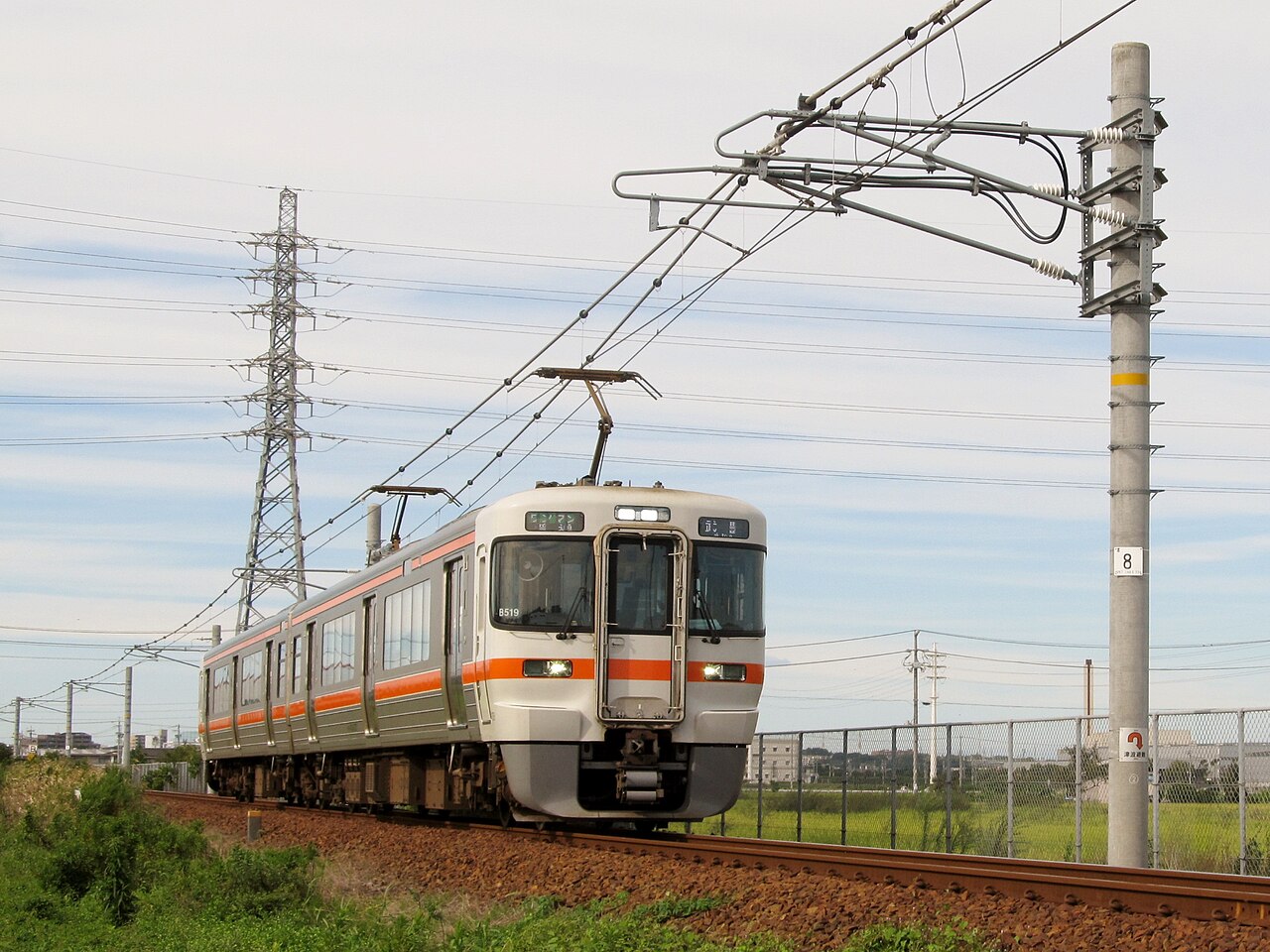
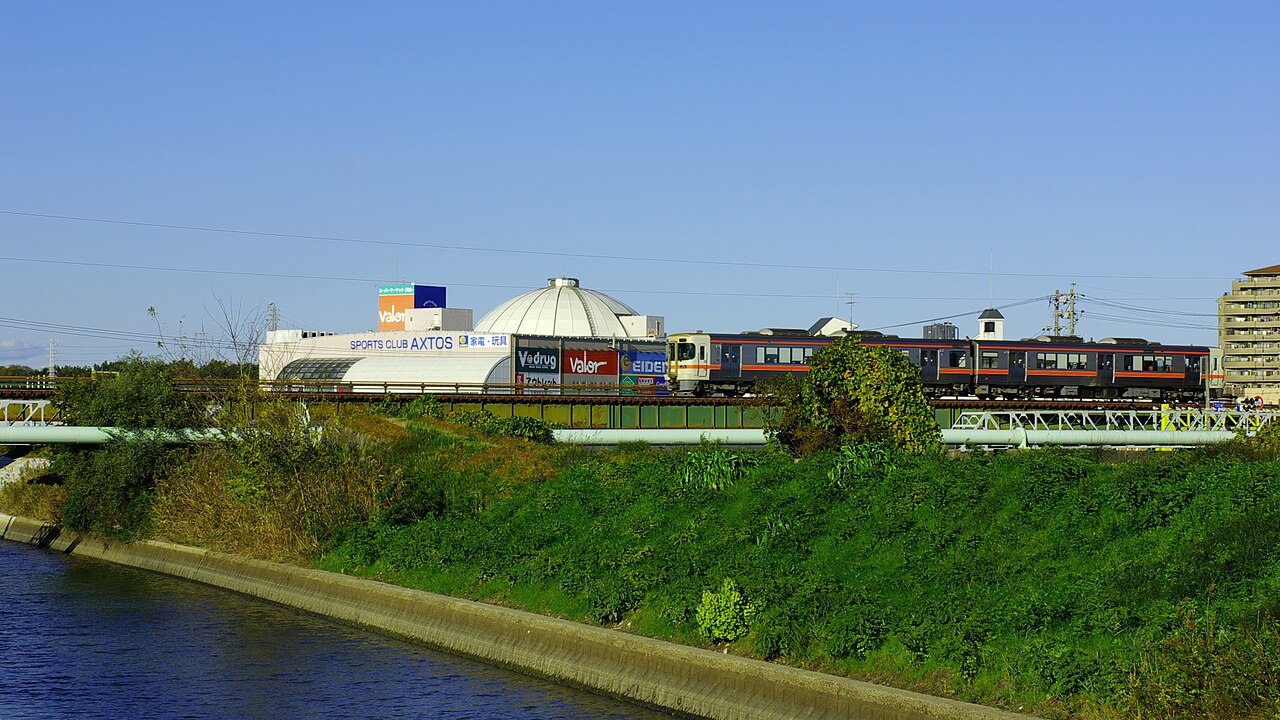
武豊線はJR路線網の中で中部国際空港(セントレア)に最も近接しているにもかかわらず、全線が単線・非電化であったため、沿線住民や自治体から近代化が強く要望された。これを受けてJR東海は2010年3月に電化工事に着手し、2015年(平成27年)3月1日に全線が電化されて東海道本線名古屋方面との直通運転が始まった。2018年(平成30年)3月には駅ナンバリングとラインカラーが導入され、路線コードは「CE」、ラインカラーはブラウンとされた。2001年には列車集中制御装置(CTC)が、2011年には自動列車停止装置(ATS)が導入されている。2024年3月15日には315系電車が運行を開始し、それまでの車両を置き換えた。
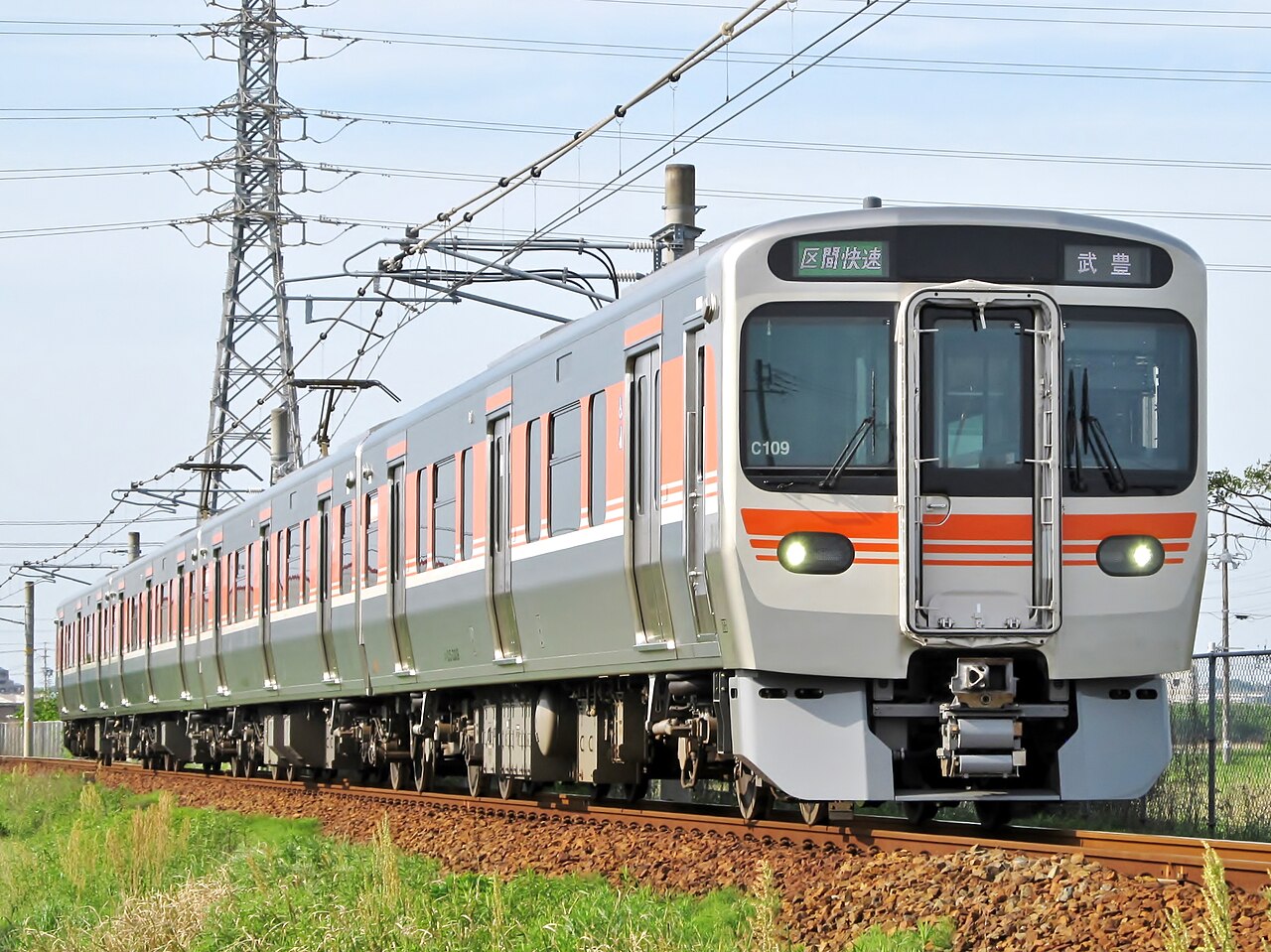
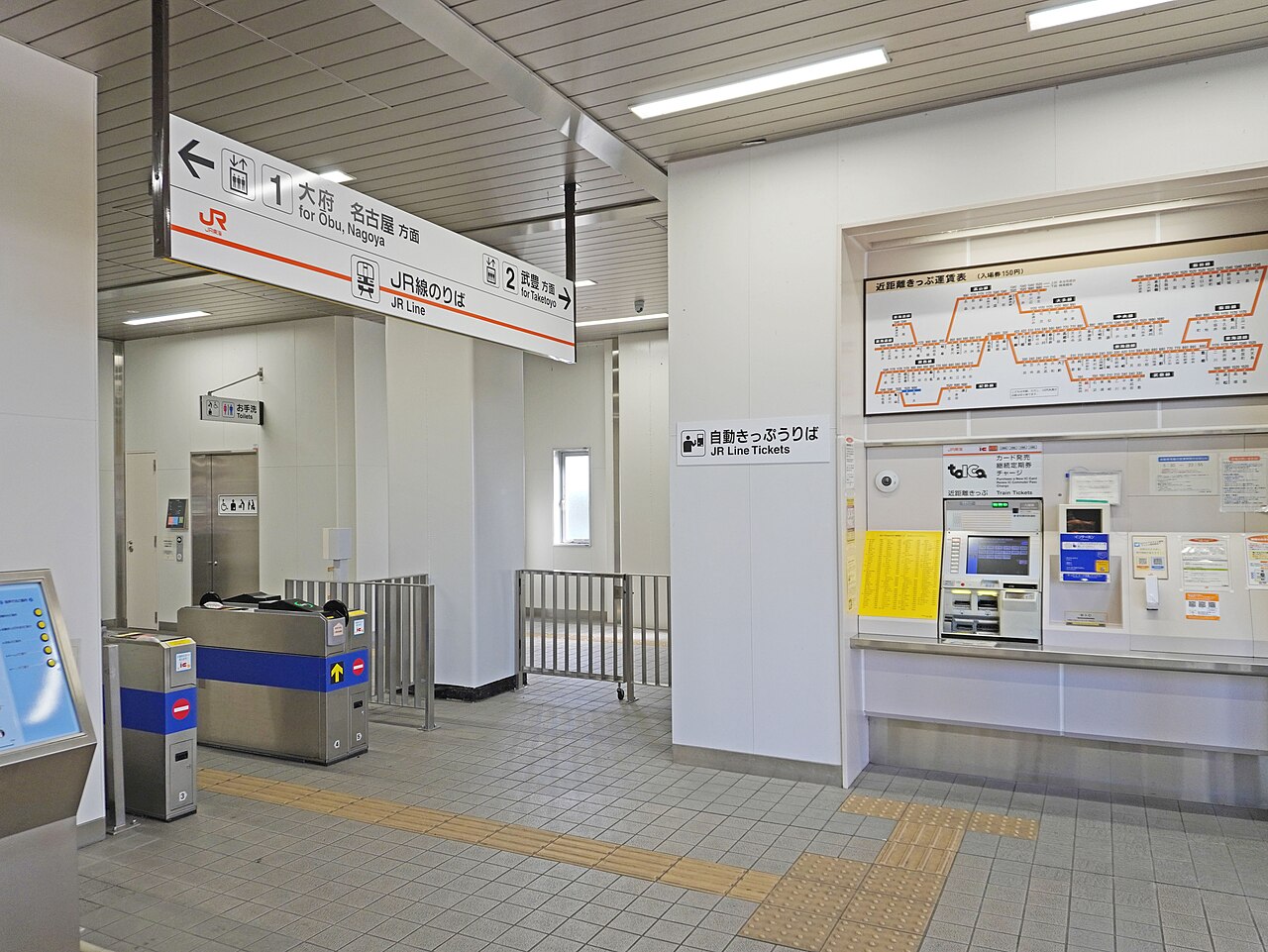
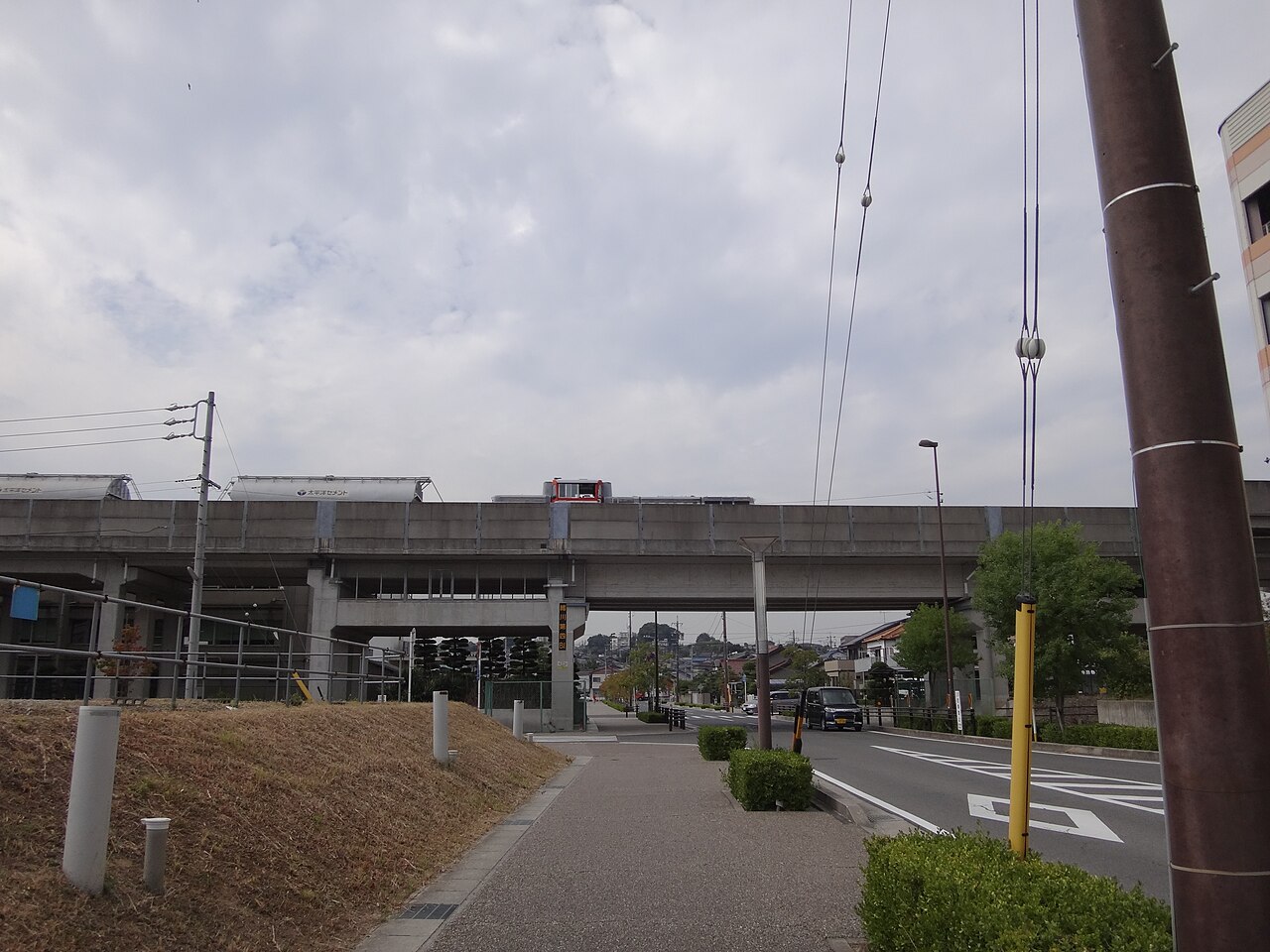
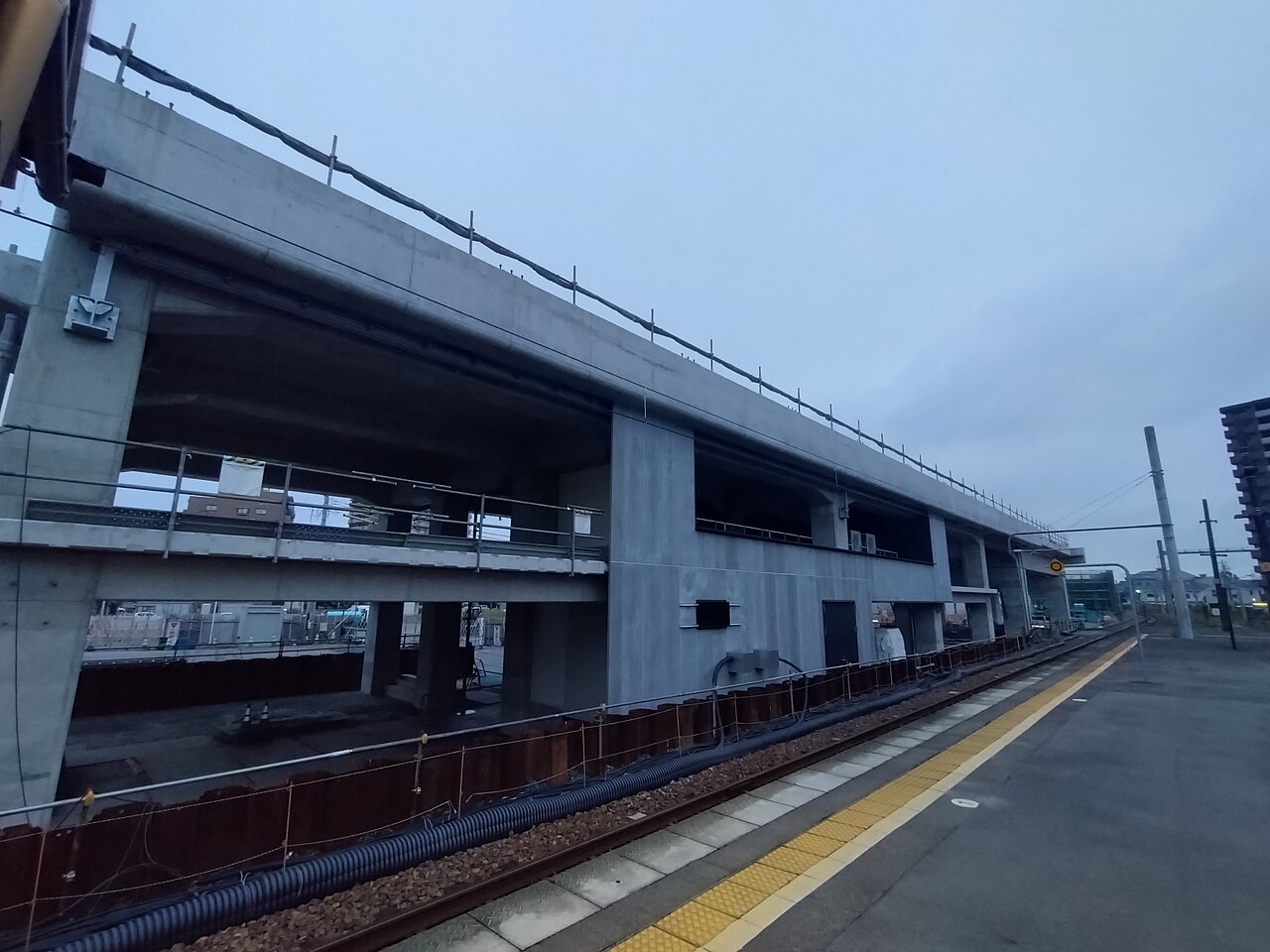
現在は全列車が各駅停車で、平日は15~30分間隔、土休日は30~40分間隔で運行され、朝夕のラッシュ時には東海道本線名古屋駅への直通区間快速が設定されている。武豊線内に貨物を取り扱う駅はないが、衣浦臨海鉄道が運行する貨物列車5本が同社の碧南線・半田線へ直通するため線内を通過する。出典によれば、同線は亀崎駅に日本で最も古い現役の駅舎を有し、また半田駅付近にはかつて日本最古の鉄道跨線橋が存在したが、高架化工事のため2021年に撤去・移設された。さらに日本語版の出典によれば、2008年度の輸送密度は約9,156人で、これは地方交通線の中ではJR西日本の可部線(約18,635人)に次いで2番目に高い数値であったとされる。
年表
- 18861 March: the line opens from Atsuta to Taketoyo as the Handa Line, built to carry materials for the Tokyo-Osaka trunk railway; it is the first railway in Aichi Prefecture. (EN adds it was renamed the Taketoyo Line on 1 May 1886.) On 19 July the trunk route is changed to follow the Tokaido.
- 18881 September: the Tokaido Main Line section Hamamatsu-Obu opens, and the Obu-Taketoyo section becomes a branch line.
- 1892Taketoyo Station is relocated about 950 m closer to Obu; the former station and section later reopen as the freight-only Taketoyo-Minato (Taketoyo Port).
- 190912 October: the Obu-Taketoyo section is formally designated the Taketoyo Line under the national railway line-naming ordinance.
- 1932The parallel Meitetsu Kowa Line opens; ridership on the line falls as the Meitetsu service runs more frequently and reaches Nagoya faster.
- 1933Steam locomotives are replaced by diesel railcars (gasoline cars); railcar operation begins on 1 July (JA).
- 1944Owing to wartime resource shortages, railcar services are replaced again by locomotives; Fujie and Owari-Ikuji stations are merged into the new Higashiura Station.
- 195325 September: a typhoon washes out the section between Taketoyo and Higashi-Narawa, killing a JNR worker.
- 196520 August: the freight branch from Taketoyo to Taketoyo-Minato (1.0 km) is abolished.
- 1970Steam-locomotive operation on the line ends (30 June, JA).
- 19871 April: with the privatisation of JNR, the line transfers to JR Central; JR Freight becomes a Type-II operator over the Obu-Higashi-Narawa section.
- 1992One-person (one-man) operation begins on the line (12 October, JA).
- 2001A centralised traffic control (CTC) system is installed.
- 2010March: JR Central begins work to electrify the line.
- 2011An automatic train stop (ATS) system is installed on the line.
- 20151 March: the line is fully electrified and through services to and from Nagoya via the Tokaido Main Line commence.
- 2018March: station numbering and line colouring are introduced; the line is assigned the colour brown and the line code CE.
- 2020Construction to elevate the line around Handa Station begins.
- 2021The country's oldest railway overpass, near Handa Station, is demolished and relocated to make way for the elevation works.
- 202415 March: 315 series EMUs enter service on the line.
出典
事実確認日:2026年6月3日
ギャラリー 5枚
このページの全写真 ― 画像をタップすると原寸大で表示します。すべてウィキメディア・コモンズより(各写真の下にクレジット)。