歴史
路線は1899年(明治32年)8月27日、北千住駅 - 久喜駅間を蒸気運転で開業したことに始まる。開業当初は2時間間隔で1日7往復の旅客・貨物混合列車が運転された。その後も北へ延伸し、1902年に加須駅、1903年に川俣駅(当時は利根川の右岸)まで開業した。1905年に根津嘉一郎が東武鉄道の社長に就任したのち、利根川の架橋が断行され、1907年に足利町駅(現・足利市駅)まで開業した。貨物輸送により経営難を脱し、1910年に伊勢崎駅まで全線開業した。都心側のターミナル選定は難航したが、1902年に北千住駅から吾妻橋駅(現・とうきょうスカイツリー駅)へ延伸し、1931年には隅田川を渡る橋梁が架けられて、百貨店の建物の一部として現在の浅草駅(当時は浅草雷門駅)が開業し、現在の形で全線が完成した。1910年の吾妻橋駅から浅草駅への改称は、伊勢崎線で初めての駅名改称であった。
大正期には輸送量の増加に伴い、都心側で複線化と電化が進められた。浅草駅 - 西新井駅間は1912年に複線化され、残る区間も1920年から1927年にかけて複線化された。ただし羽生駅 - 川俣駅間は、利根川に2本目の橋梁が架けられた1992年まで複線化されなかった。電化は1924年に浅草駅 - 西新井駅間で始まり、1927年に伊勢崎駅まで完成した。100kmを超える電化区間は、当時としては現在の近鉄大阪線・山田線とともに日本で最も長い電化路線の一つであった。
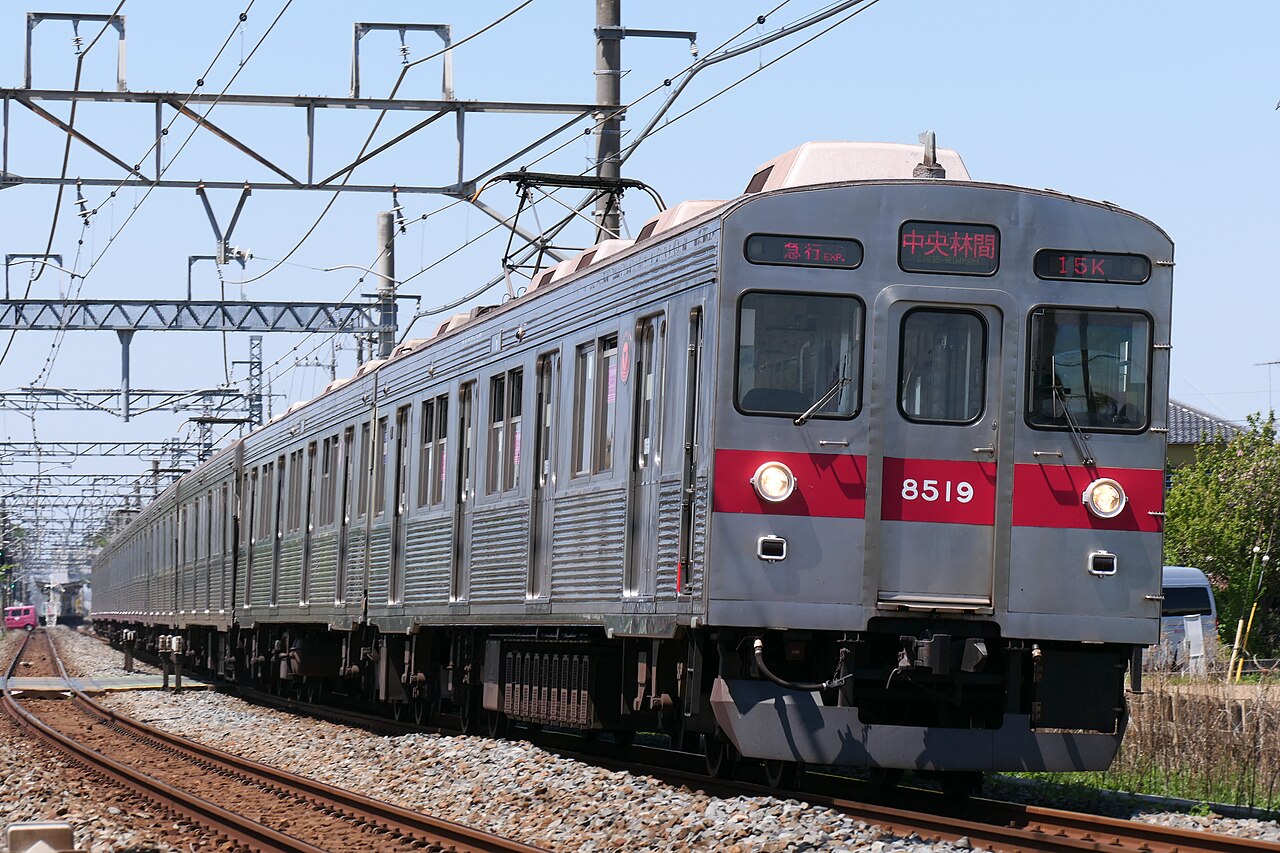
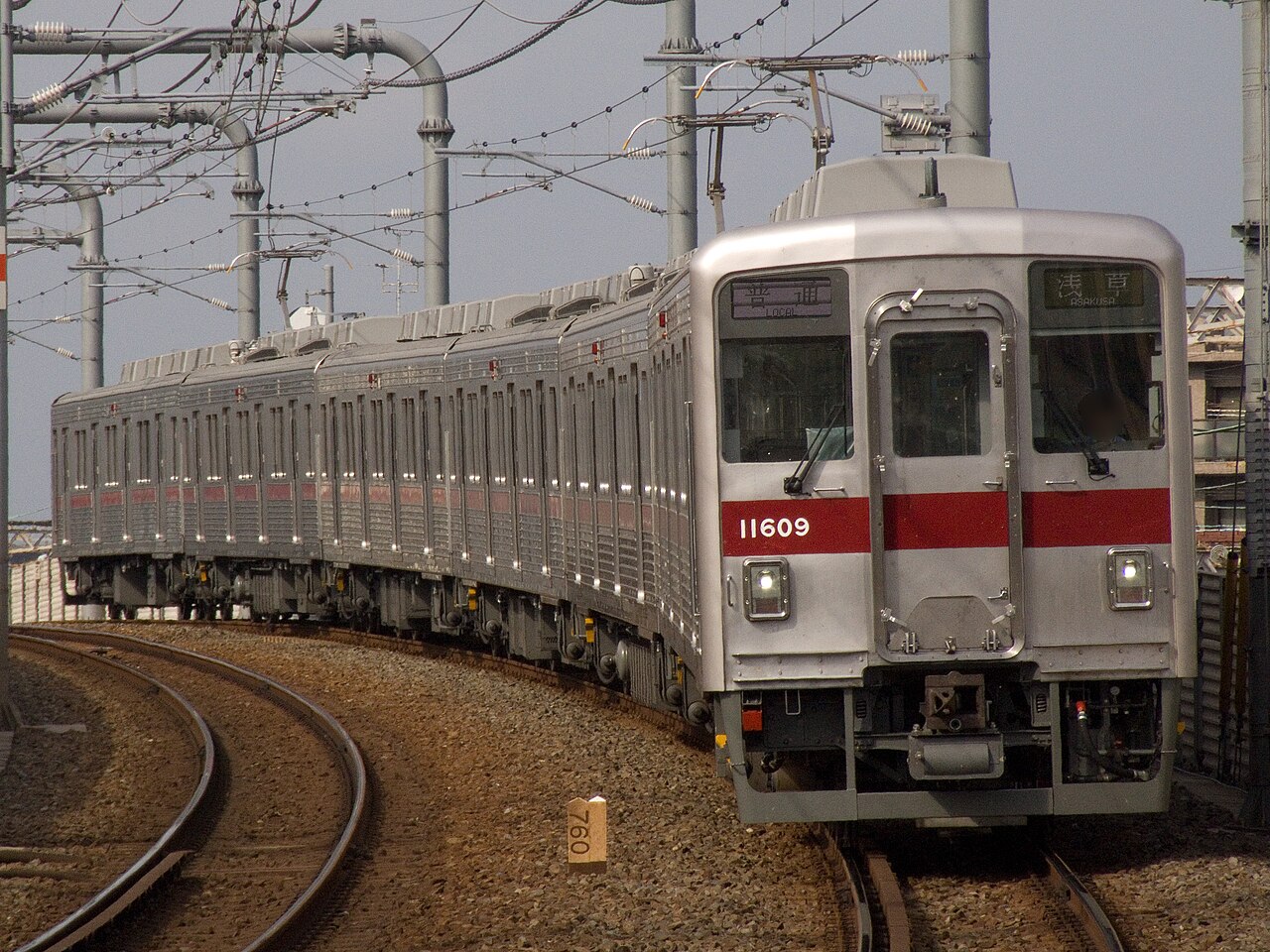
第二次世界大戦後、東武の路線は当時の国鉄の山手線や主要路線と接続せず、都心への効率的な乗り換え手段を欠いていた。唯一の接続は北千住駅での常磐線であったが、都心へのアクセスは不便であった。北千住駅での乗り換えの非効率と狭隘な浅草駅を解消するため、1962年に営団地下鉄(現・東京メトロ)日比谷線との直通運転が始まった。これは東京の地下鉄と郊外電車の直通としては、京成押上線・都営浅草線に次いで2例目であった。以後、沿線開発が進んで輸送人員は急増し、混雑も激化した。1969年度秋季の交通量調査では、朝ラッシュ最混雑区間の小菅駅 → 北千住駅間で混雑率248%を記録し、当該年度の大手私鉄の路線で最高値となった。輸送力増強のため、関東私鉄初の複々線化が進められ、1974年に北千住駅 - 竹ノ塚駅間が、1988年に草加駅まで完成した。10両編成の運転開始は1986年で、東武のもう一つの幹線である東上線より約10年遅かった。
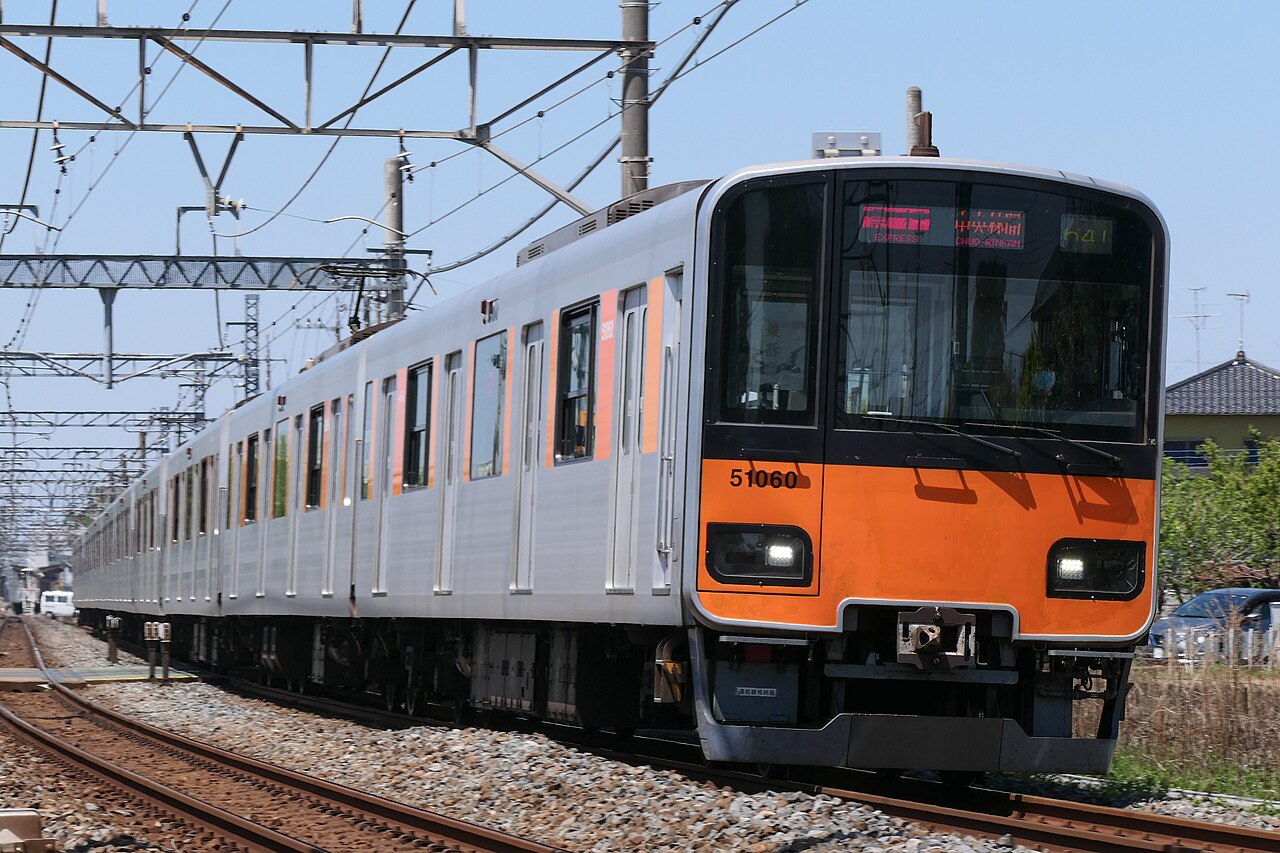
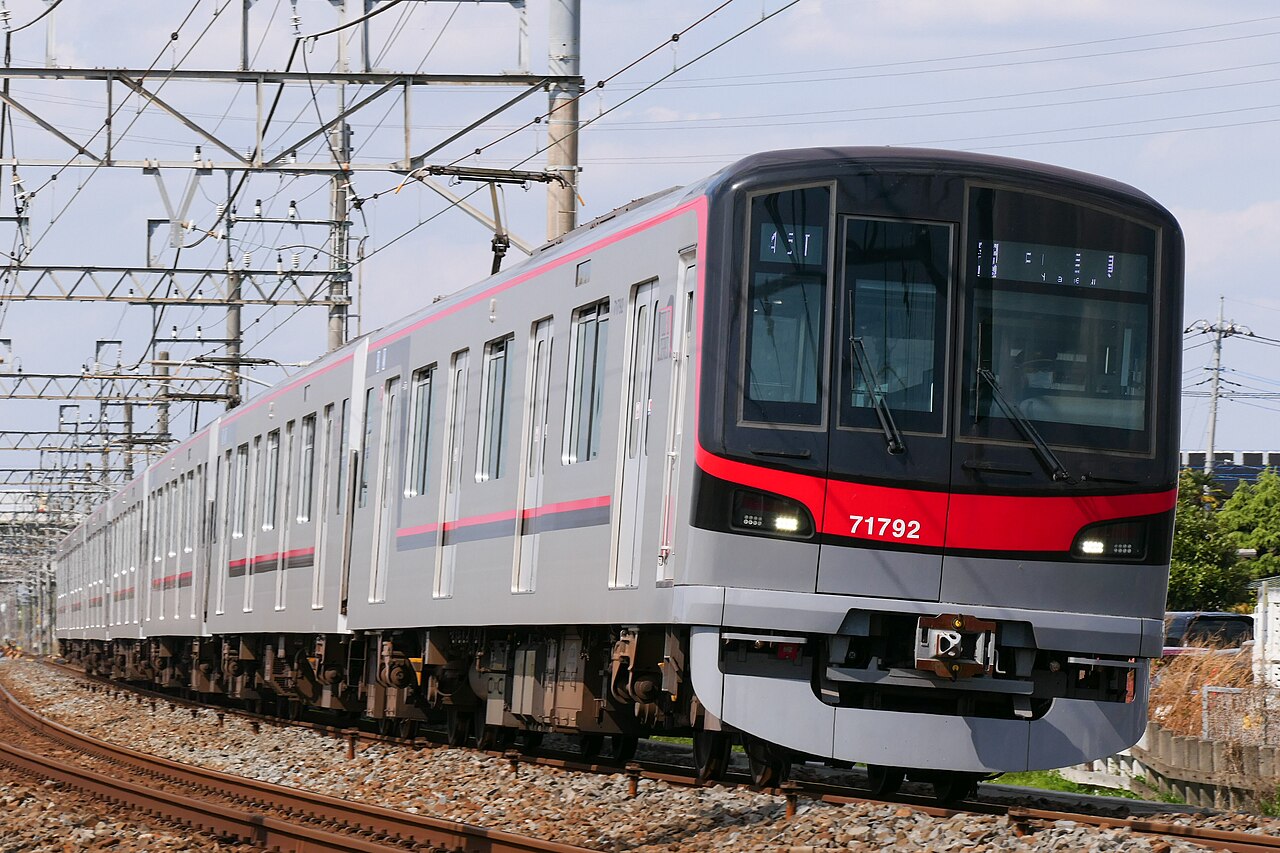
平成期にも輸送力増強が続いた。1997年に北千住駅の立体化と越谷駅までの複々線化が完成し、2001年には複々線が北越谷駅まで延びて、北千住駅 - 北越谷駅間18.9kmの連続複々線区間が成立した。これは日本の私鉄では最長の複々線区間である。2003年には押上駅を介して東京メトロ半蔵門線・東急田園都市線との直通運転が始まり、10両編成の優等列車が初めて都心へ直通した。2006年3月18日のダイヤ改正では半蔵門線直通の急行を基軸としたダイヤに刷新され、一般列車は久喜駅・太田駅で系統分離、太田駅 - 伊勢崎駅間の普通はワンマン運転の3両編成となり、特急「りょうもう」1日1往復を除いて浅草駅 - 伊勢崎駅間の直通列車は廃止された。
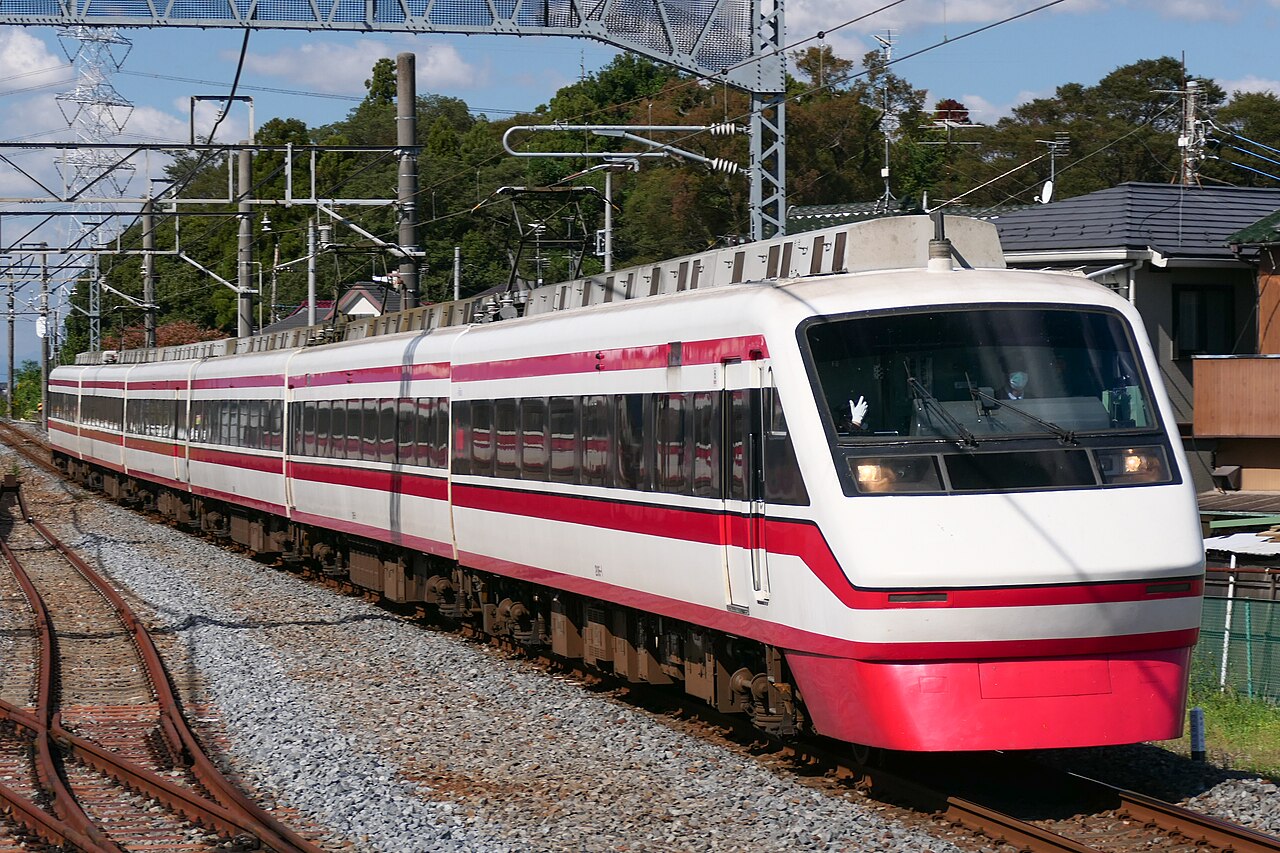
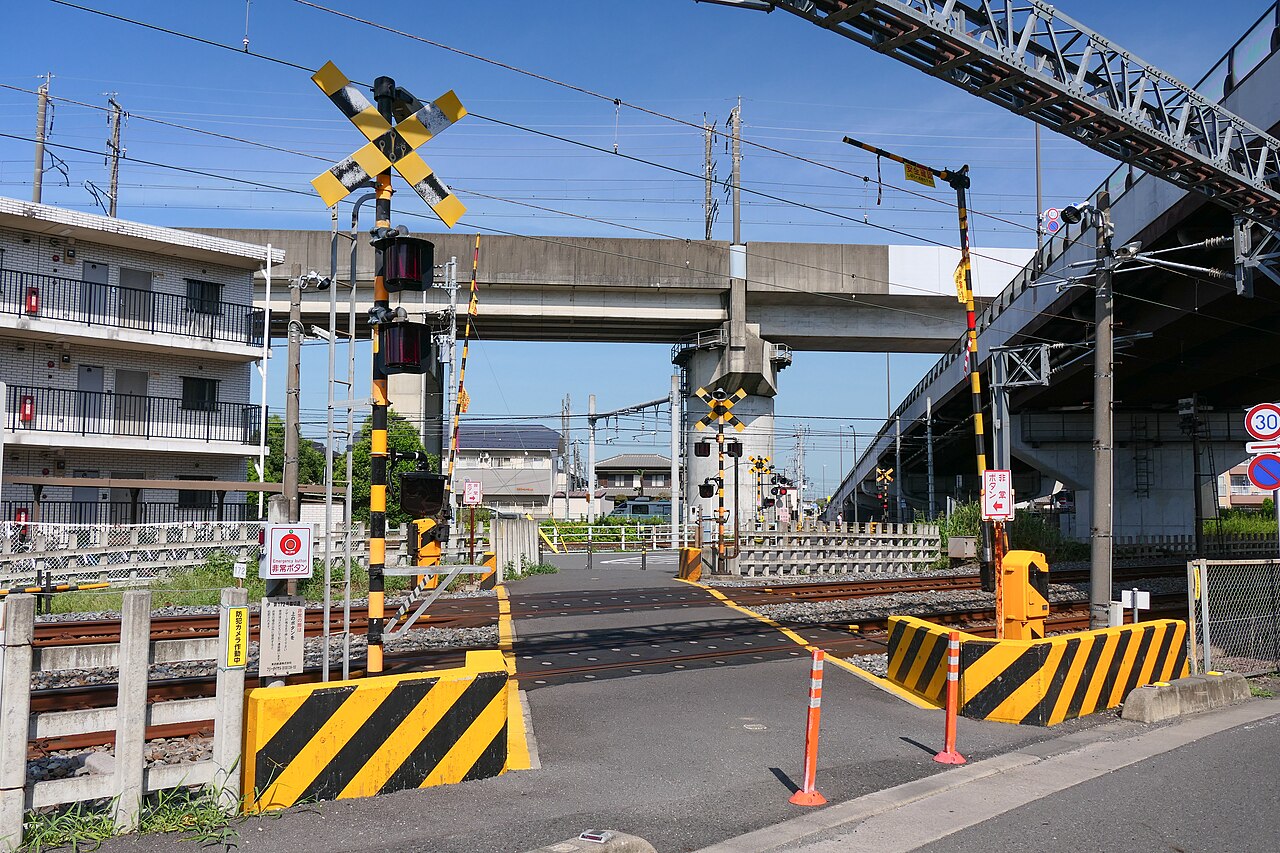
2012年3月17日、東京スカイツリーの開業に合わせて、東武動物公園駅以南の41.0kmの区間に「東武スカイツリーライン」の路線愛称が付けられ、業平橋駅はとうきょうスカイツリー駅に改称、全駅に駅ナンバリングが導入された。南側の愛称区間は記号TS、北側は記号TIである。現在も全線を東武鉄道が運営する。起点の浅草駅は構造上6両以下の編成に限られ、東京都を起点とする関東大手私鉄の幹線・本線では唯一、JR東日本山手線との接続駅を持たない。そのため都心方面の輸送力とアクセスは日比谷線および半蔵門線・田園都市線との直通運転で確保され、北千住駅が実質的なターミナルとして機能している。浅草駅からは日光線経由で日光・鬼怒川温泉方面の特急(「けごん」「きぬ」)が、両毛地域へは1991年に200系電車とともに登場した特急「りょうもう」が運転される。一方、利用の少ない両毛地域は一部が無人駅でローカル線の側面を持ち、特急を除く全列車が館林駅で系統分離され、館林駅以北の全ての一般列車でワンマン運転が行われている。重大な踏切事故としては、2005年に竹ノ塚駅構内の踏切で死傷事故が発生した。
年表
- 189927 August: the founding section, Kita-Senju–Kuki, opens (worked by steam); seven mixed passenger-and-freight round trips a day at two-hour intervals.
- 1902The line is extended south from Kita-Senju to Azumabashi (present-day Tokyo Skytree Station) and north to Kazo.
- 1903The line reaches Kawamata, then on the right bank of the Tone River.
- 1907After Kaichirō Nezu became president in 1905, the Tone River is bridged and the line opens to Ashikaga-machi (present-day Ashikaga-shi).
- 1910The line reaches Isesaki, completing the through route. Azumabashi Station is renamed Asakusa — the first station renaming on the line.
- 1912The Asakusa–Nishiarai section is double-tracked.
- 1924Electrification begins on the Asakusa–Nishiarai section; Tobu's first electric car, the Deha 1, enters service.
- 1927Electrification is completed to Isesaki (whole Asakusa–Isesaki line electrified). The over-100 km electrified run was then among Japan's longest, with the present Kintetsu Osaka and Yamada Lines.
- 193125 May: a Sumida River bridge is built and the present Asakusa Station (then Asakusa-Kaminarimon) opens as part of a department-store building, completing the line in its modern form.
- 1962Through-service with the TRTA (present Tokyo Metro) Hibiya Line begins at Kita-Senju — the second subway/suburban through-service in Tokyo after the Keisei Oshiage and Toei Asakusa Lines.
- 1969The autumn traffic survey records a 248% congestion rate on the Kosuge→Kita-Senju morning-peak section, the highest among the major private railways' lines that fiscal year.
- 1974The Kita-Senju–Takenotsuka section is quadruple-tracked — the first quadruple track on a Kanto private railway.
- 1986Ten-car operation begins, about a decade later than on Tobu's Tōjō Line.
- 1988Quadruple track is extended to Sōka; the daytime semi-express frequency rises from four to six trains per hour.
- 19911 February: the Tobu 200 series enters service on the Ryōmō (initially as an express; upgraded to limited express in 1999).
- 199221 September: the Hanyū–Kawamata section is double-tracked when a second Tone River bridge is completed, making the entire Asakusa–Tatebayashi section double-track.
- 1997Grade separation of Kita-Senju and quadruple-tracking as far as Koshigaya are completed.
- 2001The quadruple track reaches Kita-Koshigaya, giving an 18.9 km Kita-Senju–Kita-Koshigaya quadruple-track section — the longest on any private railway in Japan.
- 200319 March: through-service via Oshiage with the Hanzōmon and Tokyu Den-en-toshi Lines begins, bringing ten-car trains into central Tokyo for the first time.
- 200618 March: a major timetable rebuild around Hanzōmon-Line express trains; general services split at Kuki and Ōta, Ōta–Isesaki locals become one-man three-car trains, and through Asakusa–Isesaki trains are cut to a single daily Ryōmō round trip.
- 201217 March: the 41.0 km section south of Tōbu-Dōbutsu-Kōen is branded the Tobu Skytree Line (with the Tokyo Skytree opening); Narihirabashi is renamed Tokyo Skytree Station and station numbering is introduced.
- 20206 June: the TH Liner, the first premium (reserved-seat) service on the Hibiya-Line through-route, is introduced; one-man operation extends to all Tatebayashi–Isesaki trains except limited expresses.
出典
事実確認日:2026年6月3日
ギャラリー 5枚
このページの全写真 ― 画像をタップすると原寸大で表示します。すべてウィキメディア・コモンズより(各写真の下にクレジット)。