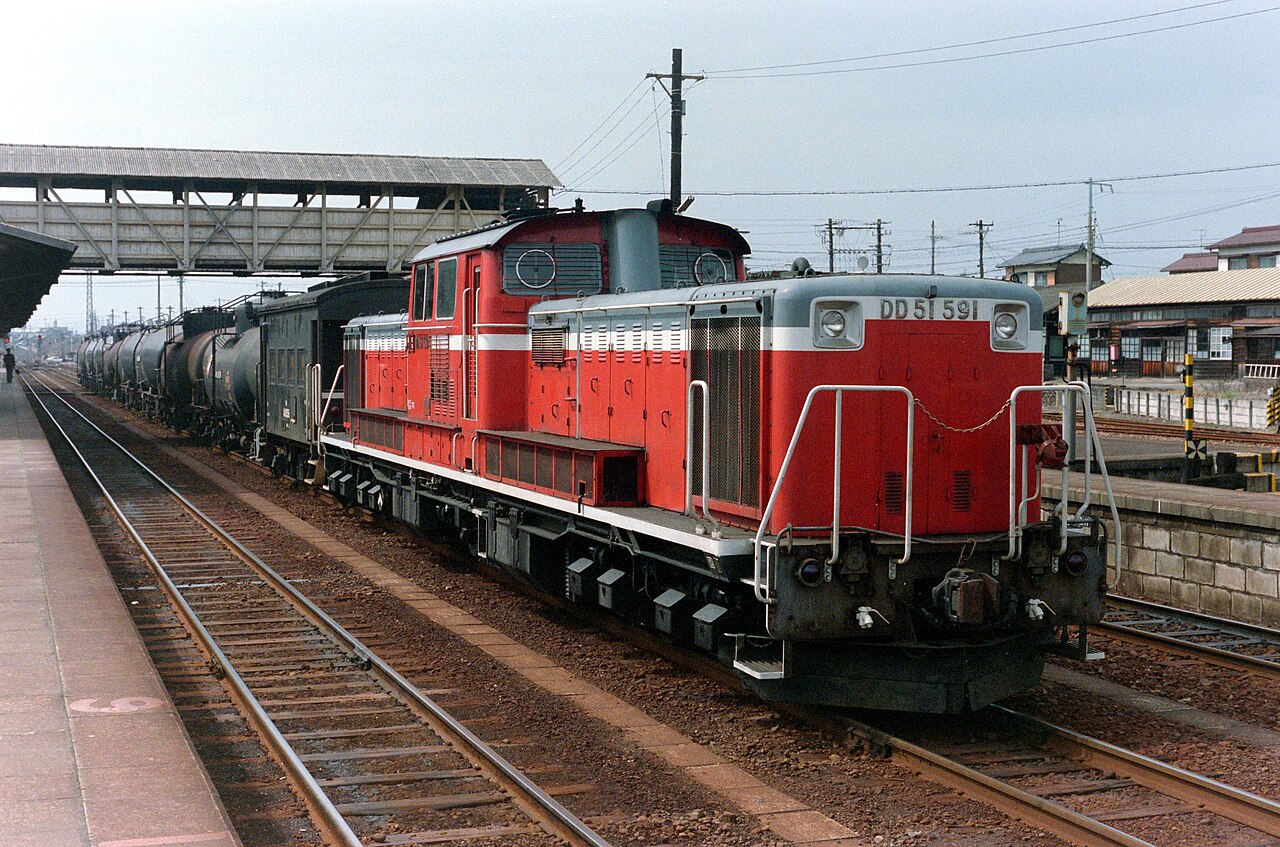
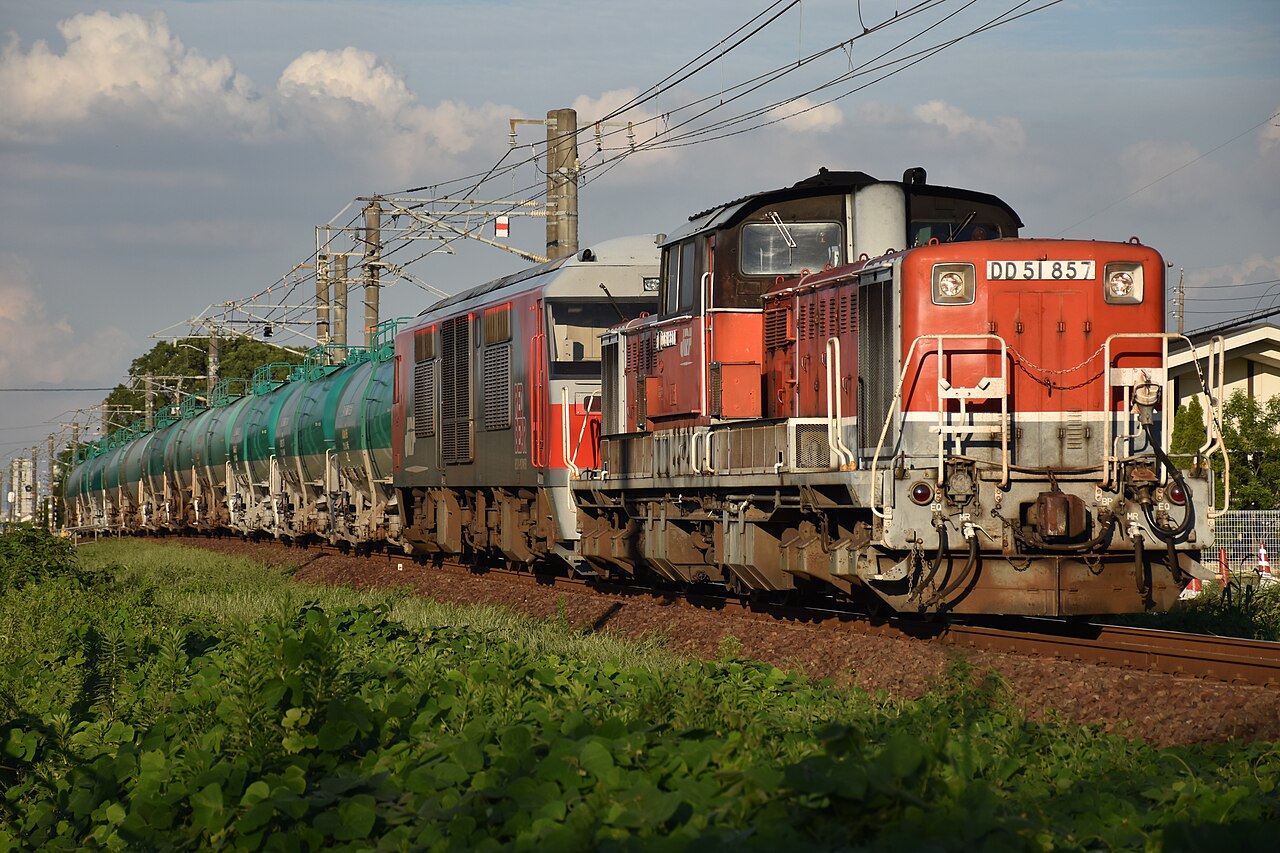
歴史
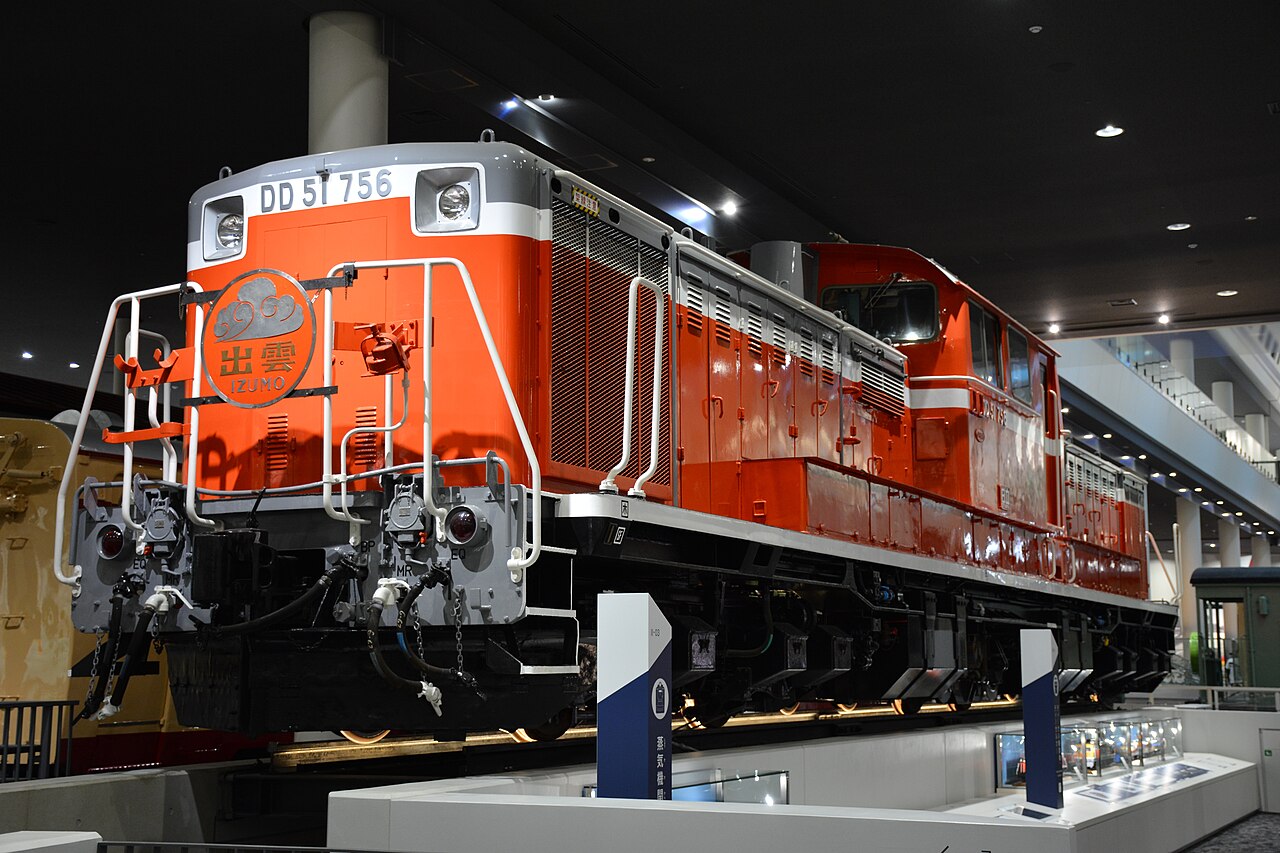
先行して導入されていた電気式のDF50形は出力不足・故障の多さ・価格の高さが欠点とされており、DD51形はこれに代わる本格的な幹線用主力機として開発され、速度面では旅客用大型蒸気機関車のC61形を、牽引力では貨物用大型蒸気機関車のD51形を上回る性能をもつよう設計された。側面から見ると凸型となる車体中央部に運転室(センターキャブ)を備え、前後に合計2組のエンジンと変速機を搭載する。エンジンはDD13形で使用されていたDMF31S形をベースに新開発されたDML61形で、直列6気筒からV型12気筒に変更し、排気タービン過給機と中間冷却器を装備して1基あたり最大1,100 psを発揮し、2基搭載で総出力2,200 psを出す。最高速度は95 km/hである。
動力伝達方式は、軌道の重量制限に対処する軽量化のため、日本の量産大型ディーゼル機関車では初めて液体式が採用された。軸配置はB-2-Bで、両端の動力台車(DT113B)2組と無動力の中間台車により全体の軸重を軽減し、中間台車の空気ばねによって動力台車の軸重を14 tと15 tの2段階に調整できる。
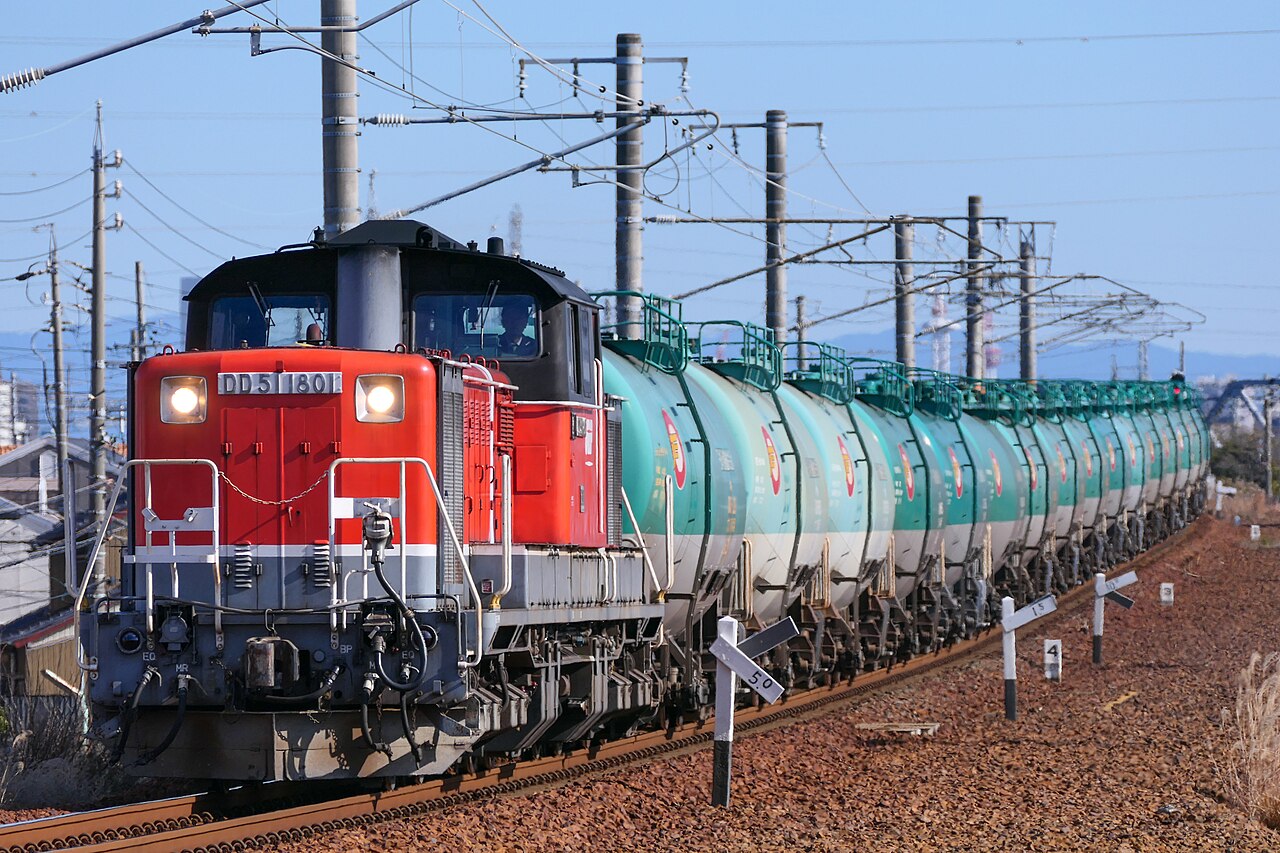
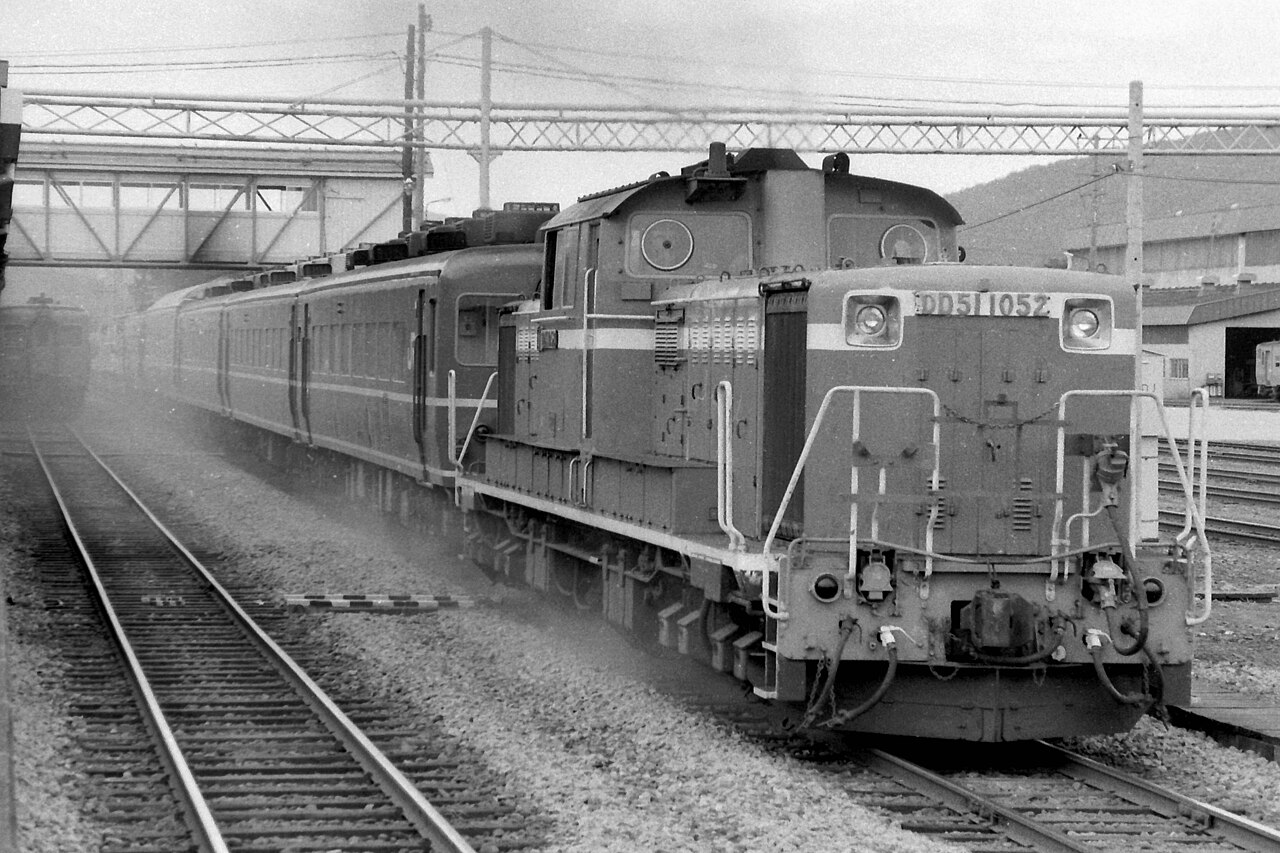
電化の進展と客車・貨物列車の減少により、1987年の国鉄分割民営化までに約60%が余剰廃車となり、JR各社にはすべて重連形の500番台・800番台計259両が継承された。内訳はJR北海道25両、JR東日本29両、JR東海4両、JR西日本63両、JR九州1両、JR貨物137両である。その後も新型機関車への置き換えや老朽化により淘汰が進んだ。
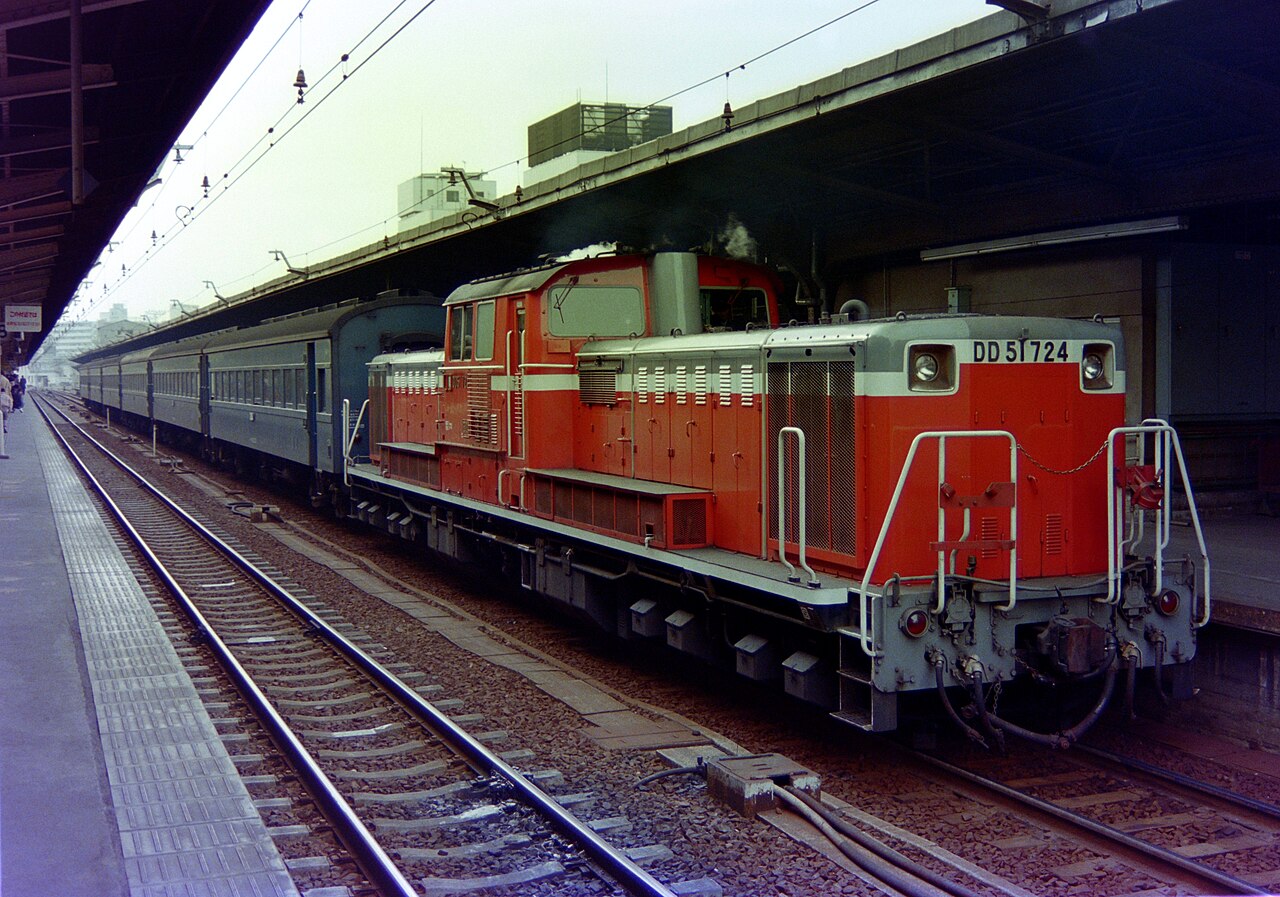
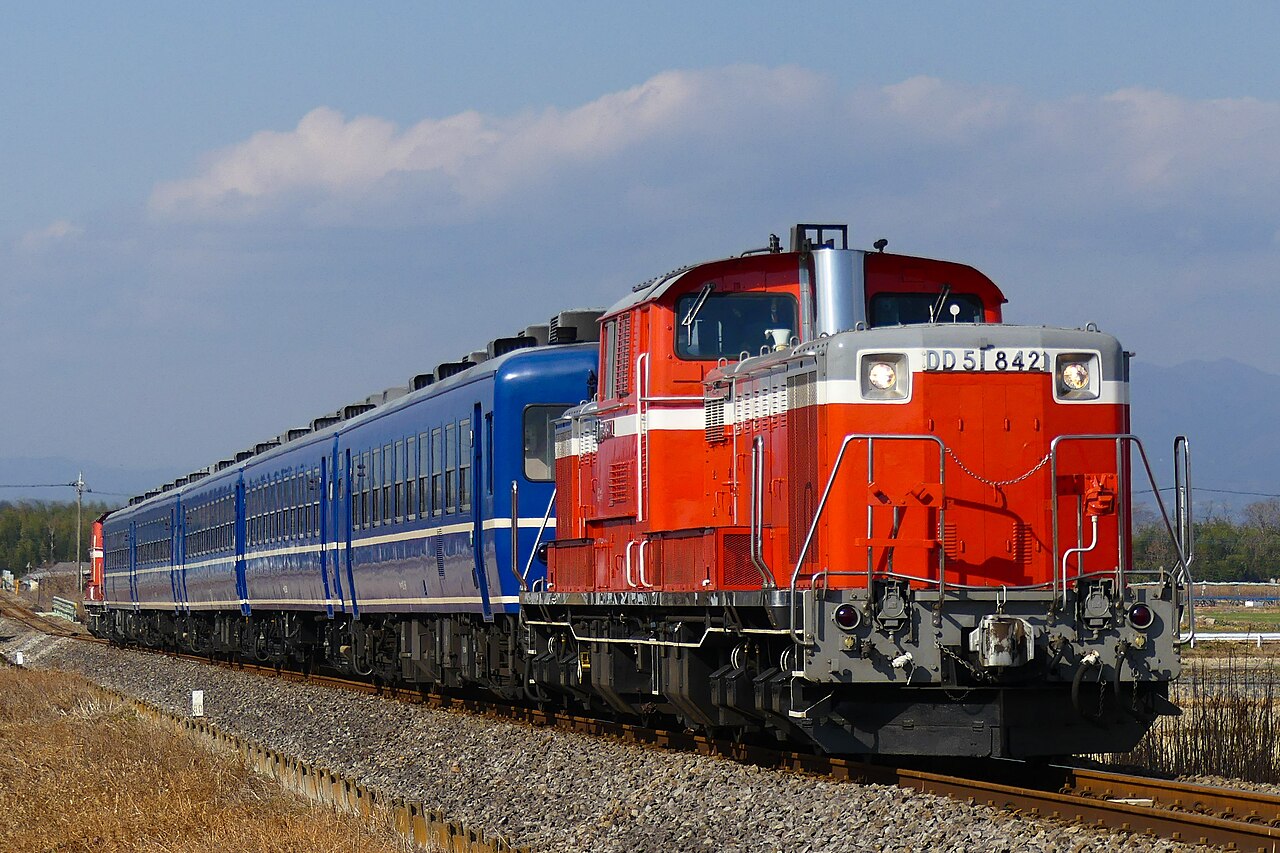
JR北海道では2016年の北海道新幹線新函館北斗開業に伴い急行「はまなす」が廃止されて運用が消滅した。JR東海では2007年に最後の791号機が運用を終了し、JR九州唯一のDD51 1071も1999年に廃車となった。JR貨物では愛知機関区が最後の配置区所となり、DF200形への置き換えにより2021年3月12日をもって全車両の運行が終了し、2023年3月までに全車が解体された。JR東日本ではぐんま車両センターのDD51形によるお召し列車・臨時列車牽引が残ったが、旅客列車での運用は2024年11月24日をもって終了し、お召し列車対応のDD51 842・895の2両が在籍する。
廃車となった一部はミャンマー・タイ・ラオス・マレーシアへ譲渡され、現地で軌道改良工事や貨物牽引に用いられている。事故による廃車もあり、1976年の追分機関区火災で7両、1981年の成田線燃料輸送列車襲撃事件で2両、1982年の名古屋駅での寝台特急「紀伊」機関車衝突事故で1両が事故廃車されている。
年表
- 1962The first Class DD51 locomotive enters service; the type is built between 1962 and 1978 to replace steam on Japan's non-electrified main lines, with two 1,100 hp V12 engines giving 2,200 hp total — more power than the D51 and a higher top speed than the C62 steam classes.
- 1987On the 1 April privatisation of Japanese National Railways, 259 of the multiple-working units pass to the JR group: 25 to JR Hokkaido, 29 to JR East, 4 to JR Central, 63 to JR West, 1 to JR Kyushu, and 137 to JR Freight.
- 2016As of 1 April, 29 locomotives remain in operation (17 with JR Freight, 4 with JR East, 8 with JR West); JR Hokkaido's DD51 operation ends the same year when the Hokkaido Shinkansen opens to Shin-Hakodate-Hokuto and the Hamanasu express is withdrawn.
- 2021JR Freight ends all DD51 operation on 12 March, the type's last freight duties having been worked from Aichi Depot before replacement by the DF200; the remaining Aichi units are all scrapped by March 2023.
- 2024JR East ends DD51 passenger operation on 24 November; two units (DD51 842 and 895) are retained at Gunma for Imperial Train and special workings, and the EN infobox lists 15 locomotives still in the class as of 1 December 2024.
出典
事実確認日:2026年6月6日
ギャラリー 6枚
このページの全写真 ― 画像をタップすると原寸大で表示します。すべてウィキメディア・コモンズより(各写真の下にクレジット)。