歴史
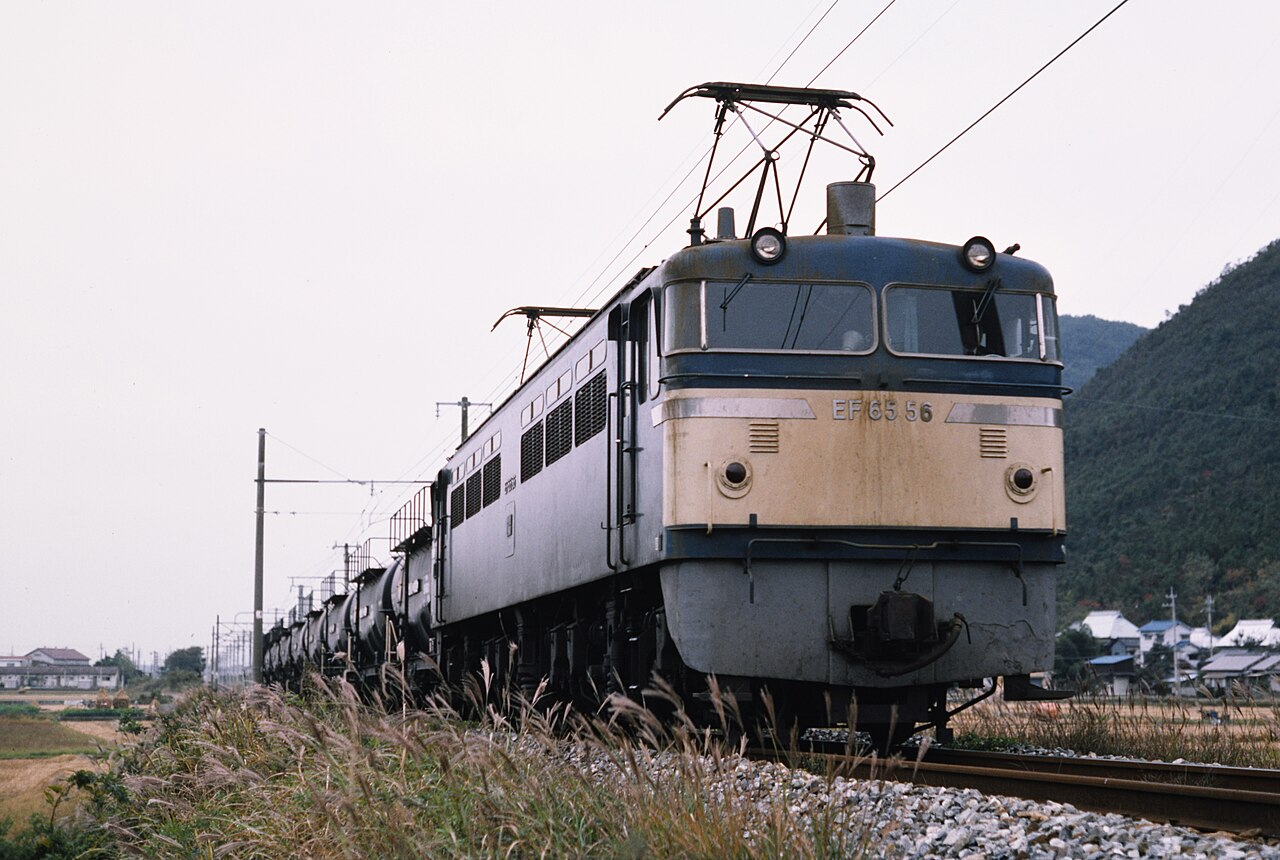
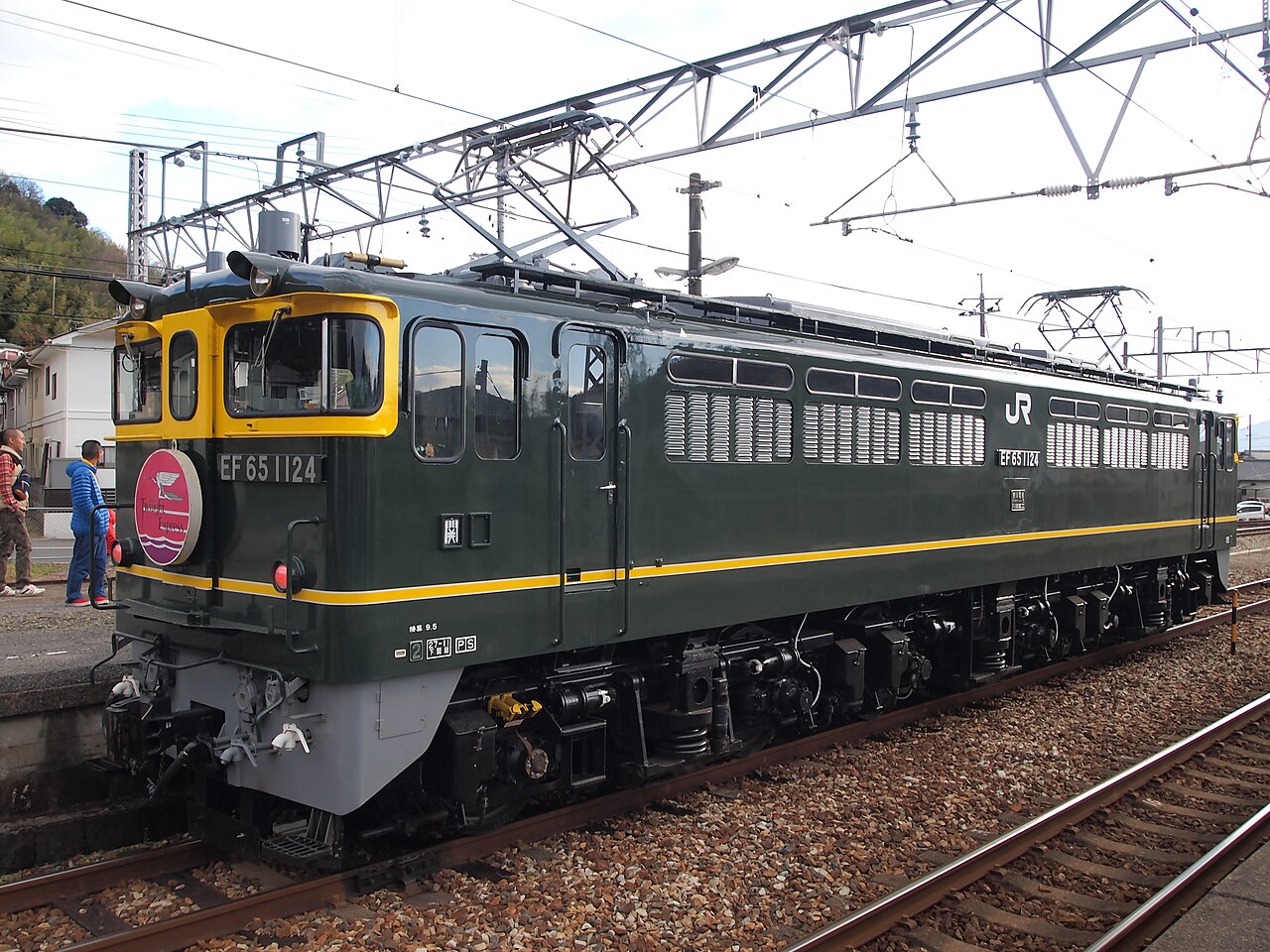
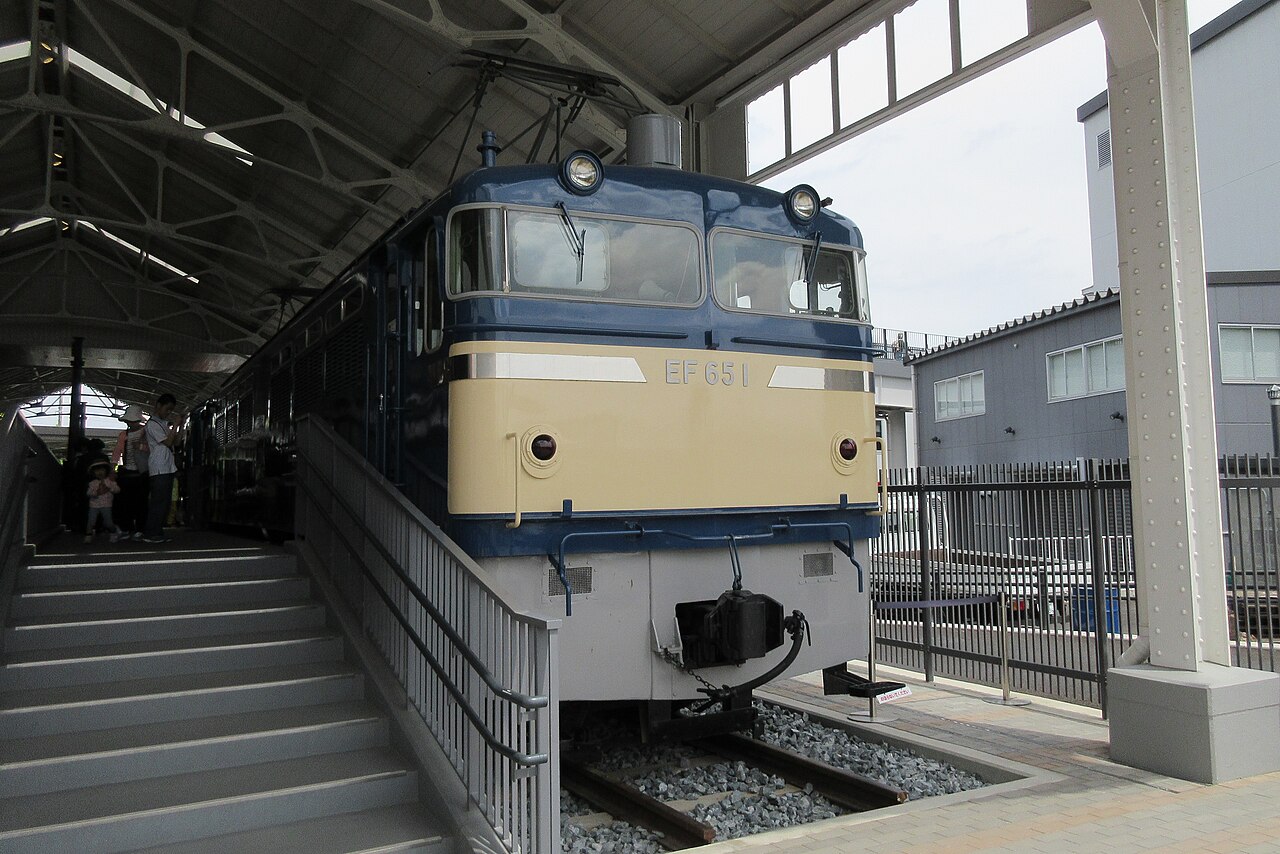
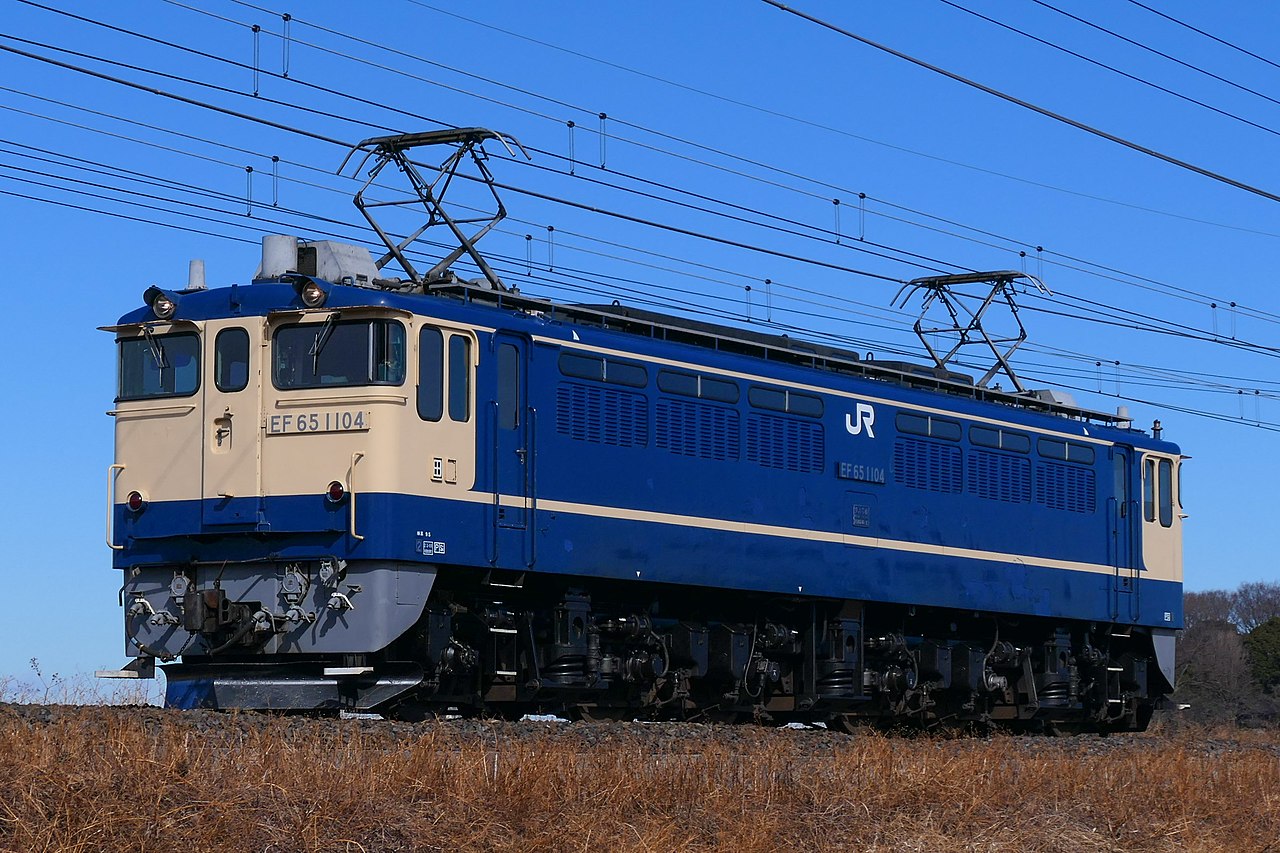
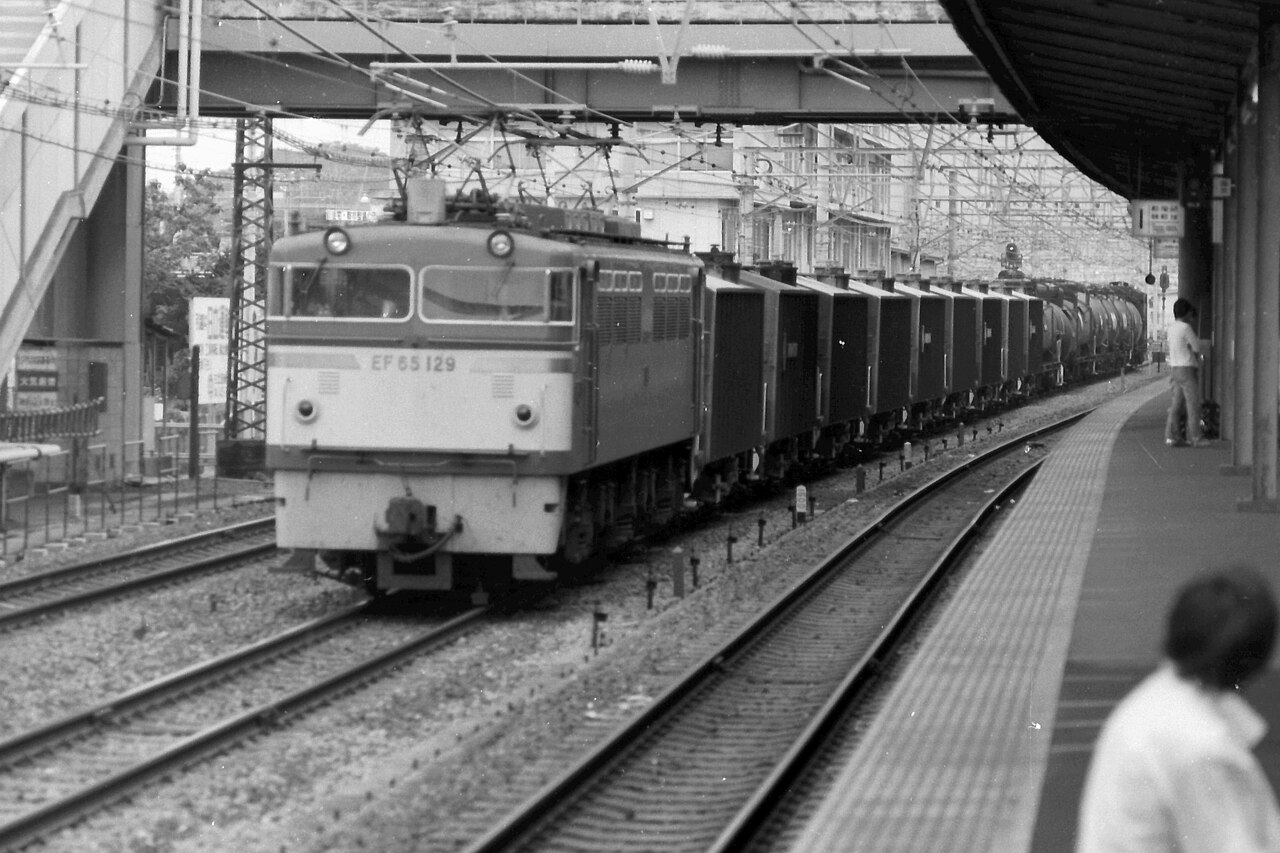
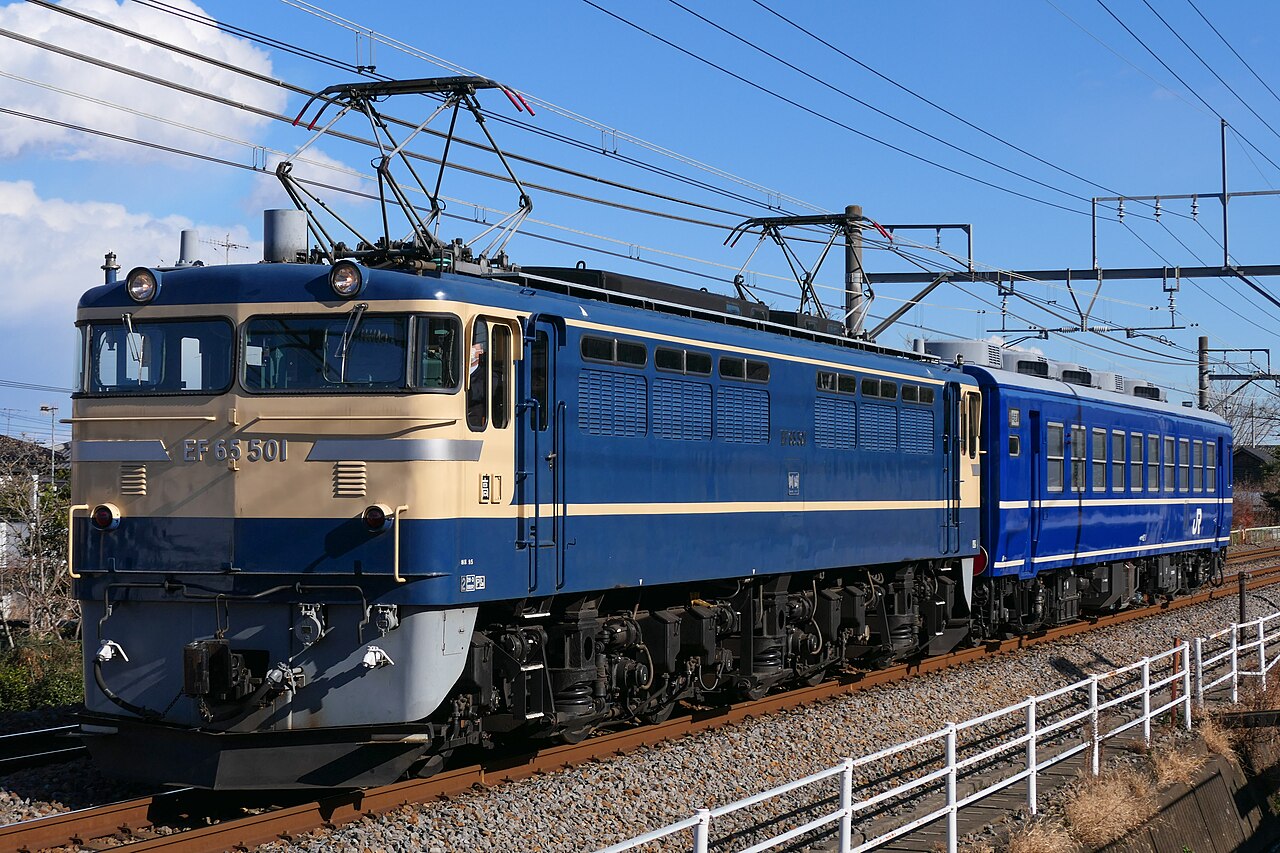
EF65形は基本的に貨物列車用として計画されたが、その高速走行性能を生かして複数の派生形式が設計・製作された。20系客車を牽引してブルートレイン牽引用とした500番台(P形、“passenger” に由来)、P形を基に重量貨物列車を高速で牽引するための重連総括制御用機器を搭載した500番台(F形、“freight” に由来)、F形を基に前面に貫通扉を付け耐雪耐寒装備を強化した1000番台(PF形)の3つである。0番台(一般型)は1965年から1970年に135両(1–135)が製造された。500番台P形は高速旅客列車牽引用、500番台F形は牽引定数1,000 tの貨物列車を100 km/hで牽引する高速貨物列車牽引用、1000番台PF形は旅客・貨物列車に広汎に使用可能な汎用機として、1969年(昭和44年)から1979年にかけて合計139両(1001–1139)が製造された。
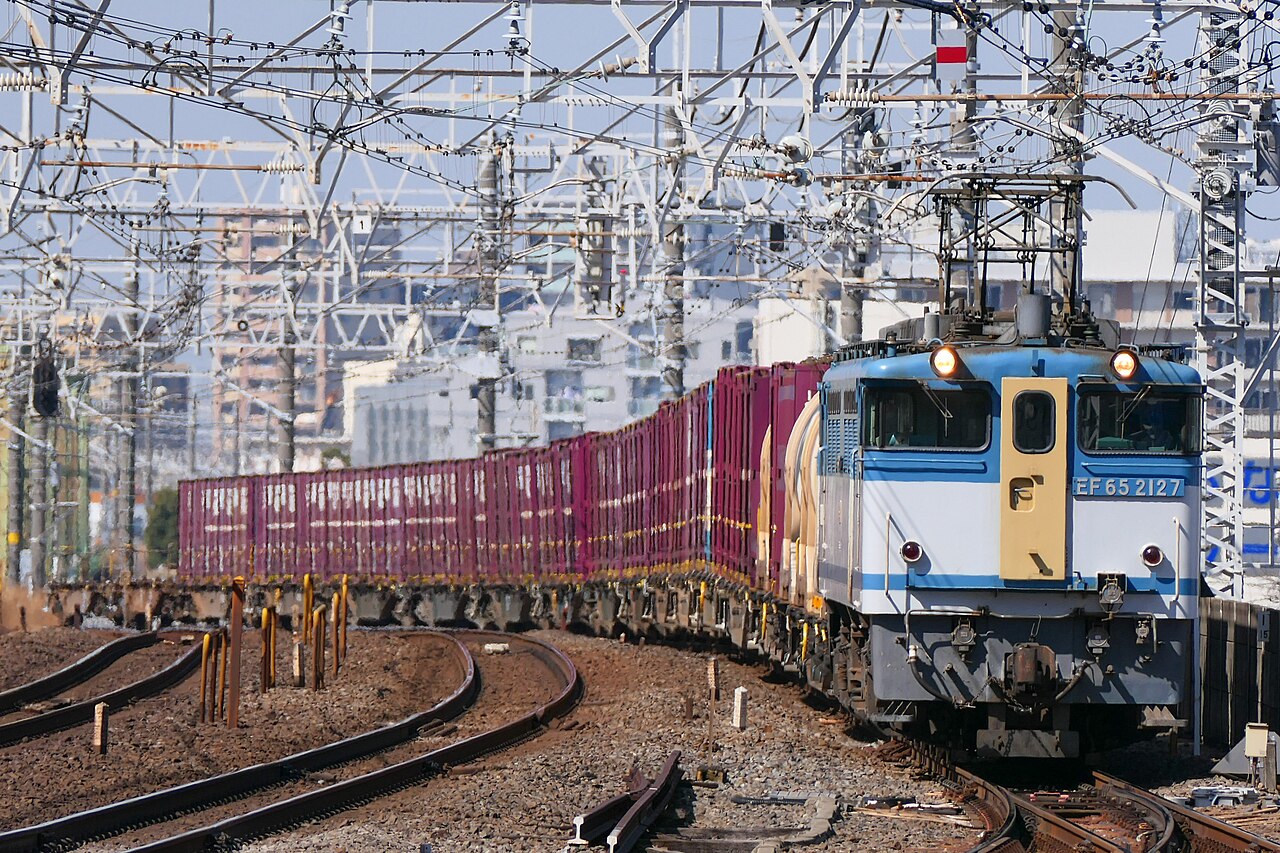
0番台のうち6次車の131–135号機は、1990年から1991年にかけて改造され、山陽本線「瀬野八(セノハチ)」区間の補助機関車であるEF67形100番台となった。国鉄分割民営化後はJR東日本・JR東海・JR西日本・JR貨物に承継され、1993年には民営化後初の廃車が発生した。2006年3月の寝台特急「出雲」廃止をもって寝台特急での運用が消滅し、2008年3月の急行「銀河」廃止で定期旅客列車を牽引する運用がすべて終了した。以後は主に貨物列車の牽引に充当されたが、後継のEF210形への置き換えが進み、JR貨物では2025年3月のダイヤ改正で定期運用が消滅し、以後は臨時貨物や甲種輸送に使用されている。
年表
- 1965Class EF65 enters service; designed by JNR as a standard flat-route DC locomotive developed from the Class EF60. The EF65-0 (general freight) and EF65-500 (P-type passenger / F-type freight) subclasses are built from 1965, the latter for hauling 20-series "Blue Train" sleeping-car services.
- 1969Production of the EF65-1000 "PF" subclass (general-purpose, with a front gangway door and cold-weather equipment) begins; 139 units (1001–1139) are built through 1979, bringing total production of the class to 308.
- 1990Five 6th-batch EF65-0 locomotives (EF65 131–135) are converted in 1990–1991 into Class EF67-100 banking locomotives for the "Senohachi" section of the Sanyo Main Line.
- 2008Withdrawal of the "Izumo" sleeping-car limited express (March 2006) ends EF65 sleeper-express work, and withdrawal of the "Ginga" sleeping-car express (March 2008) ends all regular passenger haulage by the class; the fleet thereafter works mainly freight.
- 2016As of 1 April 2016, 52 locomotives remain in service: one EF65-500 (EF65 501, JR East), 15 EF65-1000 (JR East and JR West), and 36 EF65-2000 (JR Freight); all EF65-0 units have been withdrawn. JR Freight's regular EF65 operation later ends with the March 2025 timetable revision.
出典
事実確認日:2026年6月6日
ギャラリー 7枚
このページの全写真 ― 画像をタップすると原寸大で表示します。すべてウィキメディア・コモンズより(各写真の下にクレジット)。