History
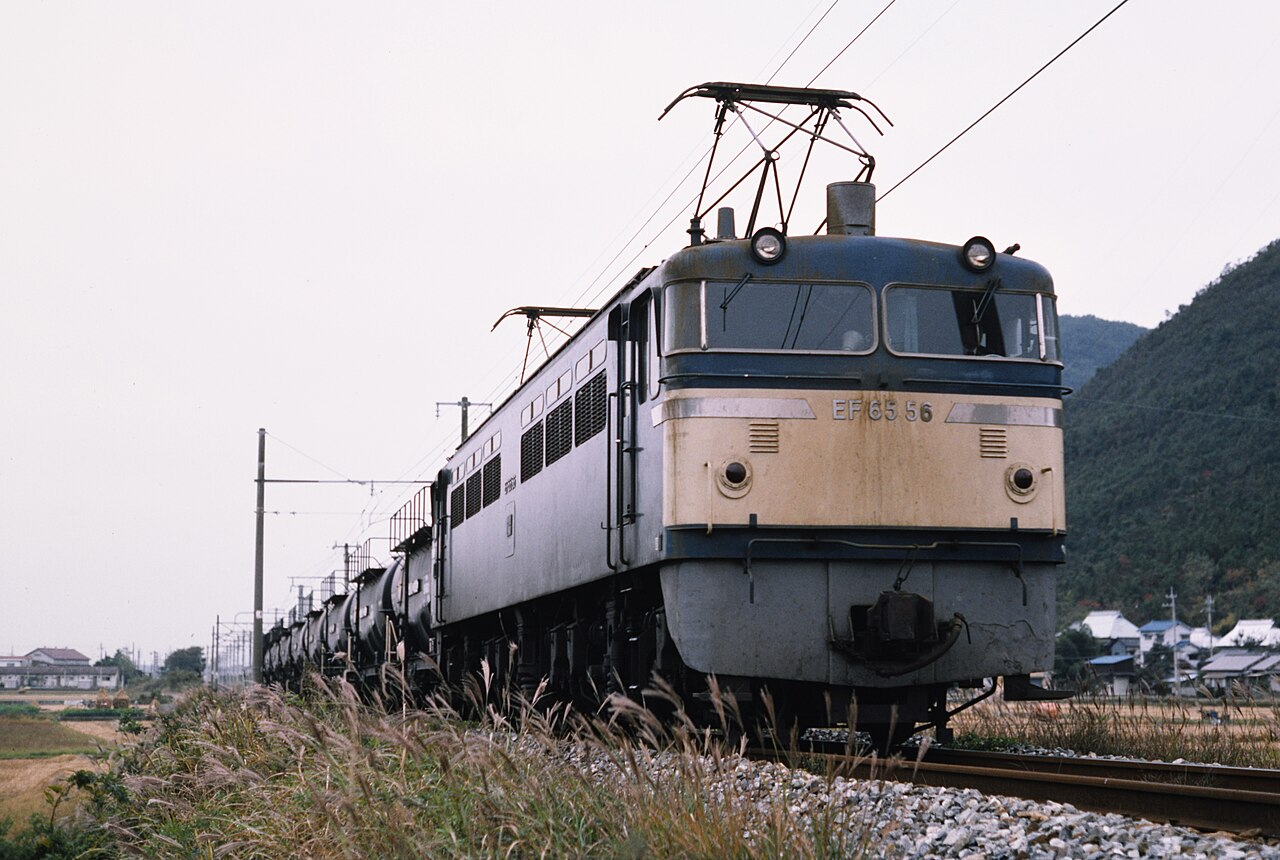
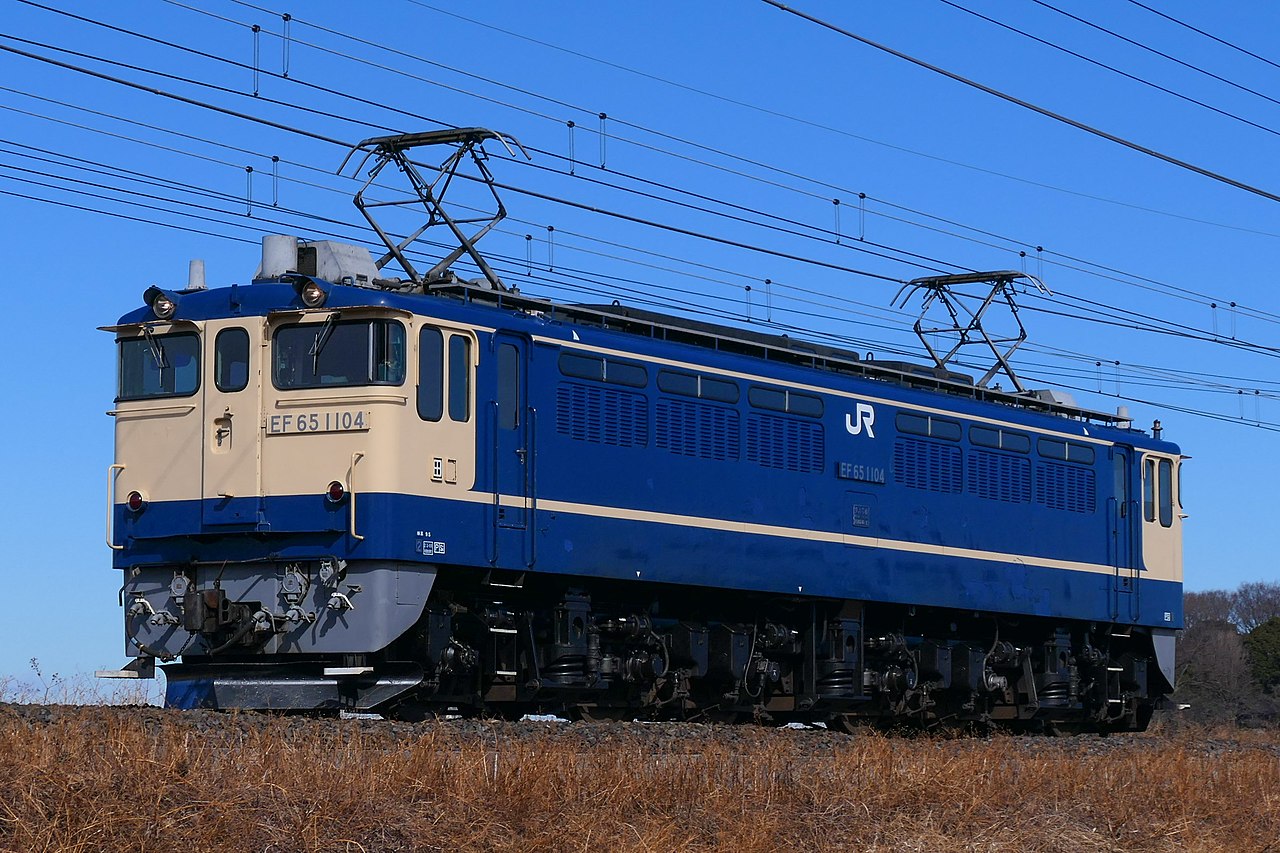
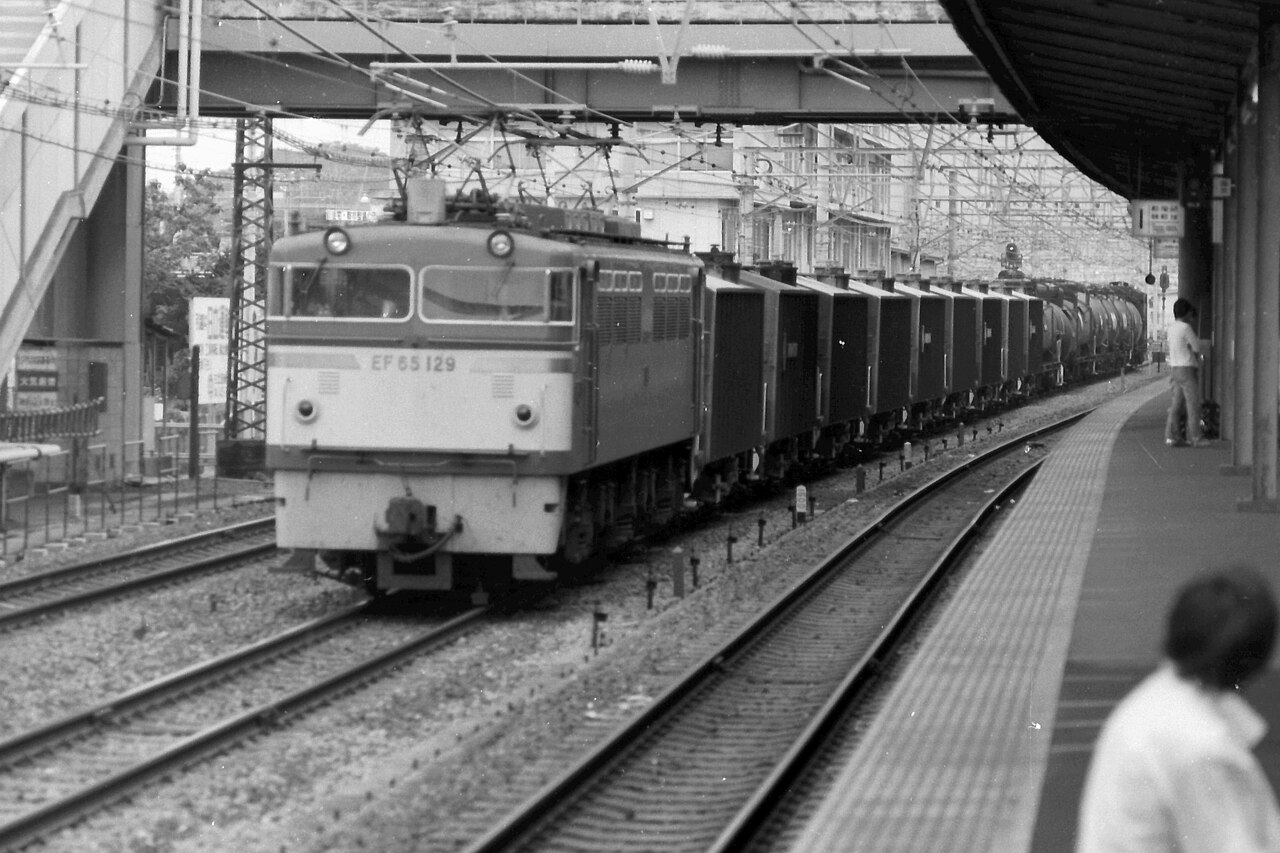
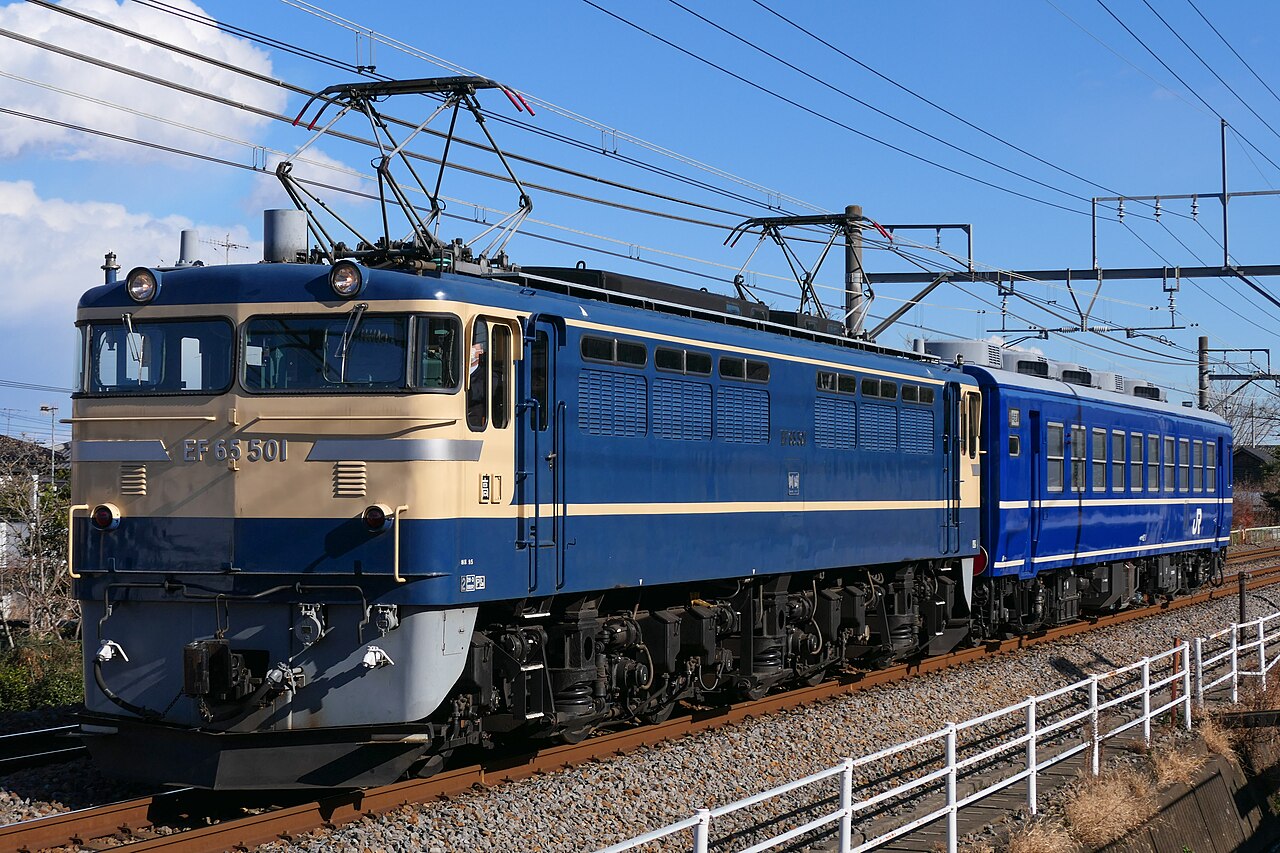
The class was initially divided into the EF65-0 subclass for general freight (numbers EF65 1–135) and the EF65-500 subclass for express freight and passenger use. The EF65-0 subclass was designed for general freight on the Tokaido and Sanyo Main Lines, with 135 locomotives built between 1965 and 1970; as of 2016 all EF65-0 locomotives had been withdrawn. The EF65-500 subclass consisted of 42 locomotives, including newly built units and units (EF65 535–542) modified from the earlier EF65-0 subclass (EF65 77–84) for overnight sleeping-car services and express freight operating at a maximum speed of 110 km/h. Within the 500 subclass, locomotives hauling passenger services were designated "P" type and those for freight "F" type; the "P" designation derives from the initial of "passenger" and the "F" from that of "freight." The EF65-1000 (numbers EF65 1001–1139), intended for both passenger and freight service and referred to as the "PF" type because it combined the functions of the P and F types, comprised 139 locomotives built between 1969 and 1979.
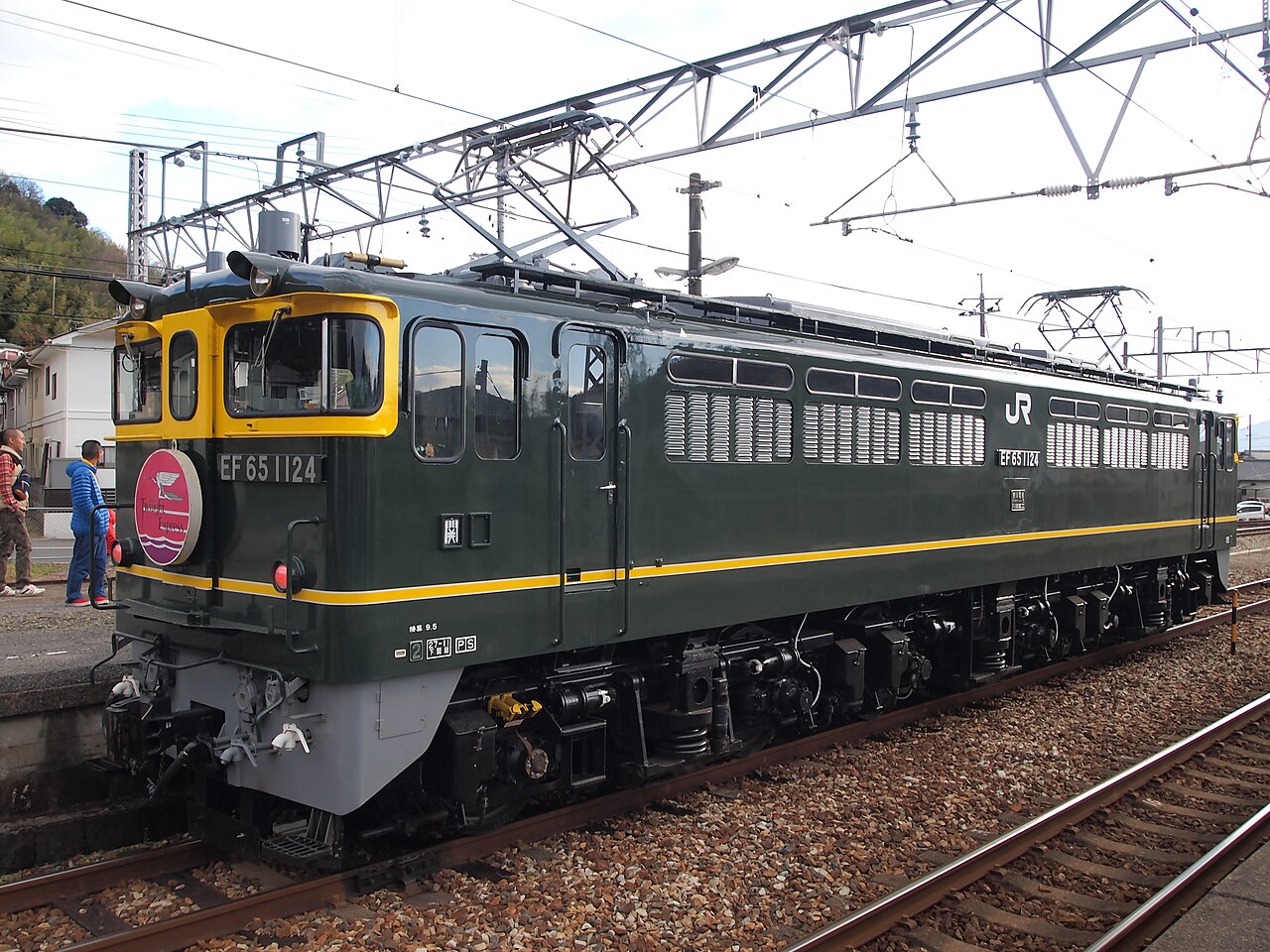
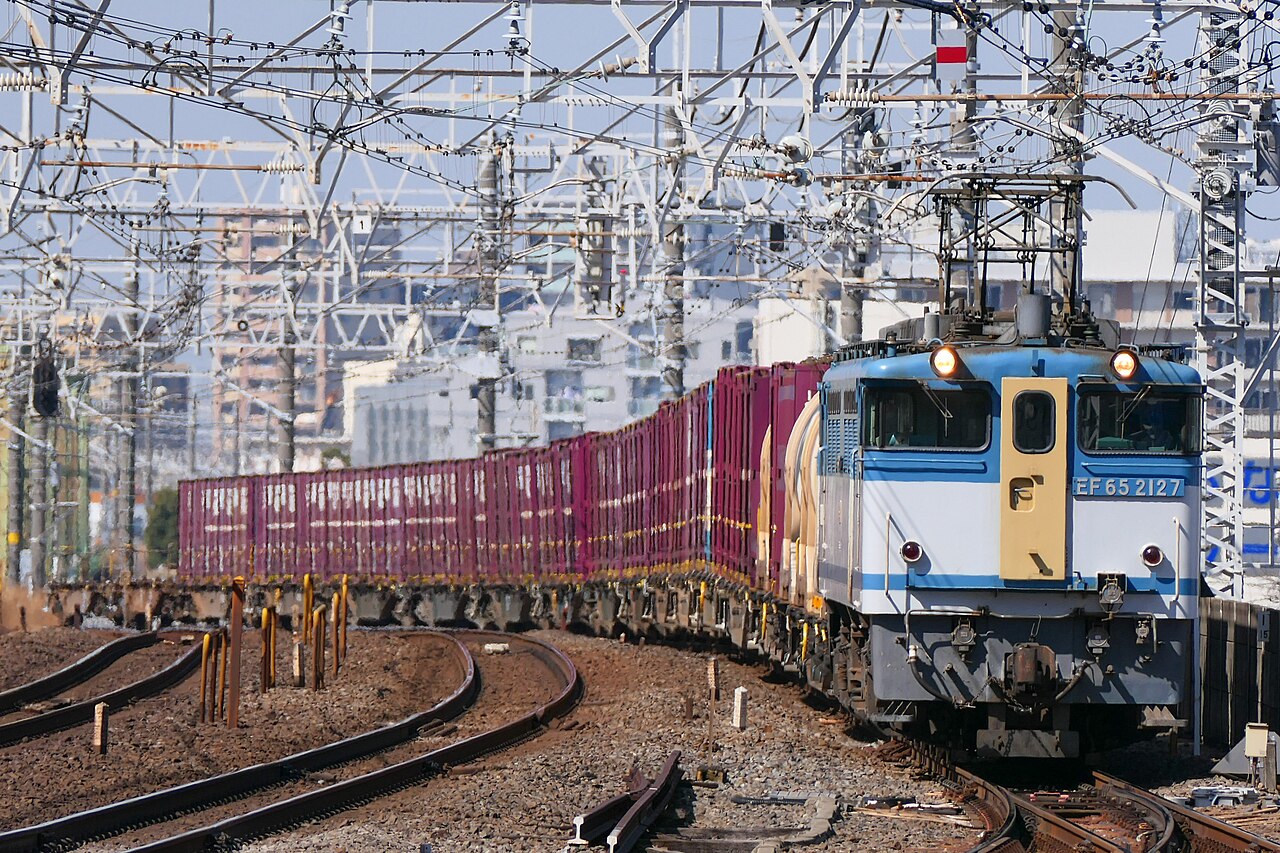
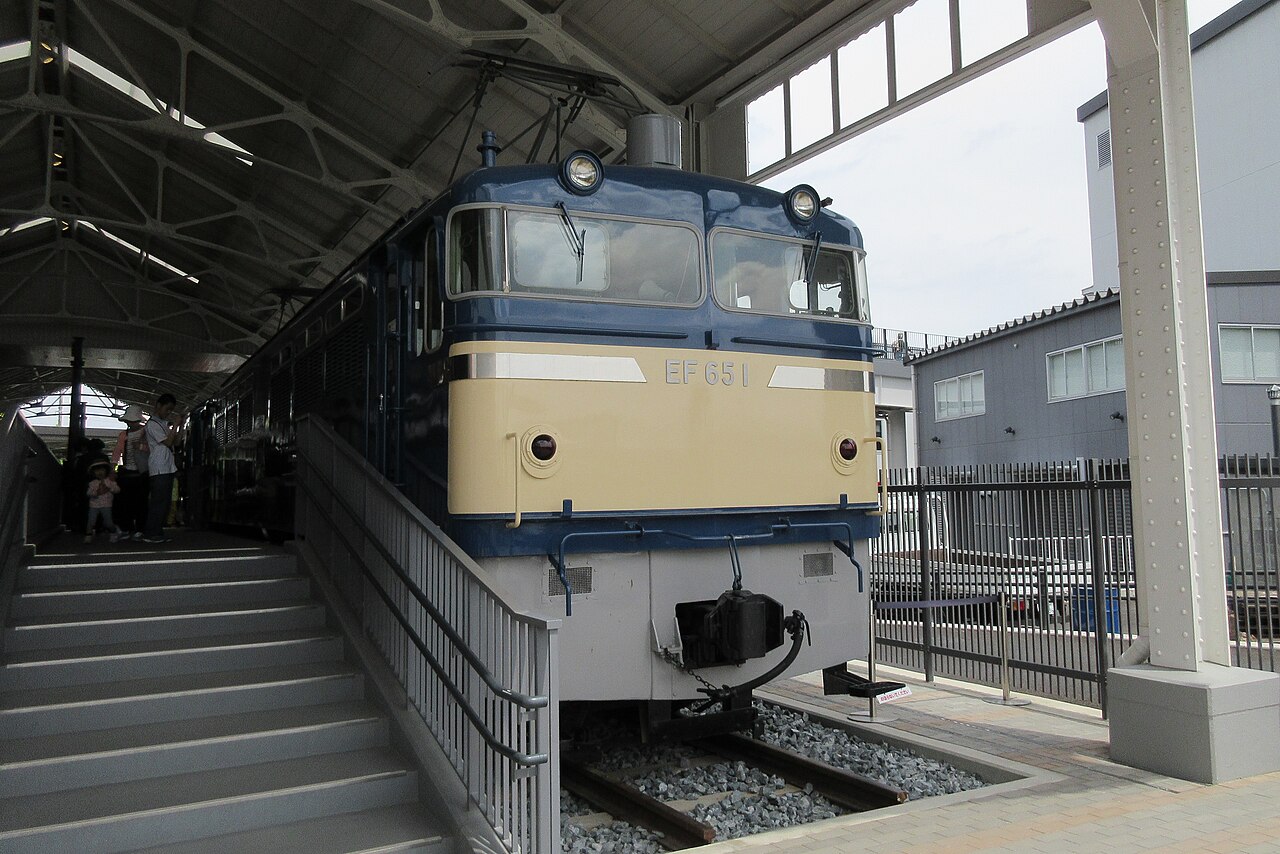
Five 6th-batch Class EF65-0 locomotives, numbers EF65 131 to EF65 135, were converted in 1990 and 1991 to become Class EF67-100 banking locomotives for use on the "Senohachi" section of the Sanyo Main Line; in this conversion the control system was changed to armature-chopper control and the gear ratio was altered to 16:71 to increase tractive effort at the low speeds required for banking. From May 2012 JR Freight renumbered a group of former EF65-1000 locomotives into the EF65-2000 subclass to differentiate them from units fitted with driving recording units mandated for operation above 100 km/h. A number of individual locomotives also carried special liveries: JR East's "Super Express Rainbow" machine, introduced in 1987, was painted overall in cherry red with a large white "EF65" logo on the bodysides and a white band along the lower body, while JR Central applied a "Euroliner" scheme, JR West a "Yuyu Salon Okayama" and a "Twilight Express" scheme, to assigned units. Across the fleet, allocations fell from 269 locomotives in 1987 (199 JR Freight, 42 JR East, 5 JR Central, 23 JR West) to 95 in 2009 and 52 in 2016. As of 1 April 2016, only one EF65-500 (EF65 501, owned by JR East) remained in service; 15 EF65-1000 units remained, operated by JR East and JR West; and 36 EF65-2000 units remained, operated by JR Freight. Seven units have been preserved, including EF65 1 at the Kyoto Railway Museum.
Timeline
- 1965Class EF65 enters service; designed by JNR as a standard flat-route DC locomotive developed from the Class EF60. The EF65-0 (general freight) and EF65-500 (P-type passenger / F-type freight) subclasses are built from 1965, the latter for hauling 20-series "Blue Train" sleeping-car services.
- 1969Production of the EF65-1000 "PF" subclass (general-purpose, with a front gangway door and cold-weather equipment) begins; 139 units (1001–1139) are built through 1979, bringing total production of the class to 308.
- 1990Five 6th-batch EF65-0 locomotives (EF65 131–135) are converted in 1990–1991 into Class EF67-100 banking locomotives for the "Senohachi" section of the Sanyo Main Line.
- 2008Withdrawal of the "Izumo" sleeping-car limited express (March 2006) ends EF65 sleeper-express work, and withdrawal of the "Ginga" sleeping-car express (March 2008) ends all regular passenger haulage by the class; the fleet thereafter works mainly freight.
- 2016As of 1 April 2016, 52 locomotives remain in service: one EF65-500 (EF65 501, JR East), 15 EF65-1000 (JR East and JR West), and 36 EF65-2000 (JR Freight); all EF65-0 units have been withdrawn. JR Freight's regular EF65 operation later ends with the March 2025 timetable revision.
Sources
Facts last verified 6 June 2026.
Gallery 7 photos
Every photo for this page — tap any image to view it full-size. All from Wikimedia Commons (credit under each).