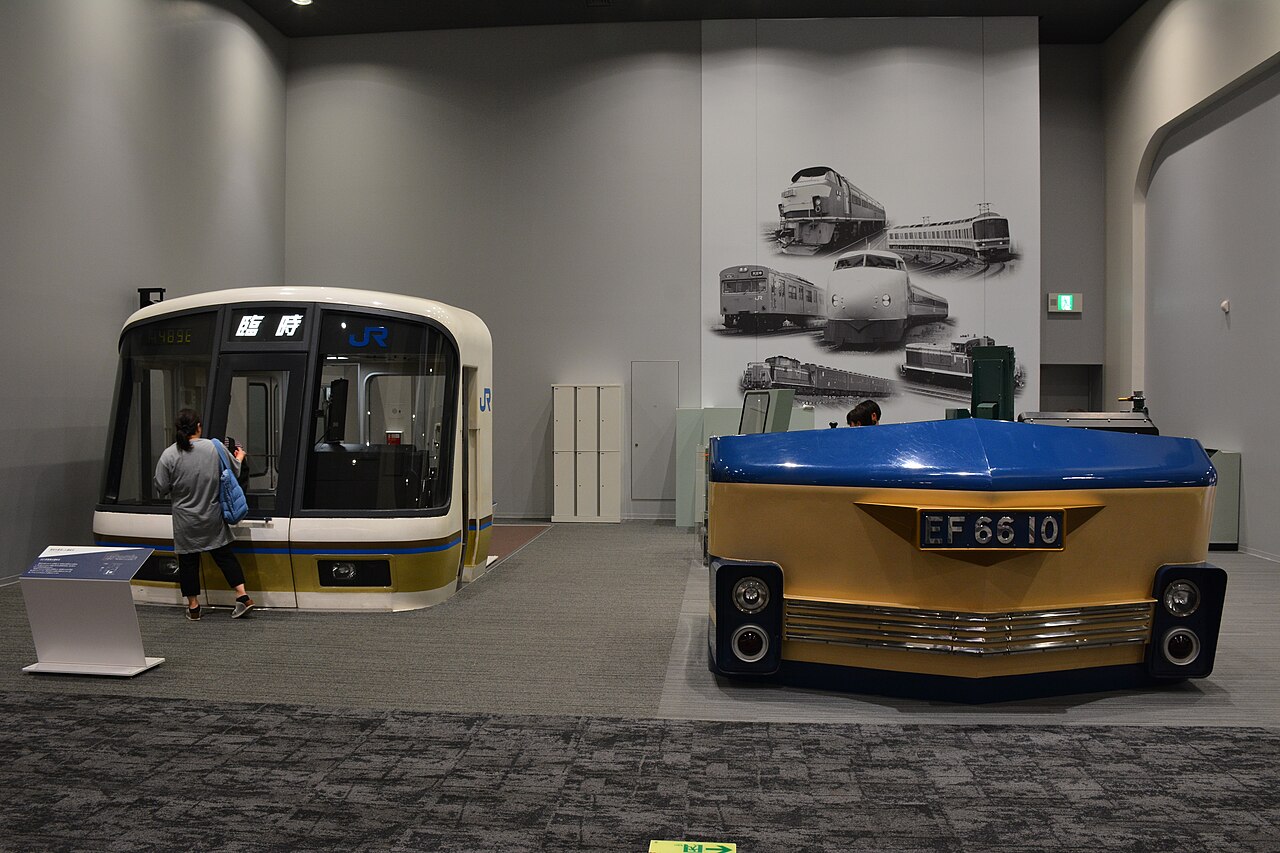
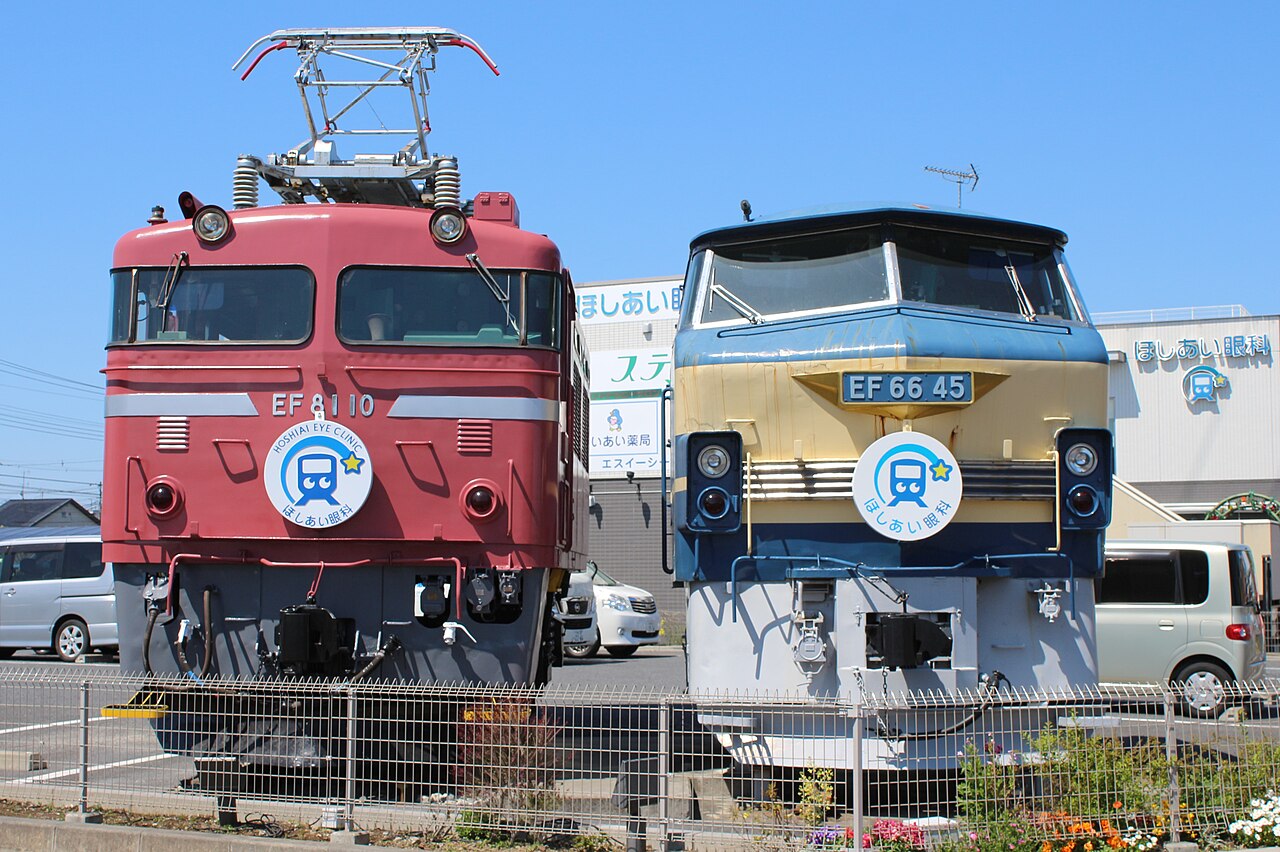
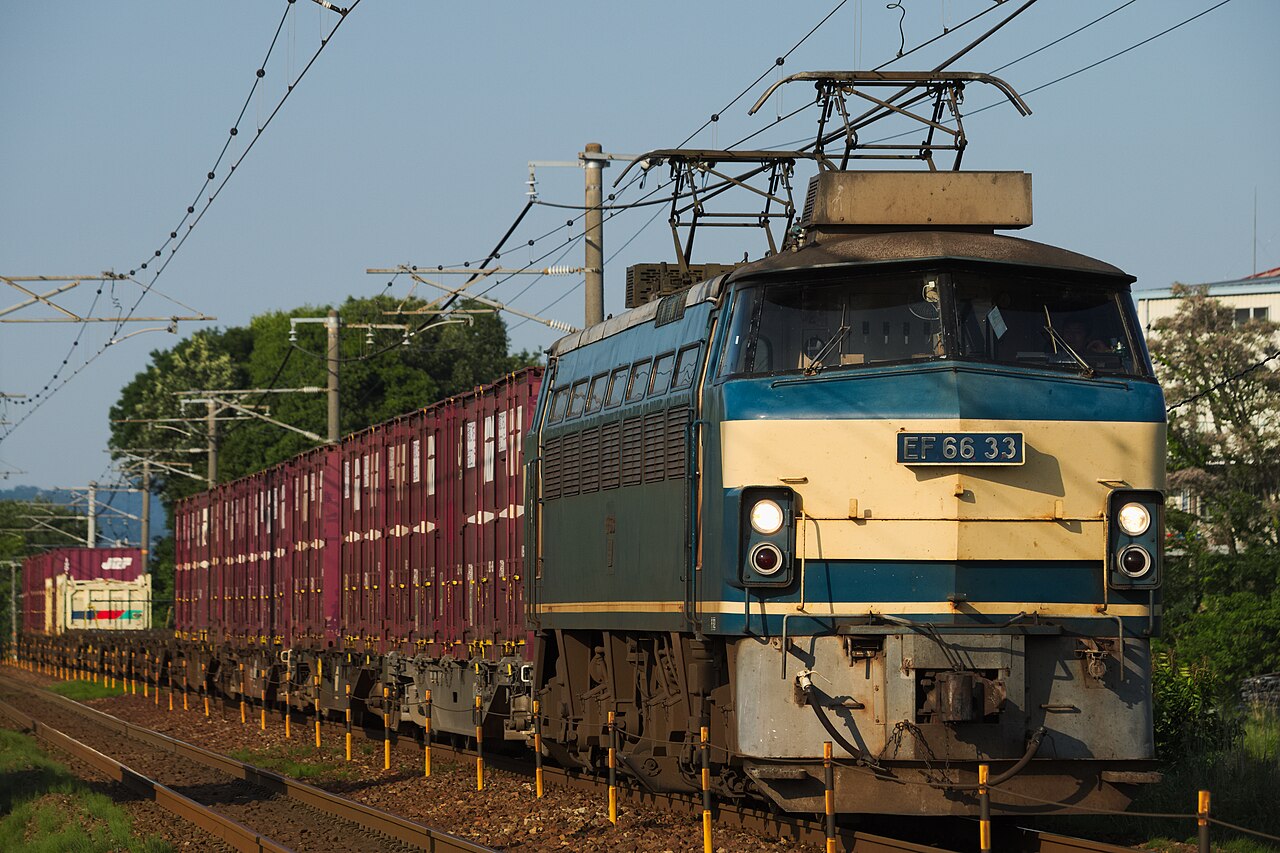
年表
- 1966A prototype locomotive, initially classified EF90 and numbered EF90 1, is built by Kawasaki Sharyo in September; with a total power output of 3.9 MW it is the world's most powerful narrow-gauge locomotive at the time. It is later renumbered EF66 901.
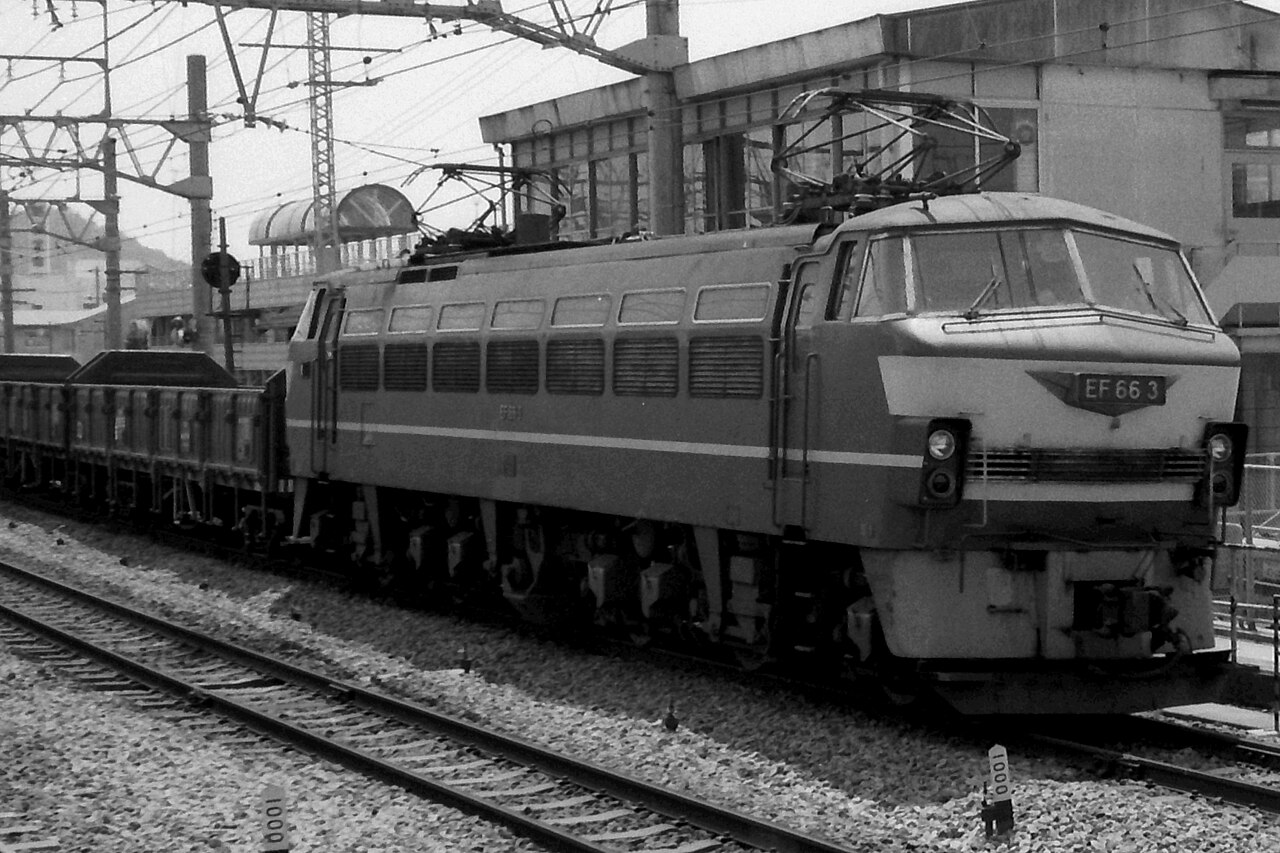
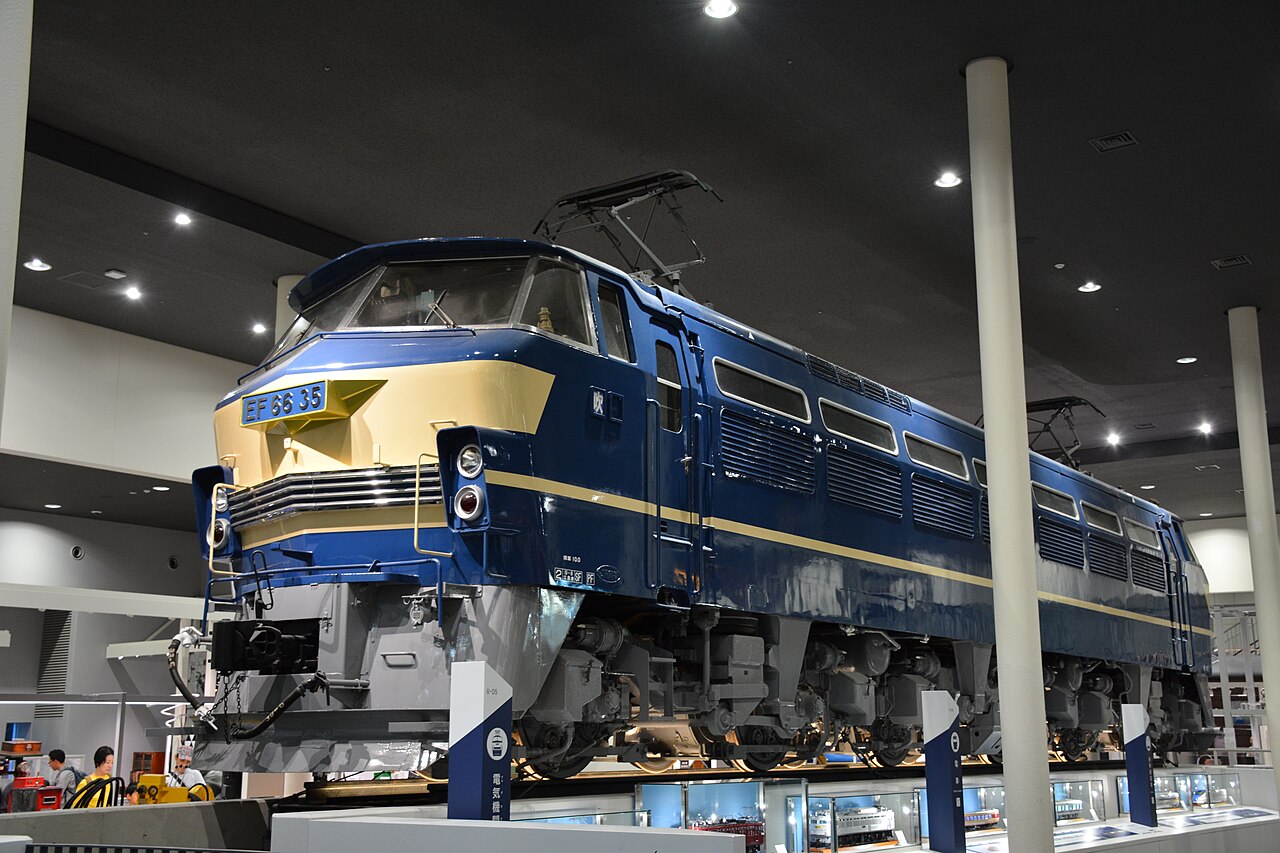
- 1968Production of the EF66-0 series begins; 55 locomotives (EF66 1–55) are built in two batches through 1975, each traction motor producing 650 kW (about 50% more powerful than the Class EF65).
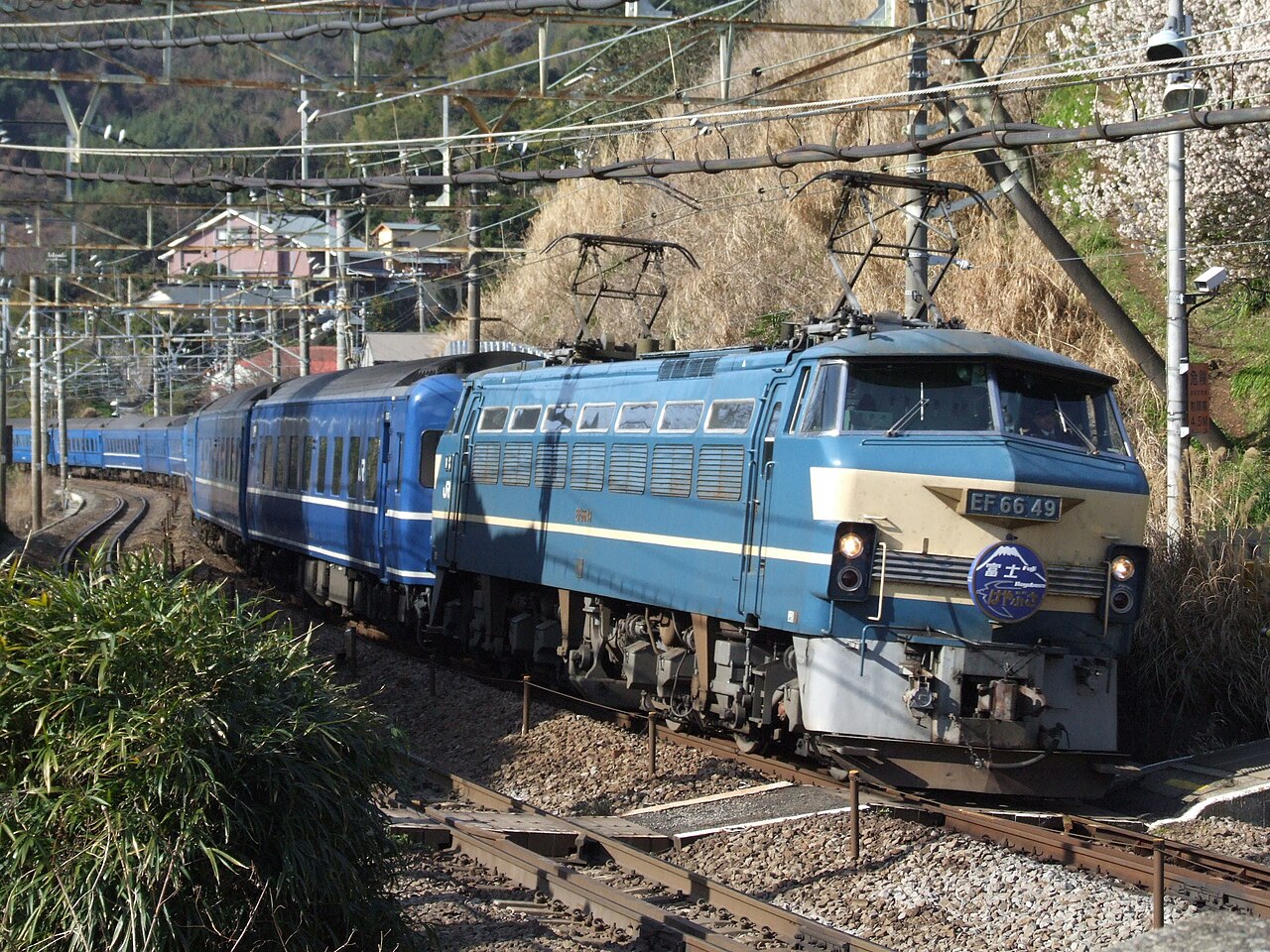
- 1985From the March timetable revision the class begins hauling sleeping-car limited expresses (Blue Trains) such as the "Hayabusa" and "Fuji" between Tokyo and Shimonoseki, in addition to its freight duties.
- 1987On the privatisation of JNR (1 April), JR Freight receives the prototype (EF66 901) and EF66 1–39 (40 locomotives) and JR West receives EF66 40–55 (16 locomotives).
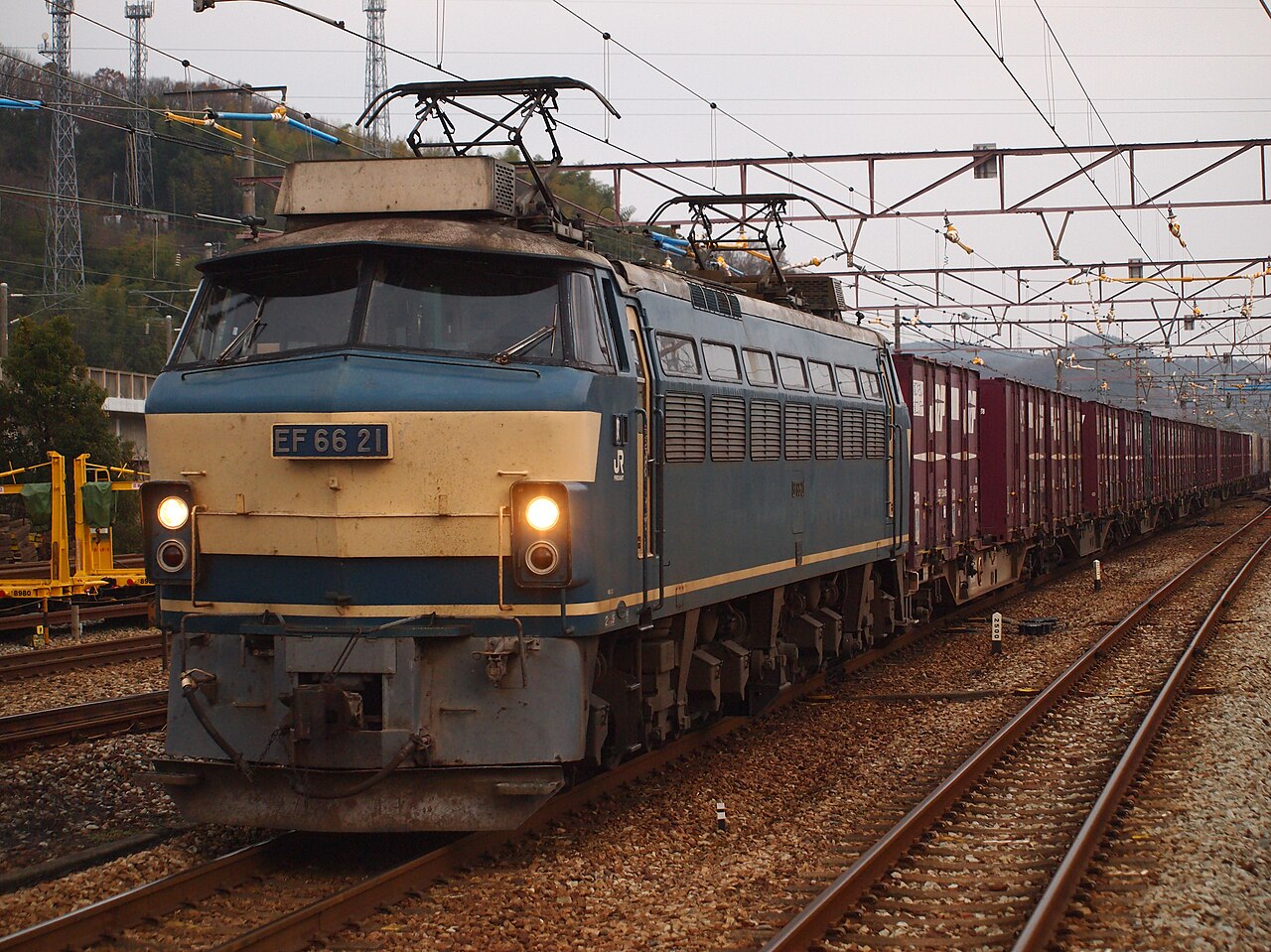
- 1989JR Freight begins building the EF66-100 sub-class (EF66 101–133), 33 locomotives delivered through 1991 with more modern, air-conditioned cabs, to meet rising container demand.
- 2010JR West's last EF66s are withdrawn (struck off on 20 September), ending operation of the class by that company.
- 2022The last operational EF66-0, EF66 27 (nicknamed "Niina"), leaves scheduled service with the March timetable revision; its registration remained as of 2025.
- 2026Scheduled operation of the EF66-100 sub-class ends with the March timetable revision, as the class is displaced by the Class EF210.
出典
事実確認日:2026年6月6日
ギャラリー 7枚
このページの全写真 ― 画像をタップすると原寸大で表示します。すべてウィキメディア・コモンズより(各写真の下にクレジット)。