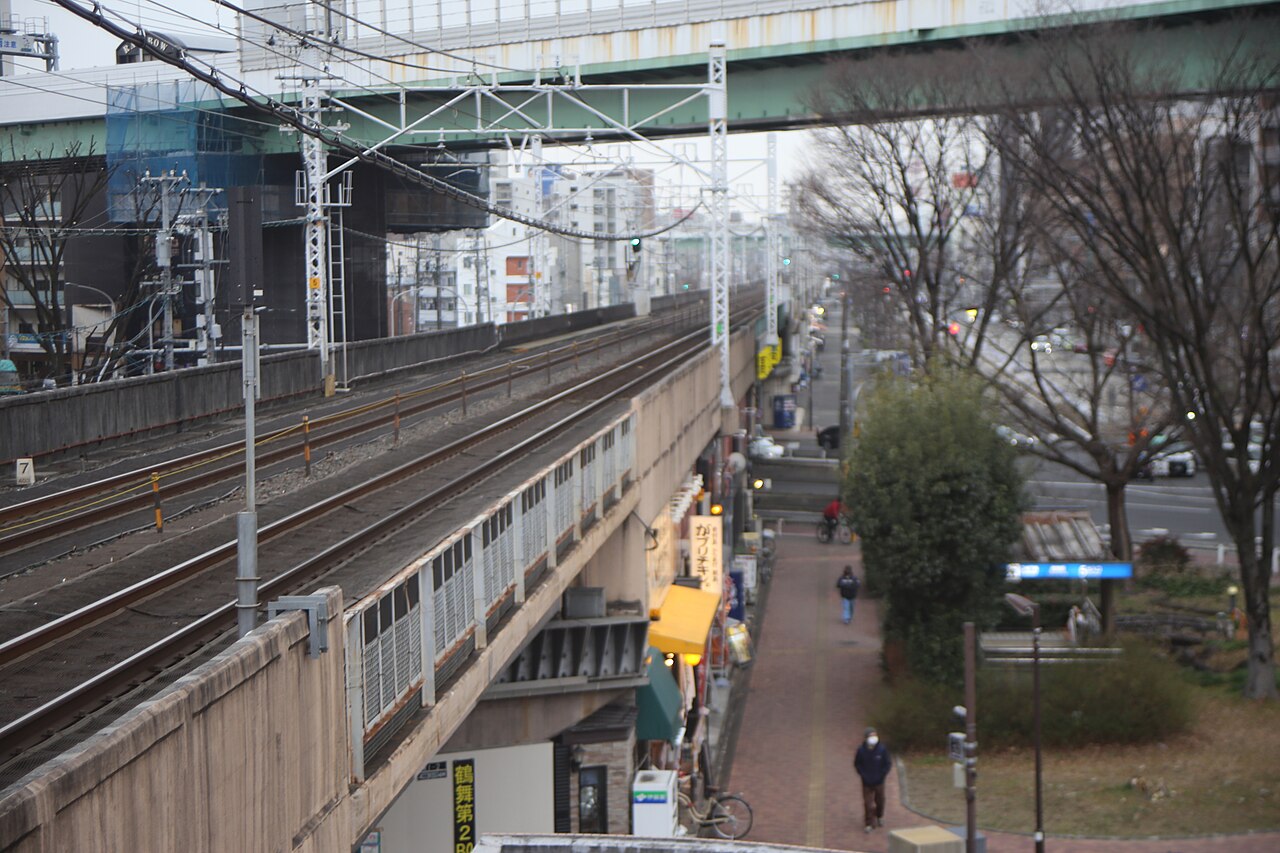
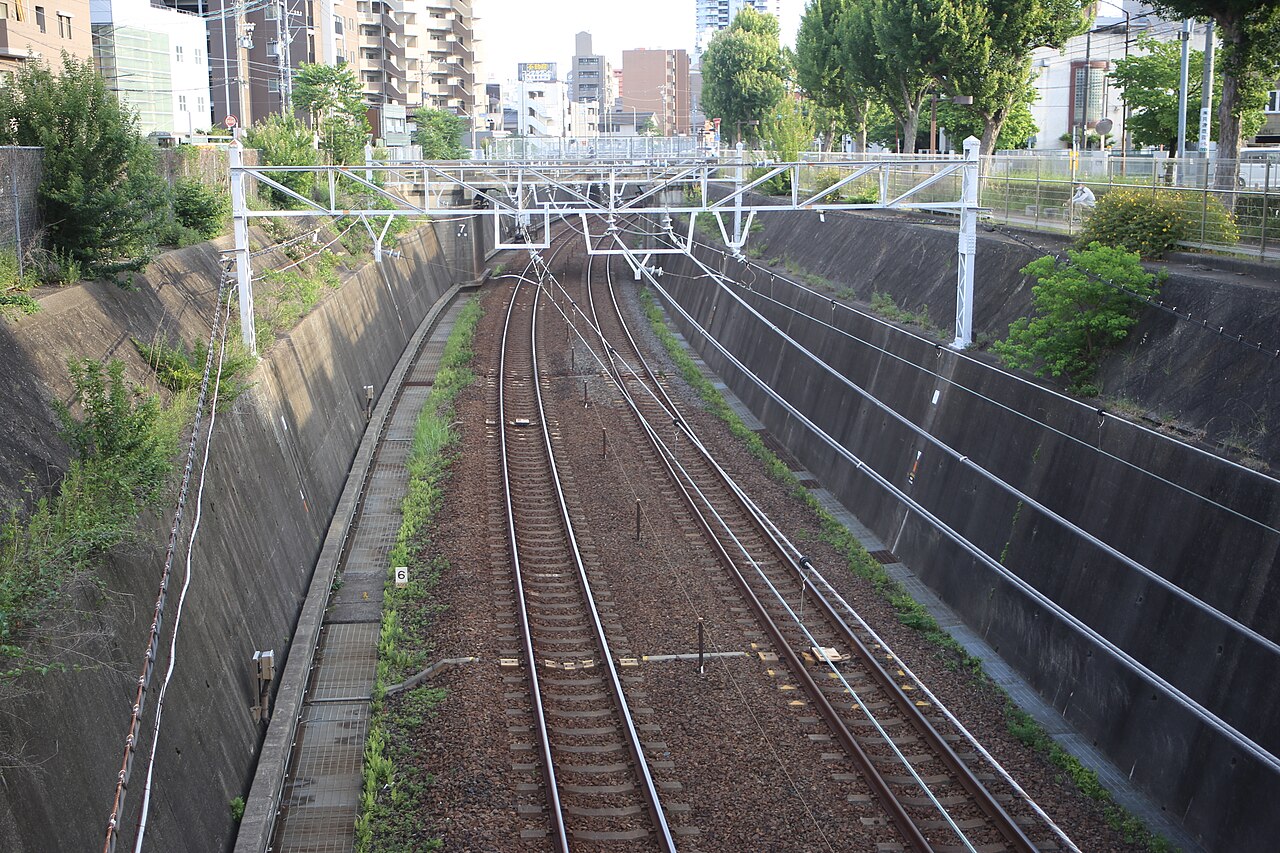
歴史
全線は塩尻駅を境に二社で運営される。東京駅 - 塩尻駅間(中央東線)は東日本旅客鉄道(JR東日本)、塩尻駅 - 名古屋駅間(中央西線)は東海旅客鉄道(JR東海)の管轄であり、日本貨物鉄道(JR貨物)も貨物列車を運行する。両社の特急列車は塩尻駅から篠ノ井線へ直通し、松本・長野方面へ向かう。両端の大都市圏と比べて中央部の塩尻 - 中津川間は閑散としており、1時間あたり特急1本・普通1本程度の運転である。英語版ウィキペディアは、東京 - 名古屋間(辰野支線を含む全区間)を424.6キロメートル、東線(東京 - 塩尻)を222.1キロメートル、西線(塩尻 - 名古屋)を174.8キロメートルとする。
路線の起源は私鉄の甲武鉄道にあり、1889年(明治22年)4月11日に新宿駅 - 立川駅間が、続いて同年8月11日に立川駅 - 八王子駅間が開業した。甲武鉄道は東西へ路線を延ばし、1906年(明治39年)に鉄道国有法に基づき国有化された。一方、官設鉄道は1901年8月1日に八王子から西へ延伸を開始し、名古屋側からも建設が進められて最初の区間が1900年に開業した。国有化後は官設鉄道(鉄道院)が建設を続け、塩尻に達し、1908年には東京側の昌平橋駅まで到達した。東西の路線は1911年(明治44年)5月1日に接続され、東京 - 名古屋間が全通した。1909年10月の線路名称制定で東側を中央東線、西側を中央西線と称していたが、1911年の接続時に塩尻 - 篠ノ井間を篠ノ井線として分離し、残る区間を中央本線として統合した。
電化は東京側で早くから進んだ。1904年(明治37年)、飯田町駅(当時は現在の水道橋駅と飯田橋駅の間に所在)- 中野駅間が直流600ボルトで電化され、日本初の都市電気鉄道となった。電化は1919年・1922年に延伸され、1927年に東京駅まで延伸された際に直流1,200ボルトへ、1929年には直流1,500ボルトへ昇圧され、1931年に甲府へ達した。長野側からの電化は1966年以降に順次行われ、1973年に全線電化が完成した。同じ時期に複線化も進められた。後年の大きな変化として、岡谷 - 塩尻間では1906年開業の旧線が辰野を経由する約28キロメートルの迂回ルート(誘致した代議士にちなみ「大八廻り」と呼ばれた)であったが、1983年7月5日にみどり湖駅を経由し塩嶺トンネルを抜ける全長11.7キロメートルの新線が開業し、同区間が約12キロメートルに短縮されて大幅な時間短縮が実現した。旧来の辰野経由の区間は支線として残された。
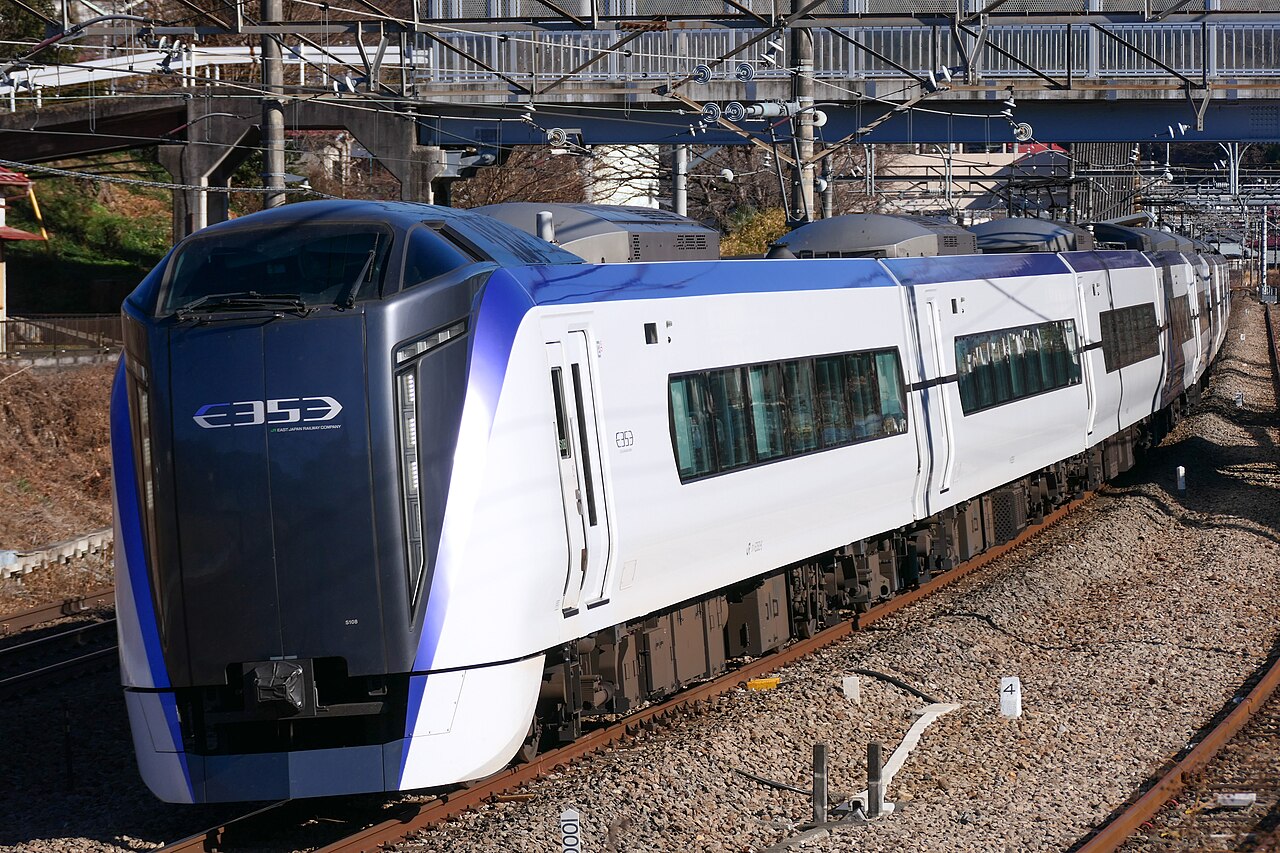
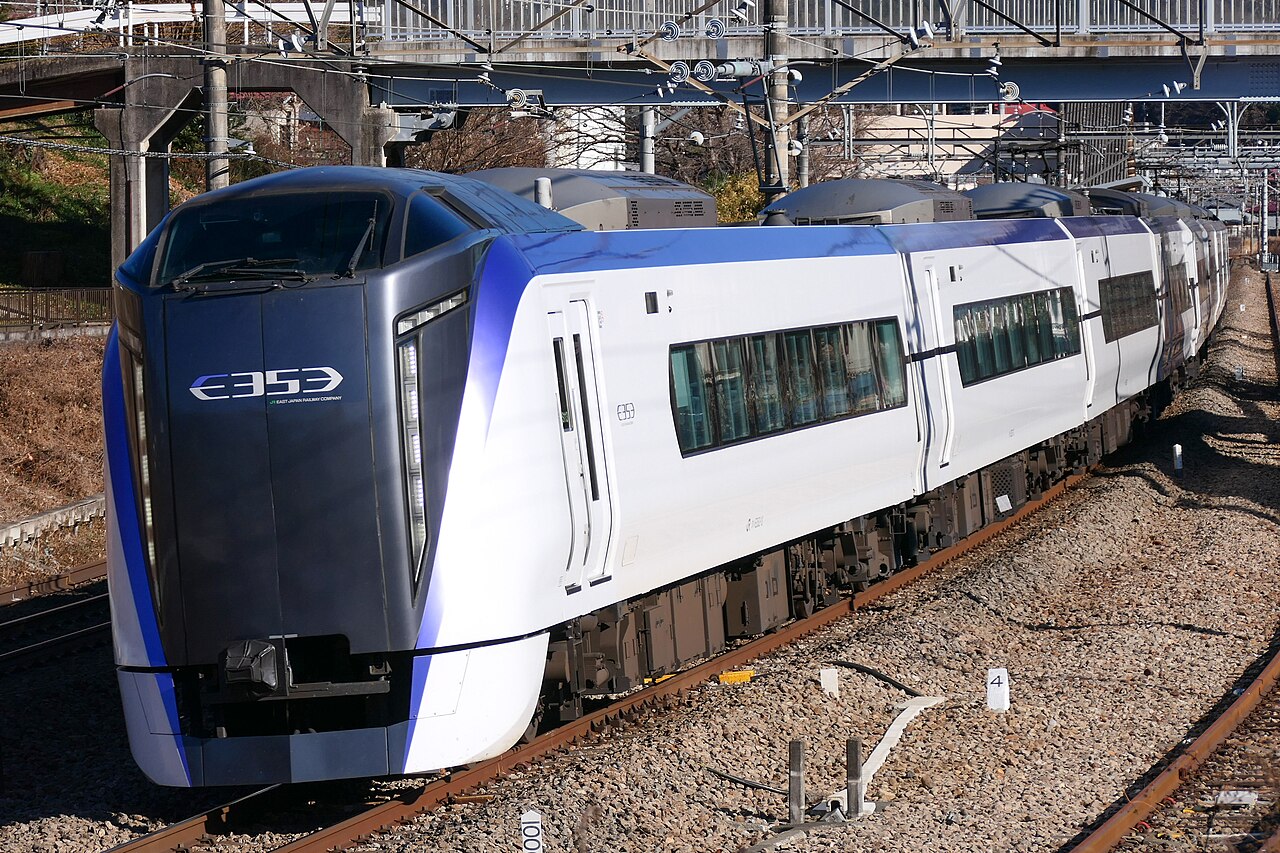
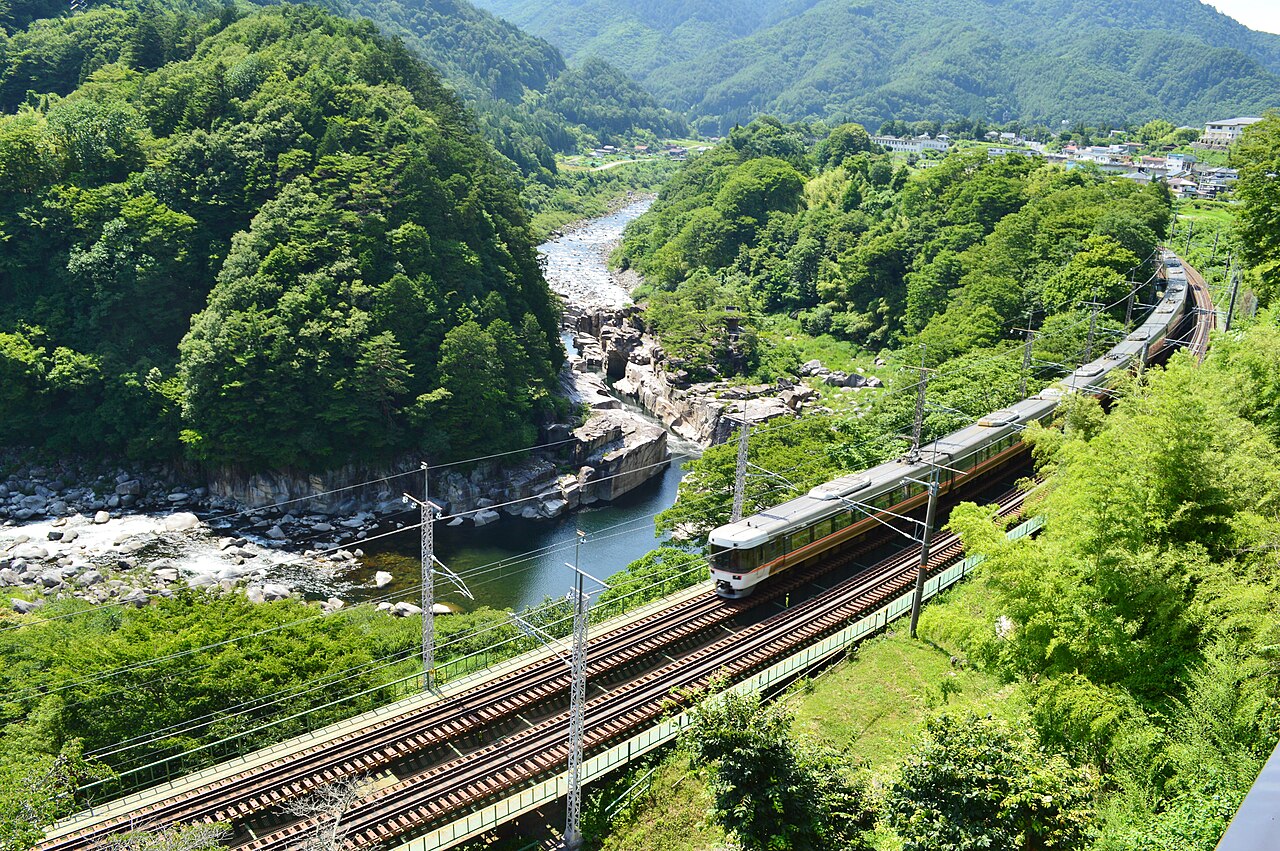
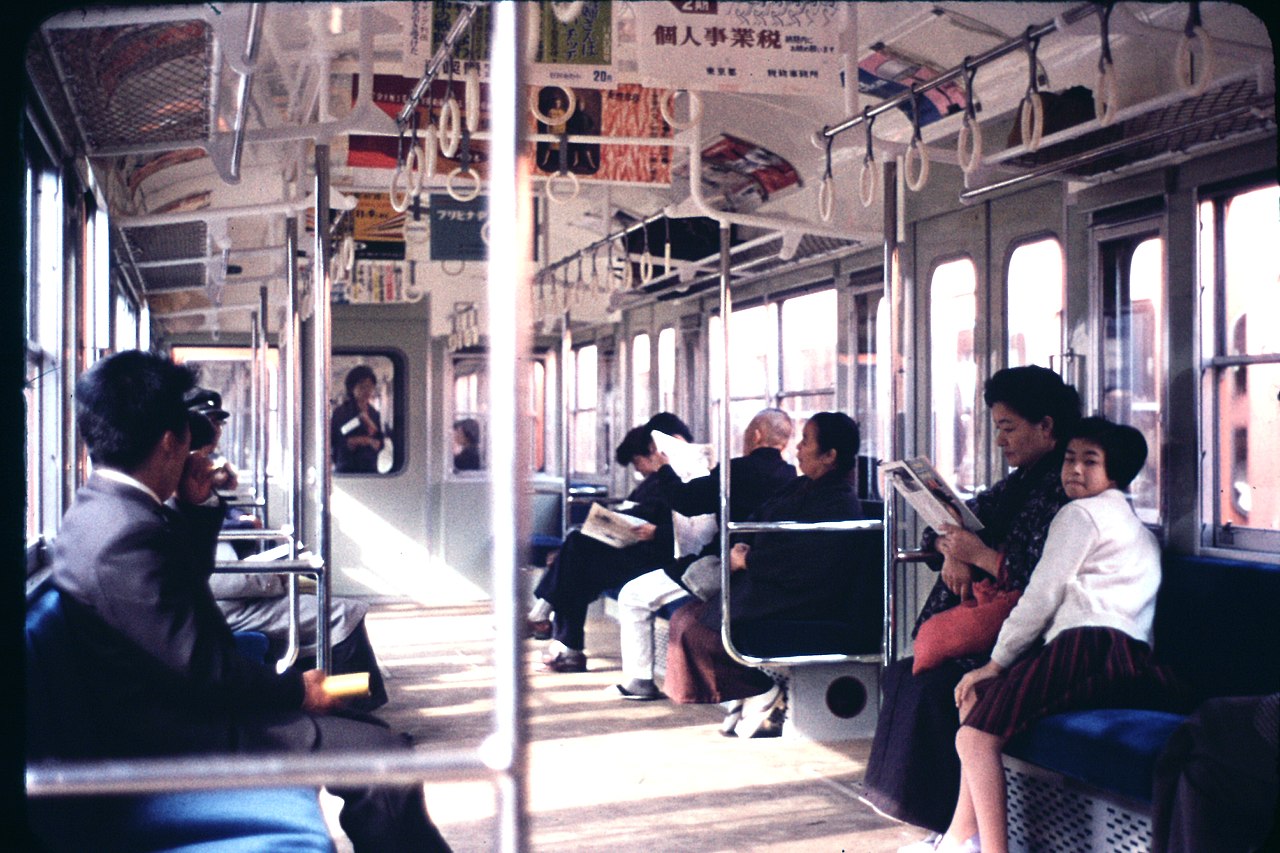
1987年(昭和62年)4月1日の国鉄分割民営化により、神田 - 代々木、新宿 - 塩尻、岡谷 - 辰野 - 塩尻の各区間はJR東日本が、塩尻 - 名古屋間はJR東海が承継し、JR貨物が第二種鉄道事業者となった。現在、両端から多数の特急列車が運転され、JR東日本側ではE353系が「あずさ」「かいじ」などの特急に充当され(2017年以降に導入され、E351系・E257系を置き換えた)、普通列車には211系・E127系が用いられる。JR東海側では383系が特急「しなの」を担い、211系・213系・311系・313系・315系が普通・区間列車に使用される。東京地区の通勤輸送には2006年12月26日からE233系が投入され、1981年に導入された201系を置き換えた。両端の都市圏では通勤輸送も担い、JR貨物による貨物列車も運転される。
中央本線では重大な事故も発生している。英語版ウィキペディアによれば、1997年9月12日、松本行きの特急「スーパーあずさ」が、大月駅を通過中に赤信号で停止できなかった201系の普通列車と衝突した。
年表
- 188911 April: the Kōbu Railway opens the first section, Shinjuku–Tachikawa; Tachikawa–Hachiōji follows on 11 August.
- 1900The first section of the line built from the Nagoya end opens.
- 19011 August: the government railway opens Hachiōji–Uenohara, beginning the westward extension from Hachiōji.
- 1904The Iidamachi–Nakano section becomes the first urban electric railway in Japan, using 600 V DC.
- 1906The Kōbu Railway (Ochanomizu–Hachiōji) is nationalised under the Railway Nationalisation Act; the government railway reaches Shiojiri the same year.
- 1908The line reaches central Tokyo at Shōheibashi Station (19 April).
- 1909October: the line-name designation names the eastern part the Chūō East Line and the western part the Chūō West Line.
- 19111 May: the eastern and western halves are joined; Shiojiri–Shinonoi is split off as the Shinonoi Line and the route is unified as the Chūō Main Line, completing the through Tokyo–Nagoya line.
- 19191 March: Tokyo–Manseibashi opens and Kanda Station opens; electrification is also extended.
- 1927Overhead voltage on Tokyo–Kokubunji raised from 600 V DC to 1,200 V DC as the line is extended to Tokyo.
- 1929Overhead voltage on Tokyo–Kokubunji raised from 1,200 V DC to 1,500 V DC.
- 19311 April: Asakawa (now Takao)–Kōfu electrified; electric-locomotive operation begins.
- 1966Electrification of the Nagoya-end section begins (Tajimi–Nagoya, 14 May); the 181 series 'Azusa' limited express also begins Shinjuku–Matsumoto (12 December).
- 197327 May: Shiojiri–Nakatsugawa electrified, completing electrification of the entire line.
- 198217 May: Shiojiri Station is relocated.
- 19835 July: a new 11.7 km line through the Shiojiri Tunnel via Midoriko opens, shortening Okaya–Shiojiri to about 12 km; the Tatsuno route becomes a branch.
- 19871 April: JNR is privatised; JR East takes Kanda–Yoyogi / Shinjuku–Shiojiri / Okaya–Tatsuno–Shiojiri, JR Central takes Shiojiri–Nagoya, and JR Freight becomes the Type-2 freight operator.
- 19961 December: the 'Shinano' limited express is replaced by the 383 series.
- 199712 September: a Super Azusa limited express collides with a 201 series local train that passed a red signal at Ōtsuki Station.
- 200626 December: E233 series commuter trains enter Tokyo-area service, replacing 201 series stock introduced in 1981.
- 2017E353 series EMUs are introduced on Azusa and Super Azusa limited expresses, replacing the E351 and E257 series.
出典
事実確認日:2026年6月3日
ギャラリー 6枚
このページの全写真 ― 画像をタップすると原寸大で表示します。すべてウィキメディア・コモンズより(各写真の下にクレジット)。