歴史
路線は1889年から1905年にかけて、水戸鉄道などにより順次開業した。最初の区間である水戸 - 小山間は1889年(明治22年)1月16日に開業した。1892年(明治25年)3月1日に水戸鉄道全線が日本鉄道に譲渡され、その後北へ南へと延伸が進んだ。磐城線の水戸 - 平(現在のいわき)間は1897年(明治30年)2月25日に開業し、1898年(明治31年)8月23日に久ノ浜 - 小高間が開業して田端 - 岩沼間が全通した。1905年(明治38年)4月1日、三河島 - 日暮里間の連絡線が完成して現在の経路が完成し、日暮里駅・三河島駅が開業した。1906年(明治39年)11月1日に日本鉄道が国有化され、1909年(明治42年)10月12日の国有鉄道線路名称制定により、日暮里 - 岩沼間とその貨物支線が「常磐線」と命名された。
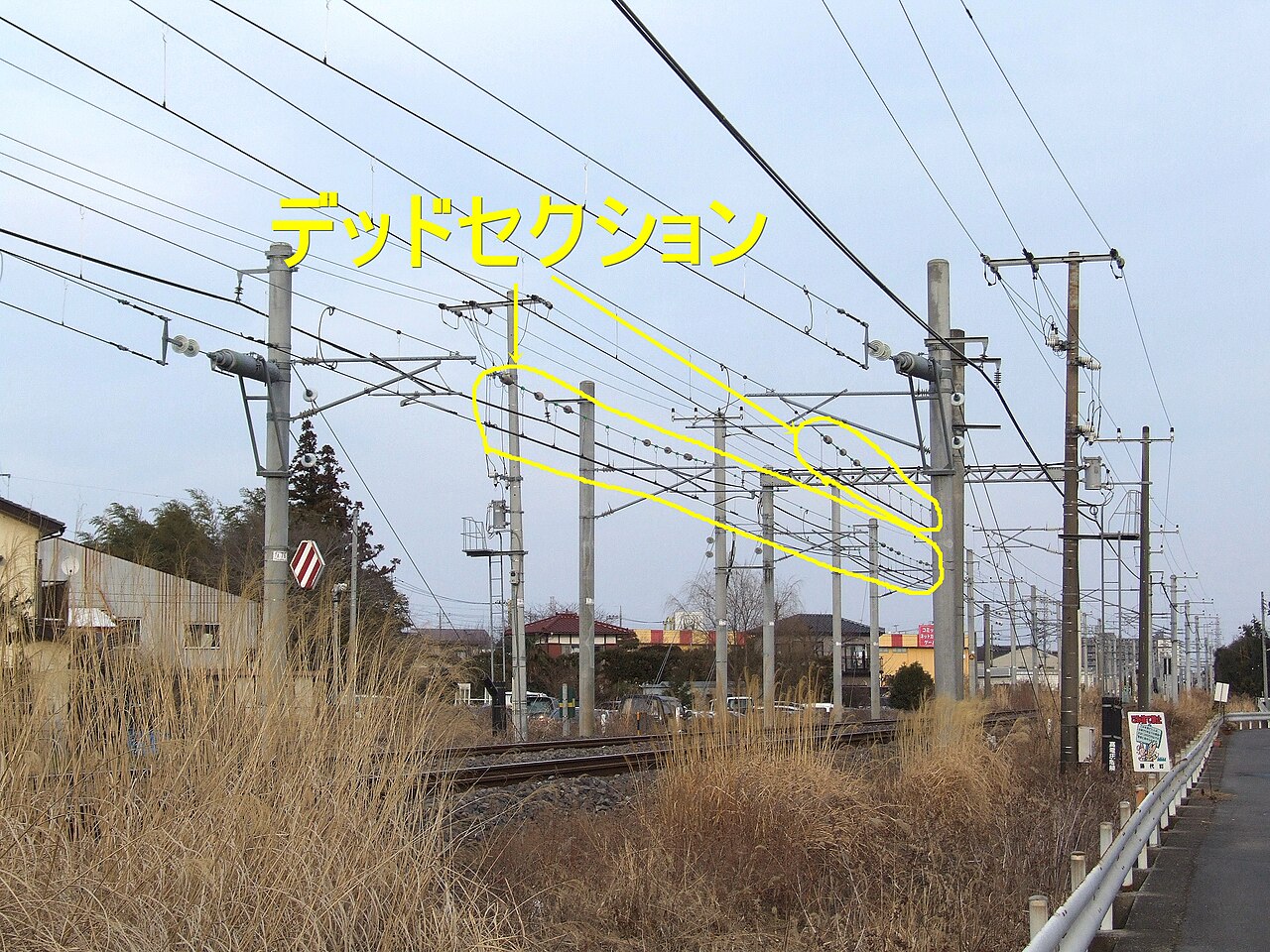
1910年からは複線化が進められ、日暮里 - 四ツ倉間の219 km区間は1925年に完成した。広野 - 木戸間、小野 - 双葉間の複線化は1976年に行われた。電化は段階的に進んだ。最初に電化されたのは日暮里 - 松戸間で、1936年(昭和11年)12月11日に直流1,500 Vで電化され、1949年に取手まで延伸された。取手 - 草野間は1961年から1963年にかけて交流20,000 Vで電化され、1967年(昭和42年)8月20日に草野 - 岩沼間が電化されて全線電化が完成した。北側で交流電化が採用されたのは直流が周辺施設に悪影響を及ぼす事情によるもので、取手駅と藤代駅の間に二つの電化方式を分けるデッドセクションが設けられている。常磐線では多くの優等列車が運転されてきた。準急「ときわ」は1958年(昭和33年)6月1日に運転を開始し、特急「はつかり」(上野 - 青森)は1958年10月10日に運転を開始して、常磐線内では上野・水戸・平・仙台に停車した。
常磐線では二つの著名な事故が起きている。1949年(昭和24年)7月6日には、当時の日本国有鉄道総裁・下山定則が北千住 - 綾瀬間で遺体となって発見される下山事件が発生した。1962年(昭和37年)5月3日には、三河島 - 南千住間で三河島事故が発生し、死者160人を出した。
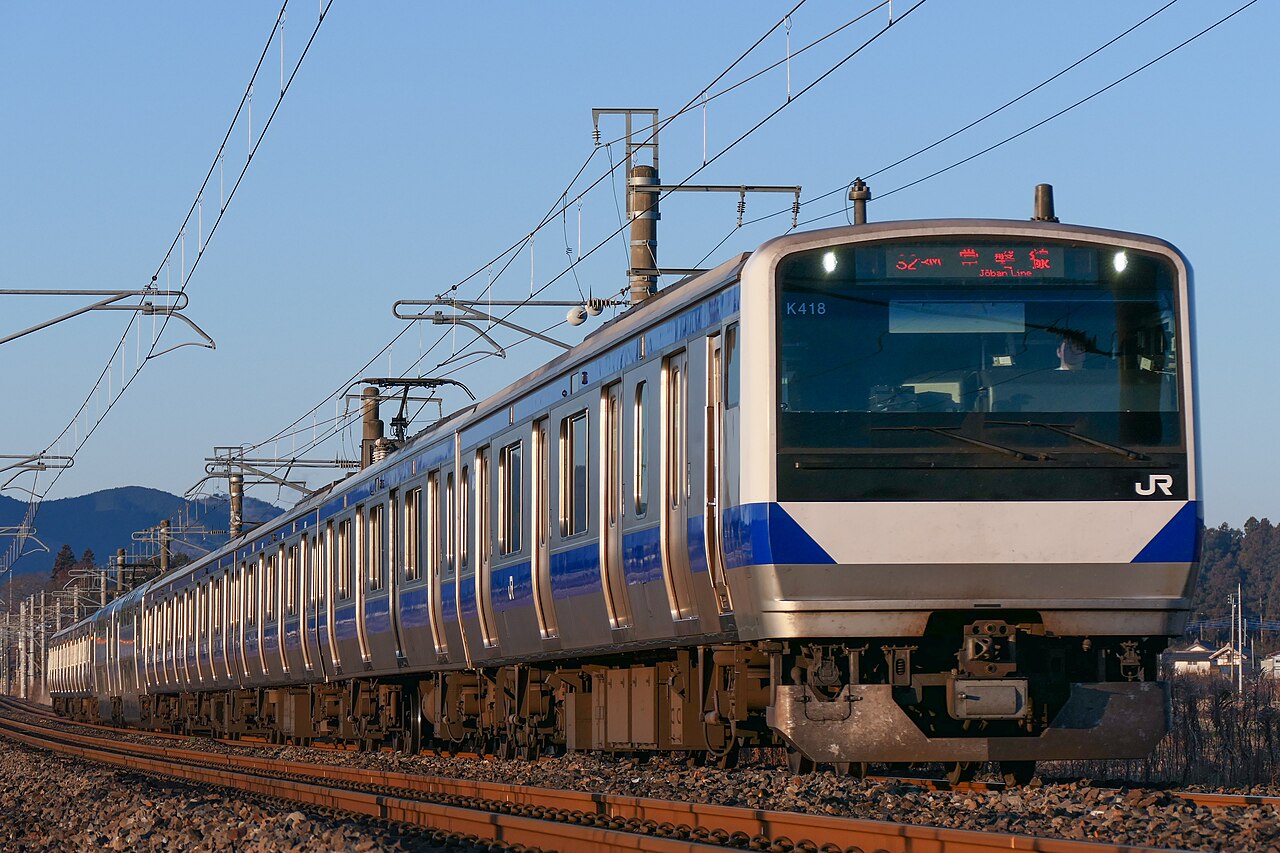
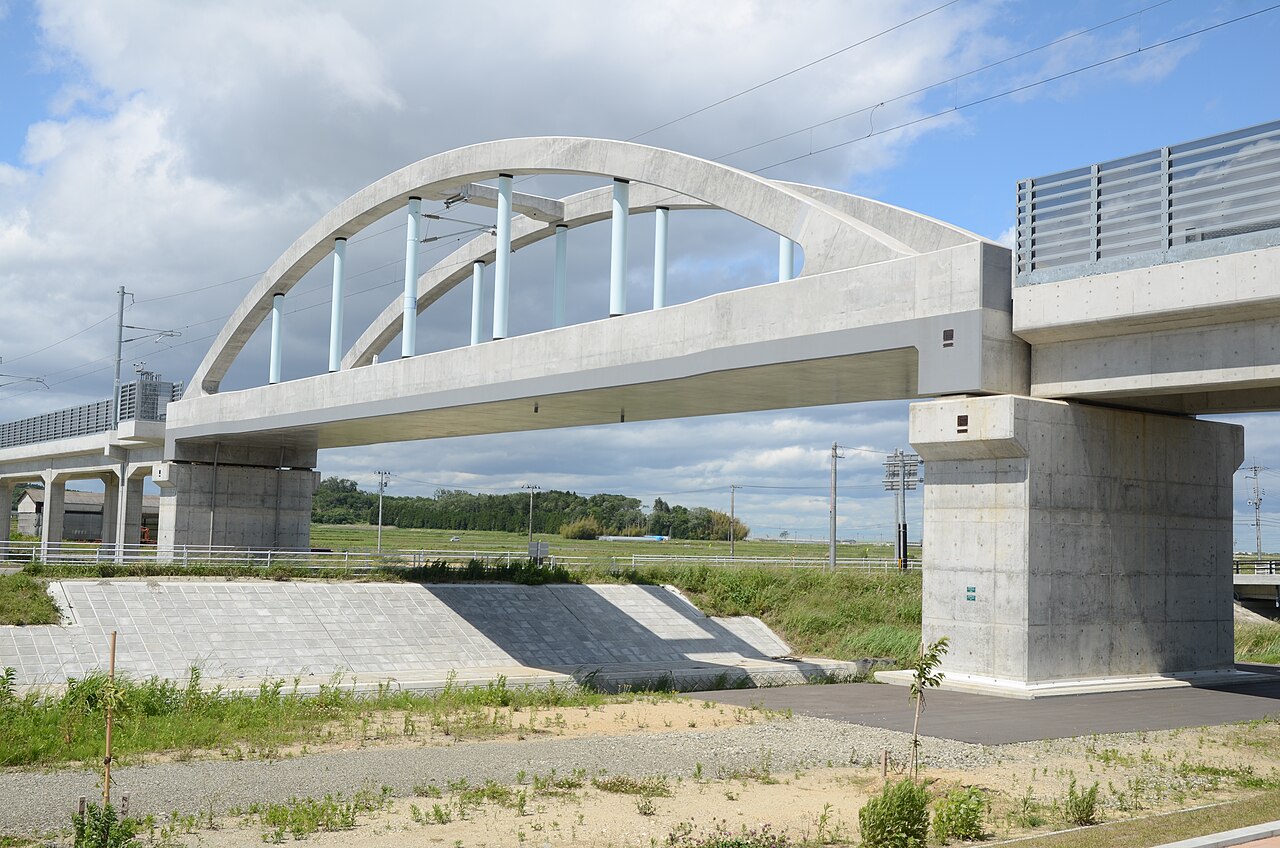
1987年(昭和62年)4月1日の国鉄分割民営化により、常磐線は東日本旅客鉄道に承継された。2011年の東北地方太平洋沖地震(東日本大震災)とそれに起因する福島第一原子力発電所事故により、線路は甚大な被害を受け、福島第一原発周辺の帰還困難区域を通る富岡 - 浪江間が不通となった。その後、復旧は順次進められ、2020年(令和2年)3月14日に全線で運転を再開し、約9年ぶりに全線の運行が復活した。
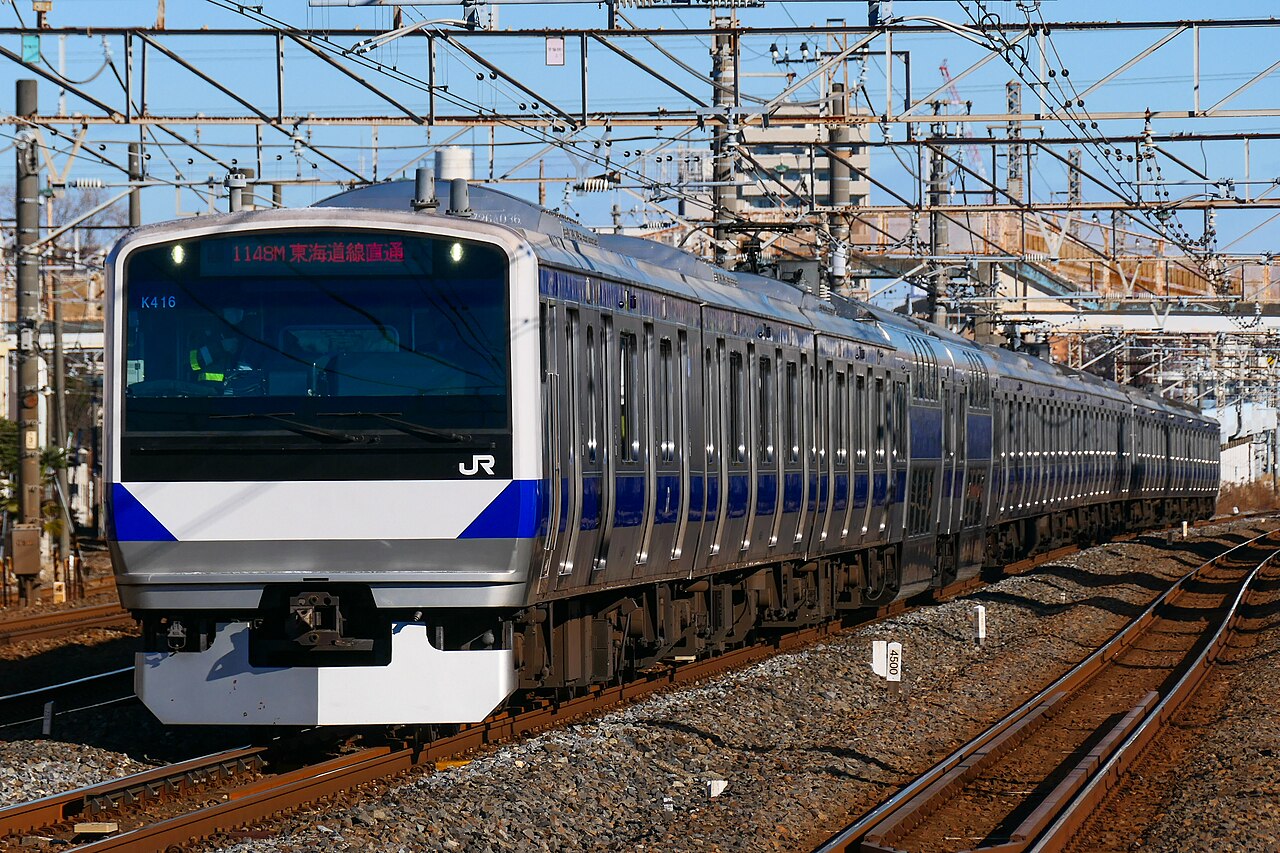
現在、常磐線はJR東日本が運営し、貨物営業は大部分の区間でJR貨物が担う。日本語版の記事は鉄道要覧を典拠として、日暮里 - 岩沼間の路線距離を343.7 km(支線を除く)、駅数を80駅、最高速度を130 km/hとしている。一方、英語版のインフォボックスは線路長を368.0 kmとし、常磐線85駅に上野東京ライン4駅を加えて数えている。日本語版の記事は、343.7 kmの常磐線が「本線」や「新幹線」を名乗らないJR線の中では最も長い路線であると記している。
年表
- 188916 January: the Mito Railway opens its first section, Mito to Oyama; the line is opened in sections by the Mito Railway between 1889 and 1905.
- 18921 March: the Mito Railway becomes part of the Nippon Railway.
- 189725 February: the Iwaki Line from Mito to Taira (present-day Iwaki) begins operation.
- 189823 August: the Kunohama-Odaka section opens, connecting Tabata and Iwanuma (the full Tabata-Iwanuma route is through-connected).
- 19051 April: with the completion of the Mikawashima-Nippori connection the present-day route is finished; Nippori and Mikawashima stations open. The infobox gives year-completed as 1 April 1905.
- 19061 November: the Nippon Railway is nationalised.
- 190912 October: the government railway line-naming reorganisation designates the Nippori-Iwanuma section and its freight branches as the Jōban Line.
- 1925Double-tracking (begun in 1910) reaches completion on the 219 km Nippori-Yotsukura section.
- 193611 December: the Nippori-Matsudo section is electrified at 1,500 V DC — the first section of the line to be electrified.
- 19496 July: the Shimoyama incident — JNR president Shimoyama Sadanori is found dead between Kita-Senju and Ayase stations. The same year, electrification is extended Matsudo-Toride.
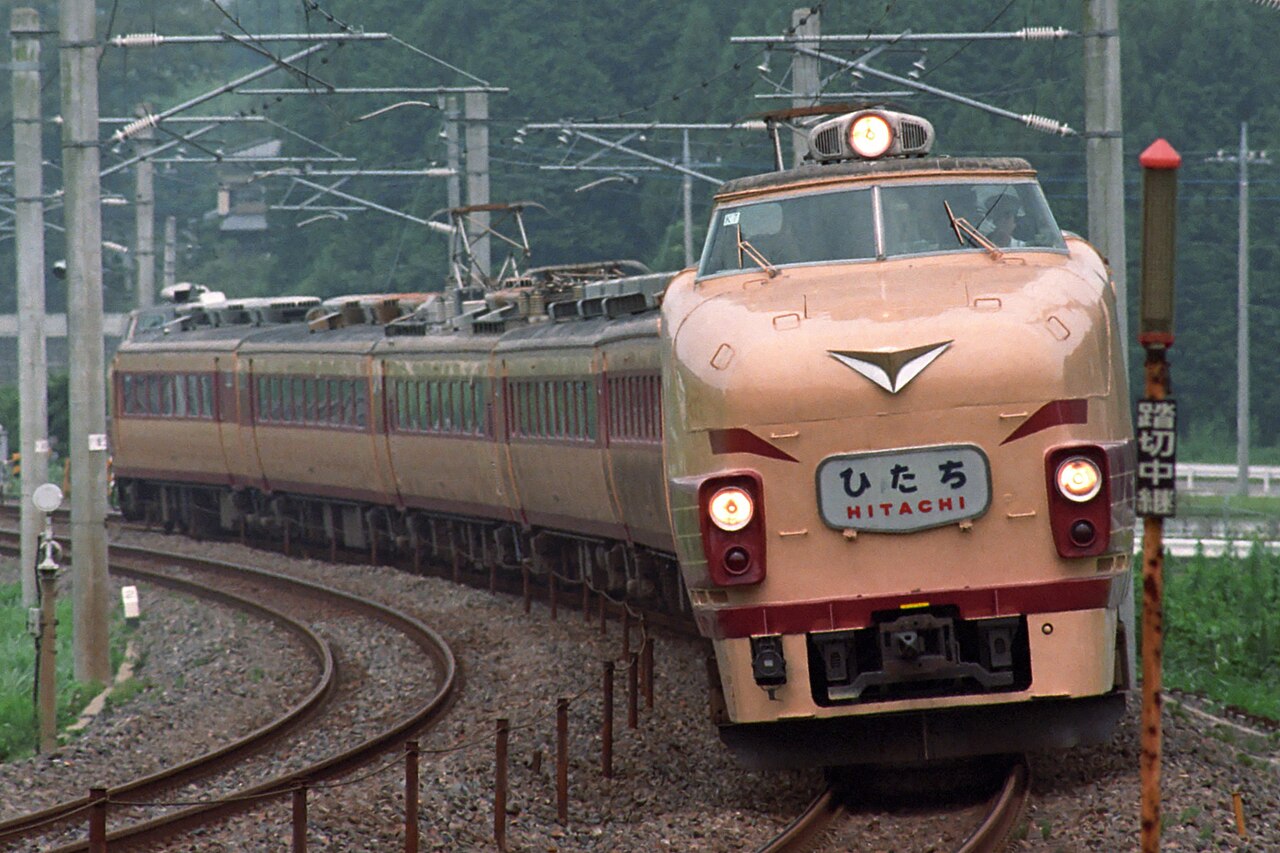
- 19581 June: the semi-express Tokiwa begins operation. 10 October: the limited express Hatsukari (Ueno-Aomori) begins operation, calling at Ueno, Mito, Taira and Sendai on Jōban Line tracks.
- 19623 May: the Mikawashima rail crash occurs between Mikawashima and Minami-Senju; per the EN account 160 people die and 296 are injured (JA records 160 deaths).
- 196720 August: with the electrification of the Kusano-Iwanuma tracks (20 kV AC), the entire Jōban Line becomes electrified.
- 19871 April: with the privatisation of Japanese National Railways, the Jōban Line is succeeded by JR East.
- 2011The Tōhoku earthquake and tsunami severely disrupt the line; the Tomioka-Namie section, through the Fukushima exclusion zone, closes. Services to Iwaki (209.4 km from Nippori) are re-established by 17 April.
- 201610 December: the Hamayoshida-Soma section, rebuilt at a higher tsunami-resistant level, reopens.
- 202014 March: the line fully reopens after nine years without through service.
出典
事実確認日:2026年6月3日
ギャラリー 6枚
このページの全写真 ― 画像をタップすると原寸大で表示します。すべてウィキメディア・コモンズより(各写真の下にクレジット)。