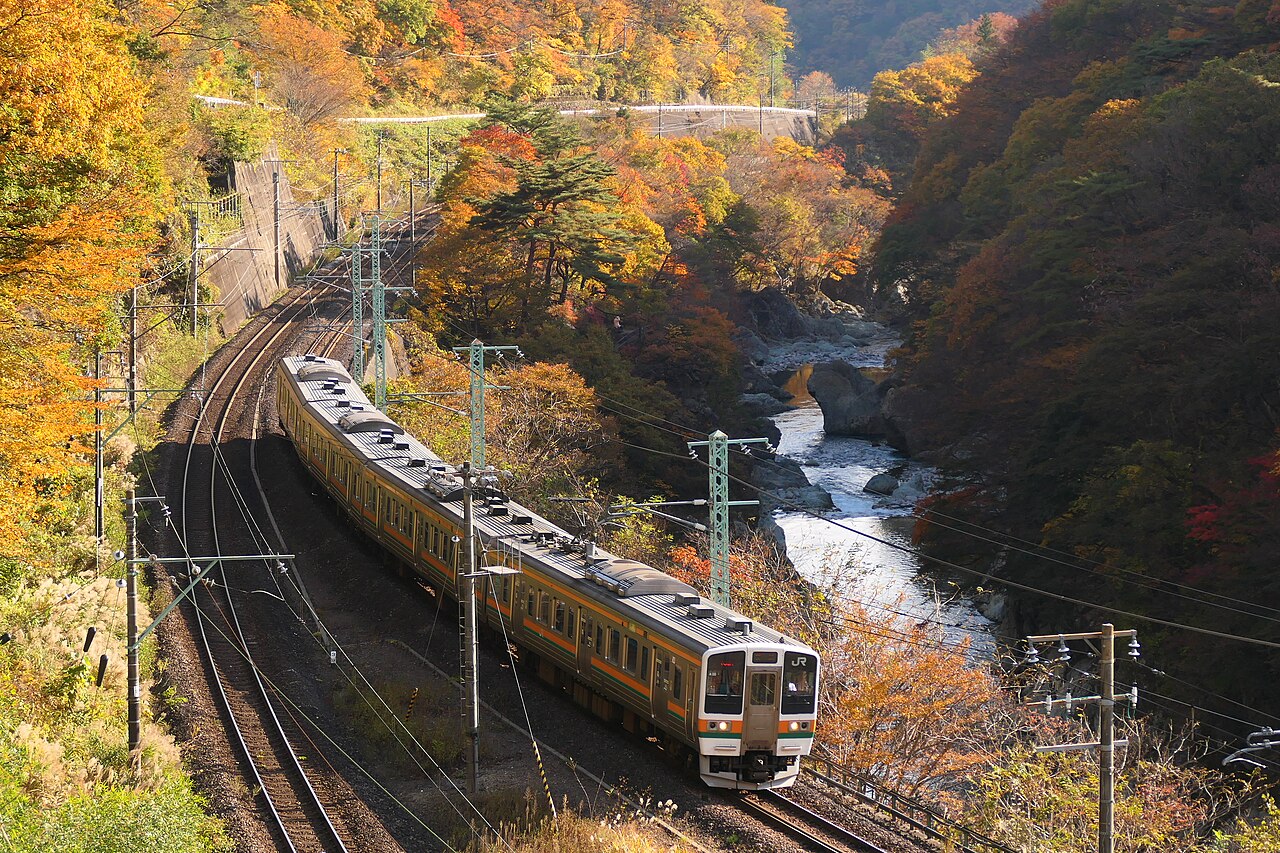
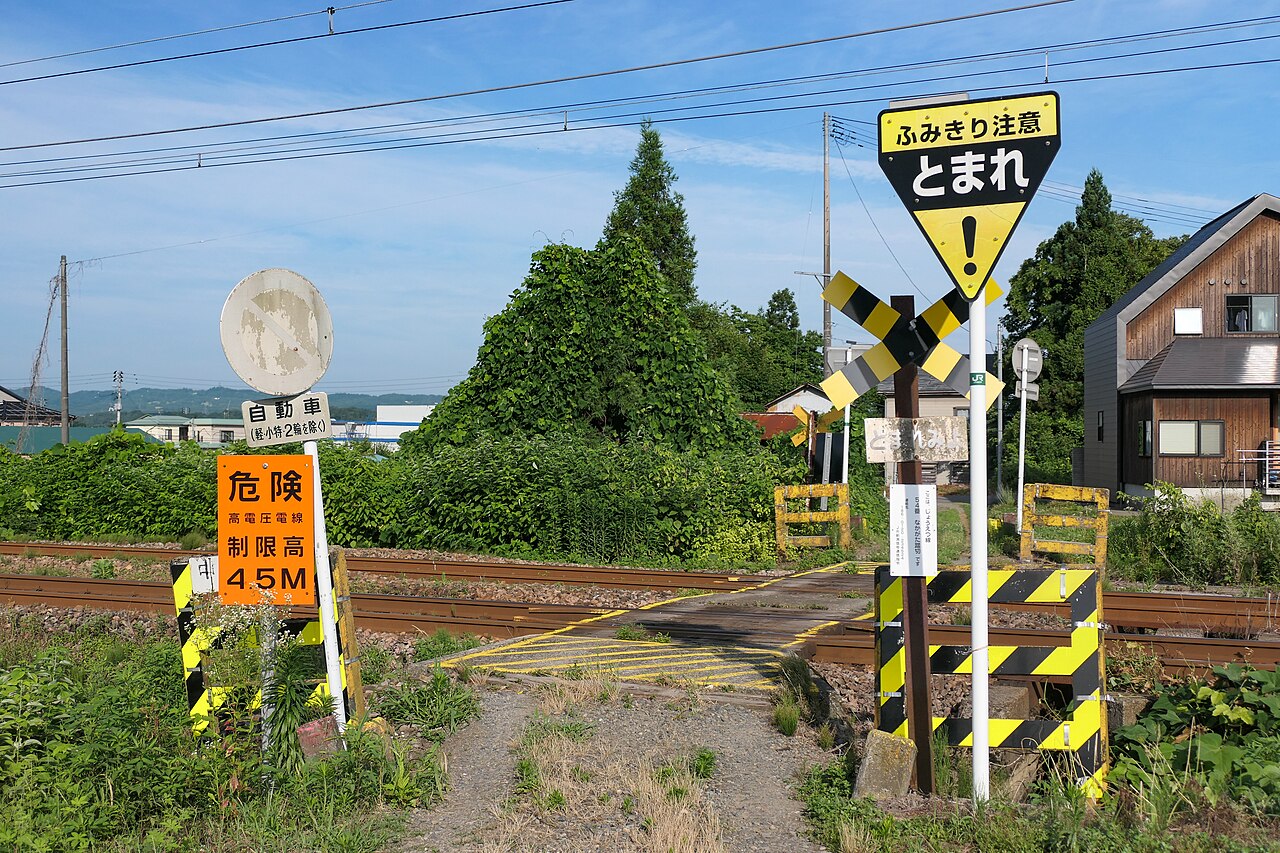
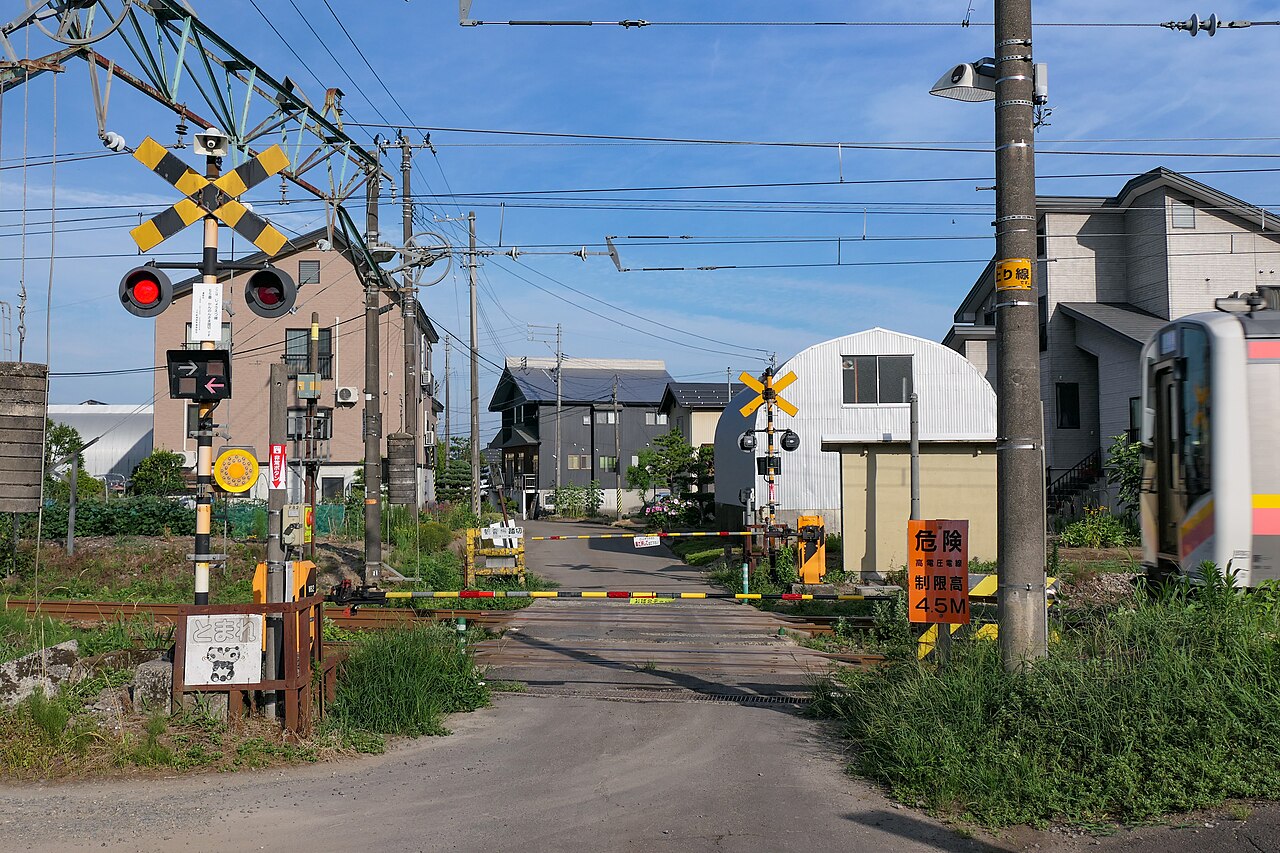
歴史
上越線が開通する以前、関東と新潟を結ぶ鉄道は「高崎線・信越本線ルート」と「東北本線・磐越西線ルート」の二つがあったが、いずれも直線的ではなかった。新潟と本州東岸を結ぶ最初の鉄道である磐越西線は1914年に全通している。こうした中、1920年に東京と新潟をより直線的に結ぶ短絡経路として、上越国境の茂倉岳直下を清水トンネルで越える上越線の建設が決定された。なお当該区間に先立ち、日本鉄道は1884年に高崎 - 前橋(現在の新前橋)間を開業しており、同社は1906年に国有化されている。
新線は南北双方から建設された。上越北線は1920年11月1日に宮内 - 東小千谷間が開業し、順次延伸して1925年11月1日に越後湯沢に達した。上越南線は1921年7月1日に新前橋 - 渋川間が開業し、1928年10月30日に水上に達した。1931年9月1日、清水トンネル(9,702メートル)の完成により水上 - 越後湯沢間が開業して全通。同日、上越南線が上越北線を編入して「上越線」に改称され、起点は高崎駅に変更された。トンネル内には2か所のループ線(ループtrack)が設けられた。英語版は新線によって上野 - 新潟間が98キロメートル短縮されたと記し、日本語版は所要時間について、信越本線経由の急行で11時間6分を要していた上野 - 新潟間が、上越線経由では7時間10分となり、一挙に4時間短縮されたとする。
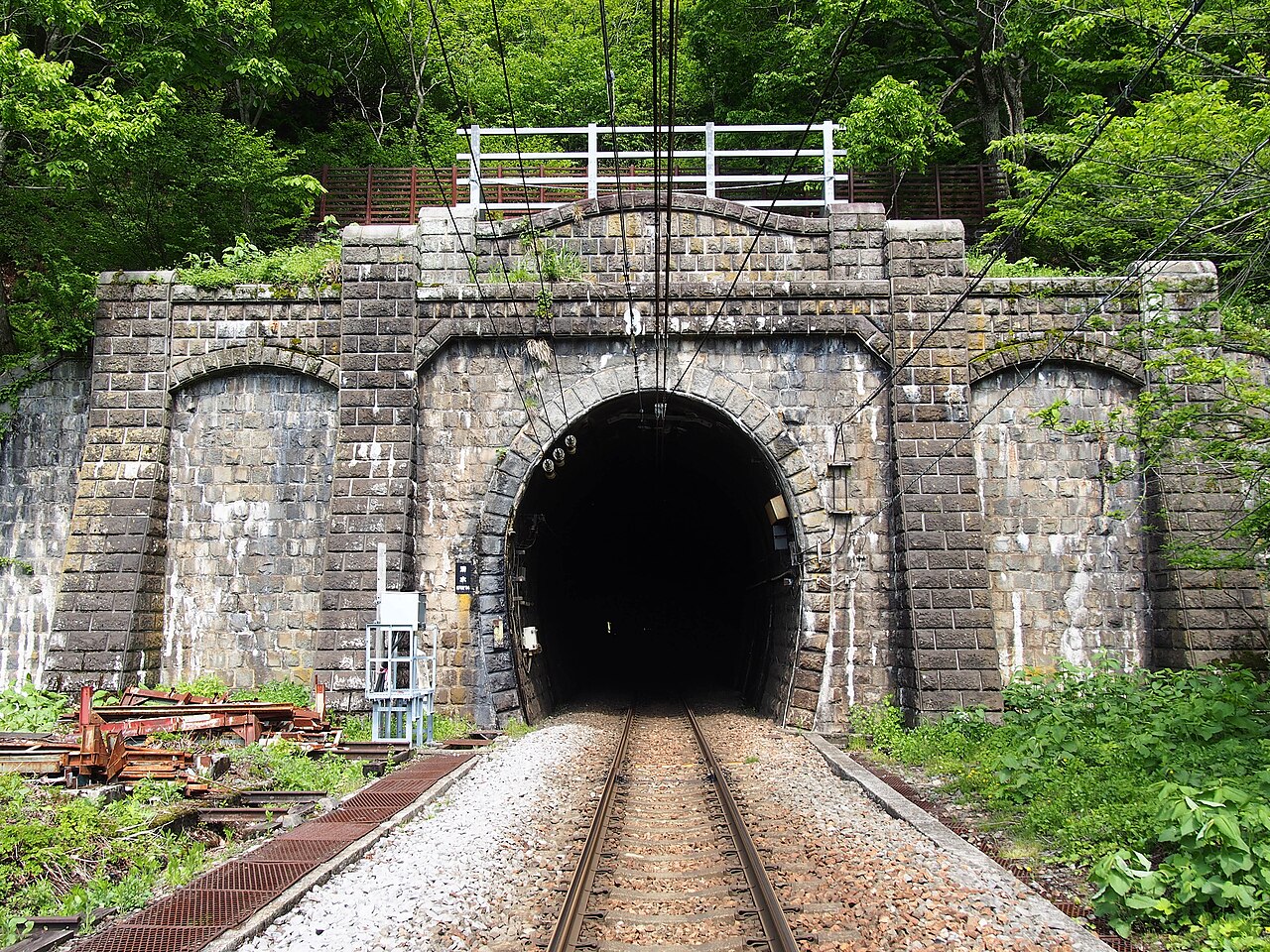
その後、電化と複線化が進められた。開業当初から清水トンネルを挟む山岳区間が電化されており、日本語版は水上 - 石打間が開業日に電化されたと記す(英語版は越後湯沢 - 石打間を1,500ボルト直流で電化と表現する)。水上 - 石打間は最急勾配20パーミルで建設されていた。1947年には高崎 - 水上間(4月1日)と石打 - 宮内間(10月1日)が電化され、英語版はこれを国鉄の非都市線として最初期の全線電化の一つと評する。高崎 - 新前橋間は1957年に複線化され、残る区間は1961年から1967年にかけて複線化された。最後の区間は新清水トンネル(13,490メートル)の建設を伴い、同トンネルは1967年9月28日に開通して湯檜曽 - 土樽間を複線化した。この工事の名残として、湯檜曽駅・土合駅では宮内方面(下り)の乗客は新清水トンネル内の地下ホームから乗車する。
1982年11月15日に上越新幹線(大宮 - 新潟間)が開業すると、上越線の役割は大きく変わった。それ以前は東京と新潟を結ぶ急行列車が頻繁に運転されていたが、開業後は都市間旅客輸送を新幹線に譲り、在来線は普通列車と貨物列車が中心となった。日本語版は、上越線が今もなお首都圏と新潟・北陸・庄内・秋田方面とを結ぶ貨物幹線であり、東北本線不通時にJRのみで迂回できる唯一のルートとしての機能を担うことを強調している。1987年4月1日、国鉄分割民営化により全線をJR東日本が継承し、日本貨物鉄道(JR貨物)が第二種鉄道事業者となった。1990年12月20日には、上越新幹線の保線基地への引き込み線を利用し法規上は在来線(上越線の支線)として扱われる越後湯沢 - ガーラ湯沢間が開業した。
上越線は自然災害による大きな運休をたびたび経験している。2004年10月23日の新潟県中越地震では水上 - 宮内間が不通となった。英語版によれば、その後35 - 40 km/hに制限した単線運転で再開し、地震の4か月後に45 - 65 km/hに引き上げられ、5か月後に速度制限付きで第二の線路が復旧、最初の運休から9か月後に全面復旧した。2011年7月下旬には集中豪雨により越後湯沢 - 六日町間が2週間にわたり不通となった。現在の上越線は本線が全線にわたり直流1,500ボルトで電化・複線化され、日本語版の路線データ欄では優等列車の最高速度を120 km/hとしている。
年表
- 188420 August: Nippon Railway opens the Takasaki–Maebashi (now Shin-Maebashi) section; this stretch later forms the southern end of the Jōetsu Line.
- 19061 November: Nippon Railway is nationalised.
- 1914The Ban'etsu West Line, the first railway between Niigata and the east coast of Honshū, is completed.
- 1920It is decided to build the Jōetsu Line as a more direct Tokyo–Niigata route. 1 November: the Jōetsu North Line opens Miyauchi to Higashi-Ojiya.
- 19211 July: the Jōetsu South Line opens Shin-Maebashi to Shibukawa.
- 19251 November: the Jōetsu North Line reaches Echigo-Yuzawa (Shiozawa–Echigo-Yuzawa opens).
- 192830 October: the Jōetsu South Line reaches Minakami (Gokan–Minakami opens).
- 19311 September: the 9,702 m Shimizu Tunnel is completed and the Minakami–Echigo-Yuzawa section opens, joining the line into a through route. The South Line absorbs the North Line and is renamed the Jōetsu Line, with the origin changed to Takasaki; the mountain section over the tunnel is electrified at 1,500 V DC. The Ueno–Niigata express time falls from 11h06m to 7h10m.
- 1947Takasaki–Minakami (1 April) and Ishiuchi–Miyauchi (1 October) are electrified, completing electrification of the line — one of the first non-urban JNR lines to be fully electrified.
- 1957The Takasaki–Shin-Maebashi section is double-tracked.
- 196728 September: the 13,500 m Shin-Shimizu Tunnel opens, double-tracking the Yubiso–Tsuchitaru section — the final stage of double-tracking the line (carried out 1961–1967).
- 198215 November: the Jōetsu Shinkansen (Ōmiya–Niigata) opens; intercity passenger traffic shifts to the high-speed line and the conventional Jōetsu Line becomes dominated by local and freight trains.
- 19871 April: with the privatisation of Japanese National Railways, the whole line passes to JR East; Japan Freight Railway (JR Freight) becomes the Type-2 operator.
- 199020 December: the Echigo-Yuzawa–Gala-Yuzawa branch opens; built on a Shinkansen maintenance-base track, it is legally part of the conventional Jōetsu Line.
- 200423 October: the Chūetsu earthquake seriously damages the line, closing the Minakami–Miyauchi section; single-line operation at 35–40 km/h later resumes, full service is restored nine months after the line first closed.
- 2011Late July: torrential rainfall closes the Echigo-Yuzawa–Muikamachi section for two weeks.
出典
事実確認日:2026年6月3日
ギャラリー 3枚
このページの全写真 ― 画像をタップすると原寸大で表示します。すべてウィキメディア・コモンズより(各写真の下にクレジット)。