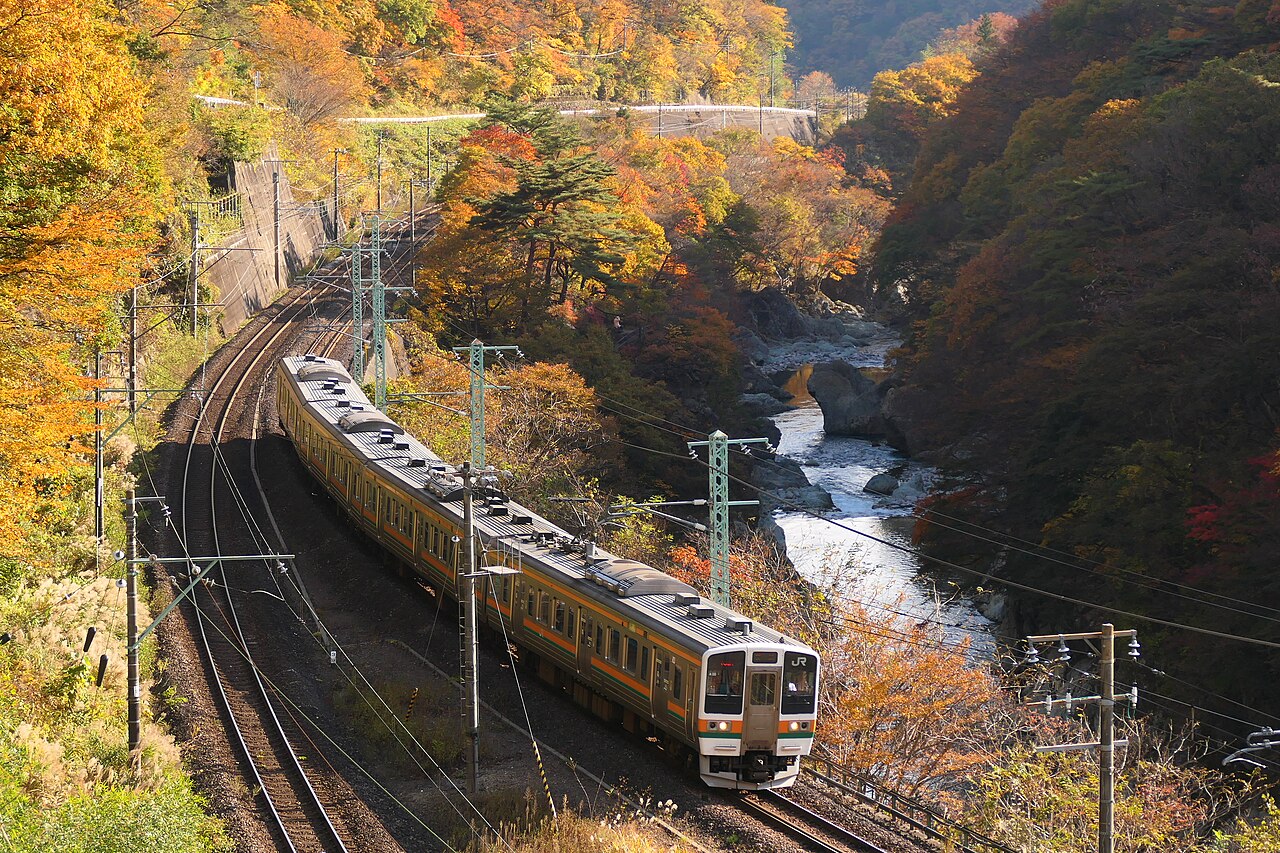
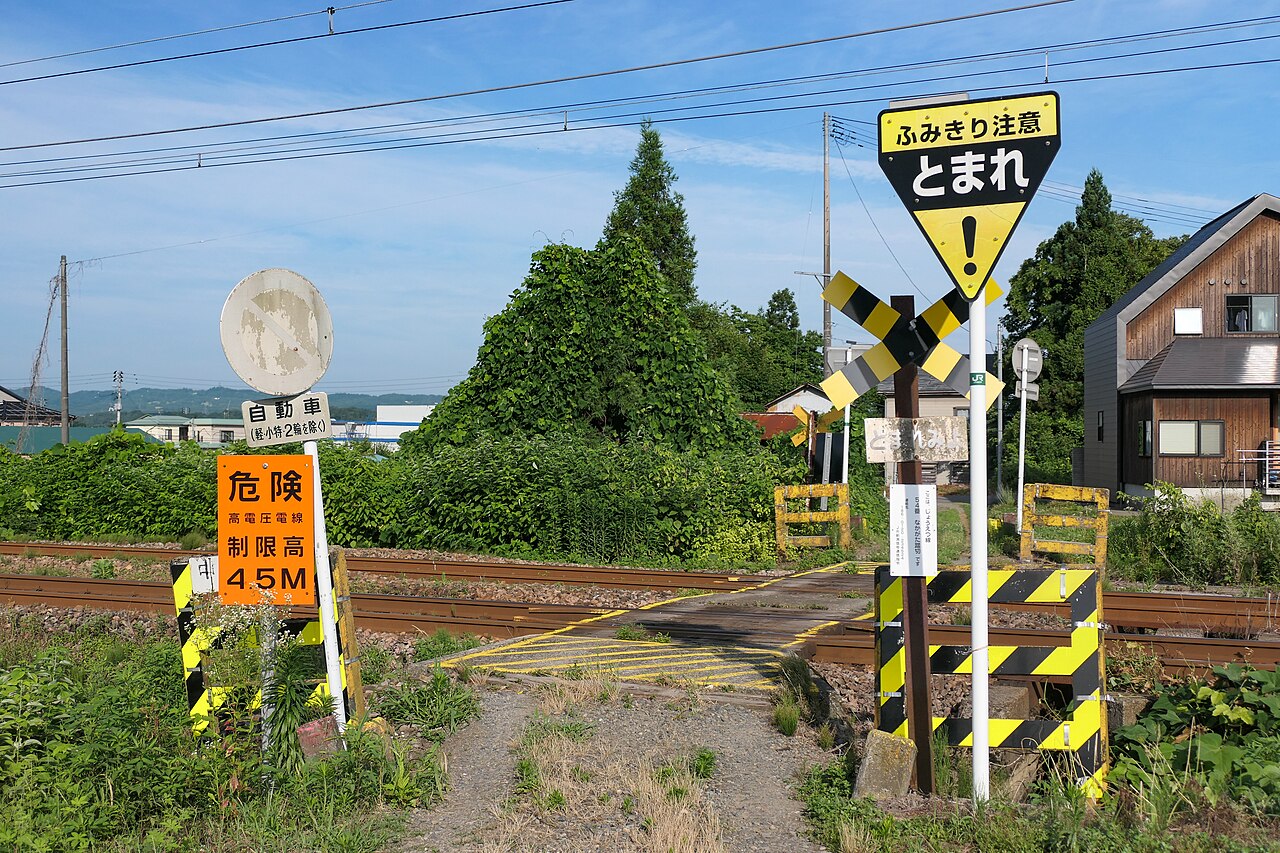
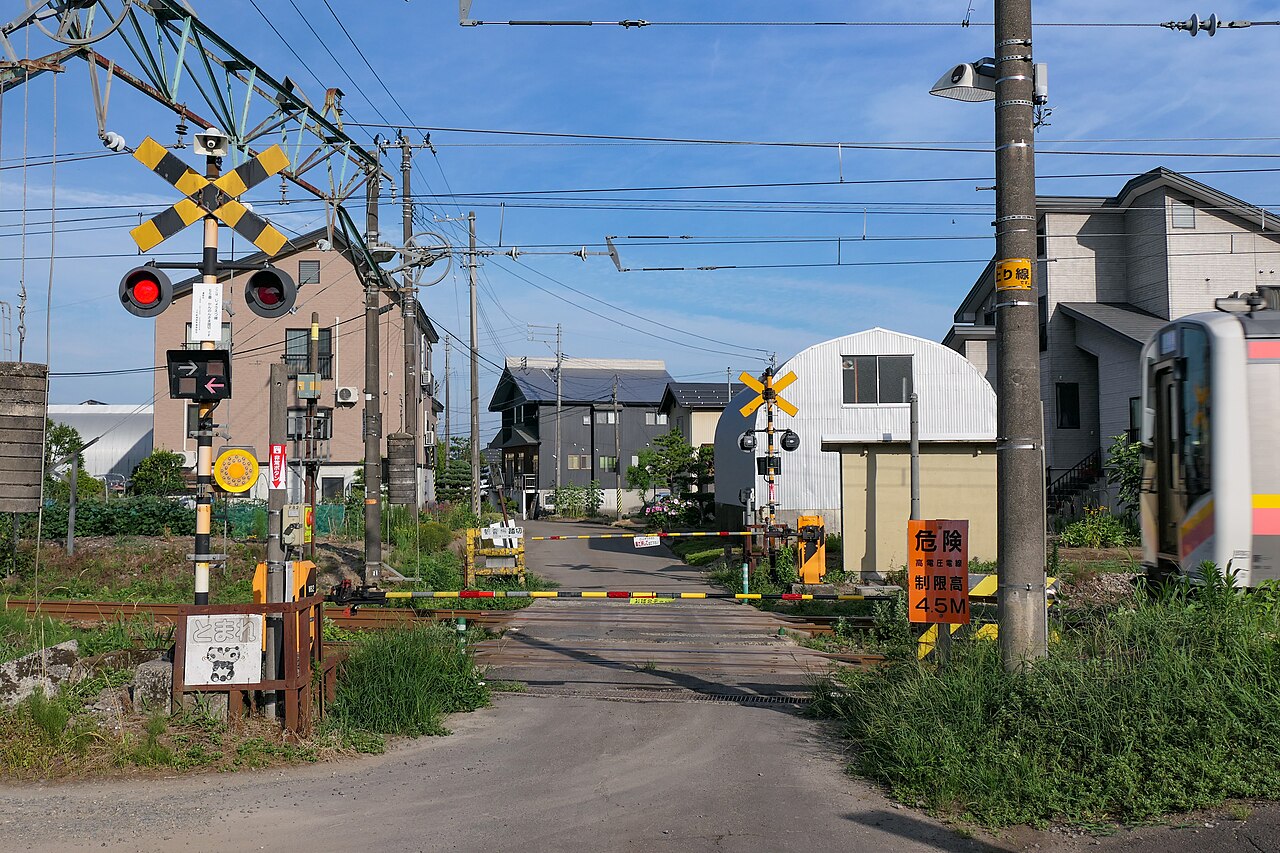
History
The corridor was built because the pre-existing rail routes between Kantō and Niigata were both indirect: the Takasaki Line / Shin'etsu Main Line route and the Tōhoku Main Line / Ban'etsu West Line route. The Ban'etsu West Line, the first railway between Niigata and the east coast of Honshū, was completed in 1914; in 1920 it was decided to build the Jōetsu Line as a more direct route between Tokyo and Niigata, crossing the provincial border beneath Mount Shigura via the Shimizu Tunnel. The deeper history of the corridor reaches back to the Meiji era: Nippon Railway opened the Takasaki–Maebashi (now Shin-Maebashi) section in 1884, and the company was nationalised in 1906.
The new line was built from both ends as two projects. The Jōetsu North Line opened Miyauchi to Higashi-Ojiya on 1 November 1920 and was extended in stages, reaching Echigo-Yuzawa by 1 November 1925. The Jōetsu South Line opened Shin-Maebashi to Shibukawa on 1 July 1921 and reached Minakami by 30 October 1928. The two halves were joined on 1 September 1931, when the Minakami–Echigo-Yuzawa section opened with the completion of the 9,702-metre Shimizu Tunnel; on that day the South Line absorbed the North Line, the combined route was renamed the Jōetsu Line, and the official origin was changed to Takasaki. The construction included two spiral sections within the tunnels. According to the English-language article the new line shortened the Ueno-to-Niigata route by 98 km; the Japanese article quantifies the gain in time, noting that the Ueno–Niigata express, which had taken 11 hours 6 minutes via the Shin'etsu route, was cut to 7 hours 10 minutes via the Jōetsu Line — a saving of four hours.
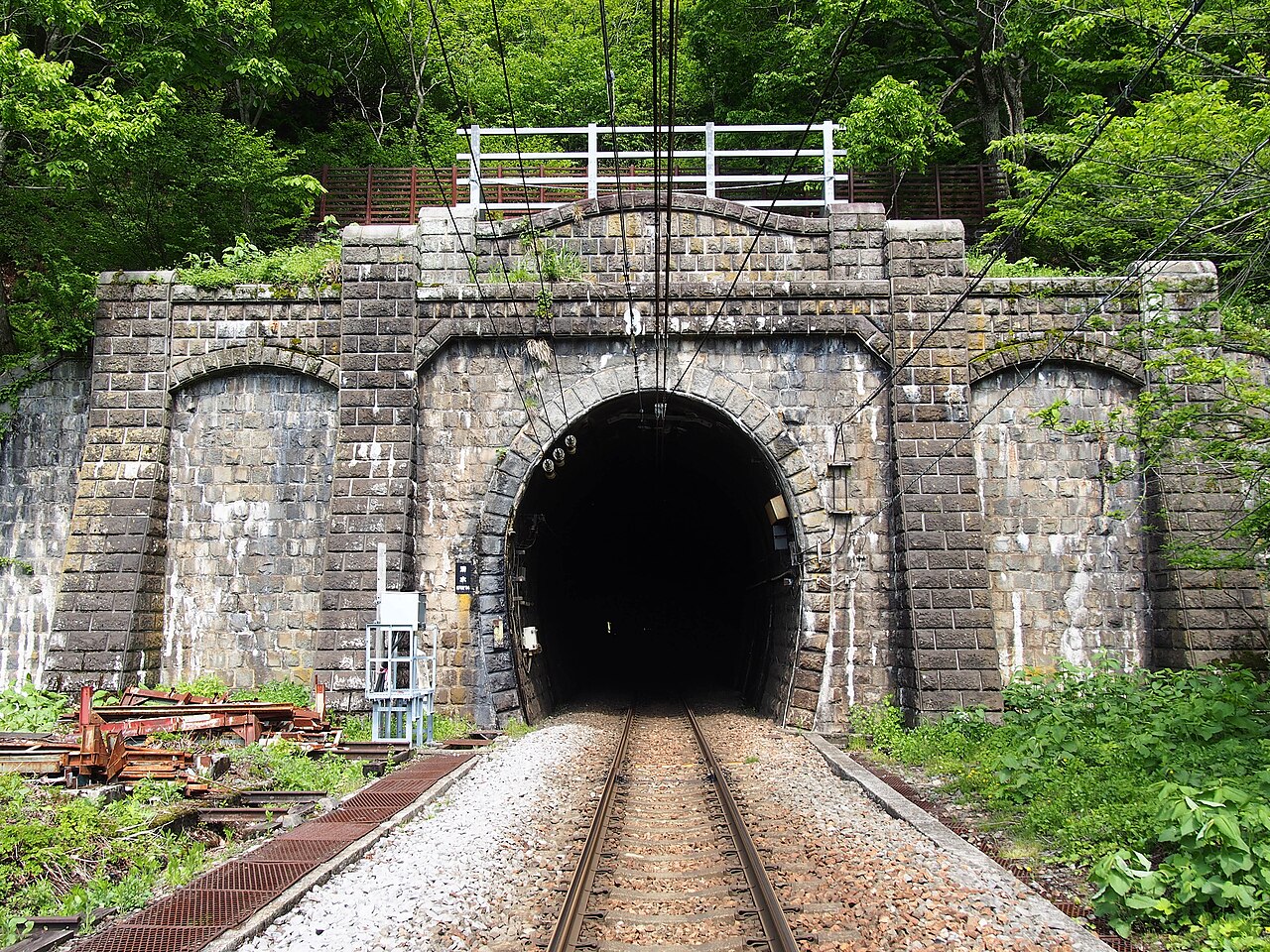
Electrification and double-tracking followed over the next decades. The line opened at 1931 with an electrified mountain section over the Shimizu Tunnel — the English article describes this as electrification at 1,500 V DC between Echigo-Yuzawa and Ishiuchi, while the Japanese chronology records the Minakami–Ishiuchi section electrified on the opening date; the Minakami–Ishiuchi segment had been built at a maximum gradient of 20 per mille. In 1947 the Takasaki–Minakami section (1 April) and the Ishiuchi–Miyauchi section (1 October) were electrified, making this, in the words of the English article, one of the first non-urban Japanese National Railways lines to be completely electrified. The Takasaki–Shin-Maebashi section was double-tracked in 1957, and the remainder was double-tracked between 1961 and 1967; the final section involved the 13,500-metre Shin-Shimizu Tunnel, which opened on 28 September 1967 to double-track the Yubiso–Tsuchitaru stretch. A lasting trace of that work is that northbound (Miyauchi-bound) passengers at Yubiso and Doai stations board from platforms situated underground inside the Shin-Shimizu Tunnel.
The line's role was transformed by the opening of the Jōetsu Shinkansen (Ōmiya–Niigata) on 15 November 1982. Before then the Jōetsu Line carried frequent express services between Tokyo and Niigata; afterward the high-speed line took over intercity passenger traffic and the conventional line became dominated by local and freight trains. The Japanese article stresses that it nonetheless remains an important freight trunk linking the Tokyo metropolitan area with Niigata, Hokuriku, Shōnai and Akita, and serves as the only all-JR detour route for long-distance and freight trains when the Tōhoku Main Line is severed. On 1 April 1987, with the privatisation of Japanese National Railways, the entire line passed to JR East, with Japan Freight Railway (JR Freight) as the Type-2 operator. A short branch from Echigo-Yuzawa to Gala-Yuzawa — built using a maintenance-base access track of the Jōetsu Shinkansen and legally treated as part of the conventional Jōetsu Line — opened on 20 December 1990.
The Jōetsu Line has been hit by several major natural disruptions. The 2004 Chūetsu earthquake (23 October 2004) seriously damaged the line, closing the Minakami–Miyauchi section; per the English article single-line operation at 35–40 km/h then resumed, was raised to 45–65 km/h four months after the quake, the second track reopened with speed restrictions five months after, and full service was restored nine months after the line first closed. In late July 2011, torrential rainfall closed the Echigo-Yuzawa–Muikamachi section for two weeks. Today the line is electrified throughout at 1,500 V DC and double-tracked on its main section, with a maximum speed of 120 km/h for limited-express trains per the Japanese article's infobox.
Timeline
- 188420 August: Nippon Railway opens the Takasaki–Maebashi (now Shin-Maebashi) section; this stretch later forms the southern end of the Jōetsu Line.
- 19061 November: Nippon Railway is nationalised.
- 1914The Ban'etsu West Line, the first railway between Niigata and the east coast of Honshū, is completed.
- 1920It is decided to build the Jōetsu Line as a more direct Tokyo–Niigata route. 1 November: the Jōetsu North Line opens Miyauchi to Higashi-Ojiya.
- 19211 July: the Jōetsu South Line opens Shin-Maebashi to Shibukawa.
- 19251 November: the Jōetsu North Line reaches Echigo-Yuzawa (Shiozawa–Echigo-Yuzawa opens).
- 192830 October: the Jōetsu South Line reaches Minakami (Gokan–Minakami opens).
- 19311 September: the 9,702 m Shimizu Tunnel is completed and the Minakami–Echigo-Yuzawa section opens, joining the line into a through route. The South Line absorbs the North Line and is renamed the Jōetsu Line, with the origin changed to Takasaki; the mountain section over the tunnel is electrified at 1,500 V DC. The Ueno–Niigata express time falls from 11h06m to 7h10m.
- 1947Takasaki–Minakami (1 April) and Ishiuchi–Miyauchi (1 October) are electrified, completing electrification of the line — one of the first non-urban JNR lines to be fully electrified.
- 1957The Takasaki–Shin-Maebashi section is double-tracked.
- 196728 September: the 13,500 m Shin-Shimizu Tunnel opens, double-tracking the Yubiso–Tsuchitaru section — the final stage of double-tracking the line (carried out 1961–1967).
- 198215 November: the Jōetsu Shinkansen (Ōmiya–Niigata) opens; intercity passenger traffic shifts to the high-speed line and the conventional Jōetsu Line becomes dominated by local and freight trains.
- 19871 April: with the privatisation of Japanese National Railways, the whole line passes to JR East; Japan Freight Railway (JR Freight) becomes the Type-2 operator.
- 199020 December: the Echigo-Yuzawa–Gala-Yuzawa branch opens; built on a Shinkansen maintenance-base track, it is legally part of the conventional Jōetsu Line.
- 200423 October: the Chūetsu earthquake seriously damages the line, closing the Minakami–Miyauchi section; single-line operation at 35–40 km/h later resumes, full service is restored nine months after the line first closed.
- 2011Late July: torrential rainfall closes the Echigo-Yuzawa–Muikamachi section for two weeks.
Sources
Facts last verified 3 June 2026.
Gallery 3 photos
Every photo for this page — tap any image to view it full-size. All from Wikimedia Commons (credit under each).