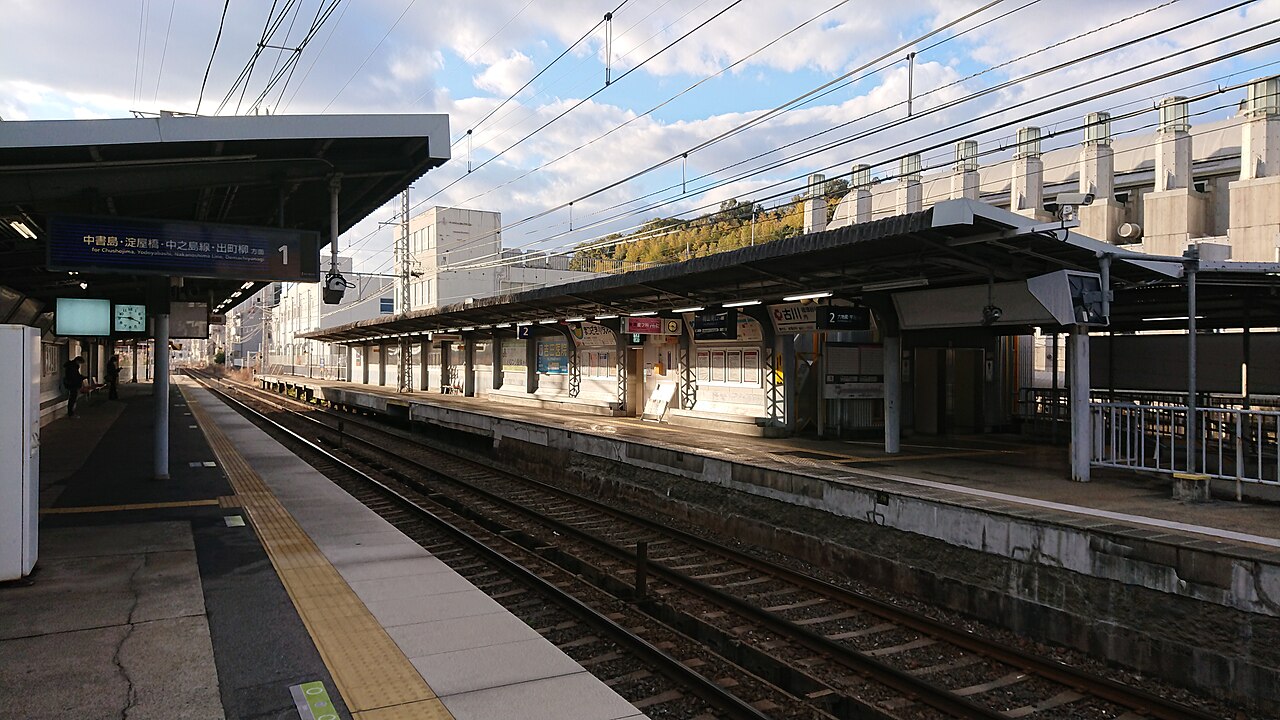
歴史
沿線には醍醐寺・黄檗山万福寺・三室戸寺、宇治の平等院などの名刹があり、もともとは京都・大阪から宇治周辺の名所への行楽路線として計画された。同時に伏見区南部や宇治市北部と京都中心部・大阪方面を結ぶ通勤・通学路線でもある。宇治線の軌道敷設特許は1907年(明治40年)1月に宇治川電気軌道(株)が得ていたが、これを1910年(明治43年)11月に京阪電気鉄道が譲り受けた。当初の特許は軌間1067mm、宇治駅も国鉄宇治駅の北側とされており、京阪は各種の変更を加えて認可を受けた。
建設が前倒しされた背景には明治天皇の崩御があった。1912年(大正元年)7月30日に崩御した明治天皇は伏見桃山に葬られ、翌年の御1年祭に多数の参拝者が見込まれたため、京阪は計画ルートを変更して工事を急ぎ、1912年のうちにほとんどの用地買収を終えた。日本語資料によれば、宇治線はわずか約4か月間の突貫工事で開通したという。京阪は宇治川電気軌道から路線特許を8,000円で買収し(1910年11月22日)、1913年(大正2年)1月19日に工事の認可が下り、6月1日に中書島駅 - 宇治駅間が開業した。1914年9月13日には貨物輸送が始まっている。
路線はその後段階的に整備された。1917年2月1日に三室戸駅が開業し、1926年には黄檗山駅が黄檗駅に改称された。宇治川・山科川の横を走る中書島駅 - 木幡駅間は浸水が多発する区間で、日本語版は1917年の「大正大洪水」から1934年の室戸台風以降の災害を列挙している。水害対策は1960年代に始まった天ヶ瀬ダムの建設、堤防のかさ上げ、1966年の六地蔵駅の堤防上への移設などによってようやく完了した。
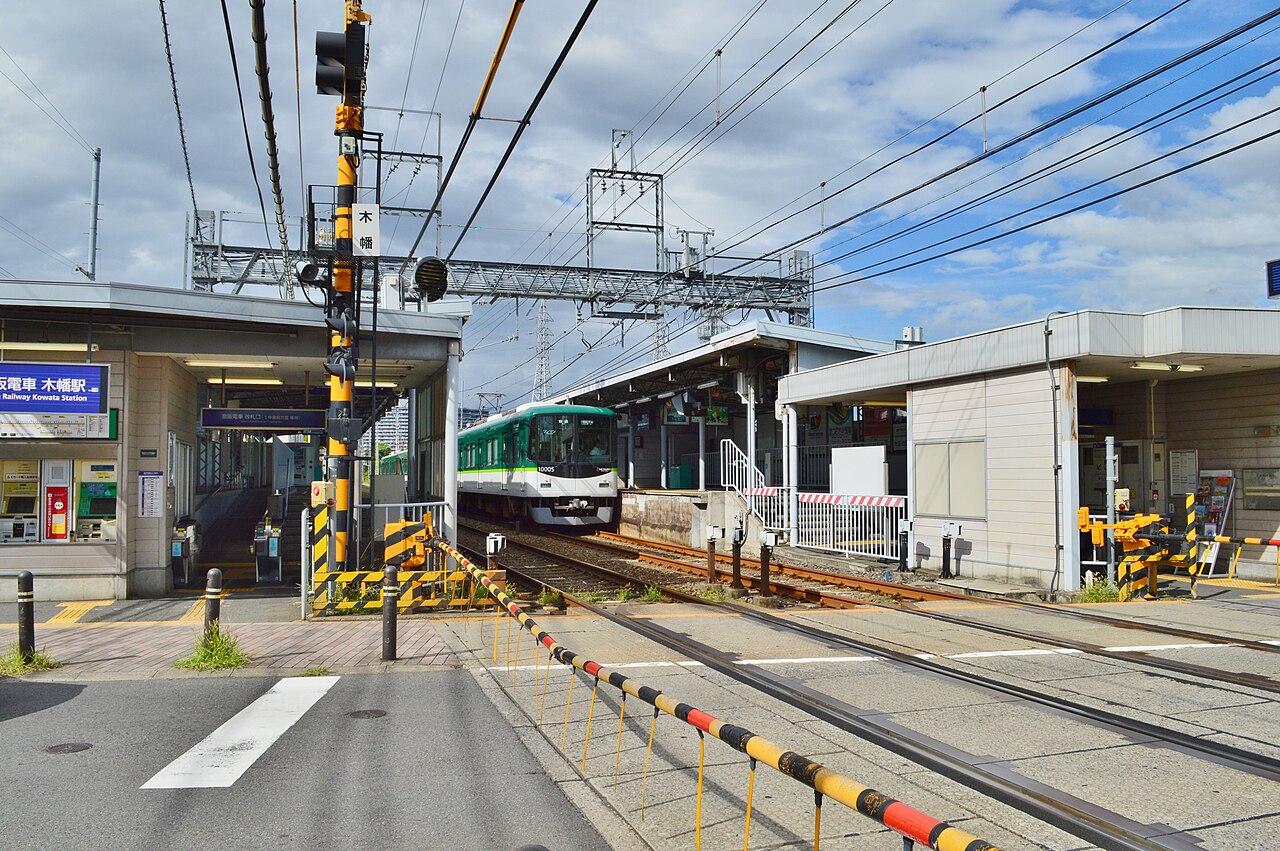
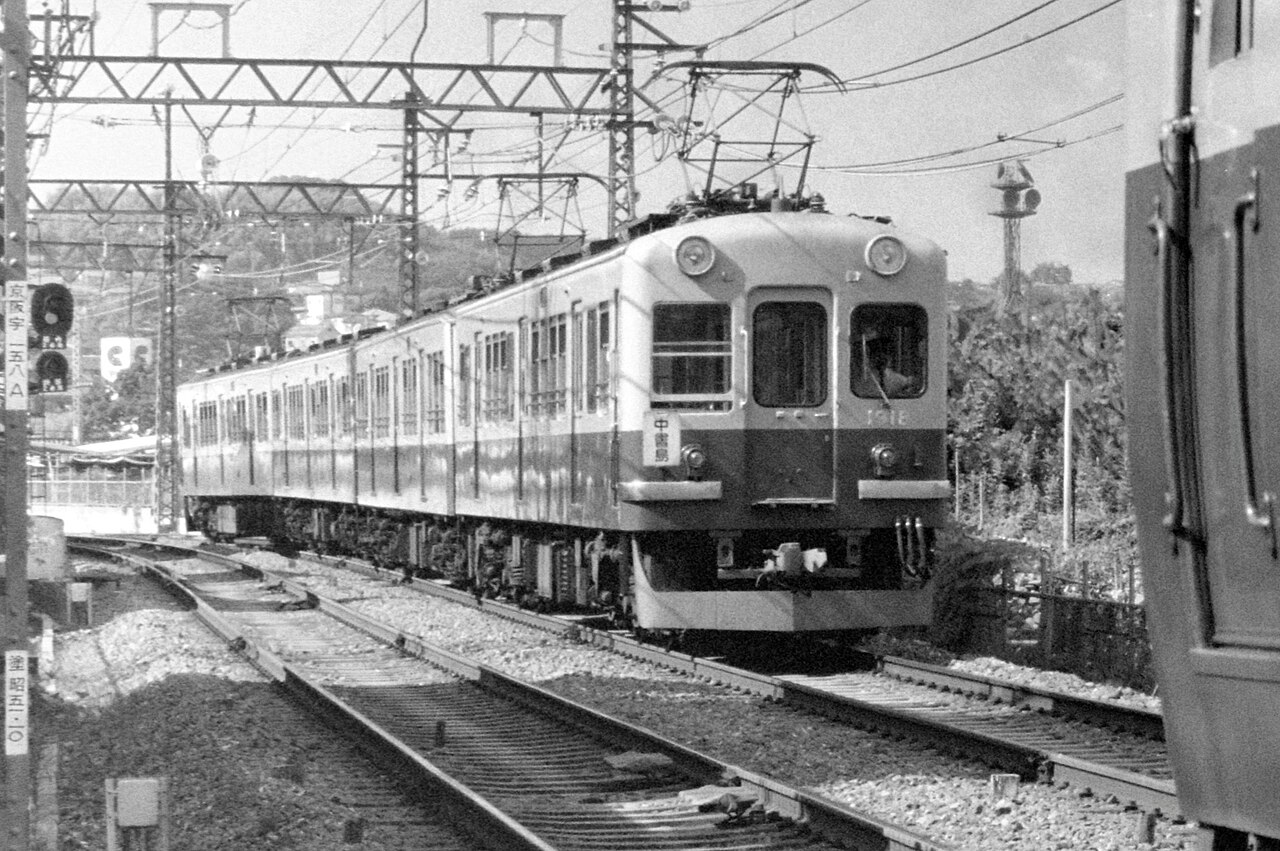
1940年代には会社の所属が二度変わった。1943年10月1日の会社合併により京阪神急行電鉄(阪急電鉄)の路線となり、1949年12月1日の会社分離により再び京阪電気鉄道宇治線となった。1967年12月11日に全列車が4両編成化され、1968年1月29日にATSの使用が始まった。1978年3月10日には全線が軌道法に基づく軌道から地方鉄道法に基づく鉄道へ変更された。1950年代後半から沿線の宅地化が進むと、宇治線は観光路線から通勤路線へと性格を変え、1965年からは朝に宇治発京都三条行きの急行が運転された(夕方の急行は1989年に廃止)。
開業時の電化方式は直流600Vであった。英語版資料は1983年12月に電圧が直流1500Vへ昇圧されたと記し、日本語版の年表はその日付を1983年12月4日と明記している。1995年6月17日には宇治駅が移転して路線が0.2km短縮され、以後6両編成は宇治線へ入線できなくなったとされる。三条方面への直通列車は段階的に削減され、2000年7月1日に平日朝の2本のみとなった後(同日に中書島が終日特急停車駅となった)、2003年9月6日に廃止された。
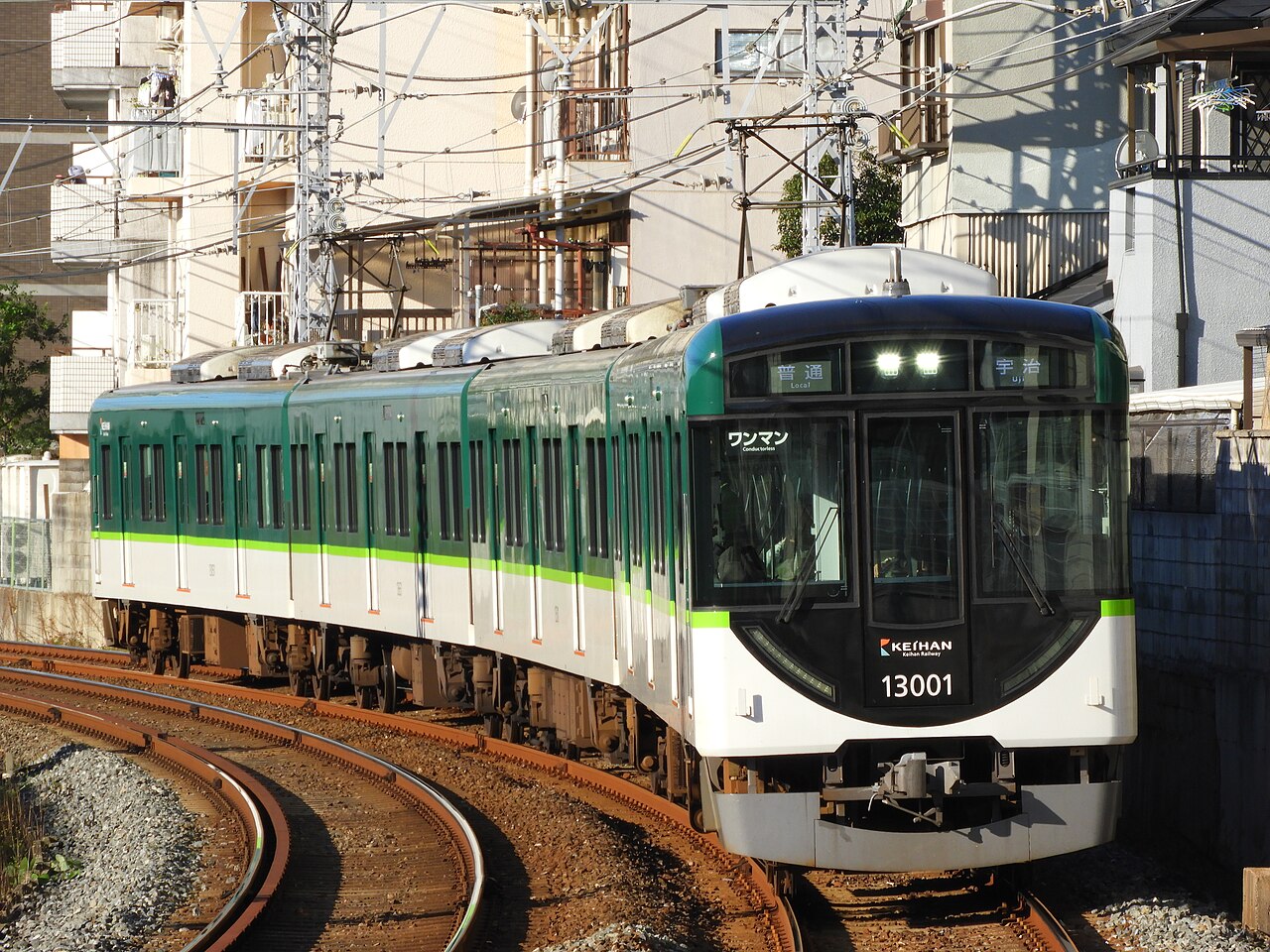
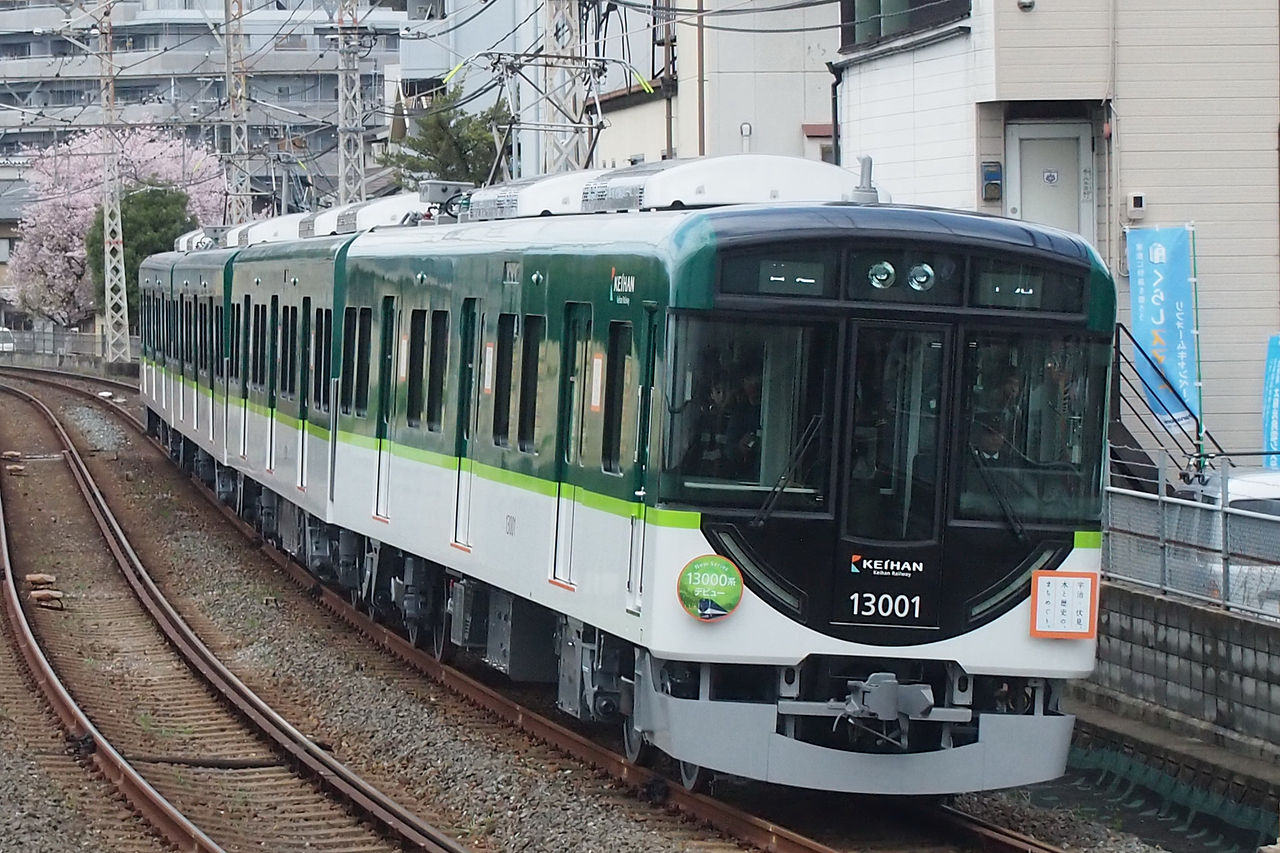
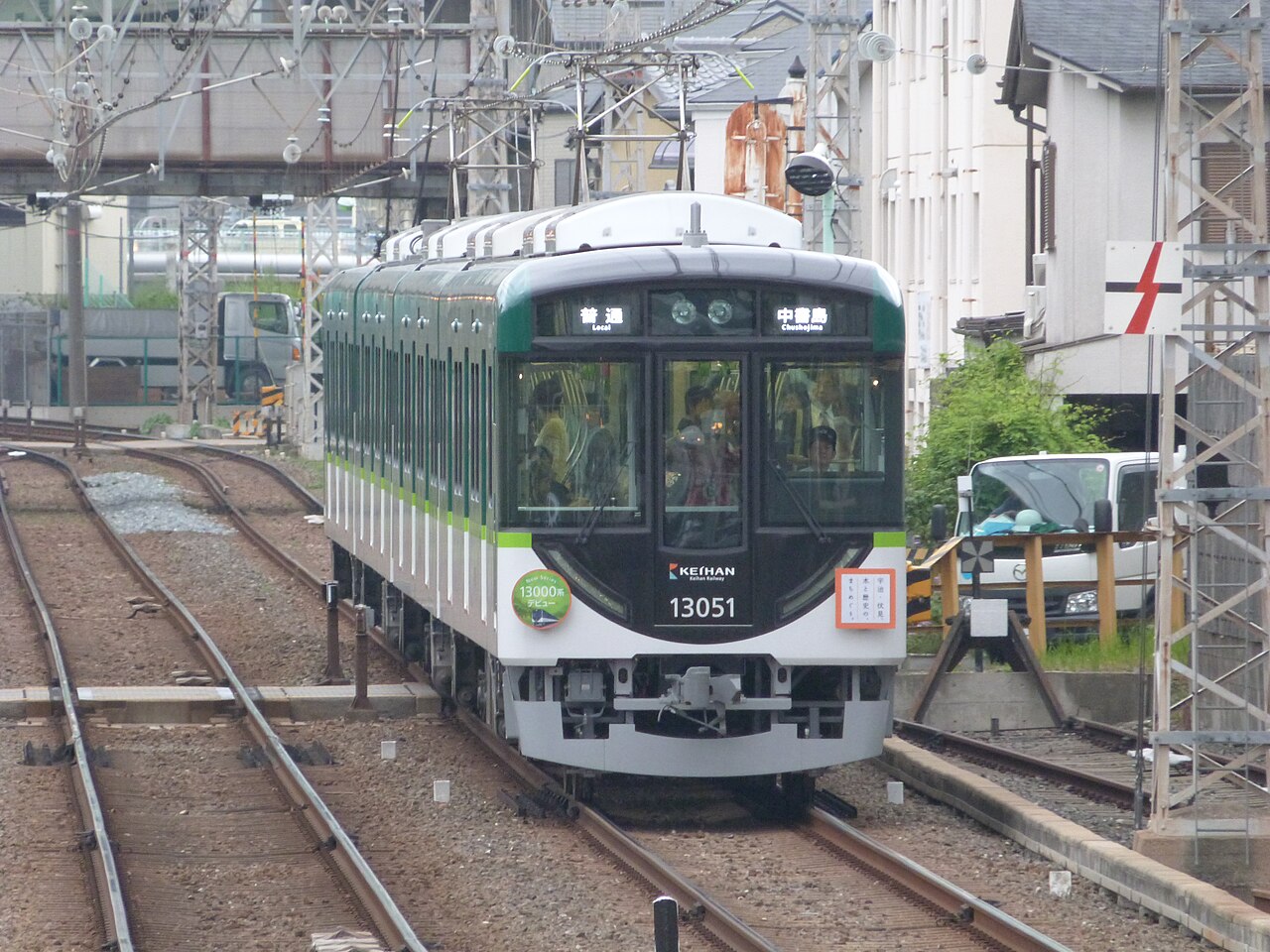
現在は4両編成の普通列車が中書島駅 - 宇治駅間で線内折り返し運転を行い、中書島駅で京阪本線の特急・快速急行などに接続している。2012年4月からは13000系の4両編成が導入され、従来の2600系を置き換えた。2013年6月1日には宇治線全線でワンマン運転が始まり(京津線・石山坂本線・交野線に次ぐ京阪で4例目)、同月には宇治線開業100周年を記念する特製ヘッドマークが掲出された。駅ナンバリングは2014年4月1日に導入され、K-ATSは2017年2月4日に全線で使用を開始した。
年表
- 1907January: a track-laying licence for the route is obtained by the Ujigawa Electric Tramway Company.
- 1910November (22nd): Keihan Electric Railway acquires the route licence from the Ujigawa Electric Tramway for ¥8,000.
- 191319 January: the construction licence is granted. 1 June: the Chūshojima–Uji line opens, electrified at 600 V DC.
- 191413 September: freight service begins.
- 19171 February: Mimuroto Station opens. September–October: the ‘Taishō Great Flood’ inundates the Chūshojima–Rokujizō section.
- 1926Ōbakuzan Station is renamed Ōbaku Station.
- 19431 October: a corporate merger places the line under Keihanshin Kyūkō Dentetsu (the Hankyū group).
- 19491 December: a corporate separation makes the line the Keihan Electric Railway Uji Line.
- 196620 March: track near Rokujizō is relocated onto a raised embankment as part of Yamashina River levee works.
- 196711 December: all trains are lengthened to four cars.
- 196829 January: ATS (automatic train stop) comes into use.
- 197810 March: the whole line is reclassified from a tramway (Tramways Act) to a railway (Local Railway Act).
- 1983December: the overhead voltage is raised from 600 V DC to 1,500 V DC (JA chronology: 4 December).
- 198927 September: the evening rush-hour express from Sanjō to Uji is withdrawn.
- 199517 June: Uji Station is relocated, shortening the line by 0.2 km; six-car trains can no longer enter the line.
- 20001 July: through trains to Sanjō are cut to two weekday-morning services; Chūshojima becomes an all-day Limited Express stop.
- 20036 September: through-running to Sanjō is abolished.
- 2012April: 13000 series four-car EMUs are introduced, replacing the 2600 series.
- 20131 June: one-man (driver-only) operation begins line-wide — the fourth Keihan line to adopt it; a 100th-anniversary headmark is carried that month.
- 20141 April: station numbering is introduced on the line.
- 20174 February: the K-ATS protection system enters service line-wide.
出典
事実確認日:2026年6月3日
ギャラリー 6枚
このページの全写真 ― 画像をタップすると原寸大で表示します。すべてウィキメディア・コモンズより(各写真の下にクレジット)。