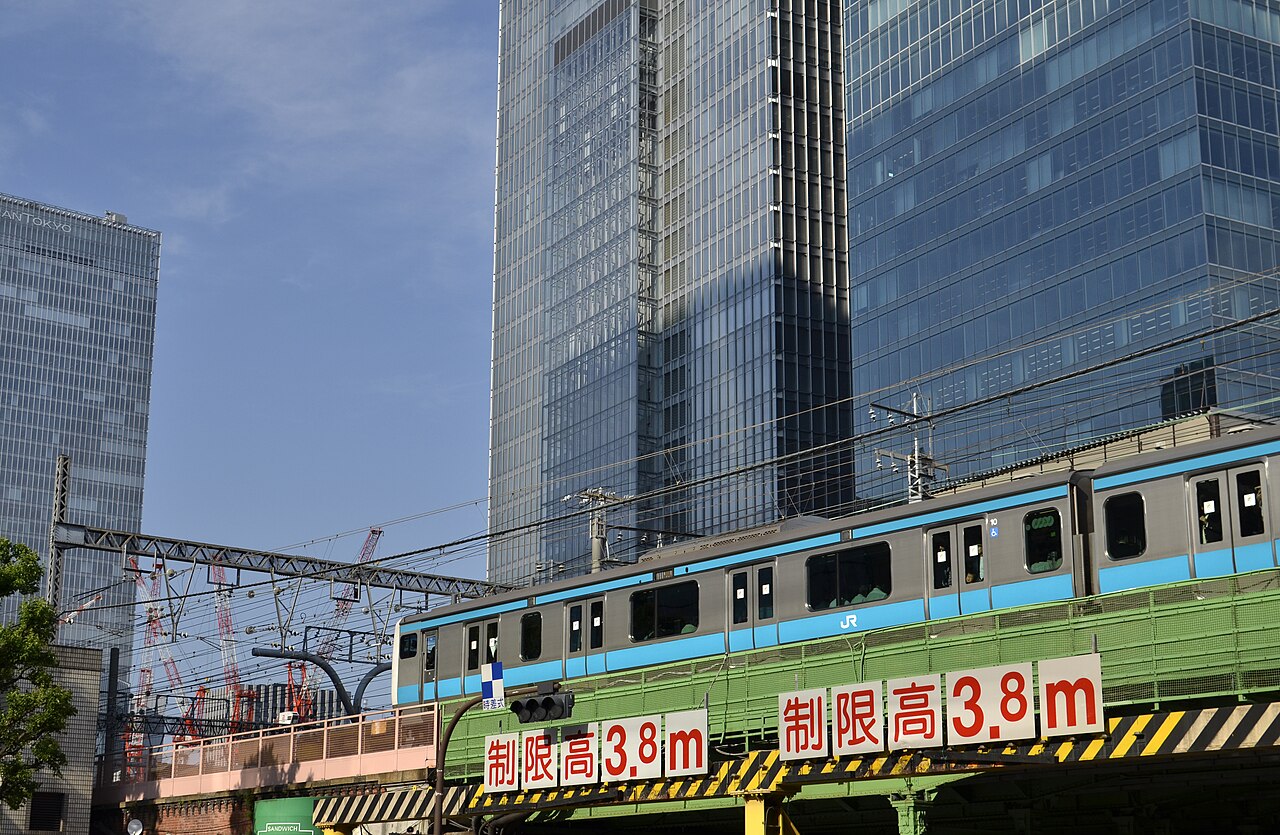
歴史
起源は、東京駅が開業した1914年(大正3年)12月20日に、東海道本線の東京駅 - 高島町駅(後に廃止)間で「京浜線」として始まった電車運転である。当時は鉄道院において最も長い電車による運転区間であった。開業日には来賓を乗せた下り電車が立ち往生するトラブルが起こり、仙石貢鉄道院総裁は翌日の新聞各紙に謝罪広告を掲載、その後もトラブルが続いたため12月26日に運行を休止し、半年余りの入念な試運転を経て1915年5月10日に運行を再開した。1915年8月15日の横浜駅移転に伴い高島町駅は横浜駅に統合されて廃止され、同年12月30日には桜木町駅(初代横浜駅)まで運行区間が延伸された。
その後、東北本線に沿って北へ段階的に延伸され、1925年11月1日に田端駅、1928年2月1日に赤羽駅、そして1932年9月1日に赤羽駅 - 大宮駅間の直流電化により大宮駅まで達した。大宮駅への延伸当初は「東北・京浜線」とアナウンスされていたが、1956年11月19日から「京浜東北線」に改められた(ただし1932年9月時点で既に「京浜東北線」の名称が登場していたとされる)。京浜線は当初、三等車と二等車を連結していたが、二等車は1938年9月3日に戦時輸送への移行に伴い廃止され、戦後一時的に再設定されたのち、1957年6月30日に再び廃止された。
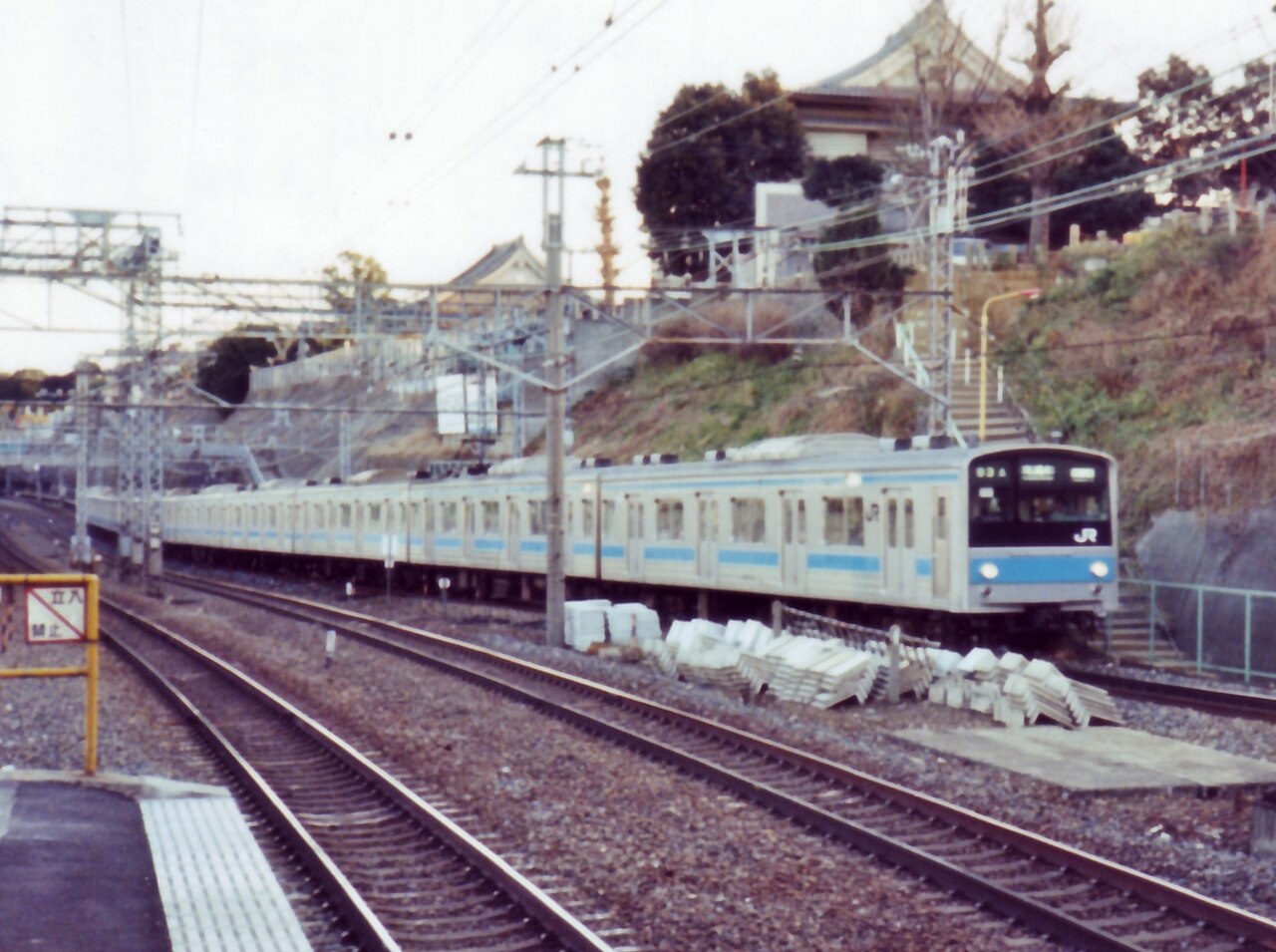
1951年4月24日、当時の終点であった桜木町駅で工事ミスによりモハ63形2両が焼失し、106名が死亡する桜木町事故が発生した。1956年11月19日からは田端駅 - 田町駅間で並行する山手線との分離運転が始まり、方向別複々線によって高頻度運転が可能となった。1964年5月19日には根岸線桜木町駅 - 磯子駅間が開業して直通運転が始まり、横浜駅 - 桜木町駅間が東海道本線から根岸線へ編入された。10両編成の103系は1965年10月から投入された。1968年10月1日には「通勤五方面作戦」の一環として大宮駅 - 赤羽駅間で東北本線列車と分離され、大宮駅 - 川口駅間の踏切が撤去された。根岸線は段階的に延伸され、1973年4月9日に大船駅まで全通して、現在の京浜東北・根岸線としての直通運転の形が整った。現在は大半の電車が根岸線大船駅まで直通し、大宮駅 - 大船駅間(合計81.2km)はまとめて「京浜東北・根岸線」と案内される。
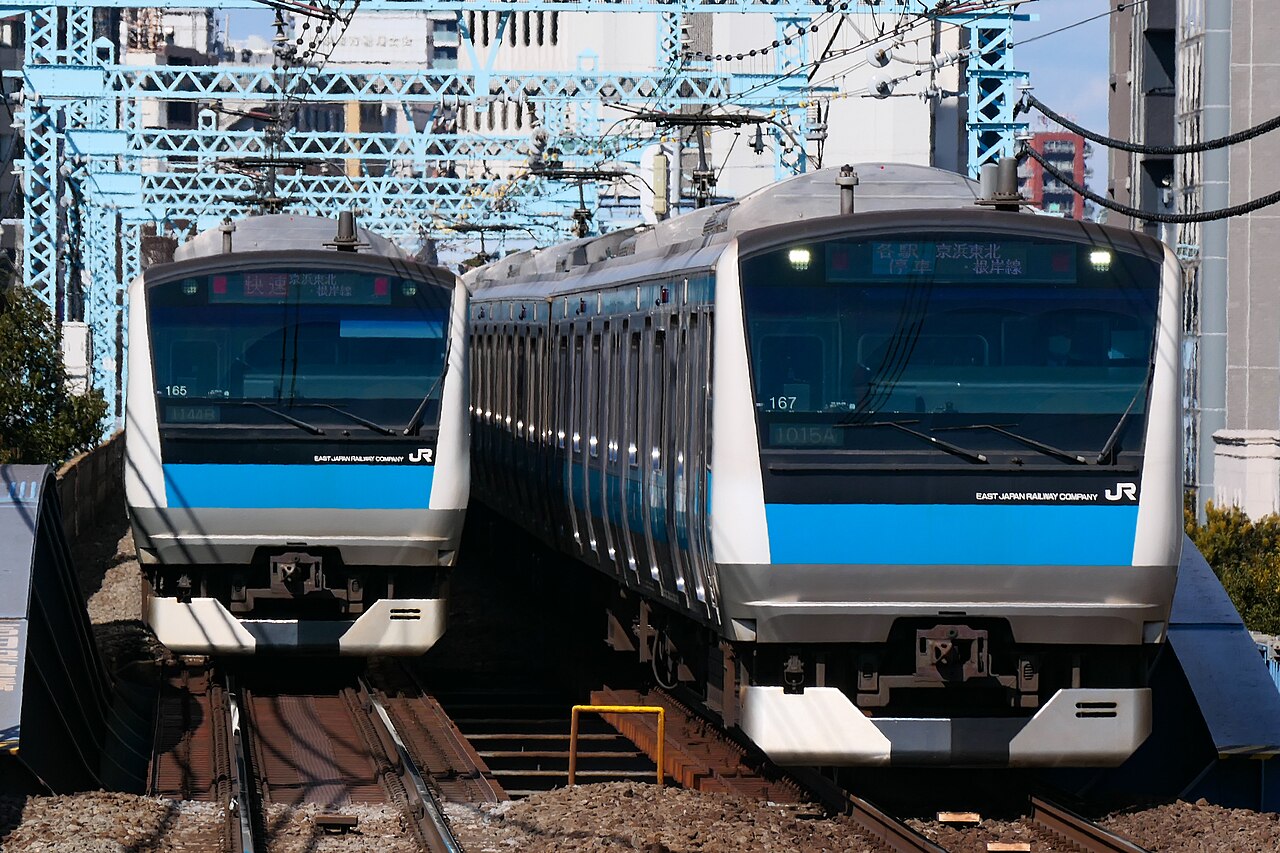
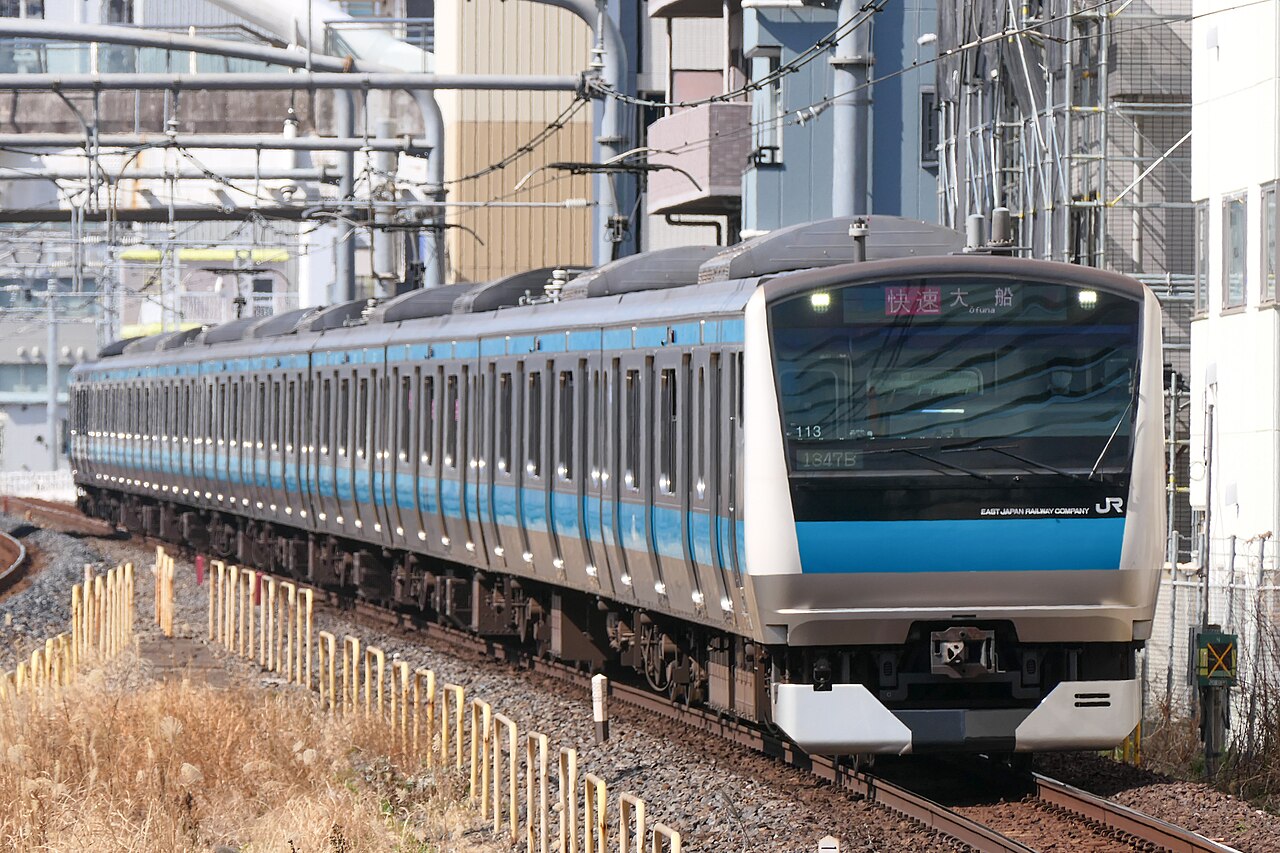
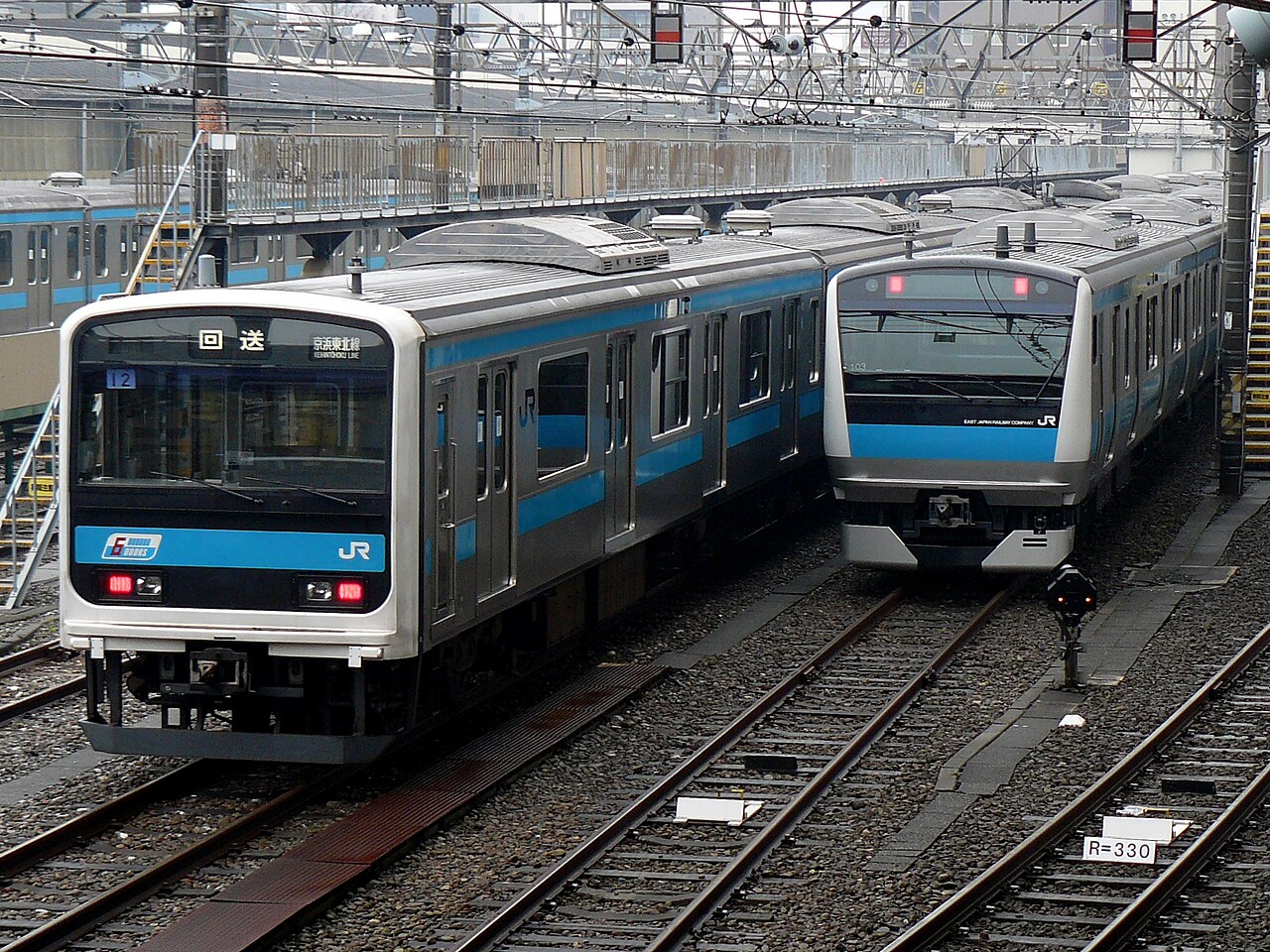
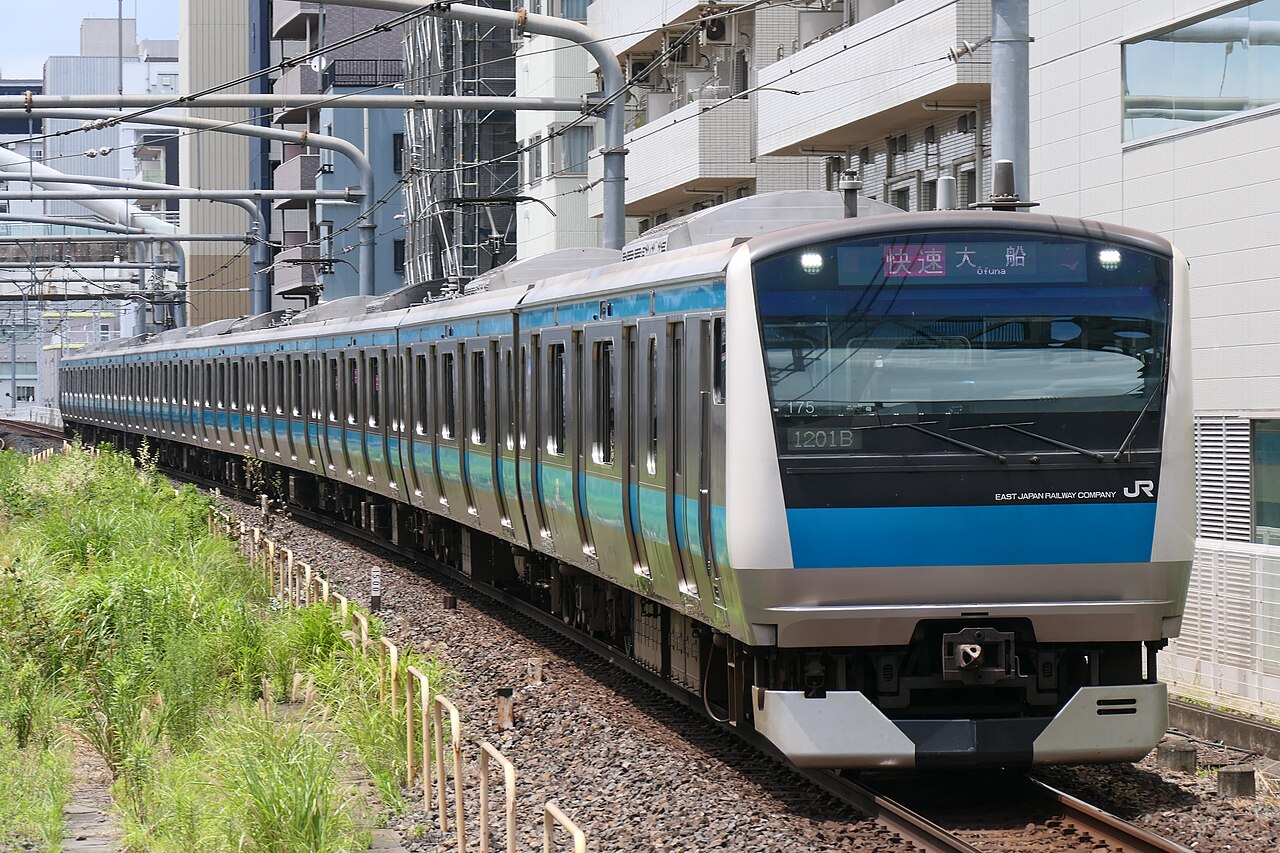
各駅停車に対する「快速」運転は、1988年3月13日のダイヤ改正で、山手線が並行する田端駅 - 田町駅間において日中(おおむね10時30分 - 15時30分)に始まった。運転開始当初の同区間の途中停車駅は上野・秋葉原・東京であった。2002年7月14日に浜松町駅が、2015年3月14日のダイヤ改正で神田駅(全日)と御徒町駅(土曜・休日のみ)が停車駅に加わり、快速運転により田端駅 - 品川駅間の所要時間は約7分短縮された。2016年8月には駅ナンバリング(JK12 - JK47)が導入され、2020年3月14日には品川駅 - 田町駅間に高輪ゲートウェイ駅が開業し、快速を含む全列車が停車する。車両はE233系1000番台10両編成に統一されており、2007年12月22日から投入が始まり、209系の引退を経て2010年1月25日に同系へ統一された。横浜線のE233系6000番台8両編成も南側で直通運転を行う。全車両はさいたま車両センター(南浦和)に所属する。京浜東北線は、運転本数や保有車両の編成数が首都圏のJR線で最も多い路線とされる。2015年の1日の利用者は2,974,504人で、2024年度の最混雑区間の混雑率は北行(大井町 → 品川間)で153%、南行(川口 → 赤羽間)で156%であった。
年表
- 191420 December: electric-train service begins on the Tōkaidō Main Line between Tokyo Station and Takashimachō Station (since abolished) as the "Keihin Line," the same day Tokyo Station opens; then the longest electric-train operating section in the Railway Bureau. Service is suspended on 26 December after opening-day trouble.
- 191510 May: service resumes after ~6 months of test running. 15 August: Yokohama Station relocated; Takashimachō Station absorbed and abolished. 30 December: extended south to Sakuragichō Station (first-generation Yokohama Station).
- 19251 November: the Tōhoku Main Line Tokyo–Akihabara electric line is completed and the Keihin Line is extended north to Tabata.
- 19281 February: the Tōhoku Main Line Tabata–Akabane electric line (double-track) is completed and the Keihin Line is extended to Akabane.
- 19321 September: the Akabane–Ōmiya section is electrified at DC and the line is extended to Ōmiya Station. The service, first announced as the "Tōhoku–Keihin Line," is the full Ōmiya–Yokohama route.
- 19383 September: second-class cars are abolished with the shift to wartime transport.
- 195124 April: a construction error at the then-terminus Sakuragichō burns two Moha 63-type cars, killing 106 people (the Sakuragichō accident).
- 195619 November: the Keihin–Tōhoku Line begins separated operation from the Yamanote Line between Tabata and Tamachi on directional quadruple track. The service name is changed from "Tōhoku–Keihin Line" to "Keihin–Tōhoku Line."
- 195730 June: second-class cars are abolished (after a brief postwar reinstatement).
- 196419 May: through service with the Negishi Line begins as the Sakuragichō–Isogo section opens; Yokohama–Sakuragichō transfers from the Tōkaidō Main Line to the Negishi Line.
- 1965October: ten-car 103 series trains are introduced.
- 19661 April: ten-car trains (103 series) begin operating, per the English-language account.
- 19681 October: the Ōmiya–Akabane section is separated from Tōhoku Main Line trains under the "commuter five-direction" programme; level crossings between Ōmiya and Kawaguchi are removed.
- 19739 April: the Negishi Line is fully opened to Ōfuna (Yōkōdai–Ōfuna section), completing the present through-running form.
- 198813 March: limited-stop "Rapid" daytime operation begins between Tabata and Tamachi; initial intermediate stops are Ueno, Akihabara and Tokyo.
- 200214 July: Rapid trains begin stopping at Hamamatsuchō.
- 200722 December: E233-1000 series EMUs enter service, phased in to replace the 209 series.
- 201024 January: 209 series (0 and 500 subseries) end service; from 25 January the fleet is unified on the E233-1000 series.
- 201423 February: an empty-stock train from Sakuragichō to Kamata derails and overturns near Kawasaki Station; the first two cars of the ten-car E233 leave the rails with no passengers aboard and only minor crew injuries.
- 201514 March: from this revision Rapid trains call at Kanda on all days and at Okachimachi on weekends and national holidays only.
- 2016August: station numbering (JK12 to JK47) is introduced.
- 202014 March: Takanawa Gateway Station opens between Shinagawa and Tamachi, served by all trains including Rapid services.
- 2024FY2024 peak-hour congestion is 153% northbound (Ōimachi → Shinagawa) and 156% southbound (Kawaguchi → Akabane).
出典
事実確認日:2026年6月3日
ギャラリー 5枚
このページの全写真 ― 画像をタップすると原寸大で表示します。すべてウィキメディア・コモンズより(各写真の下にクレジット)。