History
The line traces its origin to 20 December 1914, the day Tokyo Station opened, when electric-train service began on the Tōkaidō Main Line between Tokyo Station and Takashimachō Station (since abolished) under the name "Keihin Line" — at the time the longest electric-train operating section in the Railway Bureau (Tetsudōin). The launch was troubled: a down train carrying invited guests stalled on the opening day, the Railway Bureau president Sengoku Mitsugu ran apology notices in the next day's newspapers, and after further problems the service was suspended on 26 December 1914, then resumed on 10 May 1915 only after roughly six months of test running. When Yokohama Station was relocated on 15 August 1915, Takashimachō was absorbed into it and abolished; on 30 December 1915 the service was extended south to Sakuragichō Station (the first-generation Yokohama Station).
The line was then extended northward in stages along the Tōhoku Main Line: to Tabata on 1 November 1925, to Akabane on 1 February 1928, and finally to Ōmiya on 1 September 1932, when the Akabane–Ōmiya section was electrified at direct current. Reaching Ōmiya, the service was at first announced as the "Tōhoku–Keihin Line"; it was renamed the "Keihin–Tōhoku Line" from 19 November 1956, though that form had already appeared around September 1932. The Keihin Line originally carried both second-class and third-class accommodation; second-class cars were abolished on 3 September 1938 with the shift to wartime transport, briefly reinstated after the war and withdrawn again on 30 June 1957.
On 24 April 1951, at the then-terminus of Sakuragichō, a construction error caused two Moha 63-type cars to catch fire, killing 106 people in what became known as the Sakuragichō accident. From 19 November 1956 the Keihin–Tōhoku Line was operated separately from the parallel Yamanote Line between Tabata and Tamachi, using directional quadruple track that allowed more frequent service. Through service onto the Negishi Line began on 19 May 1964, when the Negishi Line's Sakuragichō–Isogo section opened and the Yokohama–Sakuragichō segment passed from the Tōkaidō Main Line to the Negishi Line; ten-car 103 series trains were introduced from October 1965. On 1 October 1968 the Ōmiya–Akabane section was separated from Tōhoku Main Line trains under the "commuter five-direction" capacity programme, and the level crossings between Ōmiya and Kawaguchi were removed. The Negishi Line was extended in stages and fully opened to Ōfuna on 9 April 1973, giving the through-running service its present form. Today most Keihin–Tōhoku trains run through onto the Negishi Line as far as Ōfuna, so that the combined Ōmiya–Ōfuna route — 81.2 km in total — is generally signposted as the Keihin–Tōhoku–Negishi Line.
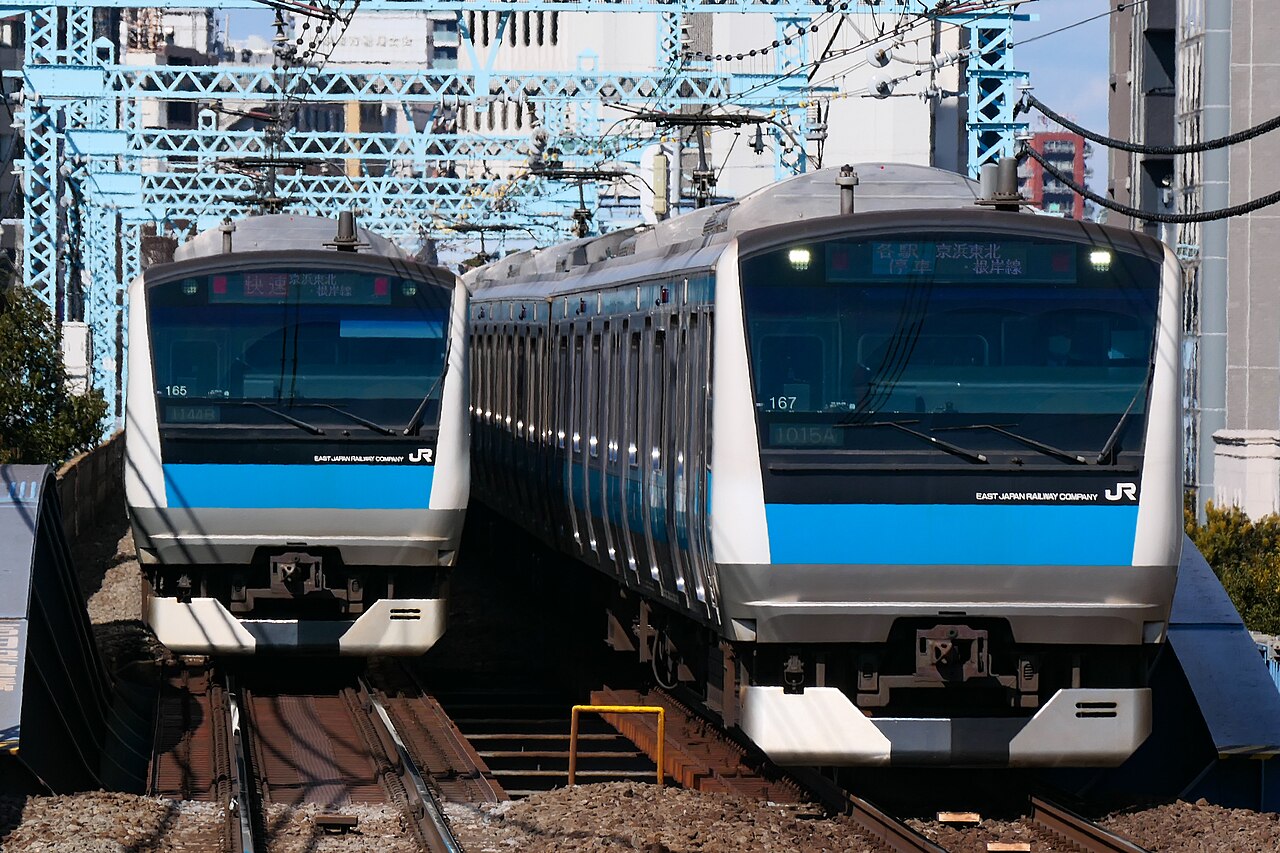
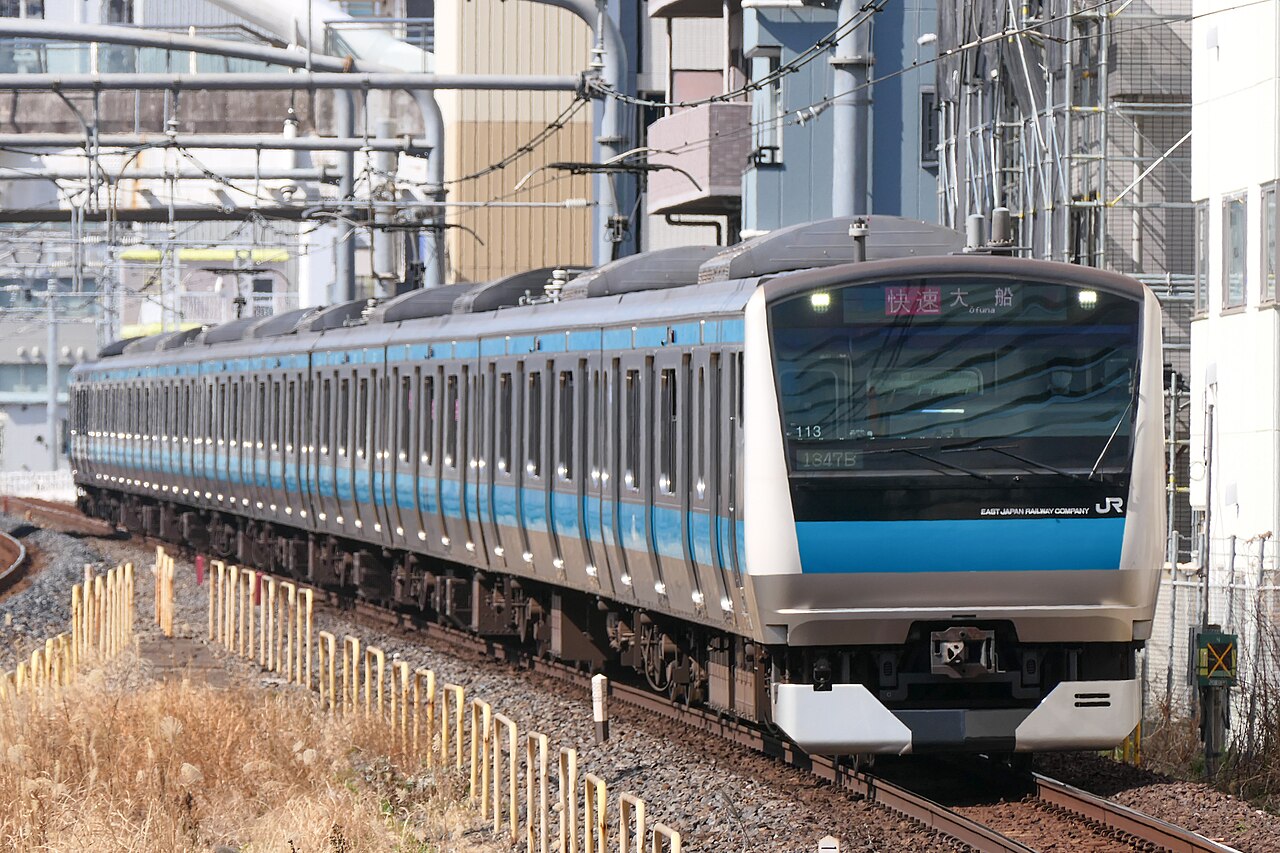
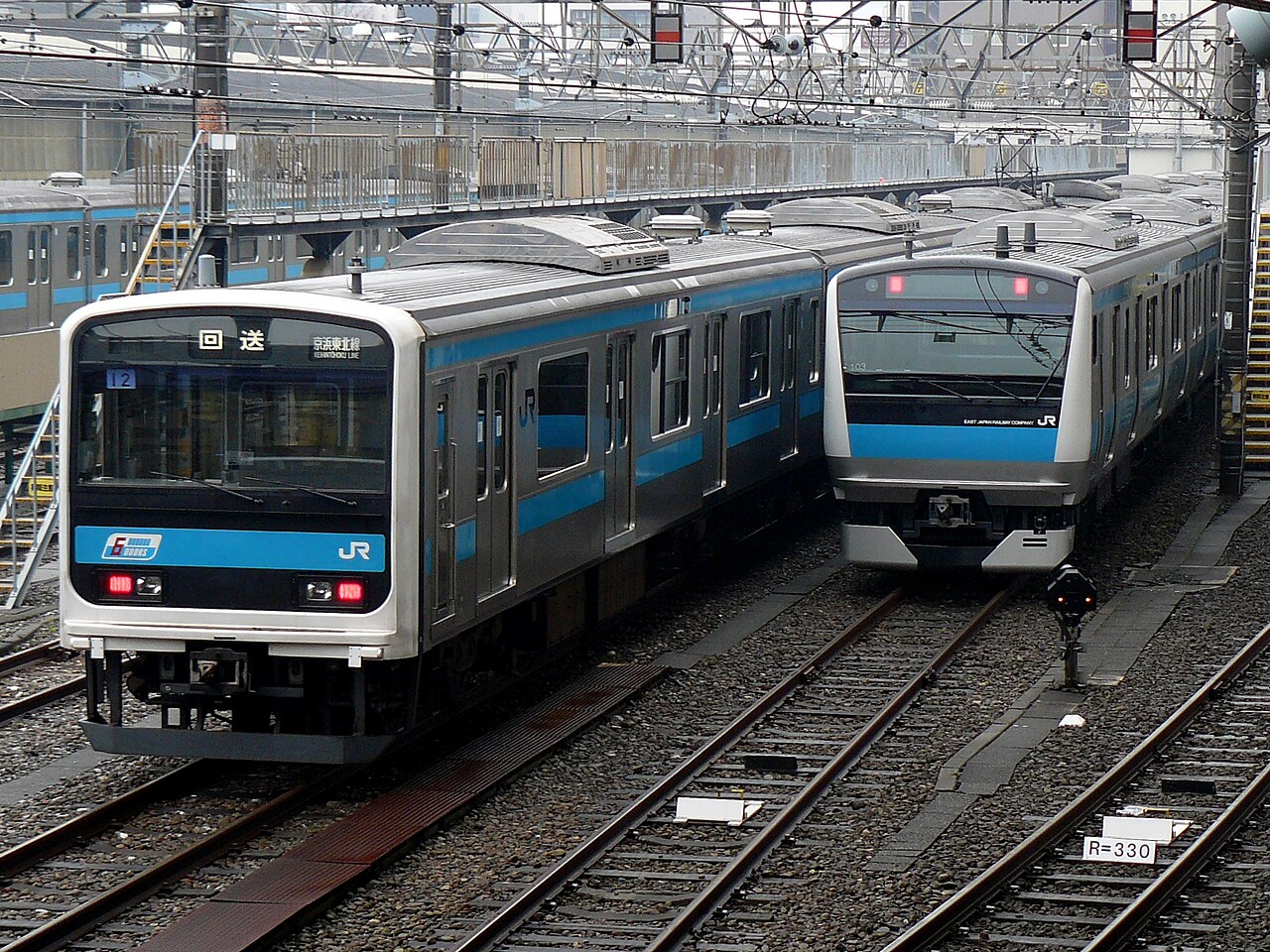
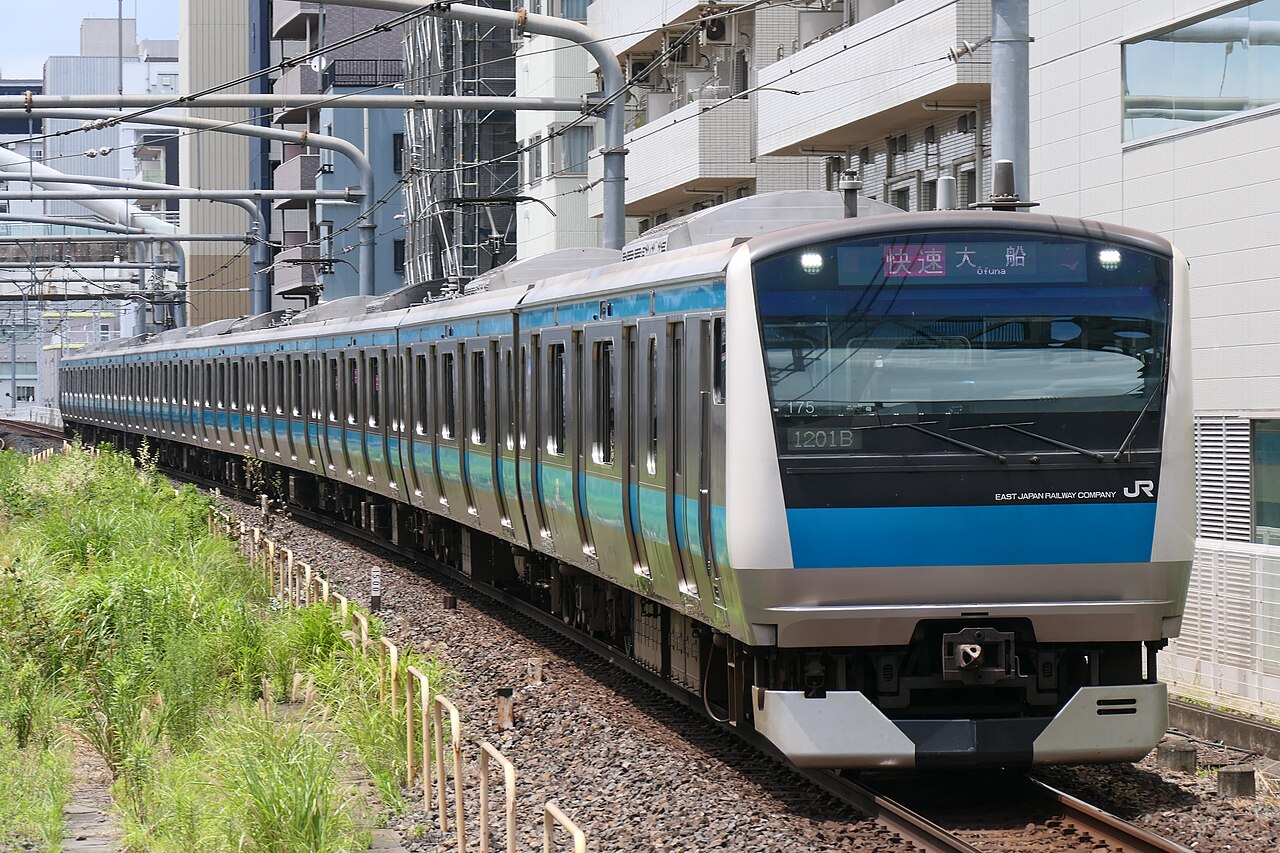
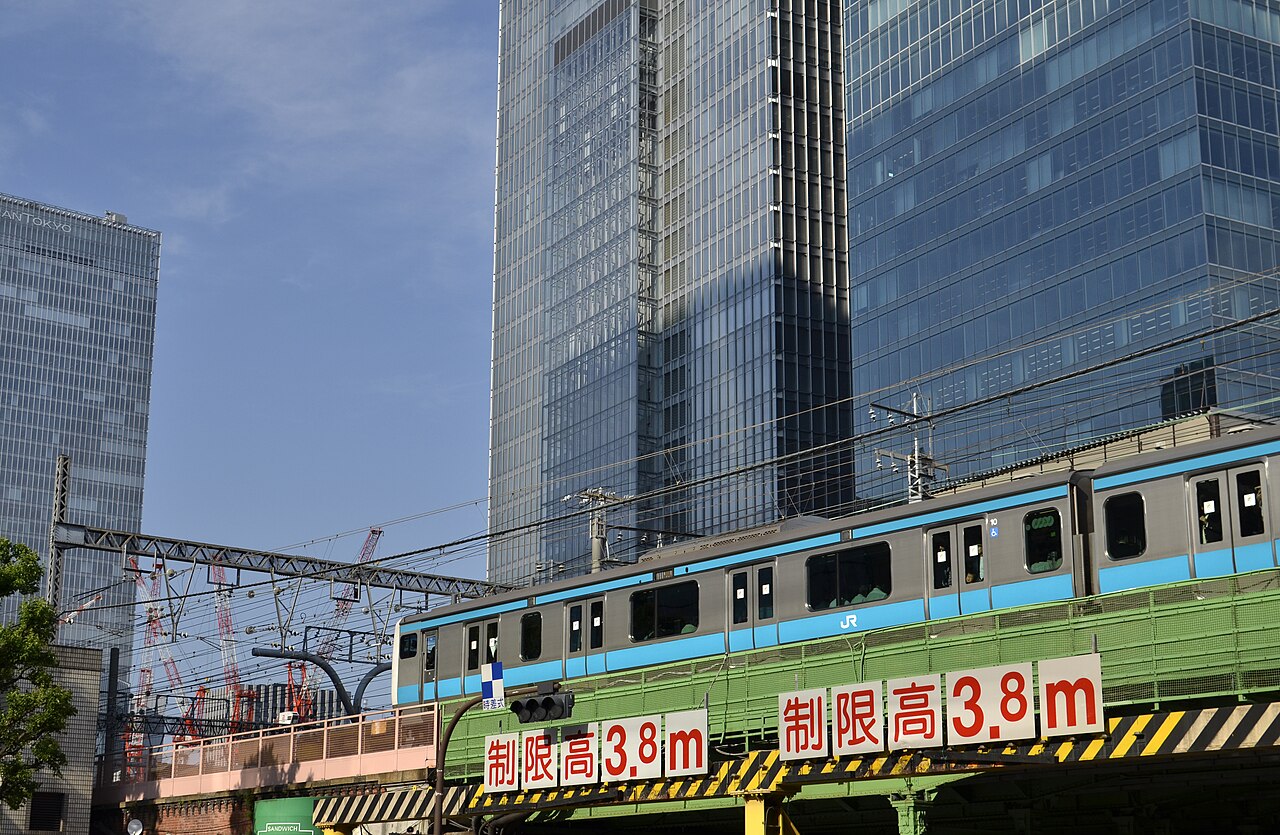
Limited-stop "Rapid" operation was introduced with the timetable revision of 13 March 1988, running in the daytime (roughly 10:30–15:30) between Tabata and Tamachi, where the line parallels the all-stations Yamanote Line; the original intermediate Rapid stops on that stretch were Ueno, Akihabara and Tokyo. Hamamatsuchō was added on 14 July 2002, and from the 14 March 2015 revision Rapid trains began calling at Kanda on all days and at Okachimachi on weekends and national holidays only; the Rapid pattern shortened the Tabata–Shinagawa journey by about seven minutes. Station numbering (JK12 to JK47) was introduced in August 2016, and a new station, Takanawa Gateway, opened between Shinagawa and Tamachi on 14 March 2020, served by all trains including Rapid services. The rolling stock has been standardised on the E233-1000 series ten-car electric multiple units, phased in from 22 December 2007 and unified across the line from 25 January 2010 after the 209 series ended service; Yokohama Line E233-6000 series eight-car sets also work through services over the southern end. All Keihin–Tōhoku rolling stock is based at the Saitama Vehicle Center near Minami-Urawa. The line is described as the busiest JR line in the Tokyo metropolitan area in terms of the number of train services and the number of rolling-stock sets it holds; recorded daily ridership was 2,974,504 (2015), and in fiscal year 2024 the peak-hour congestion was 153% northbound (Ōimachi to Shinagawa) and 156% southbound (Kawaguchi to Akabane).
Timeline
- 191420 December: electric-train service begins on the Tōkaidō Main Line between Tokyo Station and Takashimachō Station (since abolished) as the "Keihin Line," the same day Tokyo Station opens; then the longest electric-train operating section in the Railway Bureau. Service is suspended on 26 December after opening-day trouble.
- 191510 May: service resumes after ~6 months of test running. 15 August: Yokohama Station relocated; Takashimachō Station absorbed and abolished. 30 December: extended south to Sakuragichō Station (first-generation Yokohama Station).
- 19251 November: the Tōhoku Main Line Tokyo–Akihabara electric line is completed and the Keihin Line is extended north to Tabata.
- 19281 February: the Tōhoku Main Line Tabata–Akabane electric line (double-track) is completed and the Keihin Line is extended to Akabane.
- 19321 September: the Akabane–Ōmiya section is electrified at DC and the line is extended to Ōmiya Station. The service, first announced as the "Tōhoku–Keihin Line," is the full Ōmiya–Yokohama route.
- 19383 September: second-class cars are abolished with the shift to wartime transport.
- 195124 April: a construction error at the then-terminus Sakuragichō burns two Moha 63-type cars, killing 106 people (the Sakuragichō accident).
- 195619 November: the Keihin–Tōhoku Line begins separated operation from the Yamanote Line between Tabata and Tamachi on directional quadruple track. The service name is changed from "Tōhoku–Keihin Line" to "Keihin–Tōhoku Line."
- 195730 June: second-class cars are abolished (after a brief postwar reinstatement).
- 196419 May: through service with the Negishi Line begins as the Sakuragichō–Isogo section opens; Yokohama–Sakuragichō transfers from the Tōkaidō Main Line to the Negishi Line.
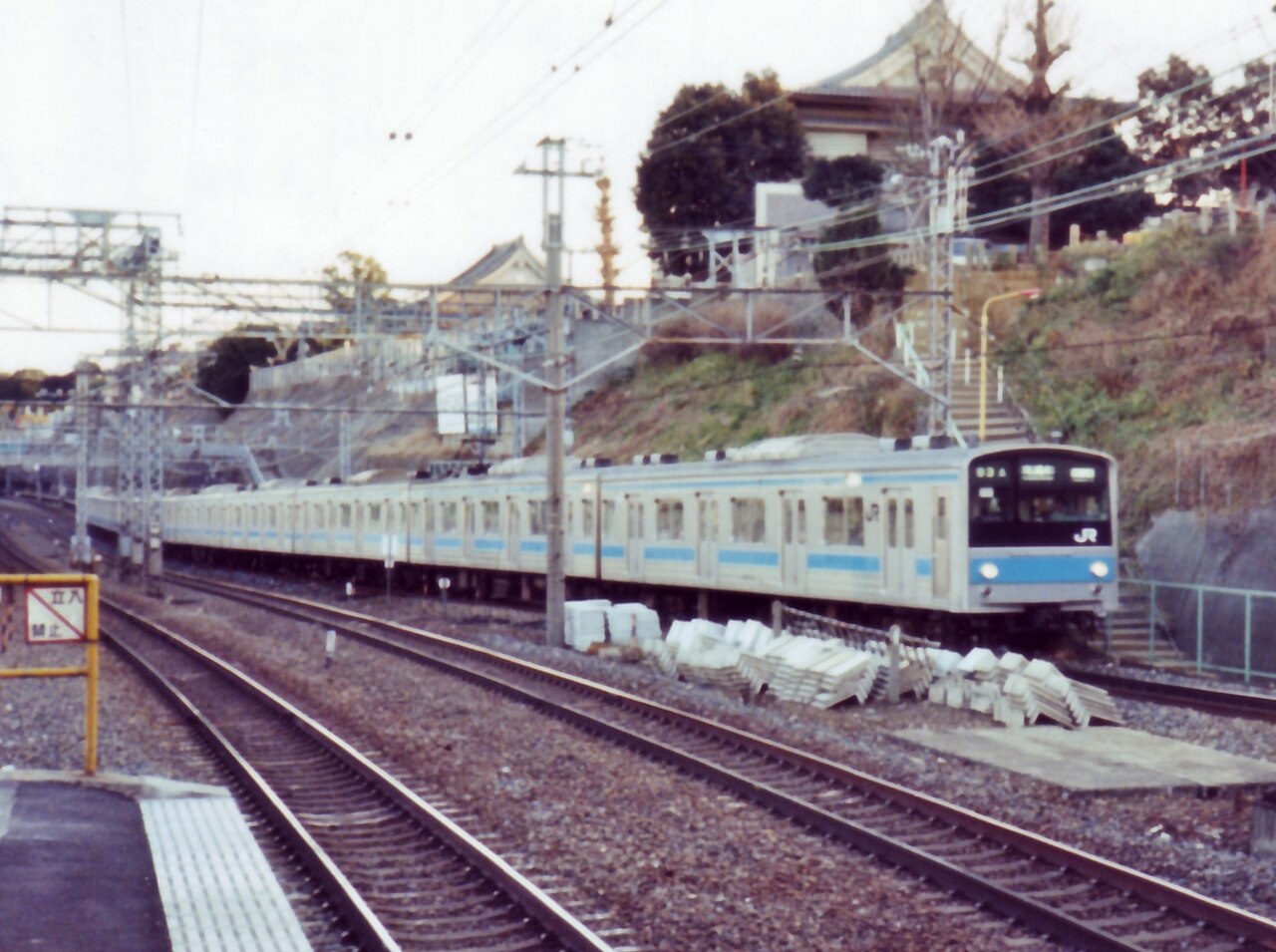
- 1965October: ten-car 103 series trains are introduced.
- 19661 April: ten-car trains (103 series) begin operating, per the English-language account.
- 19681 October: the Ōmiya–Akabane section is separated from Tōhoku Main Line trains under the "commuter five-direction" programme; level crossings between Ōmiya and Kawaguchi are removed.
- 19739 April: the Negishi Line is fully opened to Ōfuna (Yōkōdai–Ōfuna section), completing the present through-running form.
- 198813 March: limited-stop "Rapid" daytime operation begins between Tabata and Tamachi; initial intermediate stops are Ueno, Akihabara and Tokyo.
- 200214 July: Rapid trains begin stopping at Hamamatsuchō.
- 200722 December: E233-1000 series EMUs enter service, phased in to replace the 209 series.
- 201024 January: 209 series (0 and 500 subseries) end service; from 25 January the fleet is unified on the E233-1000 series.
- 201423 February: an empty-stock train from Sakuragichō to Kamata derails and overturns near Kawasaki Station; the first two cars of the ten-car E233 leave the rails with no passengers aboard and only minor crew injuries.
- 201514 March: from this revision Rapid trains call at Kanda on all days and at Okachimachi on weekends and national holidays only.
- 2016August: station numbering (JK12 to JK47) is introduced.
- 202014 March: Takanawa Gateway Station opens between Shinagawa and Tamachi, served by all trains including Rapid services.
- 2024FY2024 peak-hour congestion is 153% northbound (Ōimachi → Shinagawa) and 156% southbound (Kawaguchi → Akabane).
Sources
Facts last verified 3 June 2026.
Gallery 5 photos
Every photo for this page — tap any image to view it full-size. All from Wikimedia Commons (credit under each).