歴史
南武線は私鉄として始まった。1919年に、多摩川の川原で採取した砂利を運搬することを主目的とする鉄道の敷設免許が出願されたことに端を発し、免許交付後に会社名が「南武鉄道」に改められ、同社は1921年(大正10年)3月29日に設立された。1927年3月9日に川崎駅 - 登戸駅間が最初に開業し、1927年から1930年にかけて五段階で全通した(川崎 - 登戸が1927年3月9日、登戸 - 大丸〈現在の南多摩付近〉が1927年11月1日、大丸 - 屋敷分〈現在の分倍河原〉が1928年12月11日、分倍河原 - 立川が1929年12月11日、支線の尻手 - 浜川崎が1930年3月25日)。旅客列車は当初から電車(電気車)を用い、貨物線を除き当初から全線が電化されていた。貨物は当初、多摩川の砂利が中心であったが、立川駅で青梅電気鉄道と接続すると石灰石が主要な品目となった。南武鉄道は、すでに青梅鉄道を傘下に収めていた浅野総一郎の浅野財閥の系列に入り、これにより西多摩の自社採石場からセメント原料の石灰石を川崎の自社工場まですべて自社系列の路線で運ぶことができ、輸送距離も大幅に短縮された。全通当時、川崎 - 立川間35.5キロメートルを1時間10分で結んでいた。
1930年代以降、沿線に工場が進出して人口が急増し、南武鉄道は通勤客を運ぶ路線となった。1944年4月1日、東海道本線・工業地帯と中央線を結ぶ重要路線であること、重要物資の石灰石を輸送していること、軍事施設や重要工場が沿線にあることなど軍事上の理由から、戦時買収私鉄に指定されて国有化され、日本国有鉄道(当時は運輸通信省の国有鉄道)の南武線となった。戦後に払い下げを求める声があったものの、1949年6月1日に発足した日本国有鉄道(国鉄)に属したまま、1987年の民営化を迎えた。
戦後の東京の都市圏拡大により沿線の農地の多くが住宅地に変わり、旅客輸送が急増した。国鉄は車両の増結と複線化により輸送力を増強し、1966年9月30日までに6両化と(立川駅構内を除く)全線の複線化を完成させた。軌道構造は、800トン級の貨物列車を通す目的もあって強化された。川崎駅 - 登戸駅間で武蔵小杉駅・武蔵溝ノ口駅にも停車する快速は1969年12月15日に運転を開始したが、1978年10月2日のダイヤ改正で廃止された。その33年後の2011年4月9日、停車駅を増やした川崎駅 - 立川駅間の快速運転が、当初予定の3月12日から東日本大震災により延期されたうえで開始された。本線の貨物輸送は、並行する武蔵野線が1976年に開業し、さらに1998年に石灰石輸送が廃止されたことで減少したが、南武支線は現在も主要な貨物路線として残っている。立川駅のボトルネックを含む完全複線化は、1999年10月24日に完成した。
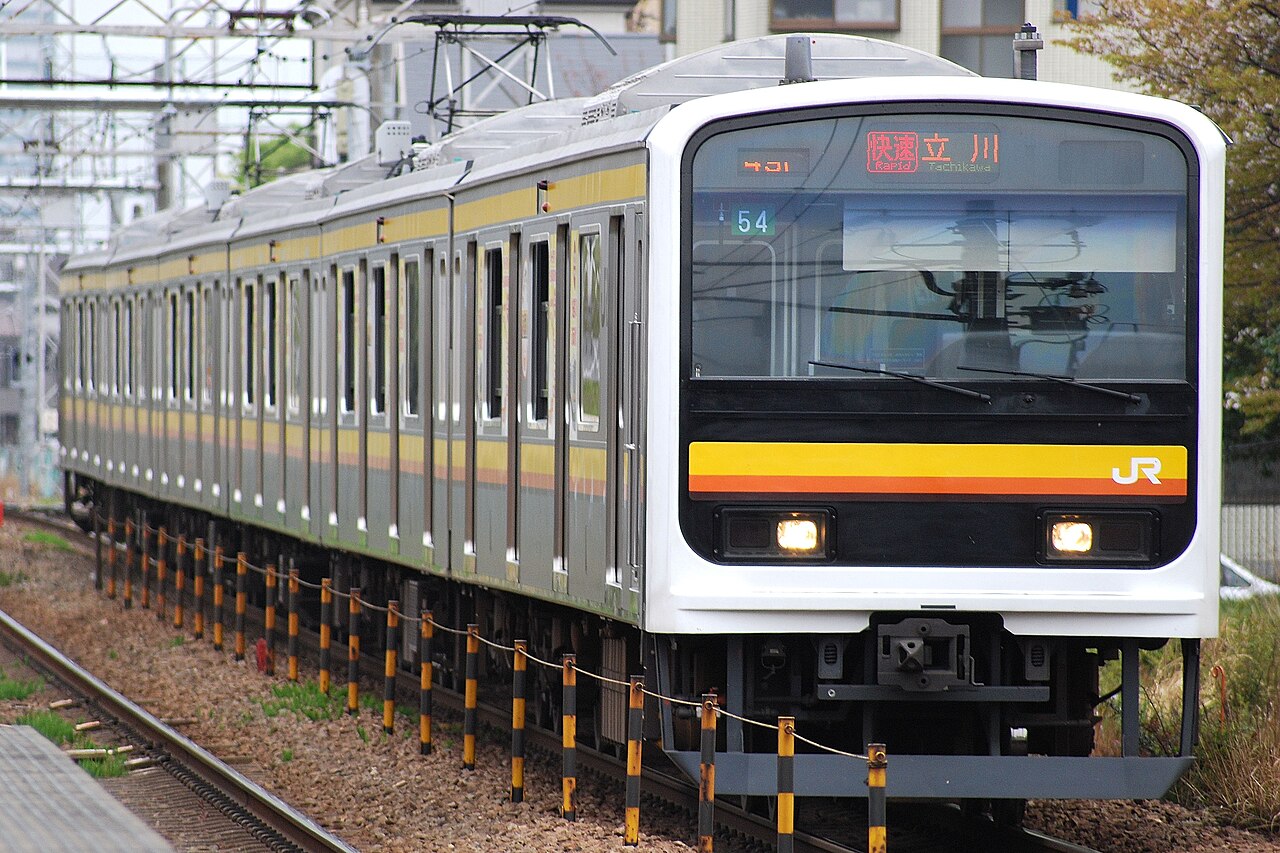
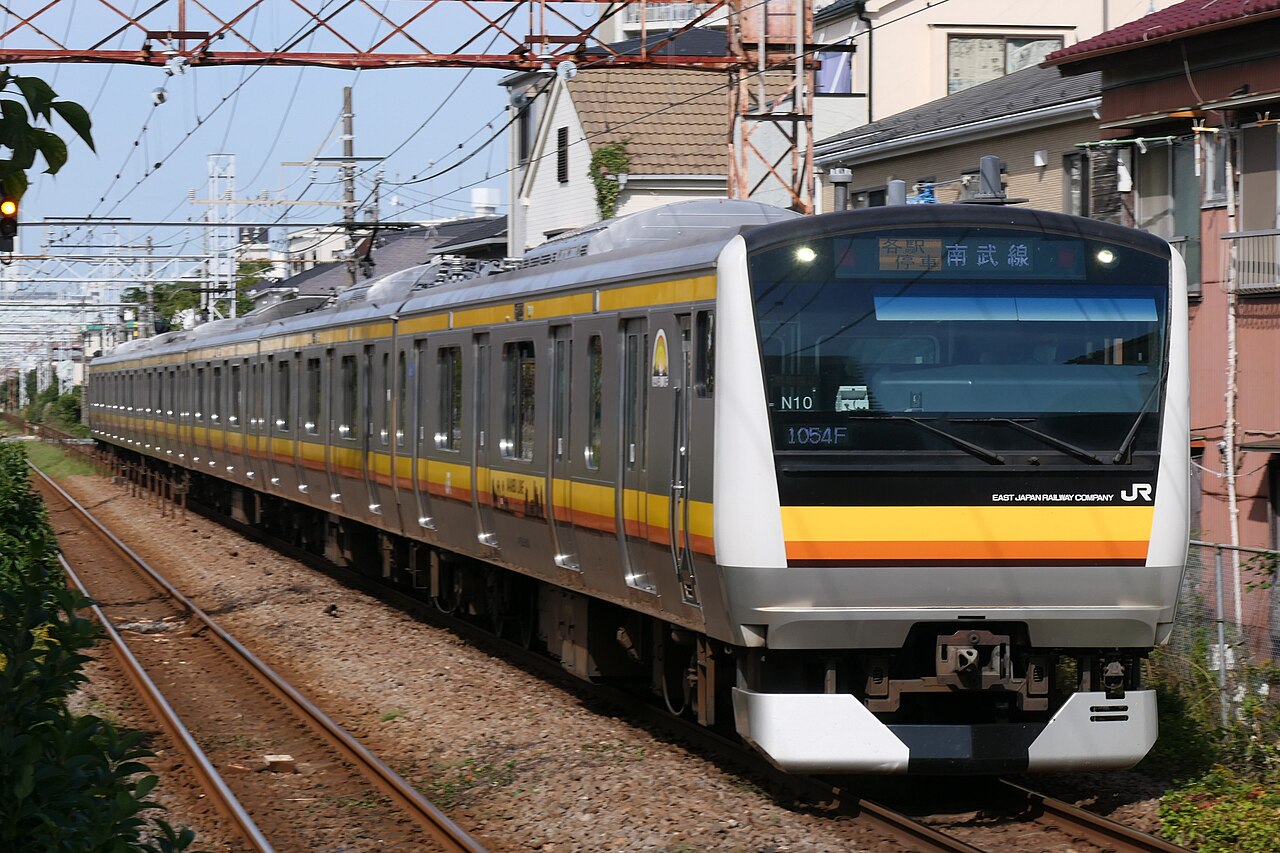
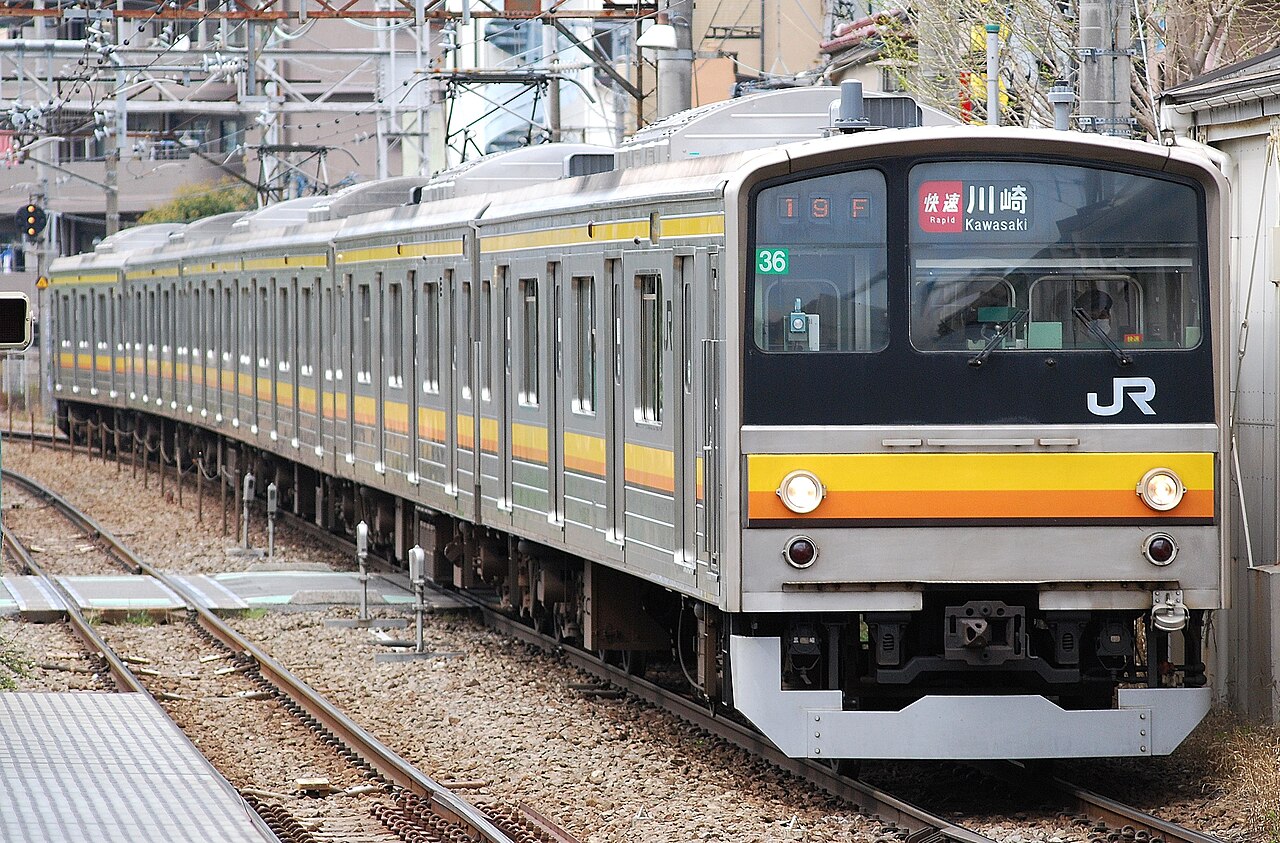
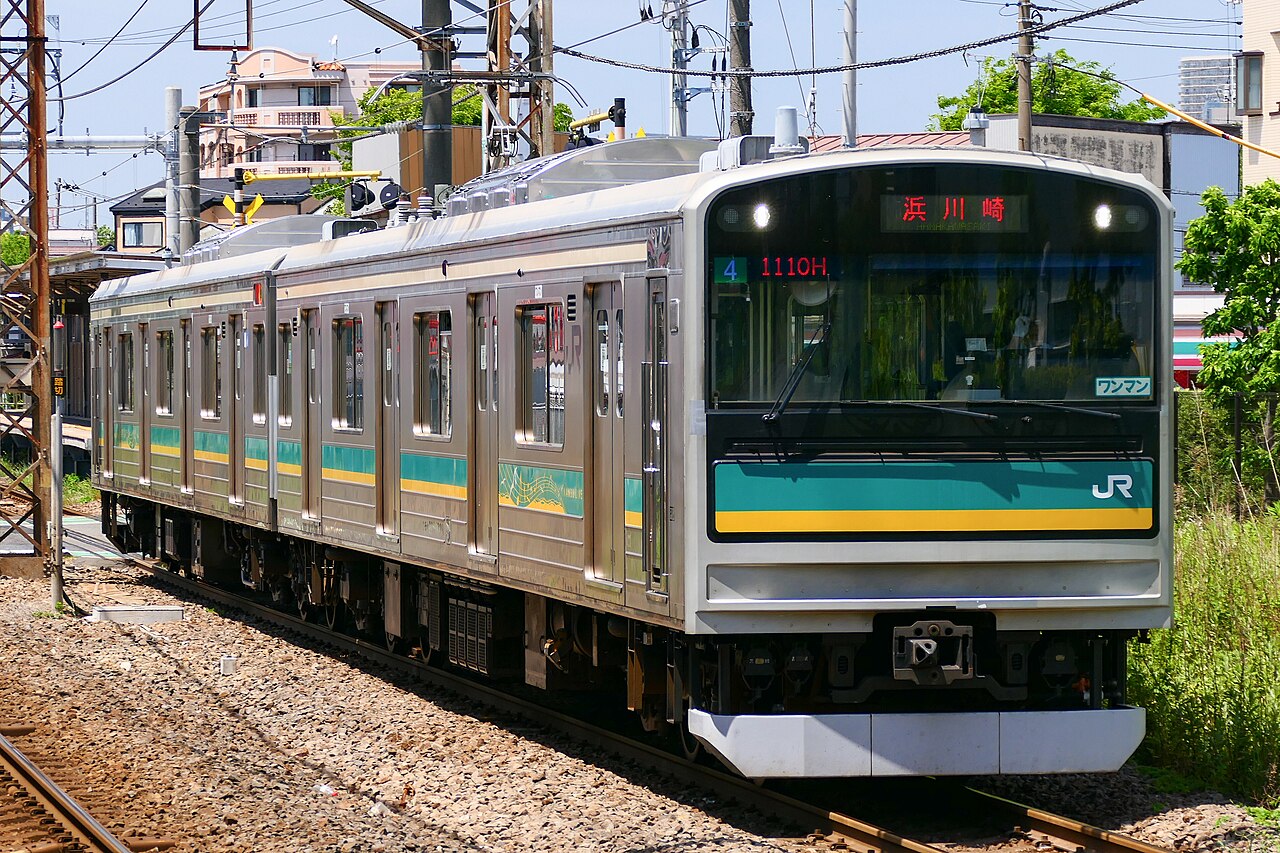
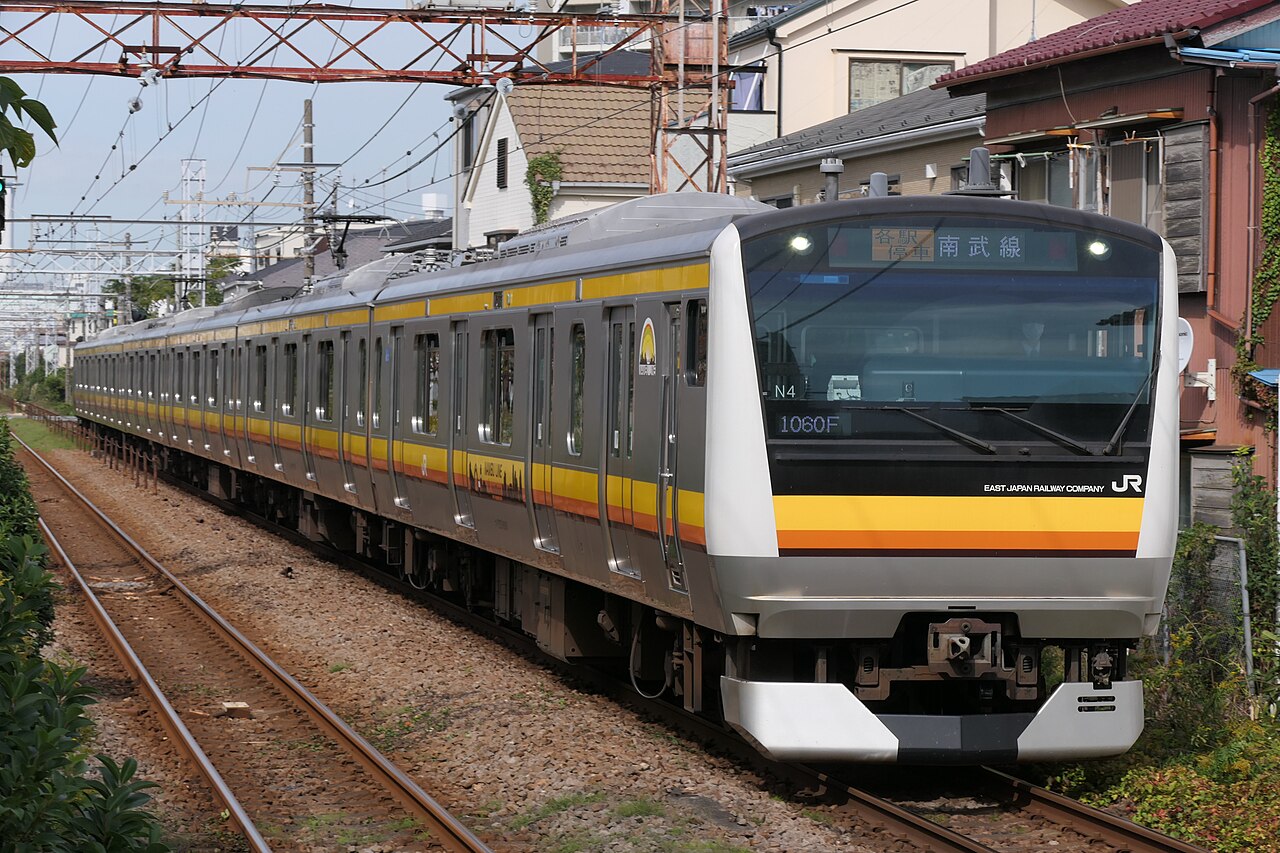
車両は幾度も置き換えられてきた。1963年からの20メートル級車両は101系に置き換えられ、1978年までに旧型車を一掃した。101系はさらに103系・205系に置き換えられ、JR東日本発足後の1993年には209系が運用を開始した。205系は1989年3月11日から営業運転を行い、本線用編成は2015年12月および2016年1月に運用を終了し、一部はインドネシアへ譲渡された。E233系8000番台は2014年10月4日に営業運転を開始し、2017年3月15日までに川崎 - 立川間の本線車両がE233系に統一された。支線は205系1000番台(2002年8月から)とE127系0番台(2023年9月から)の2両編成が運用する。駅ナンバリング(路線記号JN、本線JN01 - JN26、支線JN51 - JN54)は2016年8月20日に導入され、川崎 - 立川間は2025年3月15日にワンマン運転を開始した。輸送量は2015年の値で1日あたり840,241人であった。
南武線の歴史には特筆すべき事故もある。1962年8月7日、久地駅 - 津田山駅間の踏切で電車が小型トラックと衝突し、続いて対向電車と衝突する二重衝突となり、3人が死亡、154人が負傷した。1971年10月9日には、矢野口駅付近の踏切で何者かが仕掛けた発火装置により渡し板が炎上する、通過中のアメリカ軍ジェット燃料輸送列車を標的としたテロ行為が発生した。
年表
- 192129 March: the private Nambu Railway is established (originating from a 1919 plan for a line to carry gravel from the Tama River).
- 192727 March: the first section, Kawasaki–Noborito, opens. Passenger EMUs are used from the start; apart from the freight branch the line is electrified from opening.
- 192811 December: Ōmaru–Bubaigawara (then Yashikibun) section opens.
- 192911 December: Bubaigawara–Tachikawa section opens, completing the Kawasaki–Tachikawa main line (35.5 km, then a 1h10m journey).
- 193025 March: the Shitte–Hama-Kawasaki branch opens, finishing the five-stage build.
- 19441 April: the line is nationalised under wartime private-railway acquisition and becomes the Nambu Line of the Japanese Government Railways.
- 19491 June: the Japanese National Railways (JNR) is established and succeeds the line.
- 19627 August: a level-crossing double collision between Kuji and Tsudayama kills 3 and injures 154.
- 196630 September: six-car operation and double-tracking of the whole line (except the Tachikawa station area) are completed.
- 196915 December: limited-stop Rapid services begin between Kawasaki and Noborito (stopping additionally at Musashi-Kosugi and Musashi-Mizonokuchi).
- 19719 October: an incendiary device planted at a level crossing near Yanokuchi burns a crossing board in an act of sabotage targeting a passing US military jet-fuel freight train.
- 1976The parallel Musashino Line opens, after which freight traffic on the Nambu Line declines.
- 19782 October: the Kawasaki–Noborito Rapid service is discontinued in the timetable revision.
- 19871 April: JNR is privatised; the line is succeeded by JR East, with JR Freight as Type-2 operator.
- 198911 March: 205 series EMUs enter revenue service.
- 19931 April: 209 series EMUs enter service after the formation of JR East.
- 1998Limestone freight on the main line is discontinued; the Nambu Branch Line remains a major freight route.
- 199924 October: complete double-tracking, including the Tachikawa station bottleneck, is finished.
- 20119 April: Rapid services between Kawasaki and Tachikawa resume after 33 years, postponed from 12 March due to the 2011 Tōhoku earthquake and tsunami.
- 20144 October: E233-8000 series EMUs begin revenue service.
- 201620 August: station numbering (route symbol JN; main line JN01–JN26, branch JN51–JN54) is introduced. Main-line 205 series sets finish service (Dec 2015 / Jan 2016), with some cars transferred to Indonesia.
- 201715 March: the Kawasaki–Tachikawa main-line fleet is standardised on the E233 series (E233-8500 set introduced).
- 202515 March: the Kawasaki–Tachikawa section begins driver-only "wanman" operation.
出典
事実確認日:2026年6月3日
ギャラリー 5枚
このページの全写真 ― 画像をタップすると原寸大で表示します。すべてウィキメディア・コモンズより(各写真の下にクレジット)。