歴史
南海本線は日本でも古い私鉄路線の一つである。難波駅 - 大和川駅(のちに廃止)間は、1885年(明治18年)12月29日に阪堺鉄道(現在の阪堺電気軌道とは別会社)が開業させた。1883年に廃止された工部省・釜石鉱山鉄道の車両やレールの払い下げを受けて建設されたため、開業当初は838 mmという日本では特異な軌間であった。1888年には堺まで延伸し、1892年には難波 - 住吉間が複線化された。
1897年(明治30年)、当時別会社であった南海鉄道が堺 - 佐野(現在の泉佐野)間を開業し、同年12月15日には難波 - 堺間が1067 mm軌間に改軌され、難波 - 尾崎間で直通運転が始まった。阪堺鉄道は1898年に南海鉄道へ事業を譲渡し、路線は和歌山方面へと延ばされていった。1903年(明治36年)3月21日、紀ノ川橋梁の開通により紀ノ川 - 和歌山市間が開業し、難波 - 和歌山市間が全通した。1906年には急行列車の運転が始まり、蒸気列車内で食堂の営業が行われた。これは日本語版資料では現存する大手私鉄では珍しい試みと記され、英語版資料では日本の私鉄で最初の食堂車と記されている。
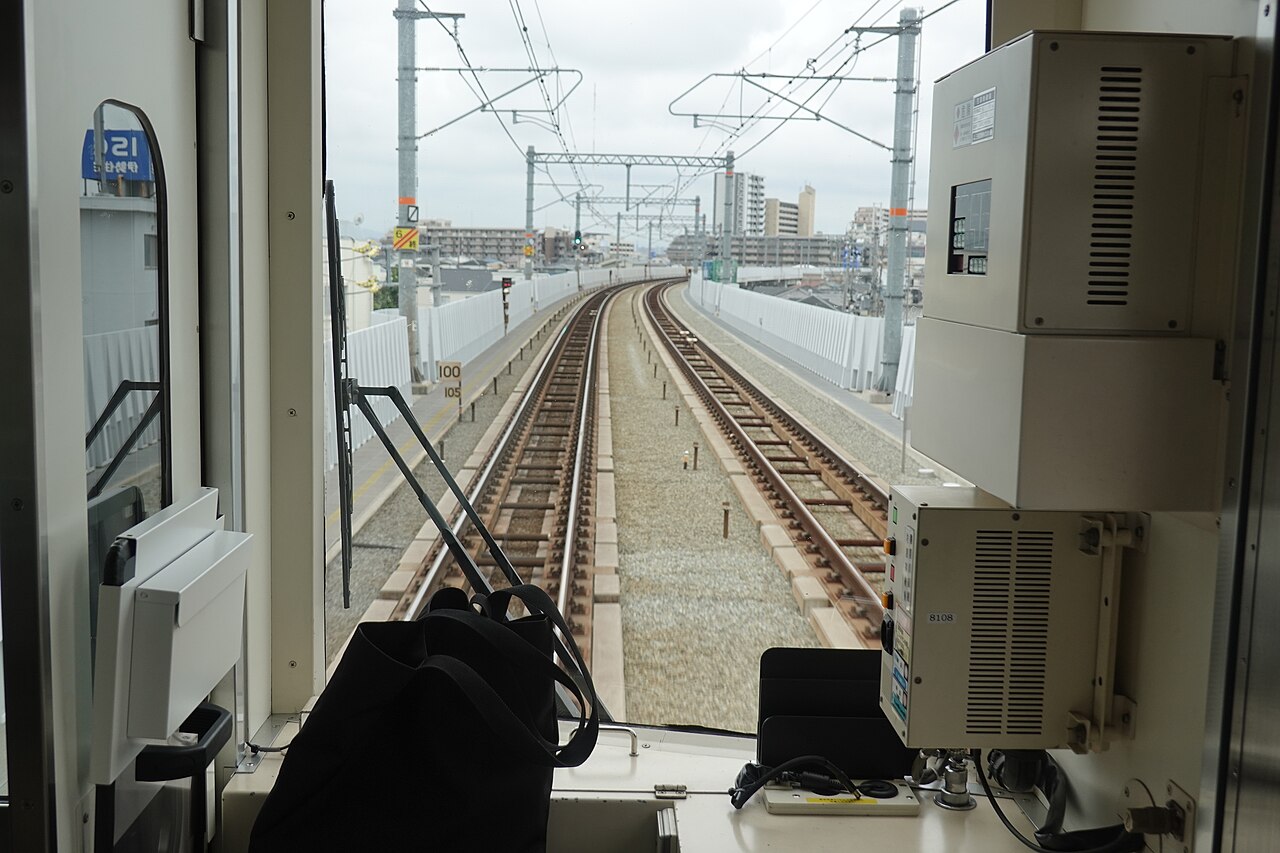
近代化は着実に進んだ。電化は1907年に難波 - 浜寺公園間で直流600 Vにより始まり、1911年に全線で完成した。複線化は区間ごとに進められ、1922年12月2日に全線で完成した。1930年代後半からは市街地の高架化が始まり、今宮戎付近の短い区間は1938年に高架化され、難波の起点とその内側の線路は1980年までに立体交差化された。架線電圧は1973年10月10日に600 Vから1500 Vへ昇圧された。
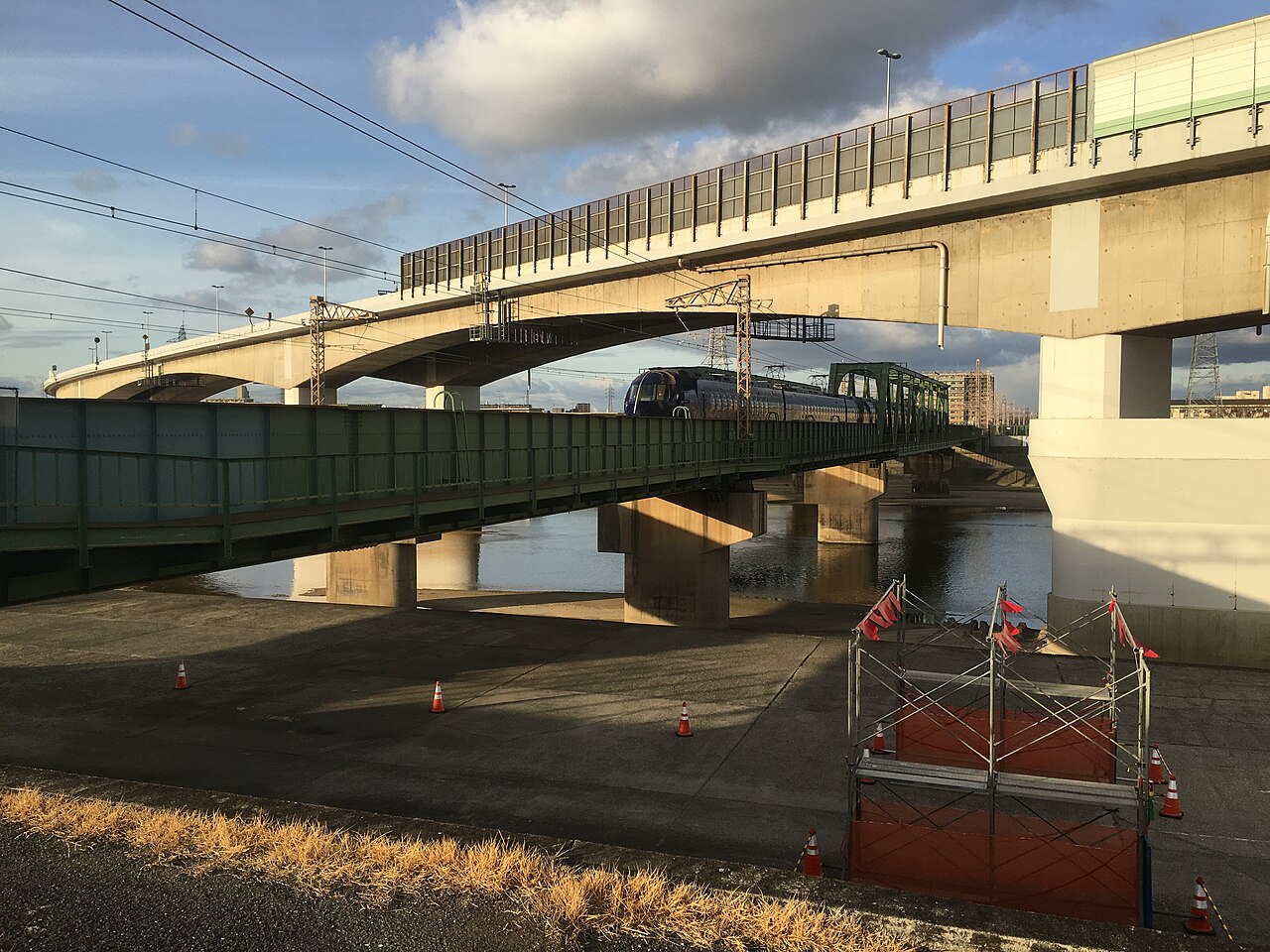
会社の所有は第二次世界大戦の前後に移り変わった。1944年6月1日、会社合併により近畿日本鉄道(近鉄)の路線となり、1947年6月1日に近鉄から分離されて新設の南海電気鉄道へ譲渡され、以後同社が運営している。1929年から1930年にかけて当路線と並行して開通した阪和電気鉄道との激しい競争に対抗するため、南海は1936年から1937年にかけて日本初の冷房電車(2001形)を走らせたと日本語版資料は記している。阪和電気鉄道は1944年に国有化され、現在のJR西日本阪和線となり、今も内陸(山側)を並走している。
1960年代には安全設備を見直す契機となる事故が相次いだ。1967年4月1日、樽井 - 尾崎間の踏切で立ち往生していた大型トラックに和歌山市行き急行が衝突し、男里川橋梁から電車が転落して5名が死亡した。1968年1月18日には、難波行き急行が信号を冒進して天下茶屋で正面衝突し、296名が負傷した。これらの事故を受けて、南海は1968年4月1日に全線へATS(自動列車停止装置)を設置した。
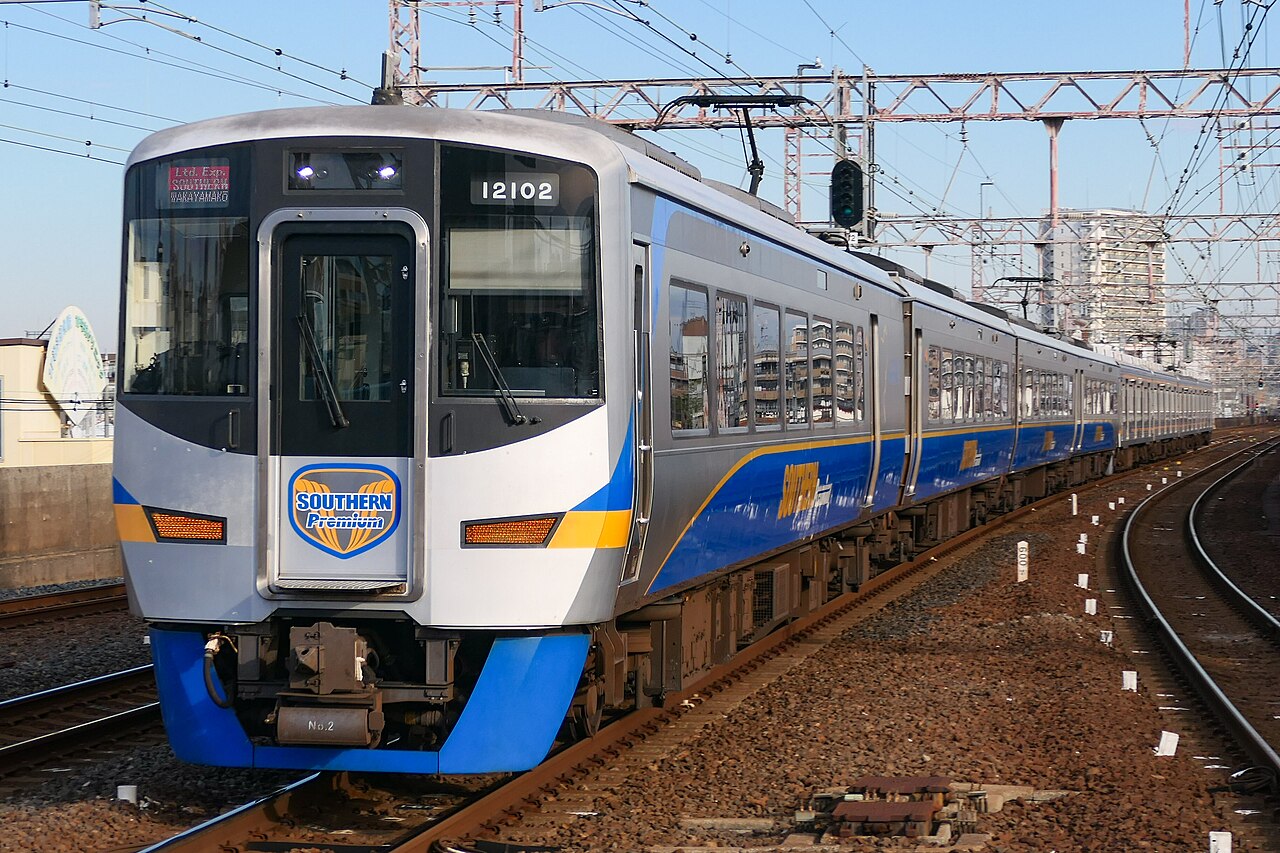
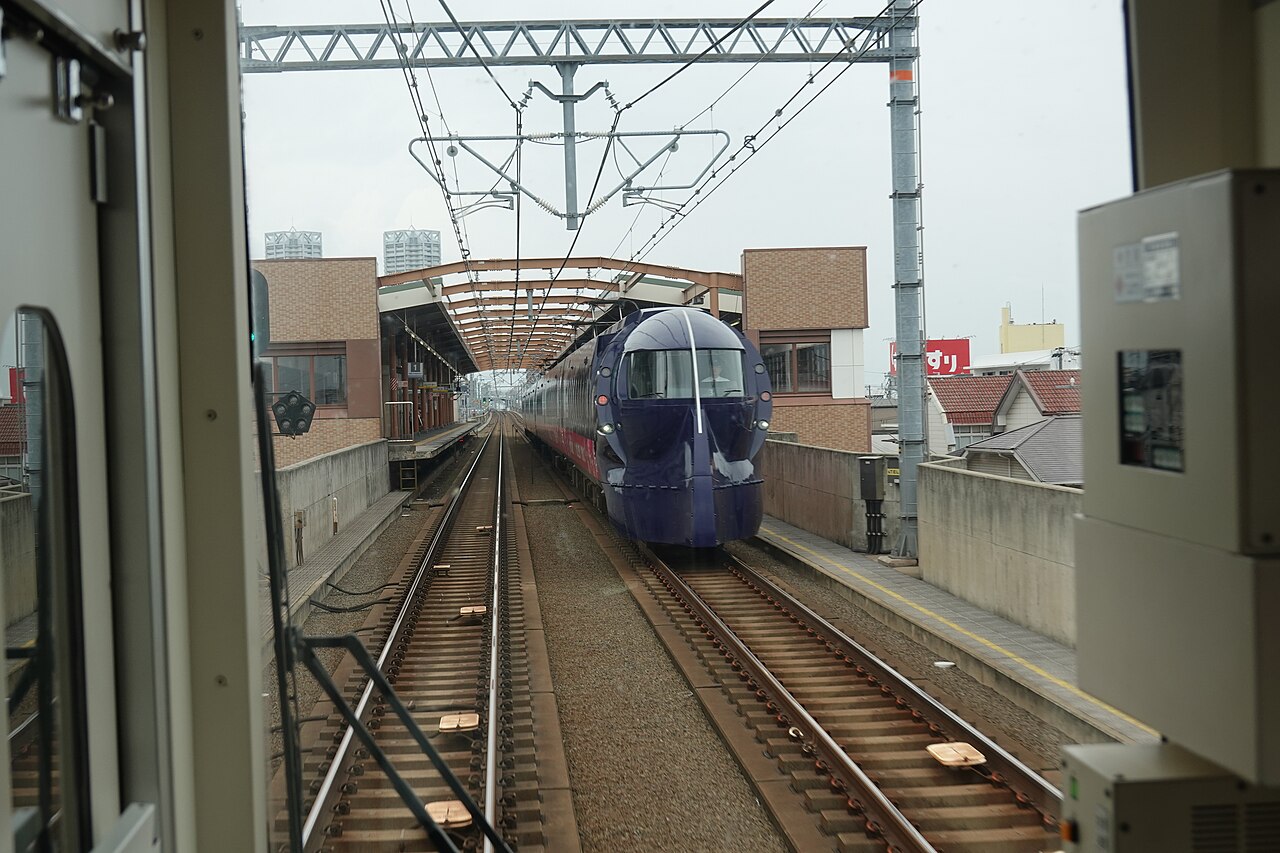
現在の特急網は1980年代半ばに形を整えた。特急「サザン」は1985年11月1日に運転を開始し、料金不要の自由席車に、本サービス用に新製された指定席車(10000系)を連結して運行された。1989年11月12日には最高速度が105 km/hから110 km/hに引き上げられ、8両編成の運転が始まった。1994年9月4日に関西国際空港が開港すると、南海は専用の50000系を用いた空港特急「ラピート」(途中無停車のラピートαと主要駅停車のラピートβ)と空港急行を運転開始した。空港線自体は同年6月18日に暫定開業している。英語版資料は、南海と近鉄が関西で料金を要する特急を運転する2社のみであると記している。
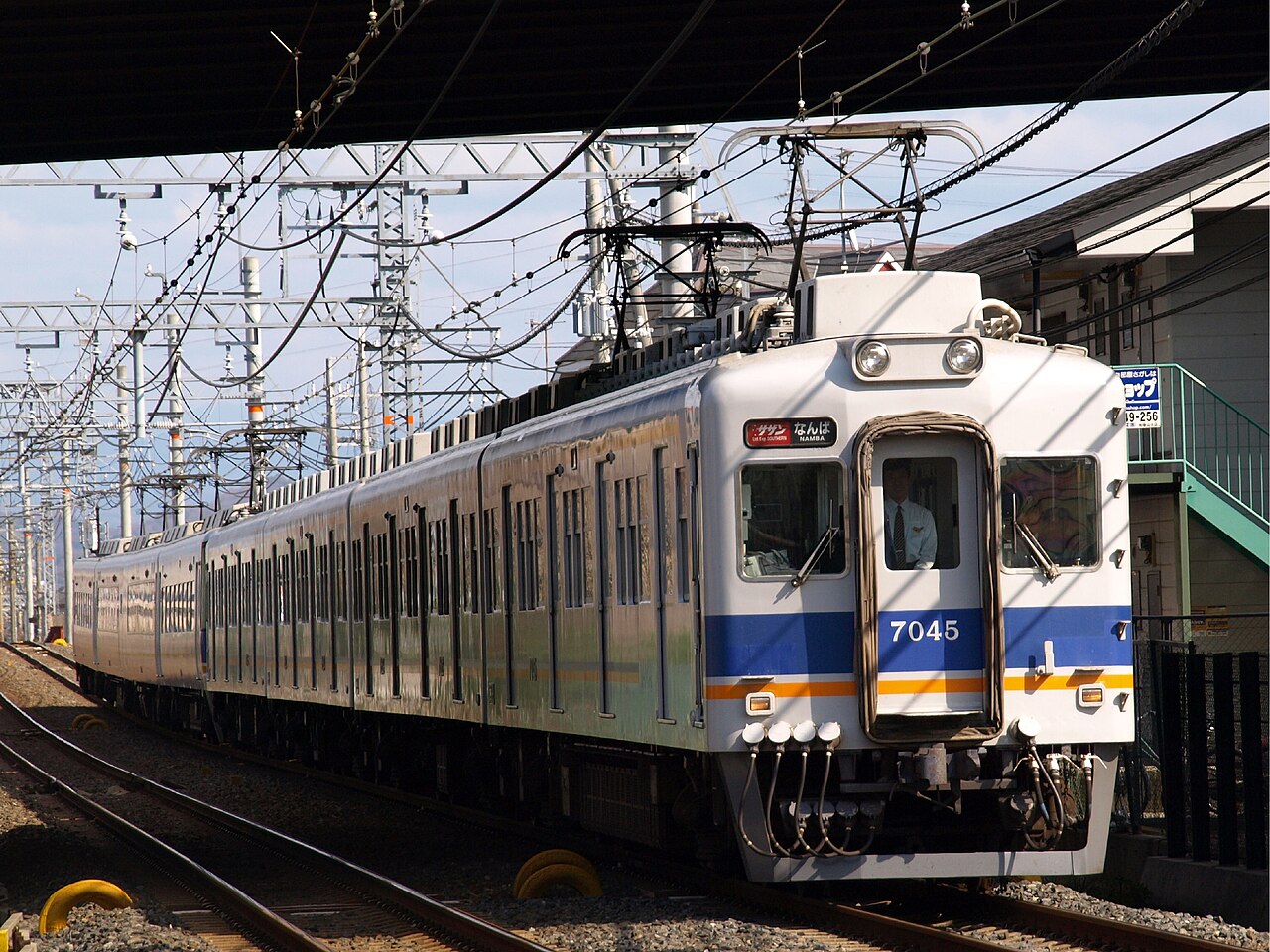
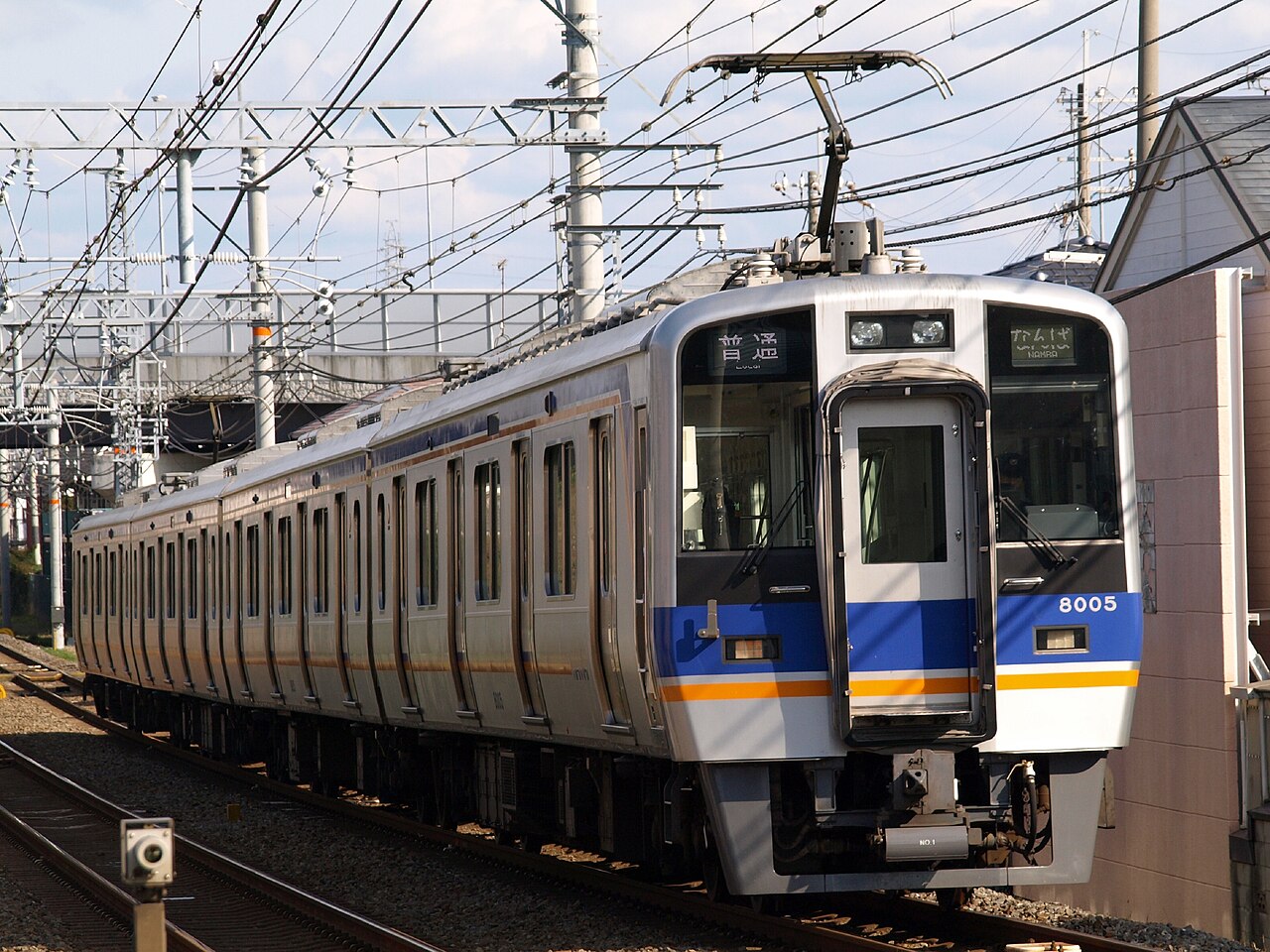
現在の南海本線は、大阪と和歌山を結ぶ都市間路線であると同時に、空港線を介した関西国際空港へのアクセス路線でもあり、ミナミの繁華街に位置する起点の難波駅は、訪日外国人を含む多くの関空利用者の玄関口となっている。さらに和歌山港線を介して和歌山港に至り、徳島港との間を運航する南海フェリーとともに関西・四国連絡ルートを形成している。運転されている種別は、特急「サザン」、空港特急「ラピート」、急行、空港急行、区間急行、準急行、普通である。立体交差化は2020年代にも続いており、石津川 - 羽衣間の高架化は工事中で、出典が引く最新資料(2025年)では高架切り替えの完了予定が2030年度末(2031年3月頃)に後ろ倒しされている(出典の年表には旧来の2028年3月という記述も残る)。当路線で最も新しい和歌山大学前駅は2012年4月1日に開業した。
年表
- 188529 December: the Hankai Railway opens the Namba–Yamatogawa section (838 mm gauge); the start of the present Nankai Main Line.
- 188815 May: the line is extended from Yamatogawa to Sakai (Azumabashi); Yamatogawa station closes.
- 189229 December: the Namba–Sumiyoshi section is double-tracked.
- 18971 October: the Nankai Railway opens the Sakai–Sano (present-day Izumisano) section. 15 December: Namba–Sakai is regauged from 838 mm to 1,067 mm and through operation begins to Ozaki.
- 18981 October: the Hankai Railway transfers its operations to the Nankai Railway.
- 190321 March: the Kinokawa bridge and the Kinokawa–Wakayamashi section open, completing the through route between Namba and Wakayamashi.
- 190623 April: express services begin; a dining service is run aboard the steam-hauled Wakayama express — the first dining car on a private railway in Japan per the EN source; a rare undertaking among surviving major private railways per the JA source.
- 191121 November: electrification (at 600 V DC, begun on the Namba–Hamaderakoen section in 1907) is completed across the whole line.
- 19222 December: double-tracking is completed line-wide (Kyoshi–Kinokawa section doubled).
- 19441 June: through a wartime company merger the line becomes part of Kinki Nippon Railway (Kintetsu).
- 19471 June: the line is separated from Kintetsu and transferred to the newly formed Nankai Electric Railway.
- 19671 April: a Wakayamashi-bound express strikes a stranded truck at a Tarui–Ozaki level crossing and falls from the Notogawa bridge, killing five.
- 196818 January: a Namba-bound express passes a signal and collides head-on at Tengachaya, injuring 296. 1 April: automatic train stop (ATS) is installed across the whole line.
- 197310 October: the overhead voltage is raised from 600 V to 1,500 V DC.
- 19851 November: the Limited Express "Southern" begins, using newly built 10000 series reserved cars coupled to fare-free non-reserved cars.
- 198912 November: the maximum speed is raised from 105 km/h to 110 km/h and eight-car operation begins.
- 199418 June: the Airport Line opens provisionally and Airport Express service begins. 4 September: Kansai International Airport opens and the airport Limited Express "rapi:t" (50000 series; rapi:t alpha nonstop, rapi:t beta major-stop) begins.
- 20121 April: Wakayamadaigakumae, the newest station on the line, opens; the all-non-reserved limited express is discontinued.
- 2028Ishizugawa–Hagoromo elevation (planned): the chronology lists a March 2028 target, but the source body's most recent cited document (2025) now schedules the switch-over to elevated tracks for the end of fiscal 2030 (around March 2031), having slipped from earlier targets.
出典
事実確認日:2026年6月3日
ギャラリー 5枚
このページの全写真 ― 画像をタップすると原寸大で表示します。すべてウィキメディア・コモンズより(各写真の下にクレジット)。