歴史
この路線は日本で最初に開業した鉄道を含む。1872年(明治5年)、まず6月12日に品川駅 - 横浜駅(初代、現在の桜木町駅)間が仮開業し、同年10月14日に新橋駅 - 横浜駅間が日本初の鉄道として正式開業した。関西では1877年(明治10年)に京都駅 - 神戸駅間が開業している。鉄道計画では当初、東京と関西を結ぶ路線を東海道経由とするか中山道経由とするかが論じられた。政府は1883年に中山道経由を決定して各区間の建設に着手し、大垣 - 長浜間(1884年)、名古屋 - 木曽川間(1886年)などを開業させたが、1886年には東海道経由のほうが実用的であることが明らかとなり、中山道案は放棄された。その後建設は一気に進み、1889年(明治22年)7月1日に新橋駅 - 神戸駅間が全通した。当初は東京 - 神戸間に1日1往復の直通列車が運行され、所要時間は片道20時間強であった。路線名称は1895年(明治28年)に「東海道線」と定められ、同年10月の日清戦争後には山陽鉄道(現在の山陽本線)との直通運転が始まった。
路線は段階的に改良された。1896年(明治29年)に東京 - 神戸間の急行運転、1900年に寝台車、1901年に食堂車の連結が始まった。1914年(大正3年)12月20日には東京駅が開業して新橋に代わる起点となり、同日に東京駅 - 高島駅間で電車(現在の京浜東北線)の運行が始まった。難所のルート変更も進み、逢坂山(大津 - 京都間)の急勾配は二本の長大トンネルを備えた新線に置き換えられて1921年(大正10年)に現行ルートとなり、御殿場経由の山岳区間は15年がかりで建設された丹那トンネルにより短絡され、1934年(昭和9年)に完成した。トンネル経由の新ルートは11.2キロメートルで、丹那盆地を迂回していた旧御殿場ルートの60.2キロメートルを大きく短縮した。これに伴い東京 - 沼津間が全線電化された。
戦後の混乱期には生き残った優等列車の客車の多くが連合国軍に接収され、日本人向けの急行列車は1948年、特急は戦後初の「へいわ」が1949年に復活した。1956年(昭和31年)11月19日に東海道本線は全線電化が完成し、全区間をEF58形電気機関車で牽引するようになった東京 - 大阪間の特急「つばめ」「はと」は所要時間が8時間から7時間30分に短縮された。1958年(昭和33年)10月1日には、機関車牽引の客車ではなく電車で運行する初の特急「こだま」が登場し、東京 - 大阪間を6時間50分で結んだ。以後、新幹線を含む日本の座席特急車両は基本的に電車方式で設計されるようになった。
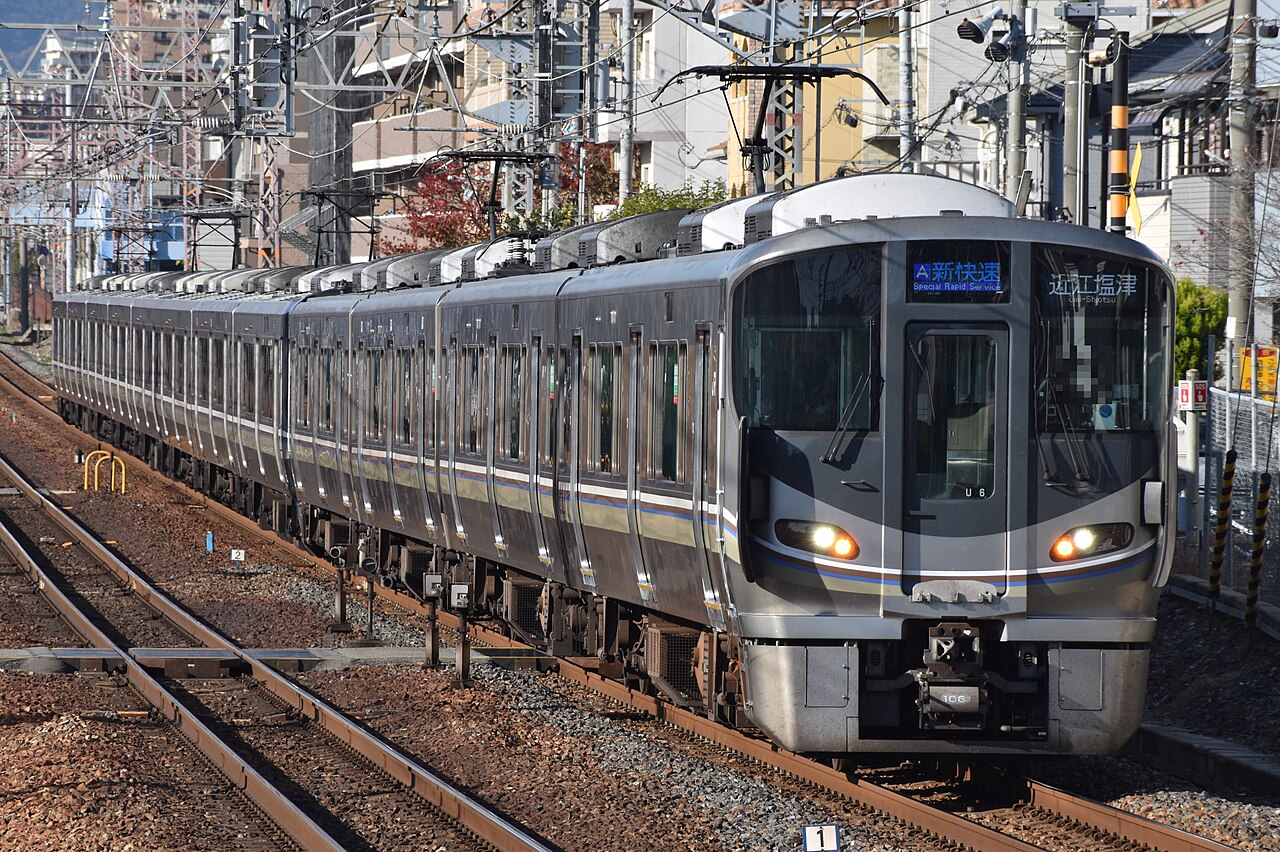
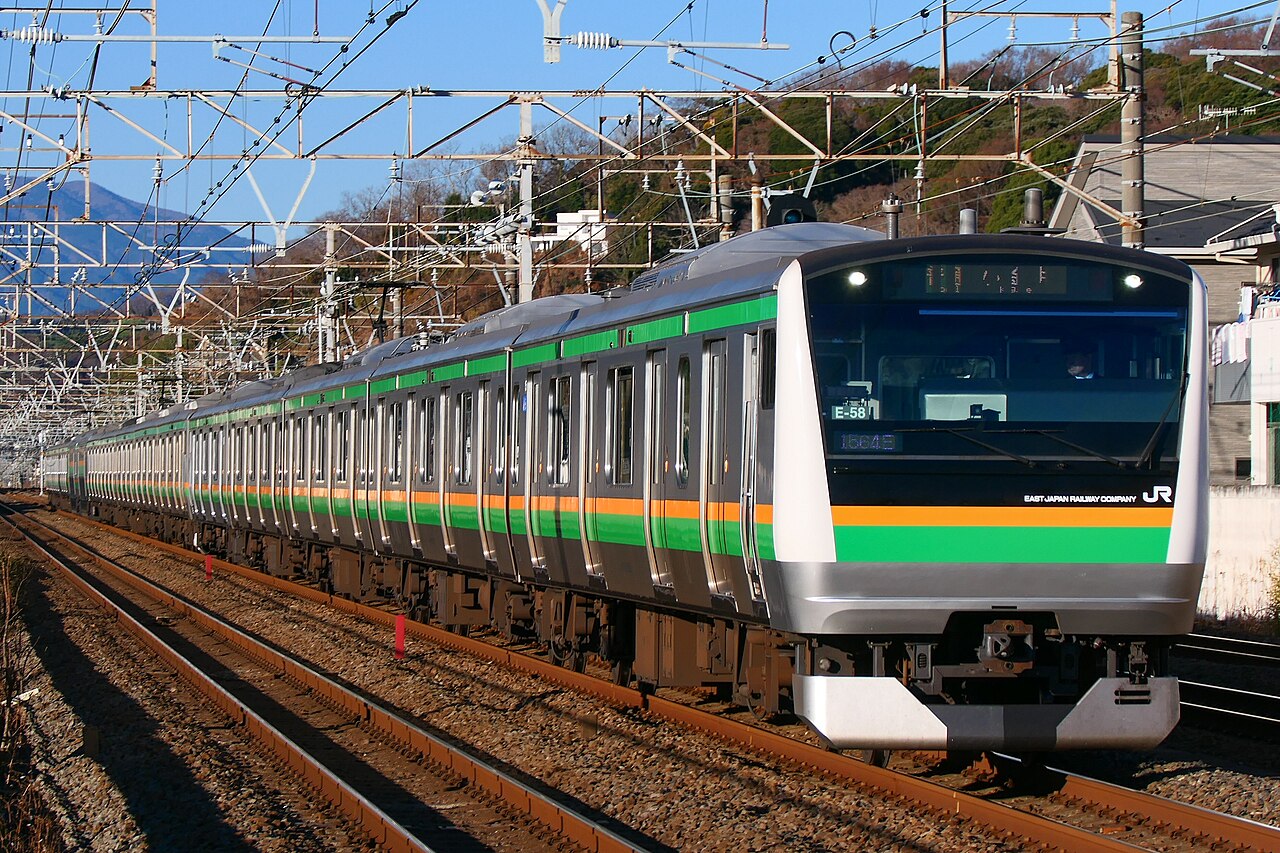
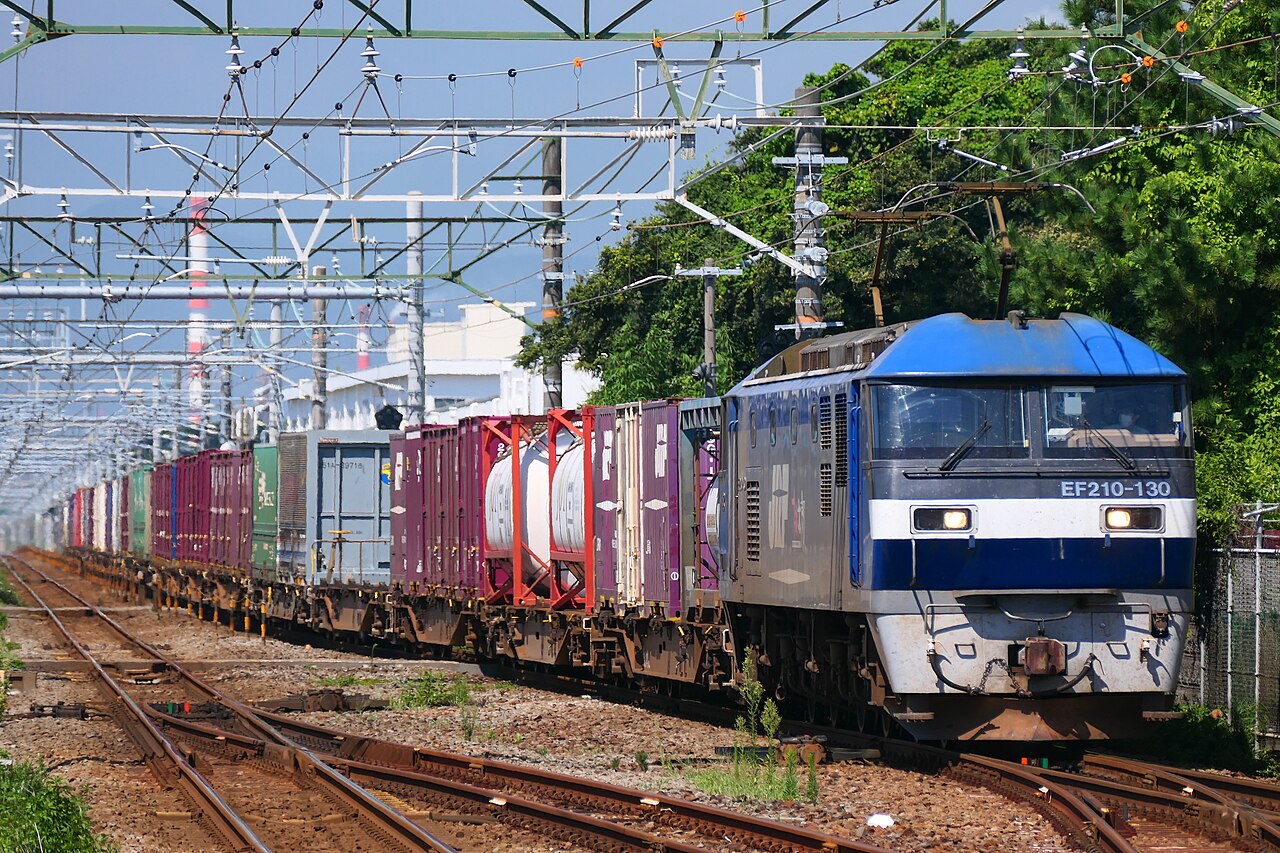
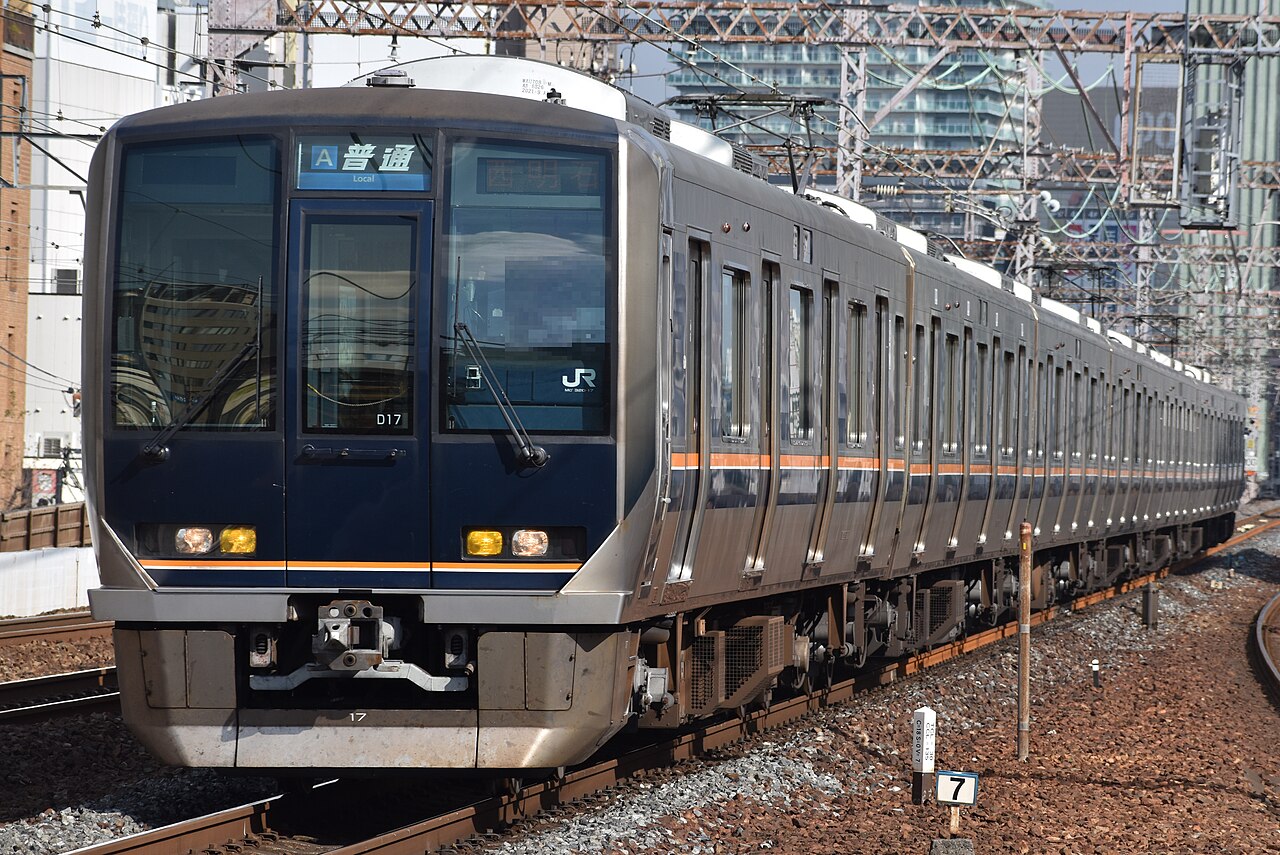
東海道本線の輸送力の限界は第二次世界大戦前から明らかであり、1959年(昭和34年)には標準軌(1,435ミリメートル)による別線の建設が始まった。1964年(昭和39年)に東海道新幹線が開業すると、東京・名古屋・大阪間の都市間旅客輸送の主役は新幹線に移り、「在来線」と呼ばれるようになった東海道本線は通勤・貨物主体の路線へと性格を変え、昼行優等列車の多くが姿を消した。1970年代以降は、並行する私鉄に対抗する都市間速達列車として京阪神地区に新快速が新設された。1987年(昭和62年)4月1日の国鉄分割民営化により、路線は旅客3社と貨物1社に分割され、現在は東京 - 熱海間をJR東日本、熱海 - 米原間をJR東海、米原 - 神戸間をJR西日本が保有・運営し、JR貨物が広い区間で貨物輸送を担っている。「東海道本線」という名称は新幹線開業以前の名残の色合いが濃く、各区間にはびわこ線・JR京都線・JR神戸線(いずれもJR西日本区間)などの愛称が付けられている。
1995年(平成7年)1月17日の阪神・淡路大震災では大阪 - 神戸間が不通となり、翌日に一部区間で運行を再開した後、段階的に復旧した。2016年(平成28年)8月20日には駅ナンバリングが導入され、東京 - 大船間の各駅にJT01からJT07の番号が付与された。現在、全区間を直通する定期旅客列車は夜行の「サンライズ出雲・瀬戸」のみであり、昼間に同一区間を通して移動するには途中で複数回の乗り換えを要する。
年表
- 1872The first railway in Japan opens: Shimbashi–Sakuragichō (Yokohama). Per JA chronology, Shinagawa–Yokohama opened provisionally on 12 June and Shimbashi–Yokohama formally on 14 October; the original Yokohama Station is present-day Sakuragichō.
- 1877The Kyoto–Kobe segment of today's line opens.
- 1883The government decides on the Nakasendō route; construction of several segments begins.
- 1886The Nakasendō plan is abandoned in favour of the Tōkaidō route as more practical.
- 18891 July: the first through Tokyo–Kobe line is completed (Shimbashi–Kobe). One train each way per day, taking over 20 hours.
- 1895The 'Tōkaidō Line' name is formally adopted. In October, after the Sino-Japanese War, through service to the Sanyo Railway (now San'yō Main Line) begins.
- 1896Express service between Tokyo and Kobe begins (sleeper service from 1900, dining cars from 1901).
- 1906Private main lines are nationalised under the Japanese Government Railways (network then just over 7,000 km).
- 191420 December: Tokyo Station opens and becomes the Tokyo-side terminus; an electrified commuter line (now the Keihin–Tōhoku Line) opens between Tokyo and today's Yokohama Station.
- 191925 September: the new, less-steep route with two long tunnels replaces the Osakayama section between Ōtsu and Kyoto.
- 1930The first Tsubame express cuts the Tokyo–Kobe time to nine hours (from twenty in 1889 and fifteen in 1903).
- 1934The Tanna Tunnel is completed after 15 years, bypassing the Gotemba stretch (new route 11.2 km vs the old 60.2 km detour); Tokyo–Numazu is fully electrified.
- 195619 November: the line is fully electrified end to end; the Tsubame and Hato expresses (now EF58-hauled throughout) are cut from 8h to 7h30m.
- 19581 October: the Kodama, the first EMU limited express, enters service, cutting Tokyo–Osaka to 6h50m. The Asakaze sleeper express debuts the same day with new Series 20 carriages.
- 1959Work begins on a separate 1,435 mm standard-gauge 'bullet train' line (the future Tōkaidō Shinkansen).
- 1964The Tōkaidō Shinkansen opens; most Tokyo–Nagoya–Osaka intercity traffic transfers to it and the conventional line shifts to commuter and freight roles.
- 19871 April: JNR is privatised; the line is divided among JR East, JR Central, JR West and JR Freight.
- 1995After the Great Hanshin earthquake (17 January), the line is shut between Takatsuki and Kobe, with some segments impassable until 1 April (EN). The JA revision gives the closed section as Osaka–Kobe and notes partial resumption the next day with gradual reopening.
- 201620 August: station numbering is introduced, with Tokyo–Ōfuna stations assigned JT01 to JT07.
出典
事実確認日:2026年6月3日
ギャラリー 5枚
このページの全写真 ― 画像をタップすると原寸大で表示します。すべてウィキメディア・コモンズより(各写真の下にクレジット)。