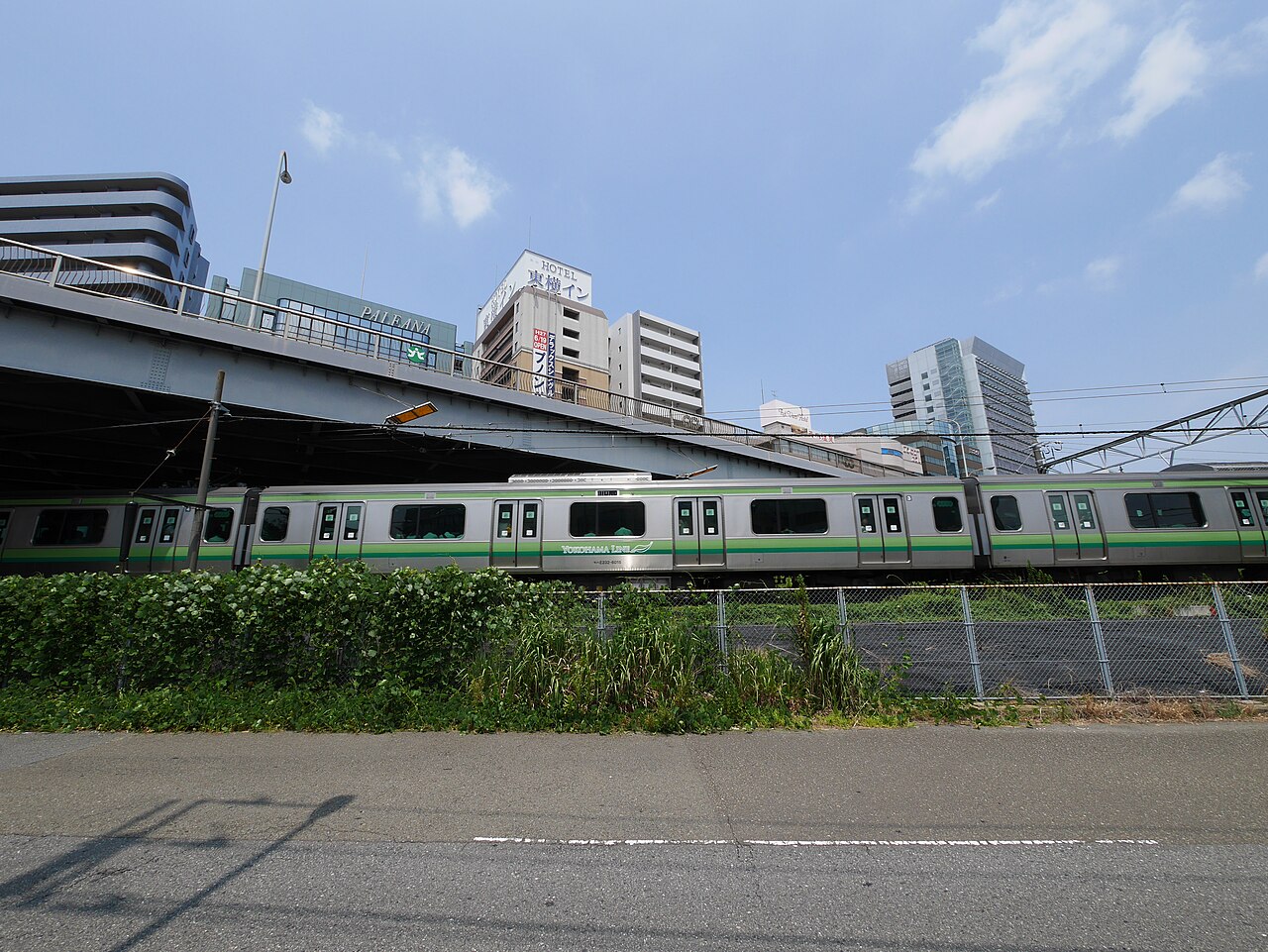
歴史
横浜線は1908年(明治41年)9月23日に私鉄「横浜鉄道」として開業した。八王子や甲信地方で生産された生糸を横浜港へ輸送することを当初の目的としていた。開業時は東神奈川駅 - 八王子駅間で、当時は26.4マイルであり、1930年のメートル法採用に伴い42.6キロメートルと表記が改められた。1910年(明治43年)4月1日に鉄道院が借り上げ、1917年(大正6年)10月1日に国有化されて鉄道院の横浜線となった。初期には原町田(現在の町田)- 橋本間で標準軌化試験が行われたほか、東海道本線電化に向けた電化試験の場ともなった。
電車運転は段階的に進められた。1932年(昭和7年)10月1日に東神奈川駅 - 原町田駅間が電車化され、桜木町駅までの直通運転が始まった。原町田駅 - 八王子駅間の電化(全線電化)の日付は、英語版資料では1941年4月14日、日本語版の年表では1941年4月5日とされる。日本国有鉄道(国鉄)は1949年(昭和24年)6月1日に発足し、国鉄横浜線となった。
1964年(昭和39年)10月1日の東海道新幹線開業により、新幹線との交差箇所に新横浜駅が開業すると、横浜線は横浜市内と新幹線とを結ぶフィーダー路線としても機能するようになった。1960年代後半からは沿線開発の進行や大学の設置などにより乗客が増加し、輸送力増強のため1967年(昭和42年)から複線化工事が順次行われ、1988年(昭和63年)3月6日の相原駅 - 八王子駅間の複線化をもって全線の複線化が完了した。日本語版資料によれば、横浜線は多数の放射状路線との結節点を持つことから短距離の乗り換え利用者が多く、国鉄時代から数少ない黒字路線であったとされる。
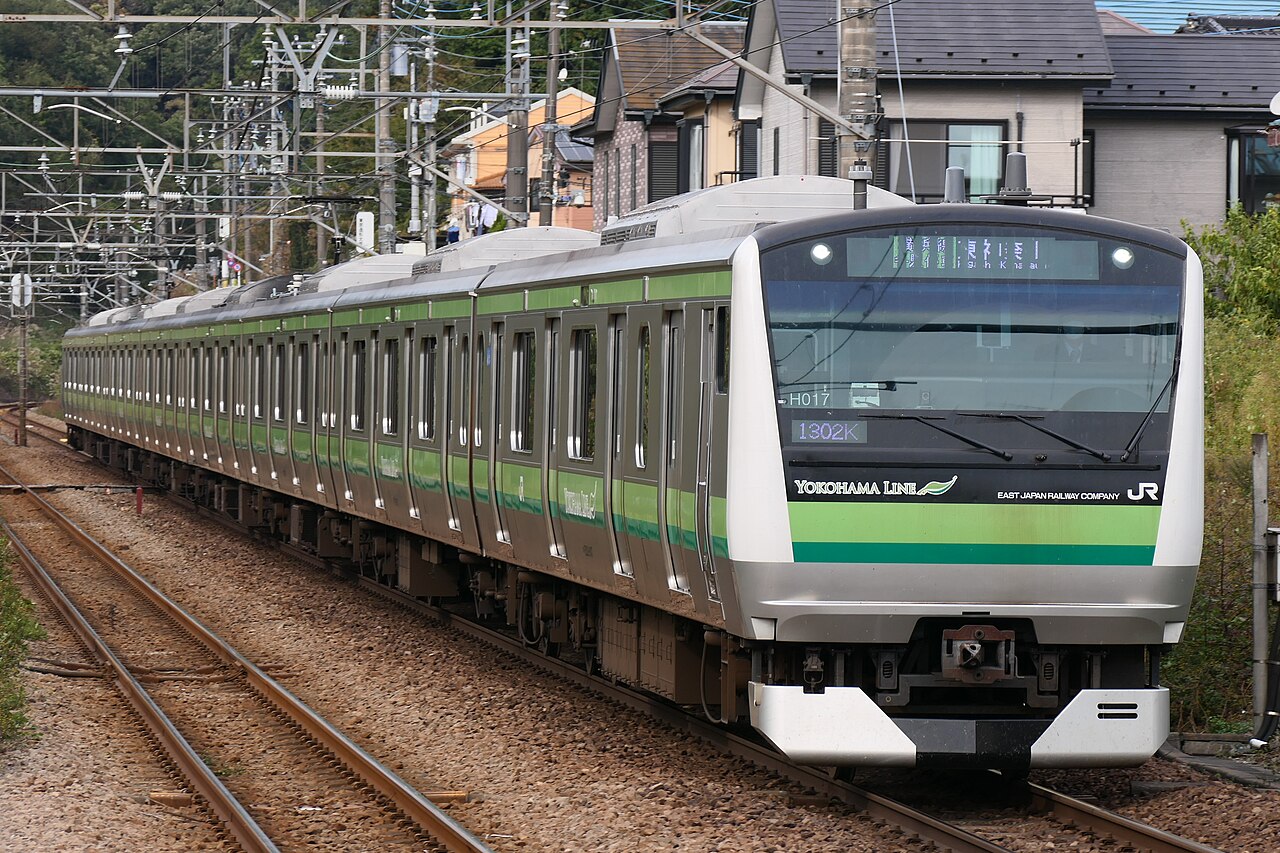
1987年(昭和62年)4月1日の国鉄分割民営化により運営はJR東日本が承継し、日本貨物鉄道(JR貨物)が長津田駅 - 八王子駅間の第二種鉄道事業者となった。快速の運転は1988年3月13日に始まった。混雑対策として1994年(平成6年)からは6扉車を組み込んだ8両編成が導入された。1991年(平成3年)3月16日には相模線の全線電化に伴い同線からの直通運転が始まったが、2022年(令和4年)3月12日のダイヤ改正で橋本駅 - 八王子駅間における相模線との直通運転は終了した(英語版資料では直通運転の終了を2022年3月11日とする)。
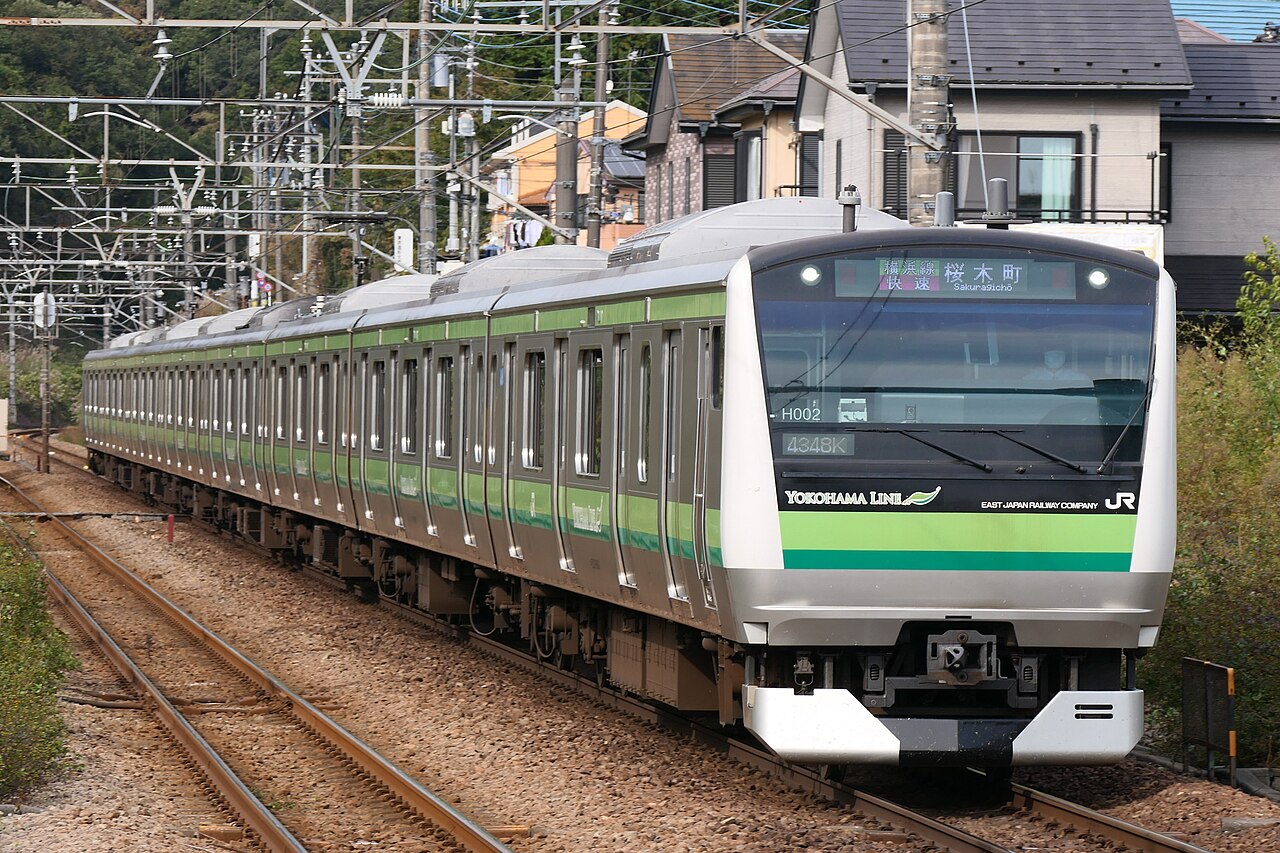
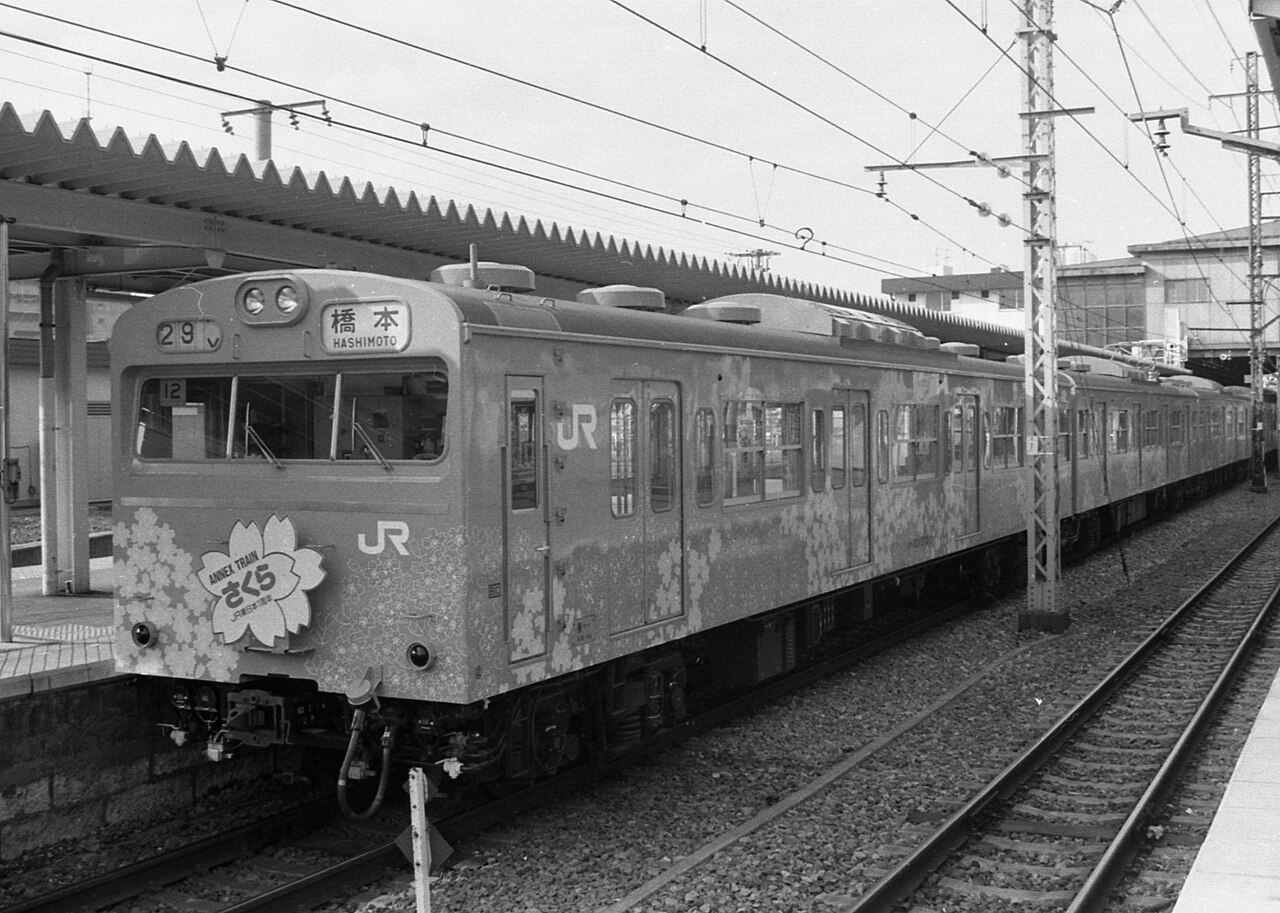
車両は72系から103系(1972年10月2日から1989年2月26日まで運用)へ、さらに205系(1988年導入、2014年8月23日に運用終了)へと移り変わった。2014年2月16日からは、各駅停車・快速にE233系6000番台8両編成が使用されている。2016年8月20日には駅ナンバリングが導入され、JH13からJH32の番号が付与された。JR東日本は横浜線を、並行する南武線や武蔵野線・京葉線とともに、東京を取り巻く環状路線群「東京メガループ」に位置づけている(2008年3月31日発表の「グループ経営ビジョン2020」による)。現在、横浜駅方面へ京浜東北線経由で直通する列車は全体の約半数で、その多くは根岸線経由で桜木町駅発着となる。日中の快速はおおむね20分間隔で運転される。
年表
- 190823 September: the line opens between Higashi-Kanagawa and Hachiōji (26.4 miles, restated as 42.6 km after the 1930 metric conversion), built by the private Yokohama Railway to carry raw silk from Hachiōji and the Kōshin region to the Port of Yokohama.
- 19101 April: the Railway Agency leases the line (EN: leased to the government in 1910).
- 19171 October: the line is nationalised and becomes the government's Yokohama Line. (A standard-gauge conversion trial was run on the Haramachida–Hashimoto section earlier in 1917.)
- 1930Distance posting changes from miles to metric; the Higashi-Kanagawa–Hachiōji length is restated as 42.6 km.
- 19321 October: the Higashi-Kanagawa–Haramachida (now Machida) section is electrified and through service to Sakuragichō begins.
- 1941The Haramachida–Hachiōji section is electrified, completing electrification of the whole line; Sagamihara Station opens. (EN dates this 14 April 1941; JA dates it 5 April 1941.)
- 19491 June: Japan National Railways (JNR) is founded; the line becomes the JNR Yokohama Line.
- 19641 October: the Tōkaidō Shinkansen opens and Shin-Yokohama Station is created where it crosses the Yokohama Line, which becomes a Shinkansen feeder.
- 1968The Higashi-Kanagawa–Kozukue section is double-tracked (double-tracking proceeded in stages from 1967).
- 19722 October: the 103 series enters service on the line.
- 19871 April: JNR is privatised; operations pass to JR East, and JR Freight becomes the second-type operator over the Nagatsuta–Hachiōji section.
- 19886 March: the Aihara–Hachiōji section is double-tracked, completing full double-tracking of the line. 13 March: Rapid service begins. 22 September: the 205 series enters service.
- 198926 February: the 103 series ends revenue service on the line.
- 199116 March: through service from the Sagami Line begins after that line is fully electrified.
- 1994December: trains are formed into 8-car sets including a six-door car for faster peak boarding; daytime Rapid frequency is increased.
- 200831 March: JR East's 'Group Management Vision 2020' designates the Yokohama Line part of the 'Tokyo Mega Loop' of orbital routes around Tokyo.
- 201416 February: E233-6000 series 8-car EMUs enter revenue service. 23 August: the 205 series runs its final service on the line.
- 201620 August: station numbering is introduced, assigning JH13 to JH32, increasing westbound toward Hachiōji.
- 2022Through service with the Sagami Line (Hashimoto–Hachiōji) ends in the 12 March timetable revision (EN: ended 11 March 2022).
出典
事実確認日:2026年6月3日
ギャラリー 5枚
このページの全写真 ― 画像をタップすると原寸大で表示します。すべてウィキメディア・コモンズより(各写真の下にクレジット)。