History
The line began on 23 September 1908 as a private railway, the Yokohama Railway (Yokohama Tetsudō). Its founding purpose was freight: to carry raw silk produced around Hachiōji and the Kōshin region down to the Port of Yokohama for export. At opening the route ran from Higashi-Kanagawa to Hachiōji and was measured at 26.4 miles; when Japan adopted metric distance posting in 1930 the figure was restated as 42.6 km. The Railway Agency leased the line on 1 April 1910, and it was nationalised on 1 October 1917, becoming the government's Yokohama Line. In its early decades the line served as a testbed for the wider network: a standard-gauge conversion trial was run on the Haramachida (now Machida)–Hashimoto section in 1917, and electrification trials were also carried out here, partly as preparation for electrifying the Tōkaidō Main Line.
Electric-train operation came in stages. The Higashi-Kanagawa to Haramachida section was electrified on 1 October 1932, at which point through service to Sakuragichō began; the English-language source dates the Haramachida-to-Hachiōji electrification, which completed electrification of the whole line, to 14 April 1941, while the Japanese chronology gives 5 April 1941. Sagamihara Station opened with that 1941 electrification. The Japan National Railways (JNR) era opened on 1 June 1949, and the line became the JNR Yokohama Line.
The line's modern role was reshaped by the Shinkansen. When the Tōkaidō Shinkansen opened on 1 October 1964, Shin-Yokohama Station was created at the point where the new high-speed line crossed the Yokohama Line, and the Yokohama Line took on a lasting function as a feeder linking the Yokohama area to the Shinkansen. From the late 1960s, suburban development along the route and the opening of universities drove ridership up sharply. To add capacity, double-tracking work proceeded in stages from 1967; the Higashi-Kanagawa to Kozukue section was double-tracked by 1968 and the work was extended to Aihara by 1980. Full double-tracking of the entire line was completed on 6 March 1988, with the final Aihara–Hachiōji section. According to the Japanese-language source, the Yokohama Line was, even under JNR, one of the network's few profitable suburban lines, because its many junctions with Tokyo's radial railways drew large numbers of short-distance transfer passengers.
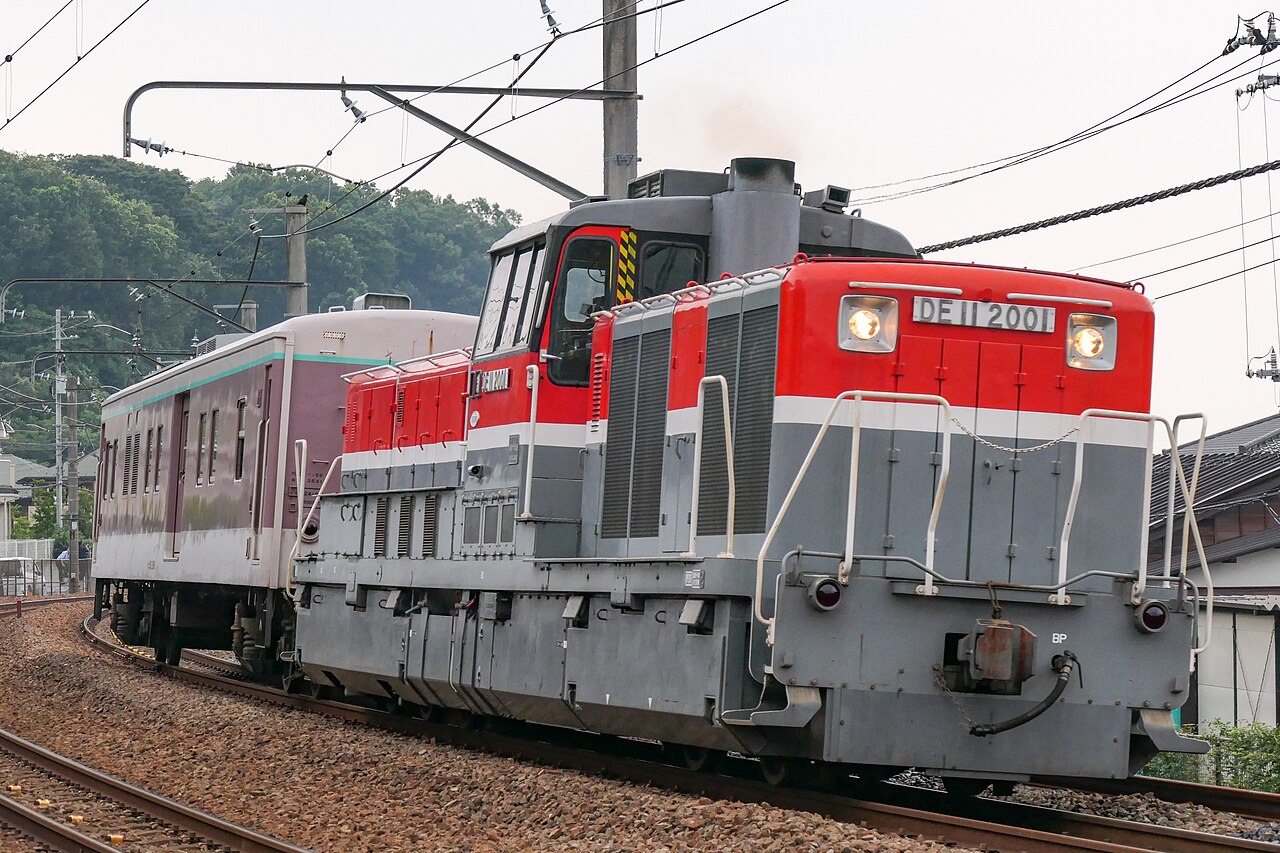
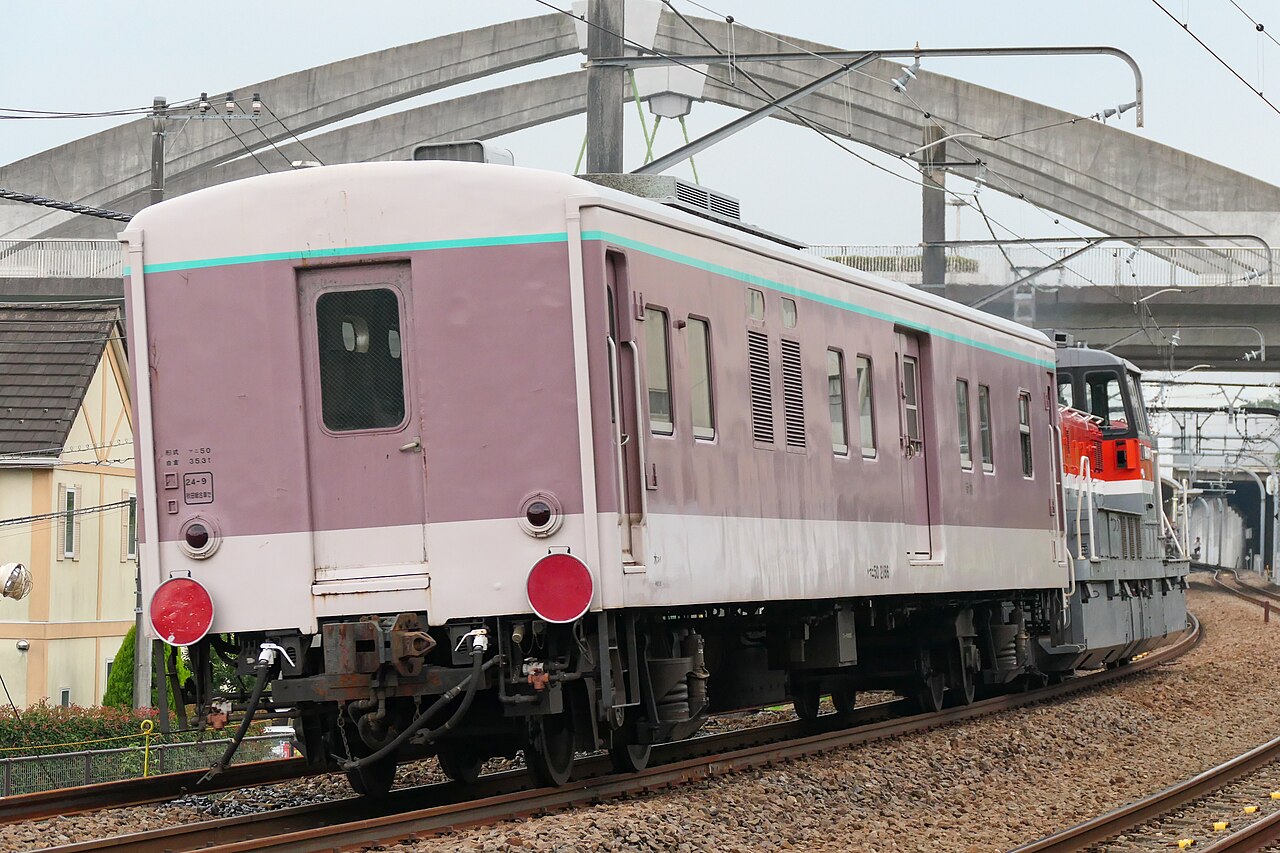
Following the 1 April 1987 division and privatisation of JNR, operations passed to JR East; Japan Freight Railway (JR Freight) became the second-type operator over the Nagatsuta–Hachiōji section, while freight operation on the Higashi-Kanagawa–Nagatsuta section was discontinued. Rapid (Kaisoku) service was introduced on 13 March 1988. To relieve congestion, from December 1994 the line's trains were formed into 8-car sets that included a six-door car (the second car from the Higashi-Kanagawa end), allowing faster boarding and alighting at peak times; the daytime Rapid frequency was also increased. Through service from the Sagami Line began on 16 March 1991 when that line was fully electrified — an effective revival of an earlier connection — and continued until it was ended in the 12 March 2022 timetable revision (the English-language source dates the end of Sagami Line through-operation to 11 March 2022).
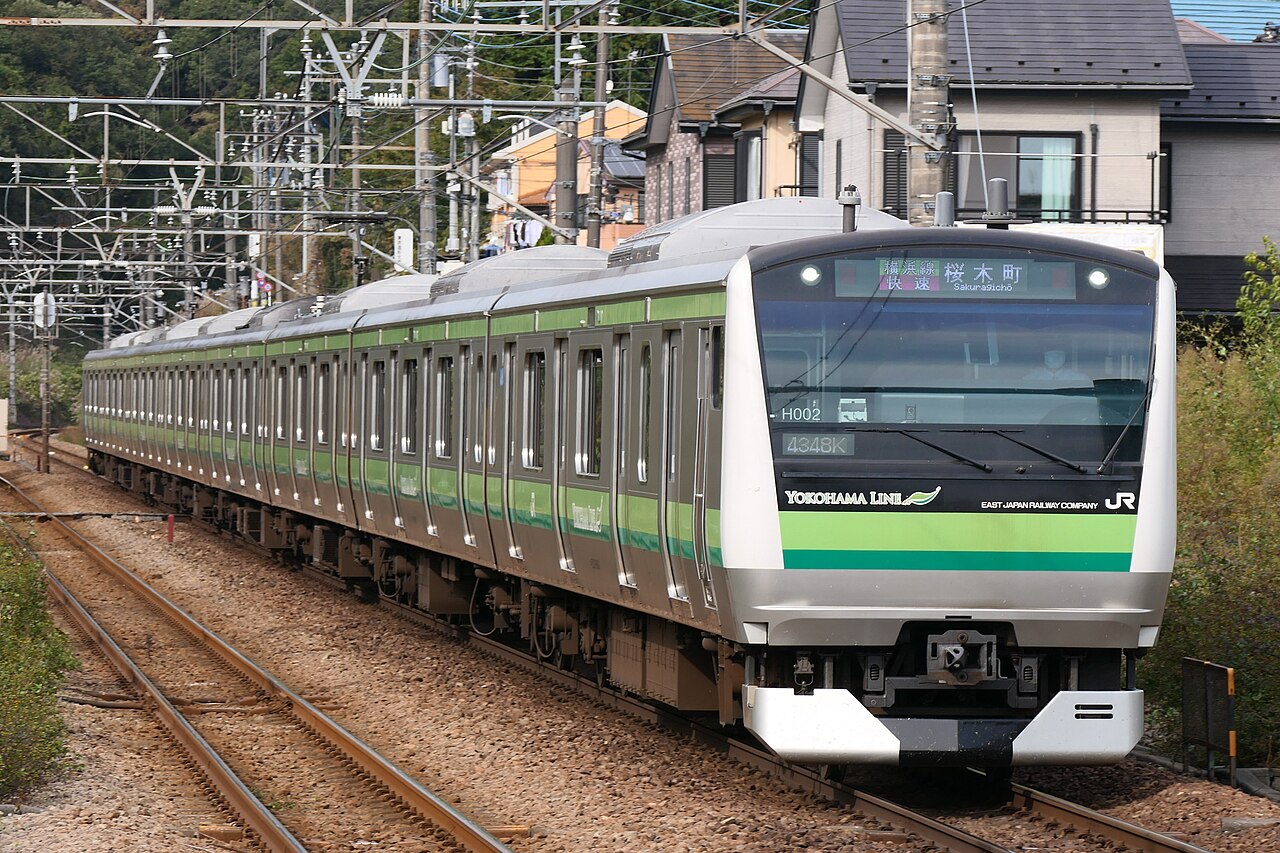
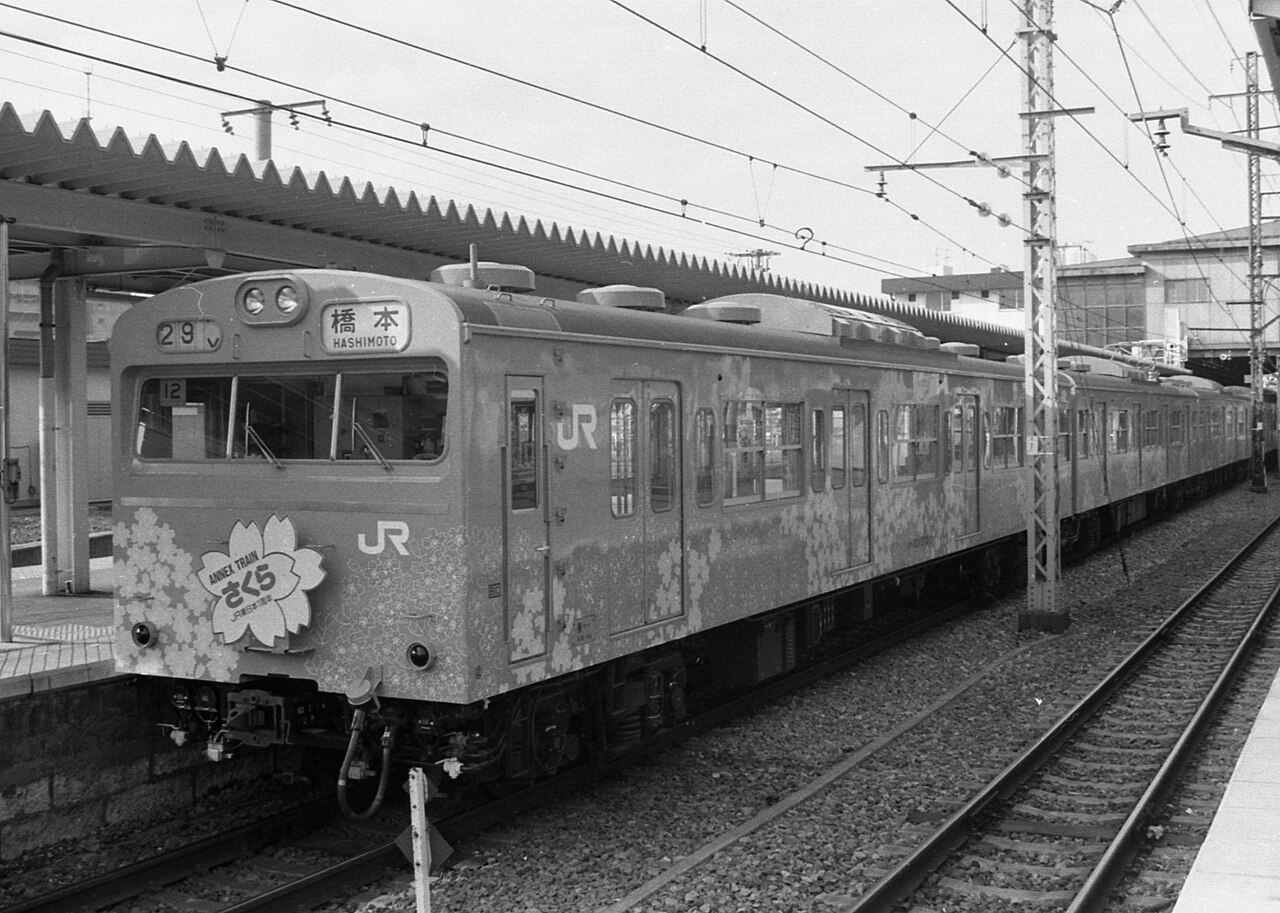
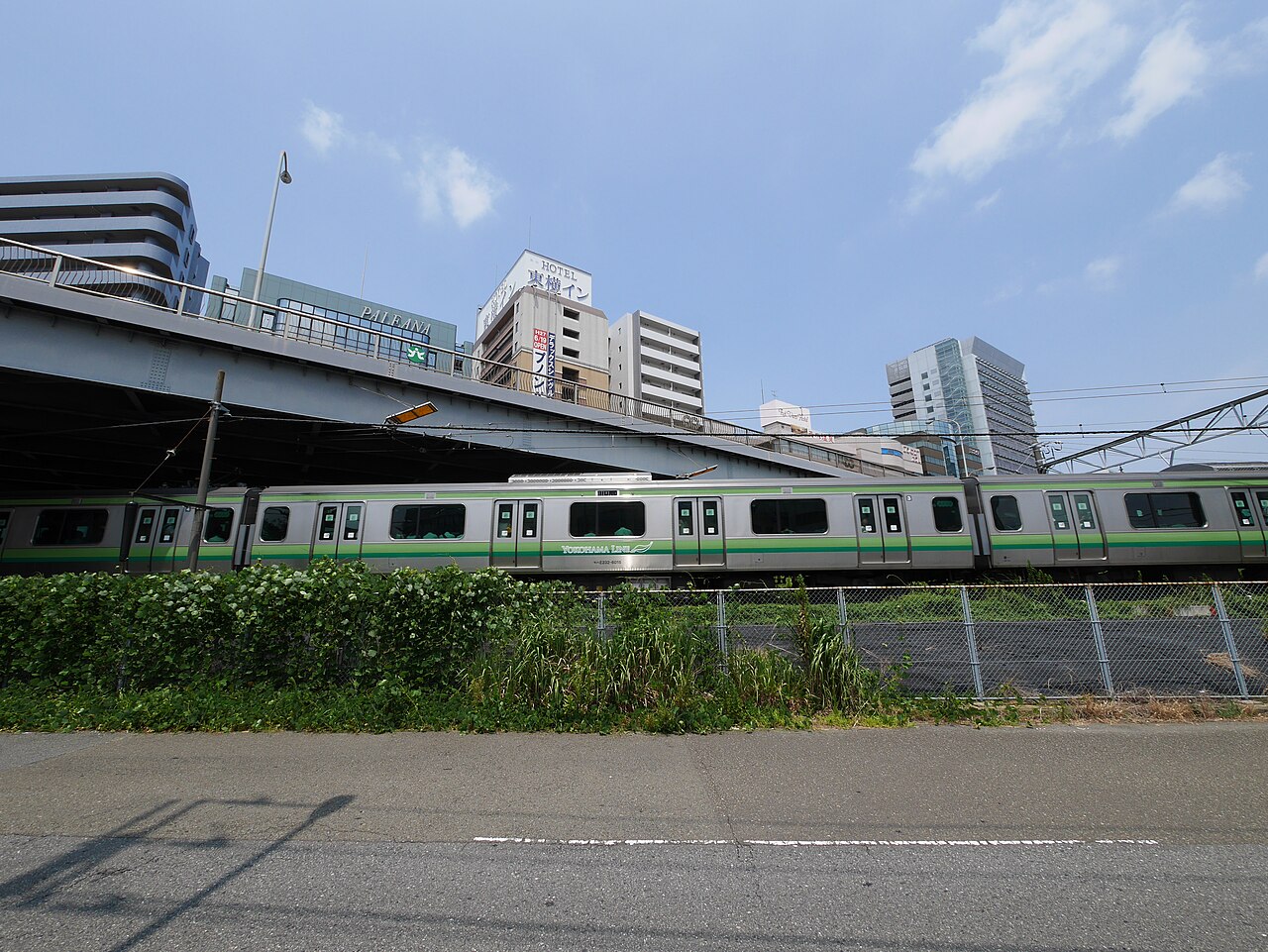
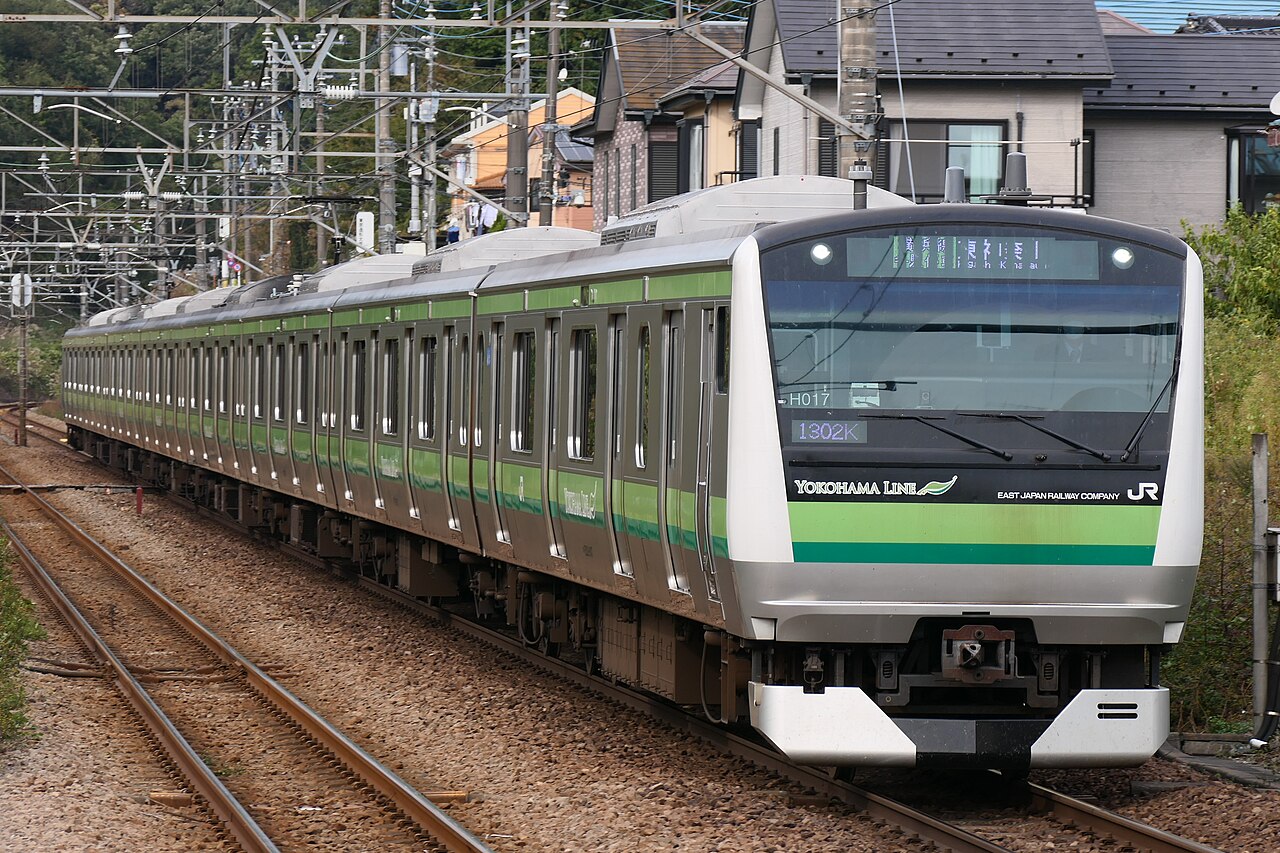
The rolling stock evolved across the line's history. The 72 series gave way to the 103 series, which operated from 2 October 1972 until it ended revenue service on 26 February 1989. The 205 series, introduced in 1988, ran its final Yokohama Line service on 23 August 2014. Since 16 February 2014, the line's local and rapid services have been operated by E233-6000 series 8-car EMUs. Station numbering was introduced on 20 August 2016, assigning the route numbers JH13 through JH32, increasing westbound toward Hachiōji. JR East groups the Yokohama Line, together with the parallel Nambu Line and the Musashino and Keiyō lines, as part of what it calls the "Tokyo Mega Loop" of orbital routes around Tokyo, a designation set out in its "Group Management Vision 2020," announced on 31 March 2008. Today only roughly half of the line's trains run through to Yokohama Station via the Keihin–Tōhoku Line, most of those terminating at Sakuragichō via the Negishi Line; Rapid trains run about every 20 minutes during the daytime.
Timeline
- 190823 September: the line opens between Higashi-Kanagawa and Hachiōji (26.4 miles, restated as 42.6 km after the 1930 metric conversion), built by the private Yokohama Railway to carry raw silk from Hachiōji and the Kōshin region to the Port of Yokohama.
- 19101 April: the Railway Agency leases the line (EN: leased to the government in 1910).
- 19171 October: the line is nationalised and becomes the government's Yokohama Line. (A standard-gauge conversion trial was run on the Haramachida–Hashimoto section earlier in 1917.)
- 1930Distance posting changes from miles to metric; the Higashi-Kanagawa–Hachiōji length is restated as 42.6 km.
- 19321 October: the Higashi-Kanagawa–Haramachida (now Machida) section is electrified and through service to Sakuragichō begins.
- 1941The Haramachida–Hachiōji section is electrified, completing electrification of the whole line; Sagamihara Station opens. (EN dates this 14 April 1941; JA dates it 5 April 1941.)
- 19491 June: Japan National Railways (JNR) is founded; the line becomes the JNR Yokohama Line.
- 19641 October: the Tōkaidō Shinkansen opens and Shin-Yokohama Station is created where it crosses the Yokohama Line, which becomes a Shinkansen feeder.
- 1968The Higashi-Kanagawa–Kozukue section is double-tracked (double-tracking proceeded in stages from 1967).
- 19722 October: the 103 series enters service on the line.
- 19871 April: JNR is privatised; operations pass to JR East, and JR Freight becomes the second-type operator over the Nagatsuta–Hachiōji section.
- 19886 March: the Aihara–Hachiōji section is double-tracked, completing full double-tracking of the line. 13 March: Rapid service begins. 22 September: the 205 series enters service.
- 198926 February: the 103 series ends revenue service on the line.
- 199116 March: through service from the Sagami Line begins after that line is fully electrified.
- 1994December: trains are formed into 8-car sets including a six-door car for faster peak boarding; daytime Rapid frequency is increased.
- 200831 March: JR East's 'Group Management Vision 2020' designates the Yokohama Line part of the 'Tokyo Mega Loop' of orbital routes around Tokyo.
- 201416 February: E233-6000 series 8-car EMUs enter revenue service. 23 August: the 205 series runs its final service on the line.
- 201620 August: station numbering is introduced, assigning JH13 to JH32, increasing westbound toward Hachiōji.
- 2022Through service with the Sagami Line (Hashimoto–Hachiōji) ends in the 12 March timetable revision (EN: ended 11 March 2022).
Sources
Facts last verified 3 June 2026.
Gallery 5 photos
Every photo for this page — tap any image to view it full-size. All from Wikimedia Commons (credit under each).