History
The line did not begin as a national project. It opened on 21 August 1926 as the "Sapporo Line" of the privately owned Hokkaido Railway (the second company of that name), running 62.6 km between Numanohata and Naebo. Its purpose was to provide a short cut between Tomakomai and Sapporo: the existing Muroran Main Line, built by the Hokkaido Colliery and Railway company, had been routed inland toward the Ishikari coal field at Oiwake and Iwamizawa to prioritise coal traffic, leaving no direct Tomakomai–Sapporo link. At opening the Numanohata–Naebo section saw five round trips a day, mostly mixed passenger-and-freight trains. Through running was progressively extended over the connecting JNR lines — passenger trains began working onto the Muroran Main Line between Tomakomai and Numanohata on 1 October 1934, and onto the Hakodate Main Line between Naebo and Sapporo on 26 October 1940 — knitting the private line into a continuous Tomakomai–Sapporo service. From 1 December 1935 the company introduced 501-type gasoline railcars (later JNR class 40350) between Naebo and Tomakomai, an early step in eliminating steam from Hokkaido passenger services.
During the Pacific War the line was nationalised. On 1 August 1943 the Hokkaido Railway was bought out by the Ministry of Railways and the Numanohata–Naebo section was renamed the Chitose Line — the name it still carries — its strategic value heightened by the Chitose naval air base along the route. Although the Hakodate Main Line via Otaru and Kutchan (the mountainous "yama-sen") long remained the principal Sapporo–Hakodate trunk, the flatter coastal route through the Chitose Line was steadily improved for capacity. Limited express services followed: the Ōzora began on 1 October 1961 with the Sanrokutō timetable revision, and from then on most principal trains were routed via the Chitose Line, establishing it as the main artery toward both southern and eastern Hokkaido.
The corridor was then rebuilt for heavier traffic. Double-tracking began with the Chitose–Eniwa section on 22 September 1965 and was carried out section by section — Eniwa–Kitahiroshima, Bibi–Chitose, Uenae–Bibi and Numanohata–Uenae — through to 25 September 1969. The final stage came on 9 September 1973, when, in step with the Shin-Sapporo sub-centre development plan, the poorly aligned and operationally constricted Kitahiroshima–Naebo segment was re-laid; the new alignment completed double-tracking of the whole line and shifted the northern end onto the present Shiroishi routing, the old Kitahiroshima–Higashi-Sapporo–Naebo line being abolished the following day. On 1 October 1980 the entire line was electrified at AC 20,000 V 50 Hz with overhead catenary, and Chitose Airport Station (today's Minami-Chitose) opened, supporting more frequent commuter trains and access from central Sapporo to the Chitose airfield.
Two further changes shaped the modern line. On 1 October 1981 the Sekishō Line opened, connecting at the renamed Minami-Chitose to give a short cut toward Shintoku, Obihiro and Kushiro, so that Ōzora and later Tokachi services to eastern Hokkaido ran through the Chitose Line. After regular limited express and express trains were withdrawn from the Hakodate "yama-sen" between Oshamambe and Otaru on 1 November 1986, the Chitose Line became the sole trunk route linking Sapporo with Hakodate, carrying Hokuto limited expresses, sleeper expresses and high-speed freight. On 1 April 1987, with the privatisation of Japanese National Railways, the line passed to JR Hokkaido. On 1 July 1992 the single-track airport branch opened, running underground into the New Chitose Airport terminal building, which came into use the same day (the airport itself had opened on 20 July 1988).
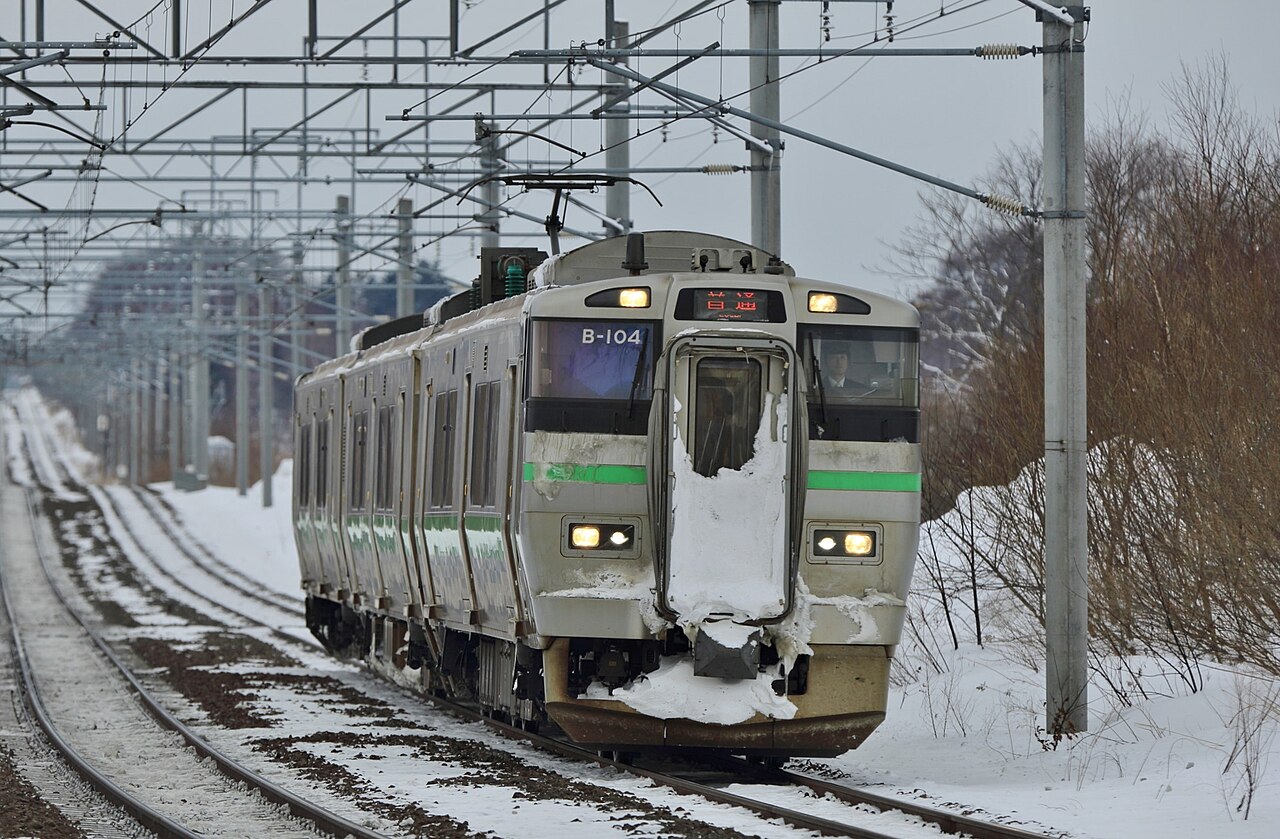
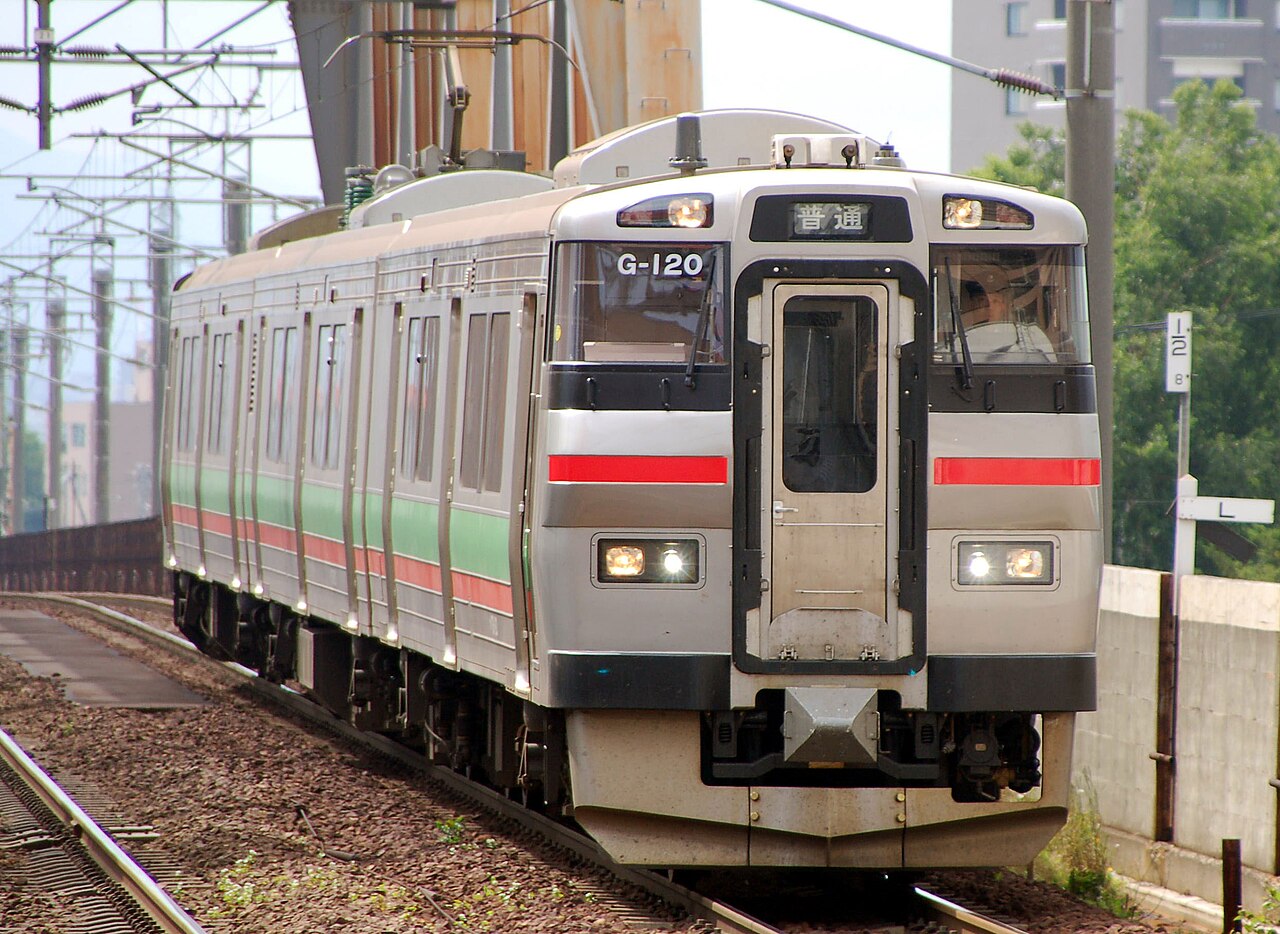
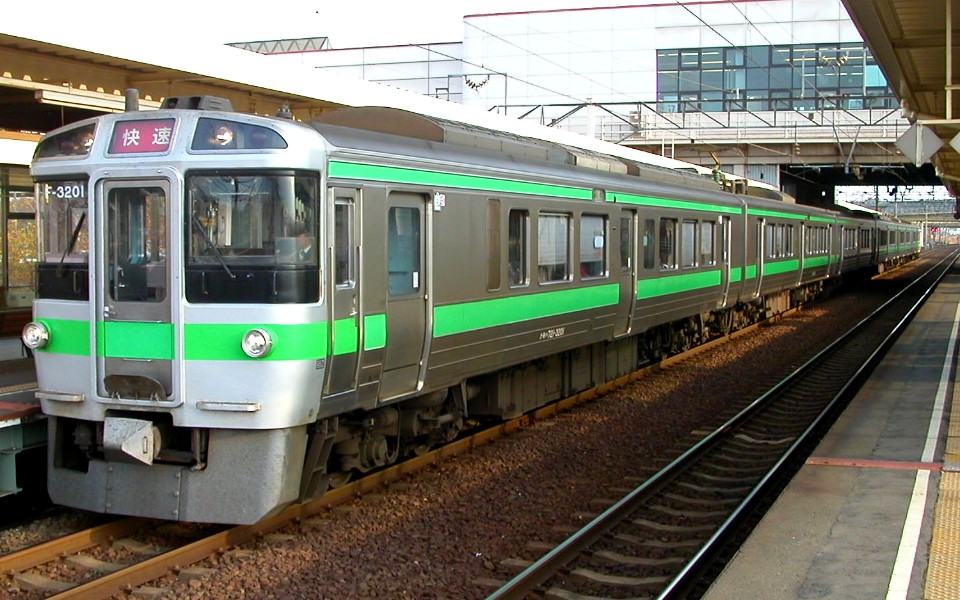
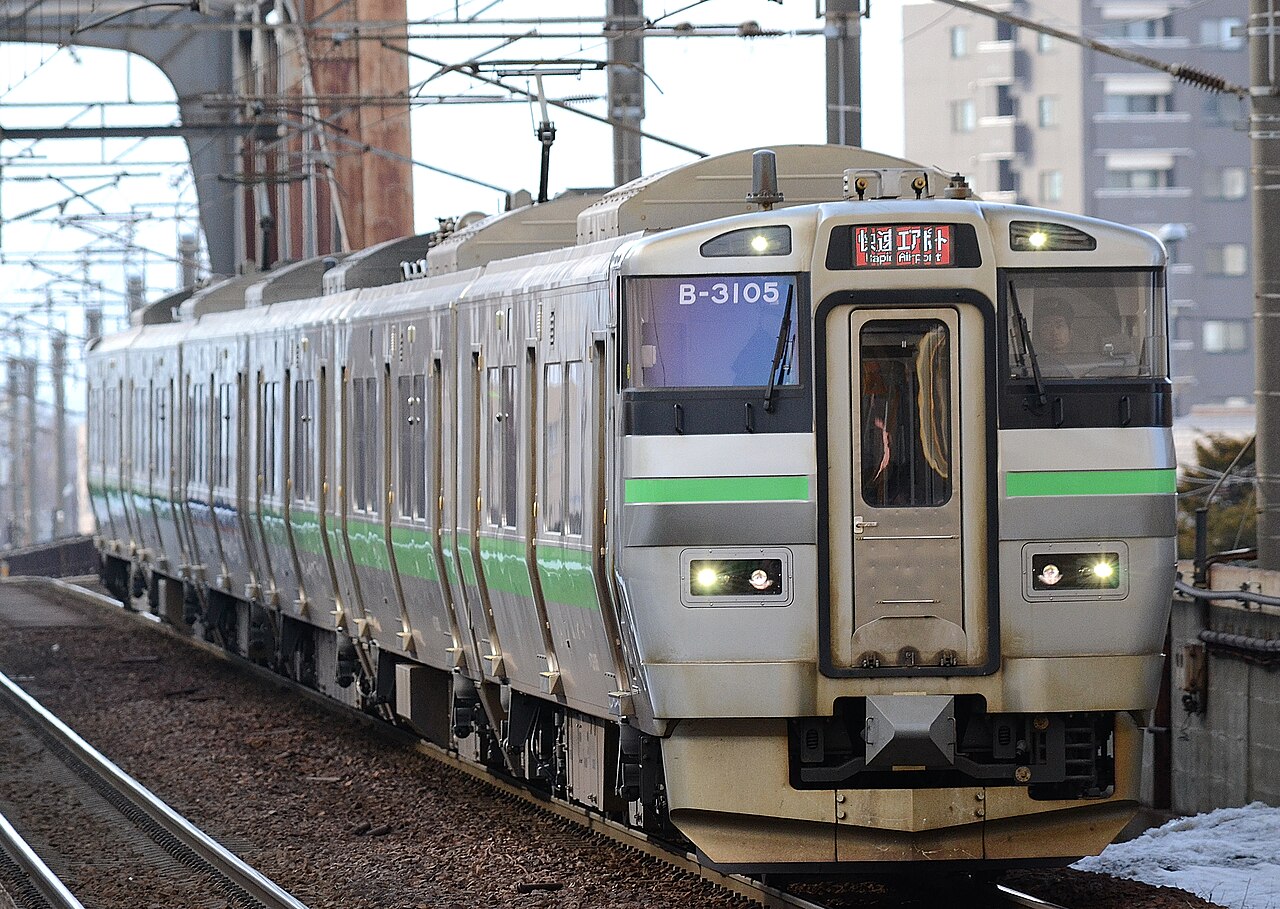
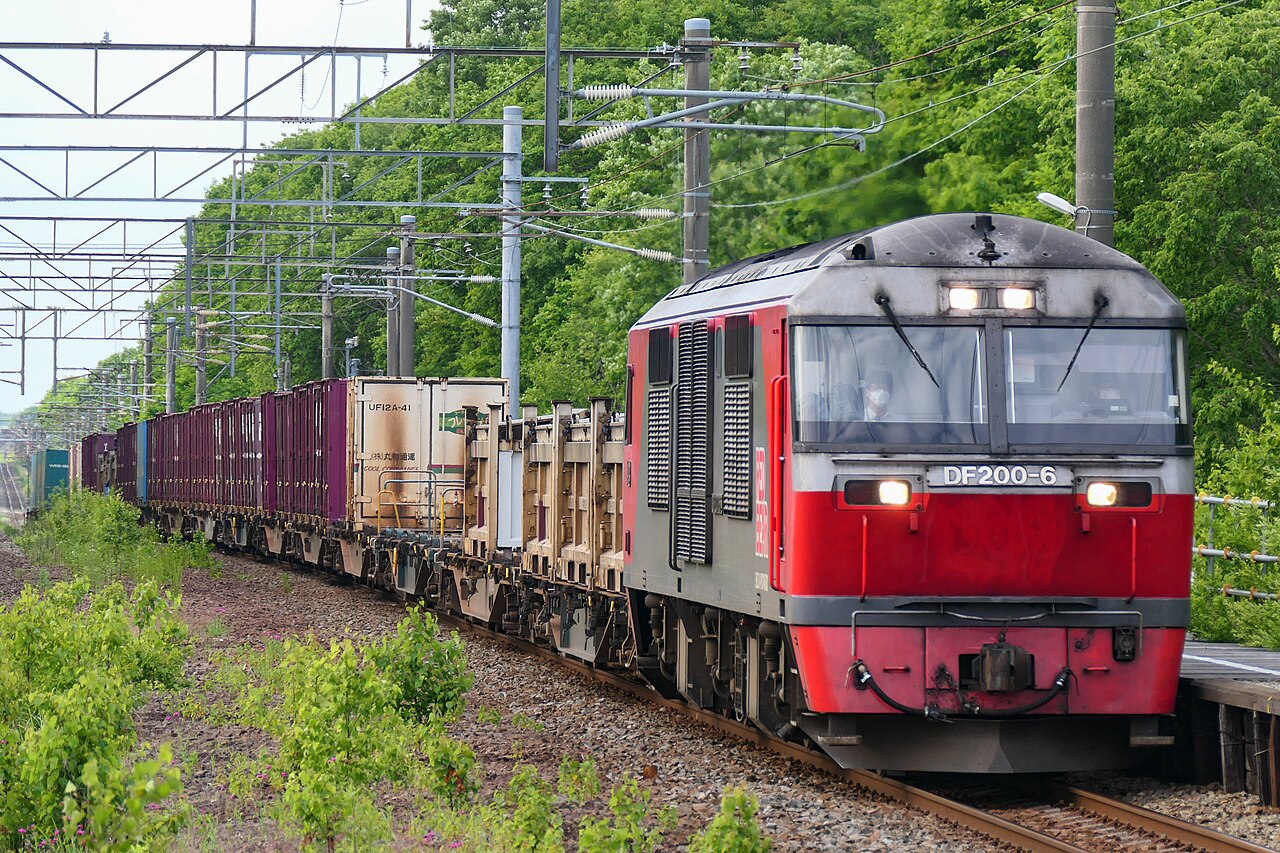
Today the Chitose Line is one of the busiest corridors in Hokkaido and, per the Japanese-language source, is the only JR Hokkaido line lying wholly within Hokkaido to be entirely double-tracked (excluding the branch). It serves a triple role: a trunk route from Sapporo toward southern and eastern Hokkaido carrying Hokuto, Suzuran, Ōzora and Tokachi limited expresses; a Sapporo-area commuter line with roughly three to four local trains an hour through the most urbanised part of Hokkaido; and the airport rail link, served by Rapid Airport and Special Rapid Airport trains, with a Semi-Rapid Airport service added on 16 March 2024. JR Freight operates over the Numanohata–Shiroishi section as a Type-2 operator, making the line part of the freight route between the Sapporo metropolitan area and the rest of Japan. The line is electrified throughout at AC 20 kV 50 Hz, is built to 1,067 mm narrow gauge, and has a maximum line speed of 120 km/h on the main line and 95 km/h on the airport branch. Bibi Station, between Uenae and Chitose, closed on 4 March 2017 and now serves as a signal base.
Timeline
- 192621 August: opens as the "Sapporo Line" of the private Hokkaido Railway (2nd), Numanohata–Naebo, 62.6 km.
- 19341 October: passenger trains begin through running onto the Muroran Main Line between Tomakomai and Numanohata.
- 19351 December: 501-type gasoline railcars (JNR class 40350) introduced Naebo–Tomakomai, an early step in de-steaming Hokkaido passenger services.
- 194026 October: passenger trains begin through running onto the Hakodate Main Line between Naebo and Sapporo.
- 19431 August: the Hokkaido Railway is nationalised; the Numanohata–Naebo section is renamed the Chitose Line.
- 19611 October: limited express Ōzora begins with the Sanrokutō timetable revision; principal trains increasingly routed via the Chitose Line.
- 196522 September: the Chitose–Eniwa section is double-tracked, the first stage of line-wide duplication.
- 1969Double-tracking extended section by section (Eniwa–Kitahiroshima, Bibi–Chitose, Uenae–Bibi, Numanohata–Uenae) through 25 September.
- 19739 September: the Kitahiroshima–Naebo segment is re-aligned for the Shin-Sapporo sub-centre plan, completing line-wide double-tracking; the old route is abolished the next day.
- 19801 October: the whole line is electrified at AC 20,000 V 50 Hz; Chitose Airport Station (now Minami-Chitose) opens.
- 19811 October: the Sekishō Line opens, connecting at Minami-Chitose and routing eastern-Hokkaido limited expresses via the Chitose Line.
- 19861 November: regular limited express/express trains withdrawn from the Hakodate yama-sen, making the Chitose Line the sole Sapporo–Hakodate trunk route.
- 19871 April: JNR is privatised; the line transfers to JR Hokkaido.
- 19921 July: the single-track airport branch to New Chitose Airport opens, running underground into the terminal (airport opened 20 July 1988).
- 20174 March: Bibi Station closes and becomes a signal base.
- 202416 March: a new Semi-Rapid Airport service between Sapporo and New Chitose Airport is introduced.
Sources
Facts last verified 3 June 2026.
Gallery 6 photos
Every photo for this page — tap any image to view it full-size. All from Wikimedia Commons (credit under each).