History
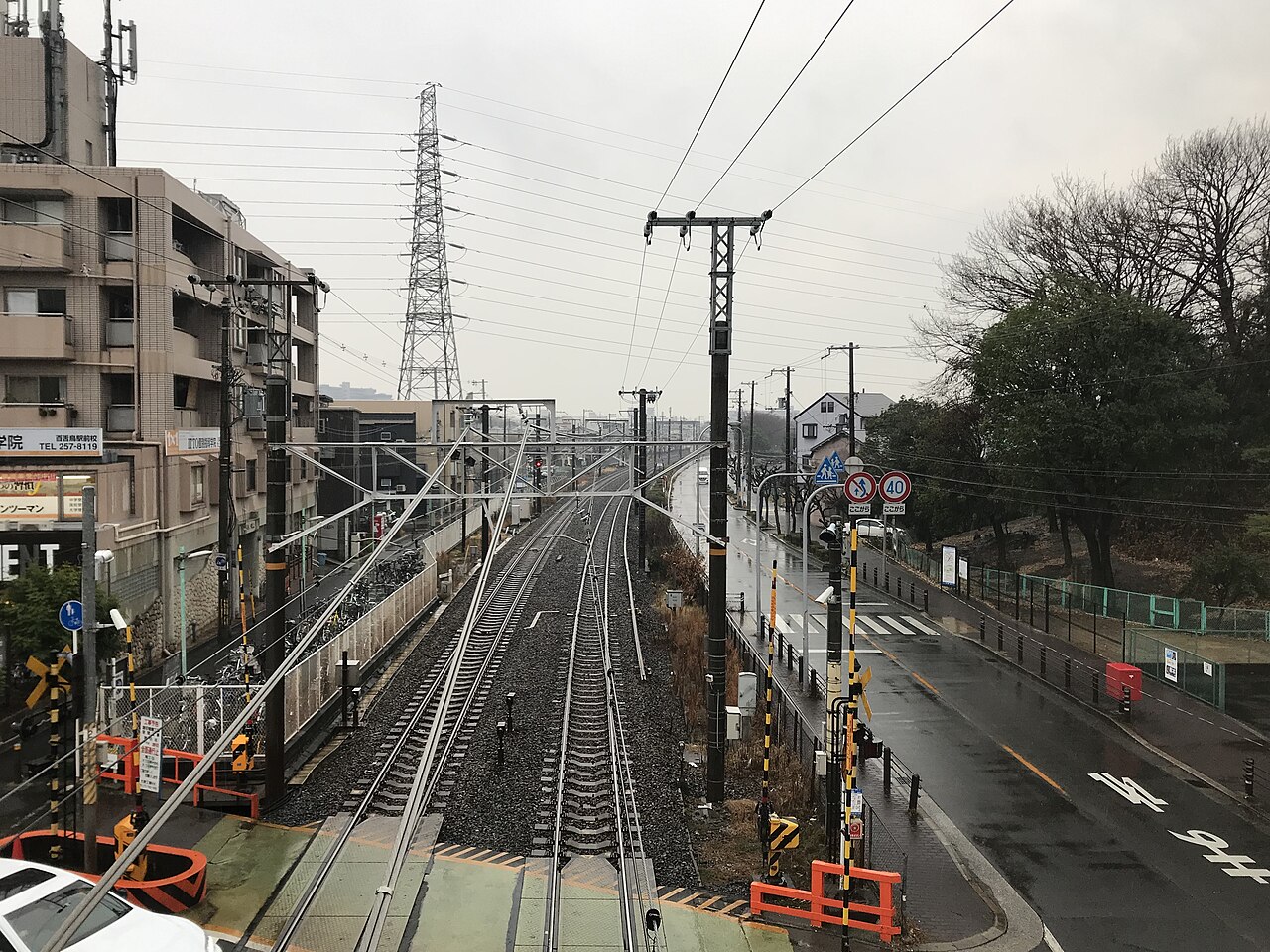
The line was not built by a national railway but by a private company, the Hanwa Electric Railway, which was backed by investors including the Keihan Electric Railway and Osaka Shōsen. Its express purpose was to break into the Osaka–Wakayama passenger traffic that had been monopolised by the Nankai Railway's Nankai Main Line, and the two companies waged a fierce battle for riders in the line's early years. The first section opened on 18 July 1929, when the Hanwa Electric Railway began service between Hanwa-Tennōji (today's Tennōji) and Izumi-Fuchū — a distance the source records as 13.0 miles, roughly 20.92 km — together with the short branch from Ōtori to Hanwa-Hamadera (today's Higashi-Hagoromo), about 1.61 km. From the outset the entire line was double-tracked and electrified. The branch was built largely to carry passengers to the seaside bathing resort at Hamadera. On 16 June 1930 the company extended the line from Izumi-Fuchū to Hanwa-Higashi-Wakayama (today's Wakayama), a further 40.3 km also built double-track and electrified, completing the through route. In its private-railway heyday the company ran a "super-express" (chō-tokkyū) service, introduced on 20 December 1933 between Hanwa-Tennōji and Hanwa-Higashi-Wakayama.
The line's corporate ownership changed twice during the war years. On 1 December 1940 the Hanwa Electric Railway was absorbed into the Nankai Railway and became that company's Yamanote Line. Then on 1 May 1944 the route was nationalised under wartime measures, transferred to the state railway (then administered by the Ministry of Transport and Communications), and renamed the Hanwa Line. Shortly after nationalisation, on 1 August 1944, the Ōtori–Higashi-Hagoromo branch was reduced to single track, which it remains. (A collision at Yamanaka-dani Station on 27 June 1944 killed four people.) The line's gauge is the 1,067 mm narrow gauge standard of the Japanese conventional network, and it is electrified throughout at 1,500 V DC.
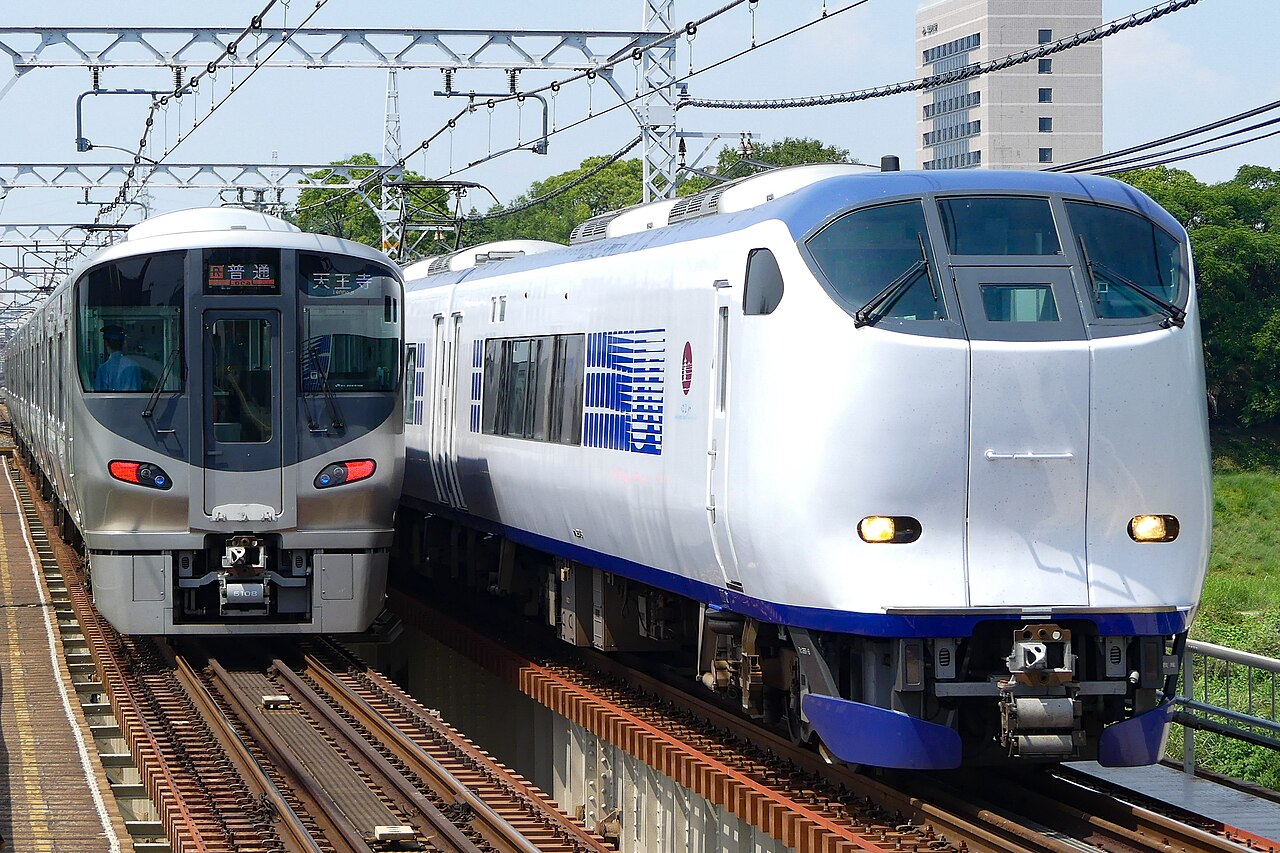
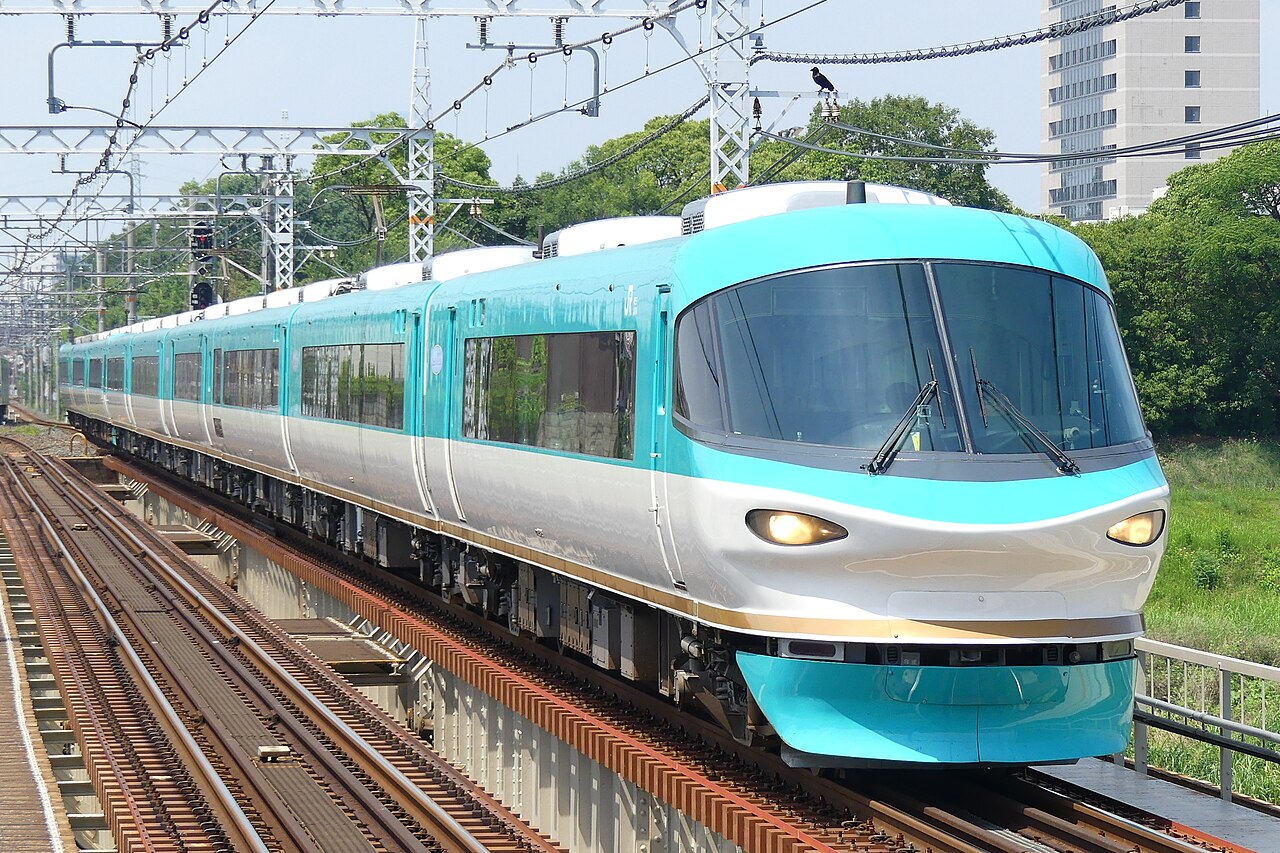
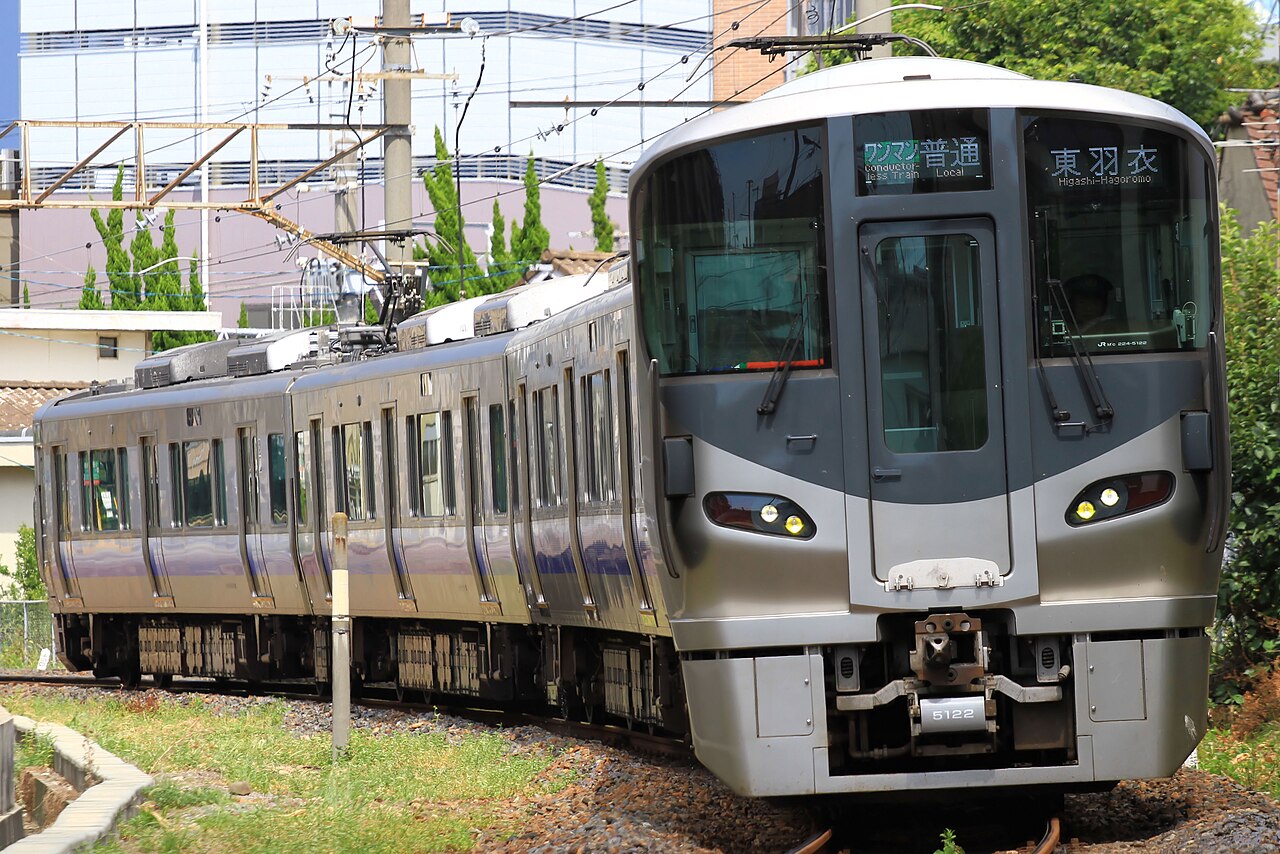
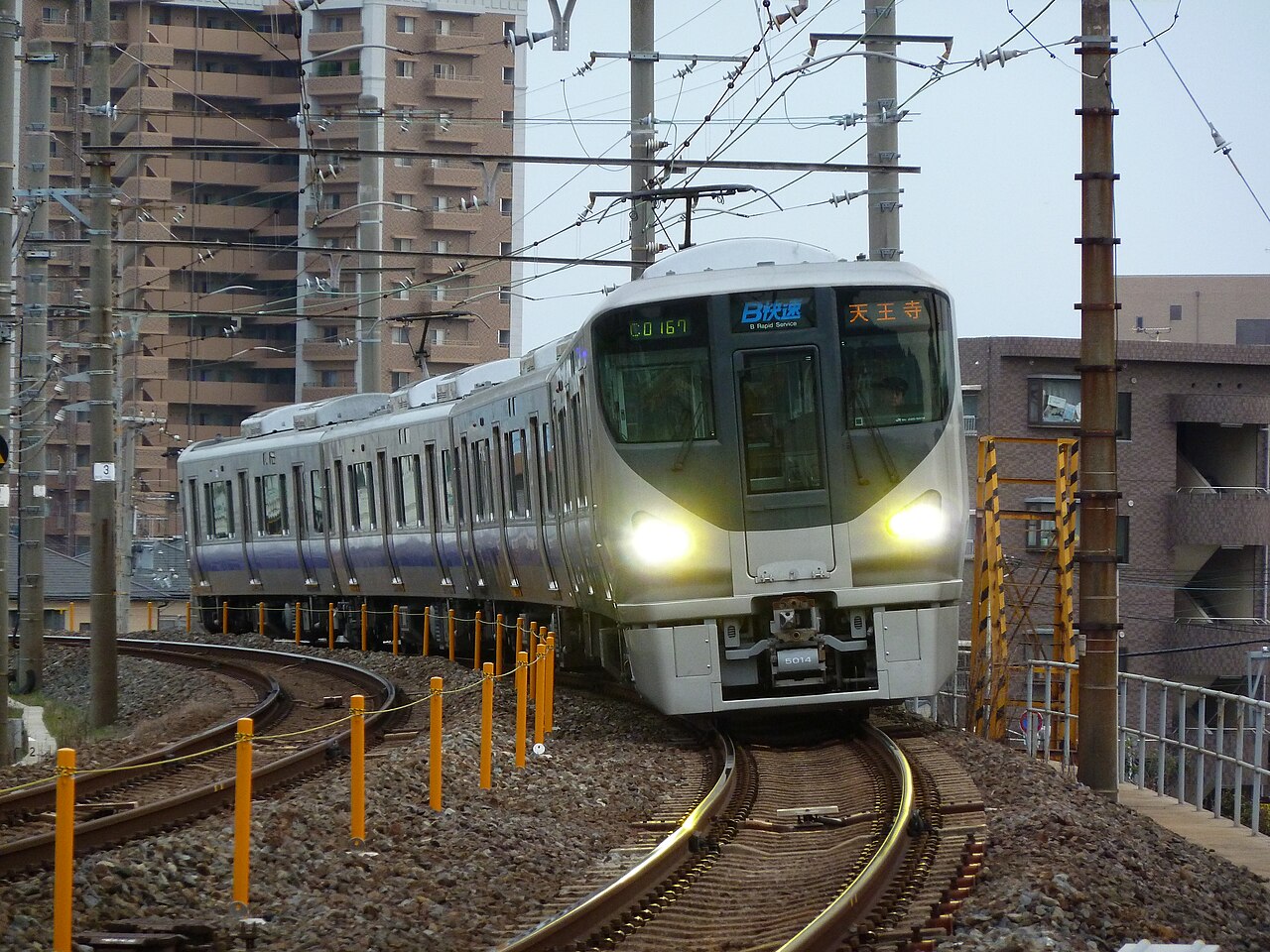
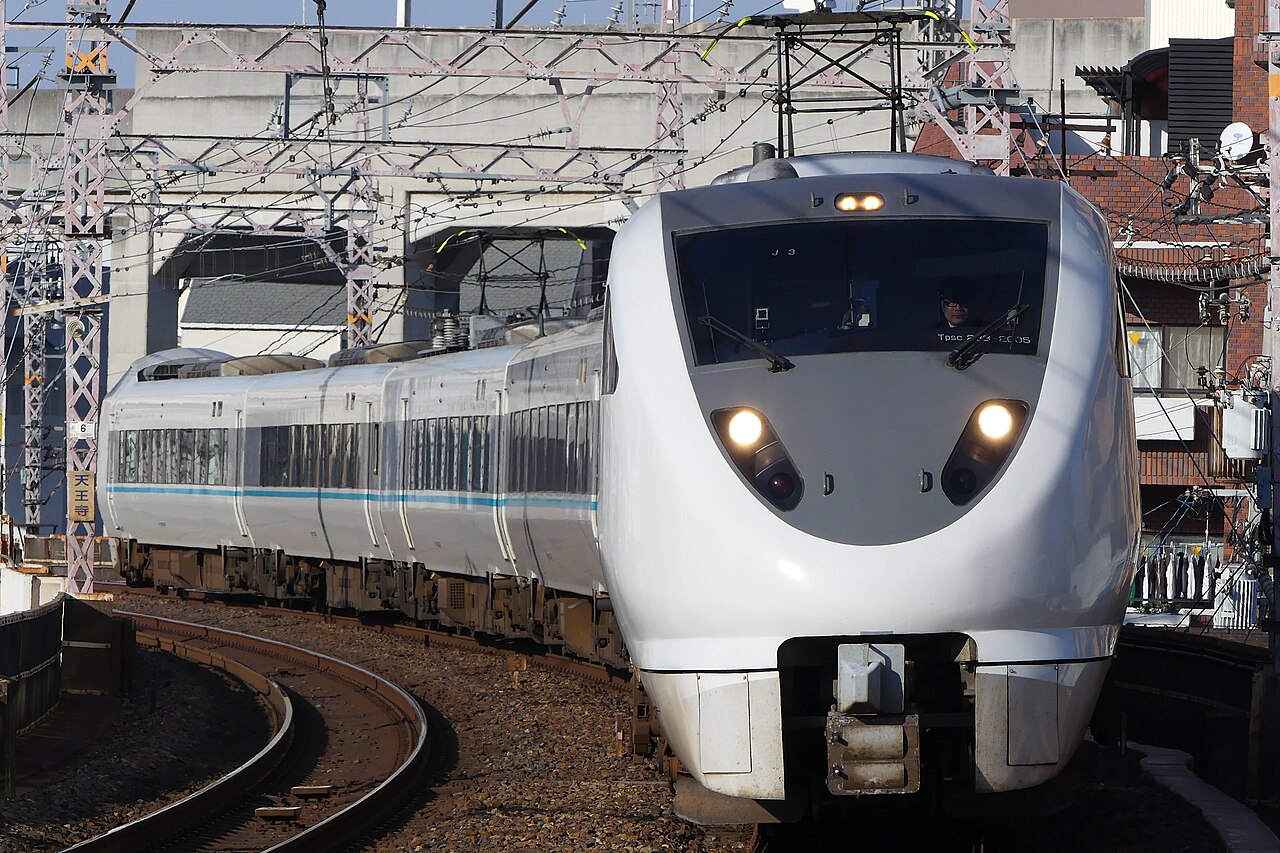
With the breakup and privatisation of Japanese National Railways on 1 April 1987, the Hanwa Line passed to JR West; Japan Freight Railway took up second-class operating rights over the Sugimotochō–Wakayama section. As JR West developed the route into a commuter artery, it also gained a major new role with the opening of Kansai International Airport. The Kansai Airport Line, which branches from the Hanwa Line at Hineno Station, opened on 15 June 1994, and a 223 series rapid service between Tennōji and Kansai Airport began the same day. When the airport itself opened on 4 September 1994, the Haruka limited express and the Kansai Airport Rapid service entered operation and Hineno became a rapid-service stop; the Hanwa Line thereby became one of the principal rail links to the airport, alongside the Nankai Main Line. Through services also developed northward: from 22 July 1989 the Kuroshio limited express began running through to Shin-Osaka and Kyoto via the Osaka Loop Line, and Kansai Airport / Kishūji Rapid services now reach Osaka Station via the loop. The Kuroshio continues beyond Wakayama onto the connecting Kisei Main Line toward the Nanki region.
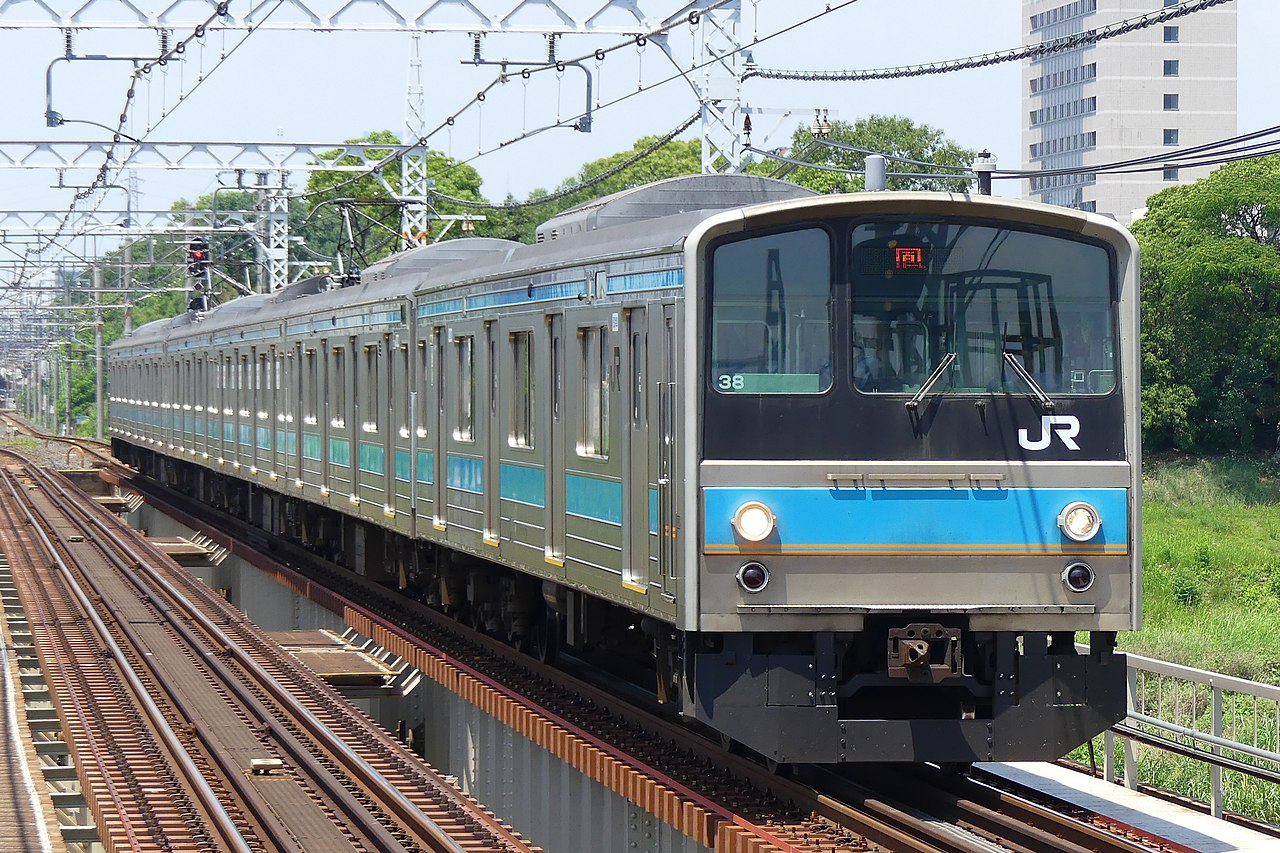
The route continued to be upgraded under JR West. On 16 March 1996 the maximum speed on the section south of Ōtori was raised to 120 km/h, and the fastest train came to cover the Osaka–Wakayama run in 39 minutes at a scheduled average speed of 94.3 km/h, finally bettering the timing of the prewar super-express. Station numbering (running from the Osaka Loop Line's sequence) was introduced on 17 March 2018, the same revision on which the last Shin-Osaka-bound rapids were withdrawn; by the timetable change of 13 March 2020 the older 113 series sets had been retired from the Hineno–Wakayama section, leaving the line worked entirely by post-privatisation rolling stock. According to a 2021 guide cited by the Japanese source, the Tennōji–Wakayama section carries a daily average of 107,079 passengers, more than the parallel Nankai Main Line's 102,701 over the comparable section.
Timeline
- 192918 July: the Hanwa Electric Railway opens Hanwa-Tennōji (now Tennōji) – Izumi-Fuchū (13.0 mi ≈ 20.92 km) plus the Ōtori – Hanwa-Hamadera (now Higashi-Hagoromo) branch (≈1.61 km); double-track and electrified from the start.
- 193016 June: the line is extended from Izumi-Fuchū to Hanwa-Higashi-Wakayama (now Wakayama), a further 40.3 km, double-track electrified, completing the through route.
- 193320 December: a "super-express" (chō-tokkyū) service begins between Hanwa-Tennōji and Hanwa-Higashi-Wakayama.
- 19401 December: the Hanwa Electric Railway is absorbed into the Nankai Railway and the line becomes Nankai's Yamanote Line.
- 19441 May: the line is nationalised under wartime measures and renamed the Hanwa Line. 1 August: the Ōtori–Higashi-Hagoromo branch is reduced to single track.
- 19871 April: JNR is privatised; the Hanwa Line passes to JR West, with JR Freight as second-class operator on the Sugimotochō–Wakayama section.
- 198922 July: a connecting track at Tennōji opens; the Kuroshio limited express begins through service to Shin-Osaka and Kyoto via the Osaka Loop Line, and the Super Kuroshio is launched.
- 199415 June: the Kansai Airport Line opens at Hineno; a 223 series Tennōji–Kansai Airport rapid begins. 4 September: with Kansai International Airport's opening, the Haruka limited express and Kansai Airport Rapid begin and Hineno becomes a rapid stop, making the Hanwa Line a main airport rail link.
- 199616 March: the maximum speed south of Ōtori is raised to 120 km/h; the fastest train covers Osaka–Wakayama in 39 minutes (scheduled average 94.3 km/h), bettering the prewar super-express.
- 201817 March: station numbering (JR-R20 to JR-R54) is introduced and the last Shin-Osaka-bound rapids are withdrawn.
- 202013 March: the remaining 113 series sets are retired from the Hineno–Wakayama section; the line is worked entirely by post-privatisation stock.
Sources
Facts last verified 3 June 2026.
Gallery 6 photos
Every photo for this page — tap any image to view it full-size. All from Wikimedia Commons (credit under each).