History
The northern half of the line was built by the private Kyushu Railway. Kyushu's first railway, between Hakata and a temporary Chitosegawa station on the north bank of the Chikugo River, opened in 1889; the English-language account records that the Kyushu Railway opened the 197 km Mojiko–Hakata–Kumamoto section between 1889 and 1891, extended the line south to Yatsushiro by 1896, and that the company was nationalised in 1907. The Japanese account gives a specific opening date of 11 December 1889 for the first Hakata–Chitosegawa segment and dates the nationalisation to 1 July 1907.
The southern half has a more complicated origin. The line at the southern end from Kagoshima toward Hayato (now part of the Nippo Main Line) opened from 1901 as part of the Hisatsu Line, and a route to Yatsushiro by way of Hitoyoshi was completed in 1909, providing the original inland connection between Kagoshima and Yatsushiro. A newer coastal route was then built: the Japanese account records the Kawauchi (Sendai) line opening in stages from 1913, and on 17 October 1927 the Yatsushiro–Sendai–Kagoshima coastal route was incorporated into the Kagoshima Main Line, at which point the former inland Yatsushiro–Hitoyoshi–Kagoshima route became the Hisatsu Line. The English account similarly states that the Sendai to Yatsushiro section opened between 1922 and 1927, when this route replaced the Hisatsu Line as the southern part of the Kagoshima Main Line.
The line was progressively double-tracked over many decades. The Moji to Kokura section was double-tracked in 1897; a new 14 km Kokura–Kurosaki alignment to the west of the original line opened in 1908 and was completed to Hakata by 1913. The line was double-tracked south of Hakata to Tosu between 1917 and 1921, reaching Hizen-Asahi in 1934 and Kurume in 1942. Double-tracking then advanced to Araki in 1961, to Kumamoto in 1968 and Yatsushiro in 1970, while in the south the line was double-tracked from Kagoshima to Higashi-Ichiki between 1969 and 1980. Electrification followed in parallel: the Japanese account records the Mojiko–Kurume section electrified on 1 June 1961, with electrification of the whole line completed on 1 September 1970. An early curiosity of the northern route was the original Kokura–Kurosaki alignment, which the army had insisted run inland away from the coast for fear of naval bombardment; after Japan's victory in the 1904 Russo-Japanese War that concern faded, the section was rebuilt on an easier western alignment in 1908, and the original 11 km section became the Okura Line, which operated until it closed in 1911.
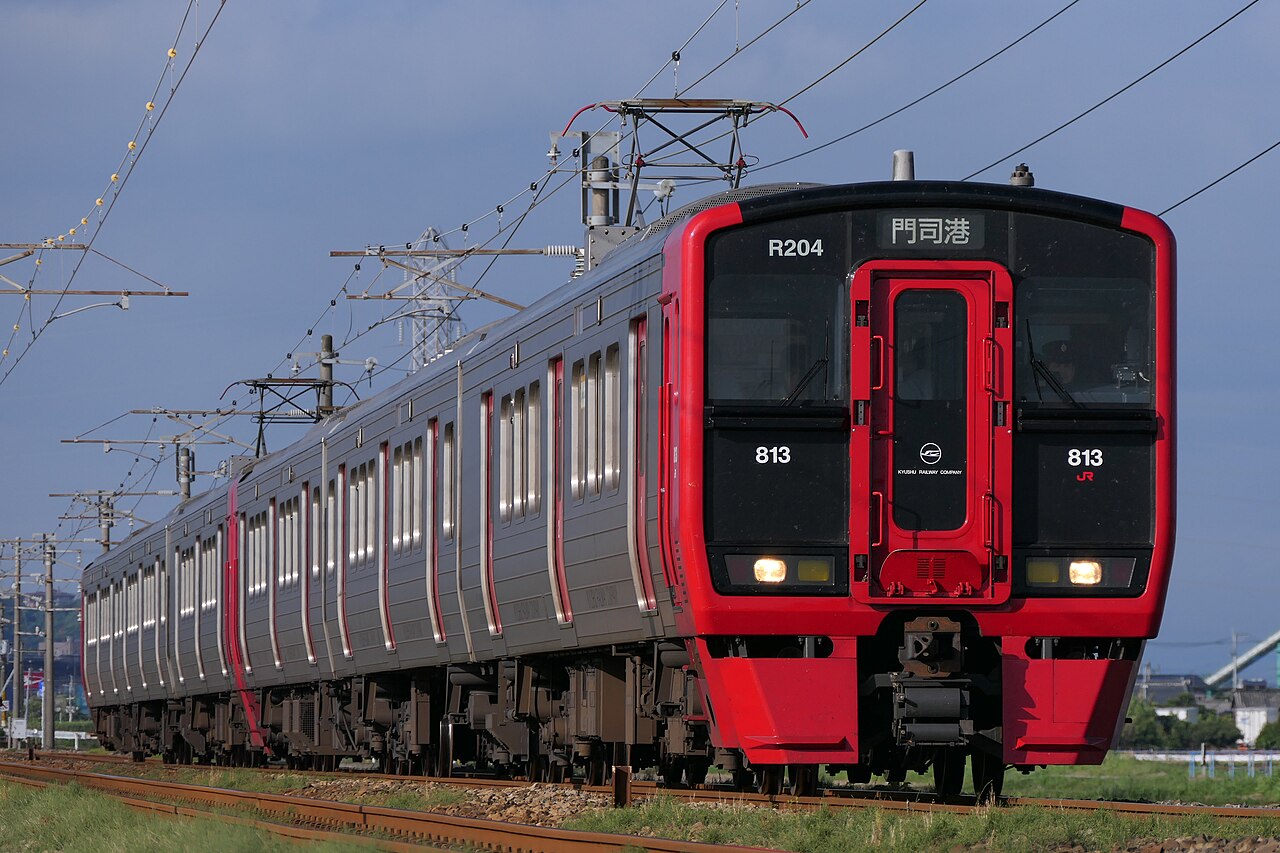
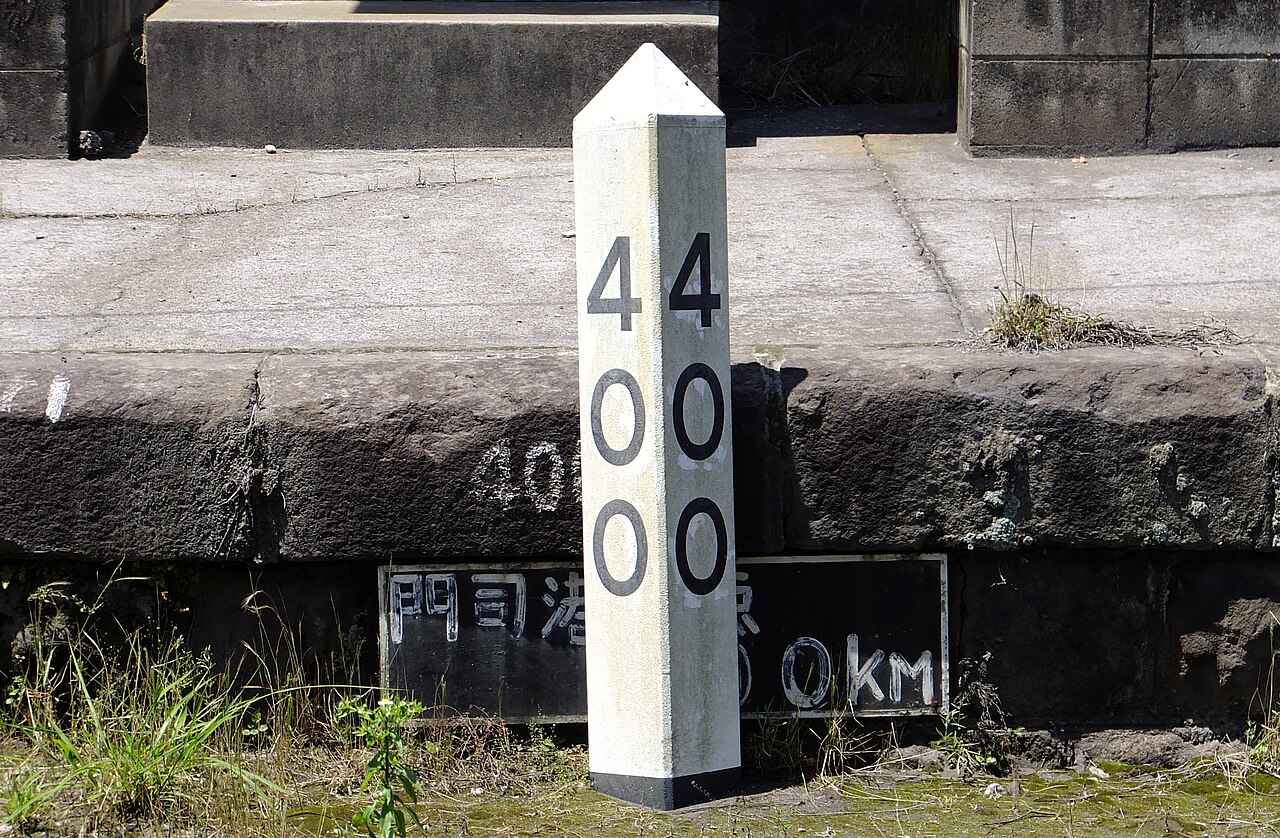
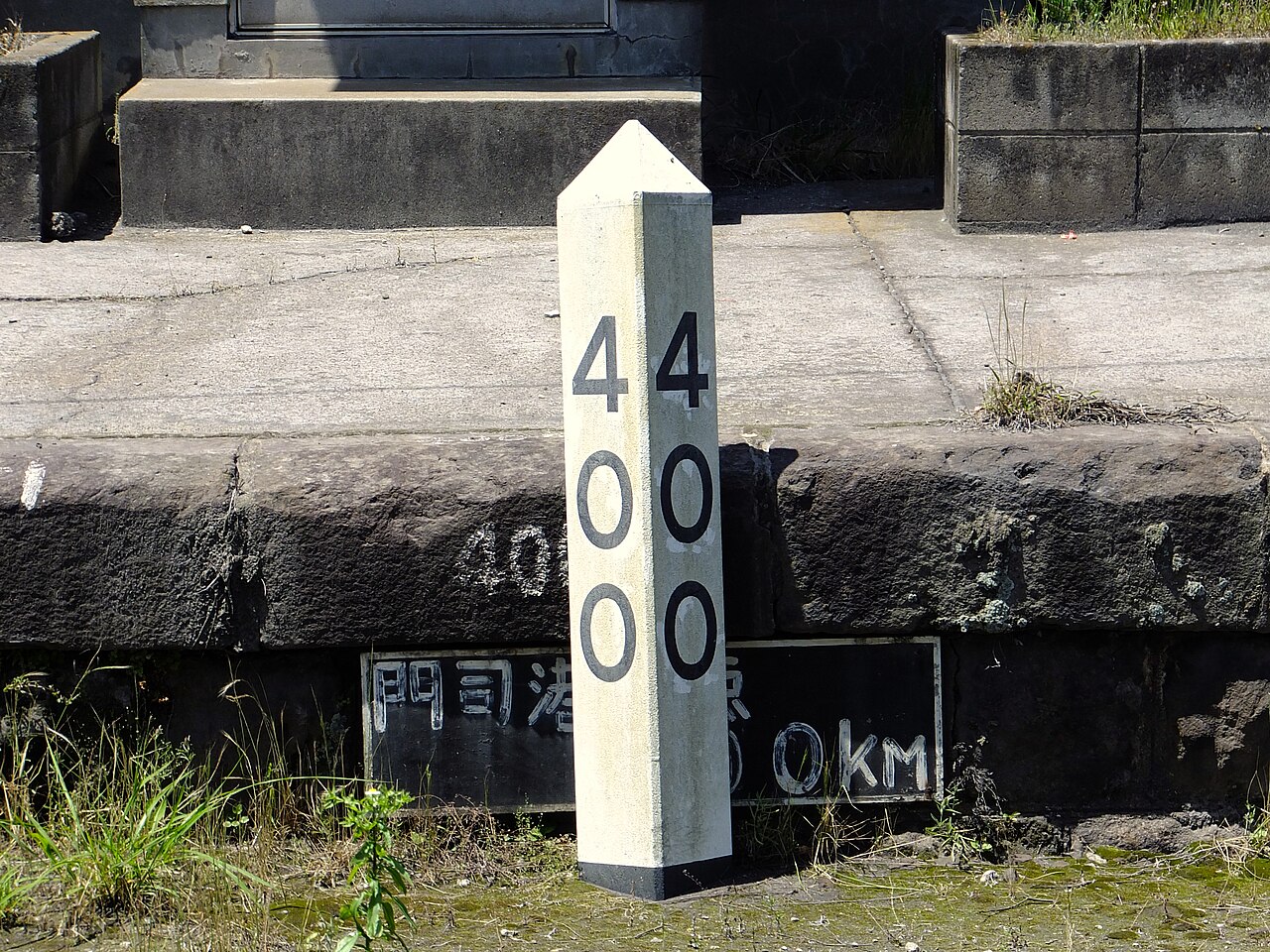
At privatisation of Japanese National Railways on 1 April 1987, the line passed to JR Kyushu. The maximum operating speed on the Hakata–Yatsushiro section was raised to 130 km/h on 10 March 1990. The decisive modern change came with the Kyushu Shinkansen. When the first stage of the shinkansen (Shin-Yatsushiro–Kagoshima-Chuo) opened on 13 March 2004, the parallel Yatsushiro–Sendai section — a length of 116.9 km — was transferred to the third-sector Hisatsu Orange Railway, splitting the Kagoshima Main Line into its present Mojiko–Yatsushiro and Sendai–Kagoshima sections; on the same day Nishi-Kagoshima Station was renamed Kagoshima-Chuo. When the Kyushu Shinkansen was completed in full in 2011, the parallel Hakata–Shin-Yatsushiro conventional section was not separated and remains operated by JR Kyushu. According to the English account, the line until 13 March 2004 extended 393 km between its two termini. The Japanese account notes a related figure: the Mojiko–Kagoshima distance was exactly 400.0 km from 1927 until 1963, but a 1963 re-routing on the relocation of Hakata Station shortened it by 0.5 km and a 1999 re-alignment between Edamitsu and Yahata by a further 1.0 km, so that the real Mojiko–Kagoshima distance — including the 116.9 km now operated by the Hisatsu Orange Railway — is 398.5 km.
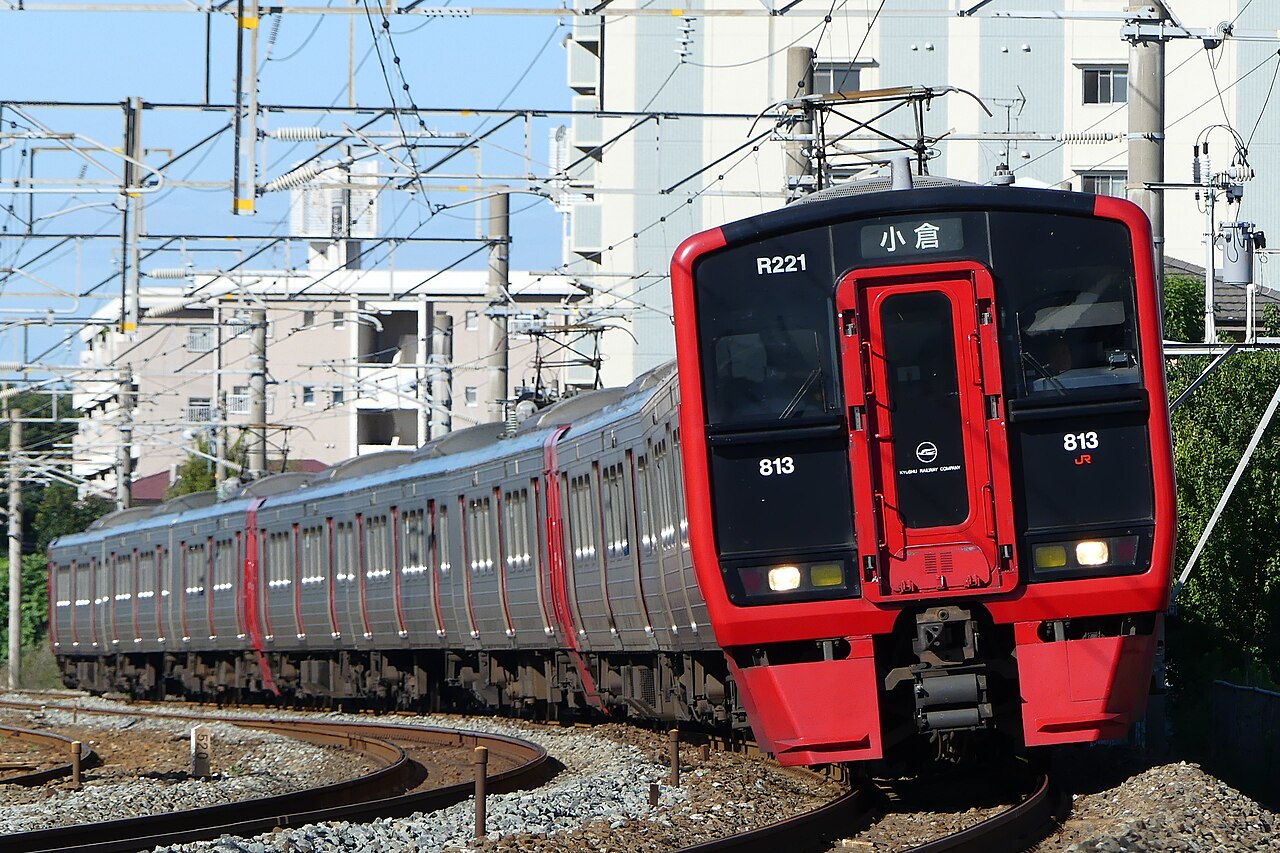
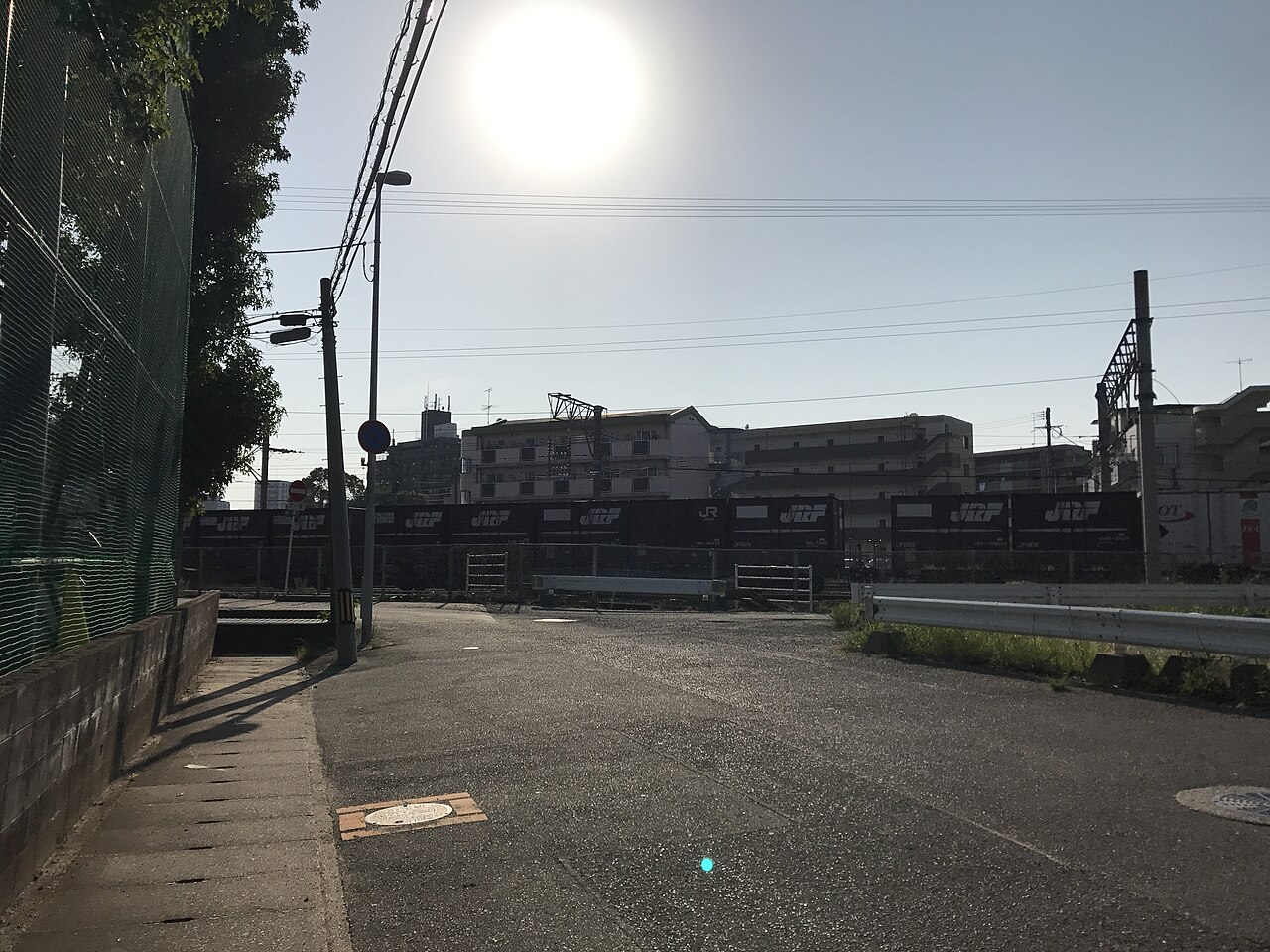
Today the line is electrified throughout and operated by JR Kyushu, with JR Freight as a Type-2 operator running freight services and also holding a Type-1 freight branch from Kashii to the Fukuoka Freight Terminal. The Japanese infobox gives the route distances as 232.3 km for the Mojiko–Yatsushiro section and 49.3 km for the Sendai–Kagoshima section, plus a 3.7 km Kashii–Fukuoka Freight Terminal freight branch; the English infobox gives an overall line length of 285.3 km. The maximum speed is 130 km/h on the Mojiko–Yatsushiro section and 95 km/h on the Sendai–Kagoshima section. Station numbering (prefixes JA and JB, with a red line colour) was introduced on the Mojiko–Arao section on 28 September 2018, and IC fare cards (SUGOCA) were rolled out from 1 March 2009 and extended line-wide on 1 December 2012. The number of stations is given as 96 in the English infobox and as 102 (of which 96 are passenger stations) in the Japanese sources.
Timeline
- 188911 December: the Kyushu Railway opens the first segment, Hakata to the temporary Chitosegawa station on the north bank of the Chikugo River; the 197 km Mojiko–Hakata–Kumamoto section opened between 1889 and 1891.
- 1896The line is extended south to Yatsushiro (reached 21 November 1896 per the Japanese account).
- 1897The Moji to Kokura section is double-tracked (20 April 1897 per the Japanese account).
- 19071 July: the Kyushu Railway is nationalised.
- 1908A new 14 km Kokura–Kurosaki alignment to the west of the original line opens; the original section becomes the Okura Line.
- 1909The Hitoyoshi route completes the original inland connection from Kagoshima to Yatsushiro (full opening via Hitoyoshi 21 November 1909 per the Japanese infobox).
- 1911The original 11 km Kokura–Kurosaki section, renamed the Okura Line, closes.
- 192717 October: the Yatsushiro–Sendai–Kagoshima coastal route is incorporated into the Kagoshima Main Line, replacing the inland route, which becomes the Hisatsu Line; Take Station is renamed Nishi-Kagoshima.
- 1942Double-tracking reaches Kurume (Mojiko–Tosu having been double-tracked 1917–1921, to Hizen-Asahi in 1934).
- 19611 June: the Mojiko–Kurume section is electrified. Double-tracking reaches Araki.
- 19631 December: re-routing on the relocation of Hakata Station shortens the line by 0.5 km (the Mojiko–Kagoshima distance had been exactly 400.0 km since 1927).
- 19701 September: electrification of the whole line is completed. Double-tracking reaches Yatsushiro.
- 1980Double-tracking of the Kagoshima–Higashi-Ichiki section (carried out 1969–1980) is completed.
- 19871 April: on the privatisation of Japanese National Railways, the line is taken over by JR Kyushu.
- 199010 March: the maximum operating speed on the Hakata–Yatsushiro section is raised to 130 km/h.
- 19992 July: the Edamitsu–Yahata section is switched to a new alignment via Space World station, shortening the operating distance by 1.0 km.
- 200413 March: with the partial opening of the Kyushu Shinkansen (Shin-Yatsushiro–Kagoshima-Chuo), the Yatsushiro–Sendai section (116.9 km) is transferred to the third-sector Hisatsu Orange Railway, splitting the line in two; Nishi-Kagoshima is renamed Kagoshima-Chuo.
- 20091 March: the SUGOCA IC card is introduced on the Mojiko–Arao section.
- 201112 March: on the full opening of the Kyushu Shinkansen, the parallel Hakata–Shin-Yatsushiro conventional section is not separated and remains with JR Kyushu; Funagoya Station is relocated and renamed Chikugo-Funagoya.
- 20121 December: SUGOCA usability is extended to the Arao–Yatsushiro and Sendai–Kagoshima sections, making it available line-wide.
- 201828 September: station numbering (prefixes JA and JB) is introduced on the Mojiko–Arao section.
Sources
Facts last verified 3 June 2026.
Gallery 6 photos
Every photo for this page — tap any image to view it full-size. All from Wikimedia Commons (credit under each).