History
The line and its associated branch network are built to 1,067 mm narrow gauge — the only lines in the Kintetsu network with this gauge, every other Kintetsu line using 1,435 mm standard gauge. The narrow-gauge origin is historical: the oldest section, between Domyoji and Furuichi, was opened on 24 March 1898 by the Kayo Railway (Kayo Tetsudo), part of an early line linking Kashiwara to the Furuichi area whose narrow gauge allowed freight to be interchanged with the 1,067 mm Kansai Main Line at Kashiwara. On 11 May 1899 the Kanan Railway (Kanan Tetsudo) took over the Kayo Railway's line, and on 8 March 1919 the Kanan Railway renamed itself the Osaka Railway (Osaka Tetsudo).
Seeking its own route into central Osaka, the Osaka Railway extended the line westward: Nunose to Domyoji opened in 1922, and on 13 April 1923 the line reached Osaka-Tennoji station, which was renamed Osaka Abenobashi on 10 May 1923. The new Osaka access line was electrified at 1,500 V DC, described in the English-language account as then the highest railway voltage in Japan. The eastward extension into Nara Prefecture followed: on 29 March 1929 the section from Furuichi to Kumeji station (today's Kashiharajingu-mae) opened, completing the route, and through service began with the Yoshino Railway, now the Kintetsu Yoshino Line. Shortly after the extension opened, a triple-collision accident occurred at Kaminotaishi station on 14 April 1929, in which the driver and a passenger — two people in all — were killed.
Throughout its early decades the line competed with the parallel Osaka Line built by Daiki (Osaka Electric Tramway). Burdened by repeated extension costs during the Showa Depression, the Osaka Railway fell under Daiki's control and was absorbed on 1 February 1943 into Kansai Kyuko Railway (Kankyu), becoming that company's Tennoji Line. On 1 June 1944 Kansai Kyuko Railway merged with the Nankai Railway to form the Kinki Nippon Railway (Kintetsu), and the route was renamed the Minami Osaka Line at the same time.
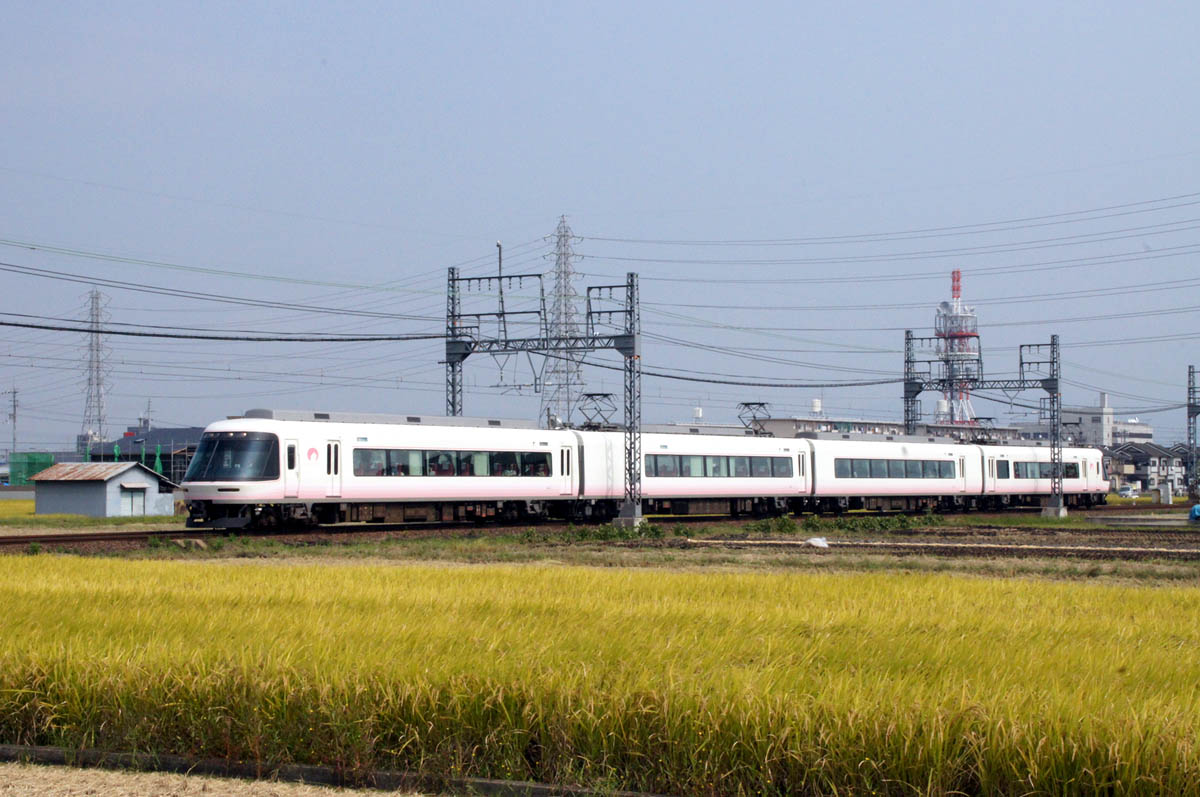
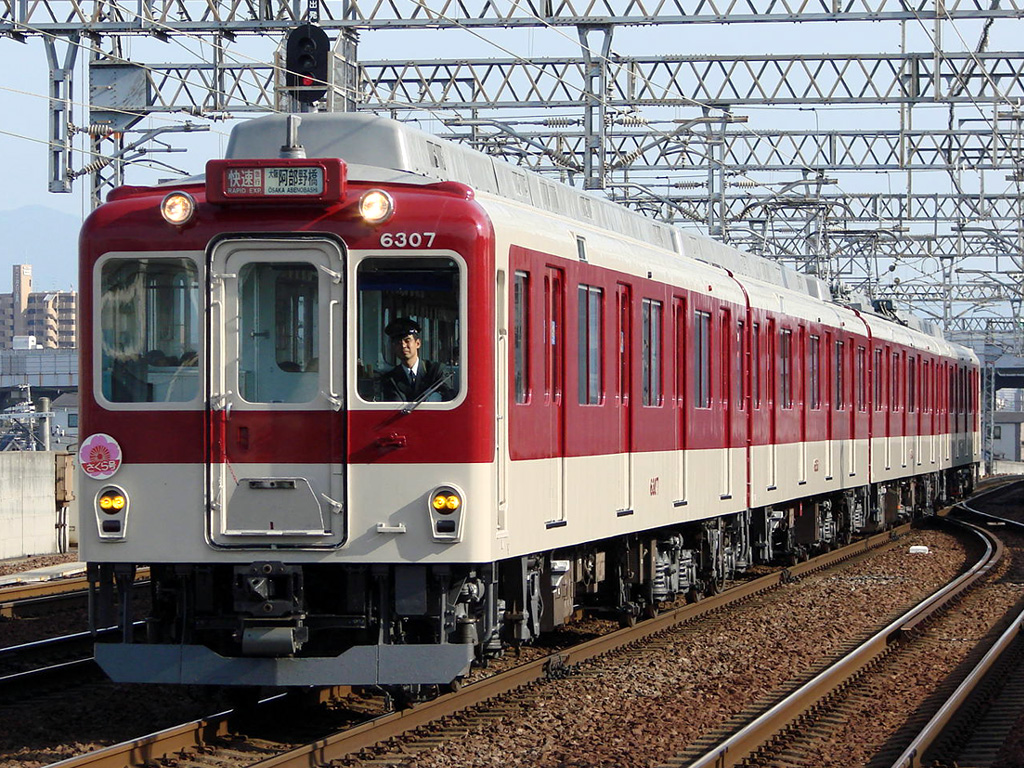
Under Kintetsu the line was steadily upgraded. The "Rabbit Car" (6800 series) entered service on 18 October 1957; regular limited express trains between Osaka Abenobashi and Yoshino began on 18 March 1965; and on 25 February 1967 the final single-track section between Takadashi and Kashiharajingu was doubled, making the whole line double-track. Automatic train stop (ATS) came into use on 26 September 1968. The line's first VVVF-inverter-controlled cars, the 6400 series, entered service on 1 June 1986, and the 26000 series "Sakura Liner" limited express trains began running on 15 March 1990, when a 30-minute-interval Yoshino limited express pattern was introduced; the 16400 series "ACE" limited express followed on 1 June 1996.
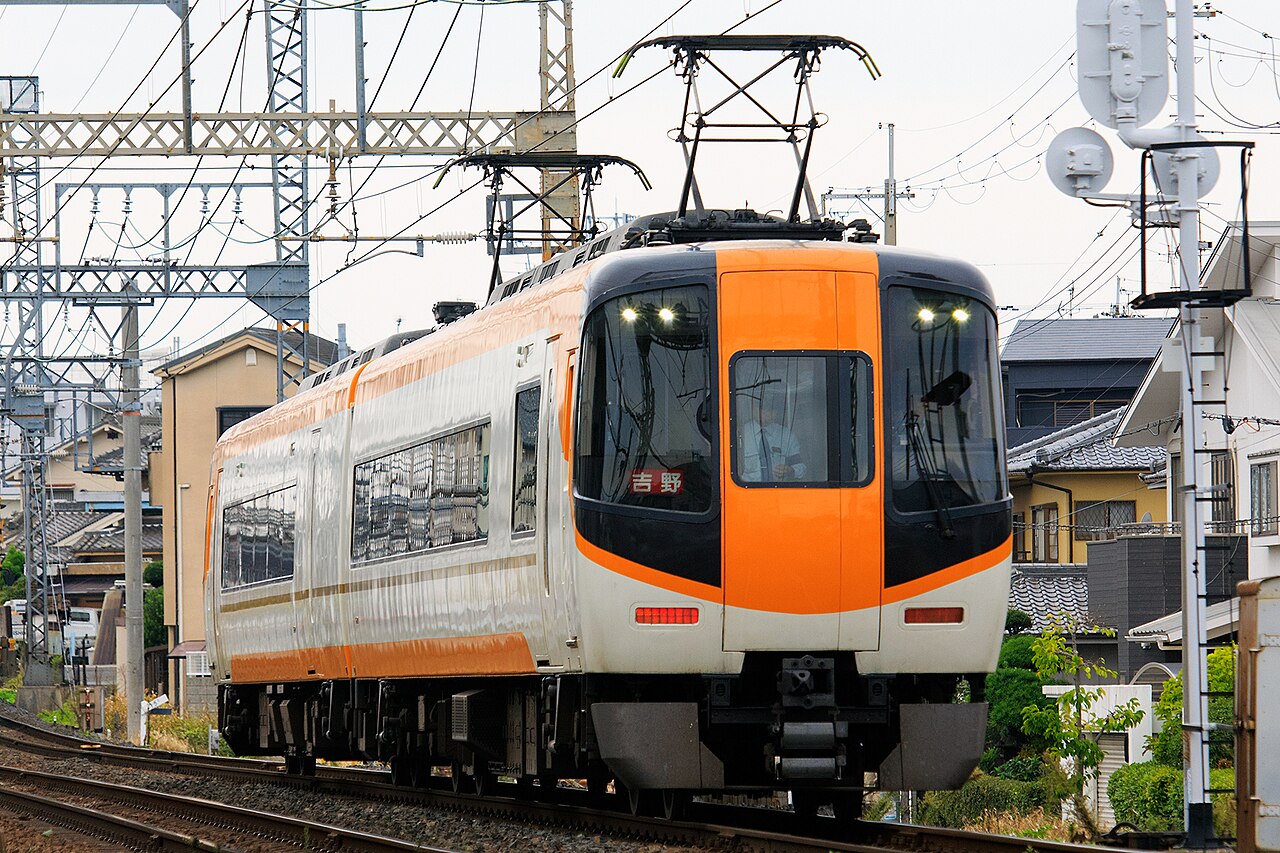
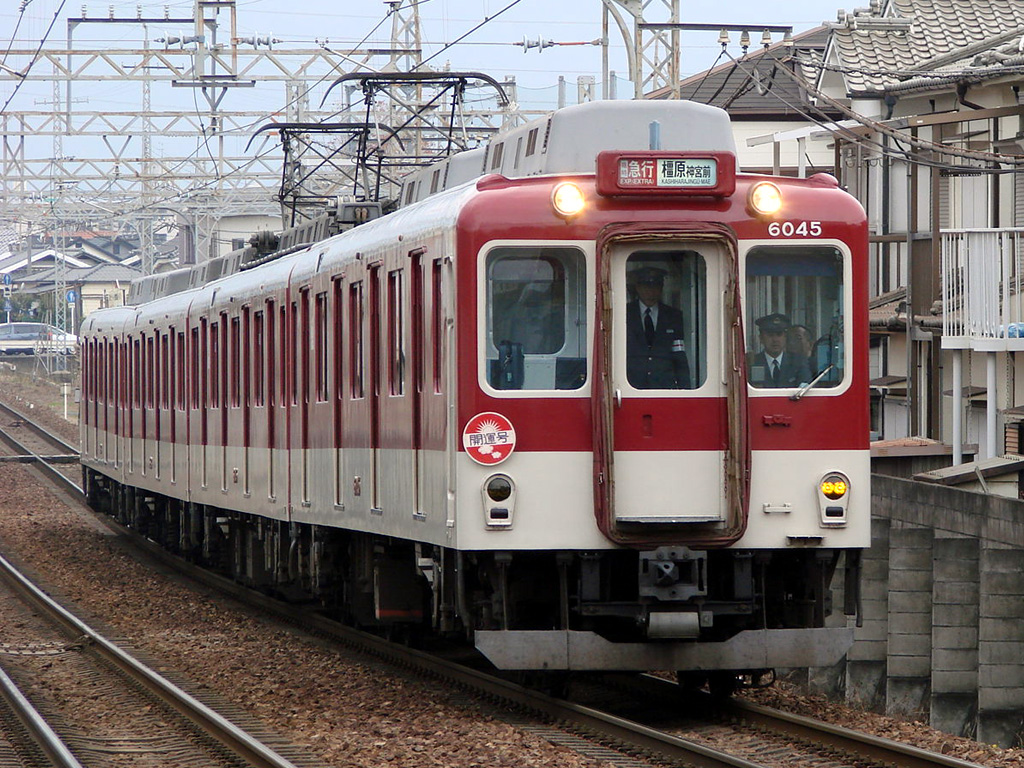
Today the Minami Osaka Line is operated by Kintetsu Railway with a graded range of services — local, semi-express, suburban express, express, and limited express, with rapid express trains added in spring. Many trains run through beyond the nominal terminus: express and limited express services continue over the Yoshino Line to Yoshino, other trains work through to the Nagano Line at Furuichi or to the Gose Line at Shakudo, and some local services between Furuichi and Kashiharajingu-mae are operated conductorless. Limited express duties are partly handled by dedicated Sakura Liner stock, and the sightseeing "Blue Symphony" limited express runs twice a day except on Wednesdays. The line's restrained 110 km/h top speed reflects its many curves — the alignment was laid to avoid the numerous kofun burial mounds around Fujiidera and Furuichi and the mountains near the Osaka–Nara border — and it is a noted feature of the line that it crosses the prefectural boundary at Anabushi Pass without a mountain tunnel.
Timeline
- 189824 March: the Kayo Railway (Kayo Tetsudo) opens the Domyoji-Furuichi section, the oldest part of the present line; its 1,067 mm narrow gauge allowed freight interchange with the Kansai Main Line at Kashiwara.
- 189911 May: the Kanan Railway (Kanan Tetsudo) takes over the Kayo Railway's line; the Kayo Railway is dissolved.
- 19198 March: the Kanan Railway renames itself the Osaka Railway (Osaka Tetsudo).
- 192218 April: the Nunose-Domyoji section opens.
- 192313 April: the line reaches Osaka-Tennoji (renamed Osaka Abenobashi on 10 May 1923), giving its own access to central Osaka; the Osaka-Tennoji-Domyoji section is electrified at 1,500 V DC, described in the EN account as then the highest railway voltage in Japan.
- 192929 March: the Furuichi-Kumeji (now Kashiharajingu-mae) section opens, completing the route; through service with the Yoshino Railway (now the Yoshino Line) begins.
- 192914 April: a triple-collision accident at Kaminotaishi station kills two people - the driver and a passenger.
- 19431 February: Kansai Kyuko Railway (Kankyu) absorbs the Osaka Railway; the route becomes its Tennoji Line.
- 19441 June: Kansai Kyuko Railway merges with the Nankai Railway to form the Kinki Nippon Railway (Kintetsu); the route is renamed the Minami Osaka Line.
- 195718 October: the "Rabbit Car" (6800 series) enters service.
- 196518 March: regular limited express service begins between Osaka Abenobashi and Yoshino.
- 196725 February: the Takadashi-Kashiharajingu section is double-tracked, making the entire line double-track.
- 196826 September: automatic train stop (ATS) comes into use.
- 19861 June: the 6400 series, the line's first VVVF-inverter-controlled cars, enters service.
- 199015 March: the 26000 series "Sakura Liner" limited express enters service; a 30-minute-interval Yoshino limited express pattern begins.
- 19961 June: the 16400 series "ACE" limited express enters service.
Sources
Facts last verified 3 June 2026.
Gallery 4 photos
Every photo for this page — tap any image to view it full-size. All from Wikimedia Commons (credit under each).