History
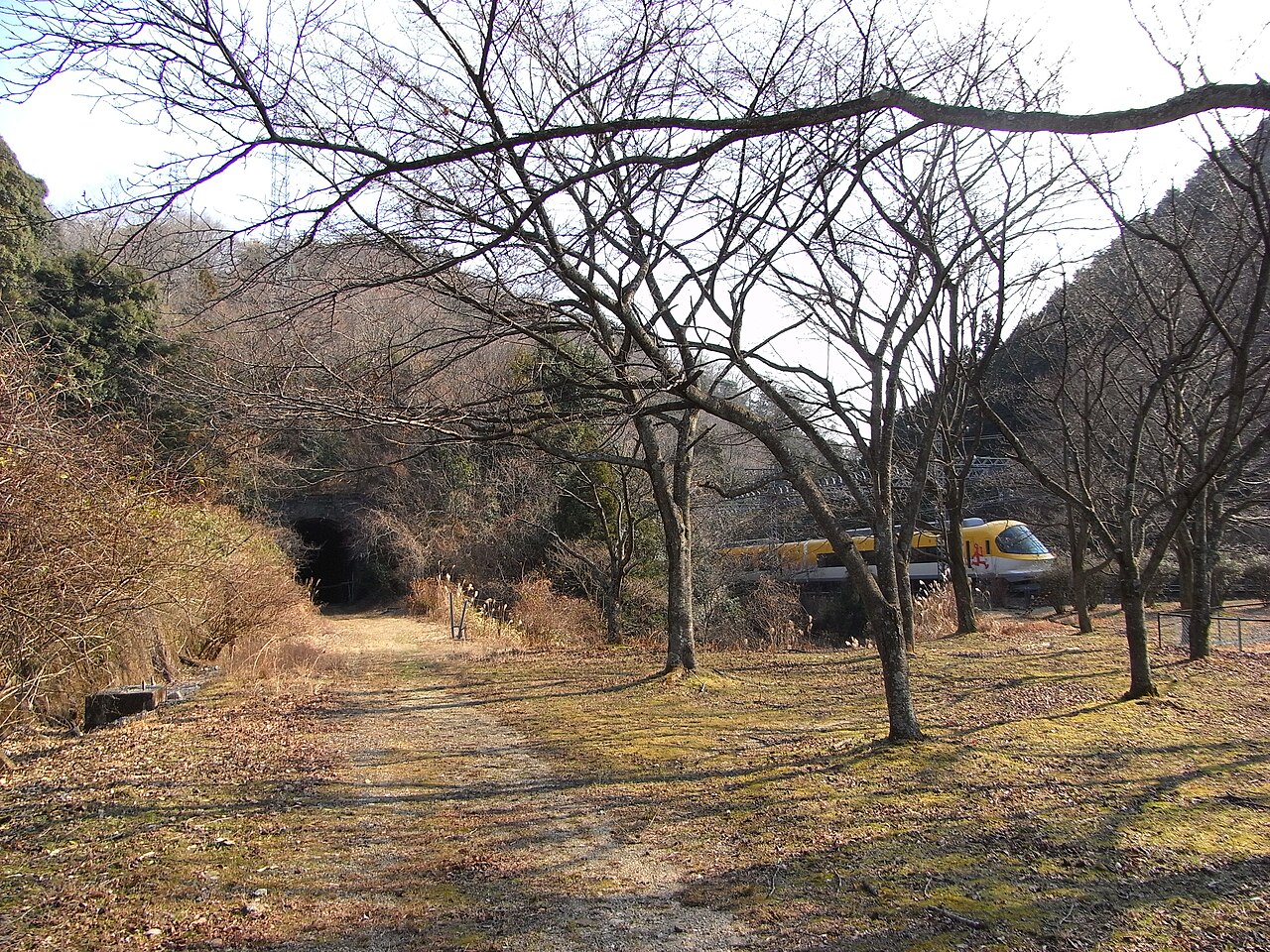
The line was not built as a single project but assembled from two companies' work. The Osaka Electric Railway (Daiki) — the direct corporate ancestor of Kintetsu — opened the first section, from Uehommachi (now Osaka-Uehommachi) to Fukae (now Fuse), on 30 April 1914, electrified at 600 V DC; at opening this segment was part of what became the Nara Line. Daiki extended eastward over the following years (the Kokubun Line reaching Yao in 1924; the Fuse–Yagi section completed through in 1927), and on 5 January 1929 opened the Sakurai Line from Yagi (now Yamato-Yagi) to Sakurai at 1,500 V DC, raising the Fuse–Yagi voltage from 600 V to 1,500 V and installing a dead section at Fuse. The eastern mountain segment was built by the Sangu Express Railway (Sangu), which opened Sakurai–Hasedera on 27 October 1929 and pushed on stage by stage, completing the Abo (now Aoyamacho)–Sata section so that the present Osaka Line route was through-connected on 20 December 1930. The aim of the Sangu construction was to create the shortest-time link between Osaka and Ise (together with today's Yamada Line, a fast pilgrimage route to the Ise Grand Shrine); to pass the mountains it adopted a tunnel-heavy alignment that nonetheless left ruling grades of 33.3 per mille in many places, so rolling stock from the original 2200 series onward emphasised gradient countermeasures.
Corporate consolidation reshaped the line's identity. On 15 March 1941 the Osaka Electric Railway merged the Sangu Express Railway to form the Kansai Express Railway (Kansai Kyuko Tetsudo); in the ensuing line-name reorganisation the Nara Line west of Fuse, the Sakurai Line, and the Sangu main line as far as Ise-Nakagawa were combined as the Osaka Line (Uehommachi–Ise-Nakagawa), while the section east of Ise-Nakagawa became the Yamada Line. On 1 June 1944 the Kansai Express Railway and the Nankai Railway merged and the company was renamed Kinki Nippon Railway (Kintetsu), the present operator.
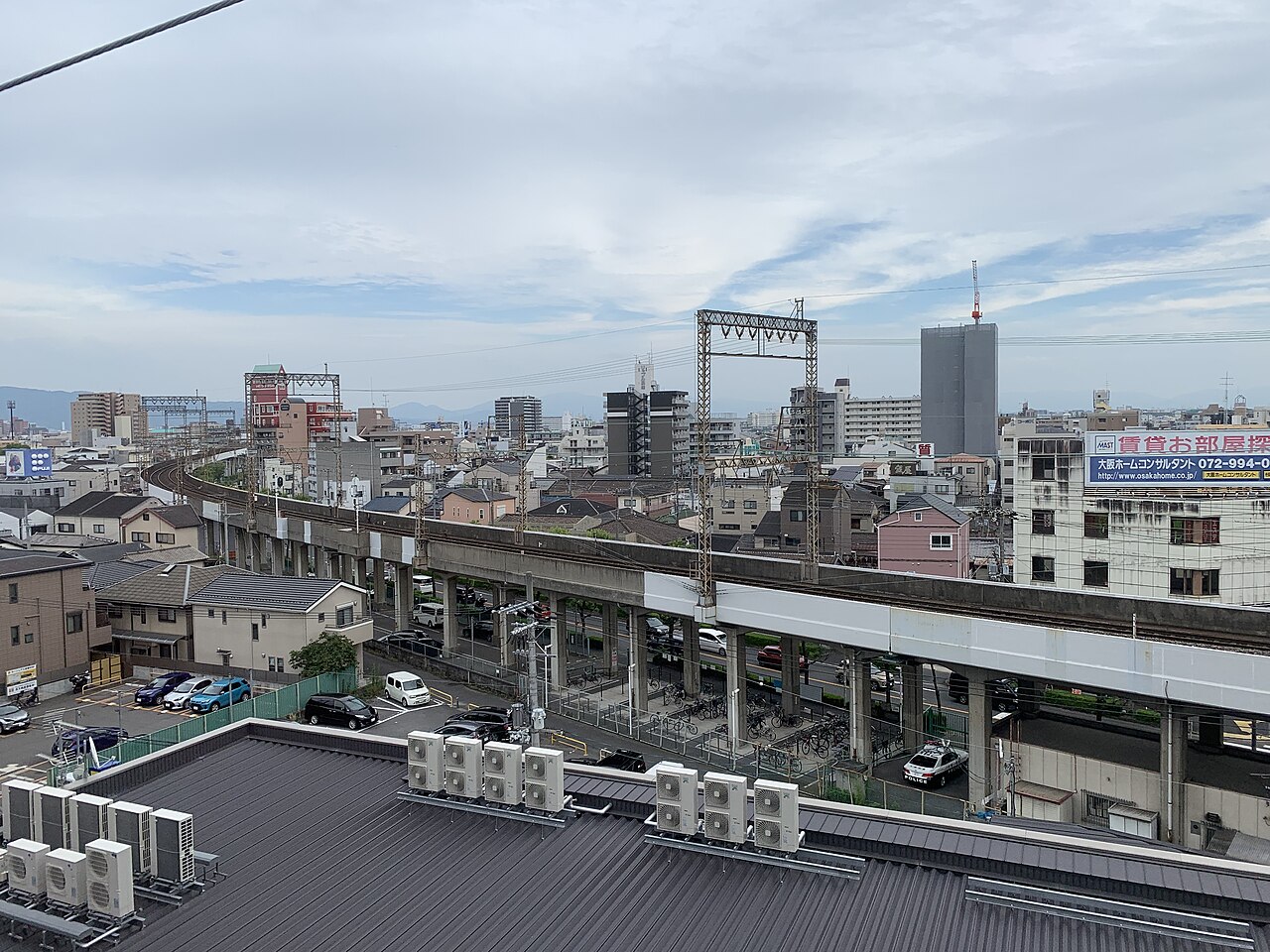
Post-war development concentrated on capacity. The Osaka-Uehommachi to Fuse section was quadruple-tracked and separated from the Nara Line on 8 December 1956, the new Osaka-Line pair wired at 1,500 V DC and the Fuse dead section abolished. A long programme of double-tracking the remaining single-track segments ran from 1959 (Mihata–Iga-Kambe, double-tracked 23 December 1959) through the 1960s and early 1970s. The Nakagawa connecting line (Nakagawa tanrakusen) opened on 29 March 1961, removing the switchback at Ise-Nakagawa for Osaka Line–Nagoya Line through trains. Automatic train stop (ATS) entered service on 1 March 1968. Double-tracking was completed on 23 November 1975 when the 5,652 m New Aoyama Tunnel opened and the last single-track section between Nishi-Aoyama and Higashi-Aoyama was switched to a new double-track alignment; the Japanese-language source describes this tunnel as the longest on any of Japan's major private railways.
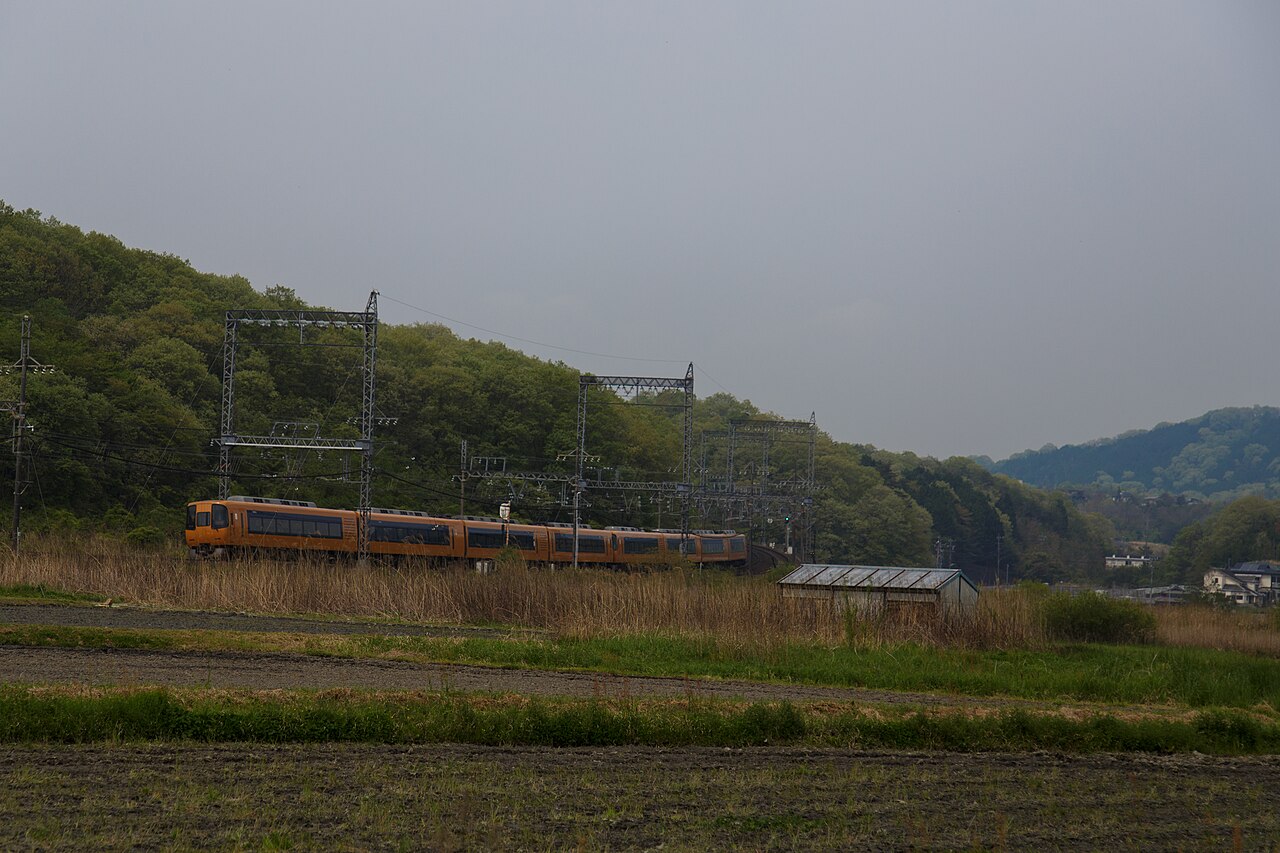
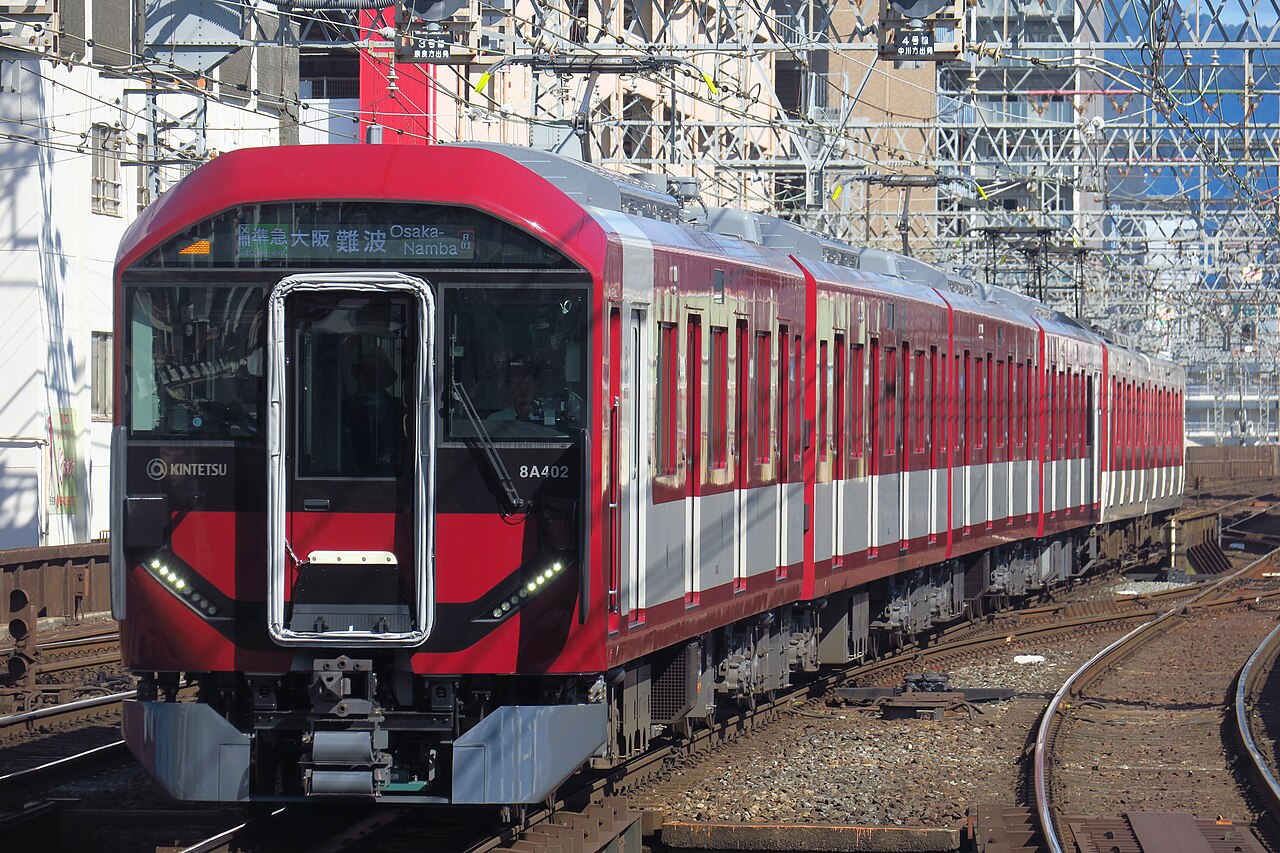
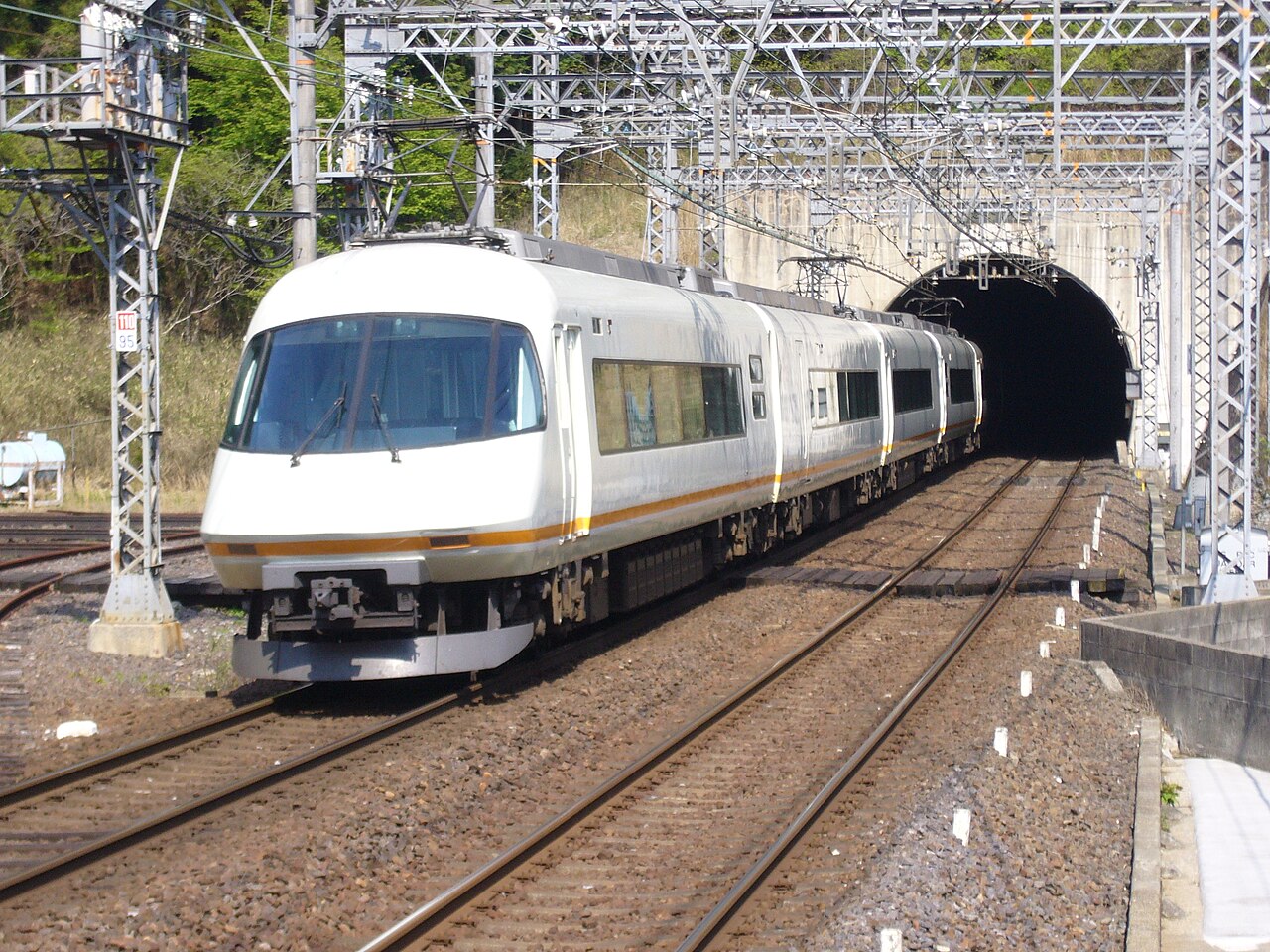
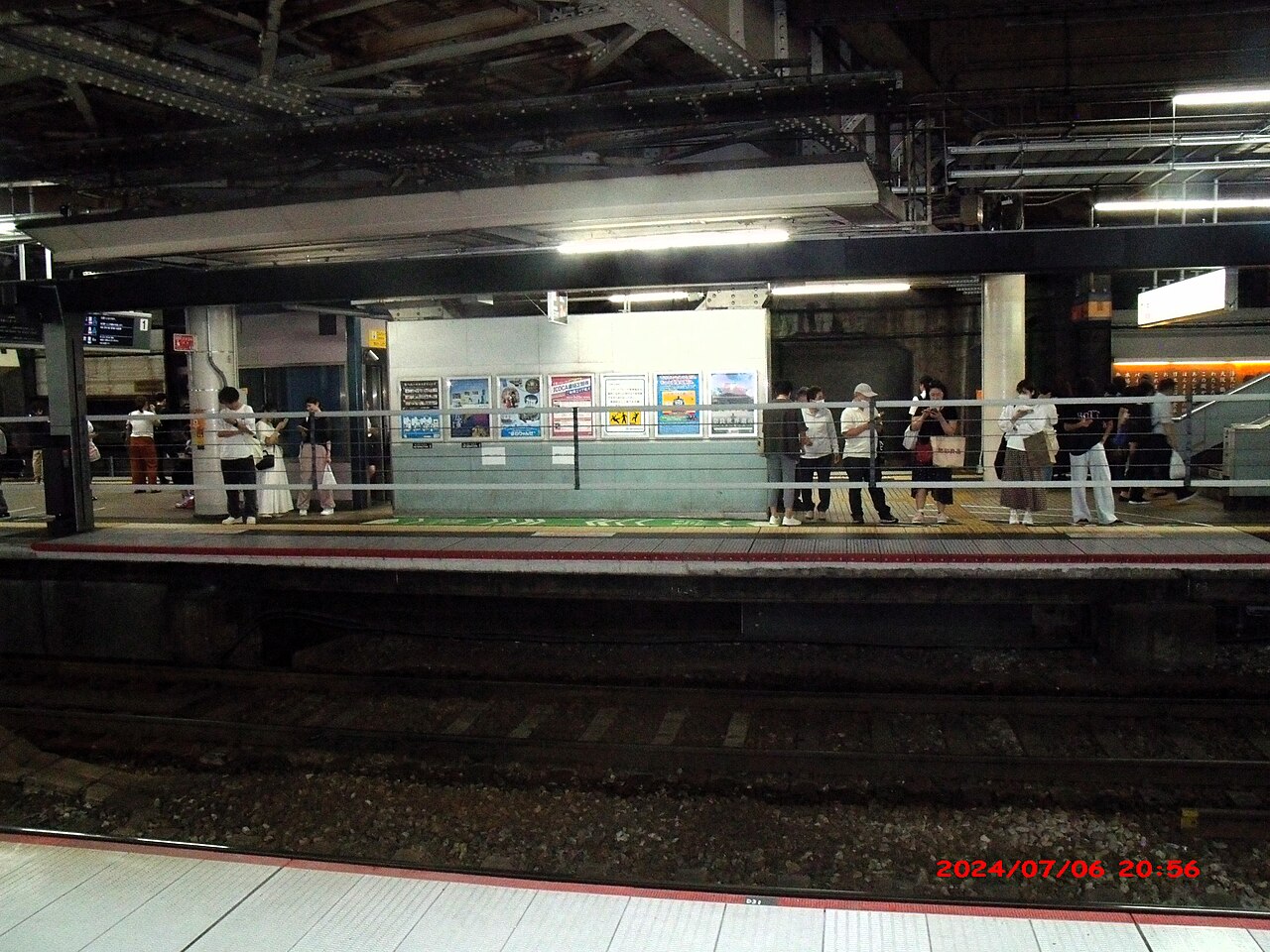
Today the Osaka Line is one of Kintetsu's trunk lines. Through Ise-Nakagawa it connects with the Nagoya Line and Yamada Line, carrying numerous Kintetsu limited express services that link Osaka with Nagoya and the Ise-Shima region; together with the Nagoya Line it forms the Osaka–Nagoya limited express route that competes with the Tokaido Shinkansen. Most limited expresses run through from Osaka-Uehommachi onto the underground Namba Line to terminate at Osaka-Namba, and the line also serves dense commuter and school traffic from the Naka-Kawachi area of Osaka, the Chuwa area of Nara, and the Iga area of Mie into central Osaka. Service evolution tracked the rolling stock: the 21000 series Urban Liner entered service on 18 March 1988, when limited expresses began 120 km/h running, and 130 km/h operation began on 15 March 1994 with the 23000 series Ise-Shima Liner; the 80000 series Hinotori began operating on Osaka–Nagoya limited expresses on 14 March 2020. The line's maximum speed is 130 km/h (on the up track between Higashi-Aoyama and Nishi-Aoyama). Uehommachi Station was renamed Osaka-Uehommachi on 20 March 2009.
On scope: the Japanese-language source notes that the line's 108.9 km operating length is the second longest among Japan's private railways excluding JR and third-sector operators, after the Tobu Isesaki Line, and that it is the longest such private line that is entirely double-track or greater. The line's most serious incident was a head-on collision between two limited express trains between Sakakibara-Onsenguchi and Higashi-Aoyama on 25 October 1971, which killed 25 people and injured 224.
Timeline
- 191430 April: the Osaka Electric Railway opens Uehommachi (now Osaka-Uehommachi) to Fukae (now Fuse), electrified at 600 V DC; the section was initially part of the Nara Line.
- 19295 January: the Sakurai Line from Yagi (now Yamato-Yagi) to Sakurai opens at 1,500 V DC; the Fuse–Yagi voltage is raised from 600 V to 1,500 V with a dead section at Fuse. 27 October: the Sangu Express Railway opens Sakurai–Hasedera.
- 193020 December: the Sangu Express Railway completes the Abo (now Aoyamacho)–Sata section, through-connecting the present Osaka Line route.
- 194115 March: the Osaka Electric Railway merges the Sangu Express Railway to form the Kansai Express Railway; the combined route Uehommachi–Ise-Nakagawa is named the Osaka Line, and the section east of Ise-Nakagawa becomes the Yamada Line.
- 19441 June: the Kansai Express Railway and the Nankai Railway merge; the company is renamed Kinki Nippon Railway (Kintetsu).
- 19568 December: Osaka-Uehommachi–Fuse is quadruple-tracked and separated from the Nara Line; the new Osaka-Line pair is wired at 1,500 V DC and the Fuse dead section is abolished.
- 195923 December: Mihata–Iga-Kambe is double-tracked, beginning the programme to double-track the remaining single-track segments.
- 196129 March: the Nakagawa connecting line opens, removing the switchback at Ise-Nakagawa for Osaka Line–Nagoya Line through trains.
- 19681 March: automatic train stop (ATS) enters service.
- 197125 October: a head-on collision between two limited express trains between Sakakibara-Onsenguchi and Higashi-Aoyama kills 25 and injures 224.
- 197523 November: the 5,652 m New Aoyama Tunnel opens and the last single-track section (Nishi-Aoyama–Higashi-Aoyama) is switched to double track, completing double-tracking of the whole line.
- 198818 March: the 21000 series Urban Liner enters service; limited expresses begin 120 km/h running.
- 199415 March: the 23000 series Ise-Shima Liner enters service; 130 km/h limited express operation begins.
- 200920 March: Uehommachi Station is renamed Osaka-Uehommachi.
- 202014 March: the 80000 series Hinotori begins operating on Osaka–Nagoya limited expresses.
Sources
Facts last verified 3 June 2026.
Gallery 5 photos
Every photo for this page — tap any image to view it full-size. All from Wikimedia Commons (credit under each).