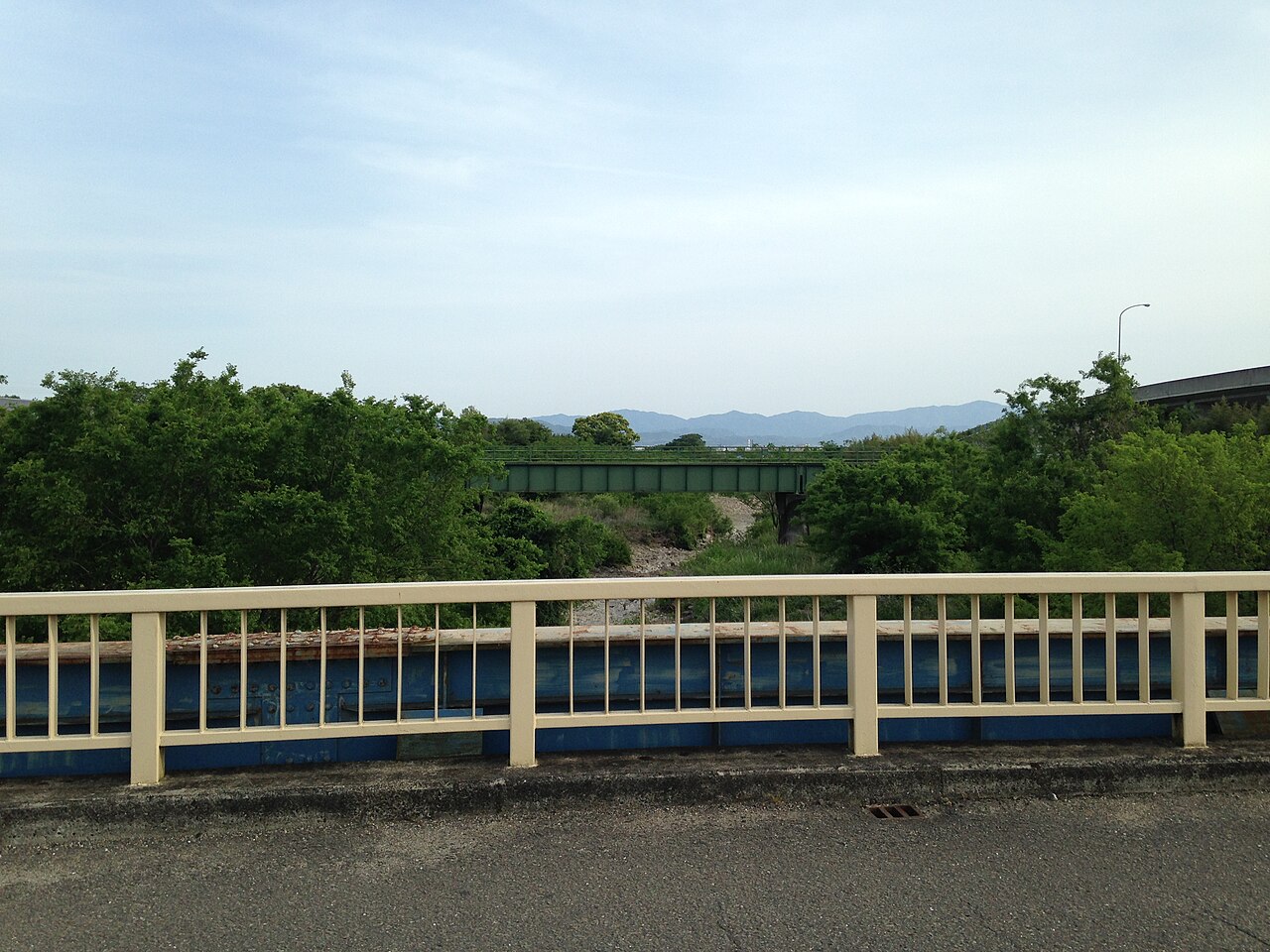
History
The Kōtoku Line was not built as a single undertaking but assembled over more than three decades from separate ventures advancing from both ends. The oldest segment was opened by the private Tokushima Railway, which inaugurated its Kamojima–Sako–Tokushima line — the Sako–Tokushima portion of which is now part of the Kōtoku Line — on 16 February 1899, the date conventionally taken as the line's origin. The Tokushima Railway was nationalised in 1907. From the Tokushima side a second private concern, the Awa Electric Railway, opened a line in 1916 from Furukawa through Nakahara, Yoshinari and Ikenotani to Muya, intending to link Tokushima with Naruto; unable to bridge the Yoshino River, it connected Nakahara to central Tokushima by a ferry service. In 1923 the same company extended from Ikenotani through Awa-Ōtera (today's Itano) to Kajiyabara. Despite its name the Awa Electric Railway was never electrified, and it was later renamed the Awa Railway.
Construction of the dedicated Kōtoku line proper began from the Takamatsu side, and the railway opened southward in stages under the name Kōtoku Line: Takamatsu–Shido on 1 August 1925, Shido–Sanuki-Tsuda on 21 March 1926, and Sanuki-Tsuda–Hiketa on 15 April 1928. In 1933 the Awa Railway's Furukawa–Muya and Ikenotani–Kajiyabara sections were nationalised and reorganised as the Awa Line. The whole route was finally joined on 20 March 1935, when the Hiketa–Itano and Yoshinari–Sako gaps were opened; from that date the Takamatsu–Tokushima trunk was designated the Kōtoku Main Line, while the Itano–Kajiyabara branch became the separate Kajiyabara Line. Nine daily through round-trips between Takamatsu and Tokushima — seven passenger and two mixed — began with the completed line, and diesel-railcar operation started between Tokushima and Itano (then Bansei). The Kajiyabara branch that had come in from the Awa Railway never prospered and was closed on 16 January 1972.
Postwar improvements were incremental. Takamatsu Station was relocated on 15 September 1959, lengthening the line by 0.3 km. On 1 February 1963 the Sako–Tokushima section was double-tracked; the contemporary trade newspaper Kōtsū Shimbun headlined the work as the first double-track in Shikoku. Centralised traffic control (CTC) was trialled from 1 March 1977 and entered full service on 15 March 1977. Freight operations were discontinued on 1 November 1986. With the privatisation of Japanese National Railways the line passed to the newly formed Shikoku Railway Company on 1 April 1987. A line-name revision on 1 June 1988 changed the designation from Kōtoku Main Line to simply Kōtoku Line.
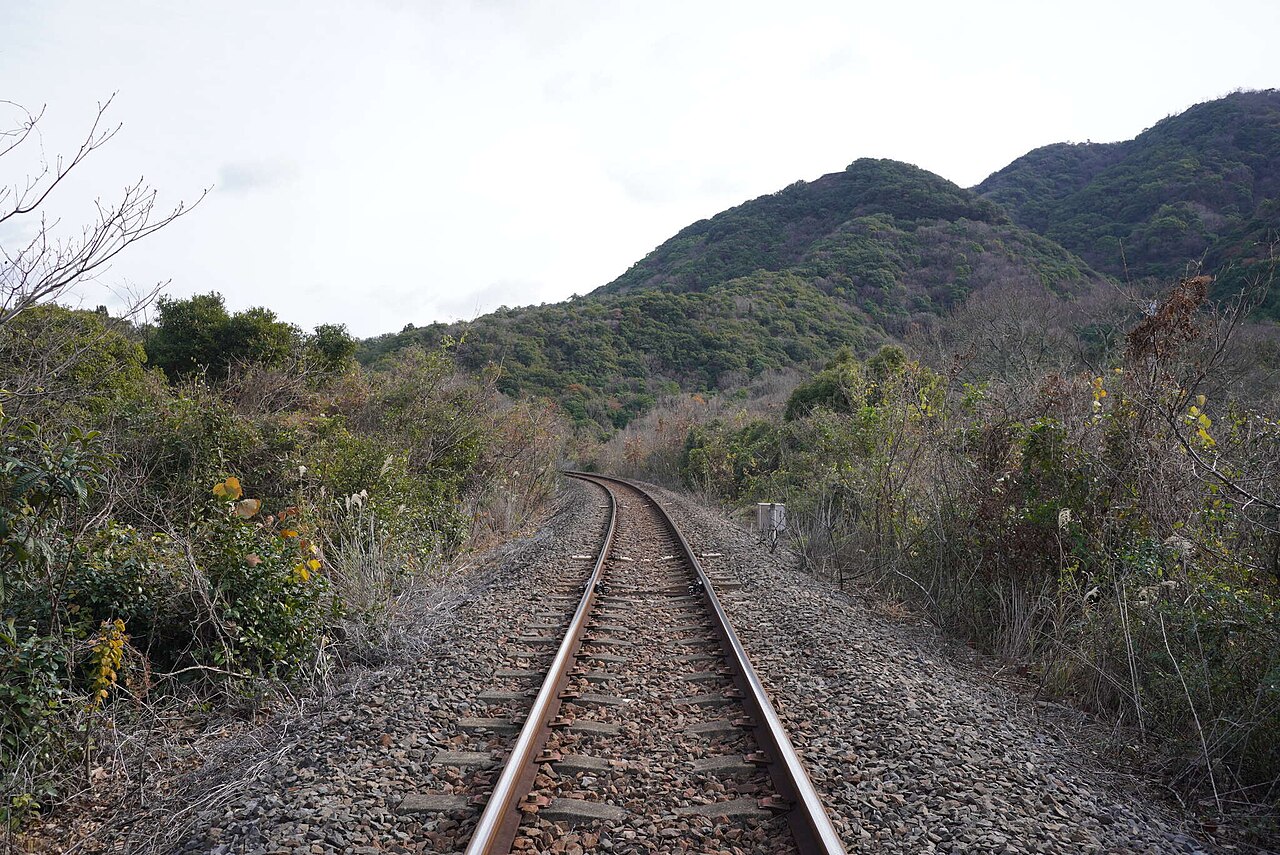
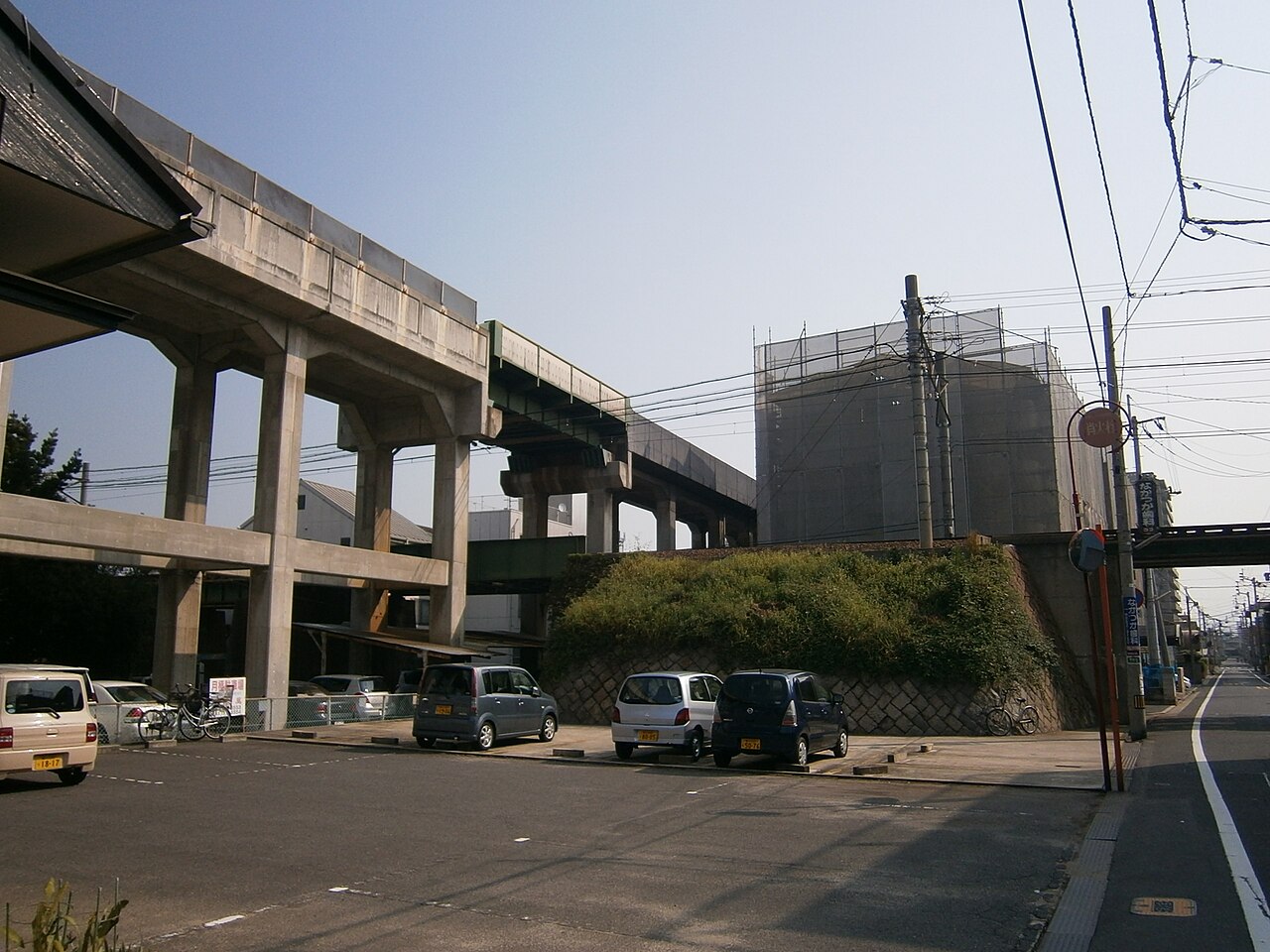
Raising speed was the defining project of the line's modern era. Work to lift the maximum speed to 110 km/h, from the previous 85 km/h, was completed on 10 April 1988; on the same day the Uzushio limited express began running and one-man operation of local trains was introduced. A further upgrade to a 130 km/h ceiling started on 22 May 1995 and was completed on 14 March 1998, when Orange Town Station also opened between Shido and Zōda. The Sako area had been elevated on 27 July 1993, and a further relocation of Takamatsu Station on 13 May 2001 shortened the line by 0.3 km. According to a document JR Shikoku submitted to a Ministry of Land, Infrastructure, Transport and Tourism transport-policy subcommittee in 2006, the Kōtoku Line is — together with the Yosan Line between Takamatsu and Matsuyama — one of the line sections within Shikoku where limited expresses operate at a maximum of 130 km/h despite being non-electrified, and the same document listed DC electrification of the Kōtoku Line among the investments desirable in the long term.
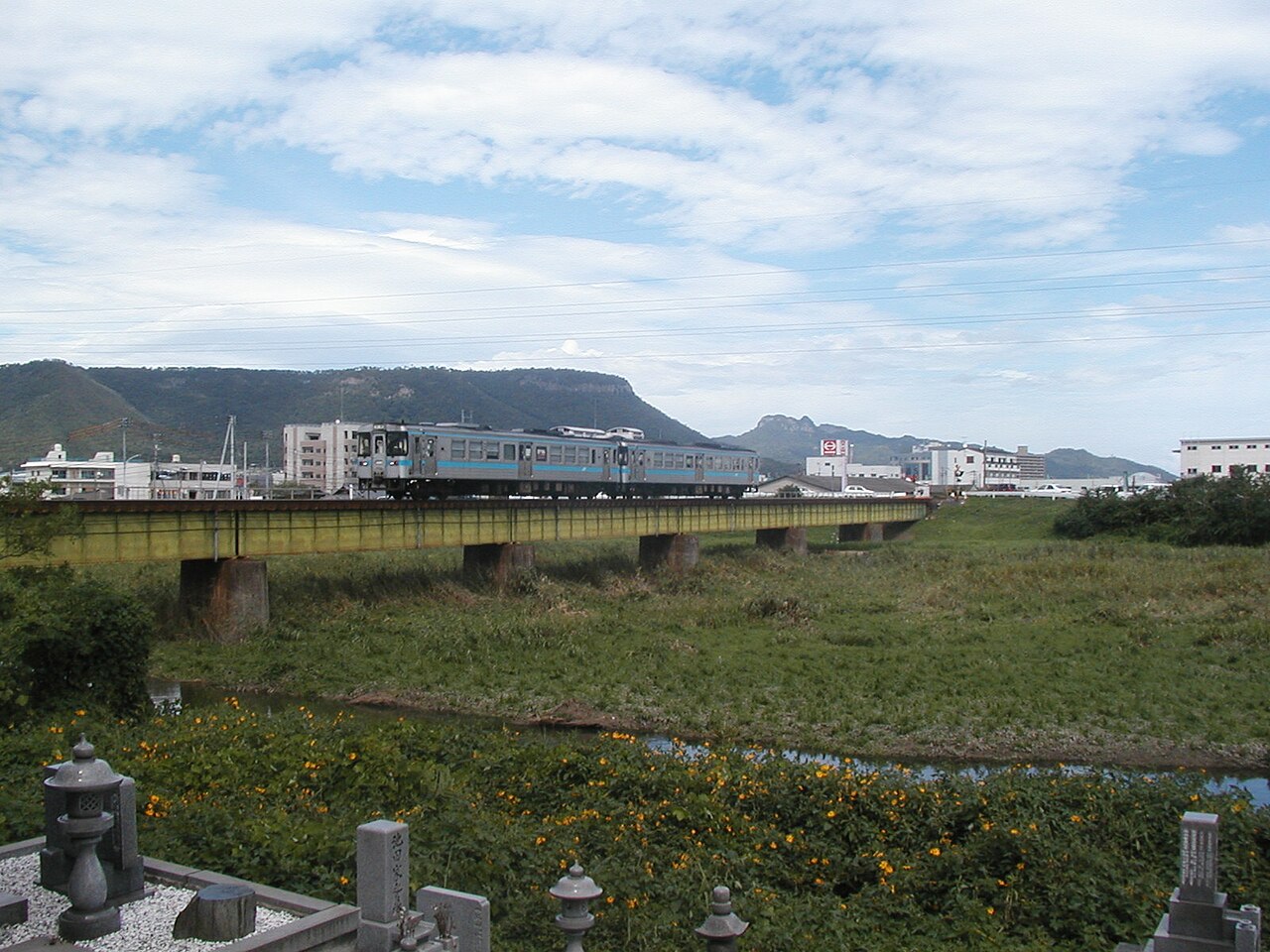
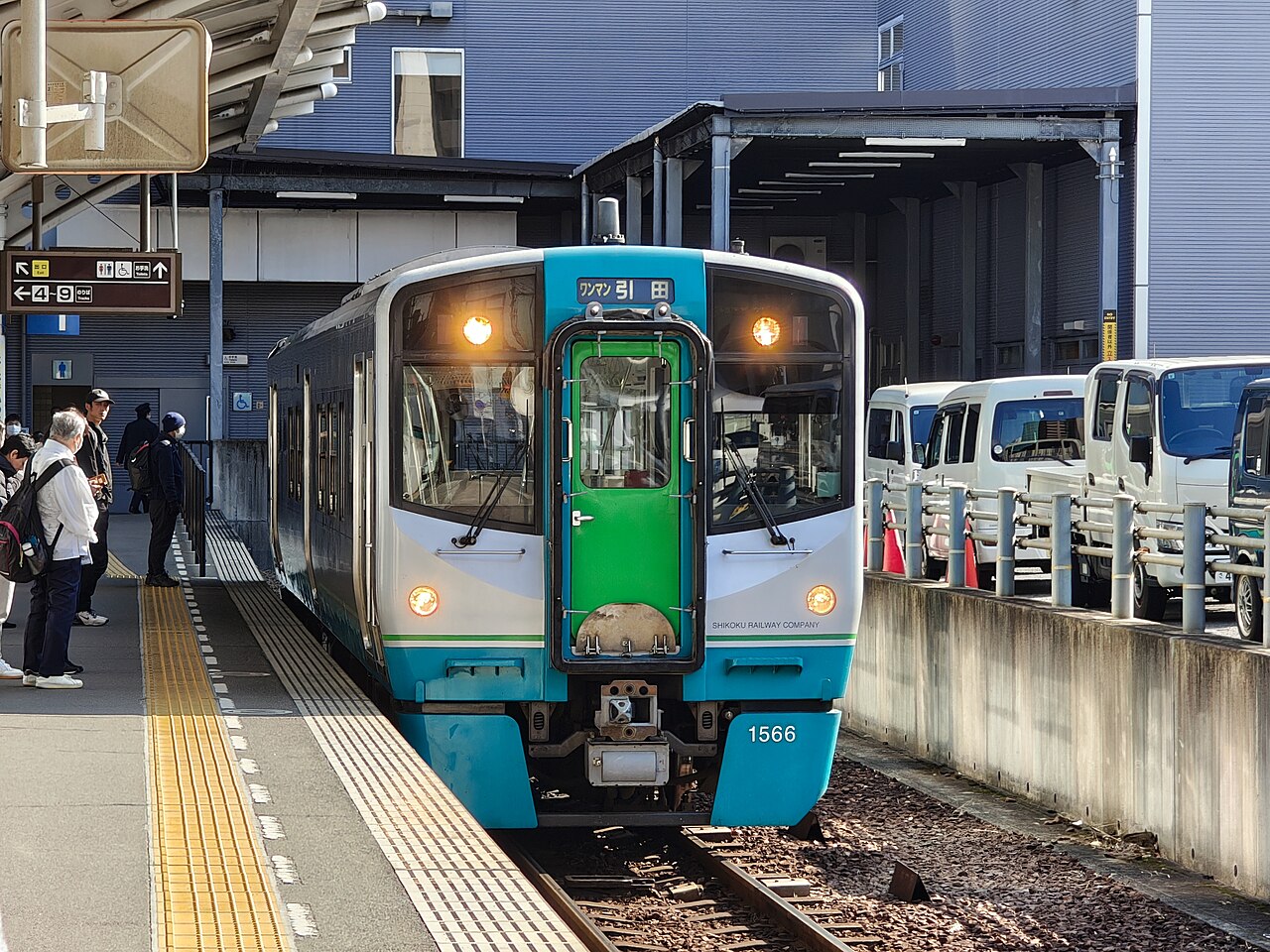
Today the Uzushio limited express runs the full length of the line. Local trains work the whole route alongside shorter workings around Takamatsu and Tokushima, and there are through local services onto the Naruto and Mugi lines. Limited-express duties are handled mainly by the 130 km/h-capable 2700 series diesel multiple units, alongside 2600 series sets; local services use 1000, 1200 and 1500 series railcars and JNR-era KiHa 40 and KiHa 47 cars. The Kōtoku Line was the last line on JR Shikoku's network to operate regular locomotive-hauled passenger-coach trains in ordinary service — excluding the Sunrise Seto sleeper — until those workings (trains 321 and 322) were converted to diesel railcars on 1 April 1992. From the timetable revision of 13 March 2021, after the withdrawal of the late-night Takamatsu services, the line no longer operates any train that crosses midnight. On 14 March 2020 IC-card acceptance of ICOCA, previously available only at Takamatsu, was extended to Ritsurin-Kōen-Kitaguchi, Ritsurin and Yashima stations.
Timeline
- 189916 February: the Tokushima Railway opens its Kamojima–Sako–Tokushima line; the Sako–Tokushima portion is now part of the Kōtoku Line — the line's conventional origin date.
- 1907The Tokushima Railway is nationalised.
- 19161 July: the Awa Electric Railway opens Furukawa–Nakahara–Yoshinari–Ikenotani–Muya, with a Yoshino River ferry connection; the Yoshinari–Ikenotani section is now part of the Kōtoku Line.
- 192315 February: the Awa Electric Railway opens Ikenotani–Awa-Ōtera (now Itano)–Kajiyabara.
- 19251 August: Takamatsu–Shido opens as the Kōtoku Line. Ritsurin Station opens on 21 December.
- 192621 March: Shido–Sanuki-Tsuda opens. The Awa Electric Railway is renamed the Awa Railway (10 May).
- 192815 April: Sanuki-Tsuda–Hiketa opens.
- 19331 July: the Awa Railway's Furukawa–Muya and Ikenotani–Kajiyabara sections are nationalised, becoming the Awa Line.
- 193520 March: Hiketa–Itano and Yoshinari–Sako open, completing the line; Takamatsu–Tokushima becomes the Kōtoku Main Line and Itano–Kajiyabara the separate Kajiyabara Line. Nine daily through round-trips (7 passenger, 2 mixed) begin.
- 195915 September: Takamatsu Station is relocated, extending the line by 0.3 km.
- 19631 February: Sako–Tokushima is double-tracked — reported by Kōtsū Shimbun as the first double-track in Shikoku.
- 197216 January: the Kajiyabara Line (Itano–Kajiyabara) is closed.
- 1977CTC signalling is trialled from 1 March and enters full service on 15 March.
- 19861 November: freight operations cease.
- 19871 April: with the privatisation of JNR, the line transfers to Shikoku Railway Company (JR Shikoku).
- 198810 April: a speed-up to 110 km/h (from 85 km/h) is completed; the Uzushio limited express begins and one-man local operation starts. 1 June: the line is renamed from Kōtoku Main Line to Kōtoku Line.
- 19921 April: JR Shikoku's last regular locomotive-hauled passenger trains (321/322) are converted to diesel railcars.
- 199327 July: the Sako area is elevated.
- 199814 March: the upgrade to a 130 km/h maximum speed (begun 22 May 1995) is completed; Orange Town Station opens.
- 200113 May: Takamatsu Station is relocated, shortening the line by 0.3 km.
- 202014 March: ICOCA IC-card acceptance is extended to Ritsurin-Kōen-Kitaguchi, Ritsurin and Yashima stations (added to Takamatsu).
- 202113 March: timetable revision; with the late-night Takamatsu departures withdrawn, no train on the line crosses midnight any longer.
Sources
Facts last verified 3 June 2026.
Gallery 6 photos
Every photo for this page — tap any image to view it full-size. All from Wikimedia Commons (credit under each).