History
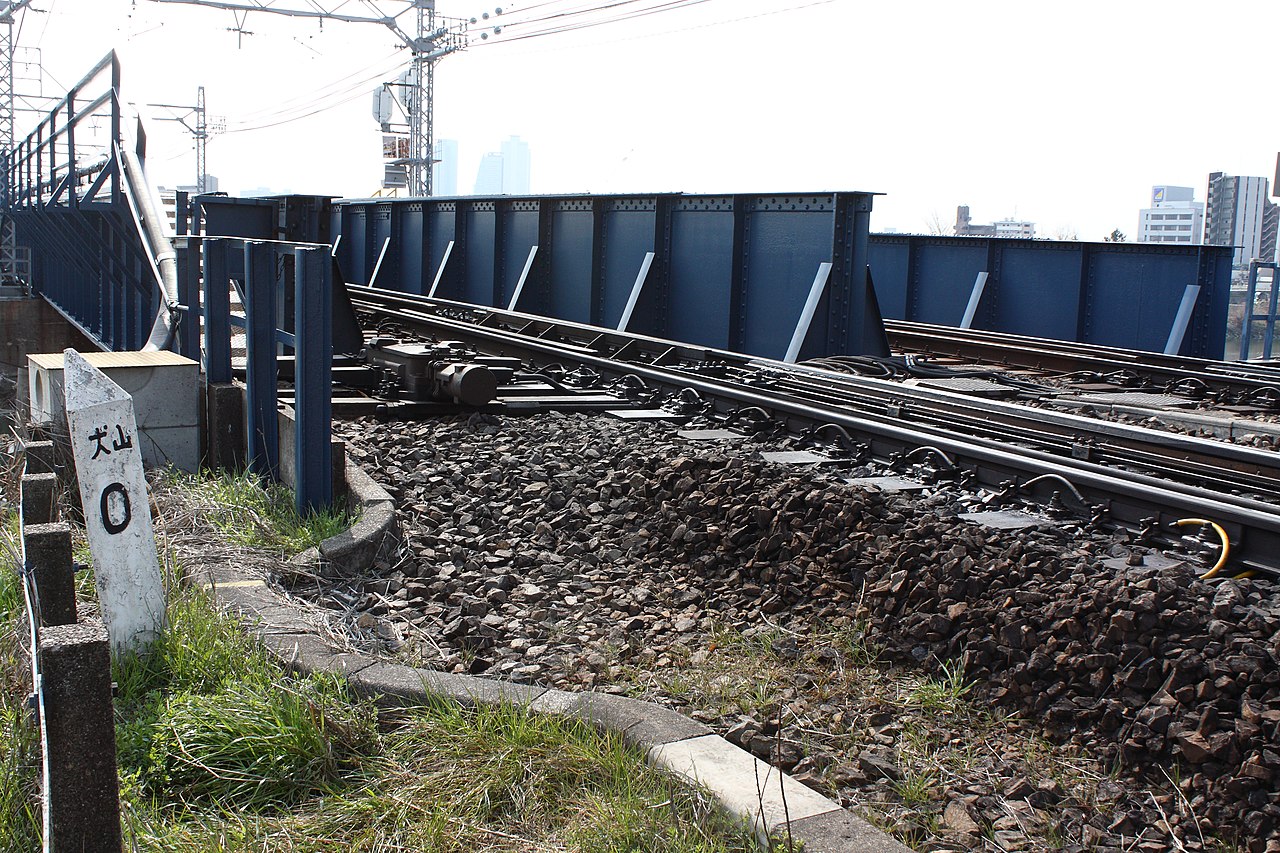
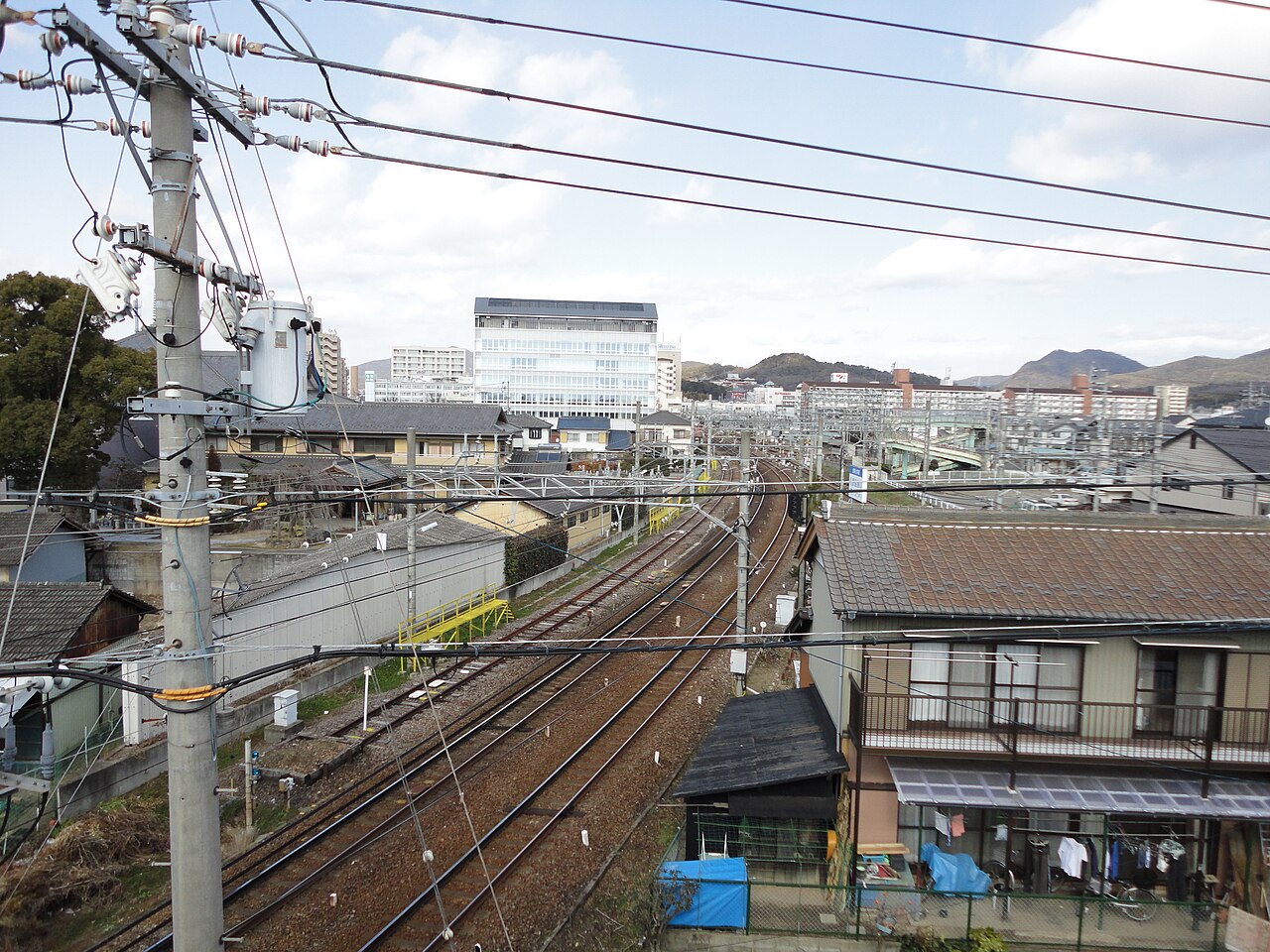
The line grew out of the early suburban (interurban) network of the Nagoya Electric Railway, the predecessor of Meitetsu, a company that had begun with city streetcar operations. The first segment in the area opened on 6 May 1910, when the Nagoya Electric Railway opened the Biwajima Line from Oshikiri-chō to Biwajima. On 6 August 1912 the Ichinomiya Line (Biwajima – Biwajima-bashi, today Biwajima Junction – Iwakura – Nishi-inden) and the Inuyama Line proper (Iwakura – Inuyama) opened; the Ichinomiya Line and the Inuyamaguchi–Inuyama section were already double-tracked. Because the company could not yet reach central Nagoya, the suburban trains ran onto the Nagoya city tramway and used Yanagibashi as their terminus until 1941.
In 1921 the Nagoya Electric Railway transferred the Ichinomiya and Inuyama lines to a new company, the Nagoya Railroad. The Iwakura–Inuyamaguchi section was double-tracked on 21 July 1922. The line was then extended north under the name Seki Line: Inuyama to Inuyama-bashi (now Inuyama-Yūen) opened on 2 May 1926, and Inuyama-bashi to Shin-Unuma opened on 1 October 1926, at which point the Seki Line was merged into the Inuyama Line and the Iwakura–Shin-Unuma route became the Inuyama Line. The Inuyama-bashi to Shin-Unuma extension carried the line across the Kiso River. Meitetsu had planned to push on from Inuyama to Seki, but construction stopped at Shin-Unuma and the licence for the extension to Seki lapsed in 1927.
A decisive change to the line's identity came on 12 August 1941: with the opening of Shin-Nagoya Station (today Meitetsu-Nagoya), the Ichinomiya Line's Oshikiri-chō–Biwajima-bashi section was abolished, the Biwajima-bashi–Shin-Unuma route became the Inuyama Line, and the Iwakura–Higashi-Ichinomiya segment became the (separate) Ichinomiya Line. On 1 August 1949 Biwajima-bashi Station was abolished and the point became Biwajima Junction. The remaining Ichinomiya Line between Iwakura and Higashi-Ichinomiya was closed on 25 April 1965, and is now served by Meitetsu buses.
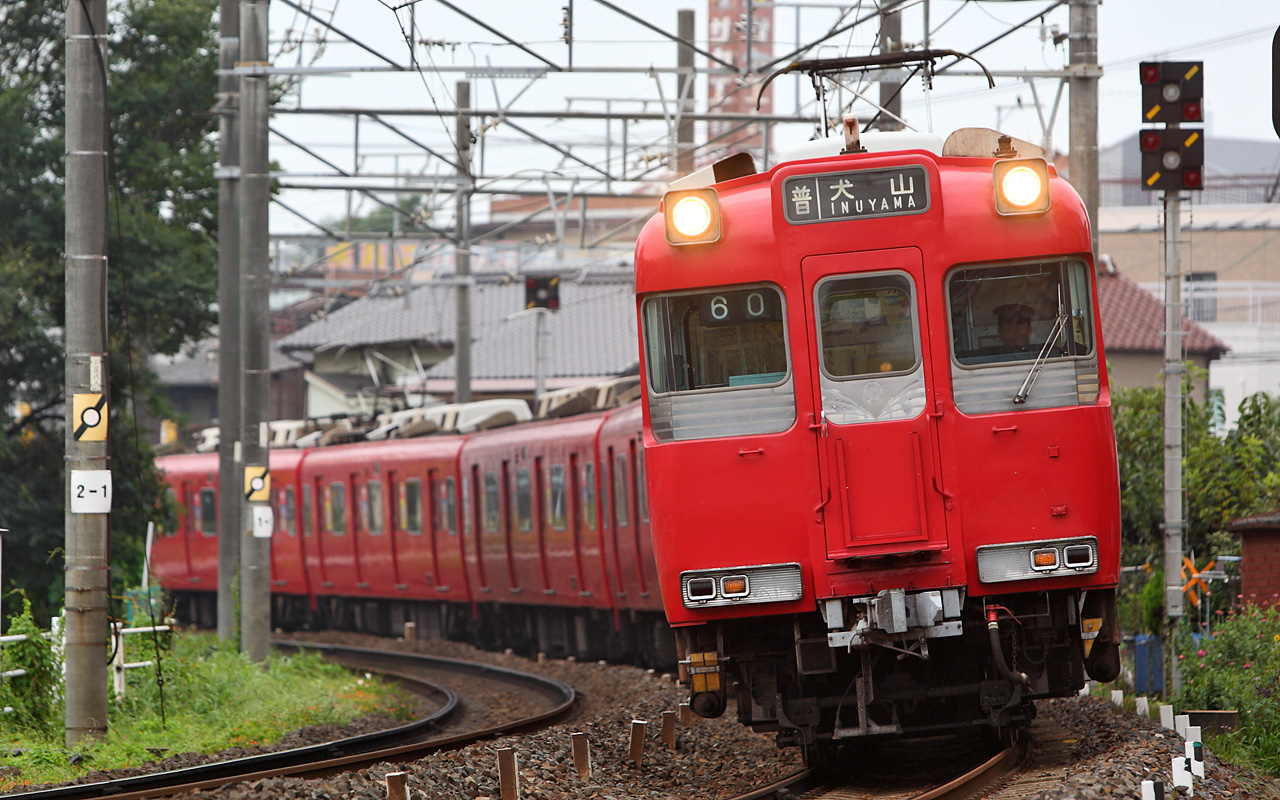
The overhead supply was raised from 600 V to 1,500 V DC on 12 May 1948. On 12 May 1968 the line's maximum speed was raised to 110 km/h, matching the Nagoya Main Line, and it has remained there since. From 12 August 1993 the Inuyama Line began mutual through-operation with the Nagoya Municipal Subway Tsurumai Line at Kami-Otai, with onward through-running to the Meitetsu Toyota Line via Akaike. Several stretches have been grade-separated over the decades, including the Naka-Otai–Kami-Otai elevation completed in 1991 (when Hirata-bashi Station was moved about 330 m south and renamed Kami-Otai) and the elevation of Hotei Station, whose down line was raised on 30 May 2020 — a switchover slightly delayed by the COVID-19 pandemic.
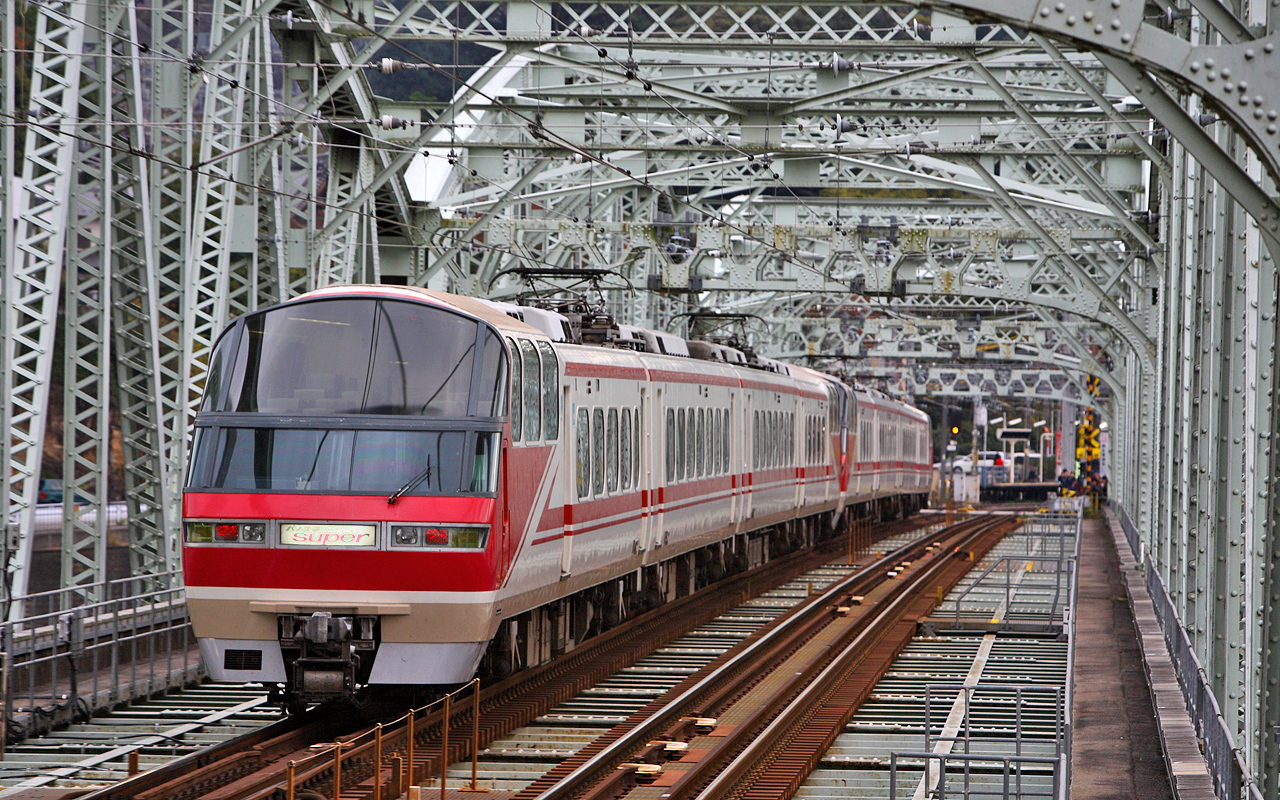
A notable feature was the Inuyama Bridge over the Kiso River between Inuyama-Yūen and Shin-Unuma, which was long known as the last rail-and-road combined bridge in Japan built to railway standards. On 28 March 2000 a separate road-only bridge (the "Twin Bridge") was completed and the combined alignment was converted to dedicated railway track, ending that combined use. At Shin-Unuma the line meets the JR Central Takayama Main Line; a connecting line once allowed the limited express "Kita-Alps" to run through onto the Takayama Main Line as one round trip a day, but that service was abolished on 1 October 2001 and the connecting track was later removed.
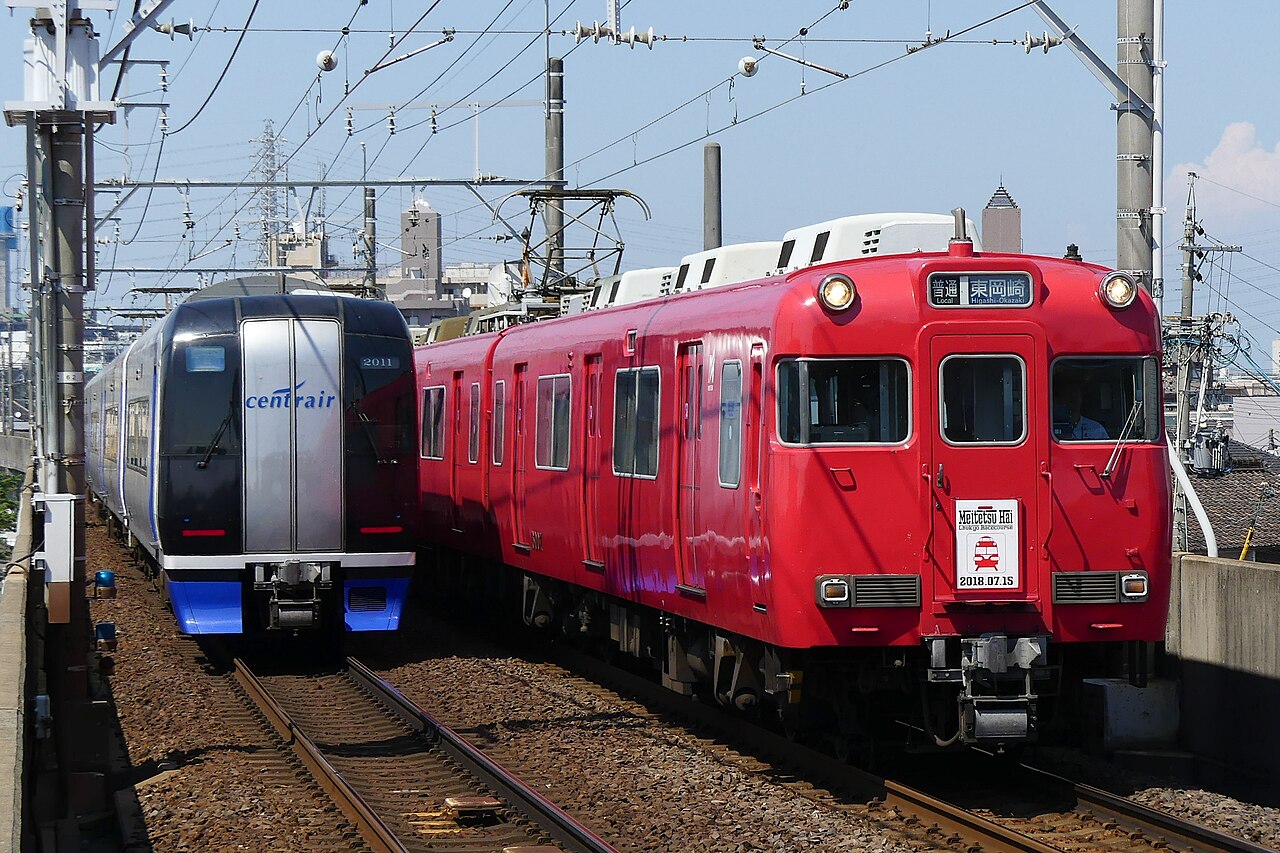
Today Meitetsu operates a graded service pattern on the line with seven train classes: μSKY (Limited Express), Rapid Limited Express, Limited Express, Rapid Express, Express, Semi-Express and Local. The line is heavily used at rush hour because there is no competing parallel railway and traffic concentrates on it; its reported daily ridership was 57,443 in fiscal year 2008. The corridor also carries a tourist role, with sightseeing destinations including the Kiso River, Inuyama Castle, the Meiji-Mura open-air museum and Little World located along the route in the Inuyama area.
Timeline
- 19106 May: the Nagoya Electric Railway opens the Biwajima Line (Oshikiri-chō – Biwajima), the first segment in the area.
- 19126 August: the Ichinomiya Line (Biwajima – Biwajima-bashi [now Biwajima Junction] – Iwakura – Nishi-inden) and the Inuyama Line (Iwakura – Inuyama) open; the Inuyamaguchi–Inuyama section is double-tracked.
- 19211 July: the Nagoya Electric Railway transfers the Ichinomiya and Inuyama lines to the Nagoya Railroad.
- 192221 July: the Iwakura – Inuyamaguchi section is double-tracked.
- 1926As the Seki Line, Inuyama – Inuyama-bashi (now Inuyama-Yūen) opens on 2 May and Inuyama-bashi – Shin-Unuma on 1 October, crossing the Kiso River; the Seki Line is merged into the Inuyama Line and Iwakura – Shin-Unuma becomes the Inuyama Line.
- 1927The licence for the planned extension from Inuyama to Seki lapses.
- 194112 August: with Shin-Nagoya Station (now Meitetsu-Nagoya) opening, the Ichinomiya Line's Oshikiri-chō–Biwajima-bashi section is abolished; Biwajima-bashi–Shin-Unuma becomes the Inuyama Line and Iwakura–Higashi-Ichinomiya becomes the Ichinomiya Line.
- 194812 May: the catenary voltage is raised from 600 V to 1,500 V DC.
- 19491 August: Biwajima-bashi Station is abolished and the point becomes Biwajima Junction.
- 196525 April: the Ichinomiya Line between Iwakura and Higashi-Ichinomiya is closed (now served by Meitetsu buses).
- 196812 May: the section maximum speed is raised to 110 km/h, following the Nagoya Main Line.
- 199312 August: mutual through-operation with the Nagoya Municipal Subway Tsurumai Line begins at Kami-Otai.
- 200028 March: a separate road-only bridge (the "Twin Bridge") is completed over the Kiso River and the Inuyama Bridge combined alignment becomes dedicated railway track, ending the last railway-standard rail-and-road combined bridge use in Japan.
- 20011 October: the JR Takayama Main Line through limited express "Kita-Alps" is abolished; Kami-Otai is promoted to an Express stop.
- 200827 December: with the limited expresses becoming part-reserved, all-reserved services are renamed μSKY, bringing the line to seven train classes.
- 202030 May: the down line of Hotei Station is elevated (the switchover slightly delayed by the COVID-19 pandemic).
Sources
Facts last verified 3 June 2026.
Gallery 6 photos
Every photo for this page — tap any image to view it full-size. All from Wikimedia Commons (credit under each).