History
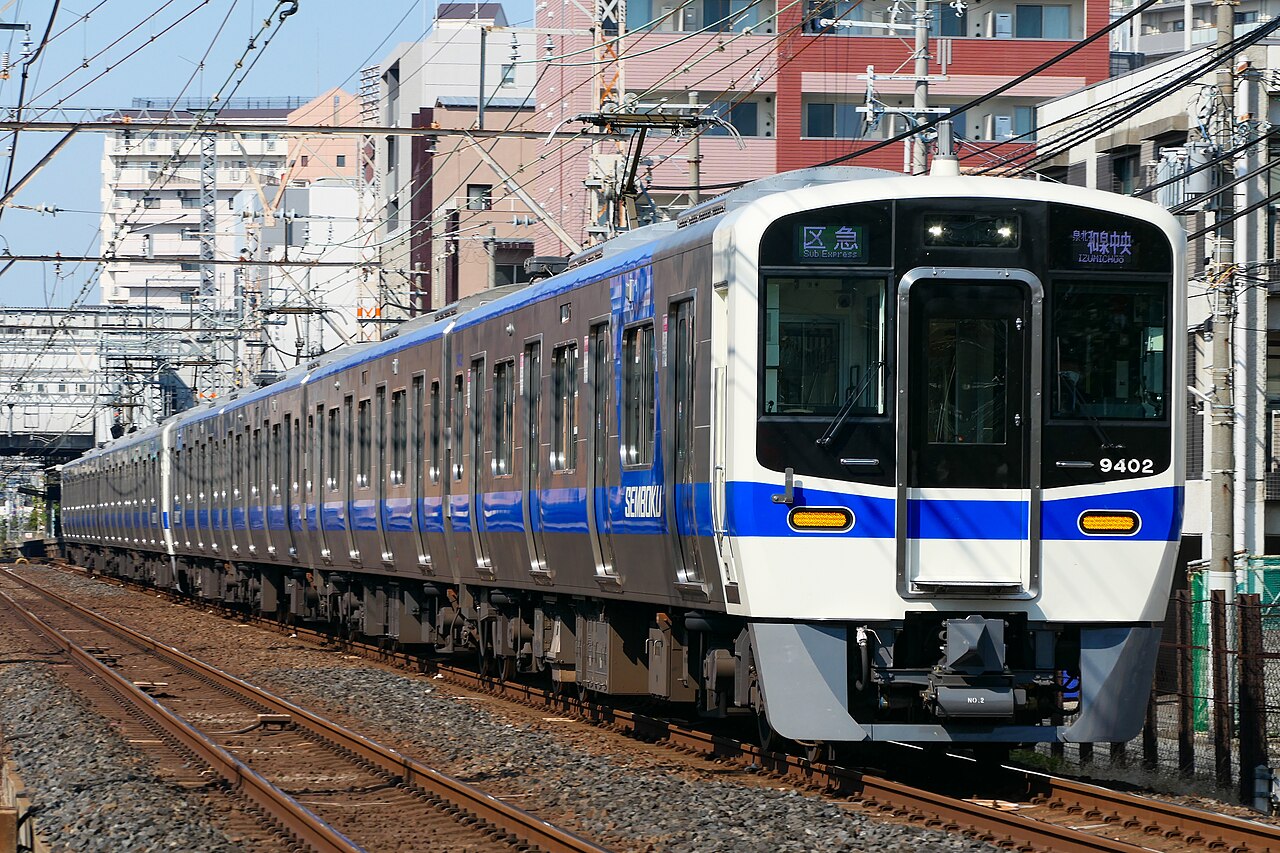
The line was built to carry pilgrims toward Koyasan, a major religious centre, while also serving as a commuter route from the southern Osaka suburbs and the Hashimoto–Ito area of Wakayama into central Osaka. The Japanese article notes that, through suburban housing development along the route and reciprocal through-service with the Senboku high-speed line (now the Nankai Senboku Line) carrying commuters from Senboku New Town into central Osaka, the Kōya Line developed into a line carrying more passengers than the Nankai Main Line.
Construction unfolded over more than three decades. The Kōya Railway opened the Shiomibashi-to-Sayama section between 1898 and 1900 and extended the line to Kawachinagano in 1902; that section was electrified at 600 V DC in 1912, and all further extensions were electrified when opened (per the English article). The Japanese chronology pins the earliest openings precisely: on 30 January 1898 the Kōya Railway opened Ōshōji (present-day Sakaihigashi) to Sayama, and on 2 April 1898 Sayama to Nagano (present-day Kawachinagano); on 3 September 1900 the line reached Dōtonbori (present-day Shiomibashi). The Kawachinagano–Mikkaichicho section opened in 1914 and the line was extended to Hashimoto the following year (1915). In 1922 the company merged with Nankai, and the Hashimoto-to-Gokurakubashi section opened in 1929. The Japanese article details that the mountain extension beyond Kōyashita was carried out by a separate company, the Koyasan Electric Railway: the Kōyashita–Kamiya (present-day Kii-Kamiya) section opened in 1928, electrified at 1,500 V, and the Kamiya–Gokurakubashi section opened on 21 February 1929, completing through-running of the whole line. The Japanese infobox accordingly dates full opening to 21 February 1929.
The line was progressively upgraded. Double-tracking commenced in 1924, reaching Kawachinagano in 1938 (English article). The line voltage was increased to 1,500 V DC in 1973 — the Japanese chronology dates this to 7 October 1973 — and double-tracking reached Mikkaichicho in 1974 and Hashimoto in 1995. The Japanese article adds that the Shiomibashi-to-Kishinosato (then Kishinosato/岸ノ里) section, the Shiomibashi Line, was severed from the section south of Kishinosato on 16 June 1985, leaving it as a de facto branch on which trains operate only between Shiomibashi and Kishinosato-Tamade.
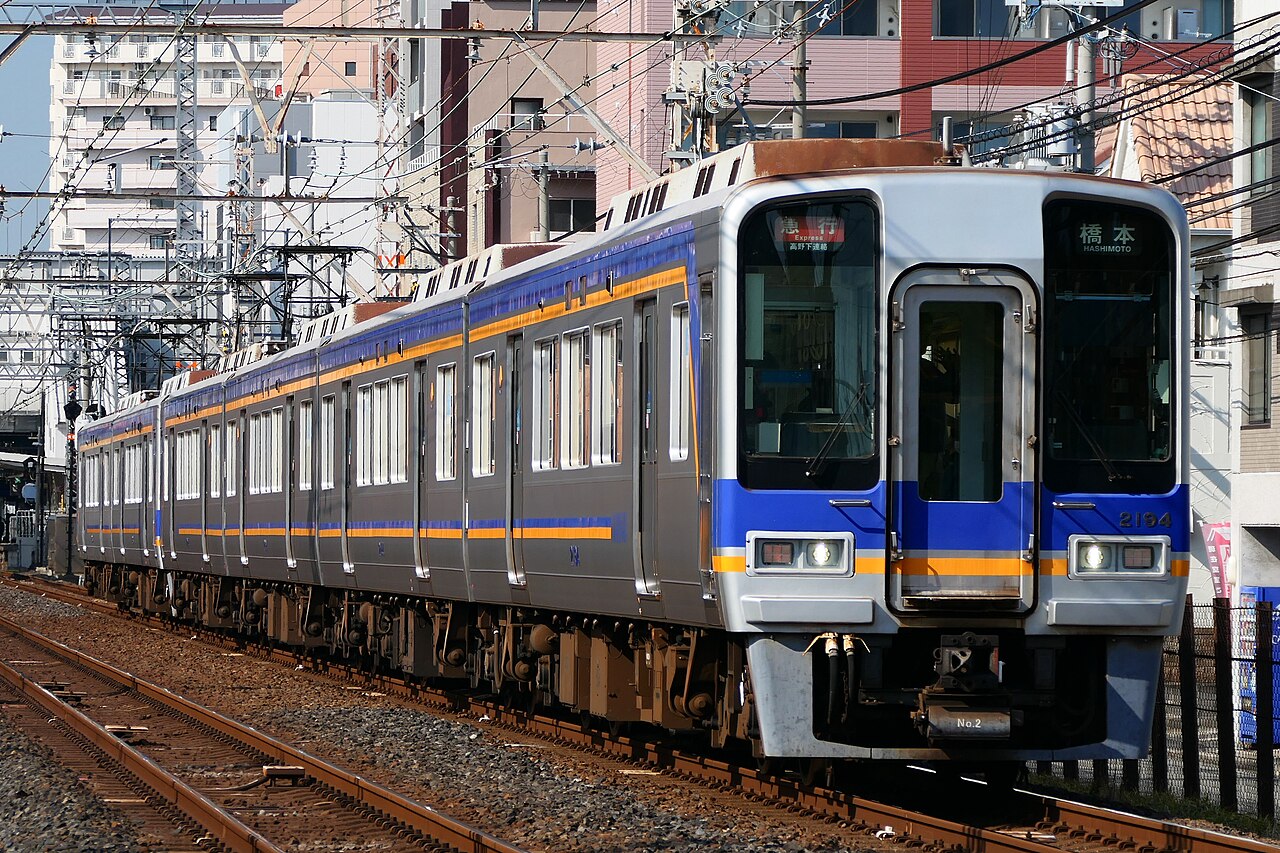
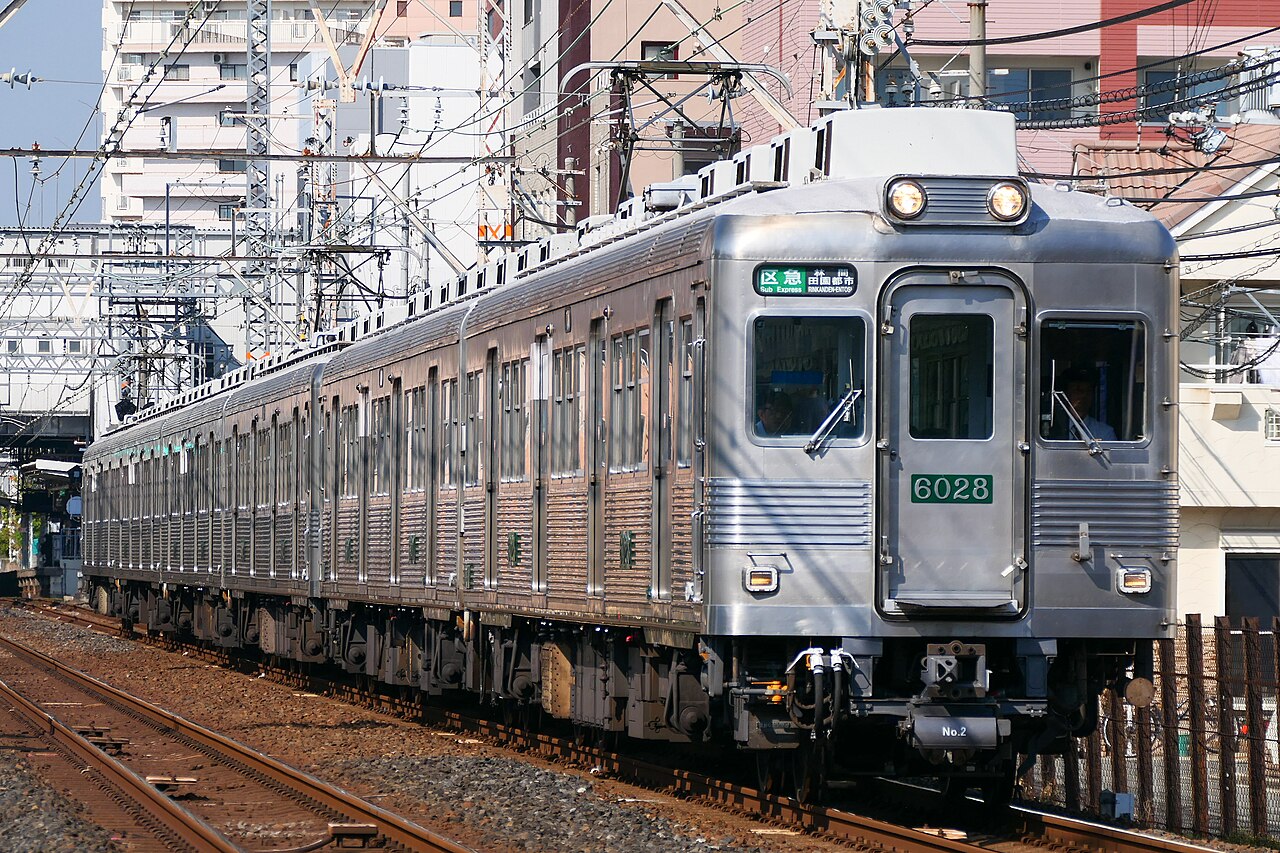
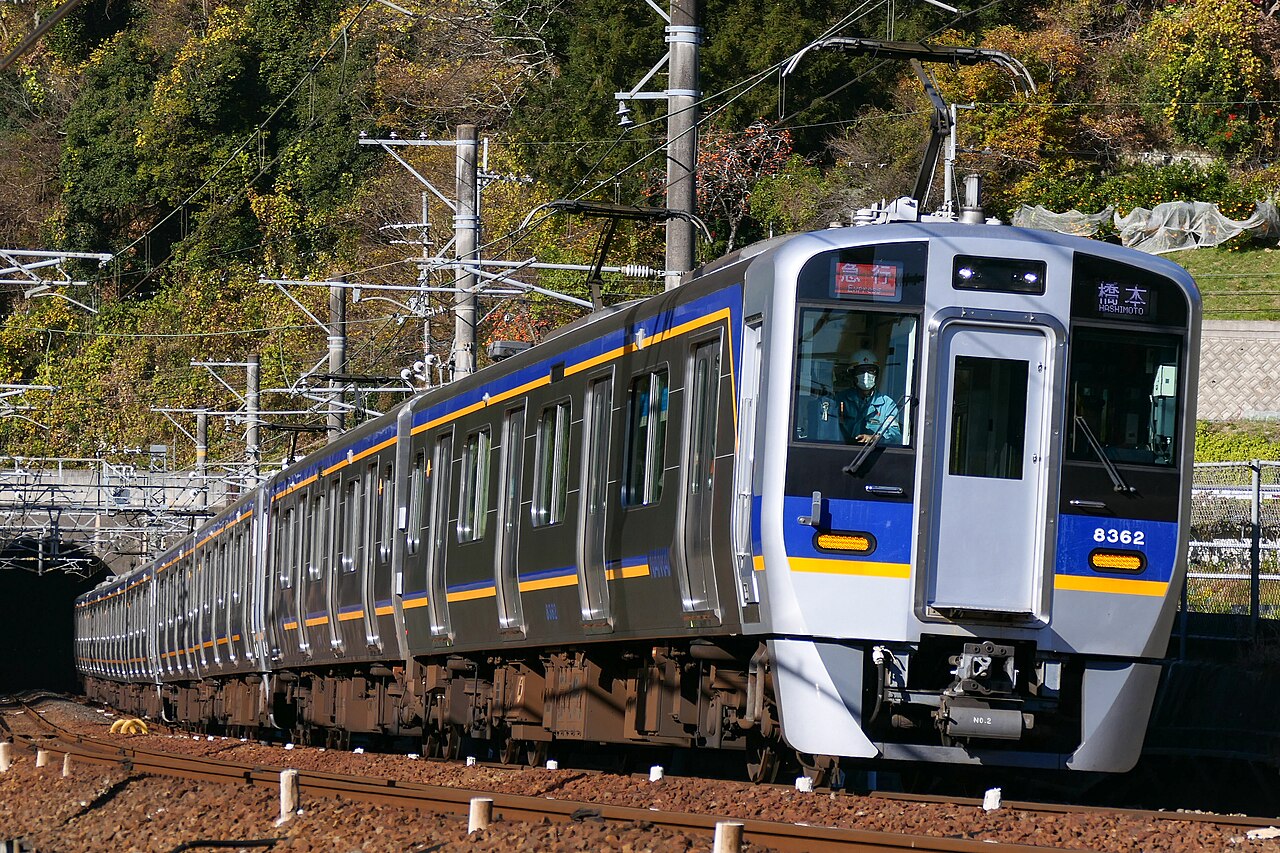
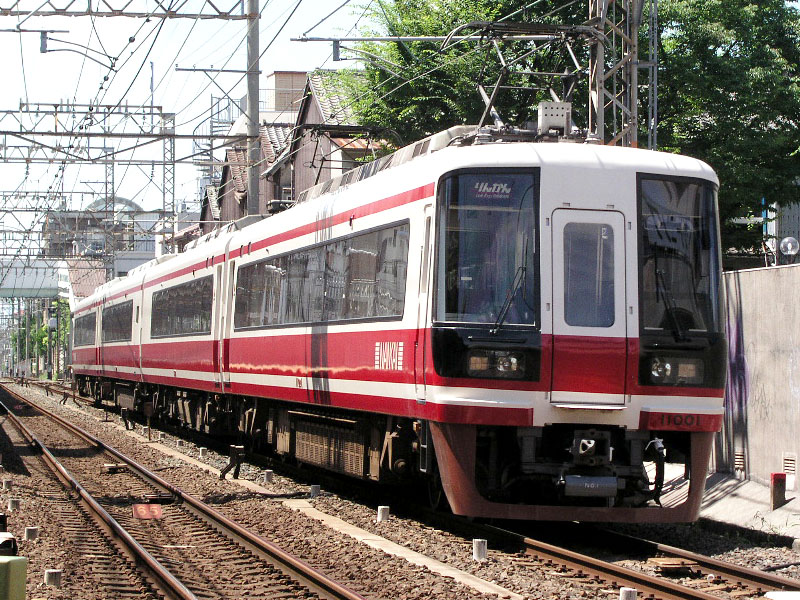
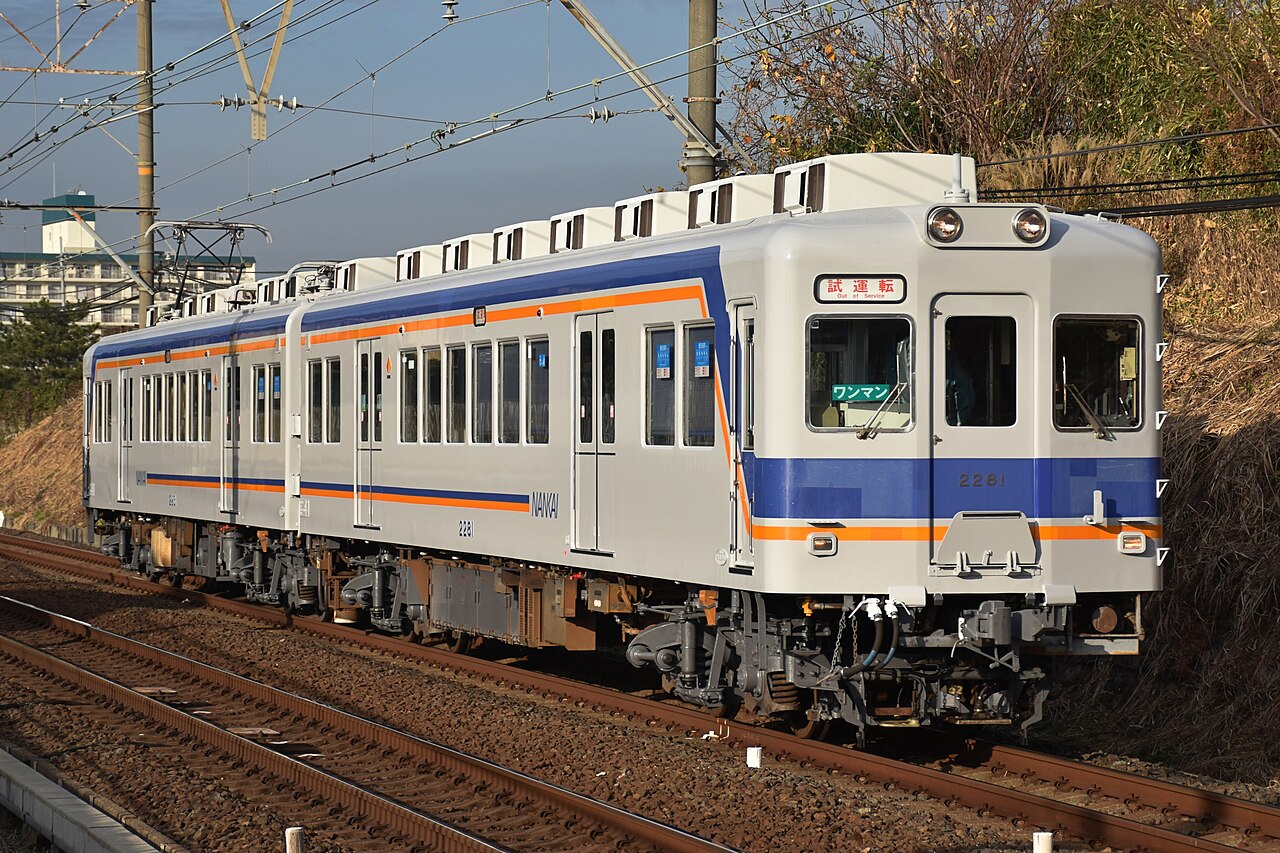
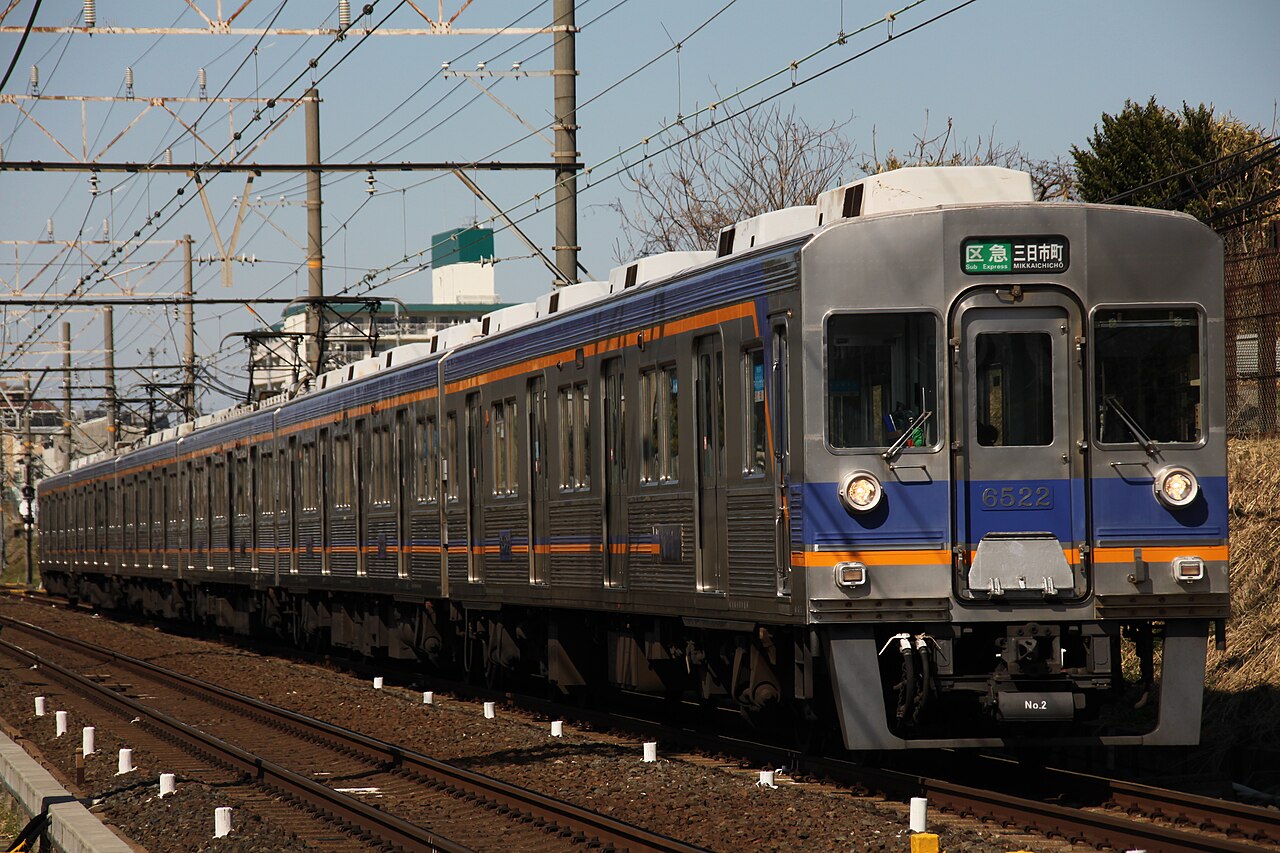
Today the Kōya Line is operated by Nankai Electric Railway. Its service pattern divides between the mainly urban Namba–Hashimoto section and the curved, steep Hashimoto–Gokurakubashi mountain section, where trains use dedicated 17 m-class "Zoomcar" rolling stock capable of fast running on level track and strong tractive effort in the mountains (Japanese article). Limited-express services include the Kōya between Namba and Gokurakubashi and the Rinkan between Namba and Hashimoto; the Japanese article records that the "Kōya" limited express began operation on 7 July 1951 (then styled "Kōya-gō"). The section from Hashimoto to Gokurakubashi, together with the cable line, carries the nickname "Koya Flower Railway" and has hosted the sightseeing train "Tenkū," which began running between Hashimoto and Gokurakubashi on 3 July 2009.
The line's mountain section has seen serious incidents recorded in the Japanese article. On 3 September 1944, on the Kii-Hosokawa–Kami-Kosawa section, a Gokurakubashi-bound train caught fire from beneath the floor, then ran away down the gradient and derailed and overturned on a curve, killing 71 people. On 6 December 1945 a Shiomibashi-to-Hashimoto train overran the safety siding at Kimitōge Station owing to excess speed and overturned, killing 27. On 18 January 1968, at Tengachaya, a Namba-bound express on the Nankai Main Line passed a signal and collided head-on with an out-of-service train, injuring 296.
Timeline
- 189830 January: the Kōya Railway opens Ōshōji (present-day Sakaihigashi)–Sayama; 2 April: Sayama–Nagano (present-day Kawachinagano) opens.
- 19003 September: the line is extended to Dōtonbori (present-day Shiomibashi), reaching central Osaka.
- 1902The line is extended to Kawachinagano.
- 1912The Shiomibashi–Nagano (Kawachinagano) section is electrified at 600 V DC.
- 1914The Kawachinagano–Mikkaichicho section opens.
- 1915The line is extended to Hashimoto.
- 1922The company merges with Nankai; the line becomes the Kōya Line.
- 1924Double-tracking of the line commences.
- 1928The Koyasan Electric Railway opens Kōyashita–Kamiya (present-day Kii-Kamiya), electrified at 1,500 V.
- 192921 February: the Kamiya–Gokurakubashi section opens, completing through-running of the whole line.
- 1938Double-tracking reaches Kawachinagano.
- 19517 July: the 'Kōya' limited express (then 'Kōya-gō') begins operation.
- 19737 October: the overhead voltage is raised to 1,500 V DC.
- 1974Double-tracking reaches Mikkaichicho (Kawachinagano–Mikkaichicho).
- 198516 June: the Shiomibashi–Kishinosato section (Shiomibashi Line) is severed from the section to the south, becoming a de facto branch.
- 1995Double-tracking reaches Hashimoto (Miyukitsuji–Hashimoto), completing it through Hashimoto.
- 20093 July: the sightseeing train 'Tenkū' begins running between Hashimoto and Gokurakubashi.
Sources
Facts last verified 3 June 2026.
Gallery 6 photos
Every photo for this page — tap any image to view it full-size. All from Wikimedia Commons (credit under each).