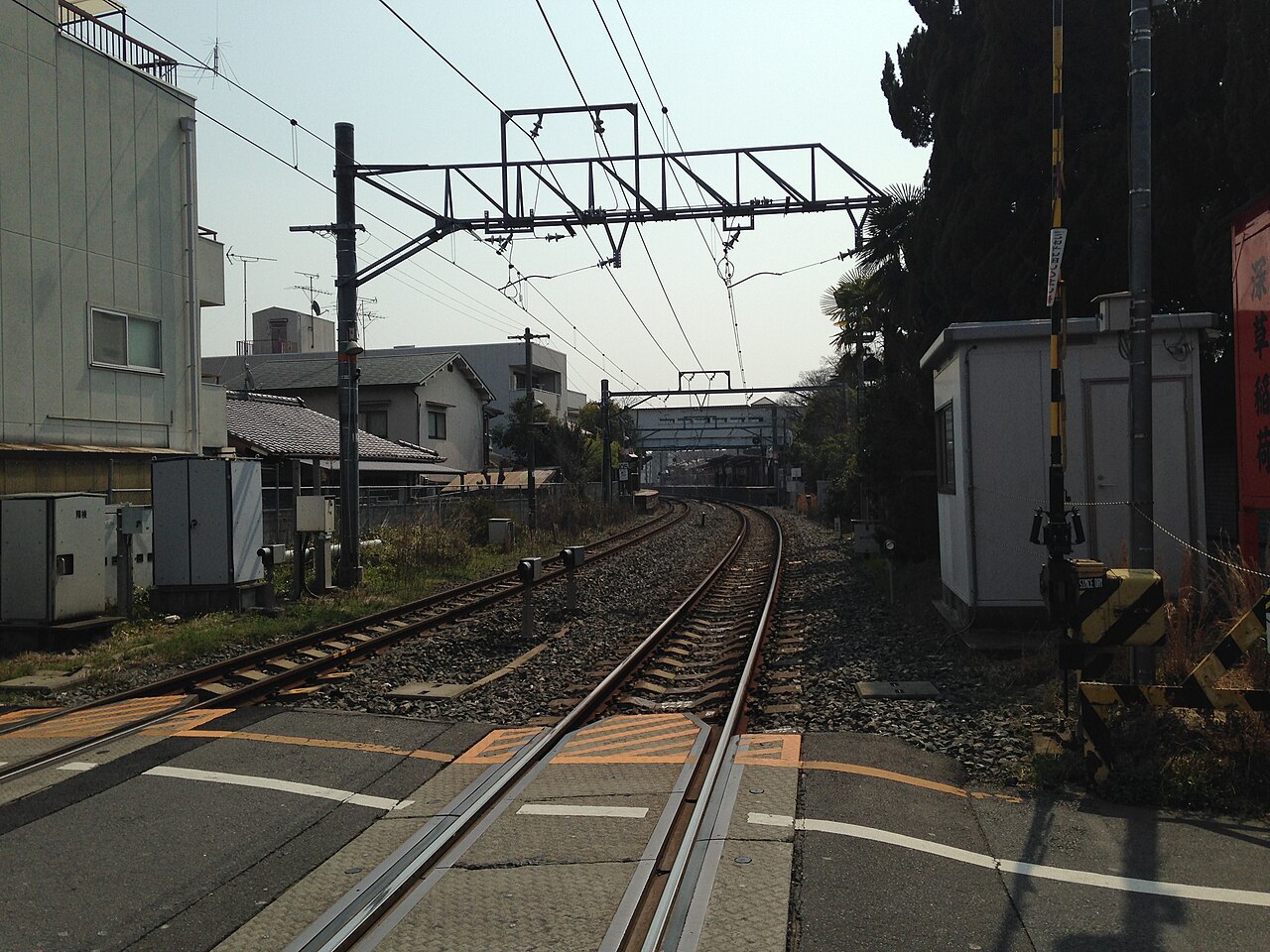
History
The corridor's railway history begins on 18 August 1879, when the Government-Operated Railway (the forerunner of the Tokaido Main Line) opened between Kyoto, Inari and Otani, and Inari Station opened. The Nara Line proper, however, was built by the privately owned Nara Railway: it opened Kyoto-Fushimi on 5 September 1895, extended to Momoyama on 3 November 1895, reached Tamamizu on 25 January 1896 and Kizu on 13 March 1896, and on 18 April 1896 the Kizu-Nara section opened, completing the Kyoto-Nara line. At the time of completion the Kyoto-Momoyama section ran via the alignment now used by the Kintetsu Kyoto Line. Nara Railway ceded its track to Kansai Railway on 7 February 1905, and Kansai Railway was nationalised on 1 October 1907 under the Railway Nationalization Act. On 12 October 1909 the Kizu-Kyoto section was officially designated the "Nara Line" while Kizu-Nara became part of the Kansai Main Line.
A major realignment took place in 1921. On 1 August 1921 - the day the Tokaido Main Line was re-routed onto its new alignment via the Higashiyama Tunnel - the old Kyoto-Inari portion of the Tokaido Main Line was appropriated for the Nara Line and new track was laid between Inari and Momoyama, while the original Kyoto-Fushimi alignment was abandoned and the Fushimi-Momoyama section became freight-only. The old Kyoto-Fushimi right-of-way was later sold to Nara Electric Railway, the predecessor of the Kintetsu Kyoto Line, whose competing line opened in 1928 and drew away much of the through demand. Operating distances were converted from miles to the metric system on 1 April 1930 (recorded as 21.6 miles becoming 34.7 km).
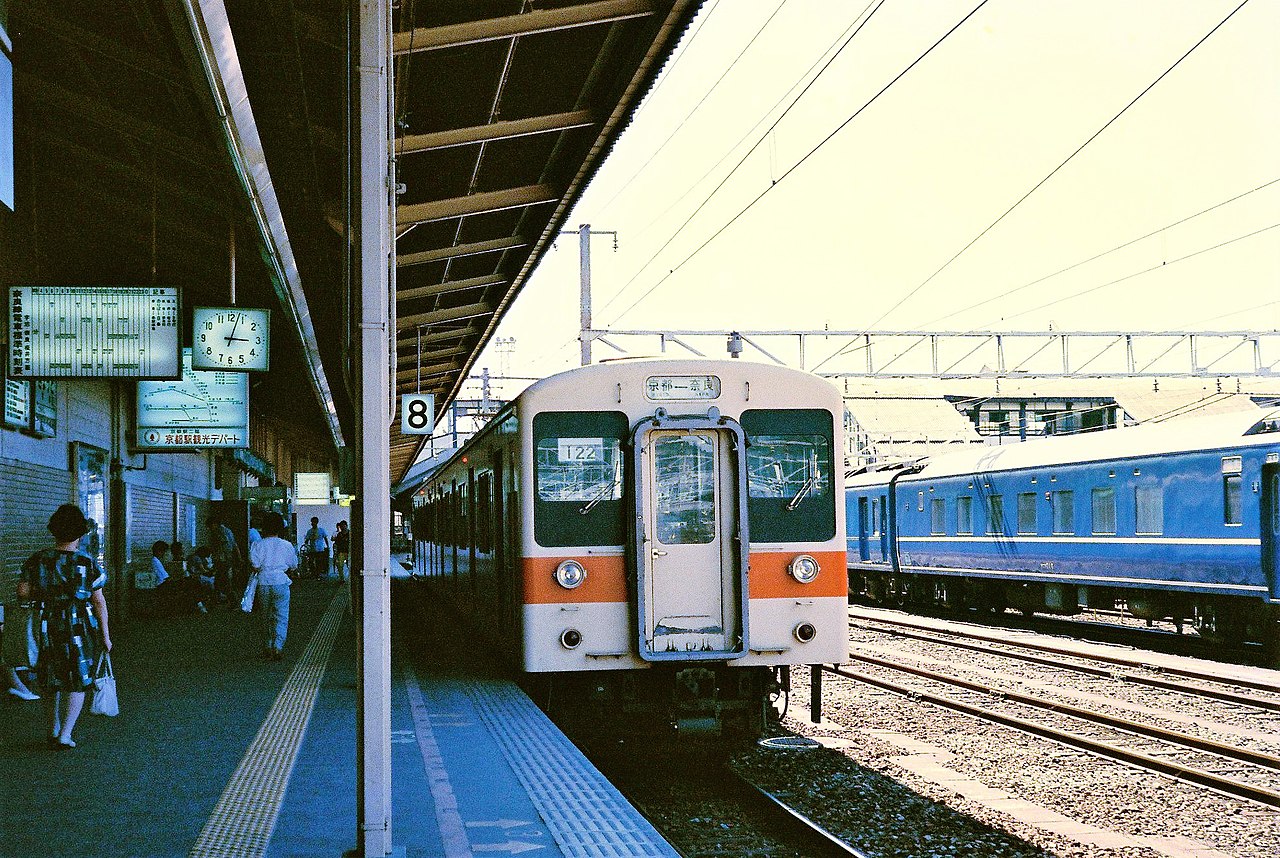
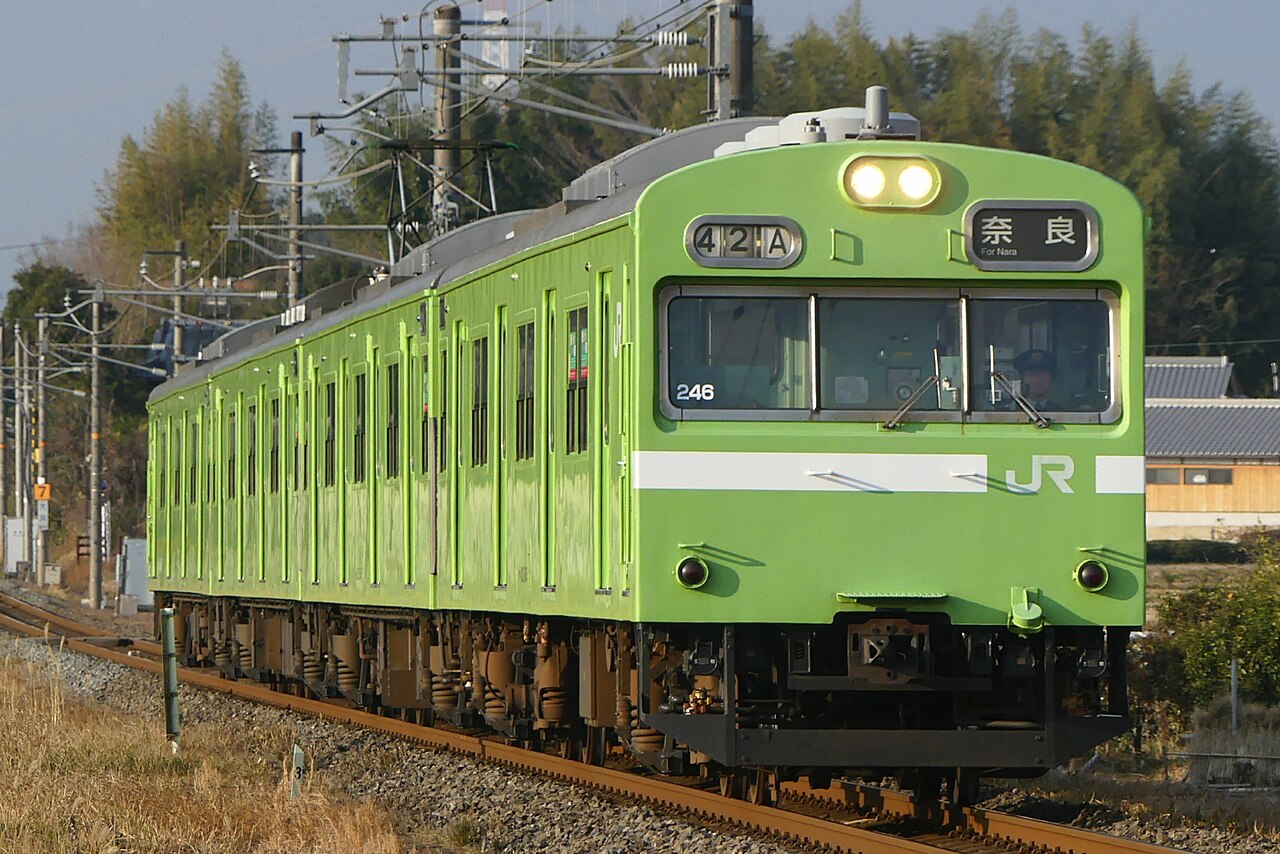
For much of the 20th century the Nara Line was treated as a purely local line. In the 1950s it was among the earliest Japanese National Railways (JNR) lines to switch from steam locomotives to diesel multiple units, and new stations such as Tofukuji and Joyo opened, but little further capital was invested, and the English-language source notes that it was "not until 1984 that it was finally electrified." Centralized traffic control was introduced on 2 March 1982, and on 1 October 1984 the Kyoto-Kizu line was electrified, with operations switching to 105 series and 113 series trainsets and the Kinokawa express service (Kyoto-Wakayama) ending.
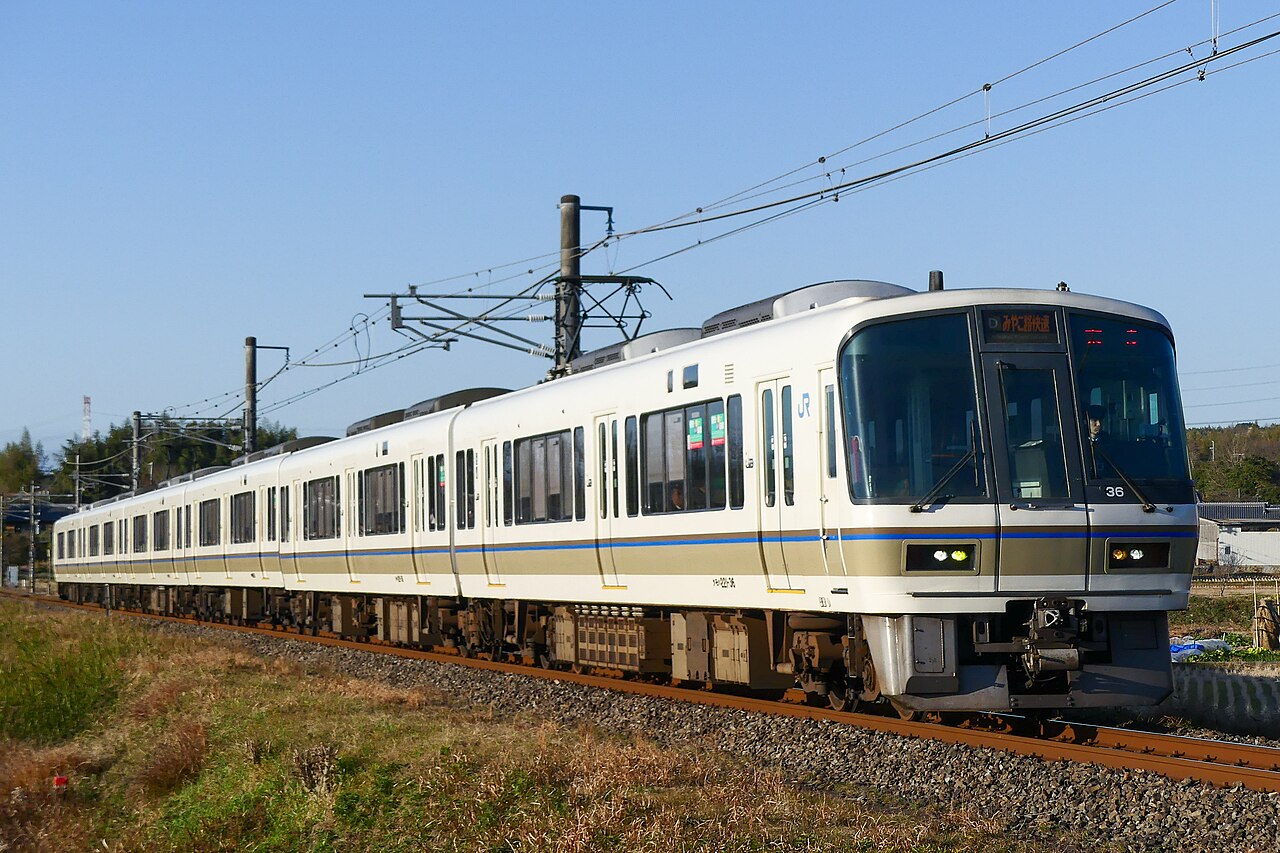
The turning point came with the privatisation of JNR. On 1 April 1987 the Nara Line passed to the newly formed West Japan Railway Company (JR West), with JR Freight becoming a Category-2 operator. From 1988 the line came under the Tennoji Railway Operations Office, and because Kintetsu also runs a "Nara Line" of its own (linking Osaka and Nara), the JR West line is commonly called the "JR Nara Line" for clarity. JR West then invested heavily: a Rapid Service using 117 series trainsets began on 16 March 1991; Rokujizo Station opened on 22 October 1992; JR Fujinomori Station opened on 8 March 1997; and on 3 March 2001 the first double-tracked sections opened (Kyoto-JR Fujinomori and Uji-Shinden), JR Ogura Station opened, Regional Rapid service began, and the Miyakoji Rapid was introduced using 221 series trainsets. According to the Japanese-language source, JR Ogura is the newest station on the line.
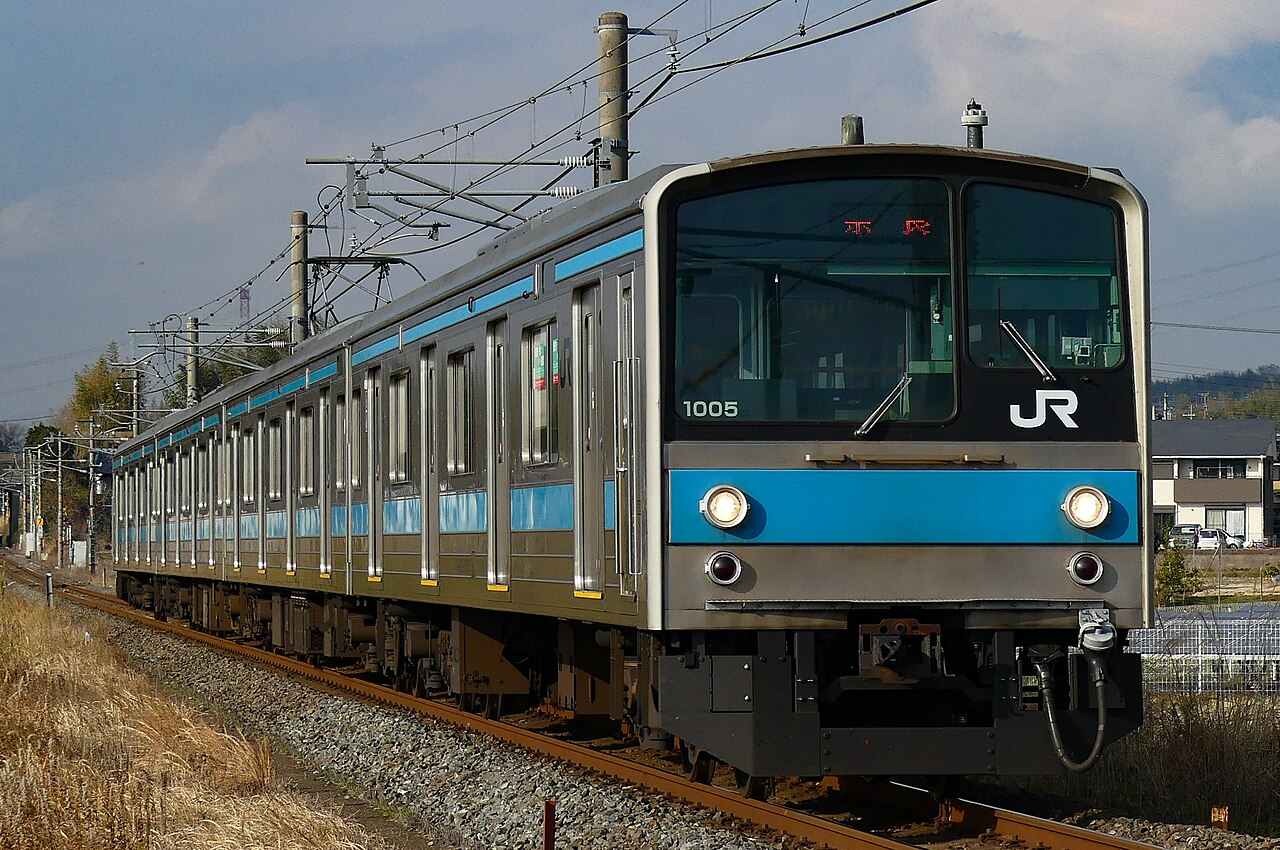
Modernisation continued through the 2010s and 2020s. ATS-P was installed in 2008; the line received the line symbol "D" on 14 March 2015 as part of a JR West Urban Network programme; on 17 March 2018 the stations received numbering (Kyoto as "D01", Nara as "D21") and 205 series trainsets entered revenue service. A long-running double-tracking programme advanced the line in stages: the Yamashiro-Taga-Tamamizu section opened on 6 December 2020, and the Japanese-language source records the Joyo-Shinden section (27 February 2022), Obaku-Rokujizo (22 May 2022), Uji-Obaku (18 December 2022) and Rokujizo-JR Fujinomori (26 February 2023) openings, the last of which completed the second-phase double-tracking project. The 103 series ran its last scheduled service on 11 March 2022.
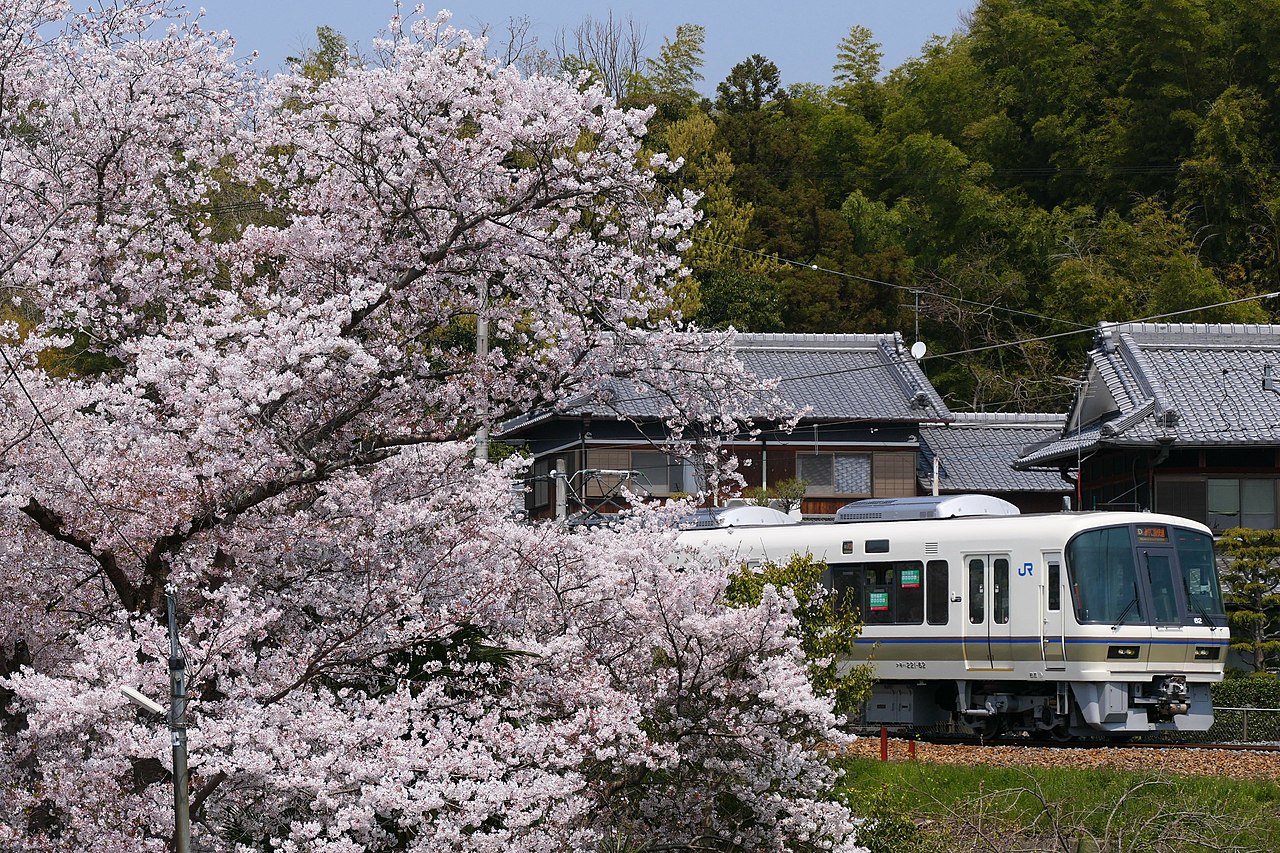
Today the line is part of the JR West "Urban Network" in the Kyoto-Osaka-Kobe area. Its primary role is as an intercity-suburban commuter line carrying people to work and school in Kyoto and Nara, and it is also well used by tourists holding the Japan Rail Pass for day-trips to the historical landmarks of Uji and Nara. Current rolling stock, all based at Nara Depot, comprises 205 series EMUs on Local trains and 221 series EMUs on Rapid trains. The official line colour on JR West route maps is brown, which the Japanese-language source says was chosen to evoke "a classic, calm image connecting Japan's ancient capitals." The Japanese-language source also notes that, because of the many tenjo-gawa (raised-bed rivers) in the river valley south of Nagaike, the line crosses six such rivers.
Timeline
- 187918 August: Kyoto-Inari-Otani opens as part of the Government-Operated Railway (later the Tokaido Main Line); Inari Station opens.
- 18955 September: Nara Railway opens Kyoto-Fushimi (Fushimi Station opens); 3 November: extended to Momoyama (Momoyama Station opens).
- 1896Nara Railway extends to Tamamizu (25 Jan) and Kizu (13 Mar); on 18 April the Kizu-Nara section opens, completing the Kyoto-Nara line.
- 19057 February: Nara Railway cedes its track to Kansai Railway.
- 19071 October: Kansai Railway is nationalised under the Railway Nationalization Act.
- 190912 October: Kizu-Kyoto is officially designated the "Nara Line"; Kizu-Nara becomes part of the Kansai Main Line.
- 19211 August: with the Tokaido Main Line re-routed via the Higashiyama Tunnel, its old Kyoto-Inari alignment is appropriated for the Nara Line, new Inari-Momoyama track is laid, and the original Kyoto-Fushimi alignment is abandoned.
- 1928Nara Electric Railway (predecessor of the Kintetsu Kyoto Line) opens on the former Kyoto-Fushimi right-of-way, drawing away much through demand.
- 19301 April: operating-distance units changed to the metric system (21.6 miles -> 34.7 km).
- 19822 March: Centralized traffic control (CTC) introduced on the line.
- 19841 October: the Kyoto-Kizu line is electrified (1,500 V DC); operations switch to 105 and 113 series; the Kinokawa express (Kyoto-Wakayama) ends.
- 19871 April: JNR is privatised; the Nara Line passes to JR West and JR Freight becomes a Category-2 operator.
- 199116 March: Rapid Service introduced using 117 series trainsets (initial intermediate stops Kizu and Uji).
- 199222 October: Rokujizo Station opens; Joyo becomes a Rapid-Service stop.
- 19978 March: JR Fujinomori Station opens.
- 20013 March: first double-tracked sections open (Kyoto-JR Fujinomori, Uji-Shinden); JR Ogura Station opens; Regional Rapid begins; Miyakoji Rapid introduced with 221 series.
- 2008ATS-P (point-P type) installed on the line in stages (Kizu-Yamashiro-Aodani on 23 April, completed Obaku-Kyoto by 30 April).
- 201514 March: the Nara Line receives the line symbol "D" under a JR West Urban Network programme.
- 201817 March: station numbering introduced (Kyoto "D01", Nara "D21"); 205 series trainsets enter revenue service.
- 20206 December: the Yamashiro-Taga-Tamamizu double-track section enters service.
- 2022103 series withdrawn from scheduled service (11 March); further double-track sections (Joyo-Shinden 27 Feb; Obaku-Rokujizo 22 May; Uji-Obaku 18 Dec) open.
- 202326 February: the Rokujizo-JR Fujinomori double-track section opens, completing the second-phase double-tracking project.
Sources
Facts last verified 3 June 2026.
Gallery 5 photos
Every photo for this page — tap any image to view it full-size. All from Wikimedia Commons (credit under each).