History
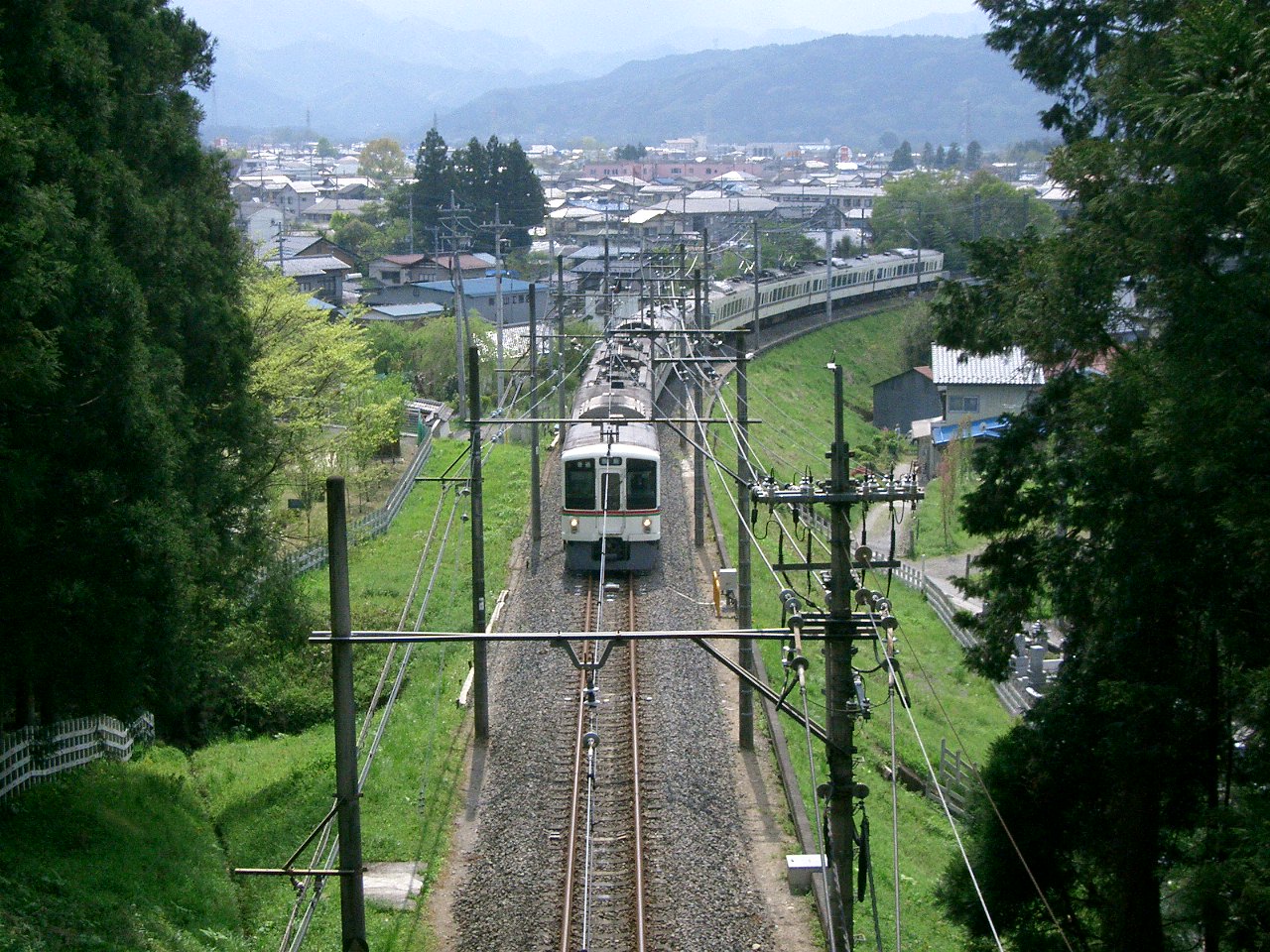
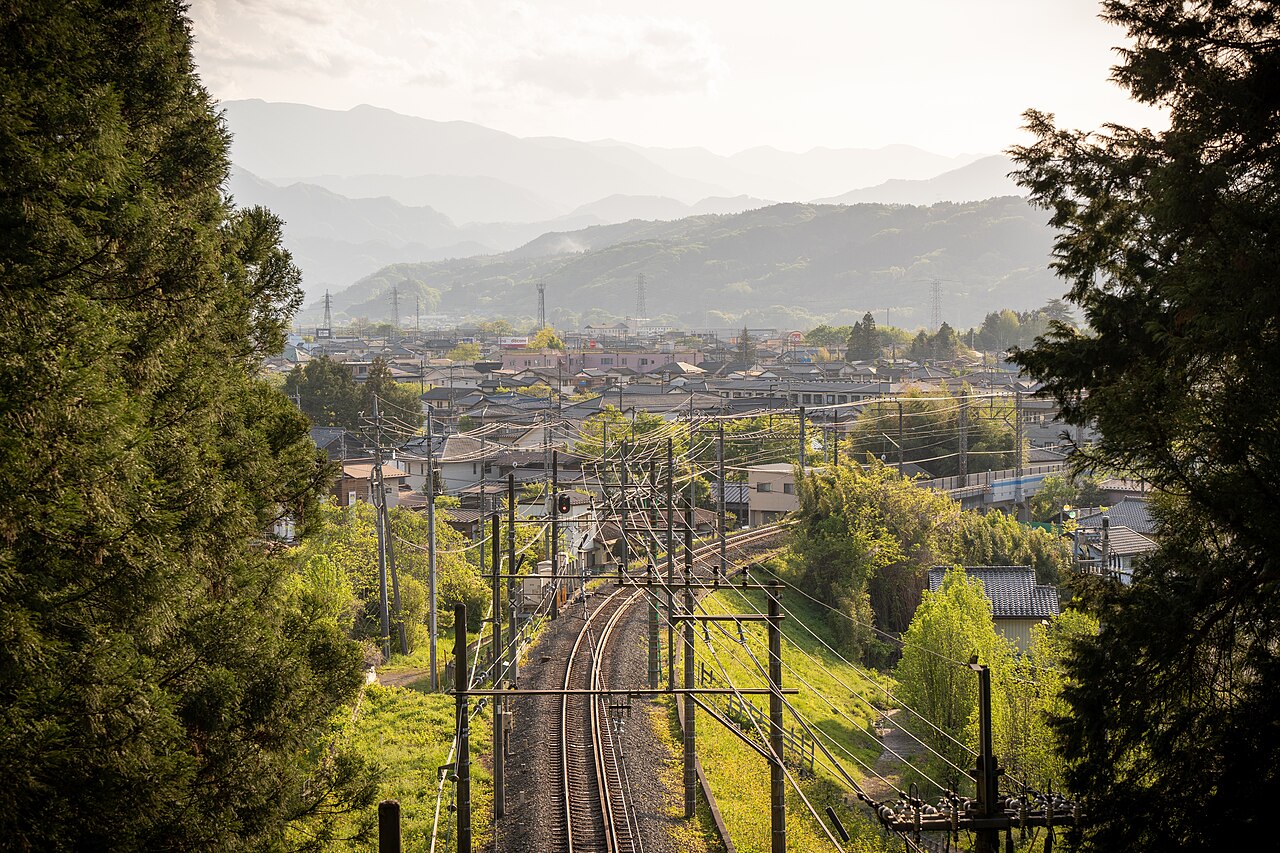
The line was built to carry cement — produced from limestone quarried at Mount Bukō — and to open up the Chichibu district for tourism, and it opened on 14 October 1969. The route had a long gestation: a licence for the Agano–Seibu-Chichibu section was applied for in December 1957 and granted on 18 February 1961, a groundbreaking ceremony was held on 19 July 1967, and the line opened after only about two years and three months of construction. It is a mountain railway crossing the Shōmaru Pass between Shōmaru and Ashigakubo stations; the Shōmaru Tunnel on that section, 4,811 metres long, was at the time of construction the longest mountain tunnel on any private railway in Japan. The line climbs continuous grades of up to 25 per mille, and almost all road crossings were grade-separated. Reported construction cost was approximately ¥8 billion.
The opening introduced services new to the Seibu Railway. From day one the company ran the all-reserved, surcharge limited express "Red Arrow" between Ikebukuro and Seibu-Chichibu using purpose-built 5000 series cars, and to work the steep continuous grades it introduced 101 series commuter cars fitted with high-output motors and dynamic and regenerative-type braking. Heavy cement freight also ran: the line's Higashi-Yokoze freight station handled trains of up to 1,000 tonnes, hauled by the E851 — described as the largest electric locomotive on any private railway in Japan. Cement freight ended on 28 March 1996, and Higashi-Yokoze freight station closed on 2 April 1996; the E851 was retired with it.
On 1 April 1989 a connecting track to the Chichibu Railway's Chichibu Main Line opened at Seibu-Chichibu, and through service onto that line began. One-man (driver-only) operation started across the whole line on 12 March 2003. On 25 March 2017 the reserved-seat S-TRAIN service began, bringing through operation with the Tokyo Metro, Tokyu and Yokohama Minatomirai Railway networks. The line has seen weather-related disruption typical of a mountain route: a typhoon-driven landslide near Agano in August–September 1999 closed the Higashi-Agano–Nishi-Agano section, and heavy snow in February 2014 suspended services between Shōmaru and Seibu-Chichibu. In 2013 it was reported that Cerberus, then the largest shareholder in Seibu Holdings, had proposed abolishing the line among several Seibu routes as a restructuring measure; on 25 March 2013 the governor of Saitama, Kiyoshi Ueda, and local mayors requested its retention as a "life railway," and Seibu did not act on the proposal.
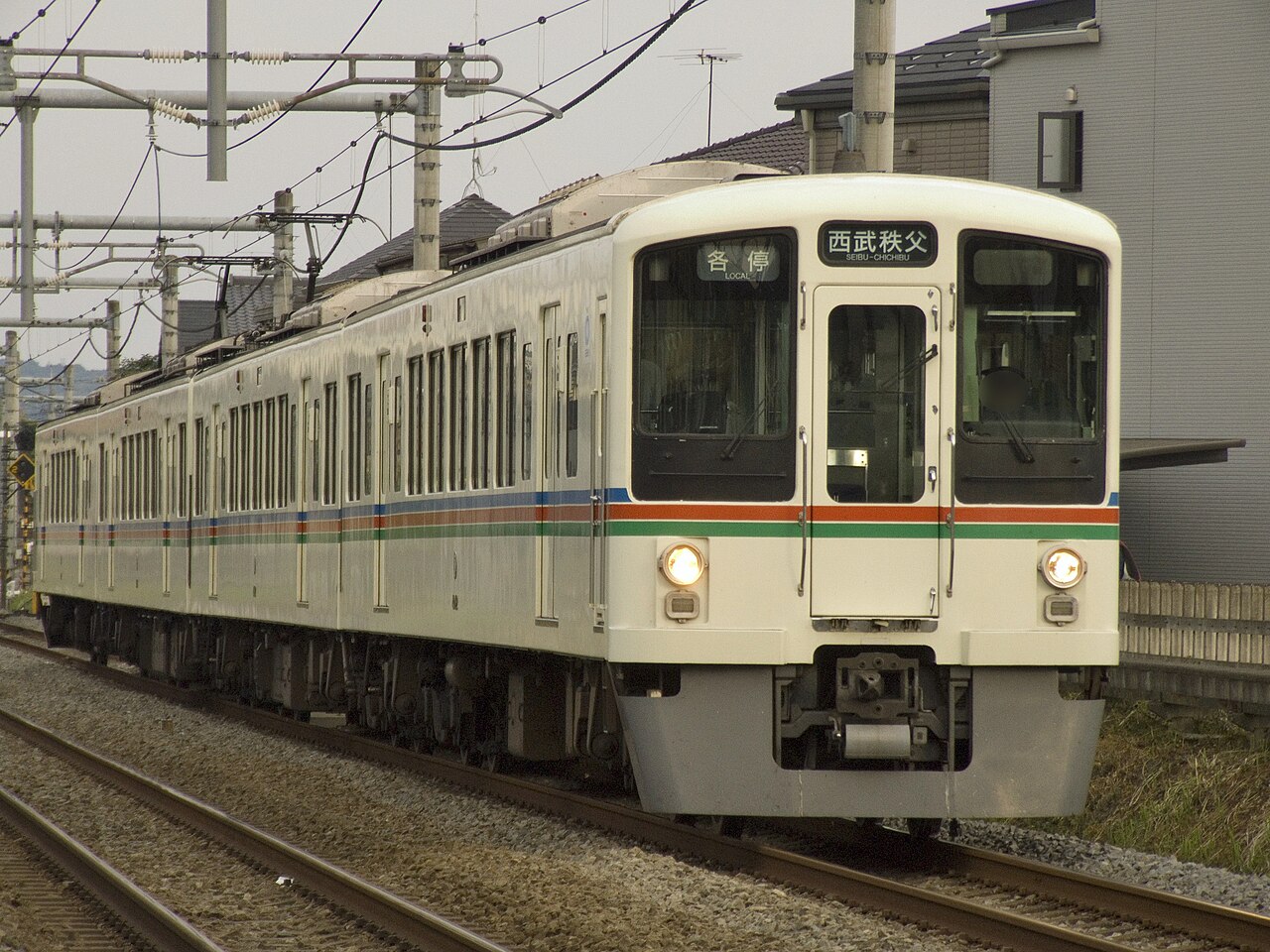
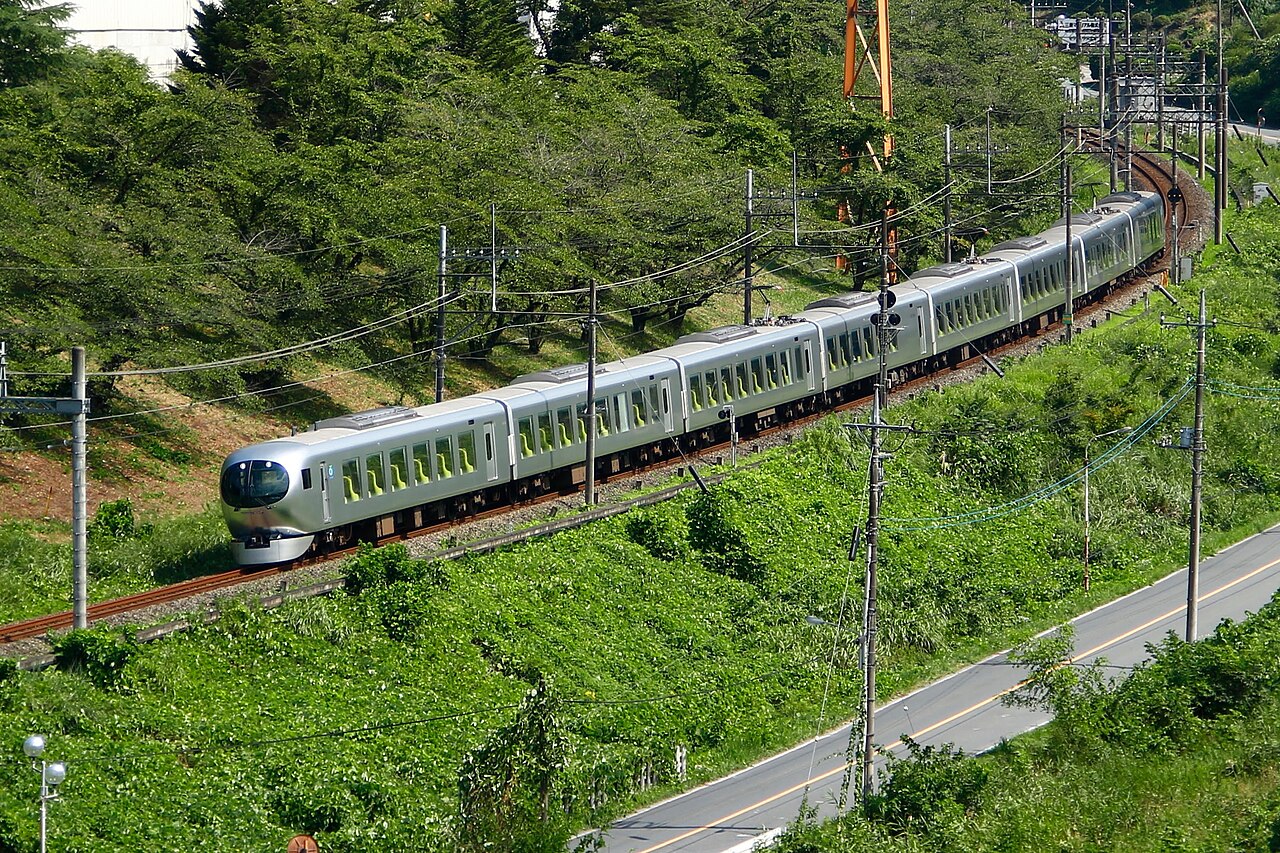
Today the line is served by 4000 series commuter trains and, since the retirement of earlier limited-express stock, by the 001 series limited express nicknamed "Laview"; the surcharge limited express to Seibu-Chichibu is named "Chichibu." Through services continue onto the Chichibu Railway's Chichibu Main Line toward Nagatoro and Mitsumineguchi.
Timeline
- 1957December: a licence is applied for to build the Agano–Seibu-Chichibu line.
- 196118 February: the licence for the Agano–Seibu-Chichibu section is granted.
- 196719 July: groundbreaking ceremony held.
- 196914 October: the entire line (Agano–Seibu-Chichibu, 19.0 km) opens after about two years and three months of construction; freight service also begins. The all-reserved "Red Arrow" limited express (5000 series) and 101 series commuter cars are introduced.
- 19891 April: a connecting track to the Chichibu Railway's Chichibu Main Line opens at Seibu-Chichibu; through service begins.
- 199628 March: cement freight between Higashi-Yokoze and Shin-Akitsu ends; Higashi-Yokoze freight station closes on 2 April.
- 1999August–September: a typhoon-driven landslide near Agano closes the Higashi-Agano–Nishi-Agano section.
- 200312 March: one-man (driver-only) operation begins across the whole line.
- 2013Cerberus, then the largest Seibu Holdings shareholder, is reported to have proposed abolishing the line; on 25 March the Saitama governor and local mayors request its retention. Seibu does not act on the proposal.
- 2014February: heavy snow suspends services between Shōmaru and Seibu-Chichibu.
- 201725 March: the reserved-seat S-TRAIN service begins, with through operation to the Tokyo Metro, Tokyu and Yokohama Minatomirai Railway networks.
Sources
Facts last verified 3 June 2026.
Gallery 3 photos
Every photo for this page — tap any image to view it full-size. All from Wikimedia Commons (credit under each).