History
The line opened on 15 April 1915 as the Musashino Line (武蔵野線 — distinct from the Musashino Line operated today by JR East), built by the Musashino Railway (武蔵野鉄道), the predecessor of the present Seibu Railway. The first section ran from Ikebukuro to Hannō, a distance the Japanese-language source gives as 44.2 km. Operation at opening was by steam locomotive; the Japanese source records an initial average of 1,191 passengers and 102 tonnes of freight per day. The corridor was conceived to link central Tokyo with the developing residential districts and towns spreading north-west of the capital, and traffic grew as those suburbs filled in.
Development over the following decades was steady. Electrification began on 1 November 1922 on the Ikebukuro–Tokorozawa section (initially at 1,200 V DC) and was extended in stages, reaching Hannō by the end of 1925. Double-tracking likewise advanced section by section from the late 1920s — Ikebukuro to Nerima in 1928 and Nerima to Hōya in 1929 — and on 10 September 1929 the line was extended from Hannō to Agano (14.1 km), completing the route to its present nominal terminus. The whole line was raised to 1,500 V DC on 1 July 1950, and on 25 March 1952 the line was renamed the Ikebukuro Line (simultaneously with the Murayama Line's renaming to the Shinjuku Line). According to the Japanese source, on 1 November 1963 the line introduced ten-car train operation on the Ikebukuro–Tokorozawa section — described as the first ten-car formation operated by a private railway in Japan.
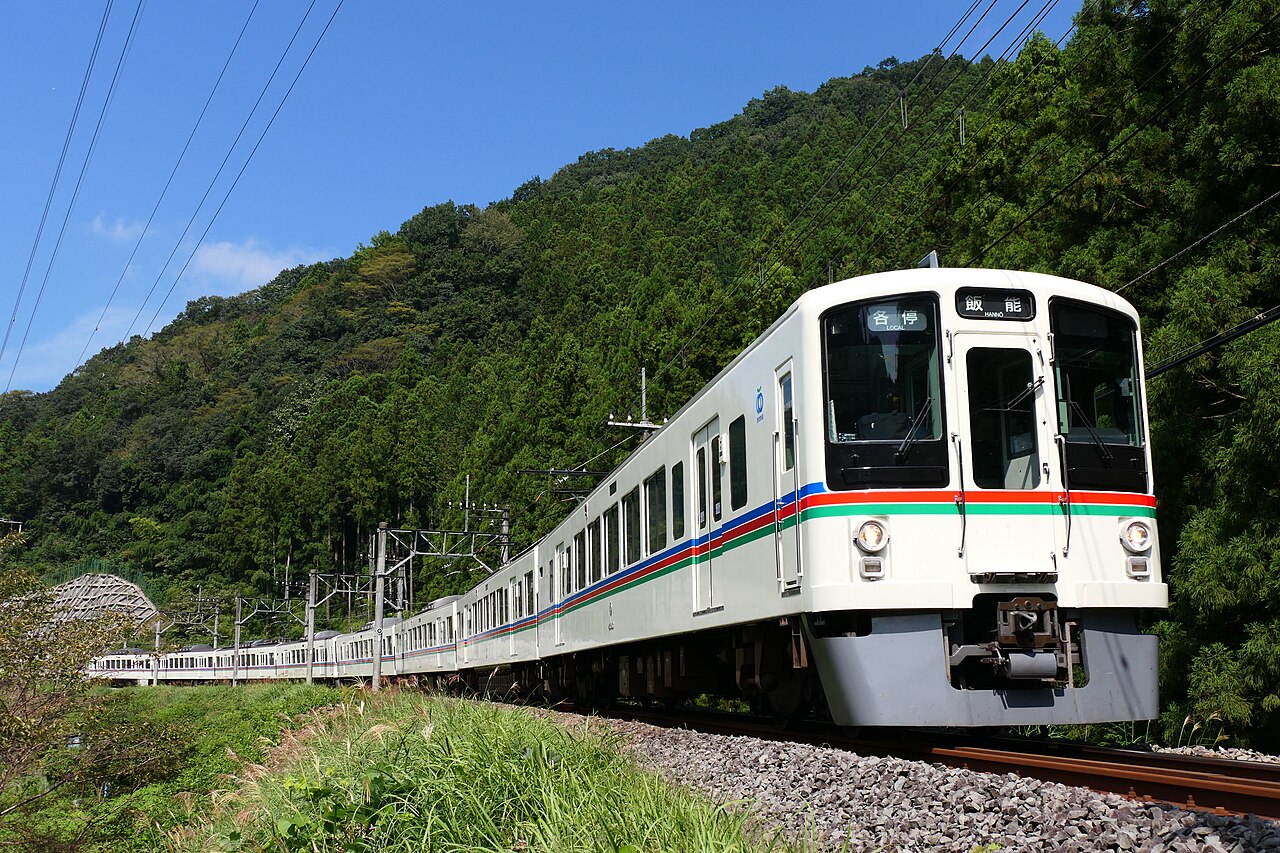
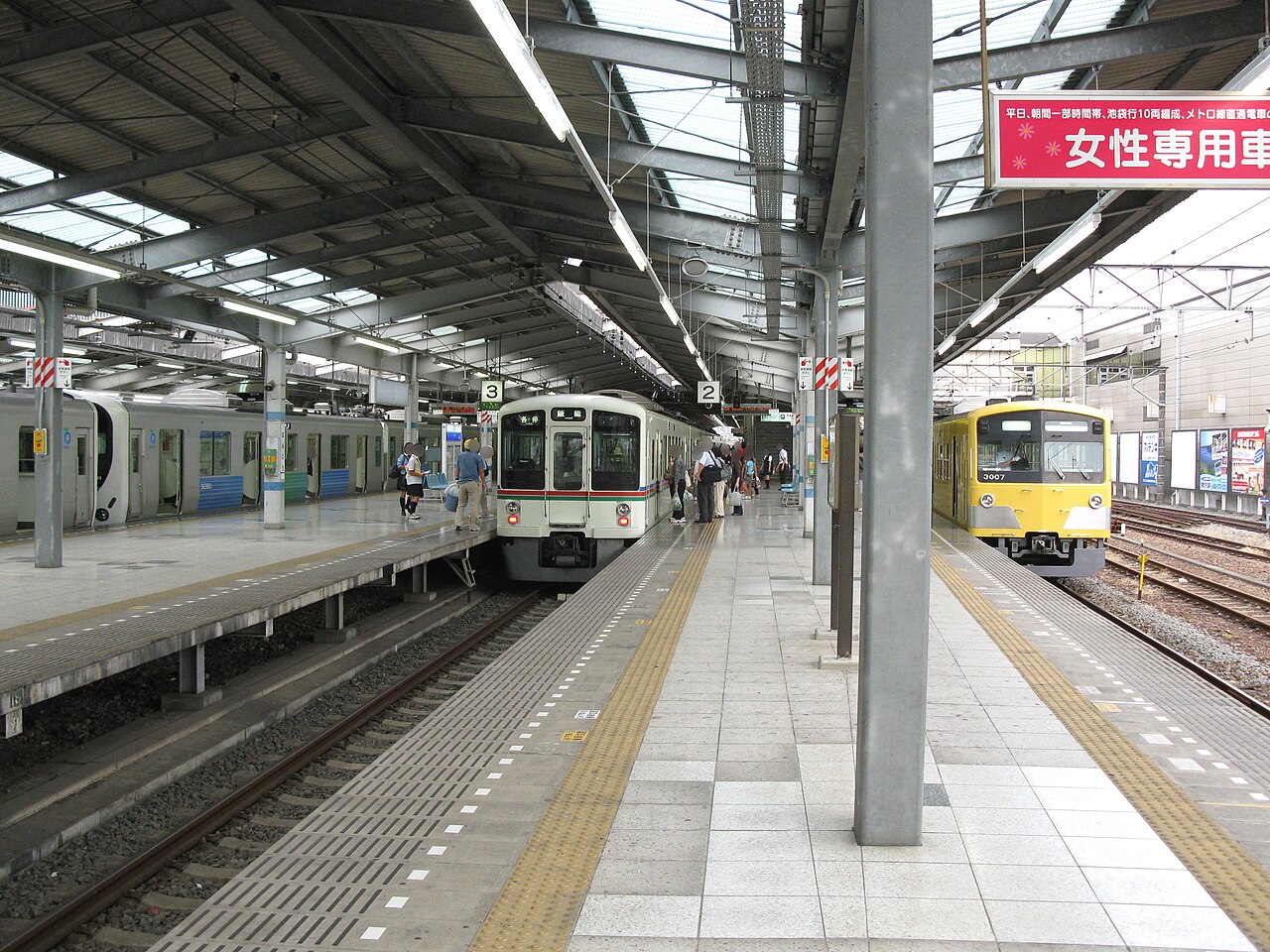
A decisive expansion came in 1969: on 14 October the Seibu Chichibu Line opened beyond Agano to Seibu-Chichibu and through operation from Ikebukuro began, inaugurated by the Limited Express "Chichibu" using Red Arrow 5000 series trains. Because of this, although Agano remains the formal end of the Ikebukuro Line, most trains continue onto the Seibu Chichibu Line, and — since a switchback is required at Hannō — regular operation is effectively divided into an Ikebukuro–Hannō section and a Hannō–Agano–Seibu-Chichibu section. Through running onto the Chichibu Railway Main Line began on 1 April 1989.
The line progressively integrated into Tokyo's through-service network. Reciprocal through operation with the Teito Rapid Transit Authority (now Tokyo Metro) Yūrakuchō Line began on 26 March 1998 via the Seibu Yūrakuchō Line; through service with the Tokyo Metro Fukutoshin Line followed on 14 June 2008; and on 16 March 2013 through running was extended over the Tokyu Toyoko Line and the Yokohama Minatomirai Railway Minatomirai Line to Motomachi-Chūkagai in Yokohama. The Ikebukuro–Hannō trunk was progressively quadruple- and double-tracked: the last remaining single-track segment between Ikebukuro and Hannō — a 350 m stretch within Hannō Station — was double-tracked on 6 December 2001, completing full double-tracking of that section, while elevated quadruple-tracking between Nerima and Shakujii-kōen was completed in stages through 2012.
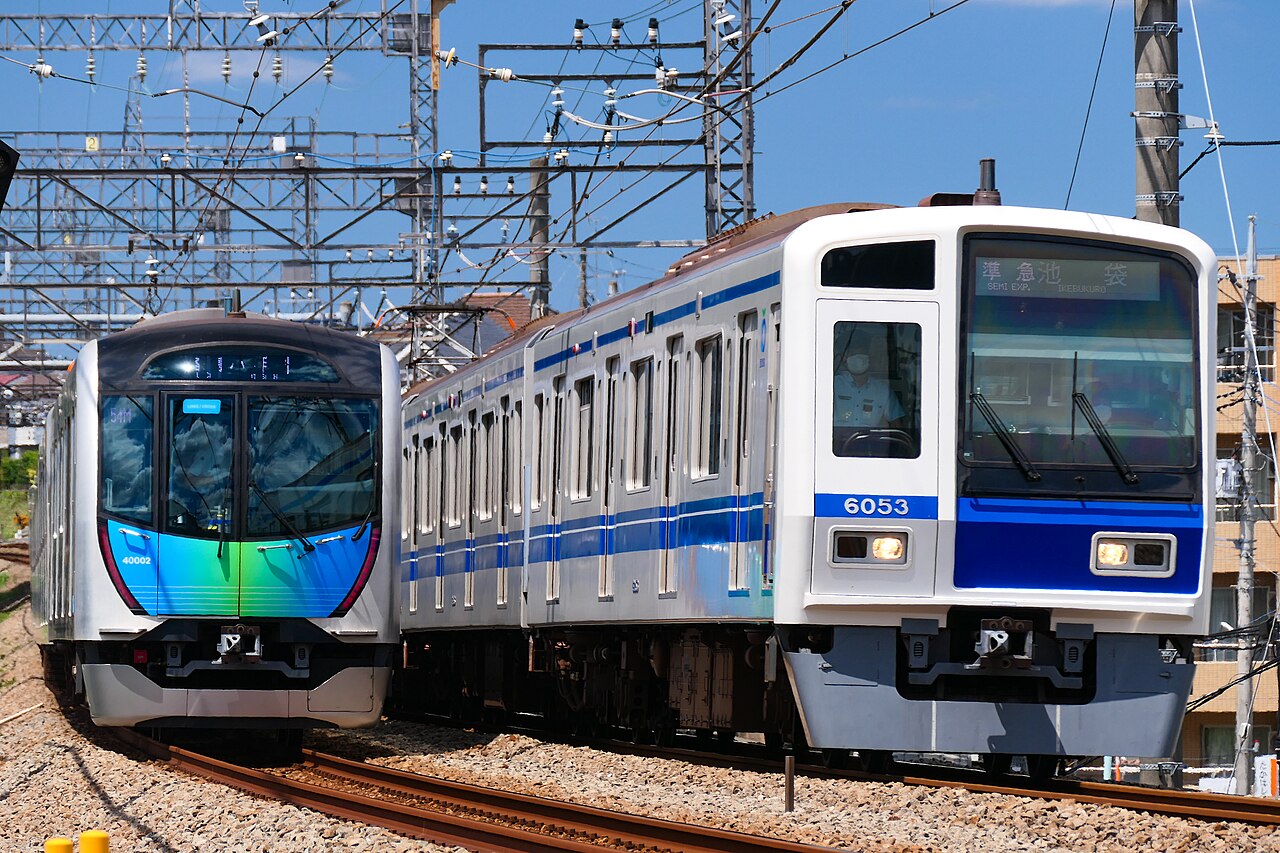
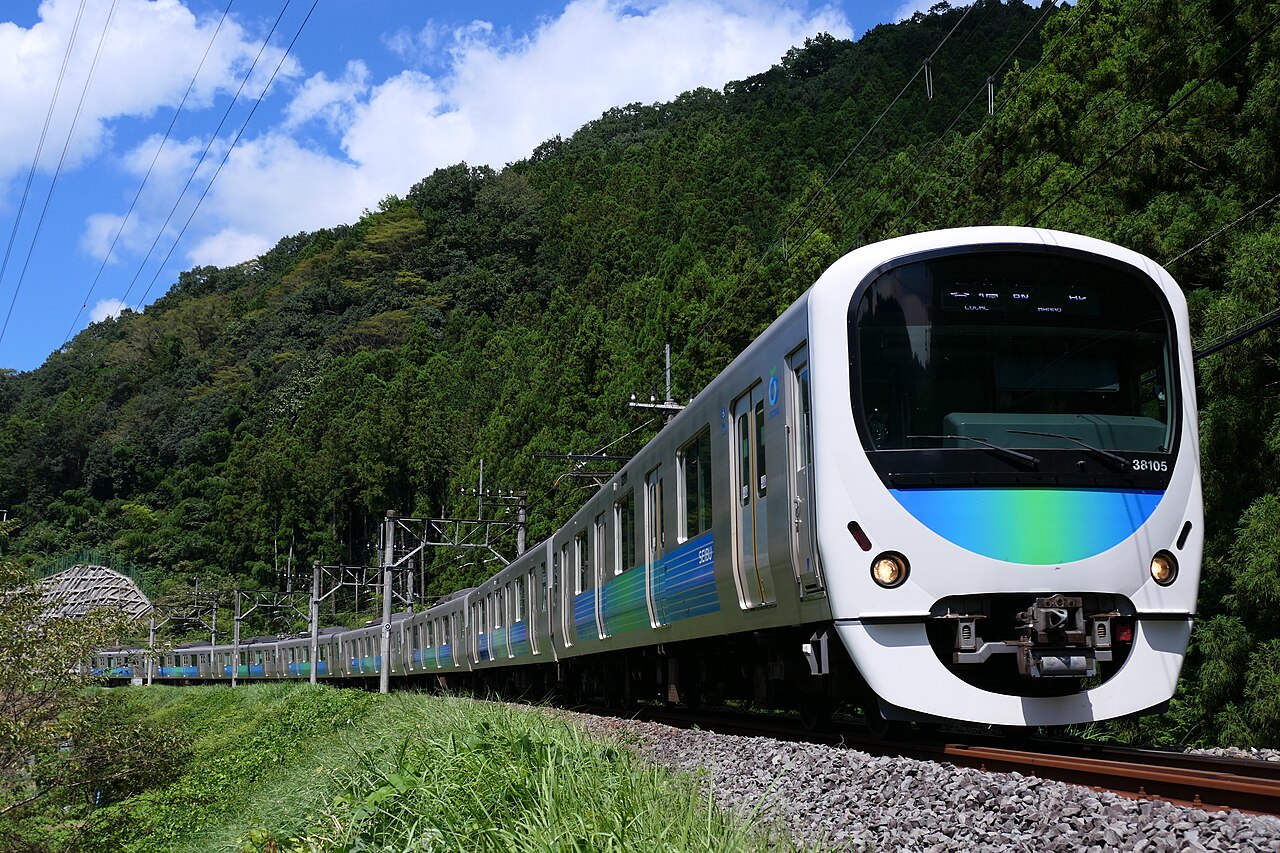
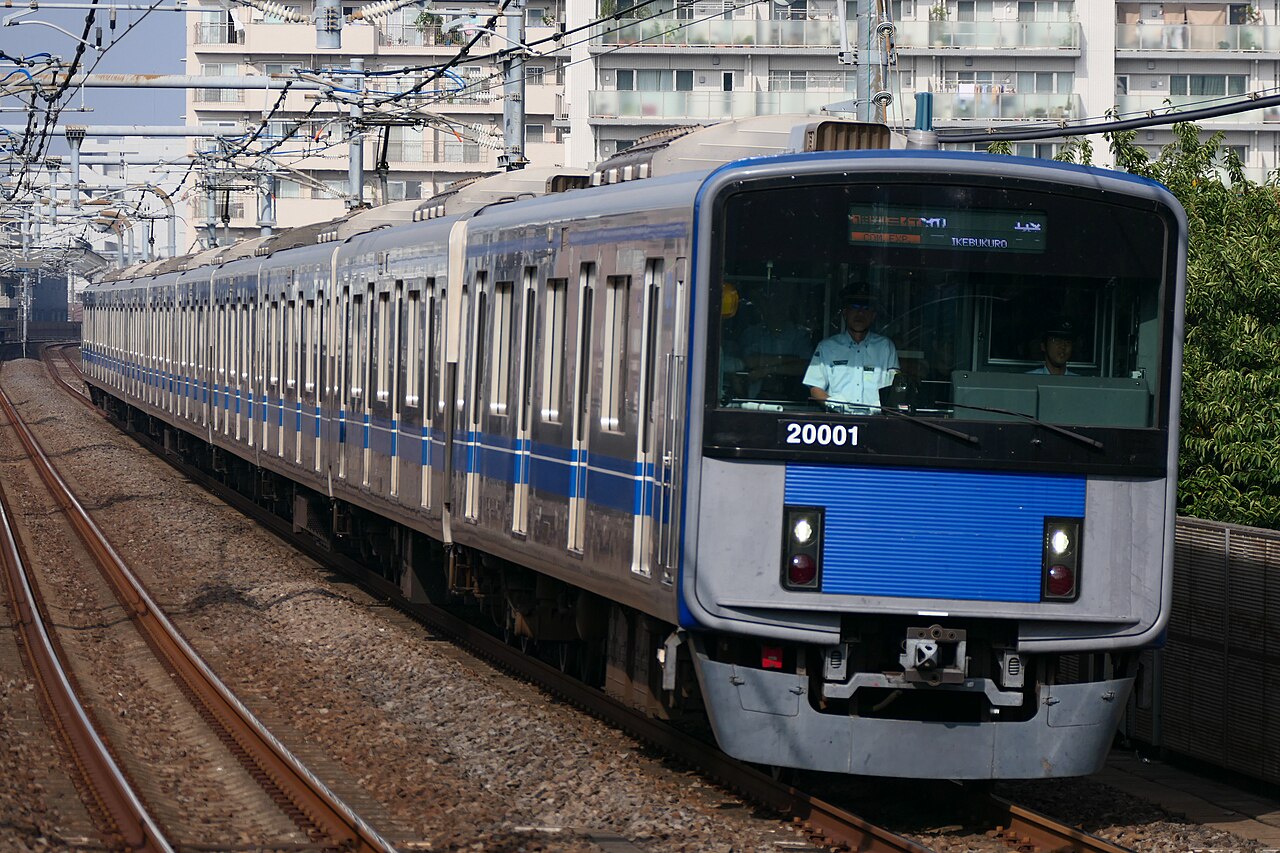
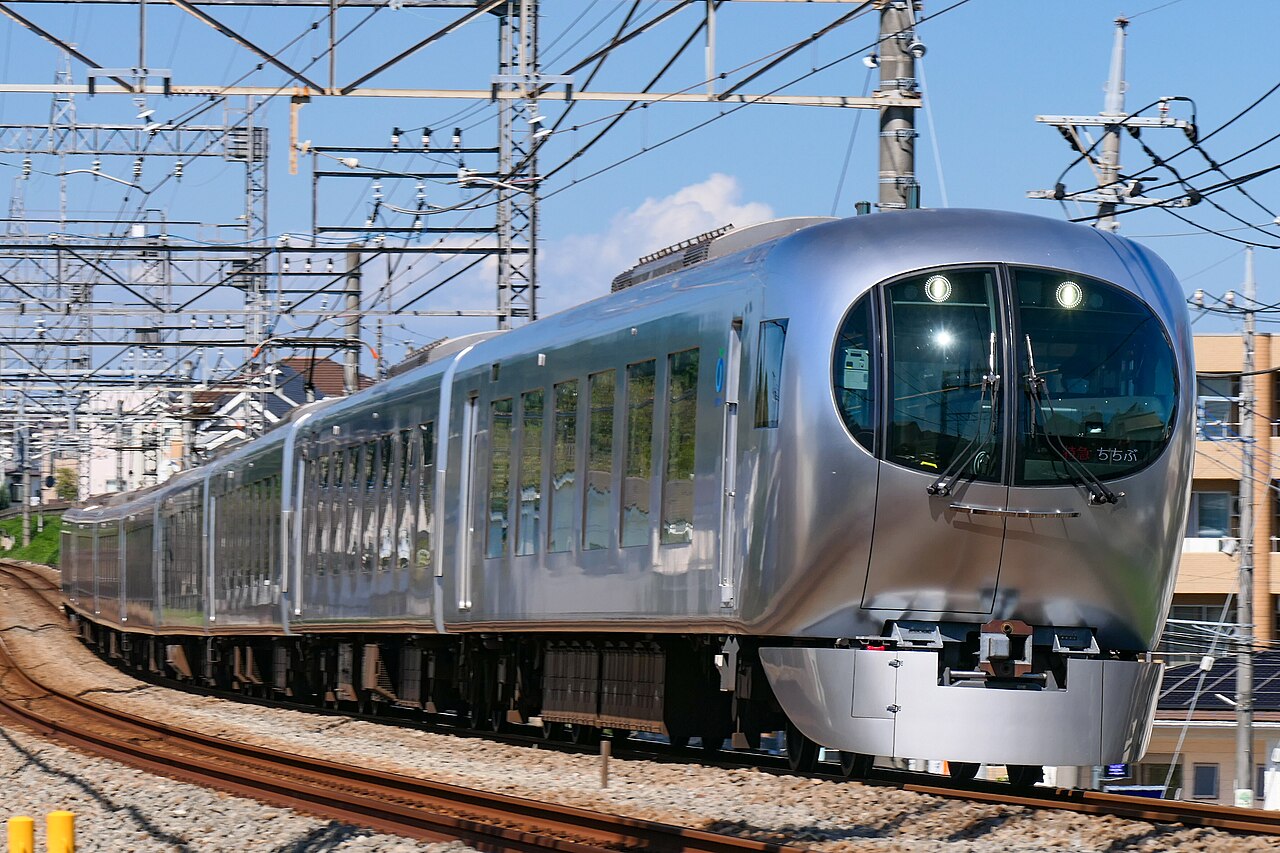
Today Seibu Railway operates a full range of services on the line — Local, Semi-Express, Express, Rapid, Rapid Express, S-TRAIN reserved-seat trains, and the Limited Expresses "Musashi" and "Chichibu." The 001 series "Laview" entered Limited Express service on 16 March 2019. The line is a heavily used commuter route: the English source cites a line daily ridership of 892,025 in 2010, and the Japanese source notes that the morning peak congestion on the most-crowded section (Shiinamachi to Ikebukuro) was 133% in fiscal 2024, having historically exceeded 200% until fiscal 1993 — a level the Japanese source describes as the highest congestion rate among private-railway lines at that time. In June 2025 JR East and Seibu Railway announced a plan to begin through service to the JR Musashino and Keiyō lines by fiscal 2028, via a connecting line near Shin-Akitsu Station.
Timeline
- 191515 April: the line opens as the Musashino Line (distinct from JR East's current Musashino Line), built by the Musashino Railway — predecessor of Seibu Railway — with the first section from Ikebukuro to Hannō (44.2 km per the JA source). Steam operation; initial average 1,191 passengers/day.
- 19221 November: electrification begins on the Ikebukuro–Tokorozawa section (initially 1,200 V DC).
- 1925Electrification reaches Hannō (Nishi-Tokorozawa–Hannō energised 23 December).
- 192910 September: the line is extended from Hannō to Agano (14.1 km), completing the route to its present nominal terminus.
- 19501 July: the whole line is raised to 1,500 V DC.
- 195225 March: the line is renamed the Ikebukuro Line (simultaneously with the Murayama Line becoming the Shinjuku Line).
- 19631 November: ten-car train operation introduced on Ikebukuro–Tokorozawa — described as the first ten-car formation operated by a private railway in Japan.
- 196914 October: the Seibu Chichibu Line opens to Seibu-Chichibu and through operation from Ikebukuro begins; Limited Express "Chichibu" launches with Red Arrow 5000 series trains.
- 19891 April: through running onto the Chichibu Railway Main Line begins; the operation is split at Hannō.
- 199826 March: reciprocal through operation with the Teito Rapid Transit Authority (now Tokyo Metro) Yūrakuchō Line begins via the Seibu Yūrakuchō Line.
- 20016 December: the last single-track segment between Ikebukuro and Hannō (a 350 m stretch within Hannō Station) is double-tracked, completing full double-tracking of the section.
- 200814 June: through operation with the Tokyo Metro Fukutoshin Line begins via the Seibu Yūrakuchō Line.
- 2012Station numbering (prefix "SI") introduced on Seibu lines during fiscal 2012. 18 November: Nerima-Takanodai–Shakujii-kōen quadruple-tracked.
- 201316 March: through running extended over the Tokyu Toyoko Line and Minatomirai Line to Motomachi-Chūkagai in Yokohama (via the Fukutoshin Line).
- 201725 March: the Seibu 40000 series enters service; the reserved-seat S-TRAIN service begins.
- 201916 March: the Seibu 001 series "Laview" enters Limited Express service.
- 2025June: JR East and Seibu Railway announce a plan to begin through service to the JR Musashino and Keiyō lines by fiscal 2028, via a connecting line near Shin-Akitsu Station.
Sources
Facts last verified 3 June 2026.
Gallery 5 photos
Every photo for this page — tap any image to view it full-size. All from Wikimedia Commons (credit under each).