History
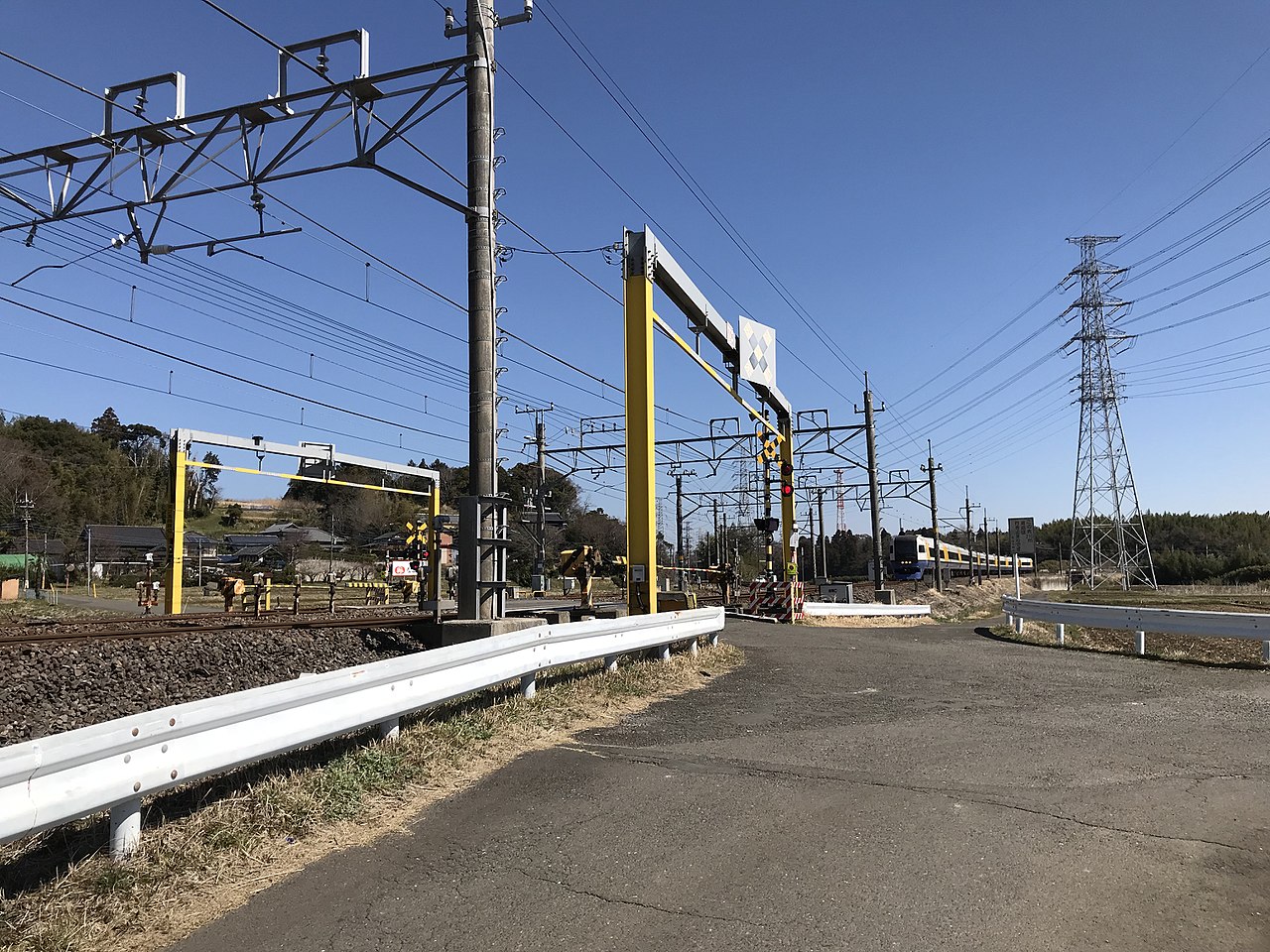
The line's character changes at Chiba: the urbanised western section is commonly called the "Sōbu Line" (without "Main"), while "Main Line" in popular usage refers to the more rural eastern section. Local trains between Ochanomizu and Chiba form the Chūō–Sōbu (Sōbu Local) Line; rapid trains from Tokyo to Chiba — some continuing east on the Main Line or west onto the Yokosuka Line — form the Sōbu Rapid Line; and east of Chiba the line carries the Narita Express toward Narita Airport (via the Narita Line) and the Shiosai limited express between Tokyo and Chōshi.
The line began as a private undertaking. After an 1880s boom in private railway building, two rival Chiba promoters applied in November 1887 — the Busō Railway (Inō Gonnojō et al., of Sawara) and the Sōshū Railway (Yasui Masamoto et al., of Narutō) — then merged to found the Sōbu Railway Company in January 1889, with a licence for the Koiwa–Sakura section that December and construction from August 1893. On 20 July 1894 the Ichikawa–Sakura section opened, the first railway within Chiba Prefecture, and was soon used for troop movements in the First Sino-Japanese War; on 9 December 1894 it was extended west across the Edo River to Honjo (now Kinshichō). The company reached Narutō on 1 May 1897 and Chōshi on 1 June 1897, connecting at Sakura with the Narita Railway, and in 1904 reached Ryōgokubashi (now Ryōgoku) as its city-side terminus, where passengers transferred to street tramways and freight continued into Tokyo by water transport on the Sumida River.
On 1 September 1907 the line was purchased and nationalised under the Railway Nationalization Act, becoming the state-operated Sōbu Main Line, and the Ryōgokubashi–Chiba section was double-tracked the next year. Reconstruction after the 1923 Great Kantō Earthquake enabled an extension into the city centre: the Ochanomizu–Ryōgoku section opened with electric-car operation on 1 July 1932, and electrification reached Ichikawa and Funabashi in 1933 (with through local trains onto the Chūō Line) and Chiba in 1935 — after which the line was effectively split at Chiba between a frequent commuter section to the west and a steam-hauled section serving farming and fishing communities to the east, with fish and soy sauce from Chōshi as major freight. During the Second World War, the Bombing of Tokyo of 10 March 1945 struck along the line — the Japanese sources state roughly 100,000 died in a single night — and troops were later moved over it ahead of an anticipated home-island defence, before Japan's acceptance of the Potsdam Declaration on 15 August 1945 averted large-scale fighting along the route.
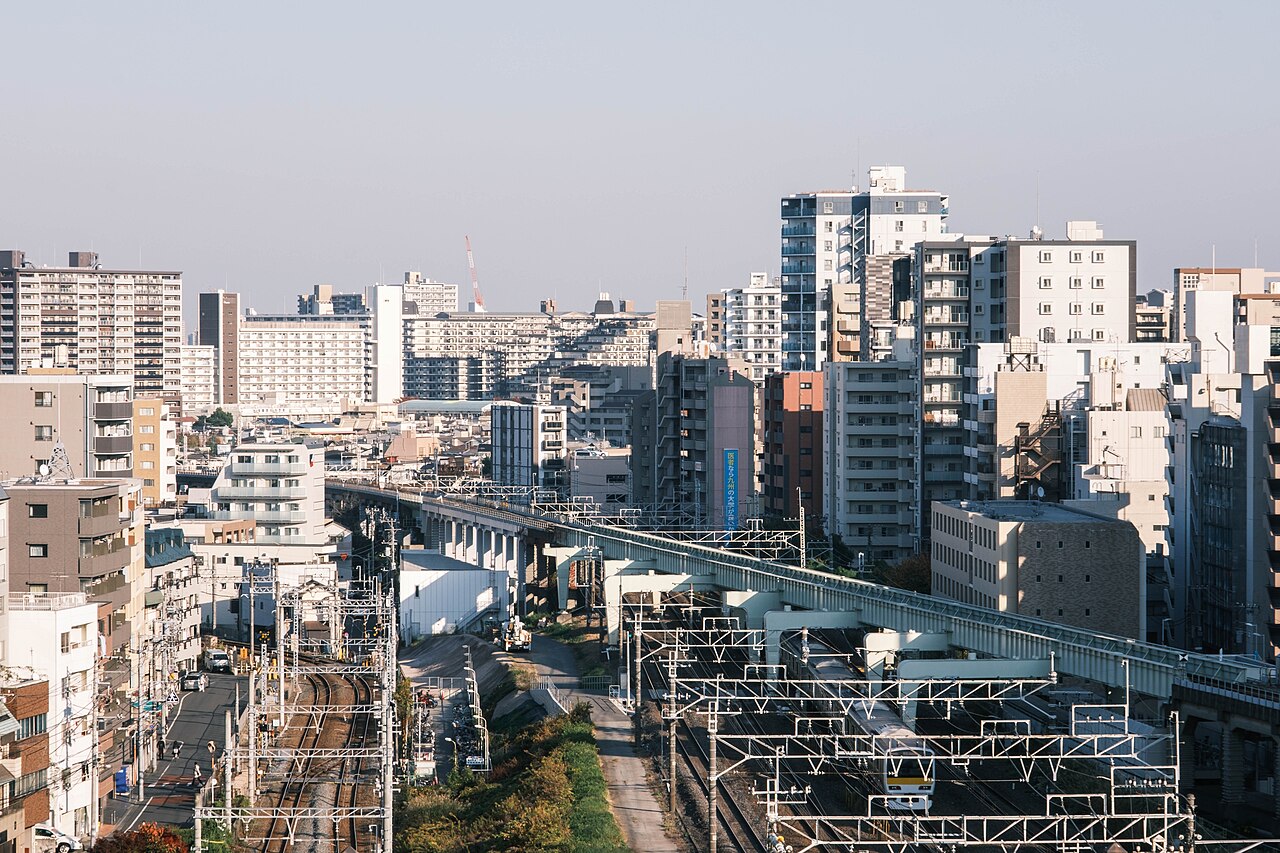
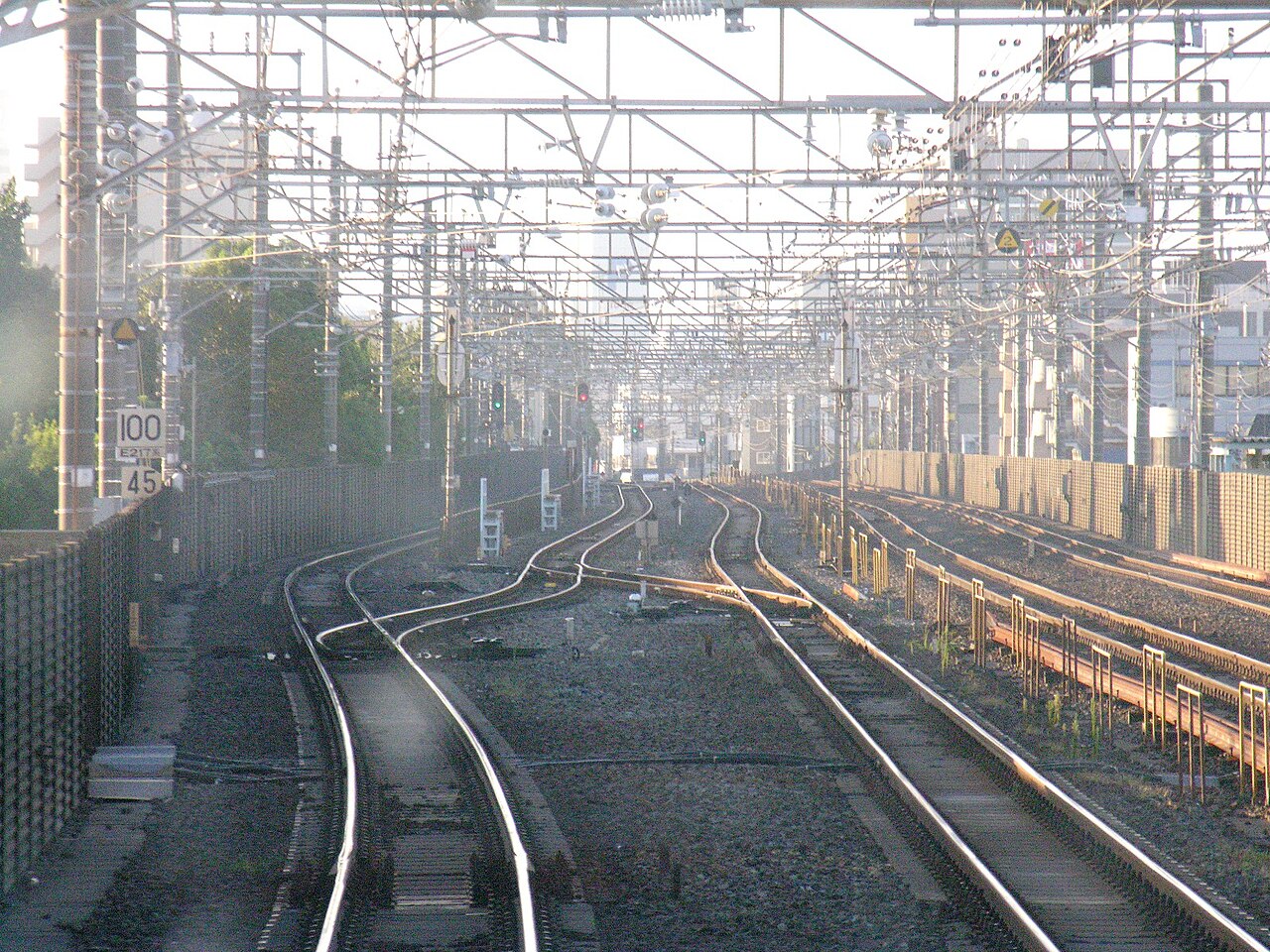
Postwar, surging metropolitan population strained a line double-tracked and electrified west of Chiba but single-tracked and non-electrified to the east. As part of the Commuter Five-Direction Operation decided in 1964, JNR built Japan's first full-scale urban underground railway between Tokyo and Kinshichō and a new rapid line to Chiba: the Sōbu Rapid Line opened on 15 July 1972, and the line's origin moved from Ochanomizu to Tokyo Station. Electrification of the Sakura–Chōshi section completed electrification of the whole line on 26 October 1974, when the Shiosai limited express began running from the underground Tokyo Station; through operation with the Yokosuka Line began in 1980, and the quadruple track reached Chiba in 1981, completing the original plan.
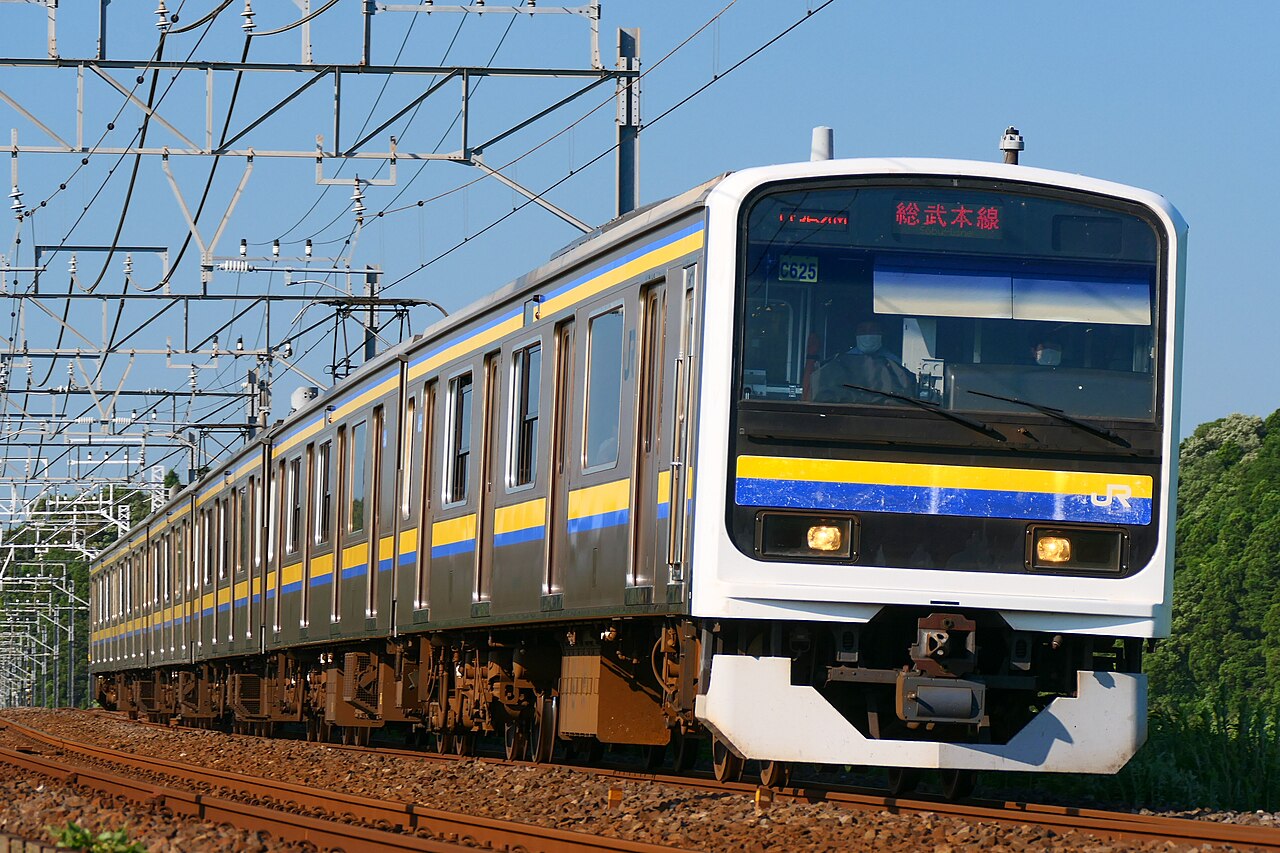
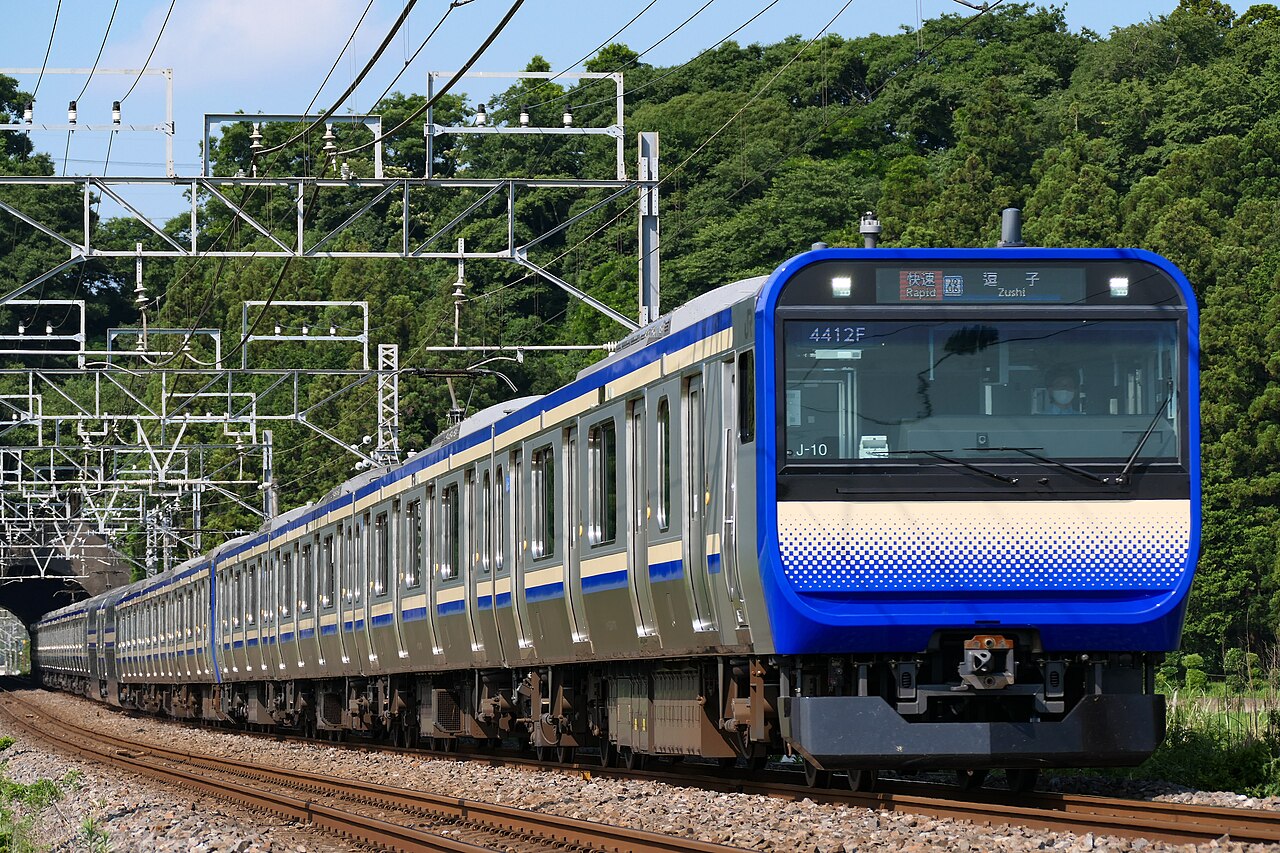
The line passed to JR East at the privatisation of Japanese National Railways in 1987, with freight assigned to JR Freight. The parallel Keiyō Line reached Tokyo Station in 1990, absorbing much through traffic to the Uchibō and Sotobō lines, and the Narita Express began over the Sōbu Main and Narita lines in 1991. The Japanese sources note that, from the June 1988 renaming of the Kōtoku Main Line to the Kōtoku Line until the March 2024 separation of the Hokuriku Main Line north of Tsuruga, the Sōbu Main Line was the shortest of the JR lines bearing the name "Main Line" (honsen) within the trunk-line fare category. Today JR East operates the line, with a maximum speed for premium trains of 130 km/h on the Kinshichō–Chiba section; local services east of Chiba use 209-2000/2100 series EMUs (introduced on the Chiba–Narutō–Chōshi section on 1 October 2009), E235-1000 series EMUs work through services, and the Shiosai and Narita Express use E257-500 and E259 series stock.
Timeline
- 1887November: rival promoters file competing applications — the Busō Railway (Inō Gonnojō et al., Sawara) and the Sōshū Railway (Yasui Masamoto et al., Narutō).
- 1889January: the rival promoters merge to found the Sōbu Railway Company. Provisional authorisation follows in April; a licence for the Koiwa–Sakura section in December.
- 189420 July: the Ichikawa–Sakura section opens — the first railway within Chiba Prefecture (Ichikawa, Funabashi, Chiba, Sakura stations). 9 December: extended west across the Edo River to Honjo (now Kinshichō).
- 18971 May: extended to Narutō. 1 June: reaches Chōshi; connection with the Narita Railway at Sakura.
- 1904The line reaches Ryōgokubashi (now Ryōgoku), its city-side terminus; passengers transfer to street tramways and freight continues into Tokyo by water transport.
- 19071 September: purchased and nationalised under the Railway Nationalization Act, becoming the state-operated Sōbu Main Line; Ryōgokubashi–Chiba double-tracked the following year.
- 19321 July: the Ochanomizu–Ryōgoku section opens and electric-car operation begins, linking the line with other national lines in central Tokyo.
- 1935Electrification reaches Chiba; through local-train operation onto the Chūō Line. The line is thereafter split in character at Chiba.
- 194510 March: the Bombing of Tokyo strikes along the line; the JA sources state roughly 100,000 died in one night (EN: 70,000–100,000). Troops are moved over the line ahead of an anticipated home-island defence.
- 197215 July: the Tokyo–Kinshichō tunnel and quadruple track to Tsudanuma complete; the Sōbu Rapid Line opens and the line's origin moves from Ochanomizu to Tokyo Station.
- 197426 October: electrification of Sakura–Chōshi completes electrification of the whole line; the limited express Shiosai begins running from the underground Tokyo Station. (EN dates the Shiosai start to 1975.)
- 19801 October: through operation with the Yokosuka Line begins.
- 1981The quadruple-track section is extended to Chiba, completing the original capacity plan.
- 19871 April: at the privatisation of Japanese National Railways, the line passes to JR East, with freight transport assigned to JR Freight.
- 1990The parallel Keiyō Line, originally built for freight, reaches Tokyo Station and absorbs much through traffic to the Uchibō and Sotobō lines.
- 1991The Narita Express airport service begins over the Sōbu Main Line and the Narita Line.
- 20091 October: 209-2000/2100 series EMUs enter service on the Chiba–Narutō–Chōshi section, replacing ageing 113 series.
- 202021 December: E235-1000 series EMUs enter service on the line (date per the EN article).
Sources
Facts last verified 3 June 2026.
Gallery 6 photos
Every photo for this page — tap any image to view it full-size. All from Wikimedia Commons (credit under each).