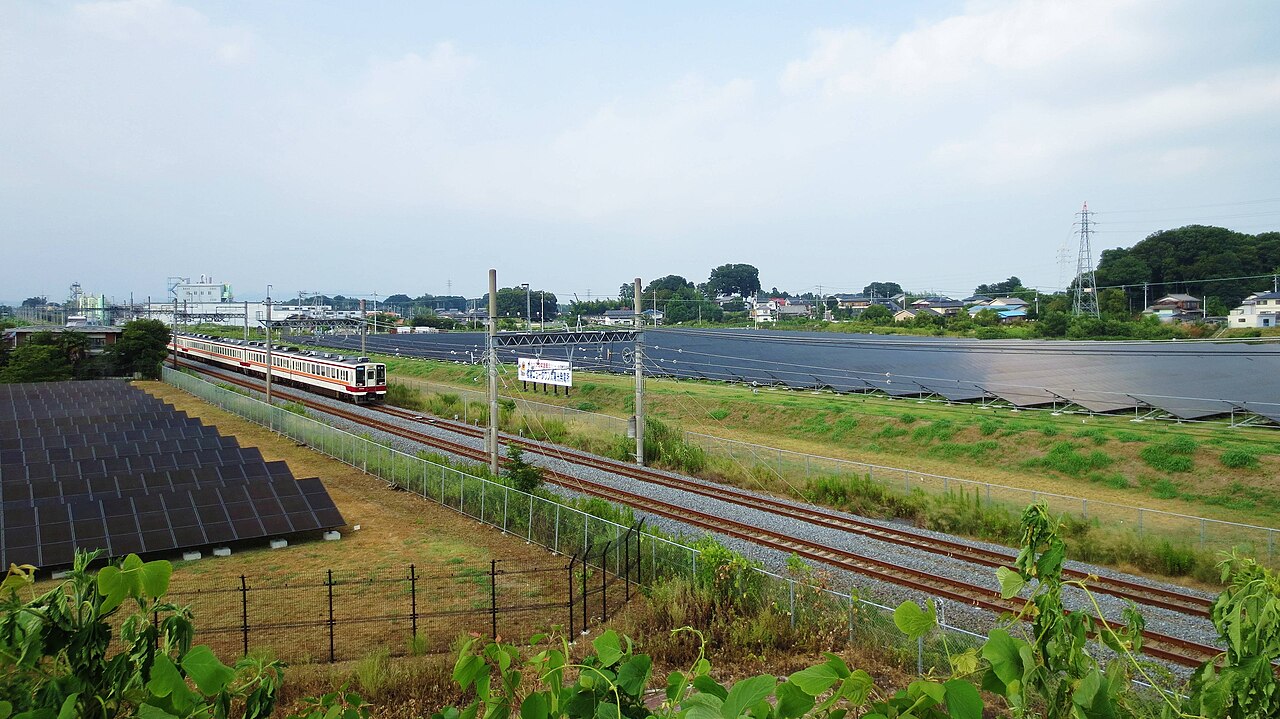
History
The ambition to connect central Tokyo with Nikko by private railway dated to the end of the Meiji era, when Tobu Railway and the Chuo Railway (later the Bushu Railway) both pursued the goal. Tobu's earliest Taisho-era plan intended an extension toward Nikko from near Kuzu Station on its Sano Line, but because that alignment required crossing mountains, the company instead adopted a route branching north from Sugito Station (today Tobu-Dobutsu-Koen Station). Having grown into a core company of the Nezu zaibatsu under Kaichiro Nezu, Tobu was able to secure the construction funds and began building in 1923.
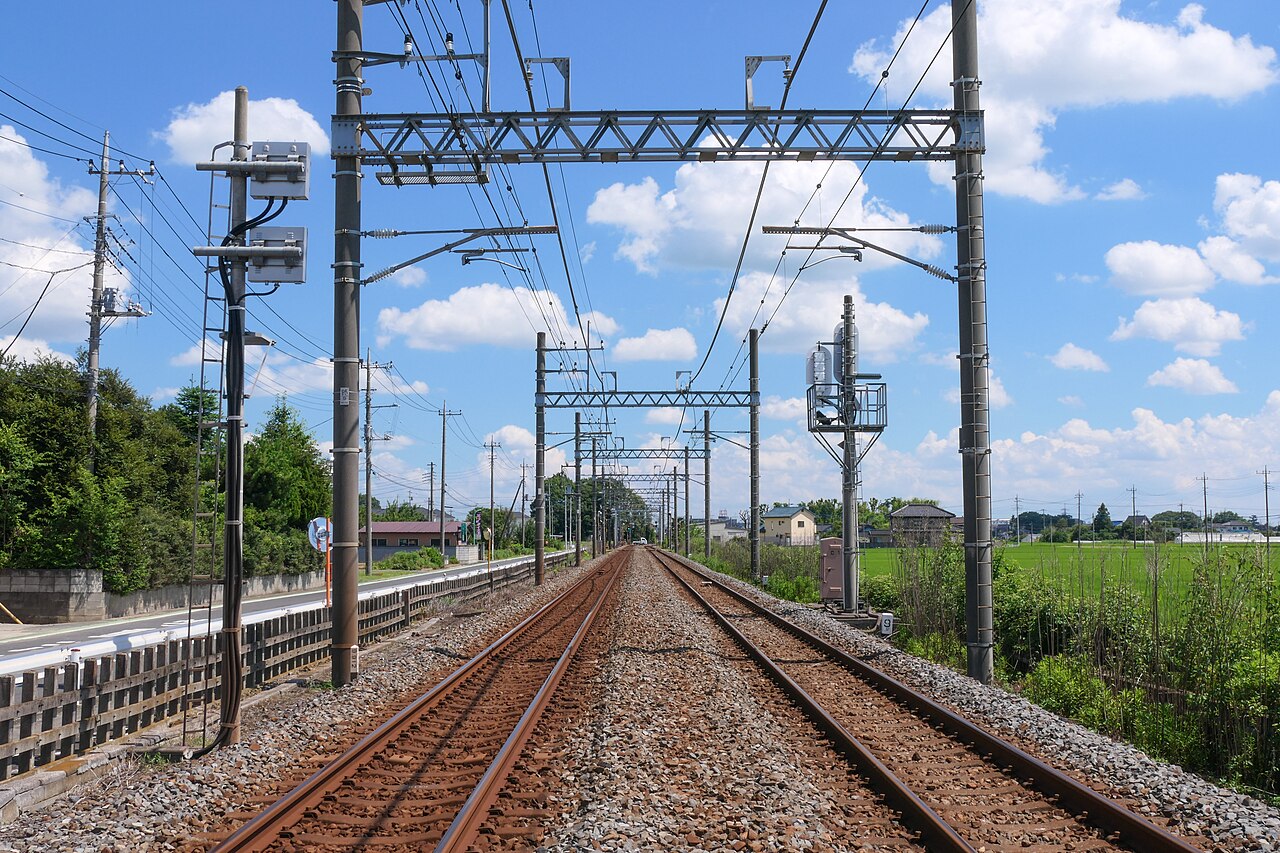
The line opened in stages across the single year 1929. The Sugito-to-Shin-Kanuma section opened on 1 April 1929, Shin-Kanuma to Shimo-Imaichi followed on 7 July 1929, and the final Shimo-Imaichi-to-Tobu-Nikko section opened on 1 October 1929, completing the route. From its opening the entire line was double-track and electrified, and it carried through services from the original Asakusa terminus of the Isesaki Line (the first-generation Asakusa Station, now Tokyo Skytree Station). Electric operation over a distance exceeding 100 km was, in the 1930s and 1940s, matched in Japan only by the Osaka Electric Tramway / Sangu Express Electric Railway route between Uehommachi and Ujiyamada (later the Kintetsu Osaka and Yamada lines).
On 12 October 1939 a down train derailed and plunged into a riverbed within the town of Nikko, killing 18 people and injuring 87. During the Second World War the line was designated a non-essential route serving a tourist destination: from 19 January 1943 the section north of Kassemba Station was reduced to single track, and the recovered rails were diverted to other Tobu lines, including the Kumagaya Line. Double-tracking was restored only gradually after the war, section by section, and the entire line did not return to full double track until 20 July 1973.
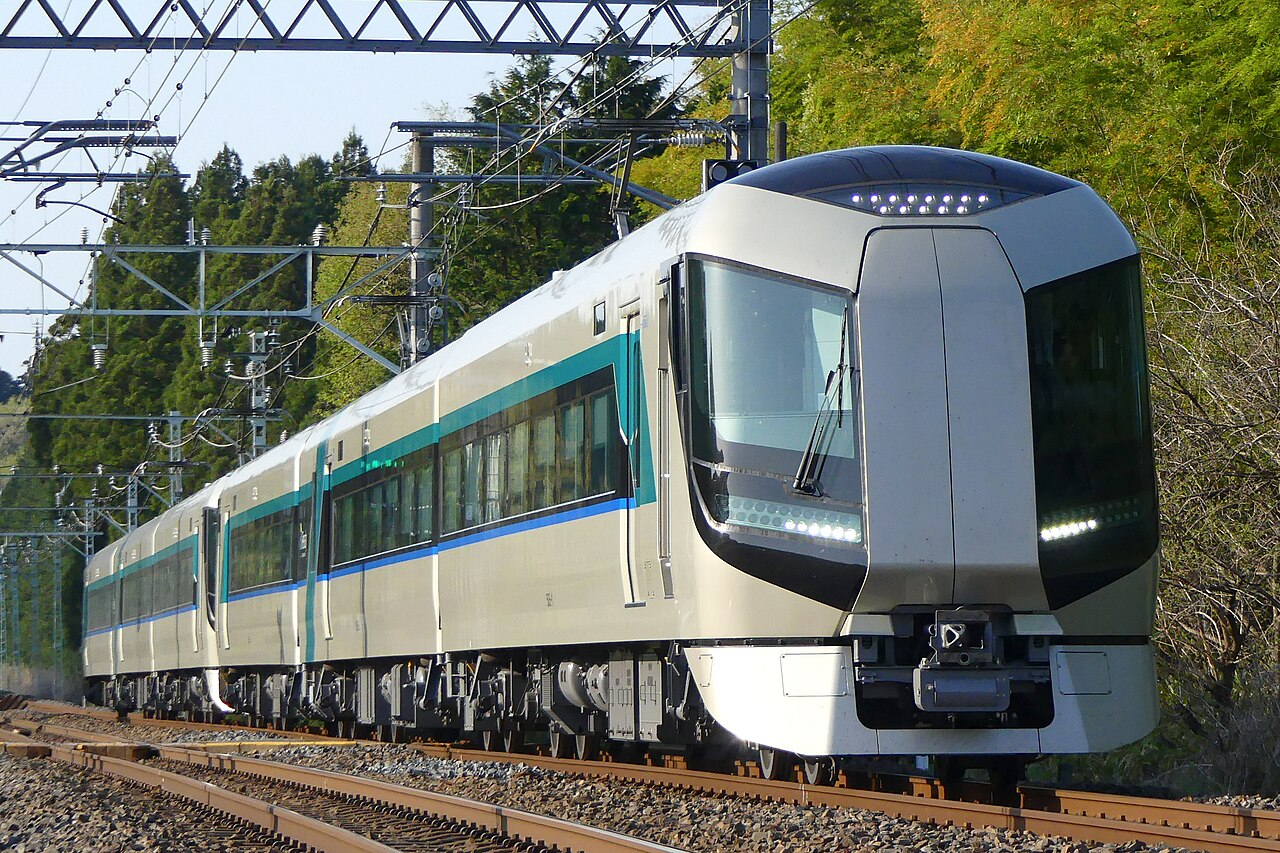
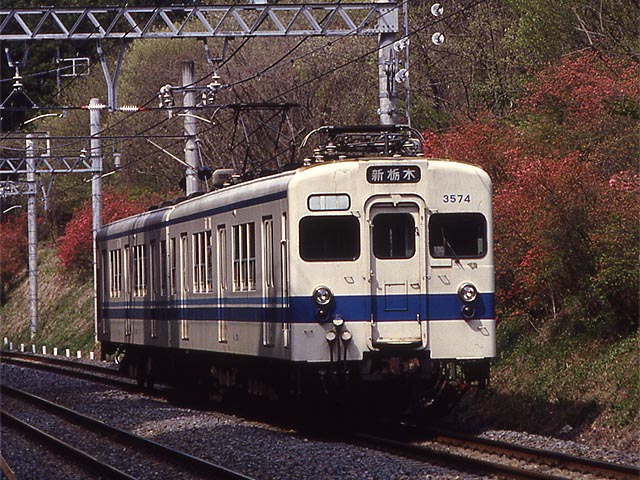
From its opening through the 1950s the Tobu Nikko Line competed directly with the Japanese National Railways (JNR) Nikko Line for traffic between Tokyo and Nikko, a rivalry in which each operator fielded exceptionally lavish equipment for the era. Tobu introduced limited express stock such as the 5700 series and, from October 1960, the 1720 series "Deluxe Romance Car" (DRC) on its Nikko-bound limited expresses. After JNR withdrew its regular limited express trains from its own Nikko Line in 1982, and amid the tourism downturn that followed the early-1990s collapse of Japan's bubble economy, the relationship gradually shifted from competition to cooperation.
Tobu modernised the line's flagship services across the following decades. The 100 series "Spacia" EMUs entered limited express service from 1 June 1990, and from a timetable revision on 21 September 1992 limited expresses began running at 120 km/h - reported as the first 120 km/h operation among Kanto-area private railways (a distinction shared with Tokyu and applied to the "Spacia"). Through-services expanded the line's reach far beyond its own rails: from 19 March 2003 trains began running through via the Tokyo Metro Hanzomon Line to the Tokyu Den-en-toshi Line as far as Chuo-Rinkan, and on 18 March 2006 a connecting track was opened within Kurihashi Station linking the line to the JR East Utsunomiya Line (Tohoku Main Line), inaugurating through limited express services - the Nikko and (Spacia) Kinugawa - between Shinjuku and Tobu-Nikko / Kinugawa Onsen. New stations were added over time, including Sugito-Takanodai and Minami-Kurihashi on 26 August 1986 and Itakura-Toyodaimae on 25 March 1997, the latter the first station of the line established in Gunma Prefecture.
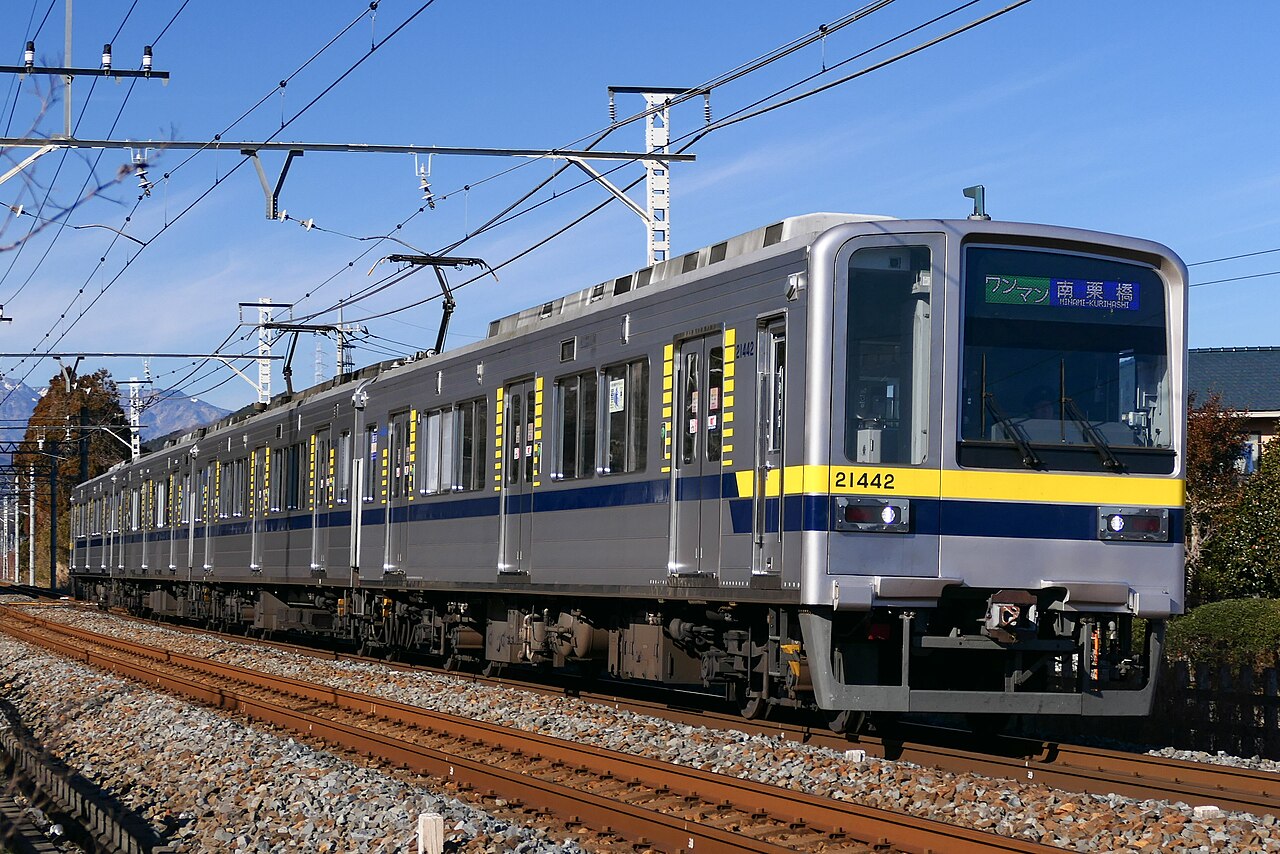
Today the southern portion of the line, south of Minami-Kurihashi, functions heavily as a Tokyo commuter route, with trains running through to the Tokyo Metro Hanzomon Line, the Tokyu Den-en-toshi Line and the Tokyo Metro Hibiya Line via the Skytree Line. To the north the line serves the international tourist destinations of Nikko and Kinugawa Onsen, reached by frequent Kegon and Kinu limited expresses from Asakusa; a steam-hauled "SL Taiju Futara" service also operates between Shimo-Imaichi and Tobu-Nikko. North of around Shin-Kanuma the route leaves the flat central Kanto Plain and climbs a sustained 25-per-mille grade at the edge of the Ashio Mountains, the northern terminus at Tobu-Nikko reaching an elevation of 538 m within the station precincts; near the crossing of the Nikko Reiheishi Kaido cedar avenue between Myojin and Shimo-Imaichi lies the only tunnel on Tobu's surface network, just 40 m long. The Nikko Line is the only Tobu Railway line that is completely double-track over its entire length. On 17 March 2012 station numbering was introduced across Tobu's network, with Tobu Nikko Line stations taking the orange "TN" prefix, and a timetable revision on 21 April 2017 discontinued the line's Rapid and Section Rapid services, replacing them with express and section express trains terminating at Minami-Kurihashi.
Timeline
- 1923Construction begins; Tobu Railway, a core company of the Nezu zaibatsu under Kaichiro Nezu, builds the line as a branch off its existing Isesaki Line.
- 1929The line opens in stages across the year, all double-track and electrified: Sugito (now Tobu-Dobutsu-Koen)-Shin-Kanuma on 1 April, Shin-Kanuma-Shimo-Imaichi on 7 July, and Shimo-Imaichi-Tobu-Nikko on 1 October, completing the route.
- 193912 October: a down train derails and falls into a riverbed within the town of Nikko, killing 18 and injuring 87.
- 194319 January: designated a non-essential wartime line, the section north of Kassemba Station is reduced to single track; recovered rails are diverted to other Tobu lines, including the Kumagaya Line.
- 1949February: electric limited express services begin operating.
- 1960October: 1720 series "Deluxe Romance Car" (DRC) EMUs are introduced on Nikko limited express services.
- 197320 July: the last single-track section (Kassemba-Shin-Kanuma) is doubled, restoring the entire line to double track.
- 198116 March: Sugito Station is renamed Tobu-Dobutsu-Koen Station.
- 198626 August: Sugito-Takanodai and Minami-Kurihashi stations open.
- 19901 June: 100 series "Spacia" EMUs are introduced on limited express services.
- 199221 September: limited expresses begin 120 km/h operation - reported as the first 120 km/h running among Kanto-area private railways (with Tokyu, on the "Spacia").
- 199725 March: Itakura-Toyodaimae Station opens, the first station of the line in Gunma Prefecture.
- 200319 March: through-services begin via the Tokyo Metro Hanzomon Line to the Tokyu Den-en-toshi Line (Chuo-Rinkan).
- 200618 March: a connecting track opens at Kurihashi Station to the JR East Utsunomiya Line (Tohoku Main Line), starting through limited expresses (Nikko / (Spacia) Kinugawa) between Shinjuku and Tobu-Nikko / Kinugawa Onsen.
- 201217 March: station numbering is introduced across Tobu's network; Tobu Nikko Line stations adopt the orange "TN" prefix.
- 201721 April: Rapid and Section Rapid services are discontinued and replaced by express / section express trains terminating at Minami-Kurihashi; "Liberty" (Revaty) limited expresses begin.
- 202212 March: the 6050 series ends regular service on the line, removing the last toilet-equipped cars from local trains.
Sources
Facts last verified 3 June 2026.
Gallery 5 photos
Every photo for this page — tap any image to view it full-size. All from Wikimedia Commons (credit under each).