歴史
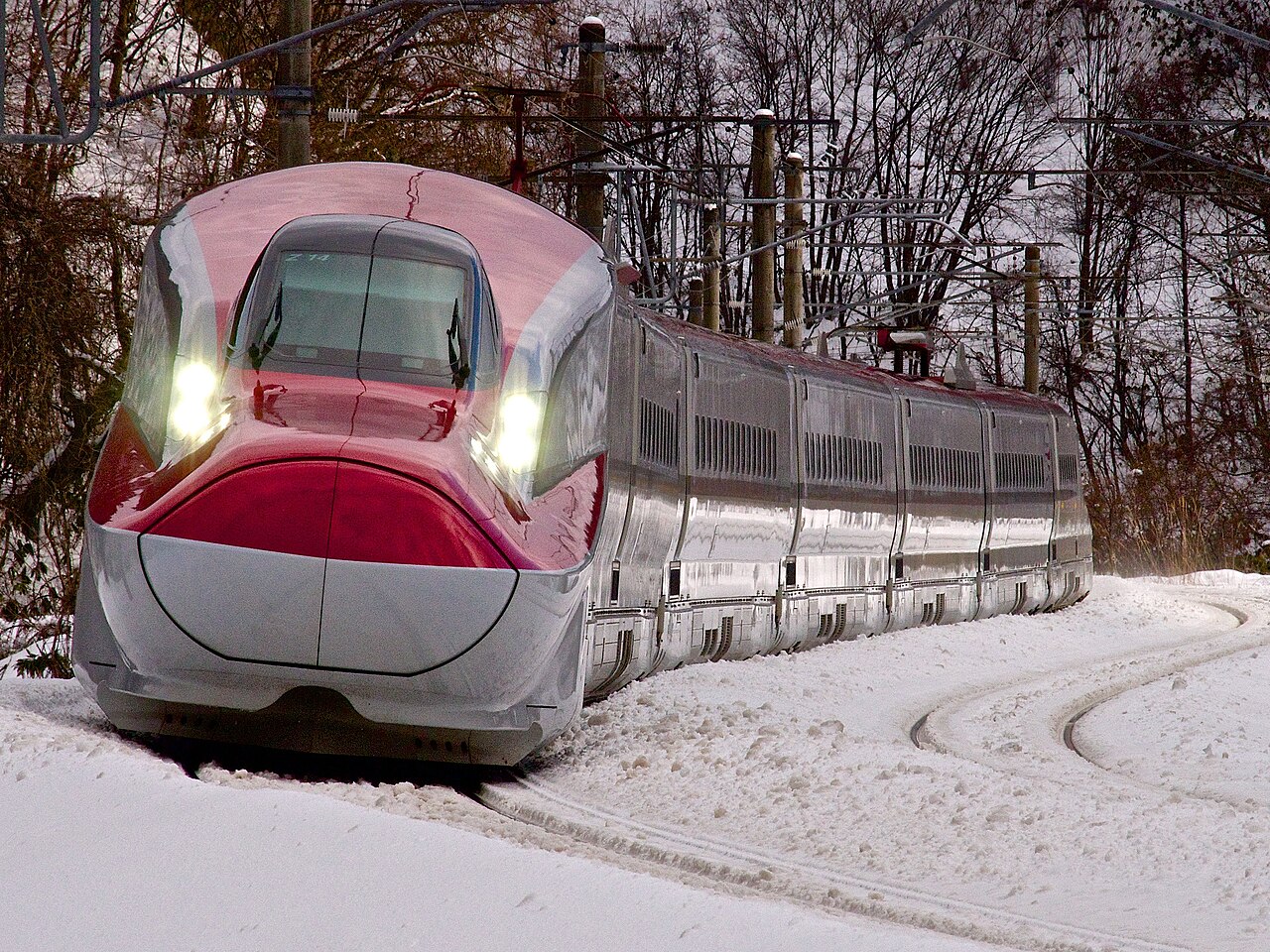
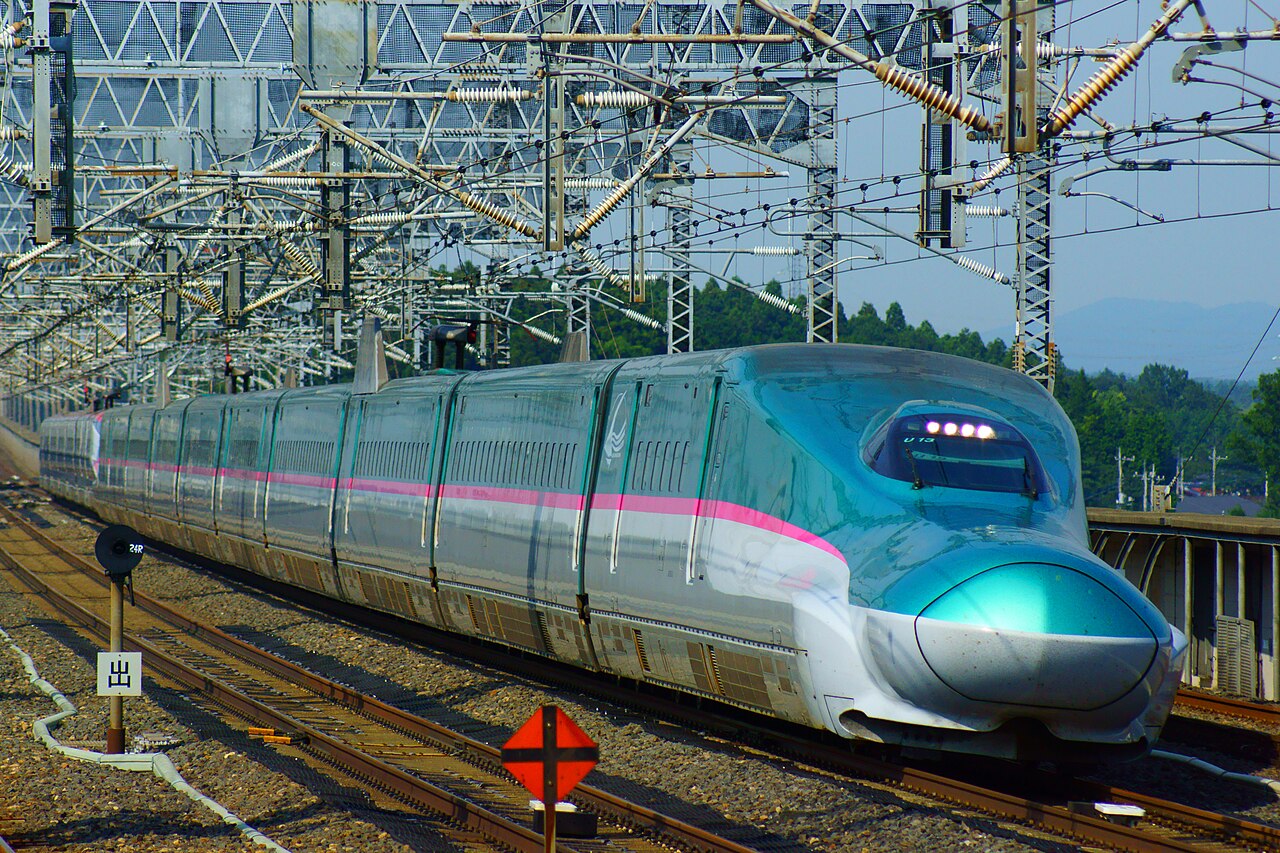
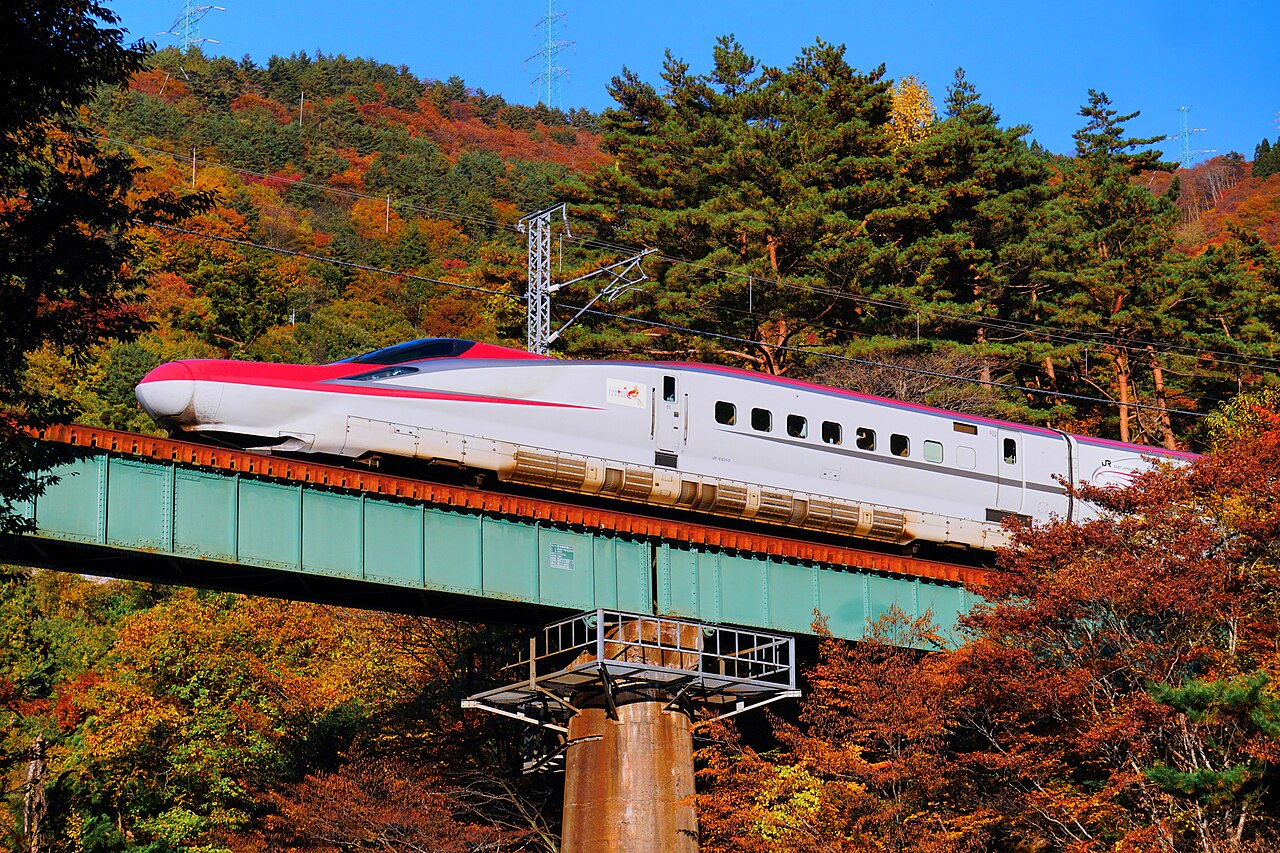
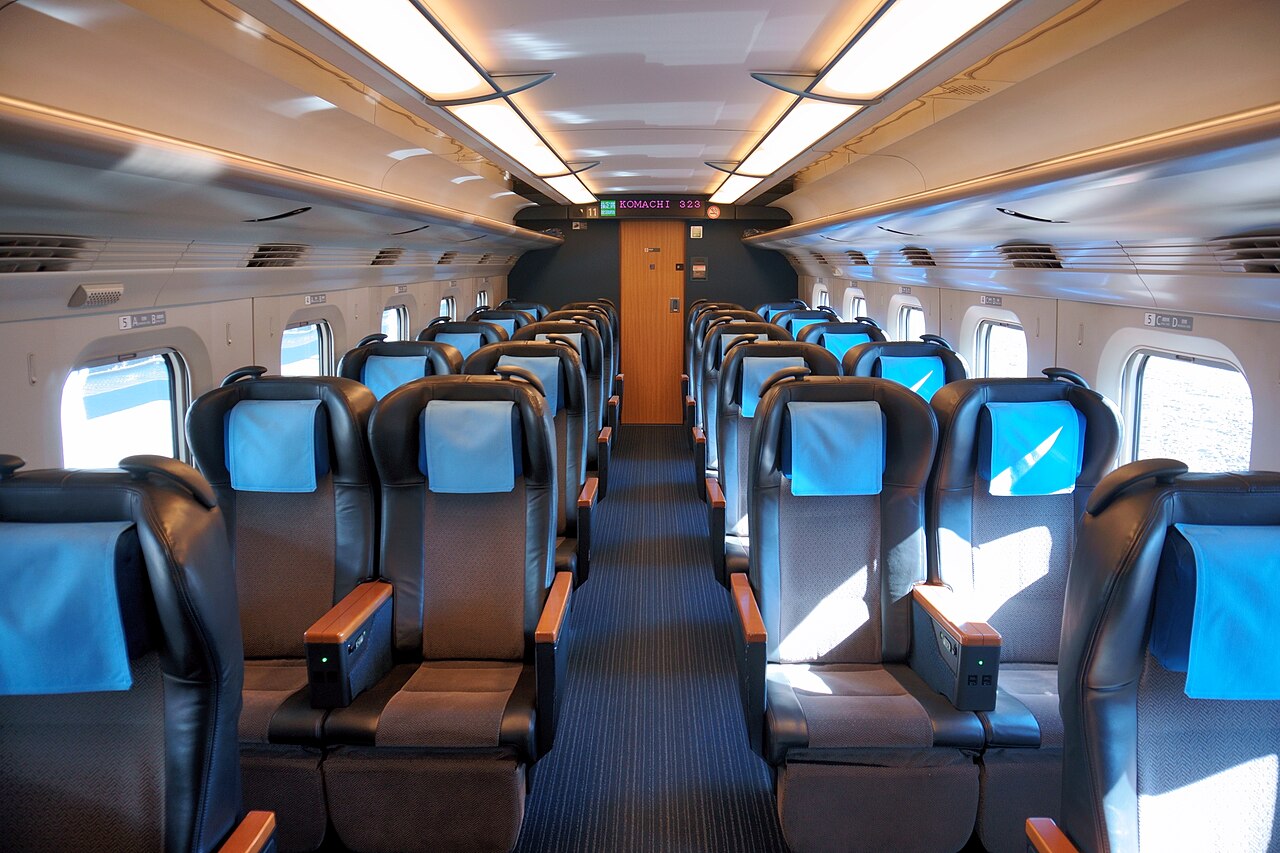
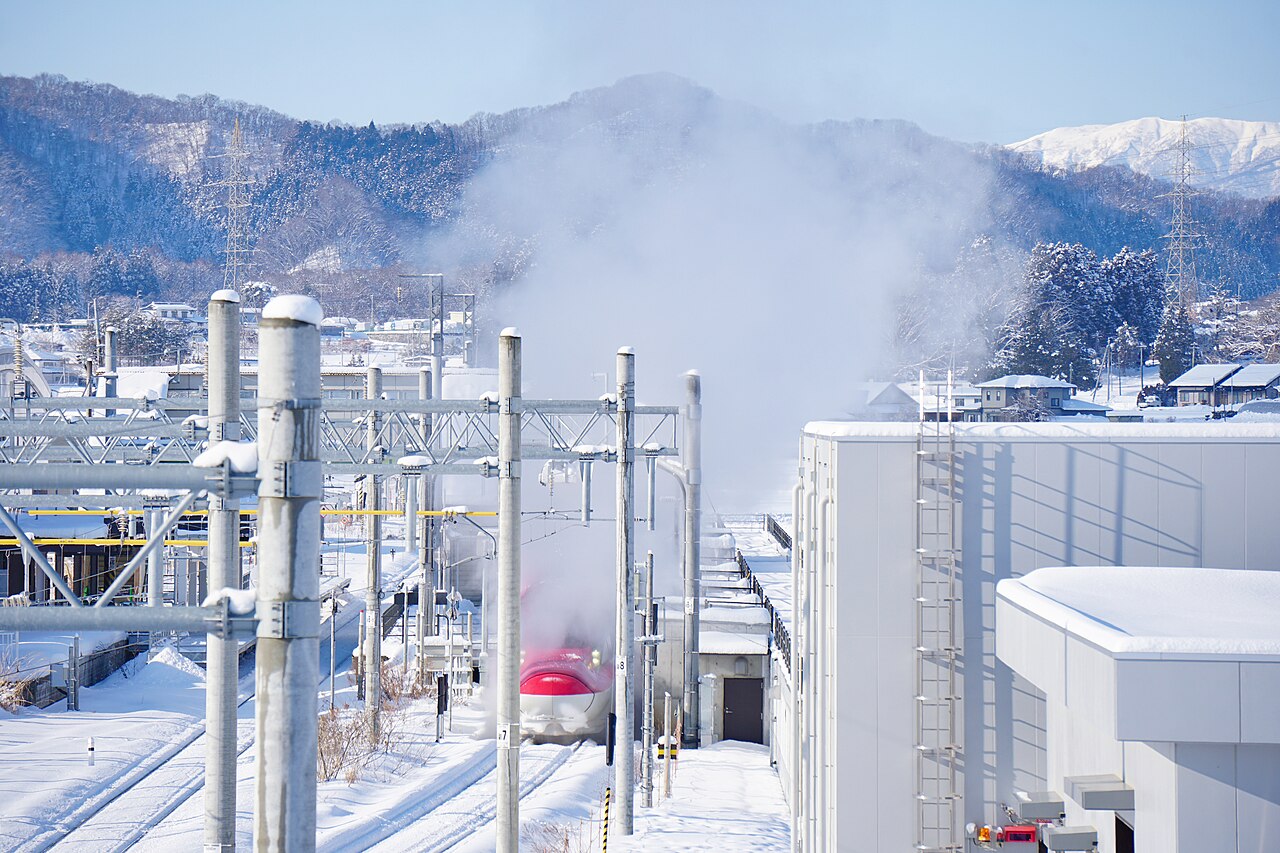
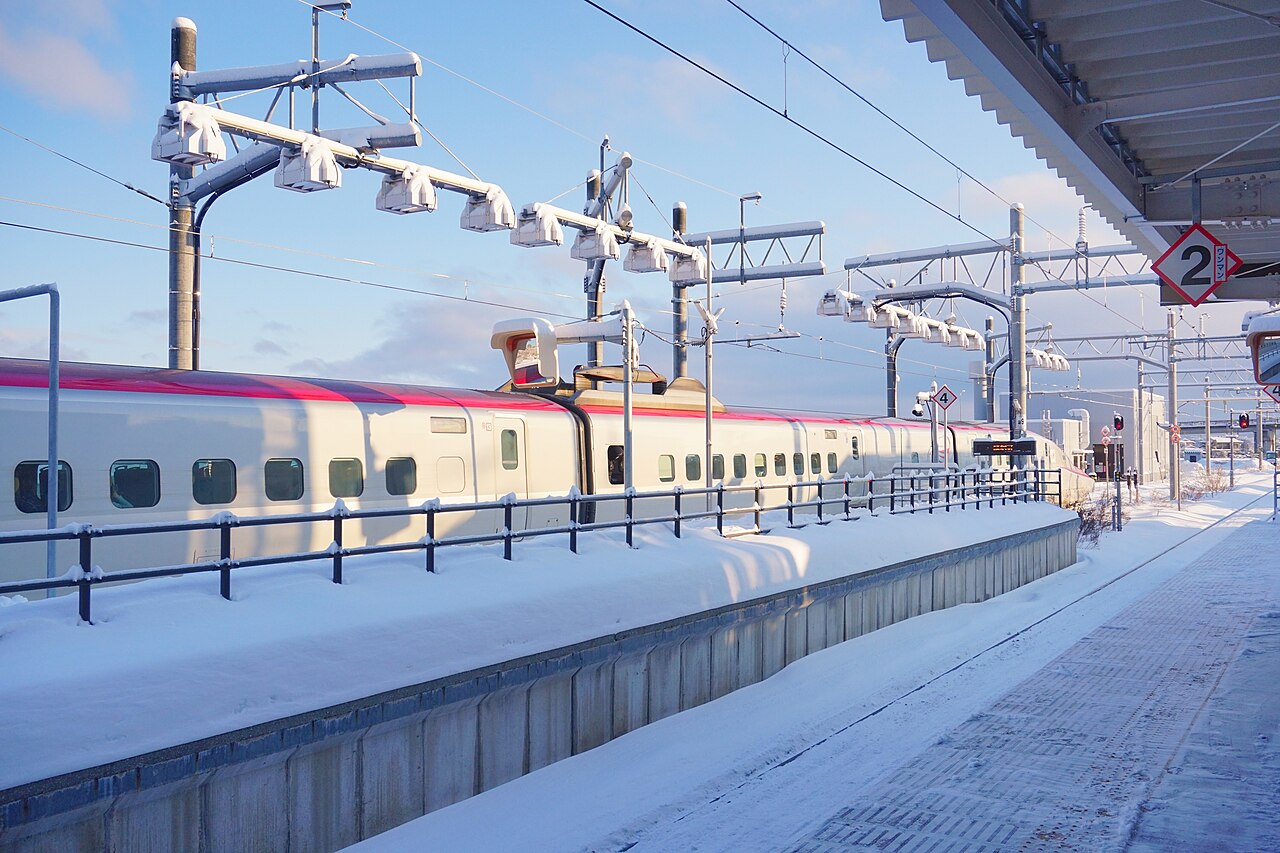
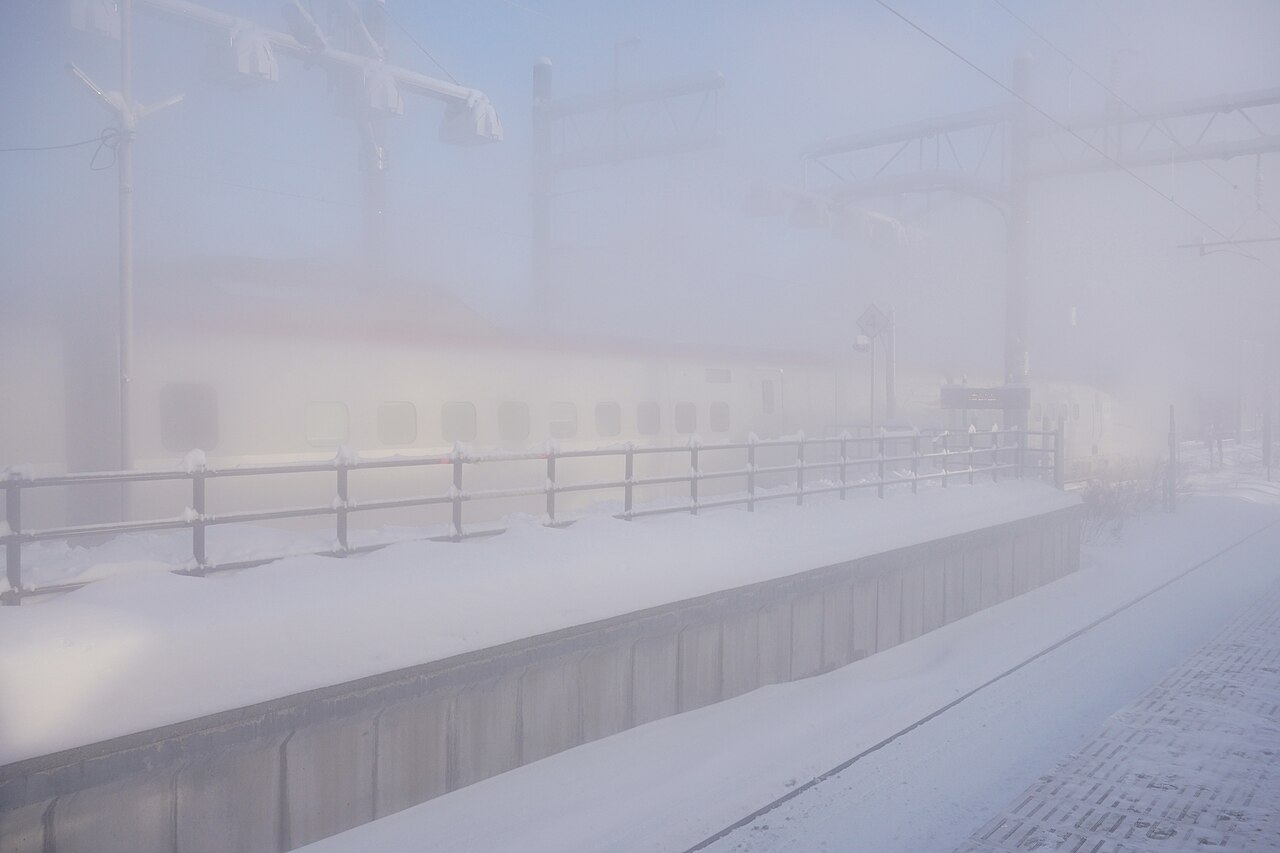
こまちは、田沢湖線・奥羽本線の盛岡・大曲・秋田間の改軌完成により秋田新幹線が開業した1997年3月22日のダイヤ改正から運転を開始し、当初は最高速度275km/hの5両編成E3系16本で運行された。運行形態は東京・秋田間13往復、仙台・秋田間1往復で、多くは東京・盛岡間で200系「やまびこ」と併結したが、3往復は新たに投入されたE2系と併結した。1998年には6両編成化が行われ、1999年12月には併結する「やまびこ」が全列車E2系に統一された。2002年12月1日の東北新幹線盛岡・八戸間開業に伴い、定期列車の併結相手は新設の「はやて」に変更され、自由席が廃止されて全車指定席となった。2013年3月16日からはE6系を用いる列車を「スーパーこまち」として東北新幹線内で300km/h運転を実施し、2014年3月15日のダイヤ改正で秋田新幹線の全列車がE6系に統一され、列車名は「こまち」に戻り、併結相手は「はやぶさ」に統一、宇都宮・盛岡間の最高速度は320km/hへ引き上げられた。現在は7両編成のE6系で運転され、全車禁煙・全席指定席である。
年表
- 1996The name Komachi was officially announced on 30 July 1996, having won a public competition with 3,832 votes — first place among 7,948 candidate names submitted in 63,075 entries.
- 1997On 22 March, Komachi services began with the opening of the Akita Shinkansen, after the Morioka–Ōmagari–Akita section of the Tazawako and Ōu lines was regauged; a fleet of 16 five-car E3 series trains ran at up to 275 km/h on the Tōhoku Shinkansen, with 13 Tokyo–Akita return workings and one Sendai–Akita return working.
- 1998From the December 1998 revision the E3 series trains were lengthened to six cars and an additional Tokyo–Akita return working was added.
- 1999From the December 1999 timetable, effective 4 December, all Komachi ran coupled with E2 series Yamabiko trains, running at up to 275 km/h on the Utsunomiya–Morioka section.
- 2002On 1 December, with the Tōhoku Shinkansen extension from Morioka to Hachinohe, the regular coupling partner was changed to the new Hayate service and the remaining non-reserved cars were abolished, making all seats reserved.
- 2009On 14 March, all Komachi services began stopping at Ōmiya.
- 2013On 16 March, Super Komachi services began, using new E6 series trains running at 300 km/h on the Tōhoku Shinkansen and coupling with Hayabusa; four return services initially ran with a fastest Tokyo–Akita time of 3 hours 45 minutes.
- 2014On 15 March, all Akita Shinkansen services switched to E6 series trains and the name reverted to Komachi; the coupling partner was unified to Hayabusa and the maximum speed on the Utsunomiya–Morioka section of the Tōhoku Shinkansen was raised to 320 km/h, ending regular E3 series operation.
- 2015On 14 March, the Green Attendant onboard service was discontinued.
ギャラリー 7枚
このページの全写真 ― 画像をタップすると原寸大で表示します。すべてウィキメディア・コモンズより(各写真の下にクレジット)。