History
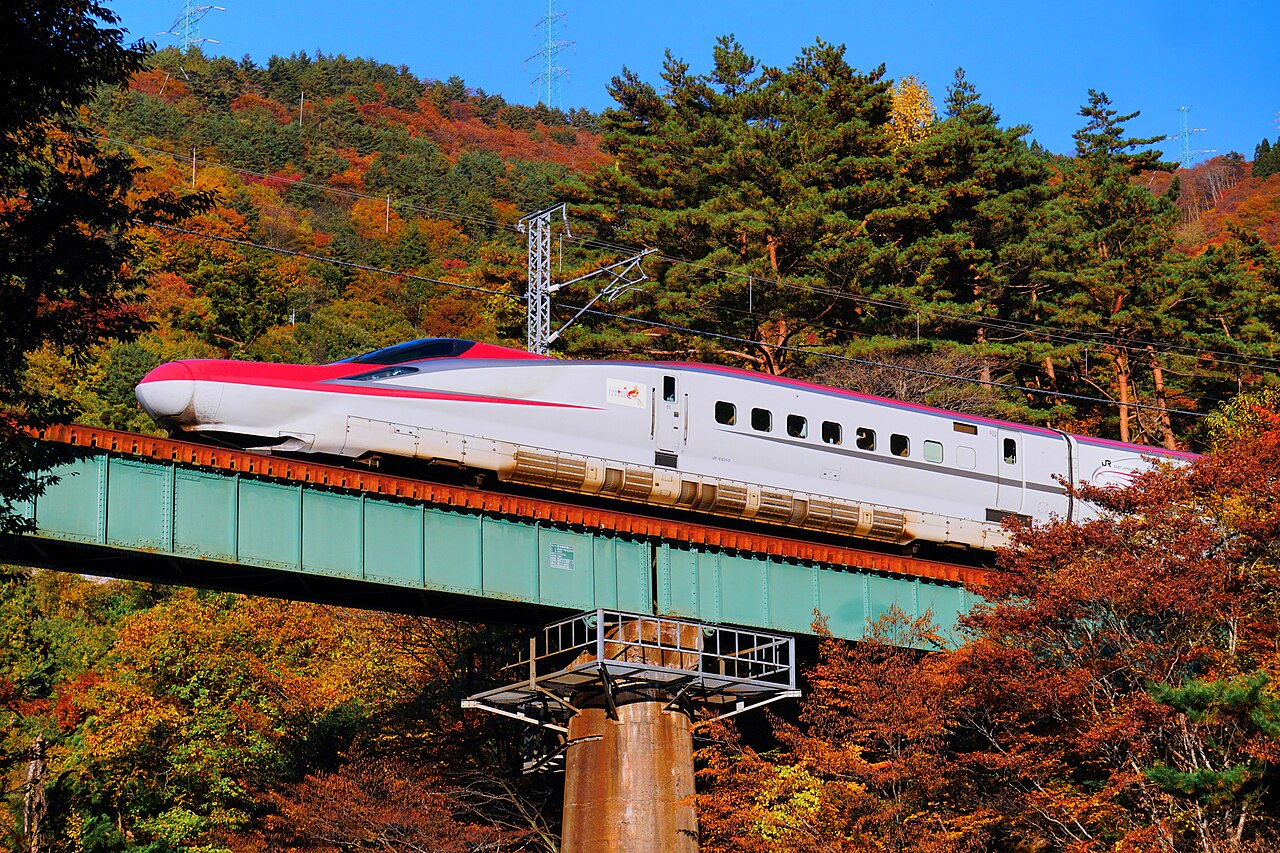
Komachi services began on the newly opened Akita Shinkansen from the revised timetable of 22 March 1997, after regauging of the Morioka–Ōmagari–Akita section of the Tazawako and Ōu lines was completed, using a fleet of 16 new five-car E3 series trains running at a maximum speed of 275 km/h on the Tōhoku Shinkansen. Services initially consisted of 13 return workings daily between Tokyo and Akita and one return working between Sendai and Akita, mostly coupled with 200 series Yamabiko trainsets between Tokyo and Morioka; three return workings instead coupled with newly introduced E2 series sets running at 275 km/h between Utsunomiya and Morioka, giving a fastest journey time of 3 hours 49 minutes between Tokyo and Akita, an average speed of 163.4 km/h. From the December 1998 revision the E3 trains were lengthened to six cars and an additional return working was added, and from December 1999 all Komachi ran together with E2 series Yamabiko trains.
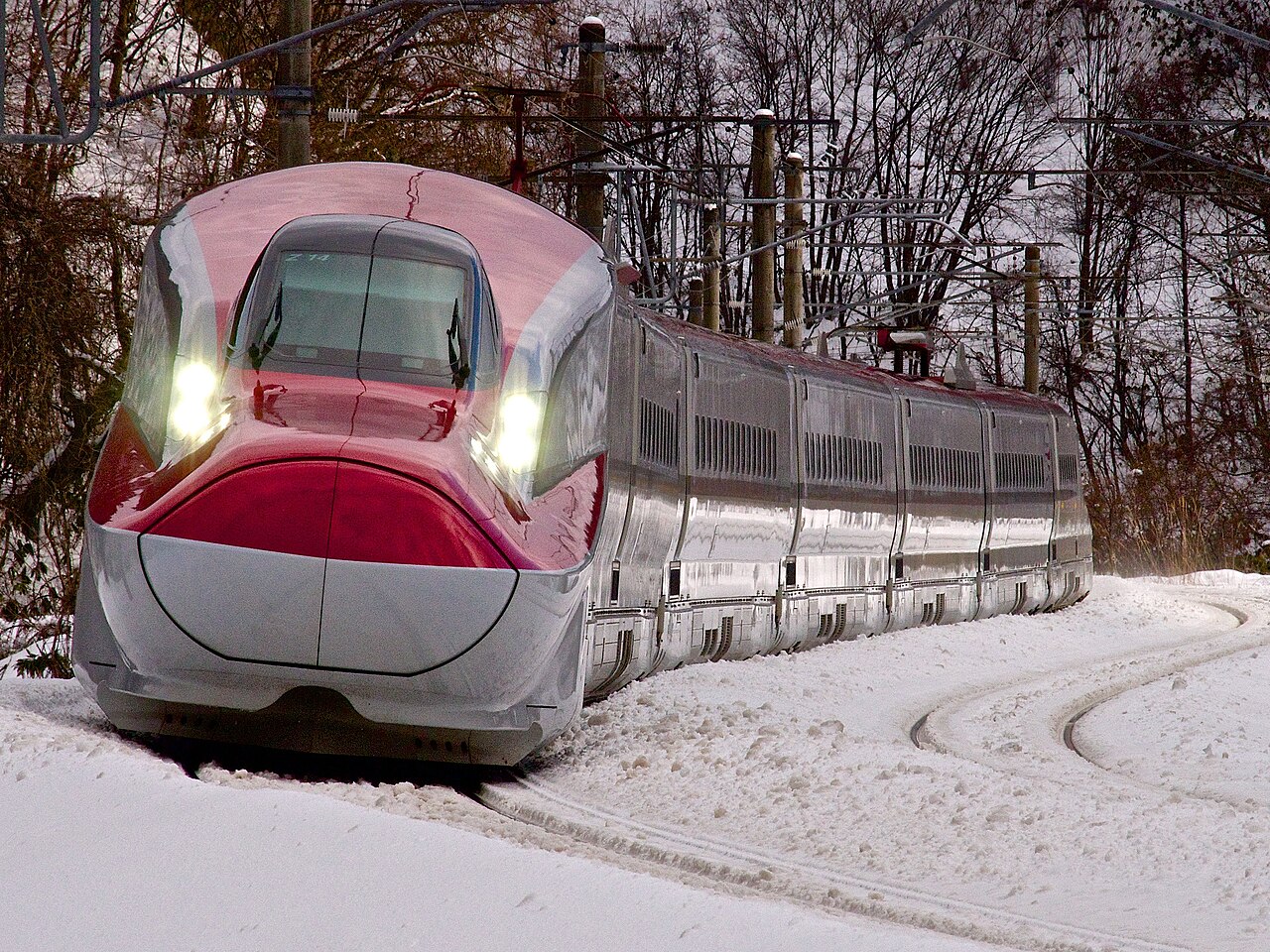
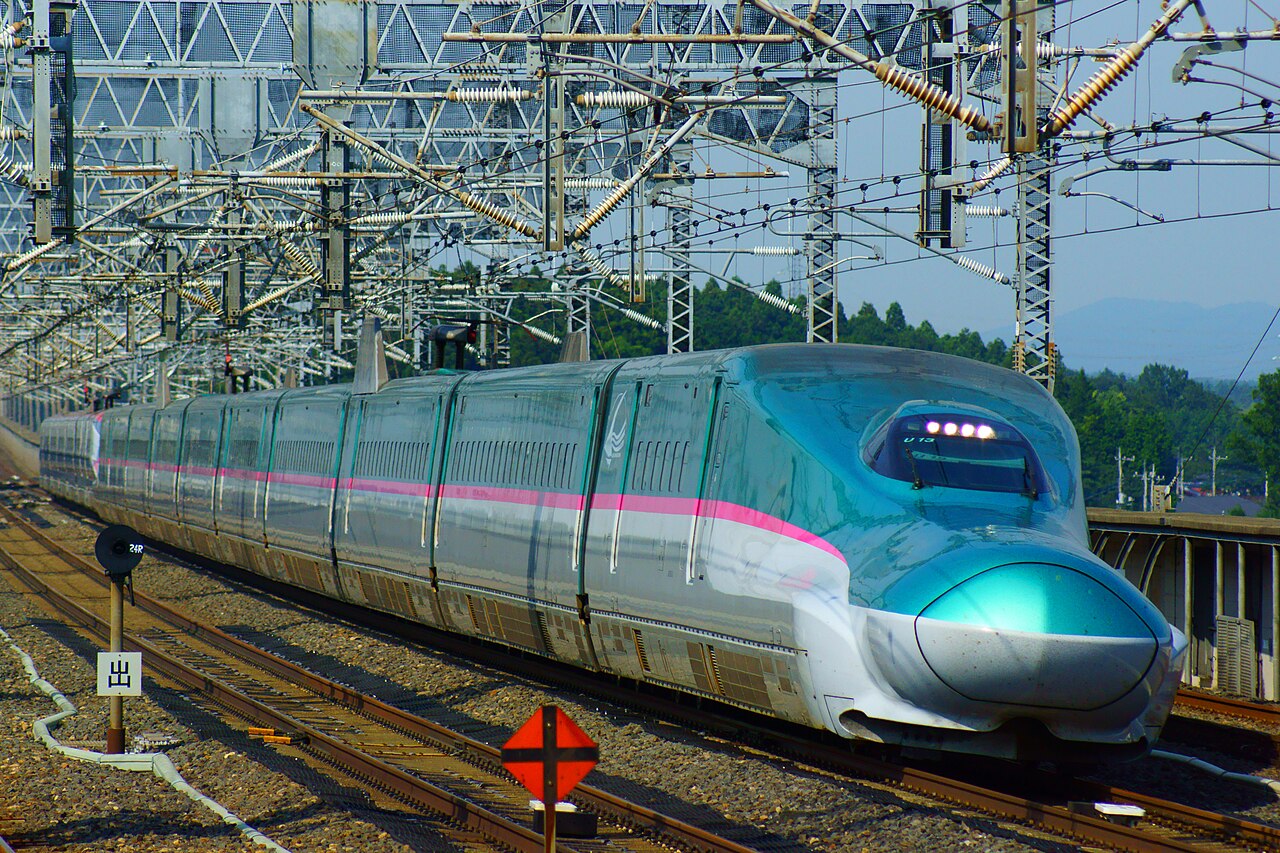
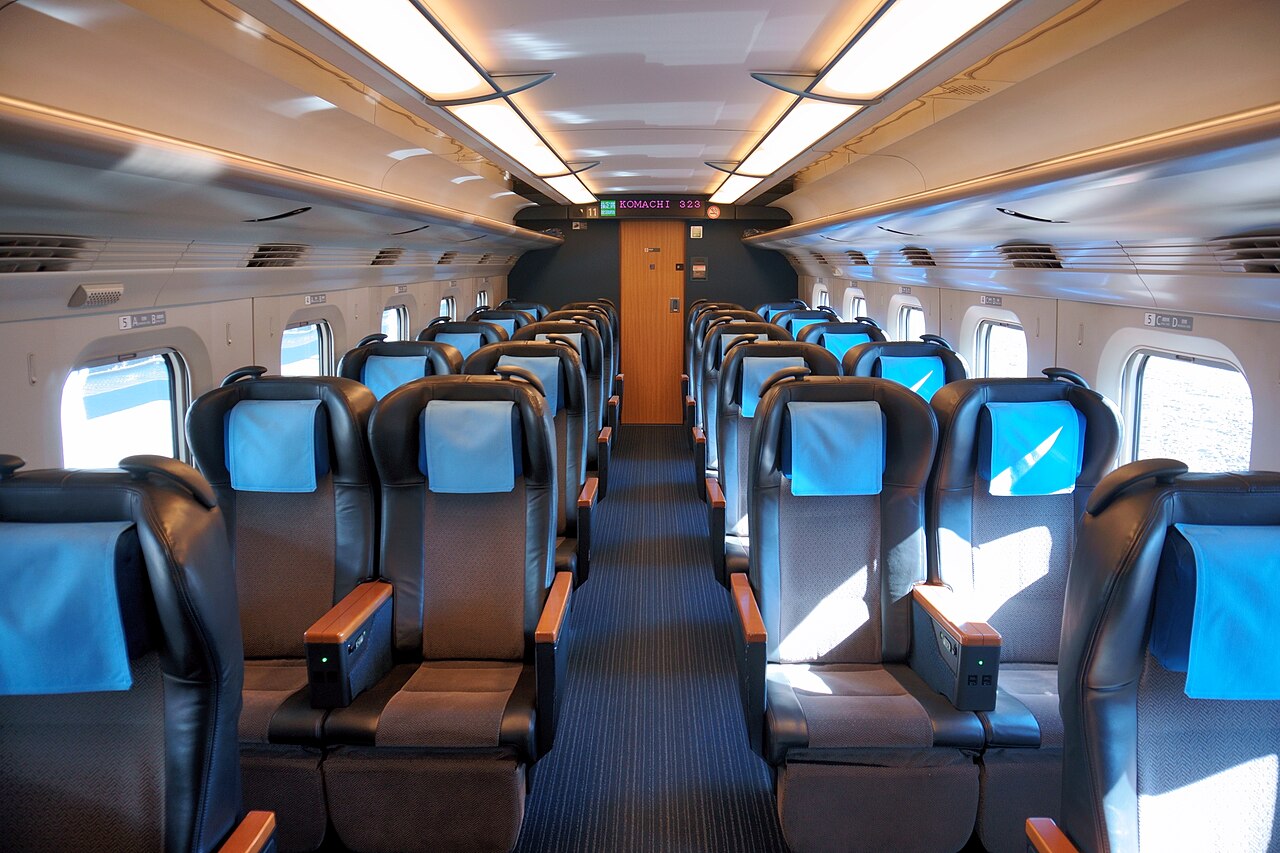
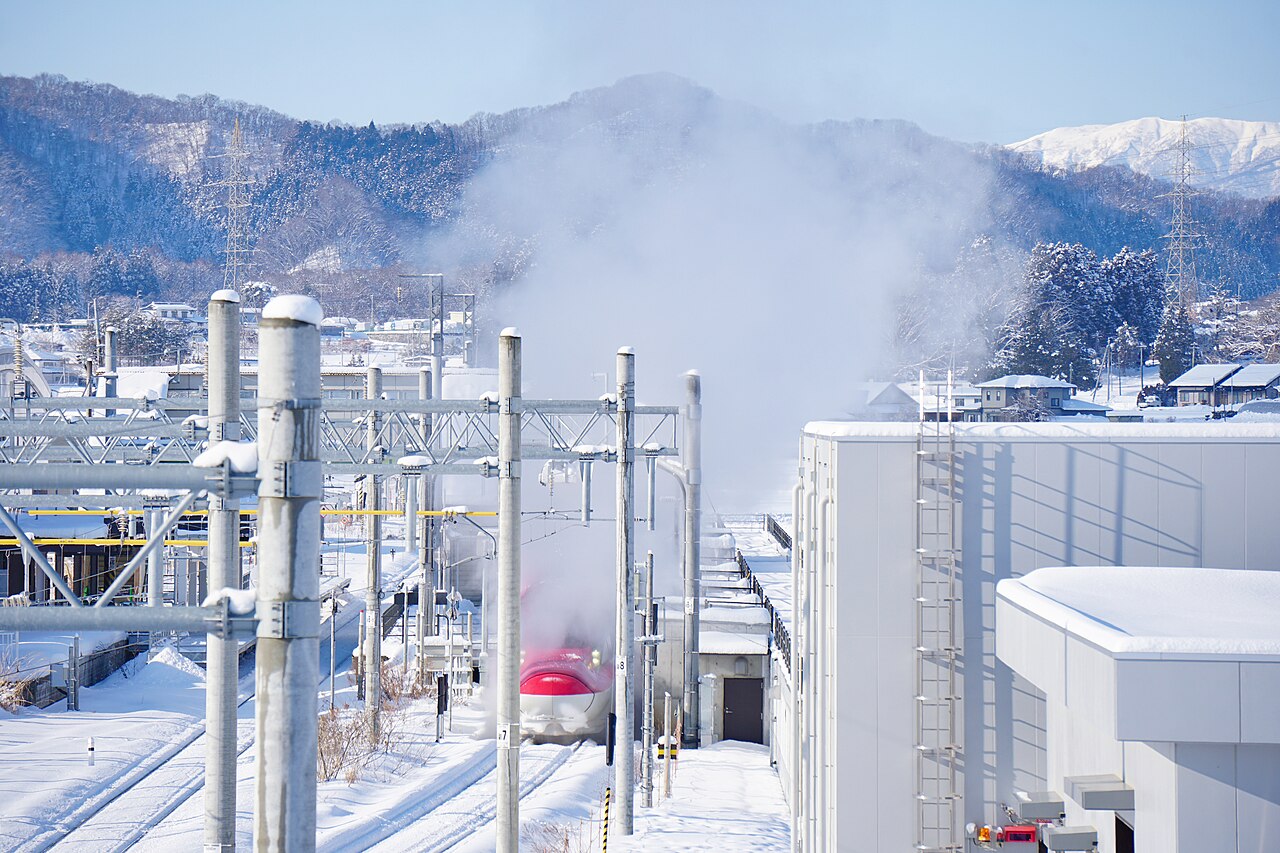
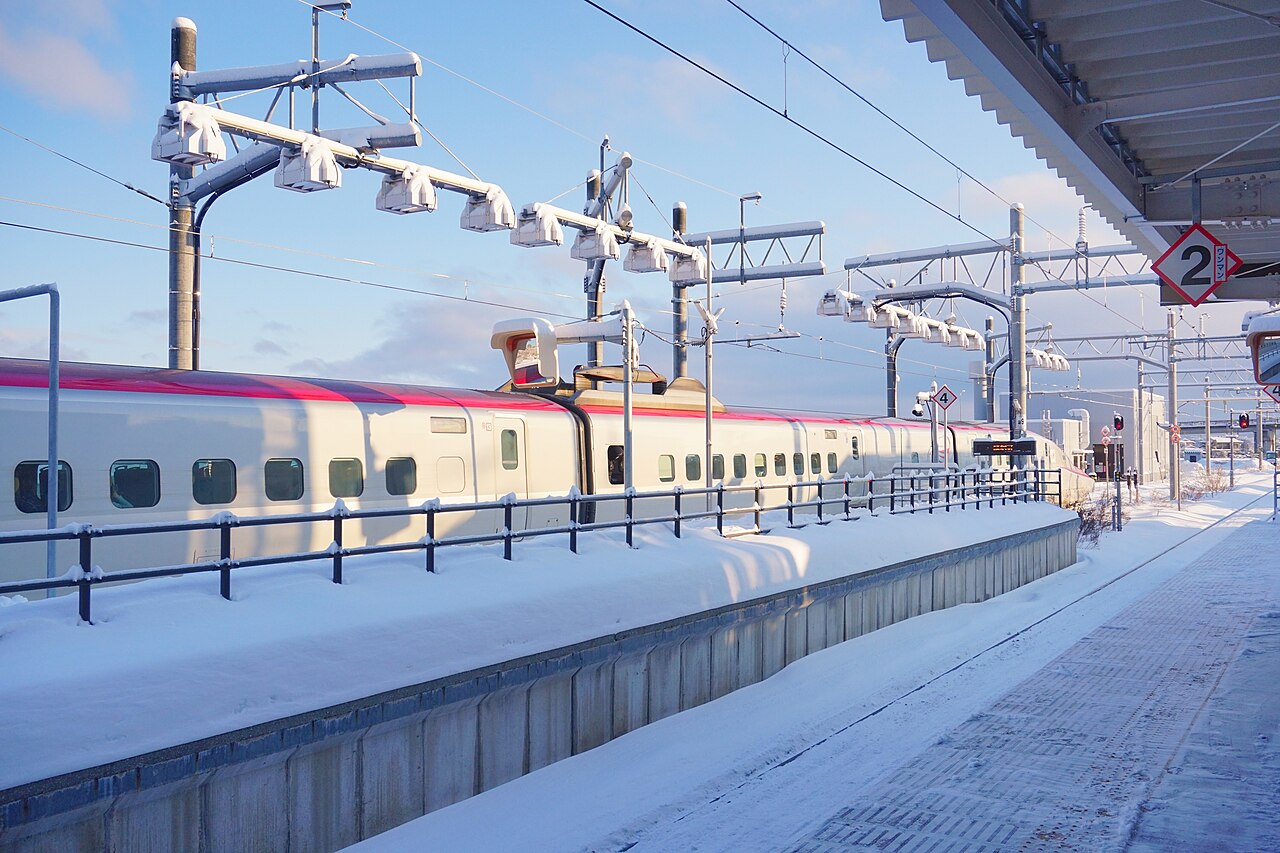
When the Tōhoku Shinkansen reached Hachinohe on 1 December 2002, the regular coupling partner was changed to the new Hayate service and the two remaining non-reserved cars were abolished, making all seats reserved. From 14 March 2009 all Komachi stopped at Ōmiya. From 16 March 2013 new Super Komachi services began, using new E6 series trains running at 300 km/h on the Tōhoku Shinkansen and coupling with Hayabusa, with the fastest journey time cut to 3 hours 45 minutes. From the start of the revised timetable on 15 March 2014 all Akita Shinkansen services were operated by E6 series trains and the name was returned to simply Komachi, the regular coupling partner was unified to Hayabusa, and the maximum speed on the Utsunomiya–Morioka section of the Tōhoku Shinkansen was raised to 320 km/h. Since then most Komachi have operated as seven-car E6 series trainsets, with car 11 (the Green, or first-class, car) at the Tokyo end and all seats reserved and no-smoking. As of the 15 March 2025 timetable there were 15 return workings between Tokyo and Akita and one between Sendai and Akita, with a shortest Tokyo–Akita time of 3 hours 37 minutes.
Timeline
- 1996The name Komachi was officially announced on 30 July 1996, having won a public competition with 3,832 votes — first place among 7,948 candidate names submitted in 63,075 entries.
- 1997On 22 March, Komachi services began with the opening of the Akita Shinkansen, after the Morioka–Ōmagari–Akita section of the Tazawako and Ōu lines was regauged; a fleet of 16 five-car E3 series trains ran at up to 275 km/h on the Tōhoku Shinkansen, with 13 Tokyo–Akita return workings and one Sendai–Akita return working.
- 1998From the December 1998 revision the E3 series trains were lengthened to six cars and an additional Tokyo–Akita return working was added.
- 1999From the December 1999 timetable, effective 4 December, all Komachi ran coupled with E2 series Yamabiko trains, running at up to 275 km/h on the Utsunomiya–Morioka section.
- 2002On 1 December, with the Tōhoku Shinkansen extension from Morioka to Hachinohe, the regular coupling partner was changed to the new Hayate service and the remaining non-reserved cars were abolished, making all seats reserved.
- 2009On 14 March, all Komachi services began stopping at Ōmiya.
- 2013On 16 March, Super Komachi services began, using new E6 series trains running at 300 km/h on the Tōhoku Shinkansen and coupling with Hayabusa; four return services initially ran with a fastest Tokyo–Akita time of 3 hours 45 minutes.
- 2014On 15 March, all Akita Shinkansen services switched to E6 series trains and the name reverted to Komachi; the coupling partner was unified to Hayabusa and the maximum speed on the Utsunomiya–Morioka section of the Tōhoku Shinkansen was raised to 320 km/h, ending regular E3 series operation.
- 2015On 14 March, the Green Attendant onboard service was discontinued.
Gallery 7 photos
Every photo for this page — tap any image to view it full-size. All from Wikimedia Commons (credit under each).