History
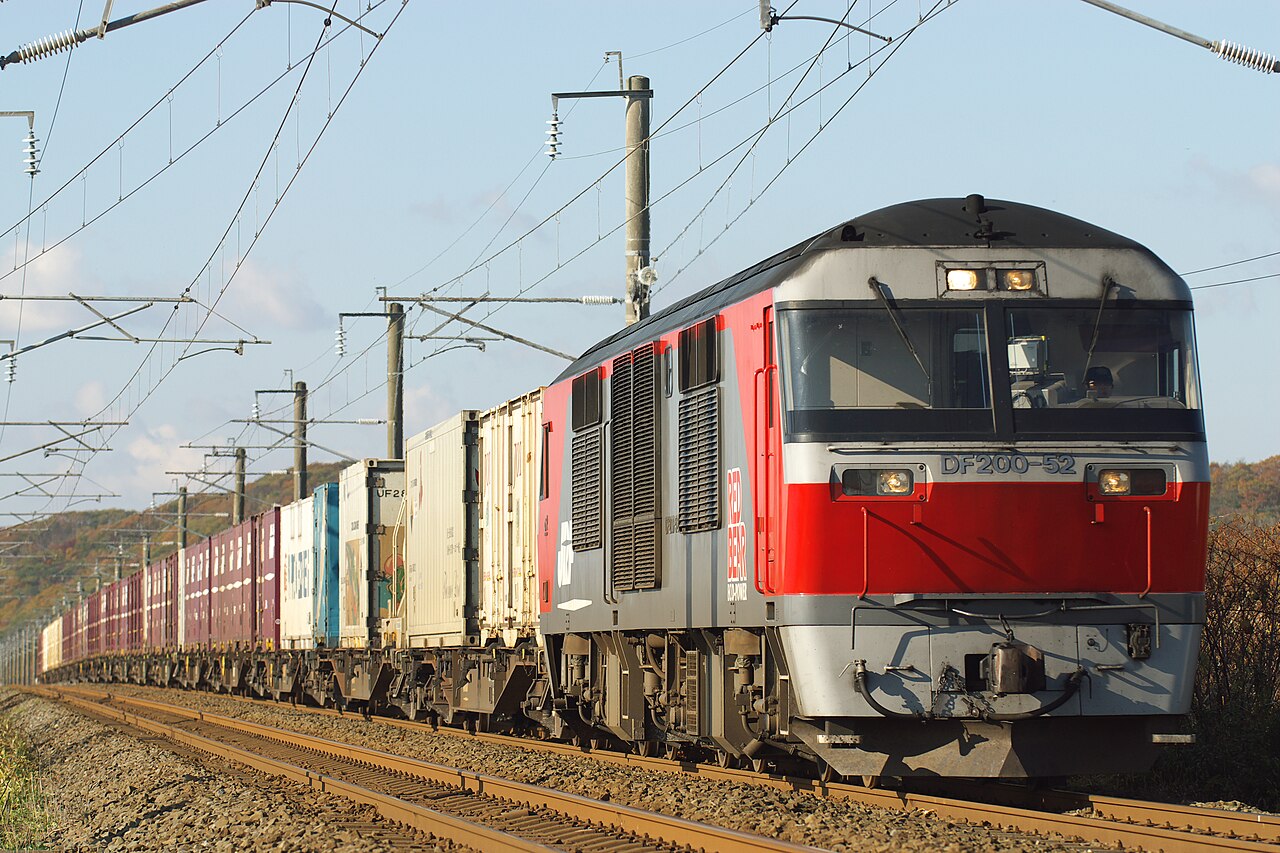
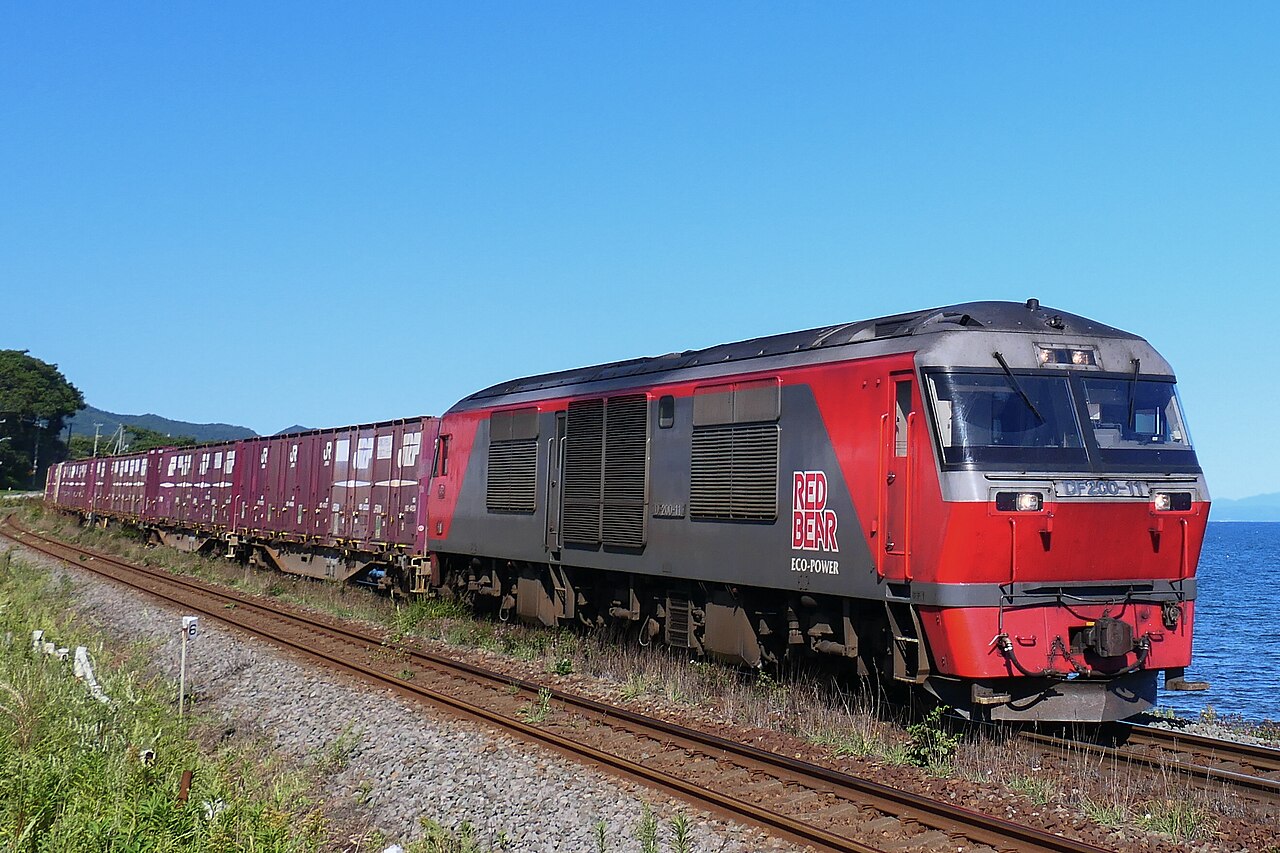
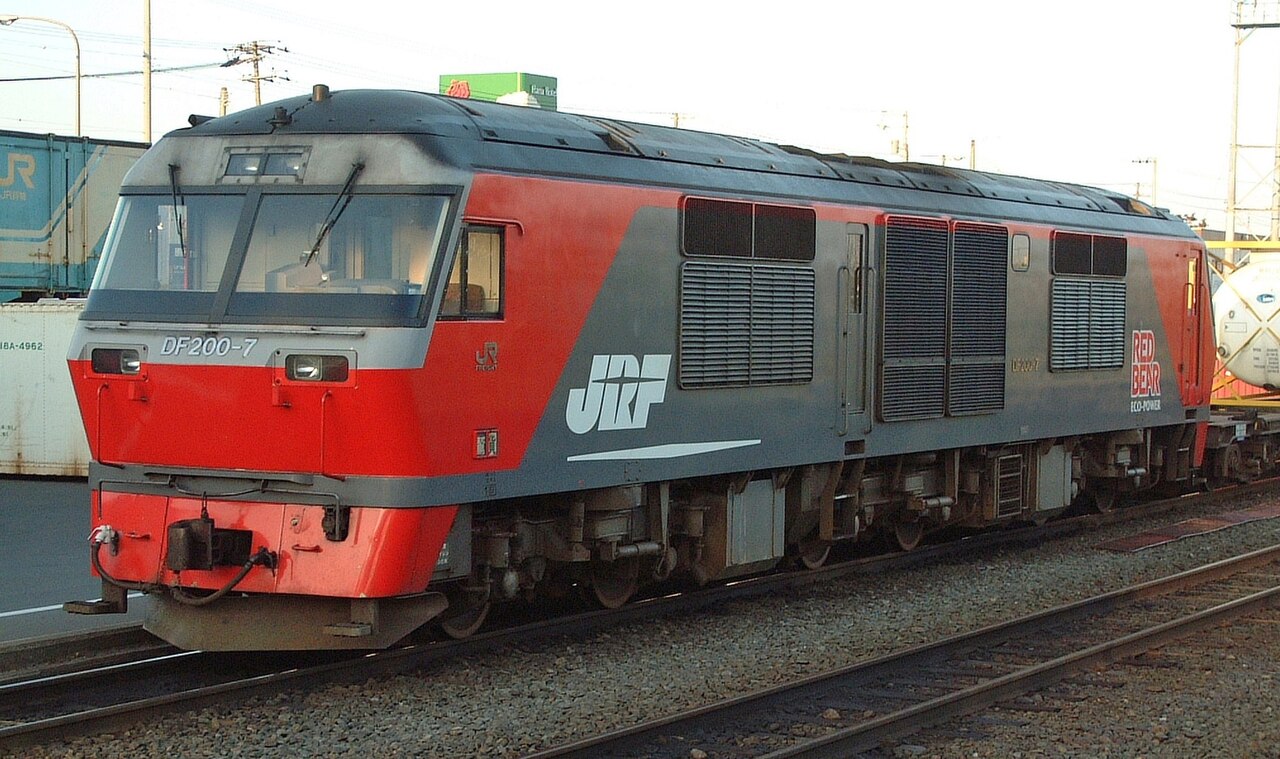
In Hokkaido, where the proportion of electrified sections on trunk lines is low, the Class DD51 had been the mainstay of freight transport since the introduction of "smokeless railways," regardless of whether the route was electrified. After the creation of JR, growth in freight traffic and the increasing speed of freight trains made the DD51's traction capacity insufficient, requiring trains to run with double heading, while the harsh Hokkaido climate also left the cars increasingly obsolete. The DF200 was developed to resolve the need for double heading and to replace the ageing locomotives. Through a public competition the type was given the nickname "ECO-POWER RED BEAR," with the logo applied to the sides of the body; it is the only diesel locomotive designed and developed by JR Freight to have been given a nickname. It was awarded the Laurel Prize in 1994.
The pre-production locomotive DF200-901 was delivered in March 1992 for testing and fitted with two MTU 12V396TE14 diesel engines; after testing was complete it entered revenue service on 10 March 1993 on the section between Goryokaku and Sapporo Freight Terminal, and it was withdrawn from regular service in fiscal 2023. The full-production DF200-0 batch was delivered from 1994, with twelve locomotives built. The DF200-50 batch, built from March 2000, substituted Komatsu SDA12V170-1 diesel engines for the earlier MTU engines and added grey front-end skirts, white "JRF" logos and "Red Bear Eco Power" logos; thirteen locomotives were built. The DF200-100 batch, built from August 2005 to December 2011, introduced IGBT VVVF inverters, with twenty-three locomotives built.
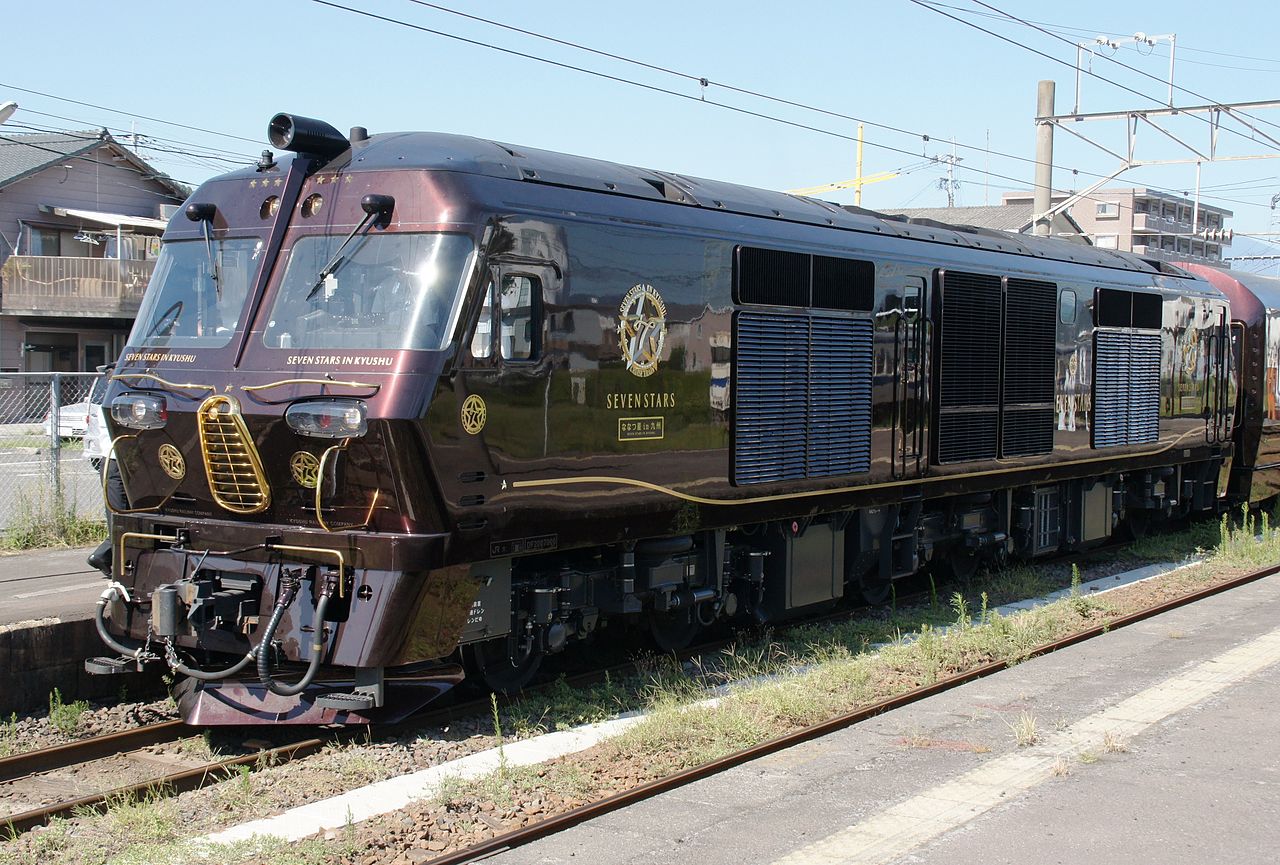
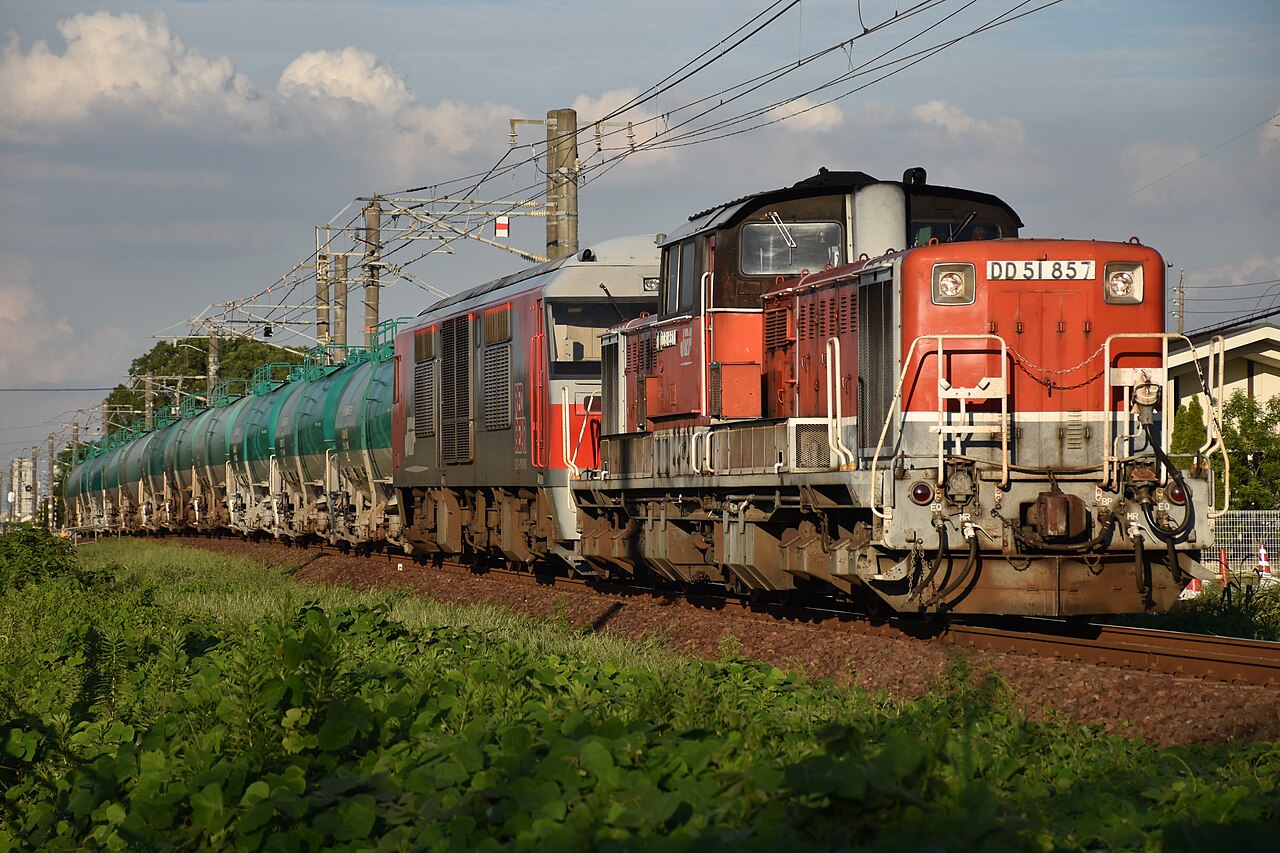
From 2016, DF200-123 was moved from Hokkaido to Suita Depot in Osaka, where it was modified and renumbered DF200-223 before returning to service on the Kansai Main Line in the Nagoya area; locomotives DF200-116 and DF200-120 were similarly modified and renumbered DF200-216 and DF200-220 in 2018. The 200-subclass conversions were undertaken under a plan to replace the ageing DD51 locomotives then working the Kansai Main Line. A dedicated Class DF200-7000 locomotive was built in 2013 for JR Kyushu's Seven Stars in Kyushu luxury excursion train; built specially for use in Kyushu and finished in a deep maroon livery, it was constructed by Kawasaki Heavy Industries in Kobe and delivered in July 2013. On the DF200-7000 the standard automatic coupler of the JR Freight machines was replaced with a tightlock automatic coupler, and the skirt was extended by 200 mm at each end, giving an overall length of 20,000 mm.
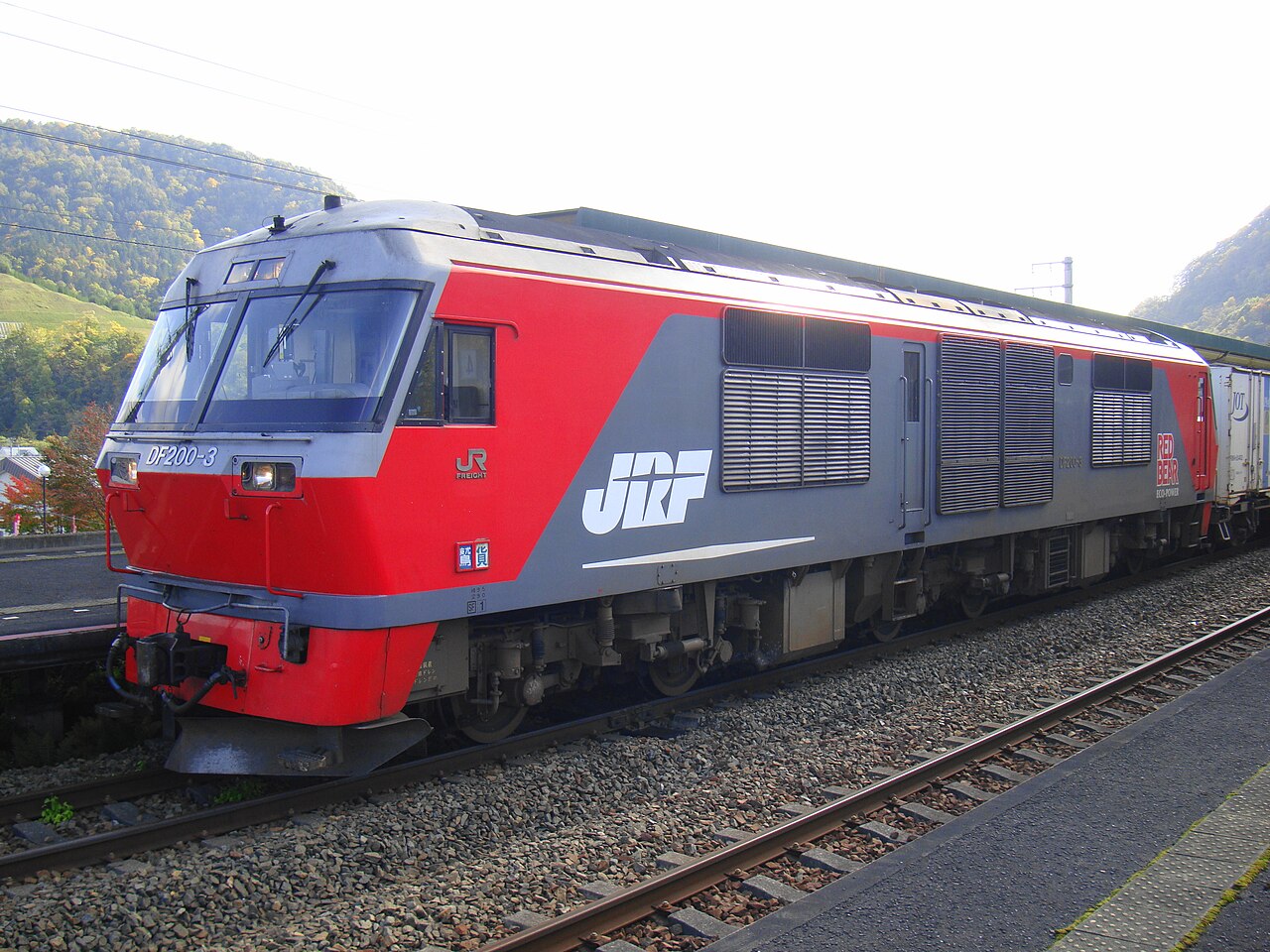
The locomotive type was built by Kawasaki Heavy Industries, with Hitachi Rail listed as rebuilder, between 1992 and 2013, for a total production of 50 units. One unit was withdrawn in 2012 following accident damage. In its transmission and traction equipment the type follows the electric (diesel–electric) layout first used on the JNR Class DF50 rather than the hydraulic transmission that had previously been mainstream; this choice reflected both the long-abandoned development of the large-capacity hydraulic transmissions needed for higher outputs—research that had ceased after the prototype JNR Class DE50—and the rapid progress of electrical equipment such as VVVF inverter control, which allowed the drivetrain to be made smaller and maintenance reduced.
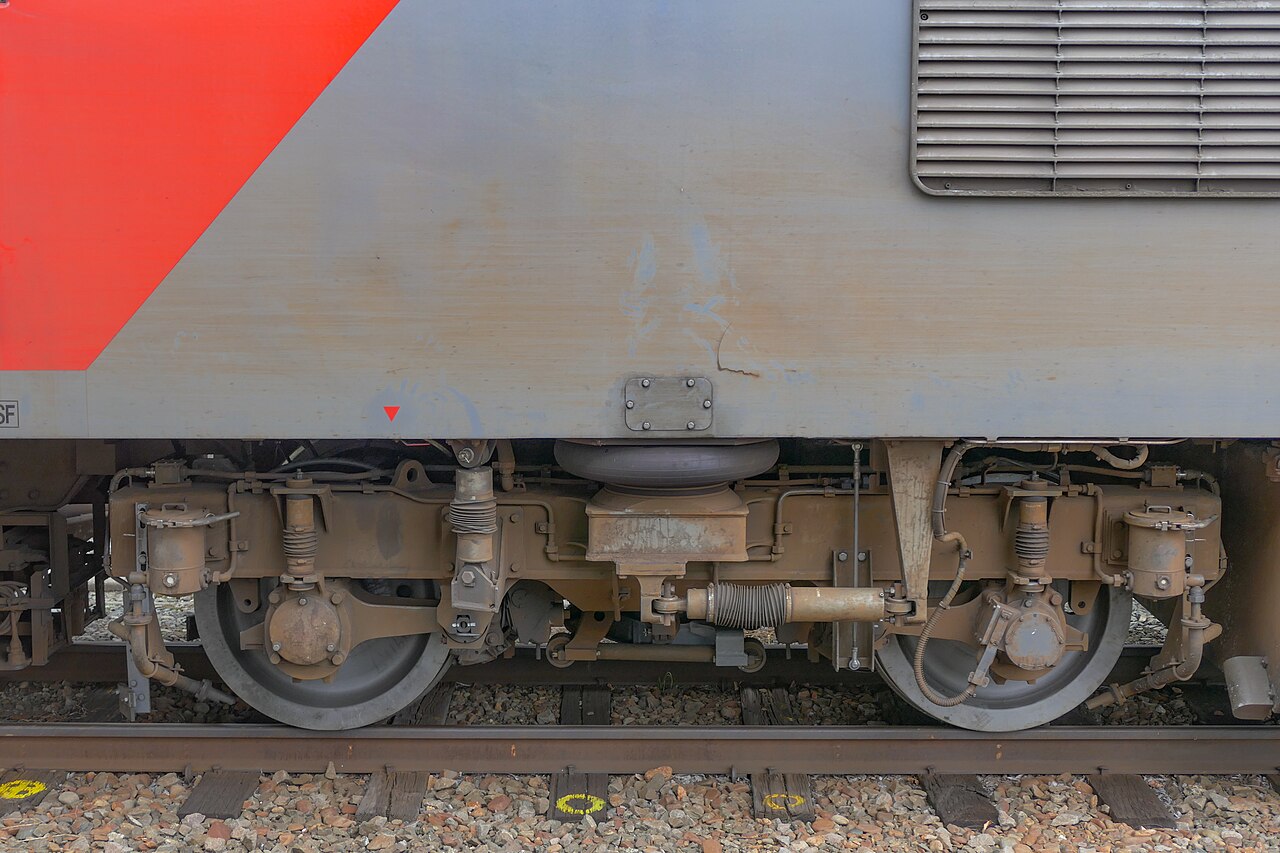
Each locomotive carries two twin-turbocharged, intercooled V12 diesel engines: the early machines used the MTU 12V396TE14 rated at 1,700 PS, while the DF200-50 batch onward switched to the Komatsu SDA12V170-1 rated at 1,800 PS with a maximum output of 2,071 PS. Compared with the V12 engine of the DD51, the displacement was downsized from 61.1 L to 46.3 L, giving roughly 2.2 times the specific output of the DD51's DML61Z and helping to make the whole power unit compact. Each engine drives one of two Toshiba FDM301 brushless synchronous generators, and the locomotive's main-circuit, auxiliary-power and monitoring equipment is supplied entirely by Toshiba. Power is delivered through six FMT100 squirrel-cage three-phase induction traction motors rated at 320 kW continuous, each controlled individually by its own inverter (a 1C1M arrangement); this gives a rated tractive output at the wheel rim 1.5 times that of the DD51 and allows the type to sustain a balancing speed of 110 km/h or more on level track when hauling 800 t.
All locomotives were initially allocated to Washibetsu Depot; after that depot closed on 30 August 2014 the JR Freight fleet was redistributed, with 40 locomotives at Goryokaku Depot and eight at Aichi Depot. The DF200-7000 is allocated to the Oita Rolling Stock Centre and works the Seven Stars in Kyushu. JR Freight has announced that, as the DF200 ages, it will introduce a successor diesel locomotive type from September 2027. The DF200 classification denotes a diesel locomotive (D), with six driving axles (F), of the diesel–electric type with AC motors (200).
Timeline
- 1992Pre-production locomotive DF200-901 delivered in March for testing, fitted with two MTU 12V396TE14 diesel engines; registered (入籍) in September as the first newly built diesel locomotive in eleven years for the JNR–JR group since the DE15 of 1981.
- 1994Full-production DF200-0 batch delivery begins (twelve locomotives built); regular-production service started on 15 November; the type was awarded the Laurel Prize (34th) in 1994.
- 2000DF200-50 batch built from March with Komatsu SDA12V170-1 diesel engines replacing the earlier MTU engines, adding grey front-end skirts and white "JRF" logos (thirteen locomotives built).
- 2005DF200-100 batch built from August 2005 to December 2011 with IGBT VVVF inverters (twenty-three locomotives built).
- 2013A dedicated Class DF200-7000 is built by Kawasaki Heavy Industries in Kobe for JR Kyushu's Seven Stars in Kyushu luxury excursion train, finished in a deep maroon livery and delivered in July 2013.
- 2016DF200-123 is moved from Hokkaido to Suita Depot in Osaka, modified and renumbered DF200-223 before returning to service on the Kansai Main Line in the Nagoya area; DF200-116 and DF200-120 are similarly renumbered DF200-216 and DF200-220 in 2018.
Sources
Facts last verified 6 June 2026.
Gallery 6 photos
Every photo for this page — tap any image to view it full-size. All from Wikimedia Commons (credit under each).