History
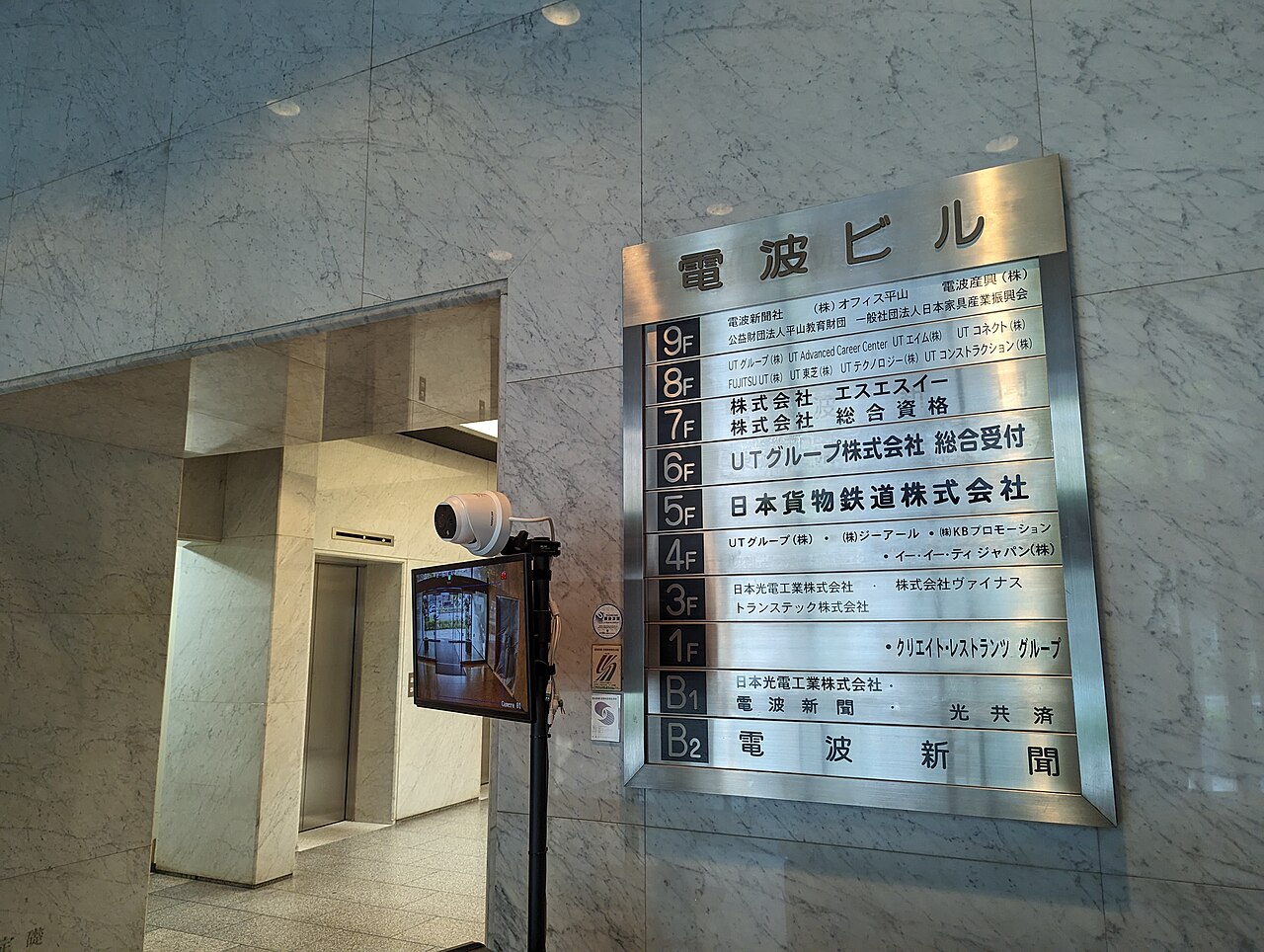
The company is a state-owned kabushiki gaisha wholly owned (100%) by the Japan Railway Construction, Transport and Technology Agency. Its headquarters are in Shibuya, Tokyo near Shinjuku Station, and it had 5,472 employees as of 1 April 2021. The company has only about 50 km of track of its own, and therefore operates on track owned by the six JR passenger railways as well as other companies which provide rail transport in Japan.
As a Category-1 railway business operator JR Freight owns a deliberately minimal set of lines—8 line sections totalling 29.1 km as of 1 April 2024—while running its trains as a Category-2 operator over passenger-railway and third-sector track, paying track-access charges. Its network, including running powers over other JR companies and third-sector railways, extended to 75 line sections (7,954.6 operating kilometres) and 241 freight-handling stations as of 1 April 2021, and its corporate colour is "Container Blue" (Aō No. 22). On the economics of rail freight, in 2017 only about 5% of all freight in Japan was carried by rail, but nearly all of that—99%—was carried by JR Freight, with trucks carrying about 50% and ships about 44%; JR Freight has run a deficit for many years.
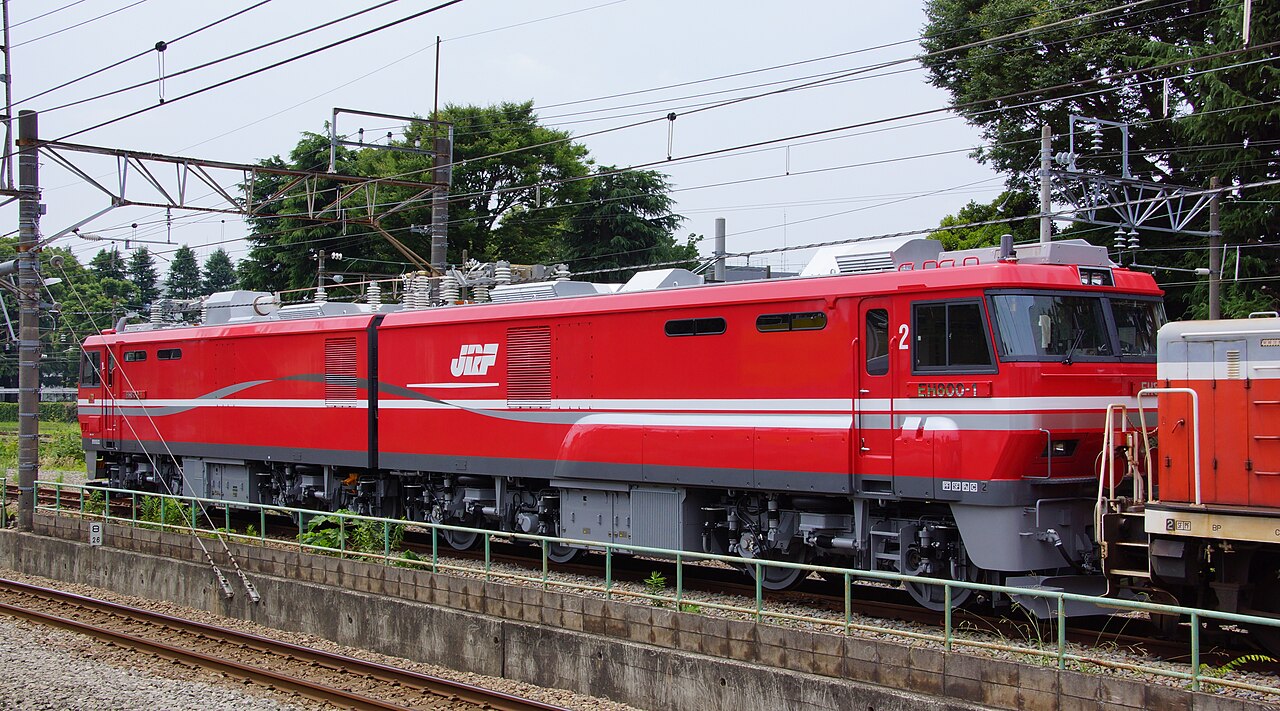
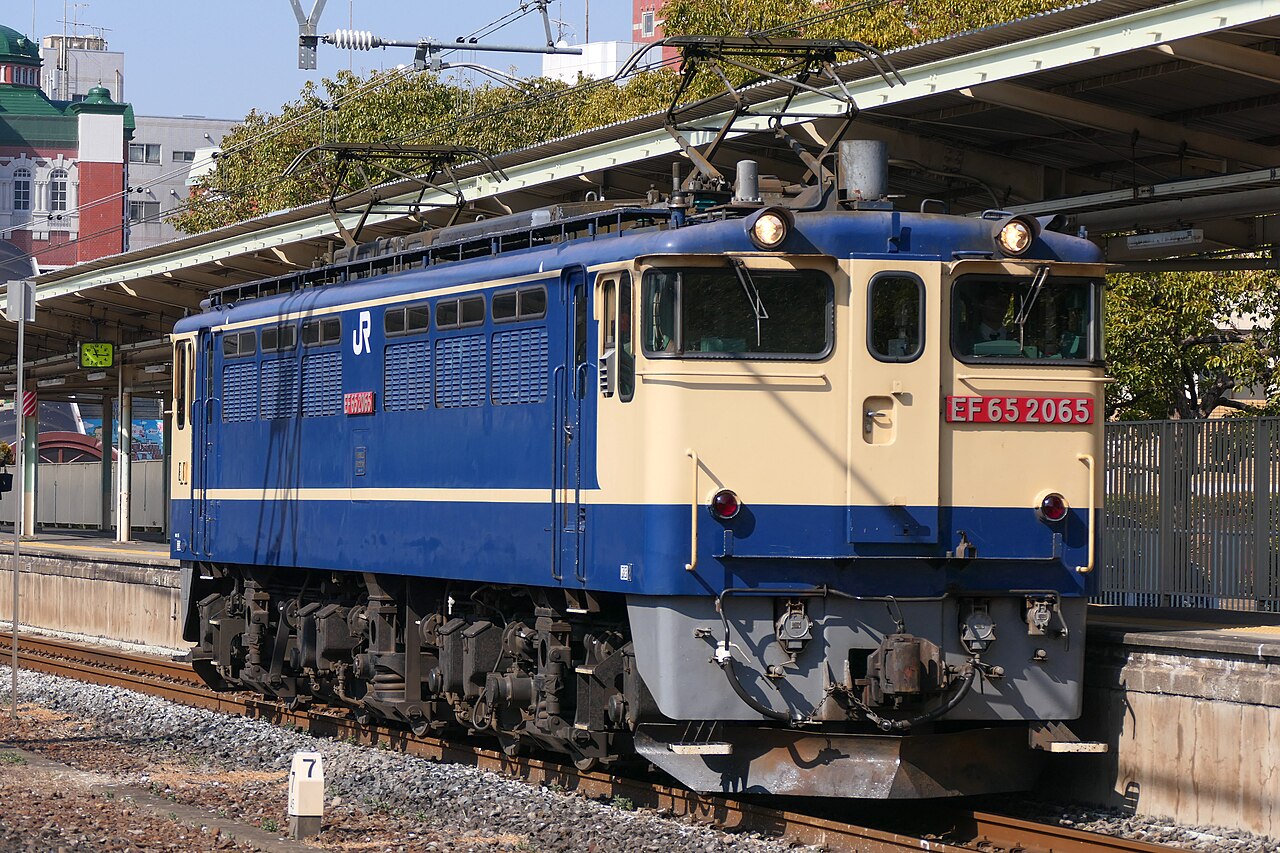
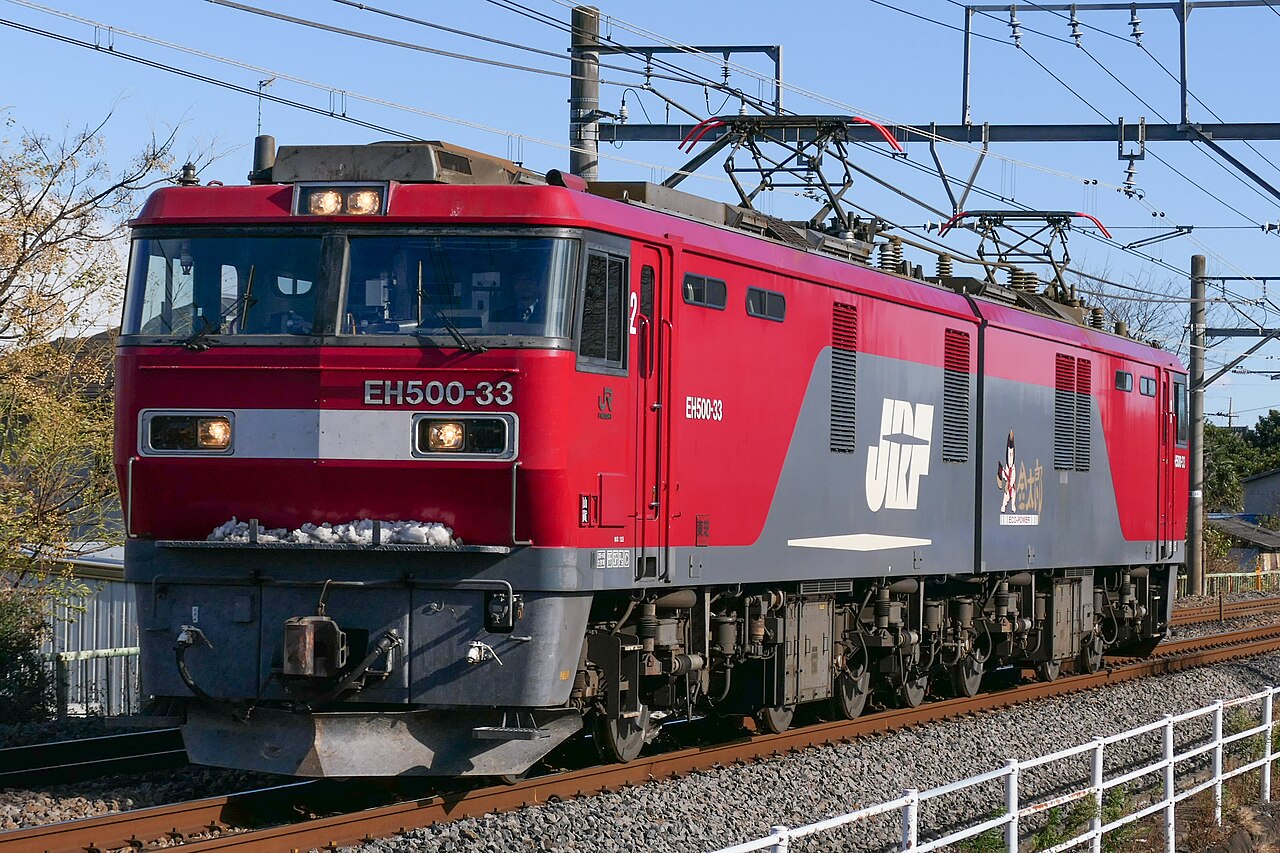
In the 2010s the company carried more freight because of the decrease in the number of available truck drivers due to age, as well as government policy to reduce carbon dioxide. As of 1 March 2017 JR Freight owned and operated a fleet of diesel and electric locomotives together with the M250 series freight electric multiple unit (the "Super Rail Cargo"), with most of the newer motive power built exclusively by Toshiba Infrastructure Systems & Solutions; its electric classes included the EF210, EH200, EF510, EH500 and EH800. In March 2006 JR Freight launched the international intermodal "SEA&RAIL" service in partnership with the Chinese shipping group COSCO, and in 2021 it established a representative office in Bangkok, Thailand, as it explored entry into overseas rail-freight business while continuing to operate trains only within Japan.
Timeline
- 19871 April: Japanese National Railways was privatized; it was divided into six regional passenger rail companies and a single freight railway company, Japan Freight Railway Company (JR Freight), which began operations.
- 19921 July: the JR Freight Class EF200 electric locomotive entered revenue service.
- 199310 March: the JR Freight Class DF200 diesel locomotive entered revenue service. 19 April: the "JRF" service mark was established.
- 19975 December: the JR Freight Class EF210 electric locomotive entered revenue service.
- 200413 March: the M250 series "Super Rail Cargo" freight electric multiple unit entered service at the timetable revision, when Kagoshima Freight Terminal opened.
- 2006March: the international intermodal "SEA&RAIL" service was launched in partnership with the Chinese shipping group COSCO, under the concept "cheaper than air, faster than container ship."
- 20191 April: the Hokuriku Main Line freight branch (Tsuruga Port Line) between Tsuruga Station and Tsuruga-kō Station was abolished.
- 2021A representative office was established in Bangkok, Thailand, as JR Freight explored entry into overseas rail-freight business on a commercial basis.
- 202410 September: JR Freight disclosed that inspection data for wheelset press-fitting work had been falsified at three rolling-stock depots, and suspended operation of affected vehicles; on 31 October it received a business-improvement order from the Ministry of Land, Infrastructure, Transport and Tourism under the Railway Business Act in connection with the wheelset-assembly misconduct.
Sources
Facts last verified 6 June 2026.
Gallery 4 photos
Every photo for this page — tap any image to view it full-size. All from Wikimedia Commons (credit under each).