History
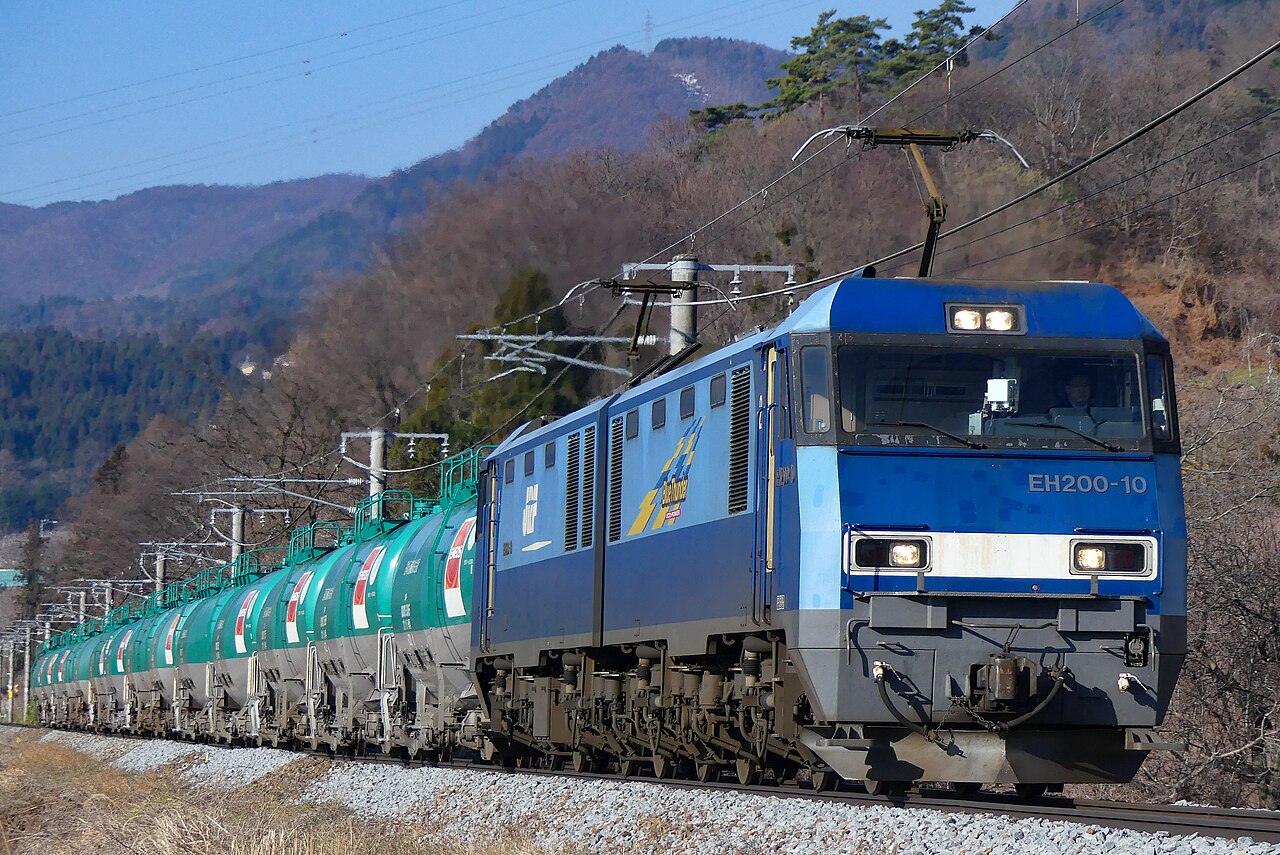
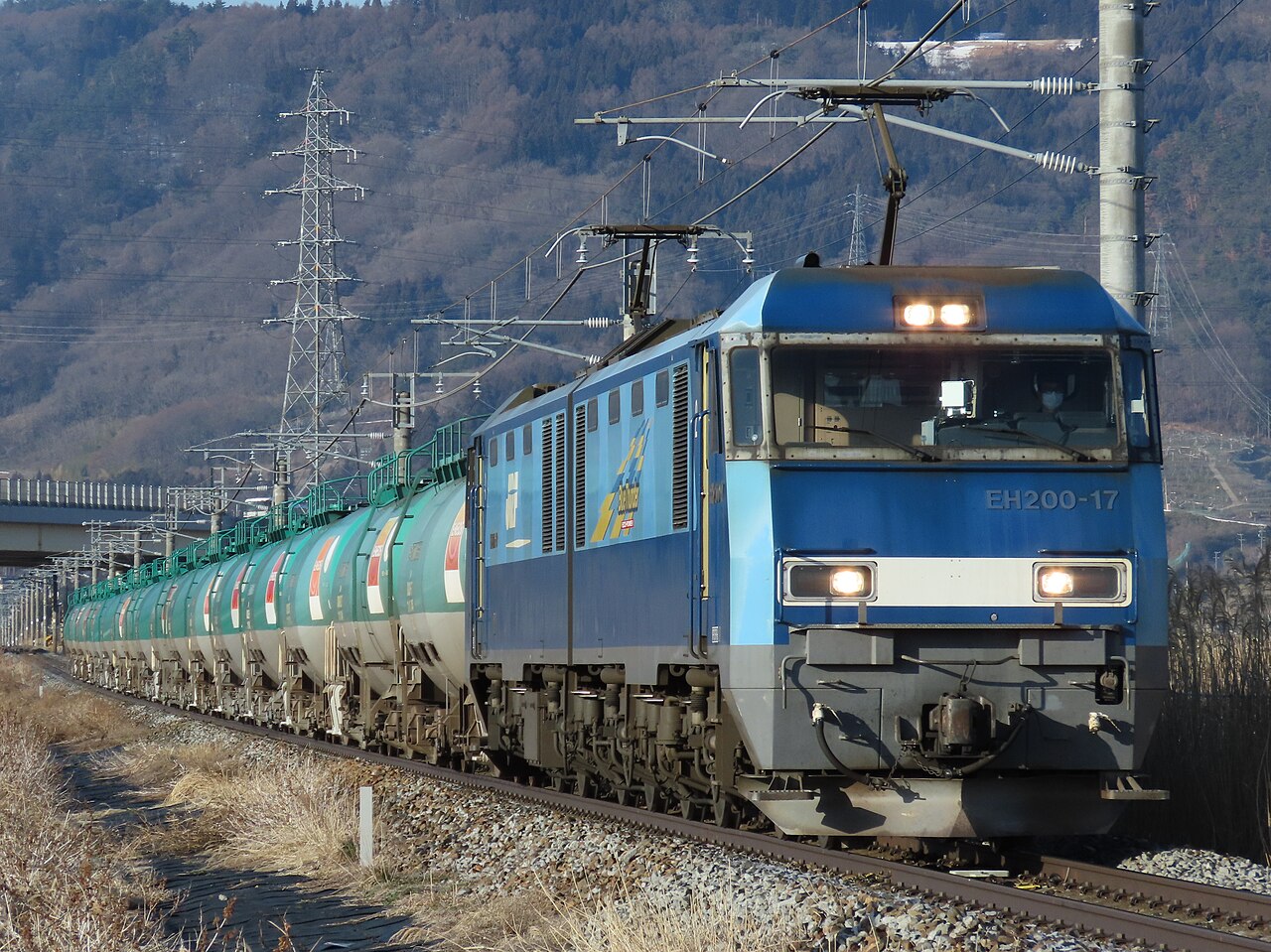
Replacing two older locomotives with one also reduces the number of locomotives in service, which lowers the track-access charges paid to the passenger railway companies — charges levied on locomotive count — the same benefit realised with the Class EH500. The locomotives are built at the Toshiba factory in Fuchū, Tokyo, by Toshiba Infrastructure Systems & Solutions. They are all based at Takasaki depot, and are primarily used on oil tank trains north of Tokyo and on the steeply-graded Chūō Main Line, Shinonoi Line, and Joetsu Line, replacing pairs of Class EF64 locomotives.
The type draws power from a 1,500 V DC overhead supply collected by pantograph, has AC traction motors, and is rated at a one-hour power output of 4,520 kW with a tractive effort of 271.8 kN and a service weight of 134.4 t. Each unit carries eight FMT4 squirrel-cage three-phase induction motors of 565 kW one-hour rating apiece, driven through a nose-suspended (axle-hung) arrangement, which together give the locomotive its 4,520 kW one-hour output; a short-time maximum rating of 5,120 kW (a 30-minute rating) was set so that the single locomotive matches the performance of a pair of EF64s. The control equipment is a Toshiba three-level IGBT VVVF inverter, employing the high-speed torque (vector) control proven on the Class EH500 together with a 1C1M scheme in which one inverter drives one traction motor individually; this allows the locomotive to start a 1,100 t load on a 25-per-mille gradient.
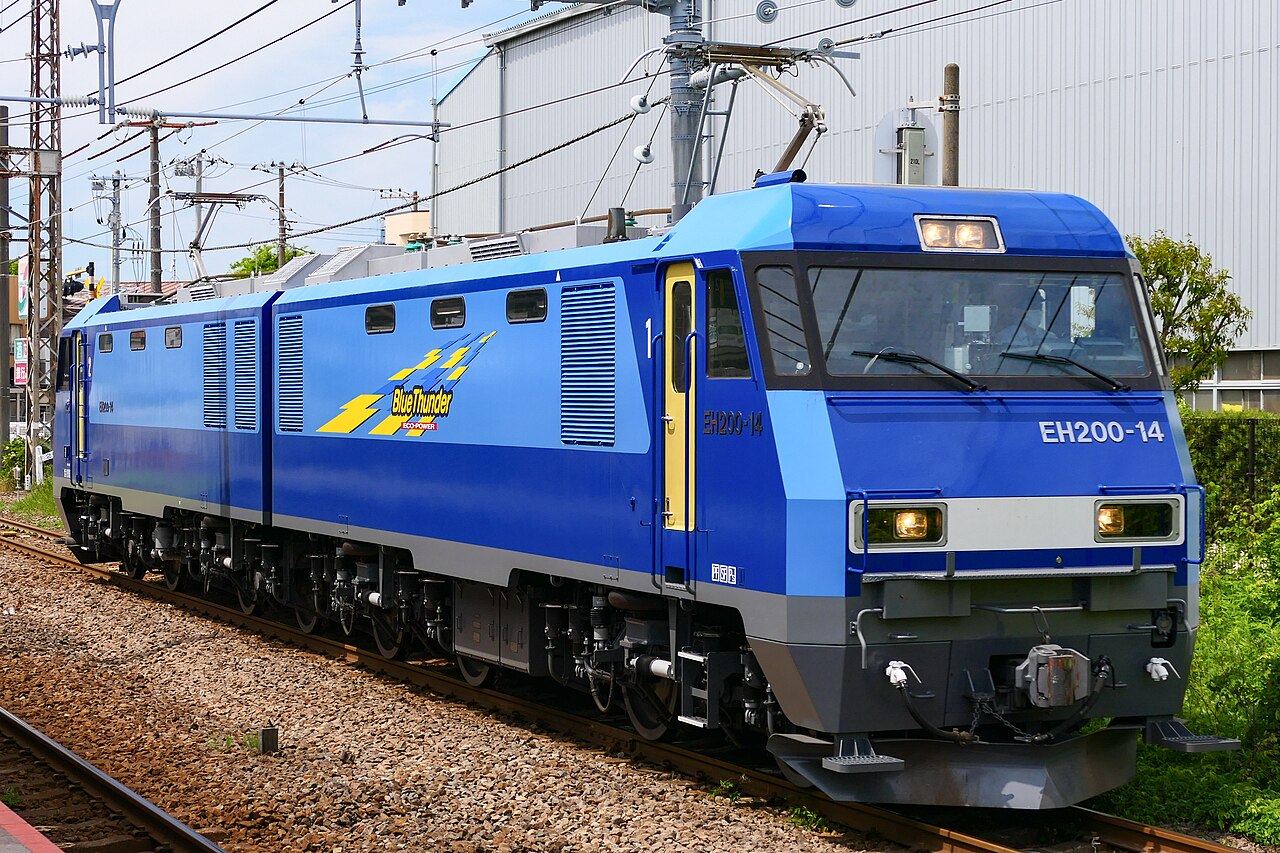
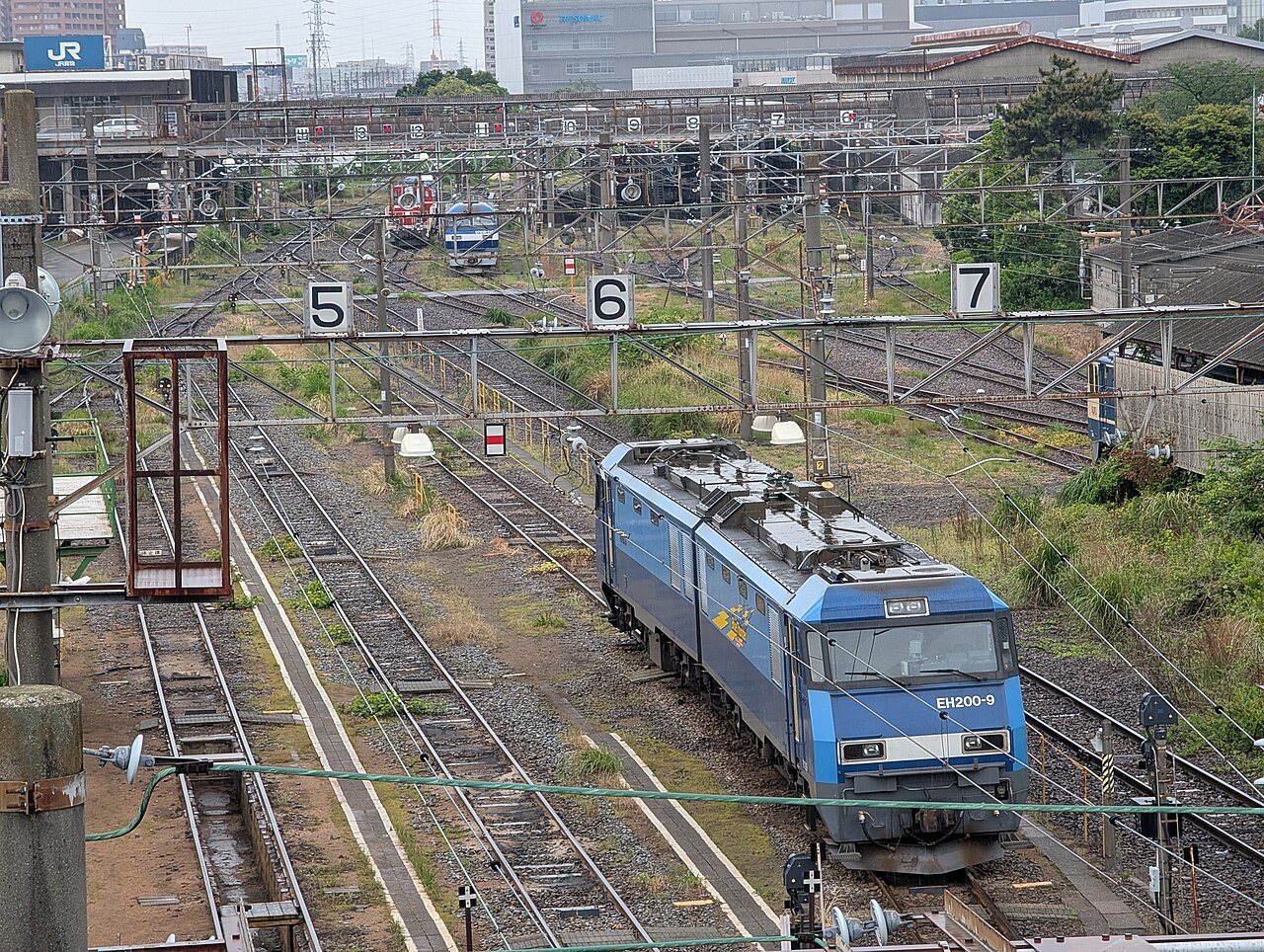
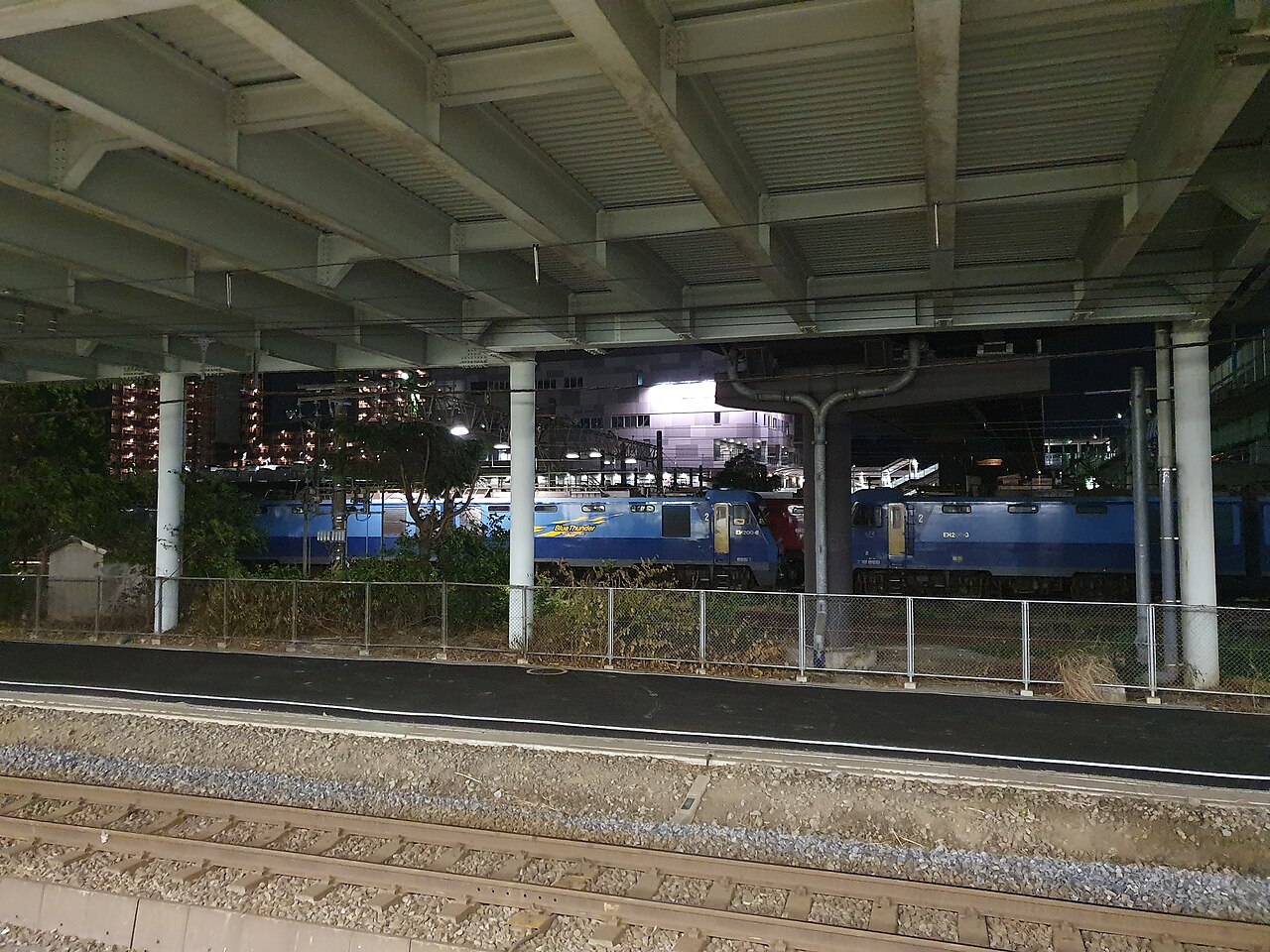
It runs on FD7-series air-spring bolsterless bogies with an axle-beam axlebox suspension of the kind already used on the Class EF210, and single-arm pantographs were newly adopted, one mounted facing inward toward the leading end of each body. The pre-production prototype, EH200-901, was delivered to Takasaki depot in 2001, and entered revenue service in October 2002 following extensive testing. Following evaluation of the prototype, the first full-production locomotive, EH200-1, was delivered to Takasaki in March 2003. A number of minor improvements were incorporated on the production version, the main external differences from the prototype being the elimination of the centre pillar in the cab windscreens, redesigned windscreen wipers, the addition of a "Blue Thunder" logo on the bodyside, and a reduced-size white "JRF" logo on the body side.
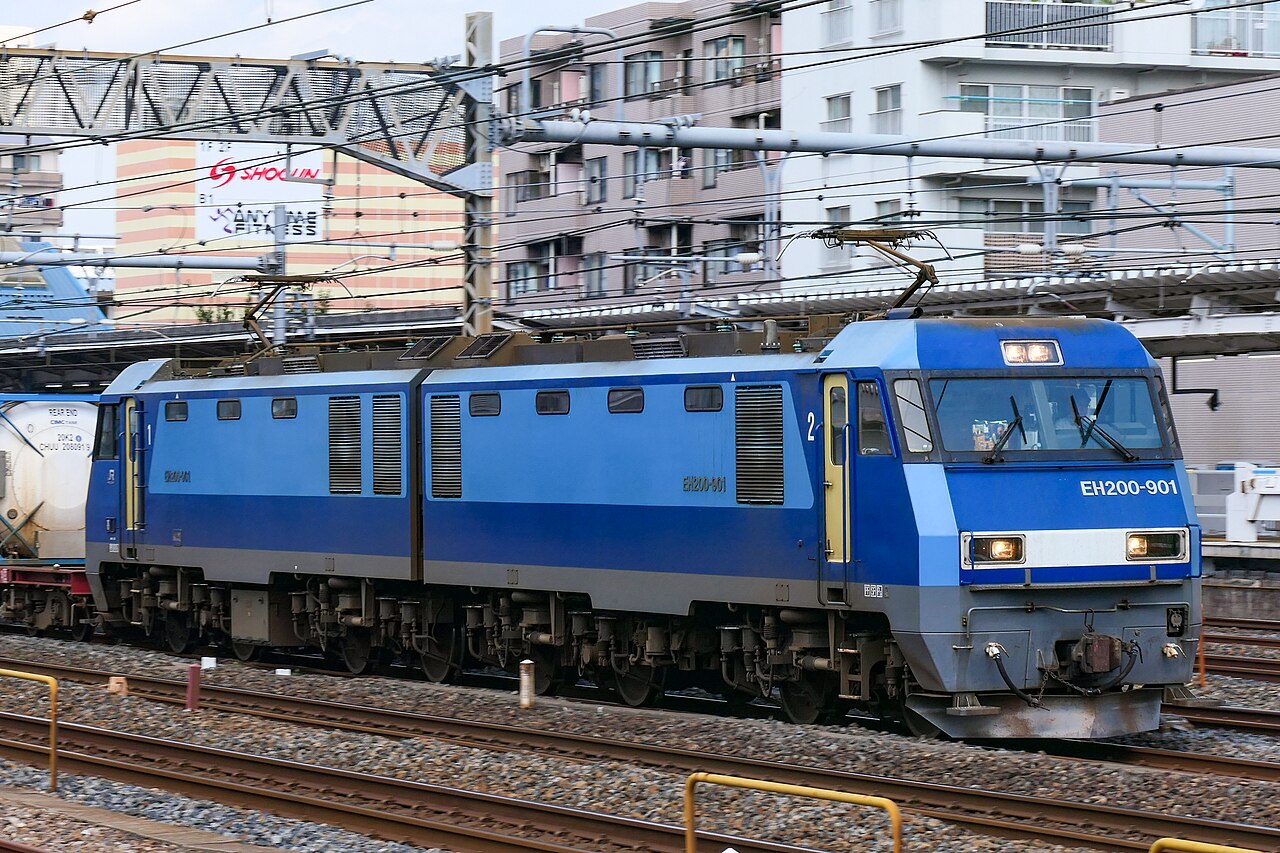
The class is divided into two variants: the EH200-900 prototype (EH200-901, built 2001) and the EH200-0 full-production locomotives built from 2003 onward. With the March 2012 timetable revision all Chūō East Line workings were unified on the type. As of 1 March 2017, 25 Class EH200 locomotives were in service, comprising EH200-901 and EH200-1 to EH200-24.
The EH200 classification follows the standard Japan Railways locomotive numbering convention: the prototype is numbered EH200-901, with subsequent production locomotives numbered from EH200-1 onward. In the class code, "E" denotes an electric locomotive, "H" denotes eight driving axles, and "200" denotes a DC locomotive with AC motors. Related eight-axle designs include the JNR Class EH10 and the JR Freight Class EH500 and Class EH800. The locomotive remains in operation.
Timeline
- 2001Pre-production prototype EH200-901 is completed at the Toshiba Fuchū works on 20 June and delivered to Takasaki depot for extensive testing.
- 2002Prototype EH200-901 enters revenue service on the Chūō Main Line and Shinonoi Line on 2 October following its test programme.
- 2003The first full-production locomotive, EH200-1, is delivered to Takasaki in March and production units enter revenue service from 20 April; the public-chosen nickname "ECO POWER Blue Thunder" is adopted in March.
- 2008With the March timetable revision the class completes its takeover of the Class EF64 double-heading duties of the Shinonoi sub-depot (Shiojiri depot).
- 2009From the 14 March timetable revision the class extends its operations onto the Joetsu Line, taking over some freight duties from the Takasaki Class EF64-1000 locomotives.
- 2017As of 1 March, 25 Class EH200 locomotives are in service (EH200-901 and EH200-1 to EH200-24).
- 2022With the 12 March timetable revision the class extends its operations onto the Chūō West Line.
Sources
Facts last verified 6 June 2026.
Gallery 6 photos
Every photo for this page — tap any image to view it full-size. All from Wikimedia Commons (credit under each).