歴史
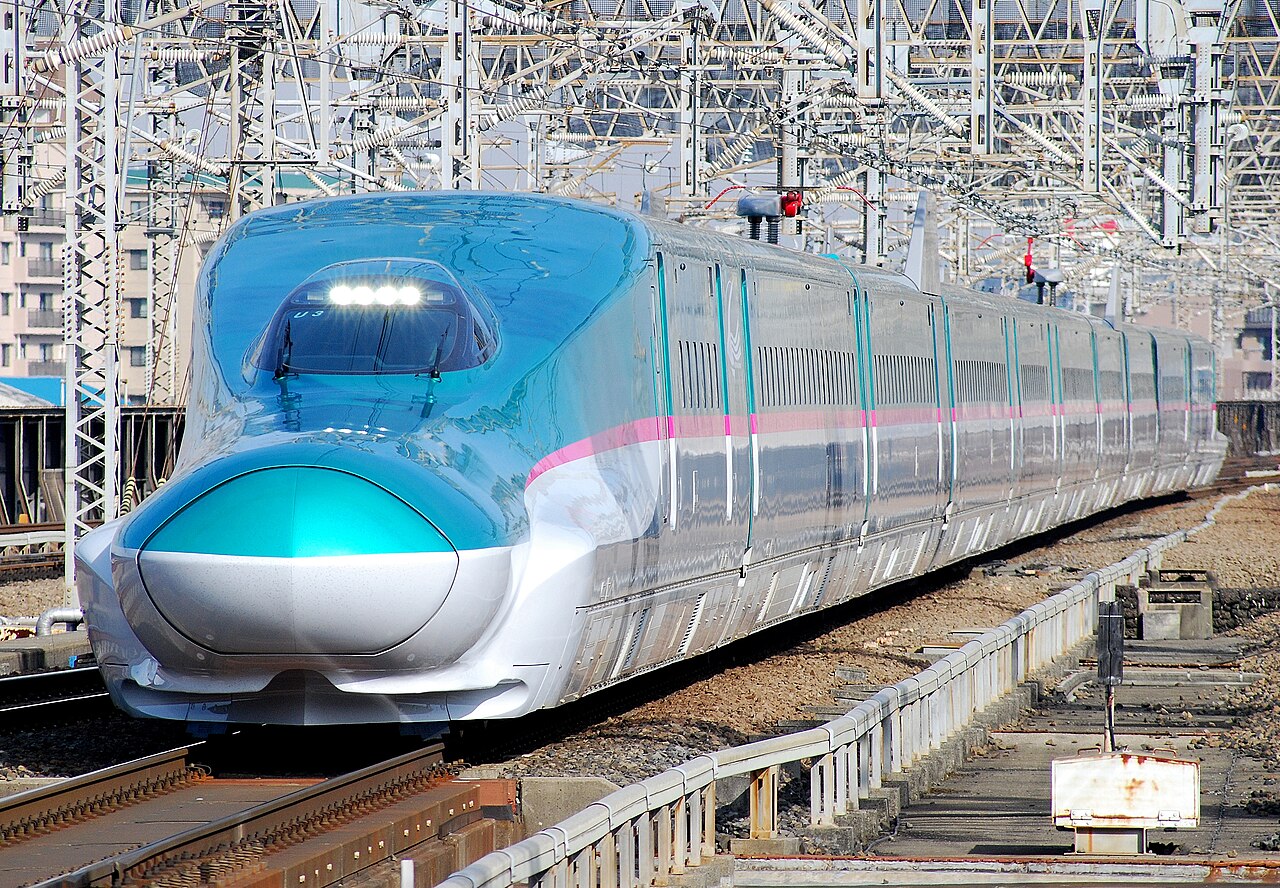
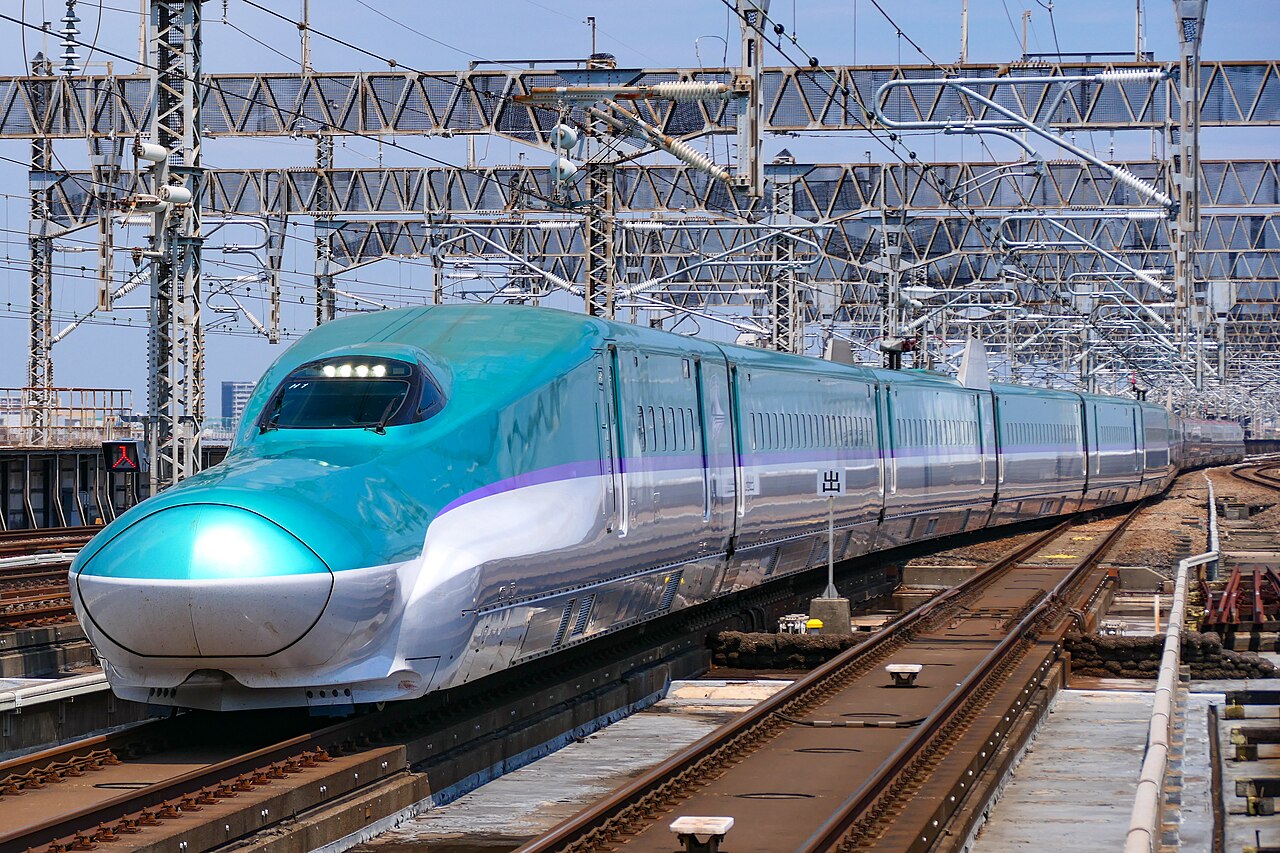
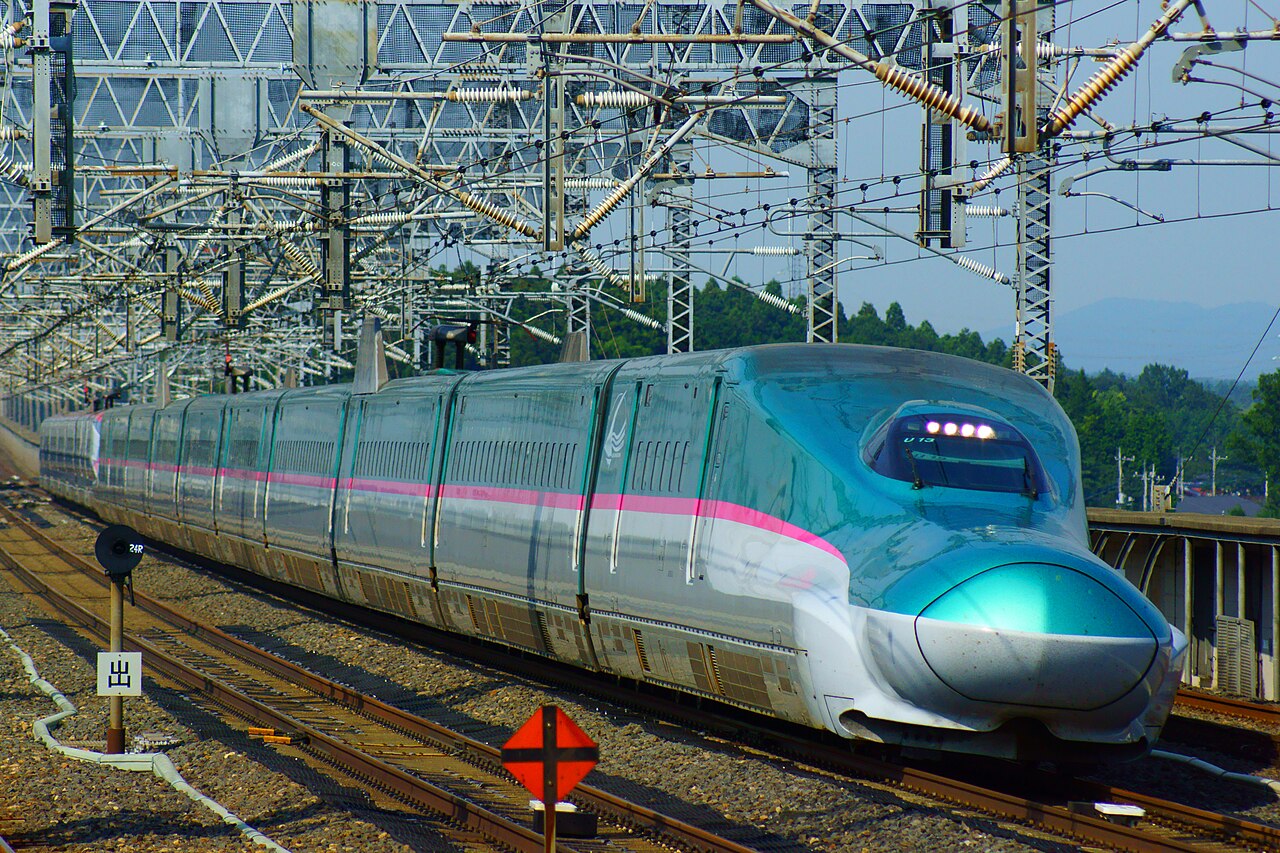
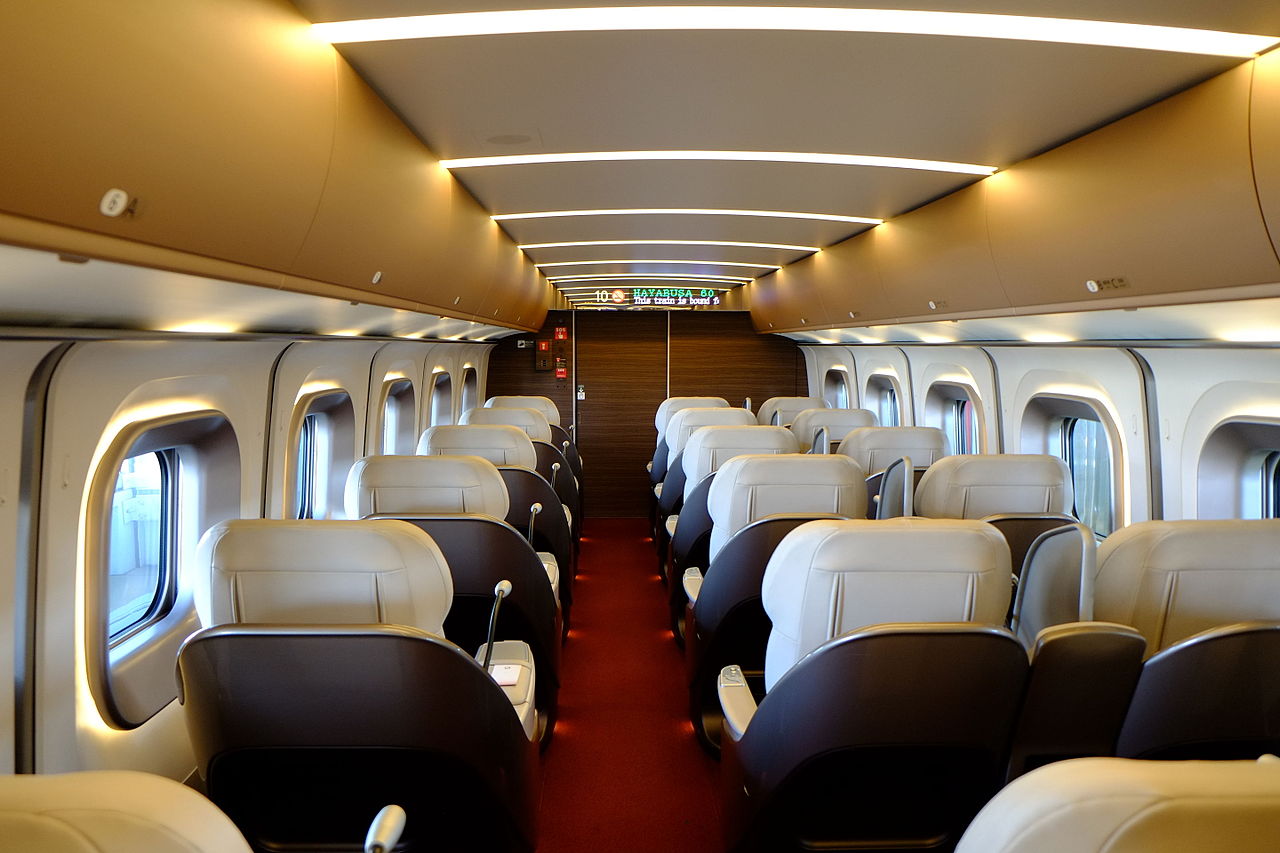
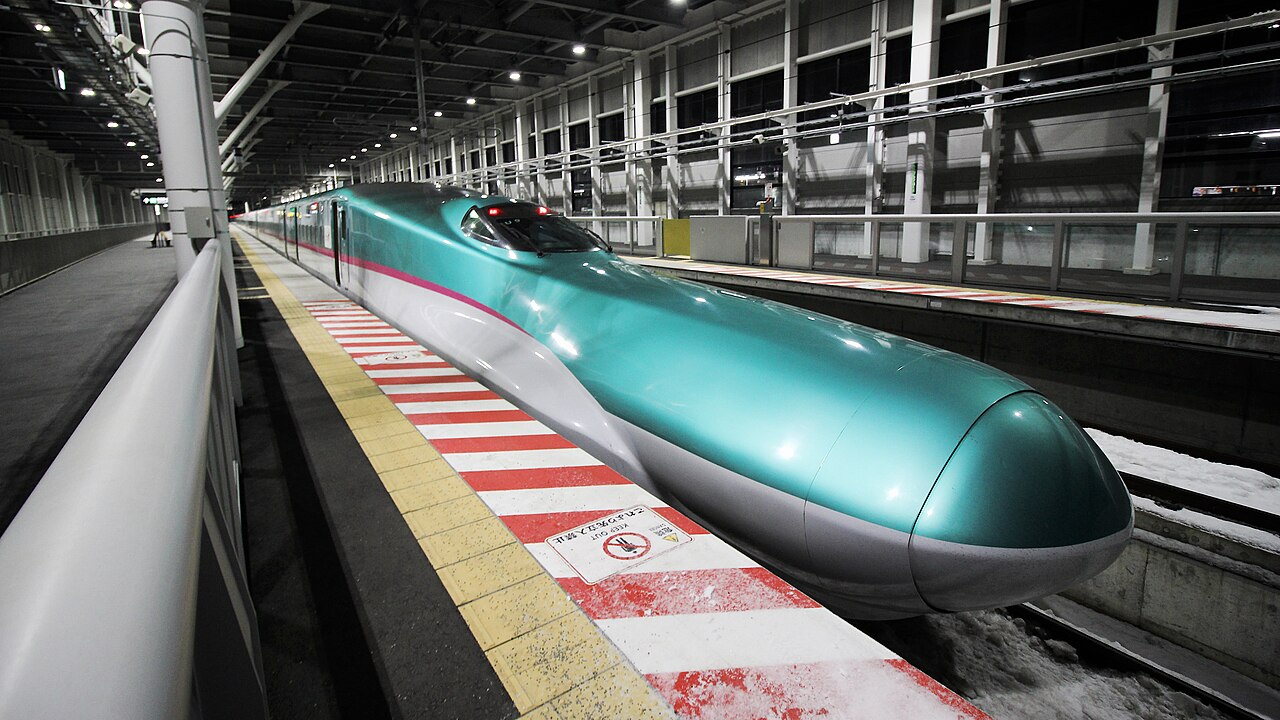
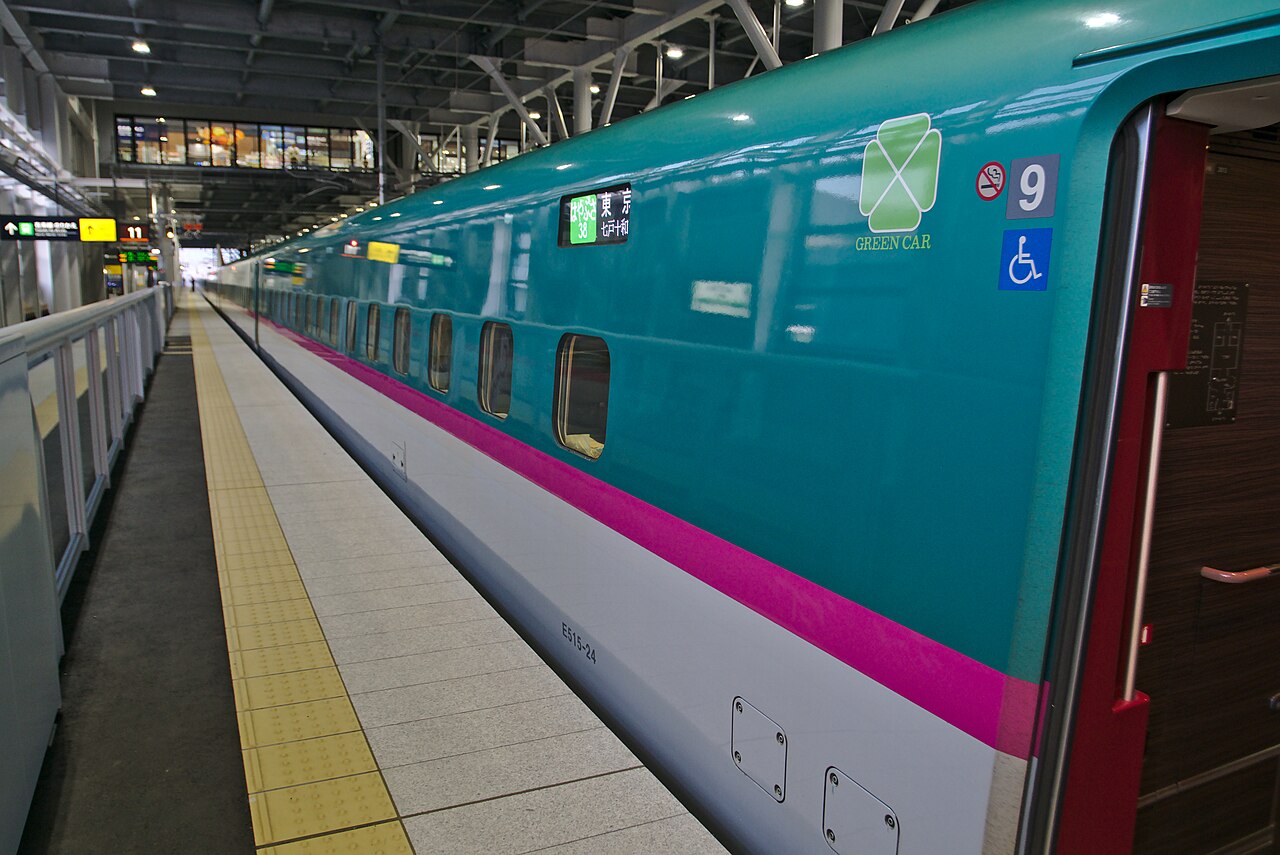
「はやぶさ」の名称は2010年(平成22年)3月に行われた列車名の一般公募の結果を基に選ばれ、JR東日本が東北新幹線で2011年(平成23年)3月5日からE5系の運用を開始するにあたって新たに設定された。運行開始当初の最高速度は300 km/hで、東京 - 新青森間の最短所要時間は3時間10分であったが、2013年(平成25年)3月16日のダイヤ改正で宇都宮 - 盛岡間が320 km/hへ引き上げられ、同区間の最短所要時間は2時間59分となった。なお「はやぶさ」の名は、かつて東京 - 熊本間を結びJR九州が運行した寝台特急にも用いられていたが、その列車は2009年3月に廃止されている。E5系(JR東日本)・H5系(JR北海道)の10両編成で運転され、全車指定席・禁煙で、グランクラスでは軽食などの提供がある。
年表
- 1958The original Hayabusa, a Tokyo–Kagoshima sleeping-car limited express, commences service on 1 October 1958 (the name later passed to the Shinkansen service).
- 2009The Hayabusa sleeping-car service (running by then to Kumamoto) is discontinued in March 2009 due to declining ridership, freeing the name.
- 2010In March 2010 JR East holds a public name solicitation for its new flagship Tohoku Shinkansen service; "Hayabusa" is chosen from the results.
- 2011On 5 March 2011 the Hayabusa name is revived for new 300 km/h E5-series Shinkansen services between Tokyo and Shin-Aomori, JR East's top-tier Tohoku Shinkansen train.
- 2013From the 16 March 2013 timetable revision the maximum speed is raised to 320 km/h between Utsunomiya and Morioka, cutting the fastest Tokyo–Shin-Aomori time to 2 hours 59 minutes.
- 2014On 20 November 2014 it is announced that the Tokyo/Sendai–Shin-Hakodate-Hokuto trains over the forthcoming Hokkaido Shinkansen will carry the Hayabusa name.
- 2016On 26 March 2016 the Hokkaido Shinkansen (Shin-Aomori–Shin-Hakodate-Hokuto) opens and Hayabusa begins through-running; ten daily return services run Tokyo–Shin-Hakodate-Hokuto plus one Sendai–Shin-Hakodate-Hokuto.
ギャラリー 6枚
このページの全写真 ― 画像をタップすると原寸大で表示します。すべてウィキメディア・コモンズより(各写真の下にクレジット)。