History
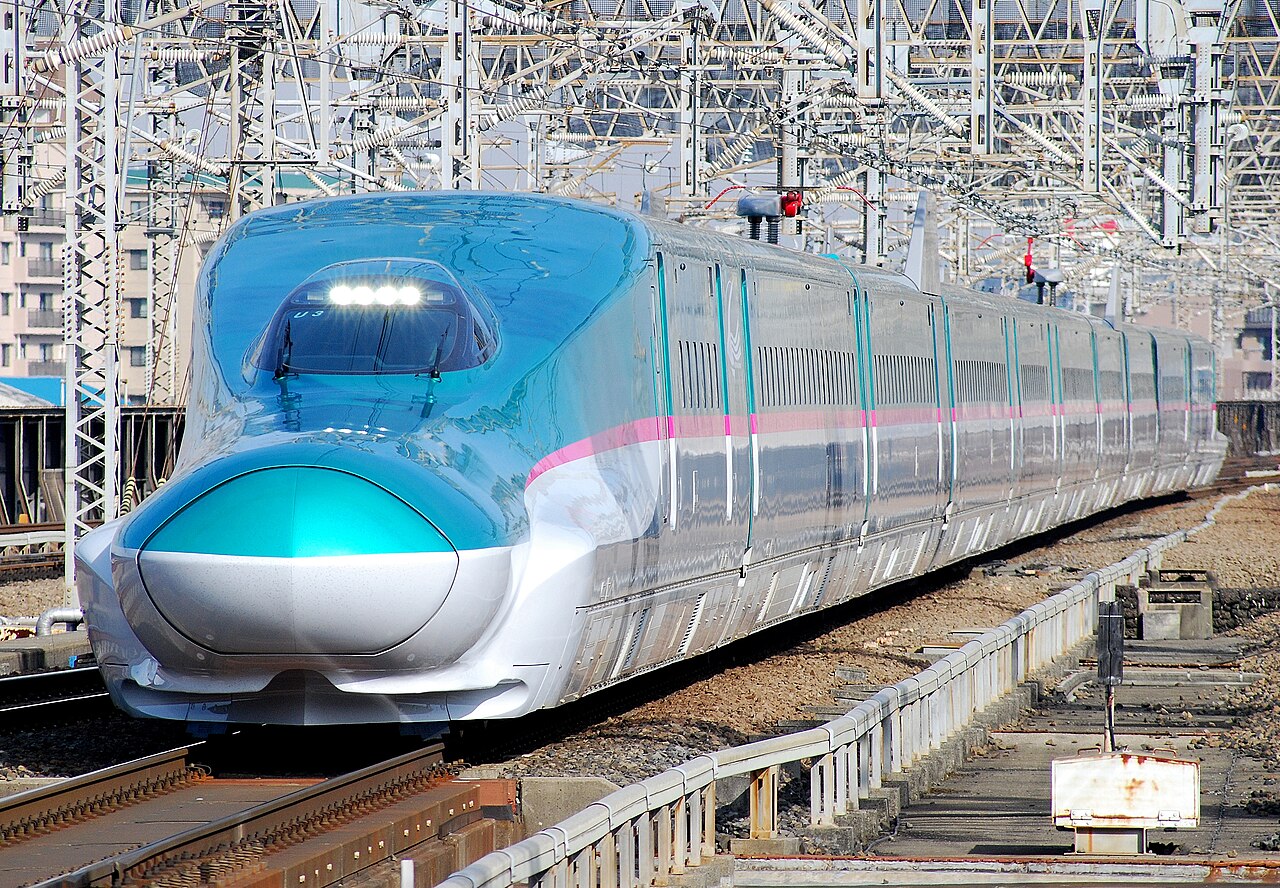
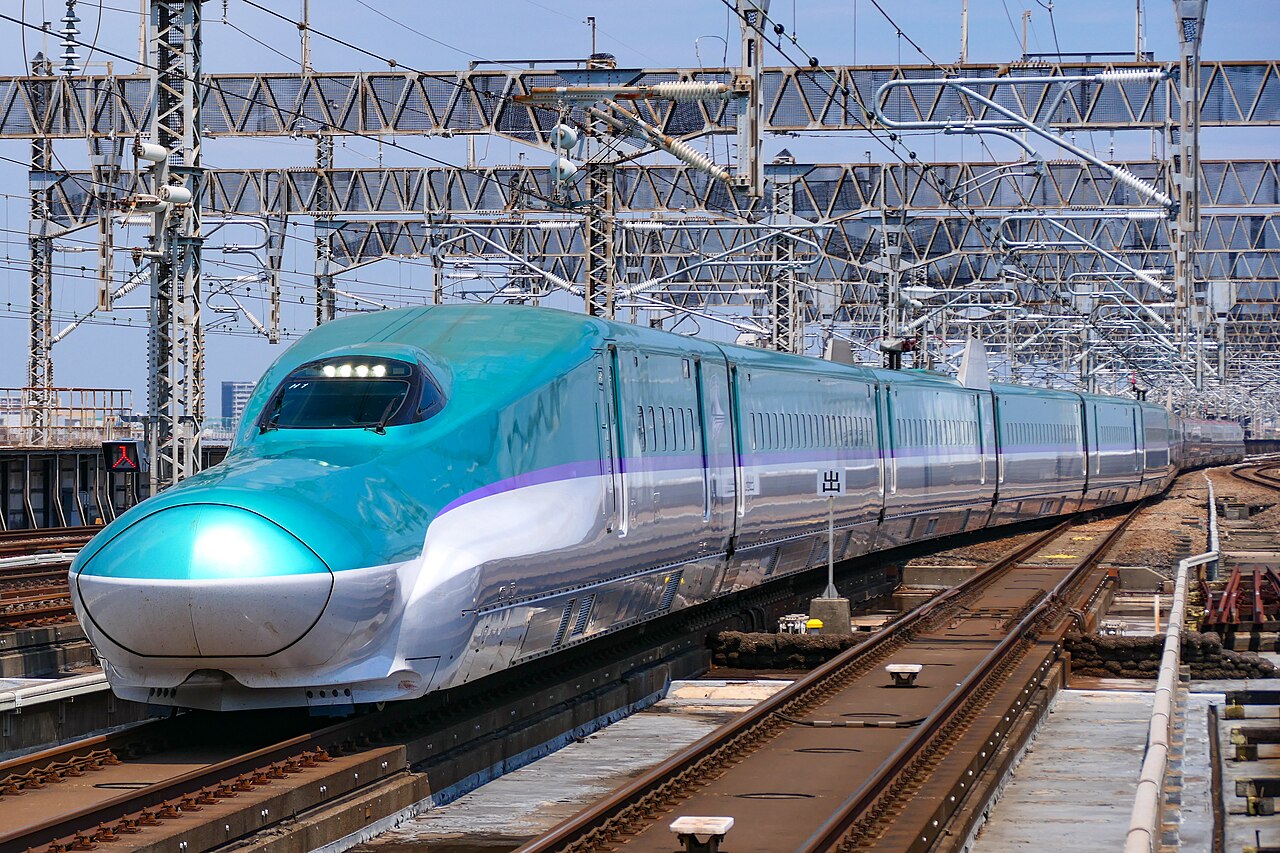
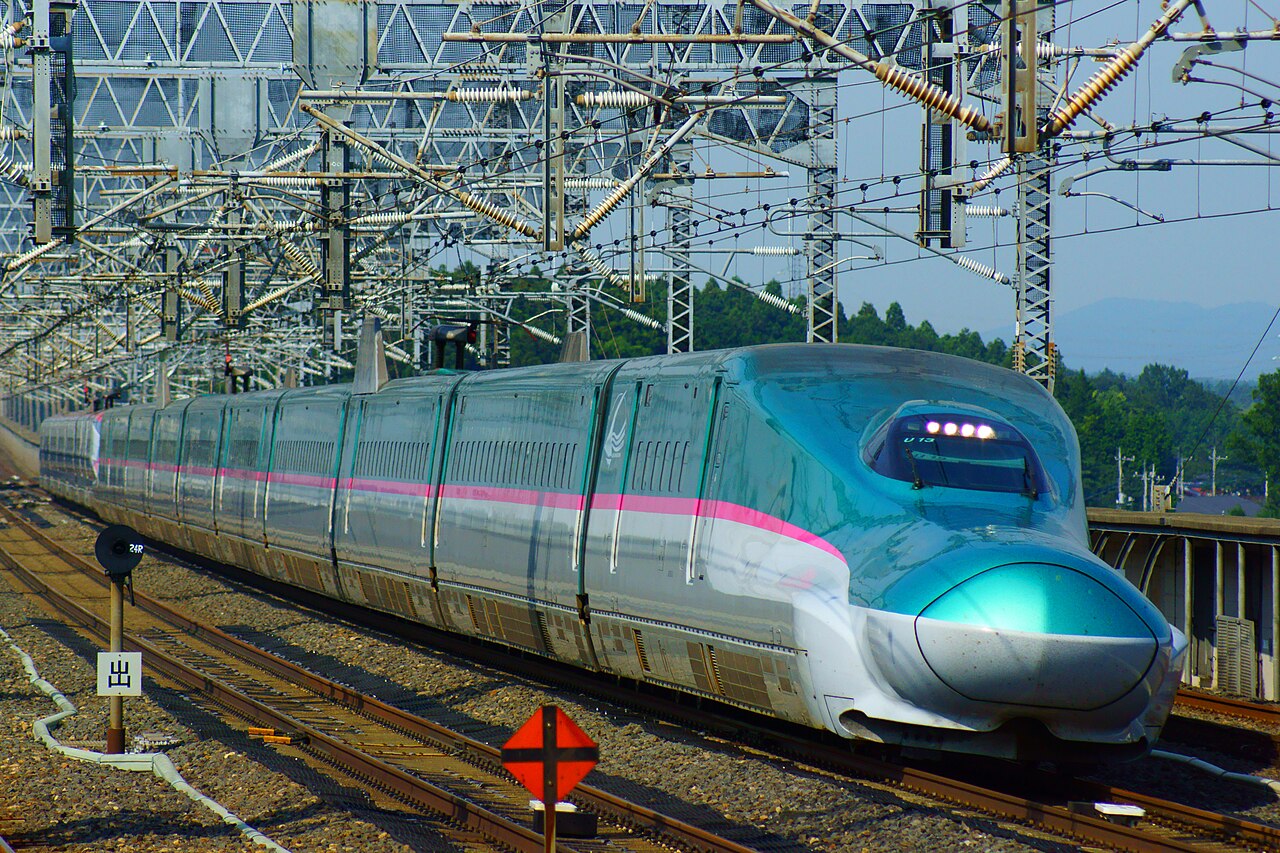
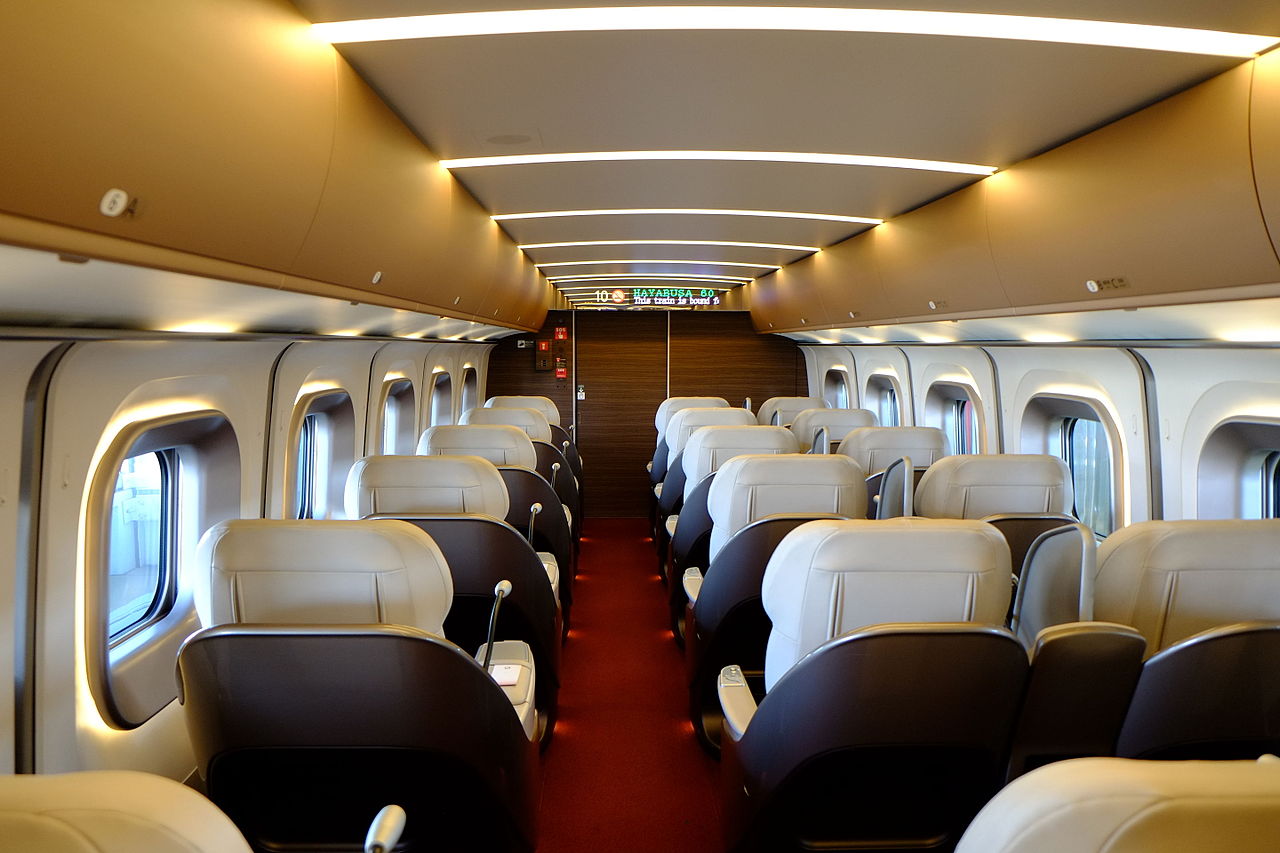
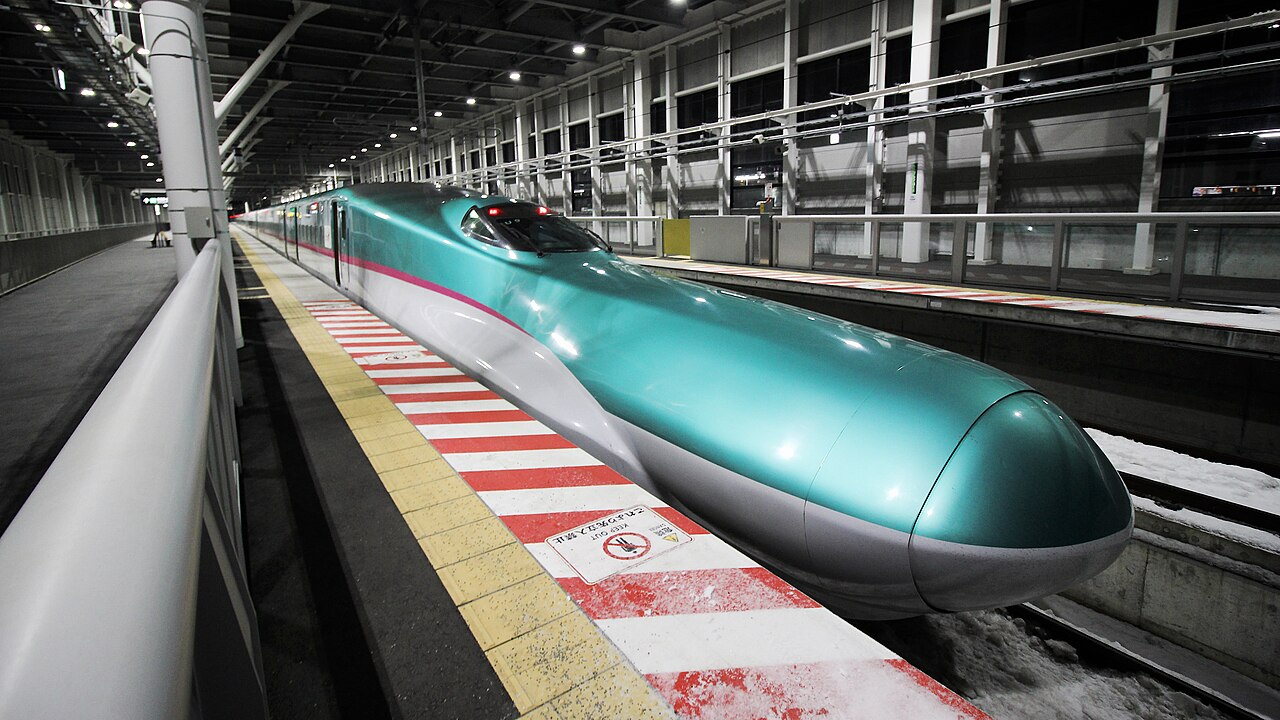
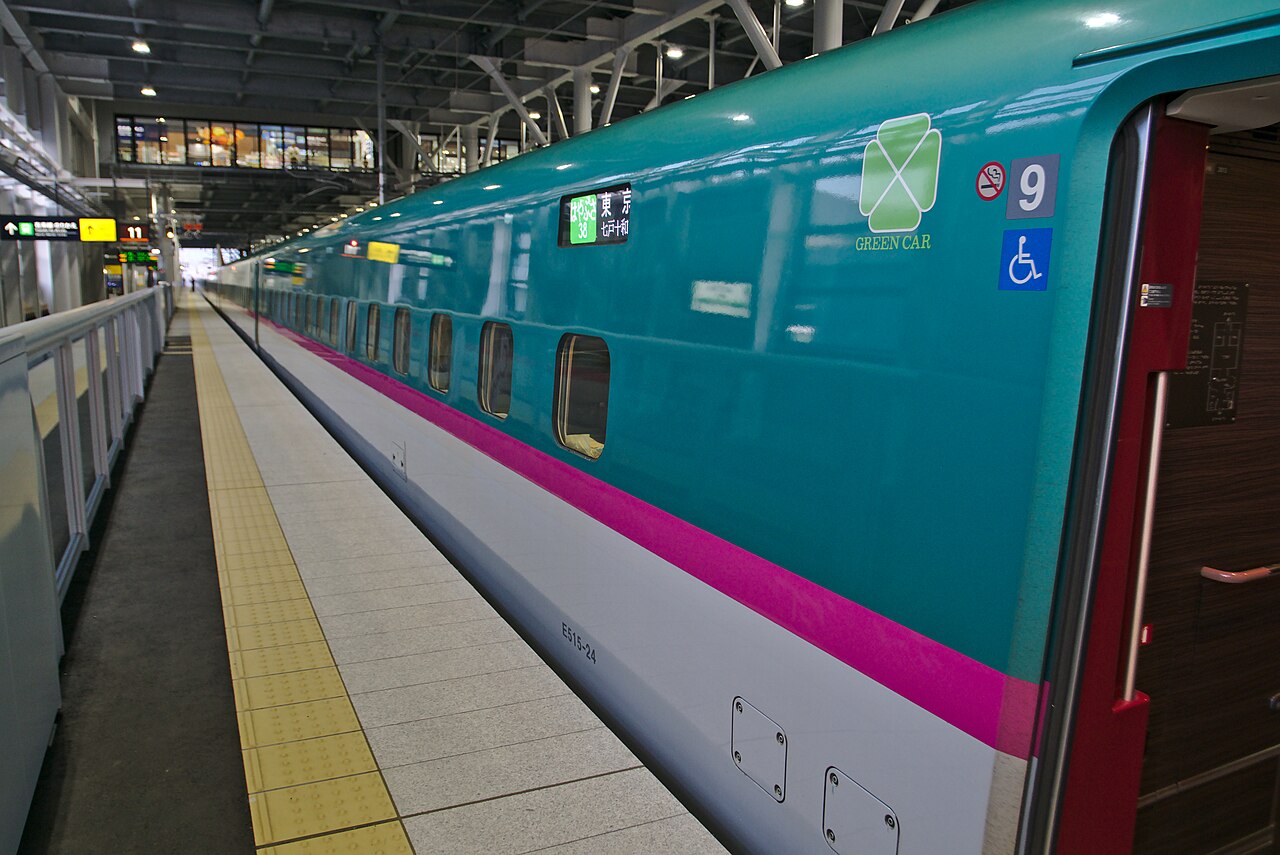
Hayabusa services are normally formed of 10-car E5-series sets (JR East) or H5-series sets (JR Hokkaido, used on the Hokkaidō section); all seats are reserved and non-smoking, and the trains carry premium GranClass accommodation with complimentary food and drinks, including alcohol. The name itself — written はやぶさ and meaning the peregrine falcon — had earlier belonged to a JR Kyushu limited express sleeping-car service that ran from Tokyo to Kumamoto and was discontinued in March 2009; that earlier Hayabusa had first run on 1 October 1958, originally between Tokyo and Kagoshima.
The Shinkansen Hayabusa began on 5 March 2011, when the name was revived for new 300 km/h services between Tokyo and Shin-Aomori using newly built E5-series trainsets. The maximum speed was raised to 320 km/h from the timetable revision of 16 March 2013; although test running had reached up to 400 km/h, the service speed was fixed at 320 km/h from 2012 for passenger and environmental comfort. With the opening of the Hokkaidō Shinkansen from Shin-Aomori to Shin-Hakodate-Hokuto on 26 March 2016, the Hayabusa name was extended to Tokyo–Sendai–Shin-Hakodate-Hokuto services, with ten return workings a day between Tokyo and Shin-Hakodate-Hokuto and one return working between Sendai and Shin-Hakodate-Hokuto.
Timeline
- 1958The original Hayabusa, a Tokyo–Kagoshima sleeping-car limited express, commences service on 1 October 1958 (the name later passed to the Shinkansen service).
- 2009The Hayabusa sleeping-car service (running by then to Kumamoto) is discontinued in March 2009 due to declining ridership, freeing the name.
- 2010In March 2010 JR East holds a public name solicitation for its new flagship Tohoku Shinkansen service; "Hayabusa" is chosen from the results.
- 2011On 5 March 2011 the Hayabusa name is revived for new 300 km/h E5-series Shinkansen services between Tokyo and Shin-Aomori, JR East's top-tier Tohoku Shinkansen train.
- 2013From the 16 March 2013 timetable revision the maximum speed is raised to 320 km/h between Utsunomiya and Morioka, cutting the fastest Tokyo–Shin-Aomori time to 2 hours 59 minutes.
- 2014On 20 November 2014 it is announced that the Tokyo/Sendai–Shin-Hakodate-Hokuto trains over the forthcoming Hokkaido Shinkansen will carry the Hayabusa name.
- 2016On 26 March 2016 the Hokkaido Shinkansen (Shin-Aomori–Shin-Hakodate-Hokuto) opens and Hayabusa begins through-running; ten daily return services run Tokyo–Shin-Hakodate-Hokuto plus one Sendai–Shin-Hakodate-Hokuto.
Gallery 6 photos
Every photo for this page — tap any image to view it full-size. All from Wikimedia Commons (credit under each).