History
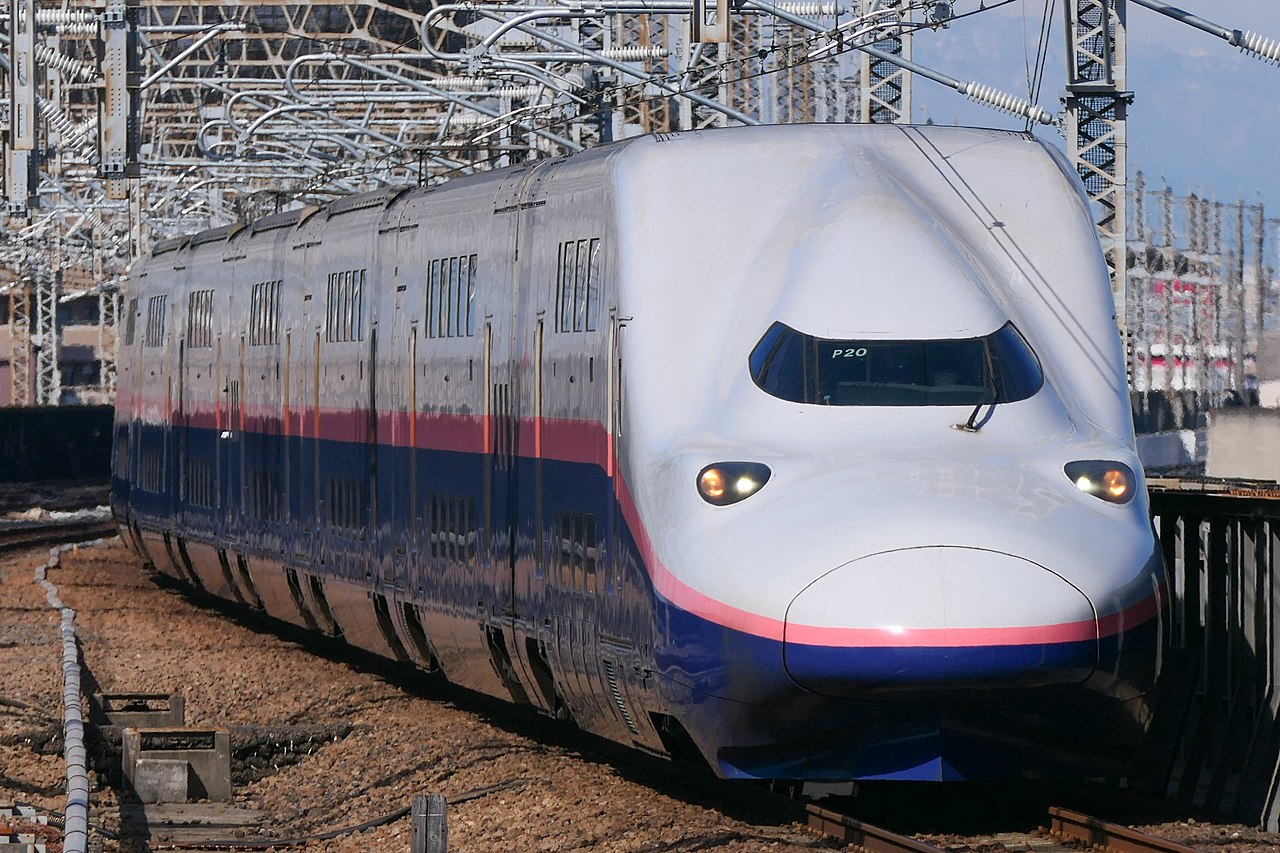
The name was first introduced on 15 November 1982 — the day the Jōetsu Shinkansen opened — but for a conventional limited express (written "谷川") between Ueno and Minakami on the Jōetsu Line. The Shinkansen name (written "たにがわ") dates from 1 October 1997, when JR East restructured Tōhoku and Jōetsu Shinkansen names by section: Tokyo/Echigo-Yuzawa–Niigata trains became Asahi (renamed Toki in 2002) while Tokyo–Takasaki/Echigo-Yuzawa trains became Tanigawa, taking over the short-distance all-stations role. Double-deck E1 and E4 sets later ran under the separate "Max Tanigawa" brand, which ended when the E4 was withdrawn on 1 October 2021.
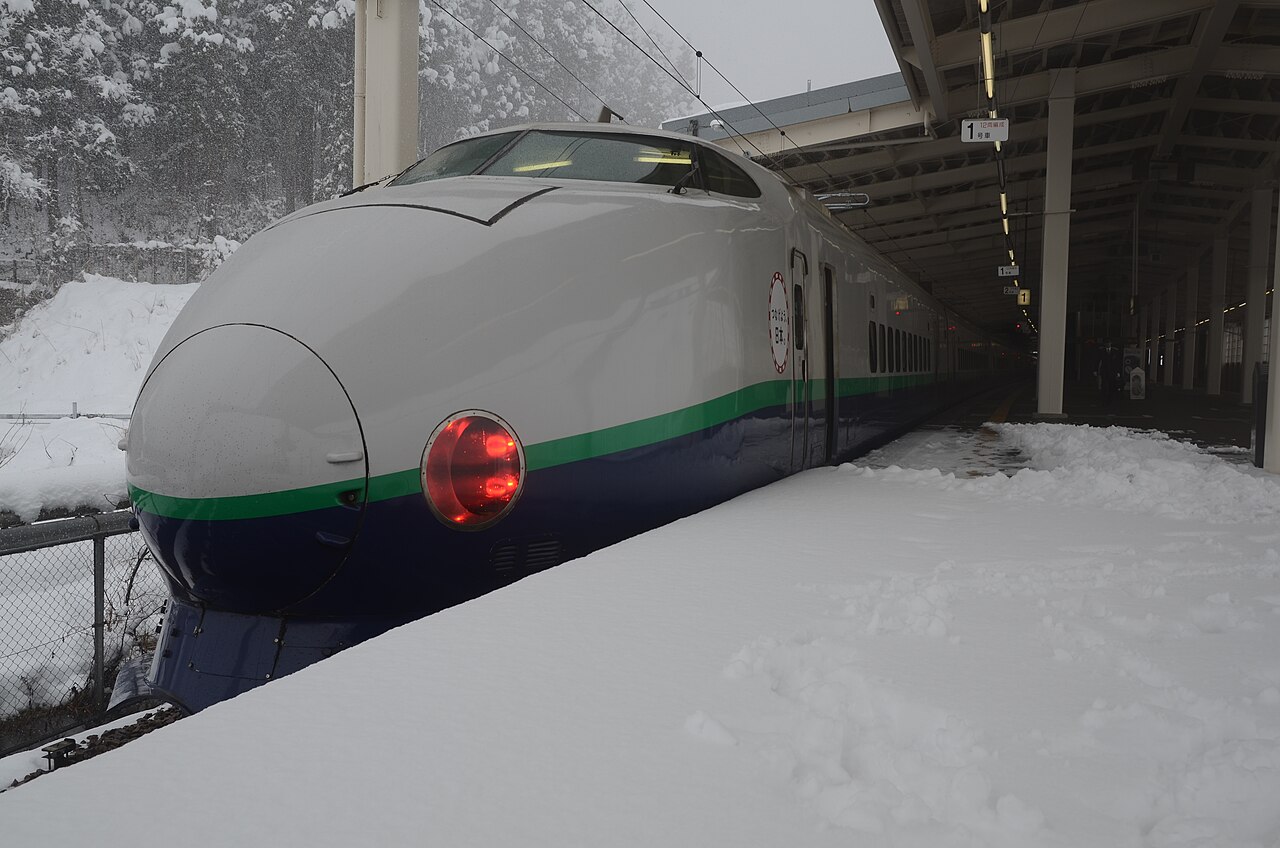
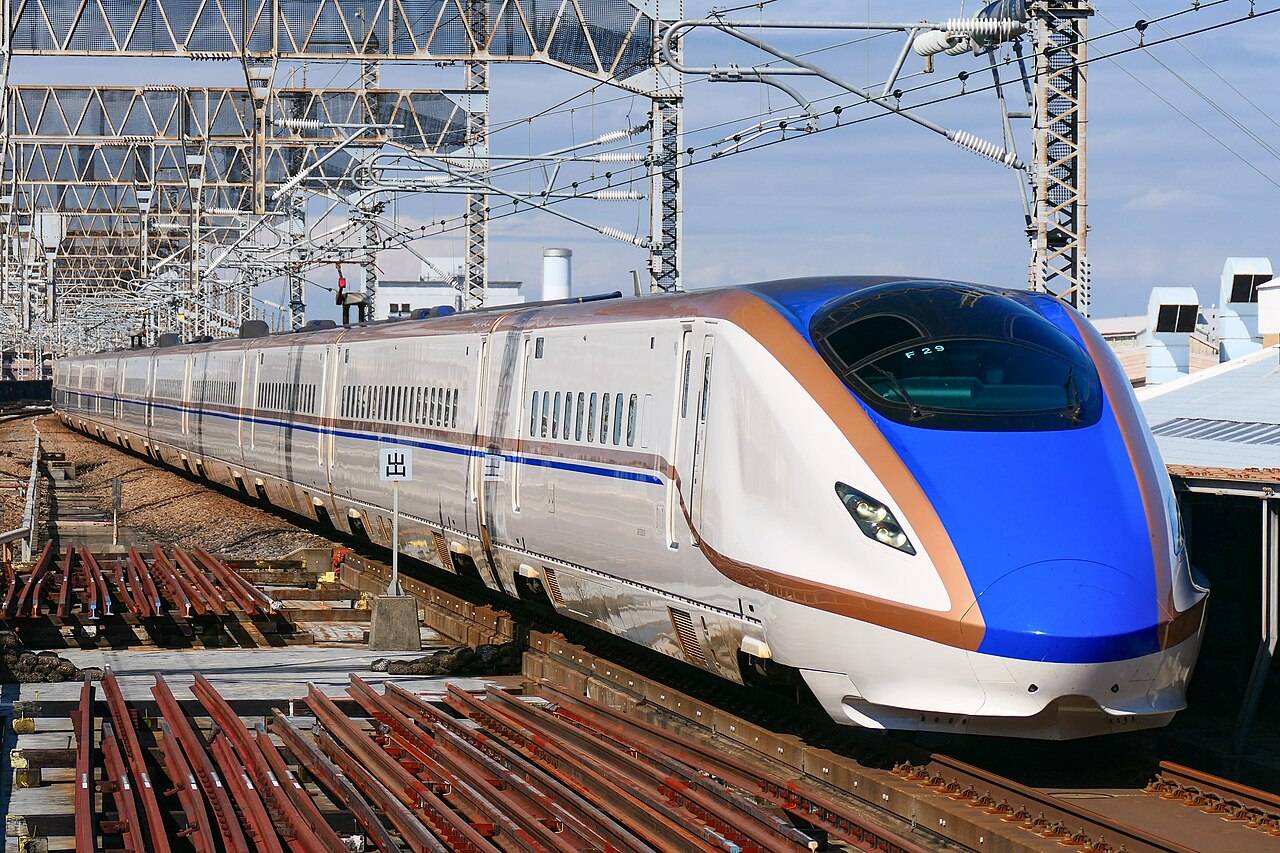
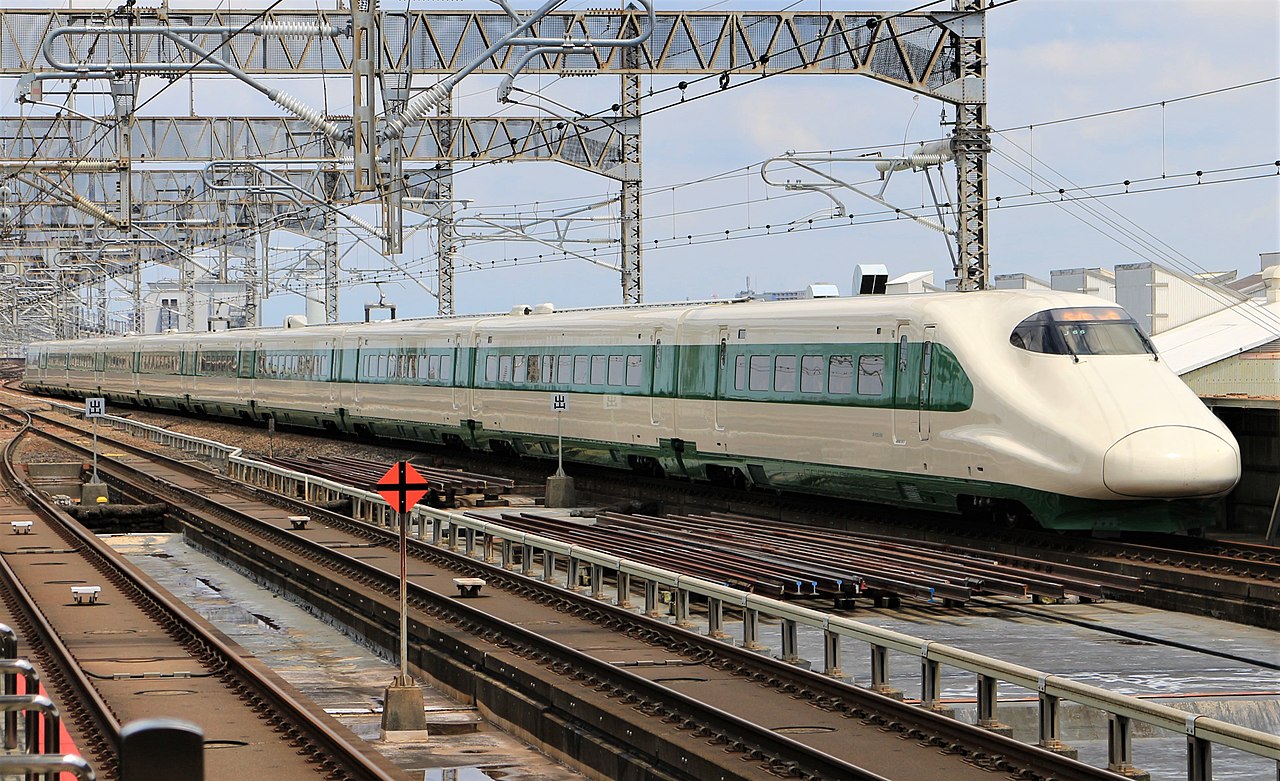
The service has worked through several generations of stock: 200 series 10-car sets from 1997, then E2 series 10-car sets from 26 January 2013 at up to 240 km/h, with the 200 series withdrawn on 16 March 2013. E7 series 12-car sets entered service from 2019, and the line is now run uniformly by Niigata-based E7 sets. At the 18 March 2023 revision the E2 was withdrawn and the line's maximum speed raised from 240 to 275 km/h. The current nine-and-three round-trip pattern dates from the 14 March 2015 revision for the Hokuriku Shinkansen's Kanazawa extension, which also ended onboard trolley sales.
Timeline
- 1982On 15 November 1982 the Jōetsu Shinkansen opened; on the same day the name Tanigawa (written 谷川) was first introduced for a conventional limited express running between Ueno and Minakami on the Jōetsu Line.
- 1997From 1 October 1997 the Tōhoku and Jōetsu Shinkansen train names were reorganized by operating section; all Tokyo–Takasaki/Echigo-Yuzawa trains became Tanigawa (written たにがわ), taking over the all-stations role formerly held by the Toki, using 200 series 10-car sets.
- 2007From the 18 March 2007 timetable revision all Jōetsu Shinkansen trains, including the Tanigawa, became no-smoking.
- 2013E2 series 10-car sets were introduced on Tanigawa services from 26 January 2013, operating at a maximum of 240 km/h, and the 200 series was withdrawn on 16 March 2013.
- 2015At the 14 March 2015 timetable revision accompanying the Hokuriku Shinkansen extension to Kanazawa, Tanigawa was greatly reduced to nine Tokyo–Echigo-Yuzawa and three Tokyo–Takasaki round trips, and onboard trolley sales ended.
- 2019E7 series 12-car sets entered Tanigawa service from 16 March 2019 and Gran Class sales began.
- 2021On 1 October 2021 the E4 series was withdrawn from regular service, ending operation of the double-deck Max Tanigawa.
- 2023At the 18 March 2023 timetable revision the E2 series was withdrawn from regular Tanigawa duties and the line's maximum speed was raised from 240 km/h to 275 km/h.
Gallery 4 photos
Every photo for this page — tap any image to view it full-size. All from Wikimedia Commons (credit under each).