History
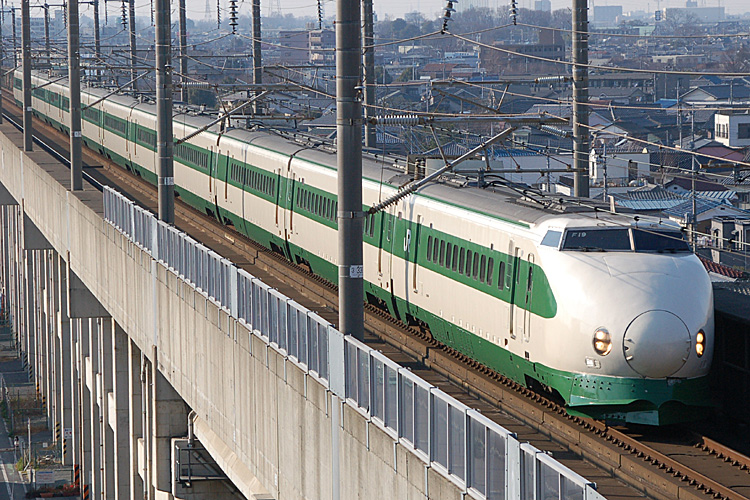
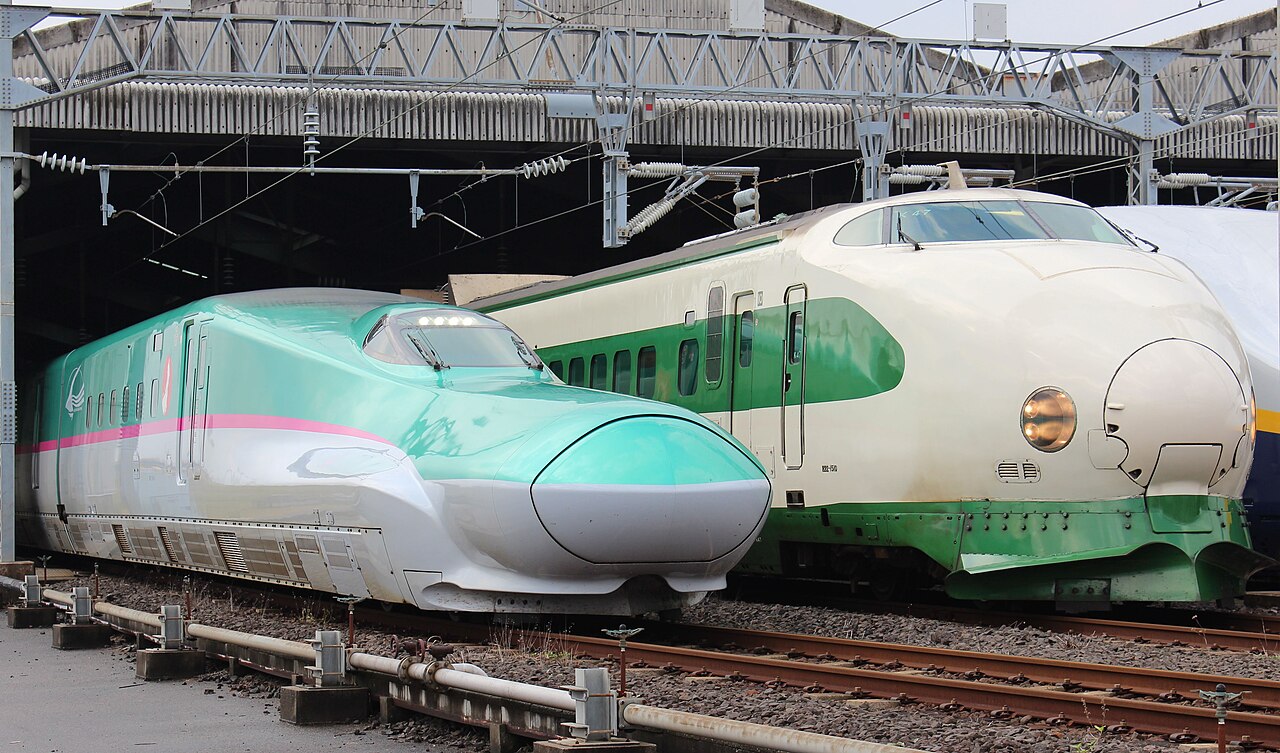
To hold its weight down, the 200 series became the first revenue Shinkansen EMU built with an aluminium-alloy body. In all, 700 vehicles in 59 sets were built between 1980 and 1991 by Hitachi, Kawasaki, Kinki Sharyo, Nippon Sharyo and Tokyu Car, with later cab conversions yielding 66 sets. Base-number sets ran at 210 km/h and 1000/1500/2000-number sets at 240 km/h, while four sets (F90-F93) were modified from 1990 to reach 275 km/h on a few down Asahi runs on the Joetsu Shinkansen until that speed ended there in 1998 with the E2 series.
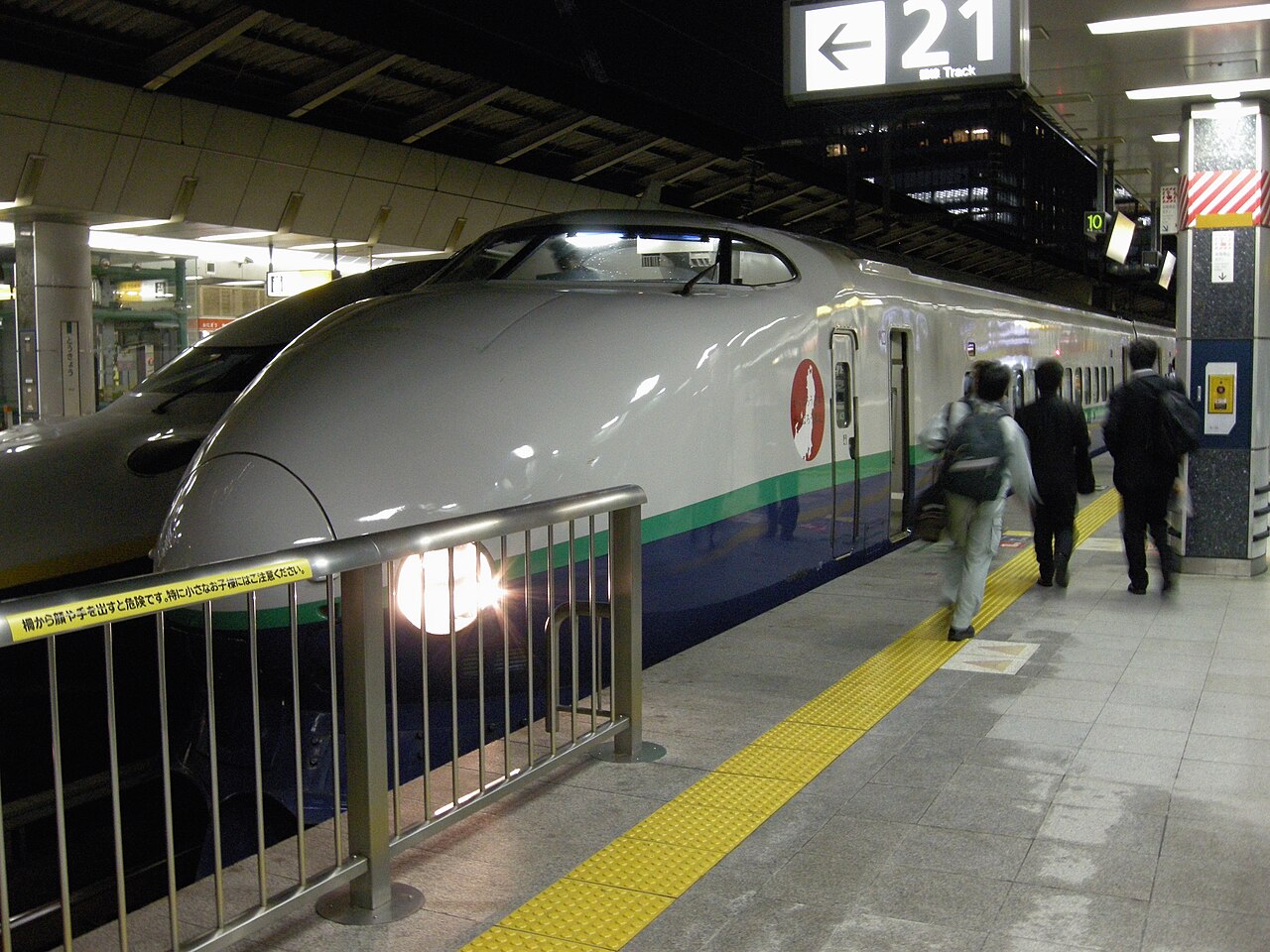
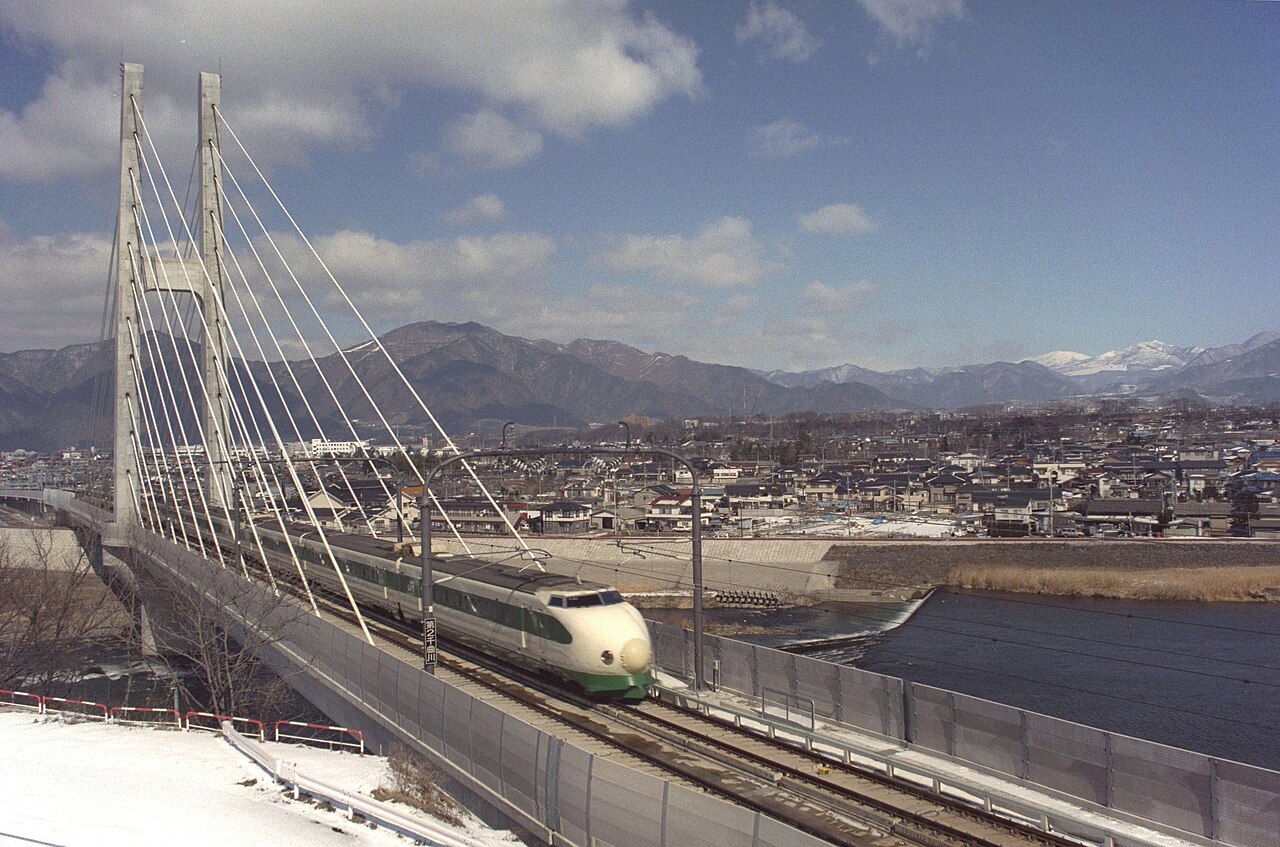
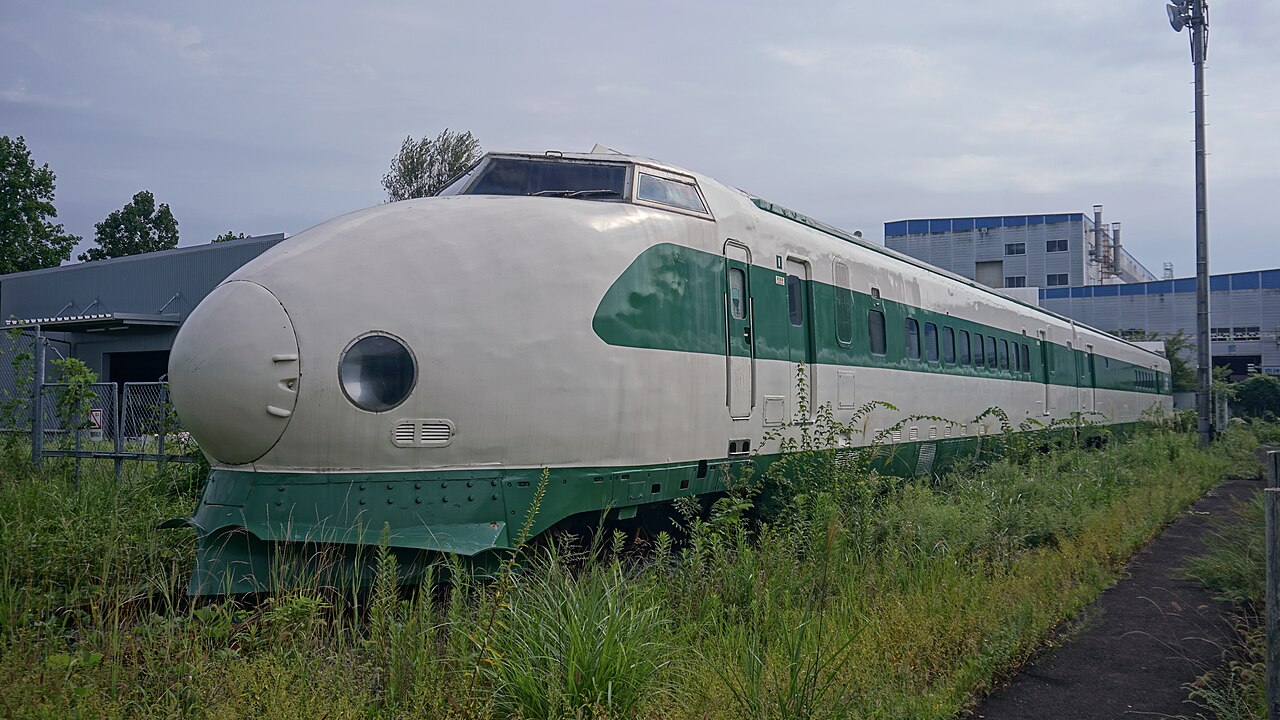
It worked Tohoku services including Yamabiko and Joetsu services including Asahi and Toki, and won the Japan Railfan Club's Laurel Prize (the 23rd, in 1983), the first Shinkansen type to do so. After a long career, Tohoku operation ended from 19 November 2011, regular service finished on 16 March 2013, and the last public runs ran on 14 April 2013; four vehicles are preserved.
Timeline
- 1982Revenue service begins on 23 June for the opening of the Tohoku and Joetsu Shinkansen; initial base-number sets run at 210 km/h.
- 1983240 km/h 12-car F sets (200-1000 series) debut in November; the type receives the 23rd Laurel Prize, the first Shinkansen type so honoured.
- 1987On JNR privatization the fleet transfers to JR East; 8-/10-car G sets enter service from 18 April.
- 1990Thirteen-car H sets with two bi-level Green cars enter "Super Yamabiko" service from 23 June; four sets (F90-F93) are modified to run at up to 275 km/h on down Asahi services.
- 1997Withdrawal of the earlier (210 km/h base-number) units begins.
- 1998Set F80 (ex-F17) runs additional Nagano Shinkansen Asama services in February during the Nagano Winter Olympics; 275 km/h running on the Joetsu Shinkansen ends with the introduction of the E2 series.
- 2004A refurbished set (K25, Toki 325) derails near Nagaoka at about 200 km/h during the Chuetsu earthquake on 23 October, the first in-service derailment of a Shinkansen; none of the 155 passengers are injured.
- 2011200 series operation on the Tohoku Shinkansen ends from 19 November; sets continue on the Joetsu Shinkansen.
- 2013Regular scheduled services end at the 16 March timetable revision; final public runs (Sayonara 200 series) operate on 14 April, ending the type's career.
Sources
Facts last verified 3 June 2026.
Gallery 5 photos
Every photo for this page — tap any image to view it full-size. All from Wikimedia Commons (credit under each).