History
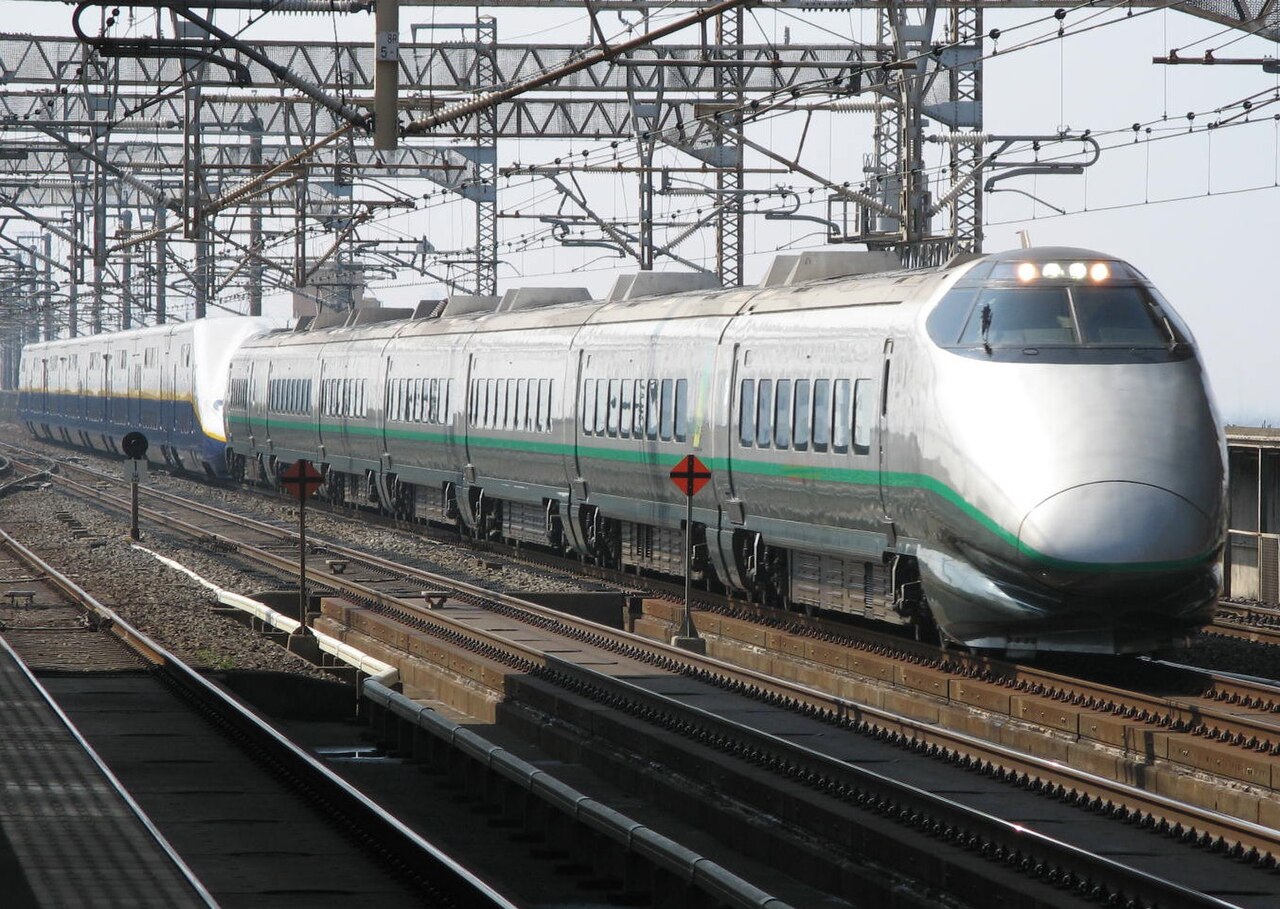
The Shinkansen Tsubasa began on 1 July 1992, when the name was transferred from the limited express to new high-speed services between Ueno and Yamagata, using 6-car 400 series sets coupled to a 200 series between Tokyo and Fukushima, with 14 return workings daily at the outset. The sets were lengthened to 7 cars in 1995, and on 4 December 1999 services were extended to Shinjo Station with new E3-1000 series sets.
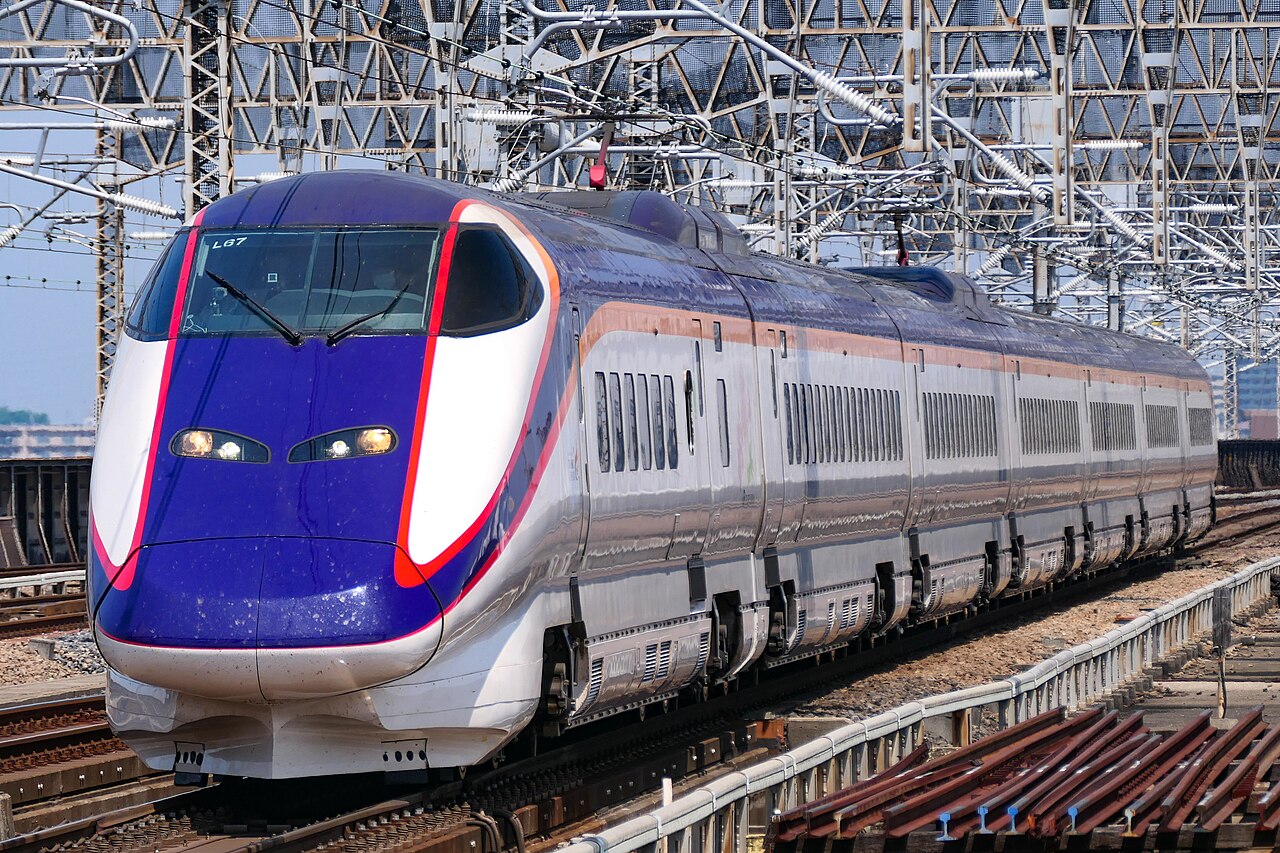
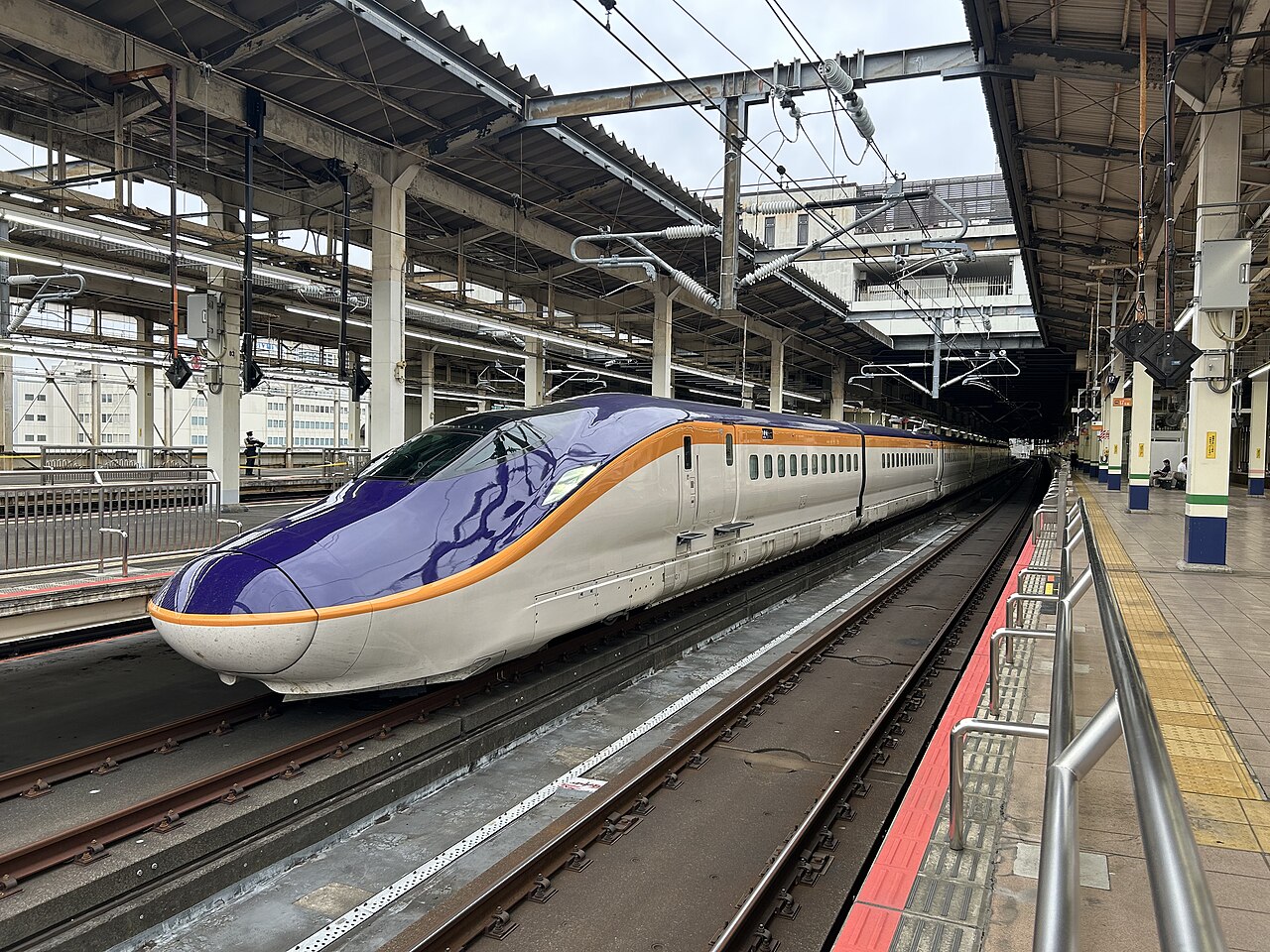
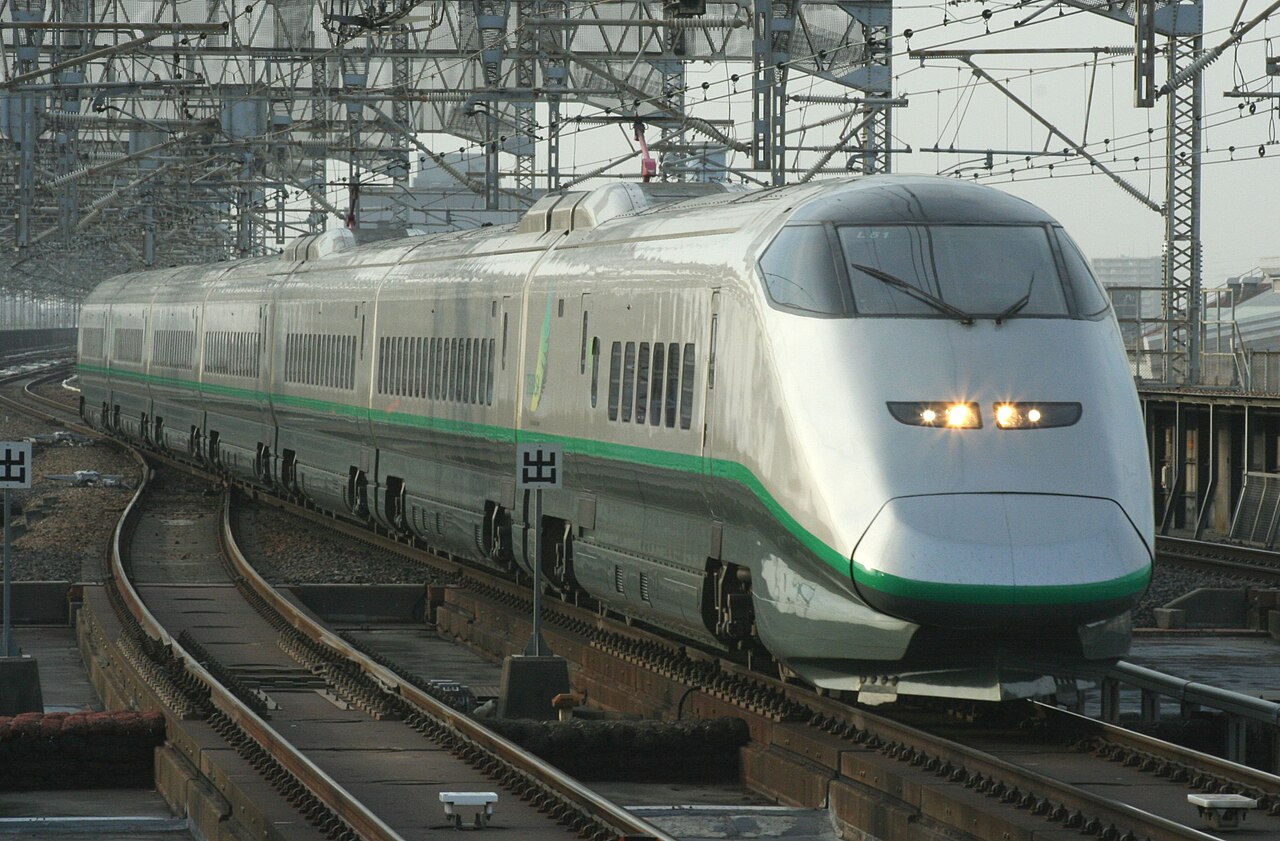
E3-2000 series trains entered service from 20 December 2008, fully replacing the 400 series by April 2010, and from 16 March 2024 the E8 series was introduced, operating with E5 series between Tokyo and Fukushima and raising the maximum top speed from 275 to 300 km/h. The E3 series was retired by December 2025.
Timeline
- 1992The Tsubasa name was transferred to new high-speed Shinkansen services on 1 July 1992 (Yamagata Shinkansen opening), running between Tokyo/Ueno and Yamagata with 6-car 400 series sets coupled to a 200 series between Tokyo and Fukushima, 14 return workings daily.
- 1995From 1 December 1995 (or November 1995) the trains were lengthened to 7 cars.
- 1999On 4 December 1999 Tsubasa services were extended to Shinjo Station, and new E3-1000 series sets entered service.
- 2008From 20 December 2008 new E3-2000 series trains entered service, replacing the 400 series.
- 2010The last 400 series set (L3) was withdrawn from service on 18 April 2010.
- 2012From the 17 March 2012 timetable revision, Tsubasa trains coupled with E2 series Yamabiko sets, raising the maximum speed on the Tohoku Shinkansen to 275 km/h.
- 2022On 12 March 2022 the Tsubasa service became all-reserved-seat.
- 2024From the 16 March 2024 timetable revision, E8 series sets were introduced, coupling with E5 series between Tokyo and Fukushima and raising the maximum top speed from 275 to 300 km/h; the fastest Tokyo-Yamagata time fell to 2 hours 22 minutes.
Gallery 4 photos
Every photo for this page — tap any image to view it full-size. All from Wikimedia Commons (credit under each).