歴史
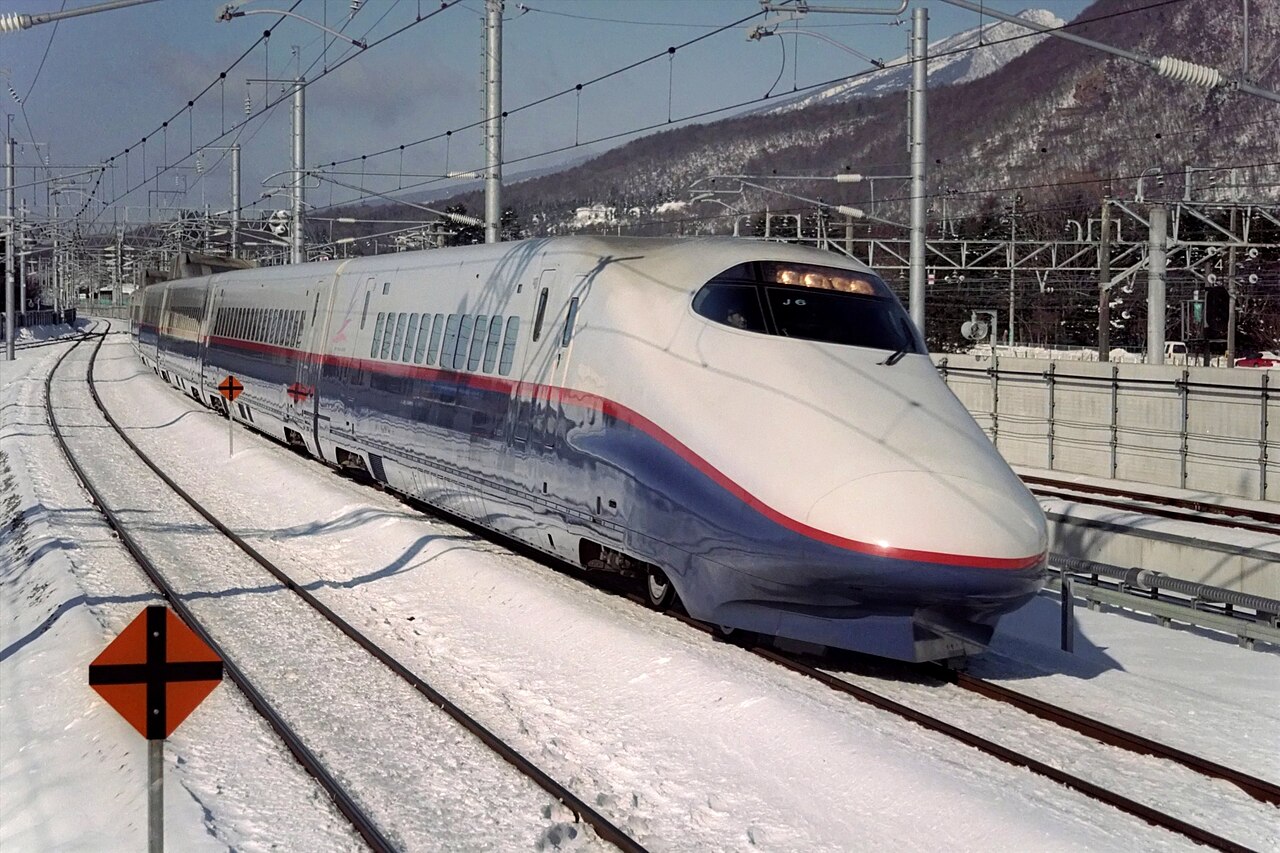
現在、定期列車は東京・長野間に17往復が運転され、東京・上野・大宮・高崎・軽井沢・長野が全列車停車駅となっている。金沢延伸以降は「かがやき」「はくたか」が加わったため「あさま」は各駅停車タイプの色が濃くなった。2002年12月のダイヤ改正で全列車が大宮に停車し、東京・長野間のノンストップ列車は廃止された。2005年12月10日に全車禁煙化された。
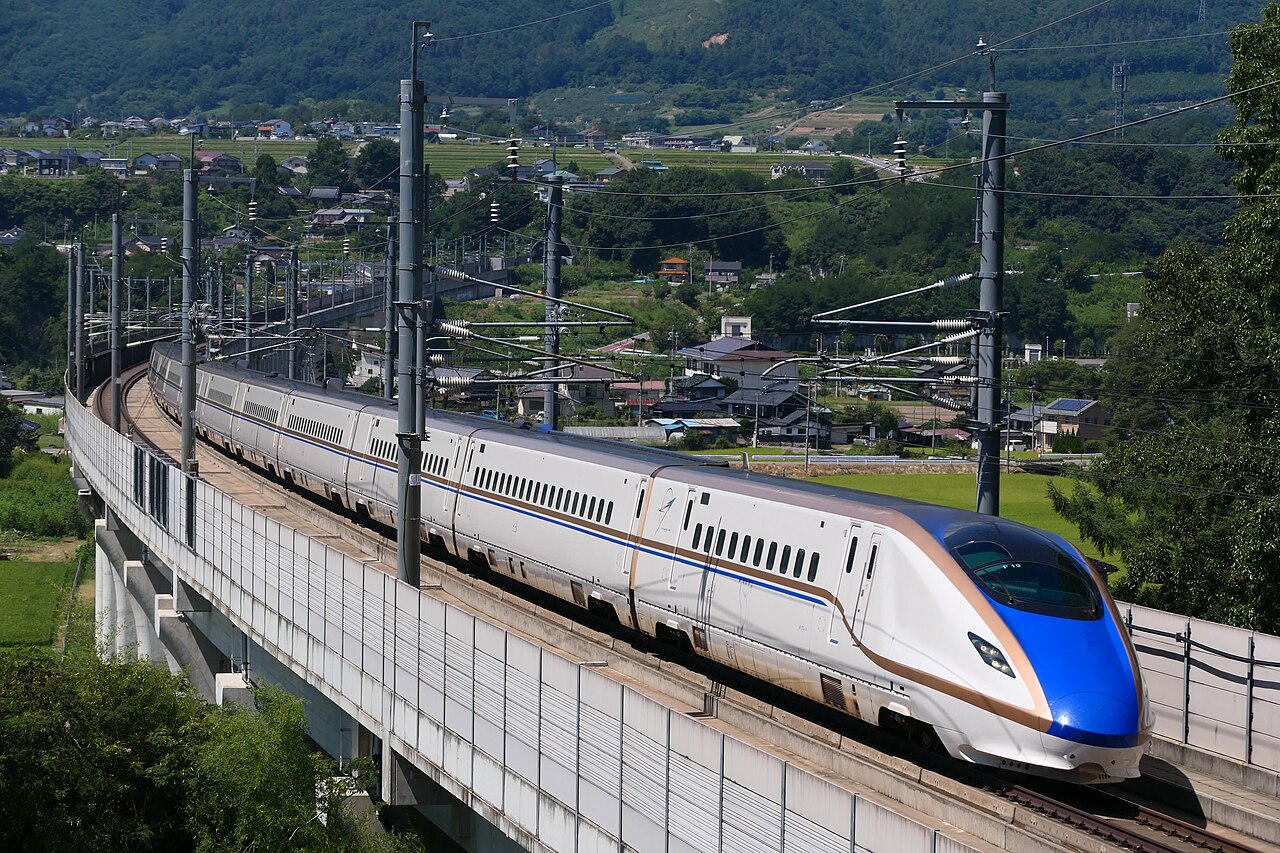
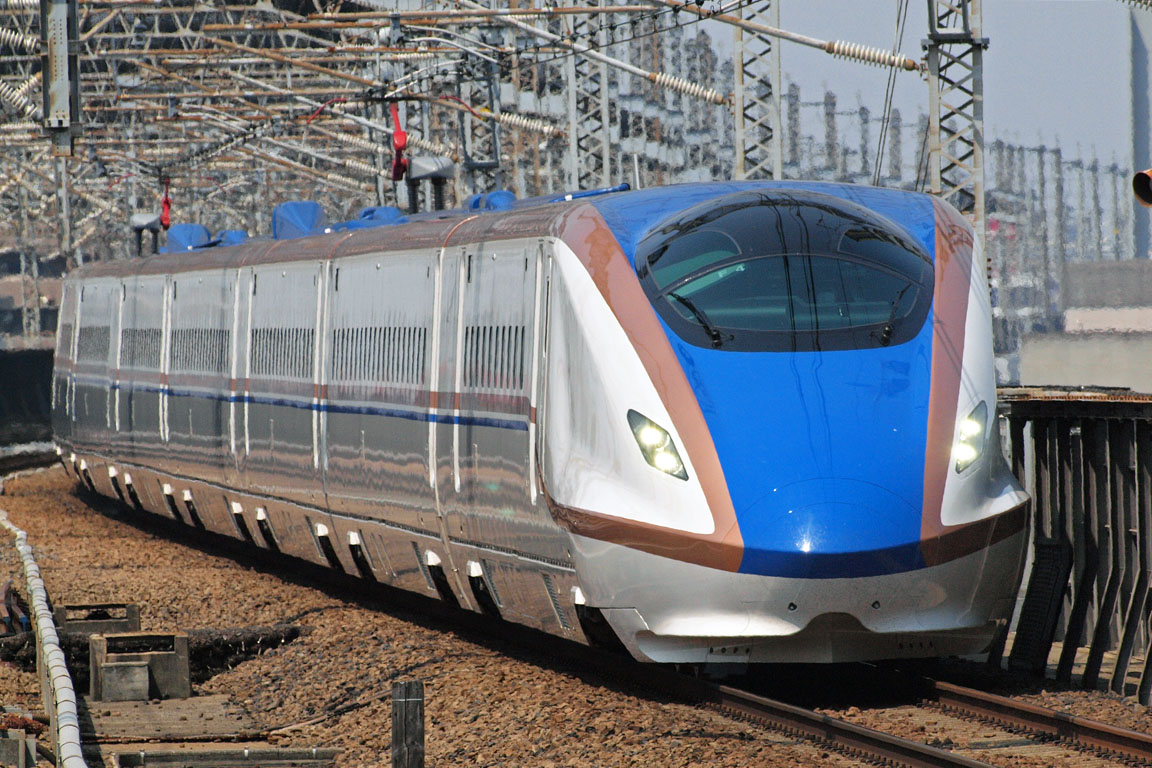
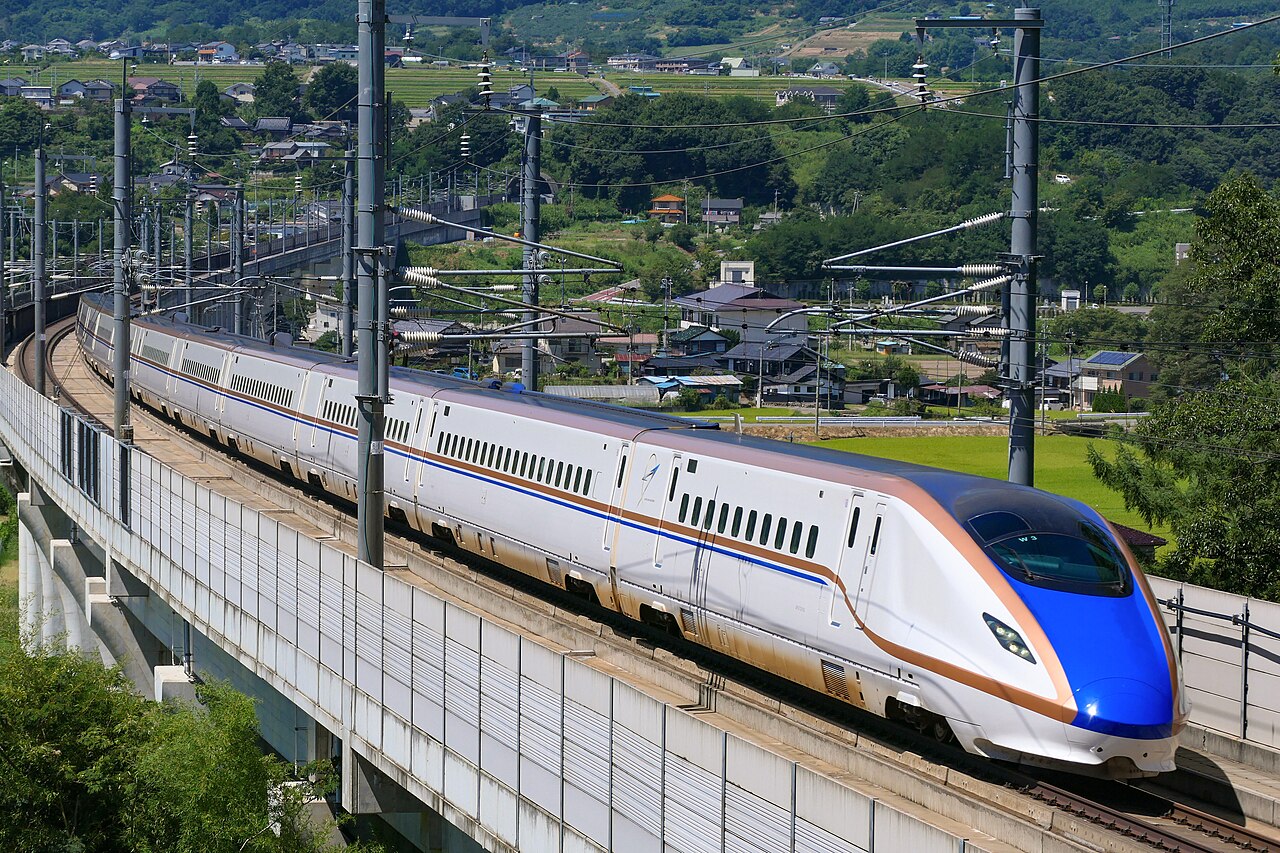
車両は、開業時からE2系8両編成が使用されたが、2015年12月24日に定期運用を終了し、2017年3月31日にE2系の運用が完全に終了した。2014年3月15日にE7系12両編成が7往復で先行投入され、W7系は2015年3月14日の長野・金沢間開業時に営業運転を開始した。高崎・軽井沢間に30‰の急勾配が約30km連続し、軽井沢・佐久平間に50Hz/60Hzの切換セクションがあるため、高出力主電動機と周波数切換に対応した車両が充当される。2019年10月の令和元年東日本台風では長野新幹線車両センターが水没し、E7系・W7系合計10編成が被害した。2023年3月18日のダイヤ改正で大宮・高崎間の最高速度が240km/hから275km/hに引き上げられた。
年表
- 1997Shinkansen Asama services began on 1 October 1997 when the Takasaki–Nagano section opened as the Nagano Shinkansen, with 24 Tokyo–Nagano and 4 Tokyo–Karuizawa round trips, operated by 8-car E2 series sets.
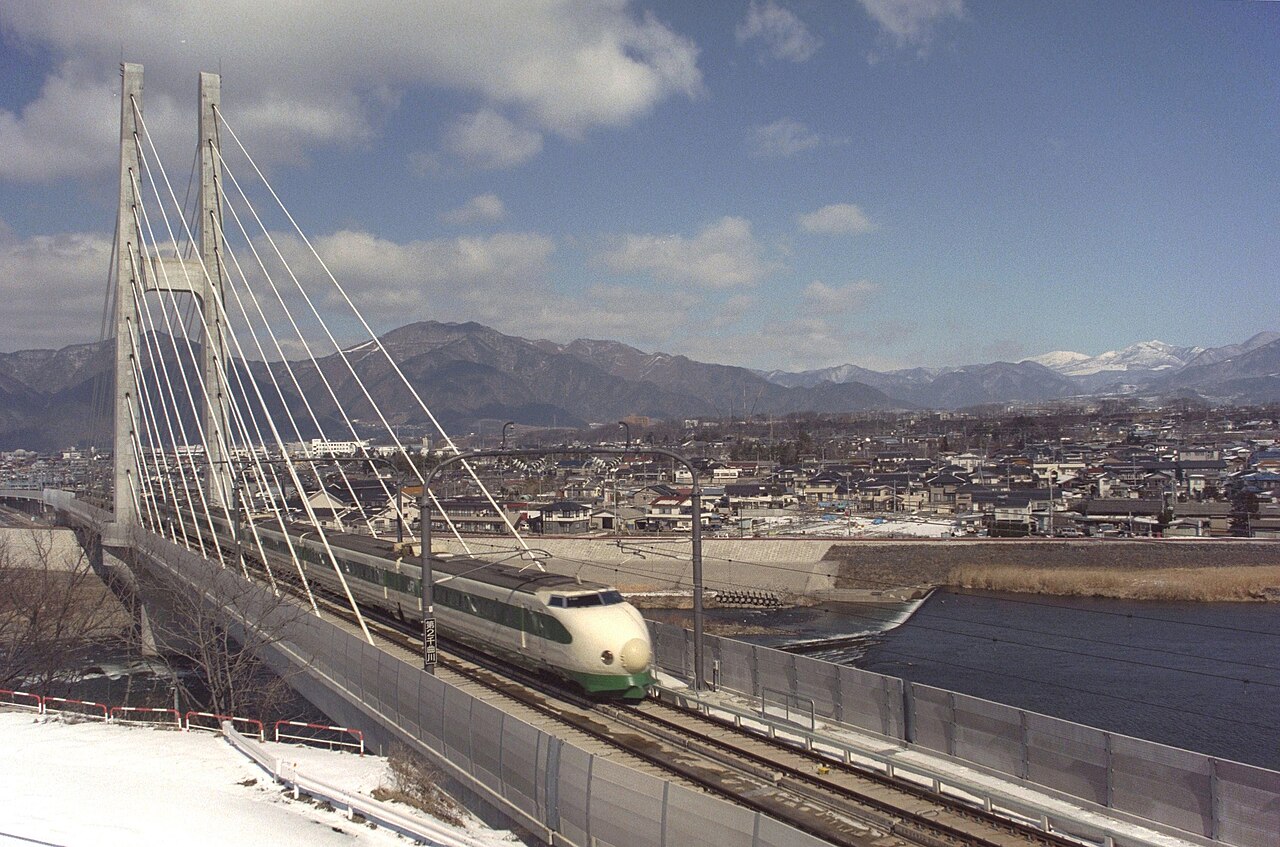
- 1998During the 1998 Winter Olympics one specially modified 200 series train (set F80), limited to 210 km/h, was added for extra capacity.
- 2002From the December 2002 timetable revision all Asama services were made to stop at Ōmiya and the nonstop Tokyo–Nagano service was abolished.
- 2005From the timetable revision of 10 December 2005 all Asama services became entirely no-smoking.
- 2014New 12-car E7 series sets entered Asama service from 15 March 2014, initially on seven return workings daily, rising to eleven from 19 April 2014.
- 2015When the Hokuriku Shinkansen was extended from Nagano to Kanazawa on 14 March 2015, JR West W7 series sets entered Asama service and the name continued for Tokyo–Nagano trains; regular E2 series operation ended on 24 December 2015.
- 2017The last eight-car E2 series Asama services ran on 31 March 2017, after which all Asama trains were formed of E7 and W7 series sets.
- 2023At the 18 March 2023 timetable revision the maximum speed on the Ōmiya–Takasaki section was raised from 240 km/h to 275 km/h.
ギャラリー 5枚
このページの全写真 ― 画像をタップすると原寸大で表示します。すべてウィキメディア・コモンズより(各写真の下にクレジット)。