History
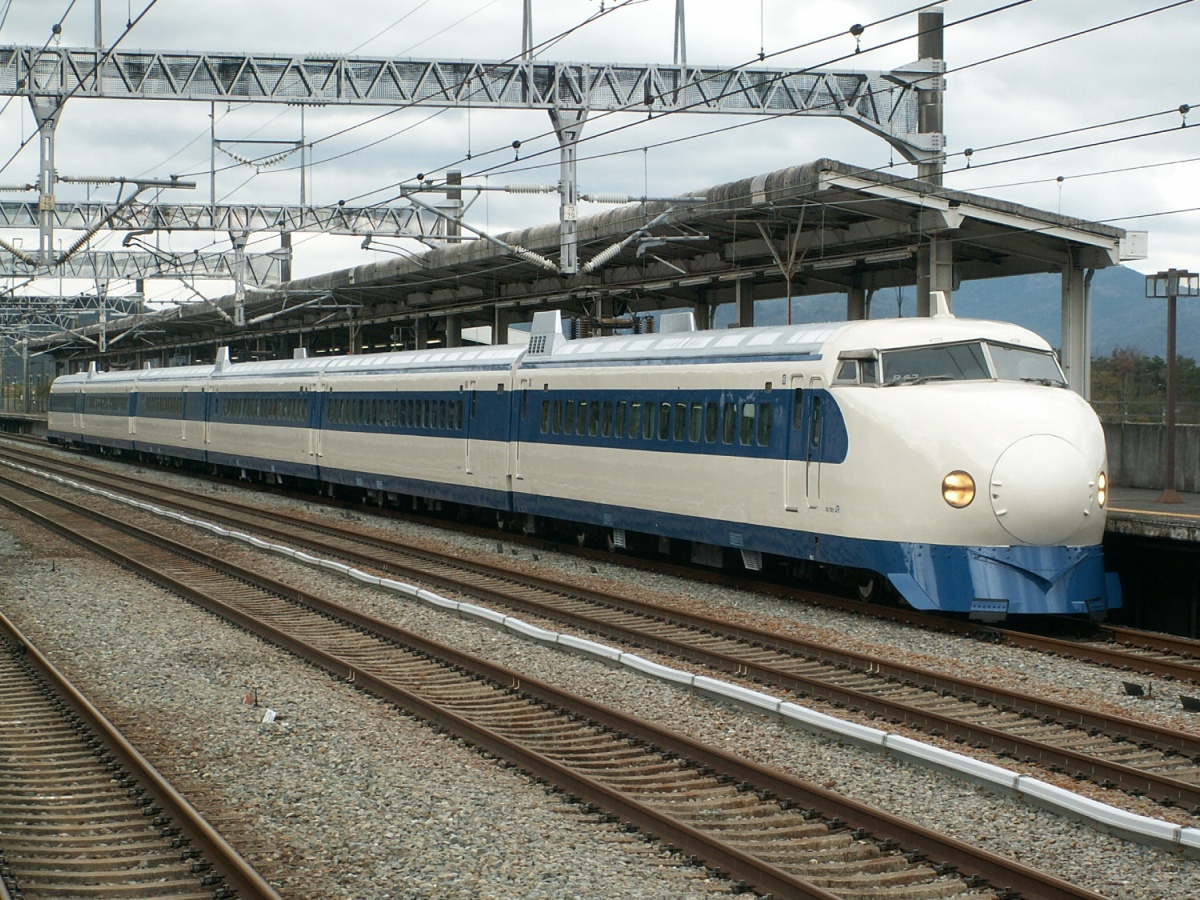
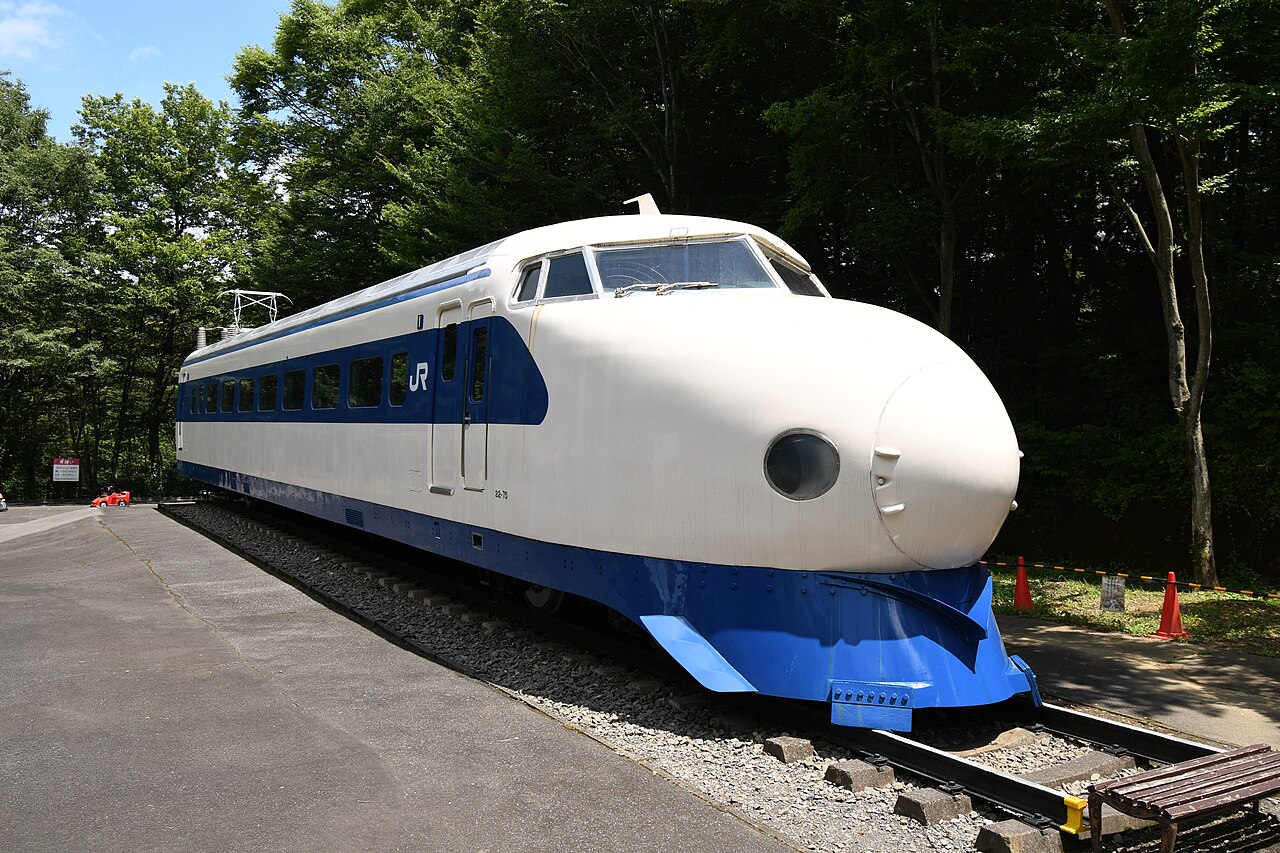
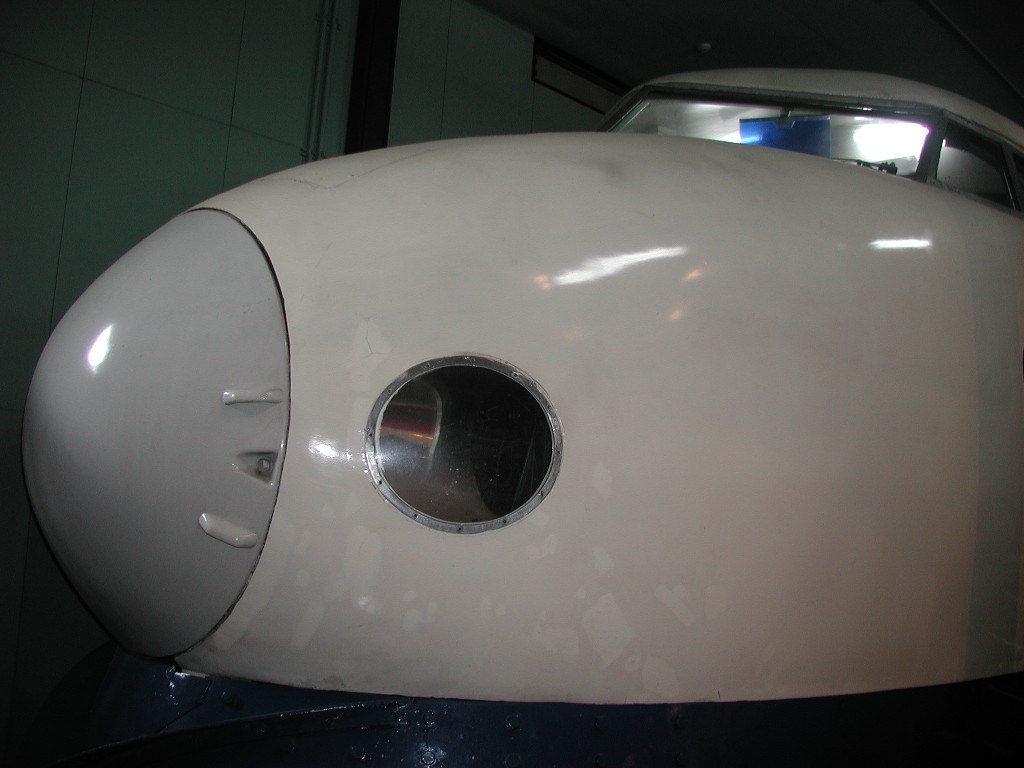
In fact the trains carried no series number for much of their early career, because at first there was no other Shinkansen type from which they needed to be distinguished. The "0 Series" name only came into common use around 1980, after the 200 Series for the Tōhoku and Jōetsu Shinkansen appeared; before then they were usually called simply the "Shinkansen railcar." The original sets were plain white with a blue stripe along the windows and a second stripe along the bottom of the body and the front pilot. After later, more angular designs entered service the 0 Series came to be known affectionately for its bulbous "dango-bana" (dumpling-nose) profile, a contrast to the aircraft-like form that earlier writers had praised. The fleet was later extended onto the San'yō Shinkansen, which opened in stages from 1972, and onto the short Hakataminami Line when it opened in 1990.
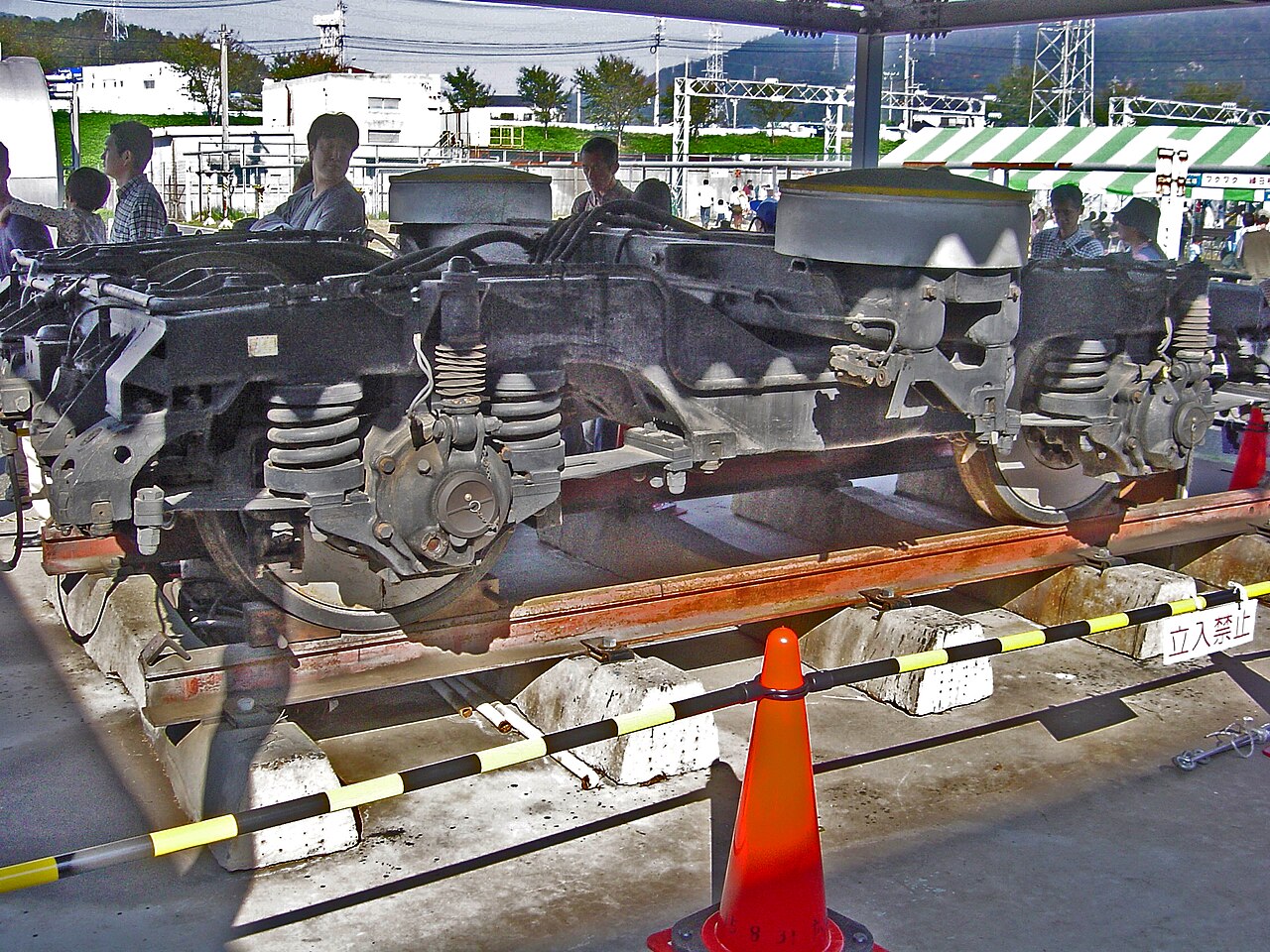
Mechanically the 0 Series was a fully powered electric multiple unit, with every axle of every car driven by 185 kW traction motors. The trains ran on 1,435 mm standard-gauge track — unlike the narrow-gauge conventional network — and drew 25 kV AC at 60 Hz from overhead wires. Bodies were of steel, with end cars about 25.15 m long and intermediate cars about 25 m, two doors per side, and seating arranged 3+2 in standard class and 2+2 in the Green (first-class) cars. Train protection was provided by the ATC-1 automatic train control system, and a 16-car set developed a combined output of 11,840 kW. The maximum service speed was 210 km/h from 1964; in 1986 this was raised to 220 km/h, with the ATC intervention speed adjusted upward in step. In 1992 the starting acceleration was increased from 1.0 to 1.2 km/h/s, because the newer 100 and 300 Series accelerated harder and the slower 0 Series would otherwise have constrained the timetable.
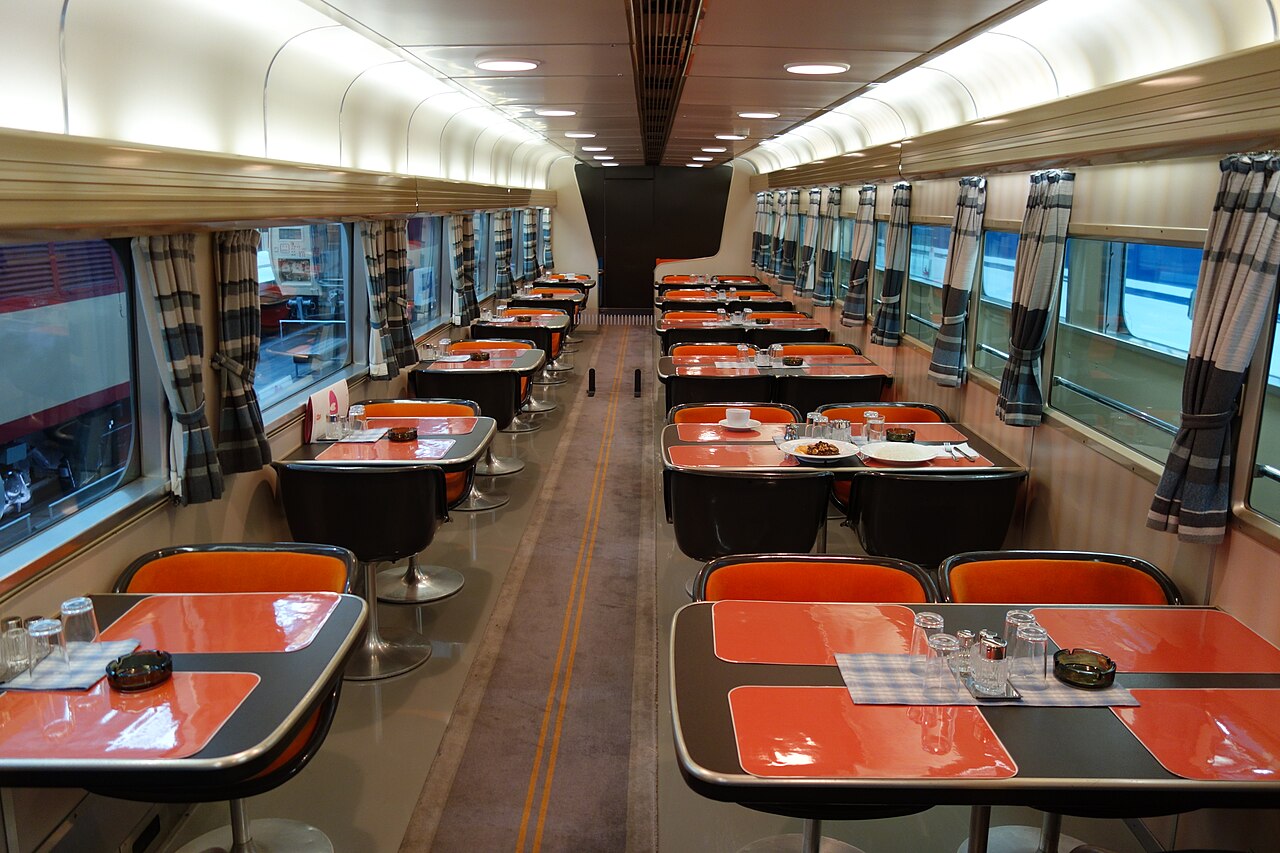
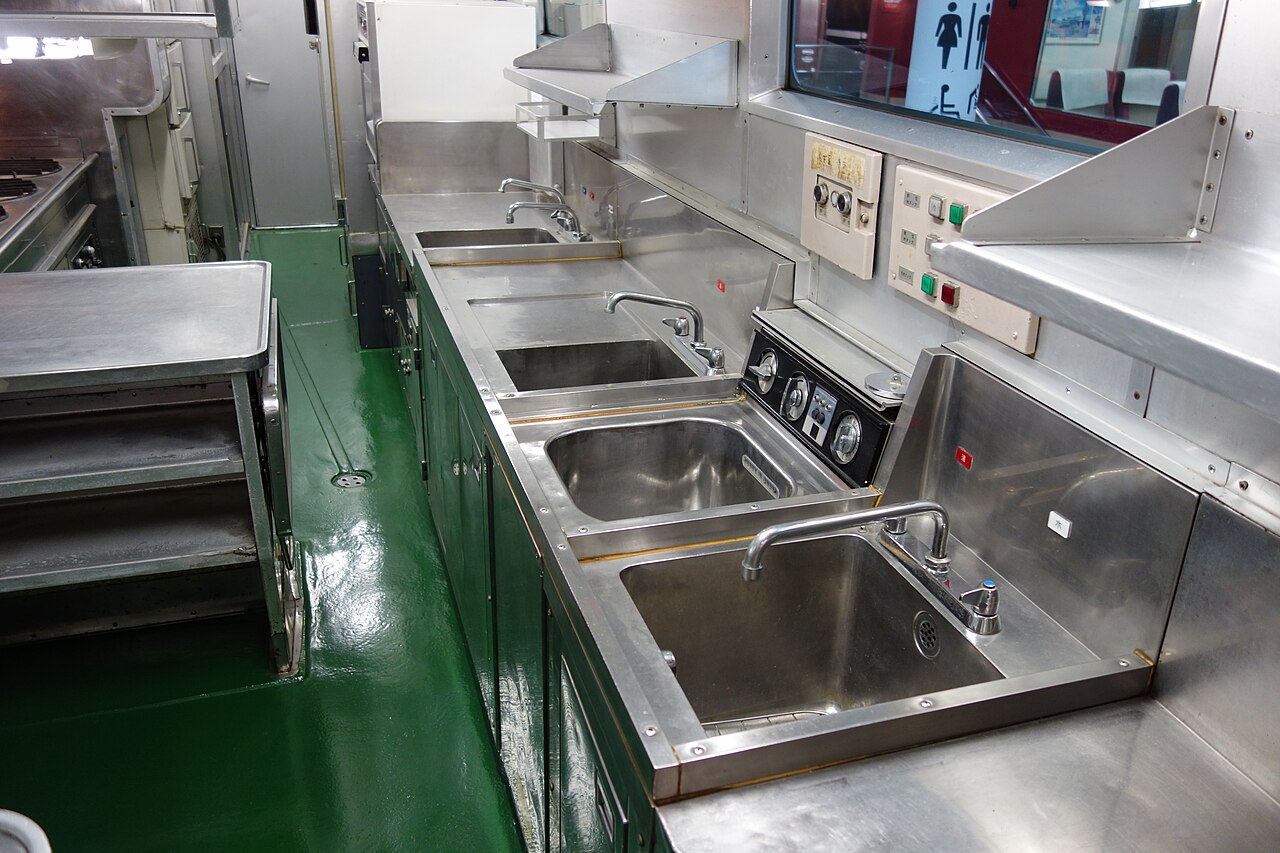
Production ran from the early 1960s through to April 1986, an unusually long period spanning dozens of successive build batches. In total, 3,216 vehicles were built by a consortium of manufacturers — Hitachi, Kawasaki Sharyo, Kinki Sharyo, Kisha Seizo, Nippon Sharyo, and the Tokyu Car Corporation. The very first fleet, delivered for the October 1964 opening, comprised thirty 12-car sets — six each in groups designated H, K, N, R and S, with sets H1–H6 built by Hitachi, K1–K6 by Kisha Seizo, N1–N6 by Nippon Sharyo, R1–R6 by Kawasaki Sharyo and S1–S6 by Kinki Sharyo, all delivered between roughly March and September 1964 and allocated to the Tokyo and Osaka depots. These early 12-car formations carried two first-class cars and two buffet cars. Further batches followed almost every year thereafter, and the roster of 0 Series vehicles in service reached its all-time peak of 2,338 vehicles in 1976 (of which 2 were reserve cars held out of service).
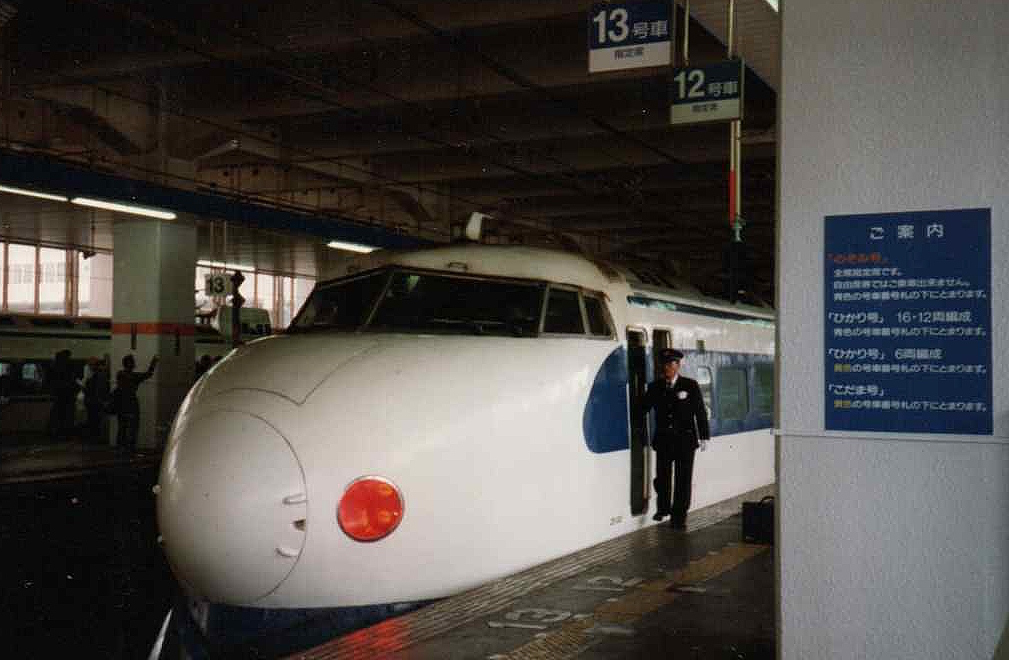
A defining and unusual feature of the programme was that JNR kept building brand-new 0 Series cars to replace older 0 Series cars. Rather than move to a wholly new design, the railway repeatedly refreshed the same type with incremental detail improvements across some 38 build batches over roughly two decades. Several factors drove this: the original cars wore out faster than planned (see below); JNR's deteriorating finances and prolonged labour disputes stalled the development of replacement designs; and the basic performance of the 0 Series was considered entirely adequate, so the operating unions in particular were reluctant to adopt new stock. One consequence was that the peak number of 0 Series vehicles actually on the roster — reached in the mid-1970s — was far below the cumulative total ever built, since old cars were continually being scrapped as new ones arrived.
The fleet was originally formed as 12-car sets. When Expo '70 was held in Osaka in 1970, the thirty original sets were lengthened to 16 cars to carry the surge of fairgoers, and were later renumbered when the San'yō Shinkansen opened. From 1974 — ahead of the San'yō line's extension to Hakata in 1975 — full restaurant cars were added to many Hikari formations, supplementing the buffet cars the trains already carried. Over the following decades the 0 Series appeared in a remarkable variety of configurations to suit changing duties. There were 16-car Hikari sets with two Green cars and a restaurant car; 16-car YK Kodama sets run by JR Central on all-stations Tōkaidō services with upgraded 2+2 reserved seating; 12-car SK sets operated by JR West on premium "West Hikari" San'yō services with refurbished interiors and distinctive "West" decals; and, for the lightest duties, refurbished 6-car R sets and 4-car Q sets assembled for San'yō Kodama and Hakataminami shuttle work. Because the 6-car sets were short, there were even instances where the emergency coupler in a leading car was used to join two sets in normal service at busy times. Some of these later sets carried distinctive branding: the No. 3 cars of sets R2 and R24 were rebuilt as "Children's Saloons" with a soft-play area in the former buffet space, and ran as "Family Hikari" during holiday periods, while refurbished R sets were marked externally by an extra thin blue line below the windows and new "W" decals near the doors.
When JNR was privatised in 1987 the 0 Series fleet was divided between the new operators, with roughly 1,339 cars going to JR Central and about 715 to JR West. Shinkansen sets are generally retired after about fifteen to twenty years. The 0 Series had originally been designed for a 20-year life, but the intensive daily high-speed running degraded the car bodies and equipment faster than expected — loss of cabin air-tightness was a particular problem — so in practice the early cars managed only around fifteen years. Withdrawals of the first cars had in fact already begun in 1976, with the first-batch vehicles scrapped by October 1978. The successor 100 Series was developed in 1985 to replace 0 Series cars added for the San'yō opening, yet, remarkably, 0 Series construction itself continued right up to April 1986, just before privatisation.
The 0 Series was then retired in stages over nearly a decade. On the Tōkaidō Shinkansen the introduction of 100 and later 300 Series trains steadily displaced it; JR Central's 0 Series Hikari services ended in 1995, the "West Hikari" services finished on 21 April 2000, and the last regular Tōkaidō working of any kind was Kodama 473, formed of set YK8, on 18 September 1999, after which the type left the Tōkaidō line entirely. JR West kept a shrinking pool of 6-car sets running on San'yō Shinkansen Kodama services and on the Hakataminami Line; the four-car Q sets were retired by September 2001, and the last three 6-car units (R61, R67 and R68) had been repainted into the original ivory-and-blue livery by mid-2008. Regular operation finally ended on 30 November 2008 with Kodama 659, formed of set R68, running from Okayama to Hakata. JR West then staged a series of commemorative "Hikari" runs between Shin-Ōsaka and Hakata in early December 2008, and revenue service ended for good on 14 December 2008 with Hikari 347, formed of set R61, arriving at Hakata at around 6:01 pm — some 44 years after the type had entered service. The remaining vehicles were subsequently scrapped and the class was withdrawn.
Thanks to its long career and historic status, 25 vehicles have been preserved. Twenty-three are kept at museums and other sites around Japan, among them the Kyoto Railway Museum (which opened in April 2016), The Railway Museum in Saitama, and the SCMaglev and Railway Park in Nagoya. One lead car (22-141) was donated to the National Railway Museum in York, England, by JR West in 2001 — the first Shinkansen vehicle of any series to be preserved at a museum outside Japan. Another lead car (21-5035, from former set R1), which had served as a structure-gauging vehicle during construction of the Taiwan High Speed Rail, was formally donated to Taiwan in 2012 and went on display at Tainan HSR station; the restored car was unveiled there on 22 December 2023. In August 2007 the 0 Series was recognised as a piece of Mechanical Engineering Heritage in Japan. The infobox of the source article lists the 100, 300, 500 and 700 Series as the train's successors.
Timeline
- 19640 Series enters service on 1 October with the opening of the Tōkaidō Shinkansen, the world's first dedicated high-speed line; initial 12-car sets run Hikari and Kodama services.
- 1965Awarded the 8th Blue Ribbon Award by the Japan Railfan Club.
- 1970Sets lengthened from 12 to 16 cars to handle traffic for Expo '70 in Osaka.
- 1972Fleet extended onto the San'yō Shinkansen following its opening.
- 1974Full dining cars added to formations ahead of the San'yō Shinkansen extension to Hakata in 1975.
- 1986Maximum service speed raised from 210 km/h to 220 km/h; ATC intervention speed adjusted accordingly. 0 Series production continued until April this year.
- 1987On JNR privatisation the fleet is transferred to JR Central and JR West.
- 1999Last regular Tōkaidō Shinkansen working, Kodama 473 formed of set YK8, runs on 18 September; the type is withdrawn from the Tōkaidō line.
- 2001Lead car 22-141 donated by JR West to the National Railway Museum in York, England — the first Shinkansen vehicle preserved at a museum outside Japan.
- 2007Recognised as a piece of Mechanical Engineering Heritage in Japan in August.
- 2008Regular operation ends 30 November with Kodama 659 (set R68); after commemorative Hikari runs, revenue service ends 14 December with Hikari 347 (set R61) arriving Hakata about 6:01 pm, 44 years after introduction.
Sources
Facts last verified 3 June 2026.
Gallery 5 photos
Every photo for this page — tap any image to view it full-size. All from Wikimedia Commons (credit under each).