History
For nearly three decades the Hikari remained the premier service of the corridor, so dominant that the public came to equate the Shinkansen itself with the Hikari name. That status ended on 14 March 1992, when the faster, more limited-stop Nozomi debuted and the Hikari ceased to be the fastest train on the Tōkaidō Shinkansen; from then on some Hikari runs began waiting at intermediate stations to let Nozomi services overtake. From October 2003 the Hikari took on its present role as the middle tier of the hierarchy, complementing the Nozomi by serving stations the fastest trains skip. It still occupies an important niche for Japan Rail Pass holders, for whom the Hikari is the fastest usable service on the Tōkaidō Shinkansen because the pass is not valid on the Nozomi.
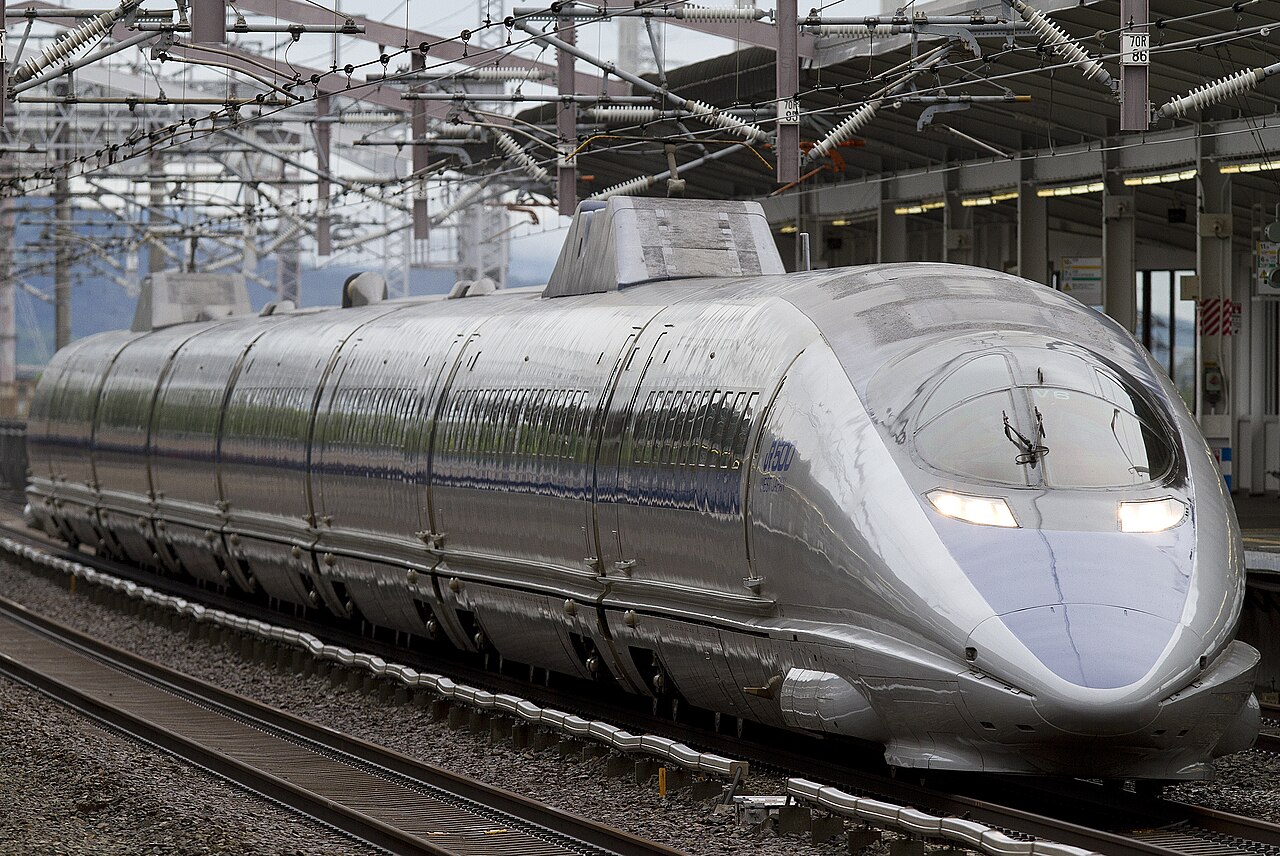
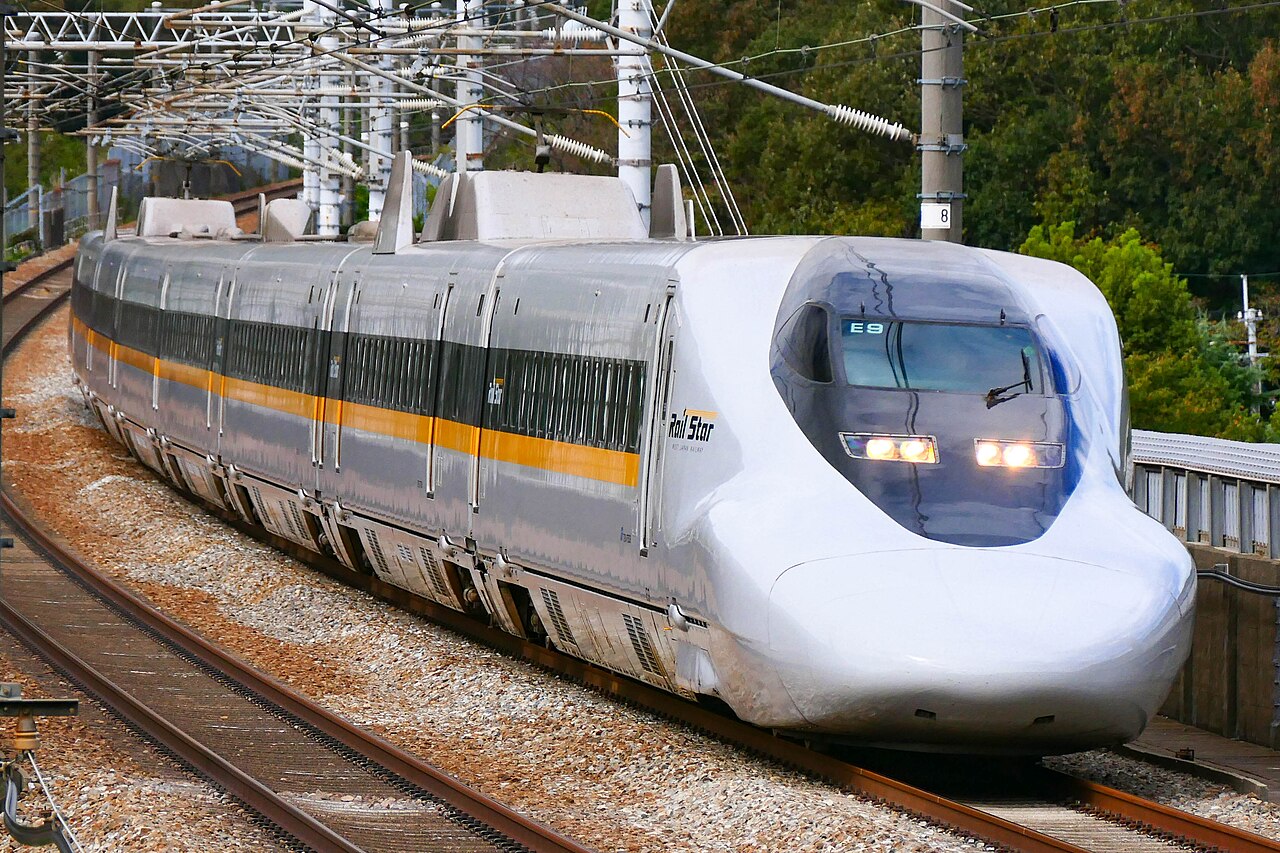
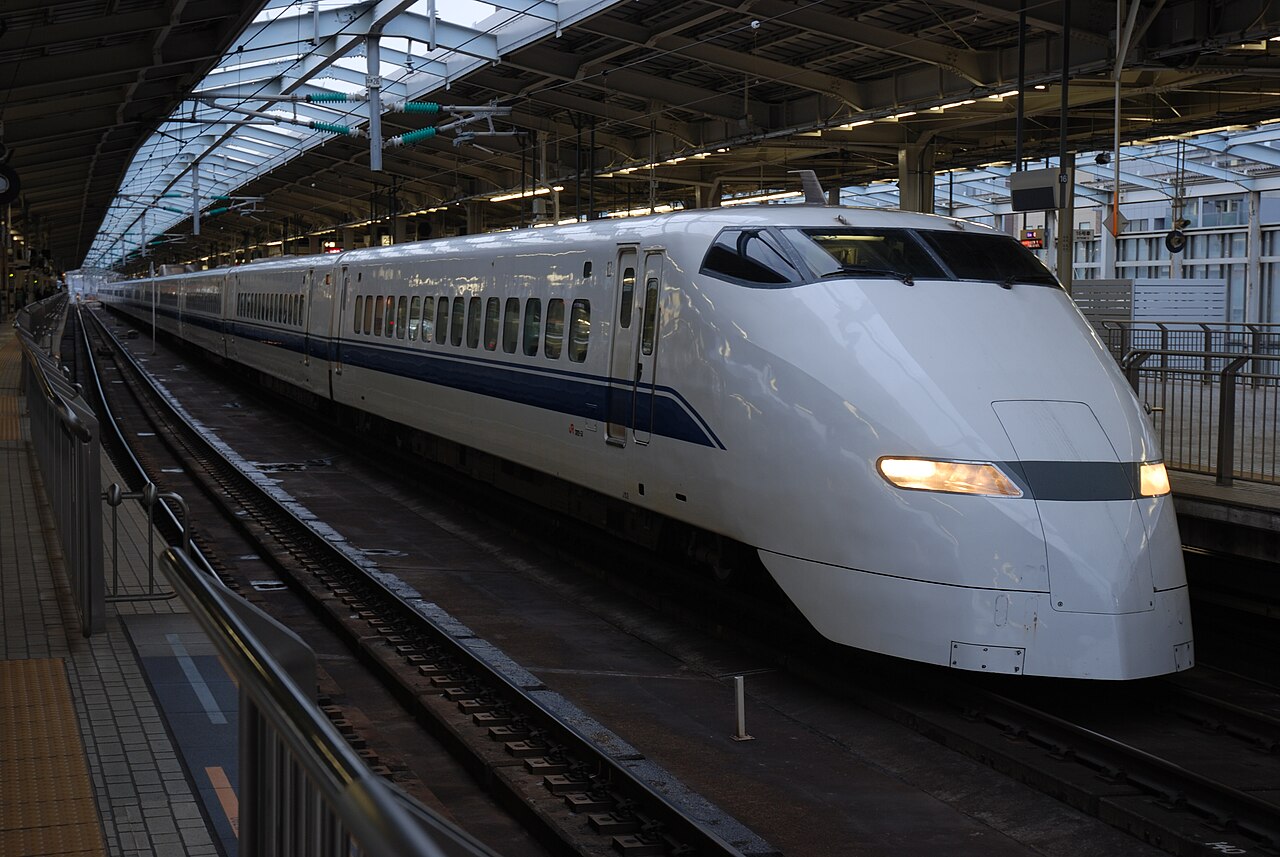
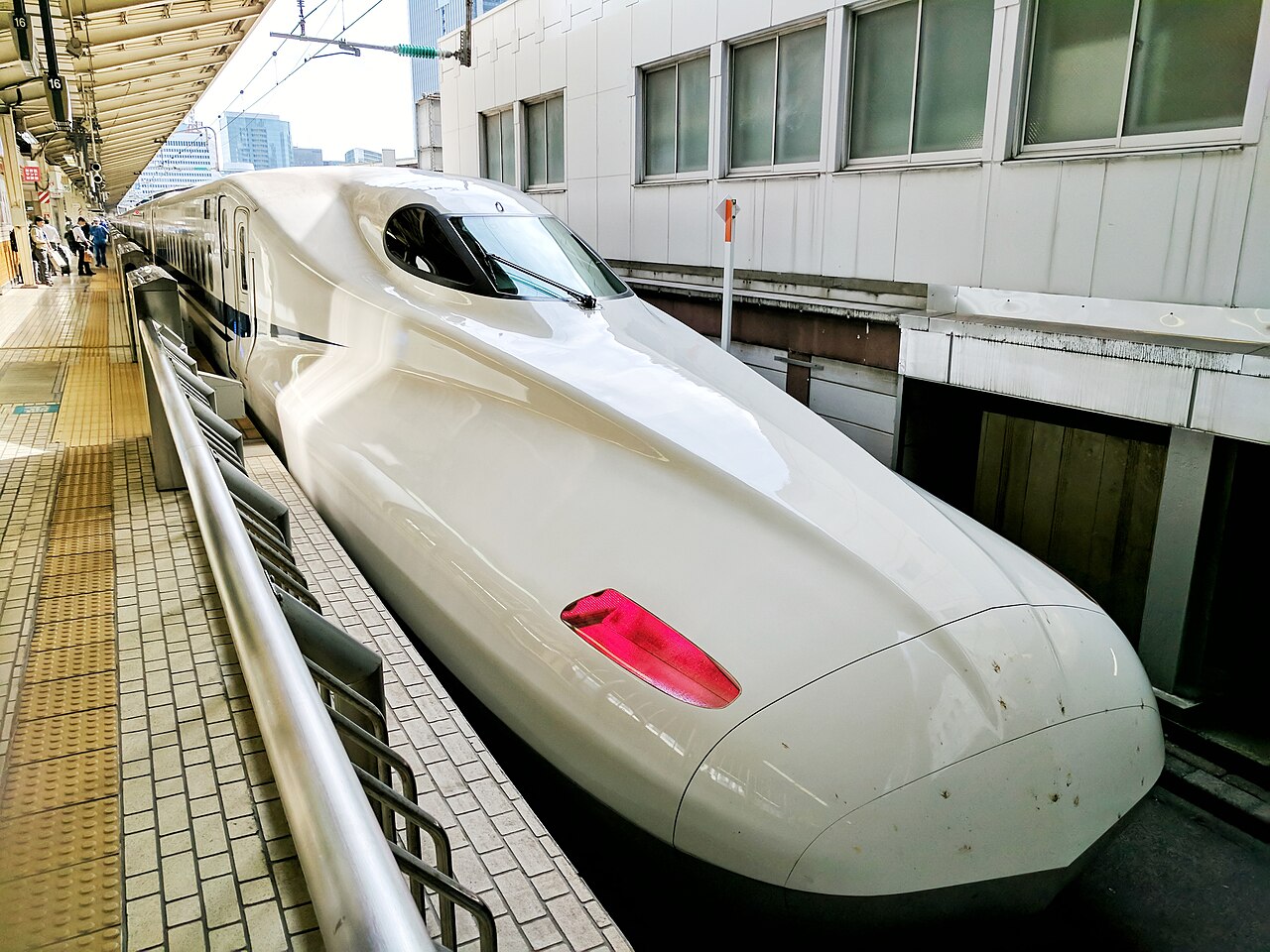
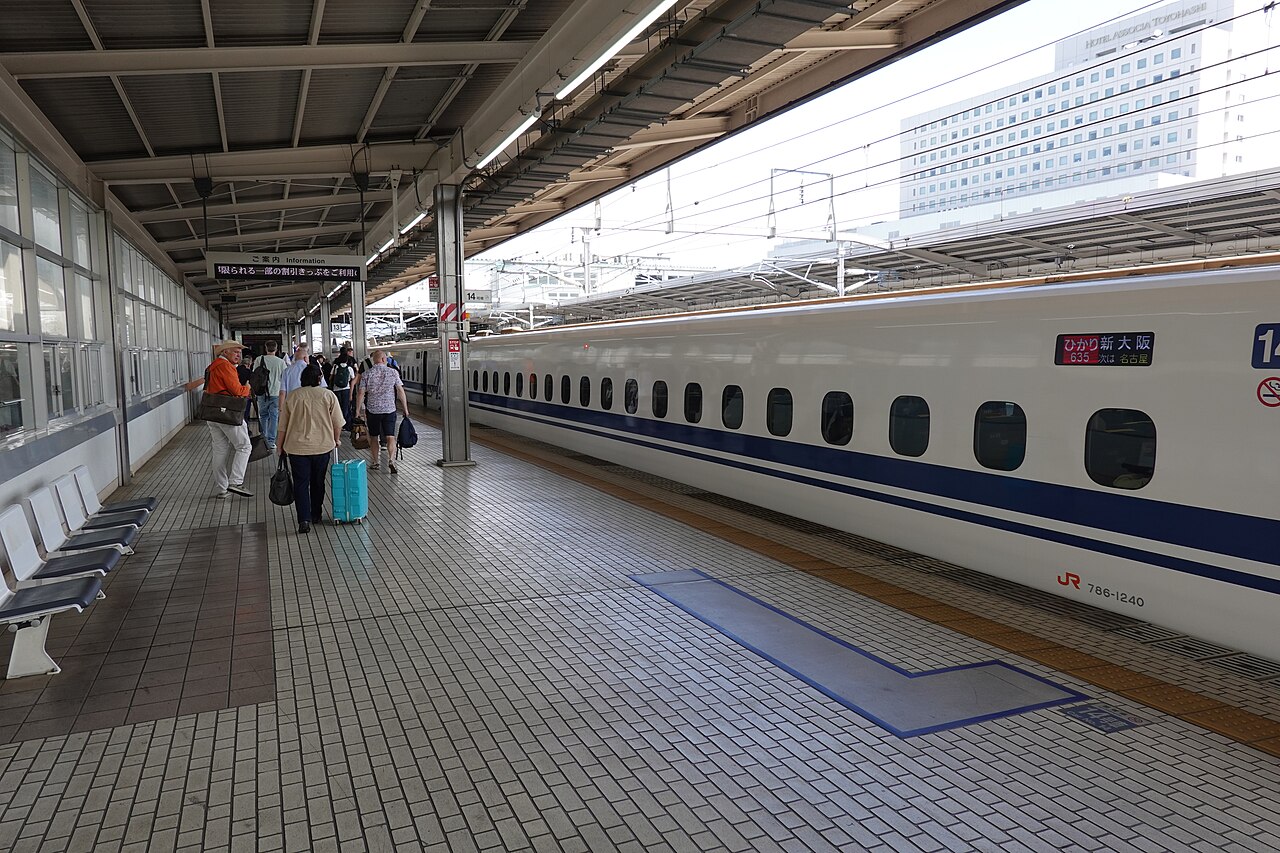
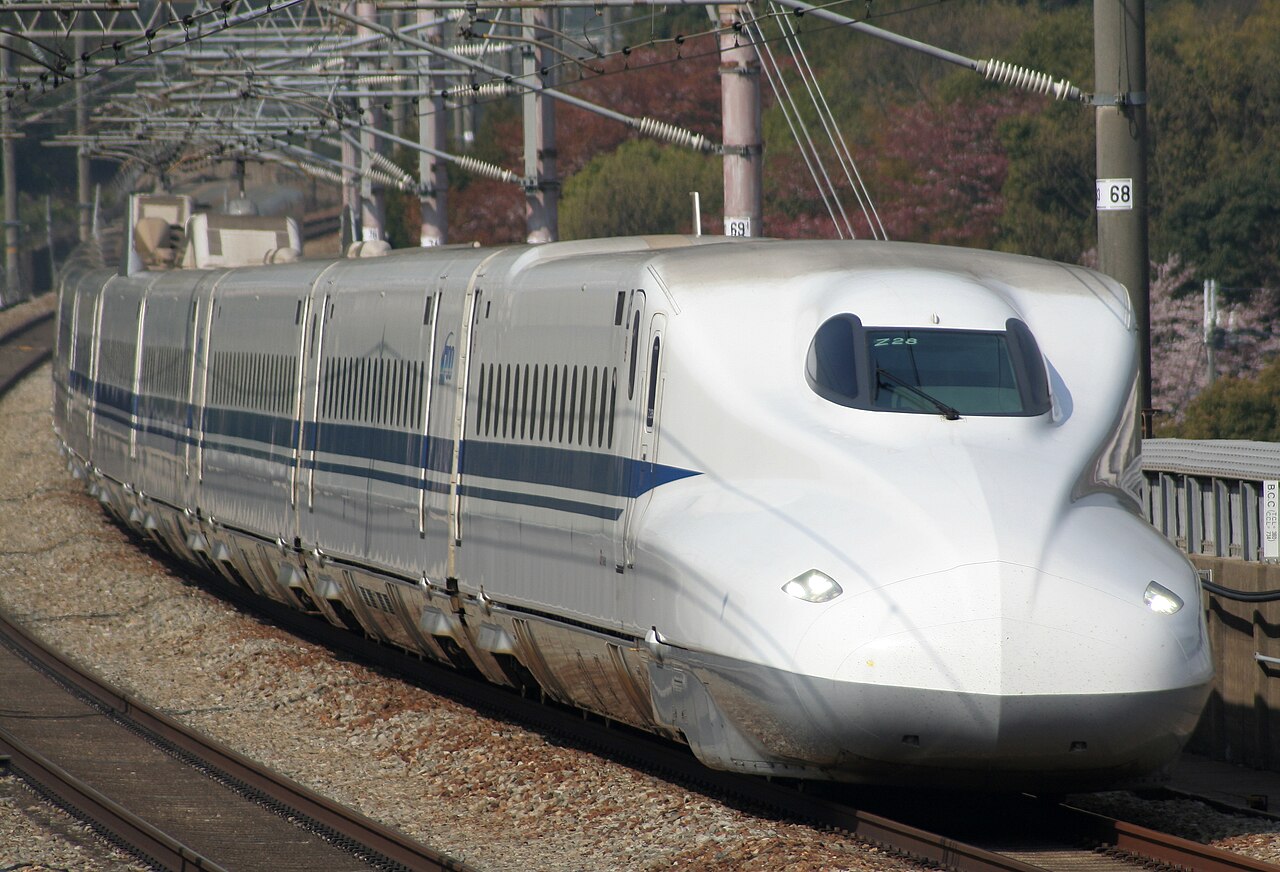
The Hikari has also spawned named San'yō-line variants, most enduringly the eight-car 700-series "Hikari Rail Star", launched on 11 March 2000 to compete with airlines on the Osaka–Fukuoka route. It has been worked by every Tōkaidō/San'yō generation in turn — the 0, 100, 300, 500 and 700 series, and today the N700, N700A and N700S series — with a line maximum of 285 km/h on the Tōkaidō Shinkansen and 300 km/h on the San'yō Shinkansen. The N700-series Hikari entered service in March 2008 on a morning Shin-Yokohama–Hiroshima run, and by the 4 March 2017 revision all regular Tōkaidō-section Hikari were N700 series. As the Nozomi network grew the Hikari Rail Star was steadily cut back, reduced to a single up service from the 18 March 2023 timetable revision.
Timeline
- 1964The Tōkaidō Shinkansen opens on 1 October; the Hikari debuts as the line's fastest train, running Tokyo–Shin-Ōsaka with only two stops (Nagoya and Kyoto), and is classed a 'super-express' above the all-stations Kodama.
- 1972The San'yō Shinkansen opens to Okayama on 15 March and Hikari service is extended west; at this point non-reserved seating is introduced on the Hikari, the 'super-express' label falls out of use, and the fare differential with the Kodama is dropped everywhere except Tokyo–Nagoya.
- 1974On 5 September the Hikari begins operating the first dining car on the Shinkansen.
- 1975The San'yō Shinkansen is extended through to Hakata on 10 March; the remaining Tokyo–Nagoya fare differential on the Hikari is abolished.
- 1992The Nozomi debuts on 14 March; the Hikari ceases to be the fastest train on the Tōkaidō Shinkansen, and some Hikari runs begin waiting for Nozomi services to overtake.
- 2000JR West launches the eight-car 700-series 'Hikari Rail Star' on 11 March, a San'yō Shinkansen-only service introduced to compete better with airlines on the Osaka–Fukuoka route.
- 2008The N700 series enters Hikari service in March on a morning run between Shin-Yokohama and Hiroshima (plus a late-night Tokyo–Nagoya run); the service started on 15 March on Hikari 493.
- 2023From the 18 March timetable revision the Hikari Rail Star is reduced to a single up service.
Gallery 7 photos
Every photo for this page — tap any image to view it full-size. All from Wikimedia Commons (credit under each).