歴史
長らく東海道・山陽新幹線の主力列車であり、「新幹線=『ひかり』」とのイメージが強かったが、1992年3月14日に「のぞみ」が登場し、ひかりは東海道新幹線の最速列車ではなくなった。以後、一部のひかりは途中駅で「のぞみ」の通過待ちを行うようになり、2003年10月以降は「のぞみ」を補完する“途中駅通過型列車”としての役割を主に担うようになった。なお「ジャパン・レール・パス」では「のぞみ」に乗車できないため、同切符の利用客にとってはひかりが東海道新幹線における最速達列車として機能している。
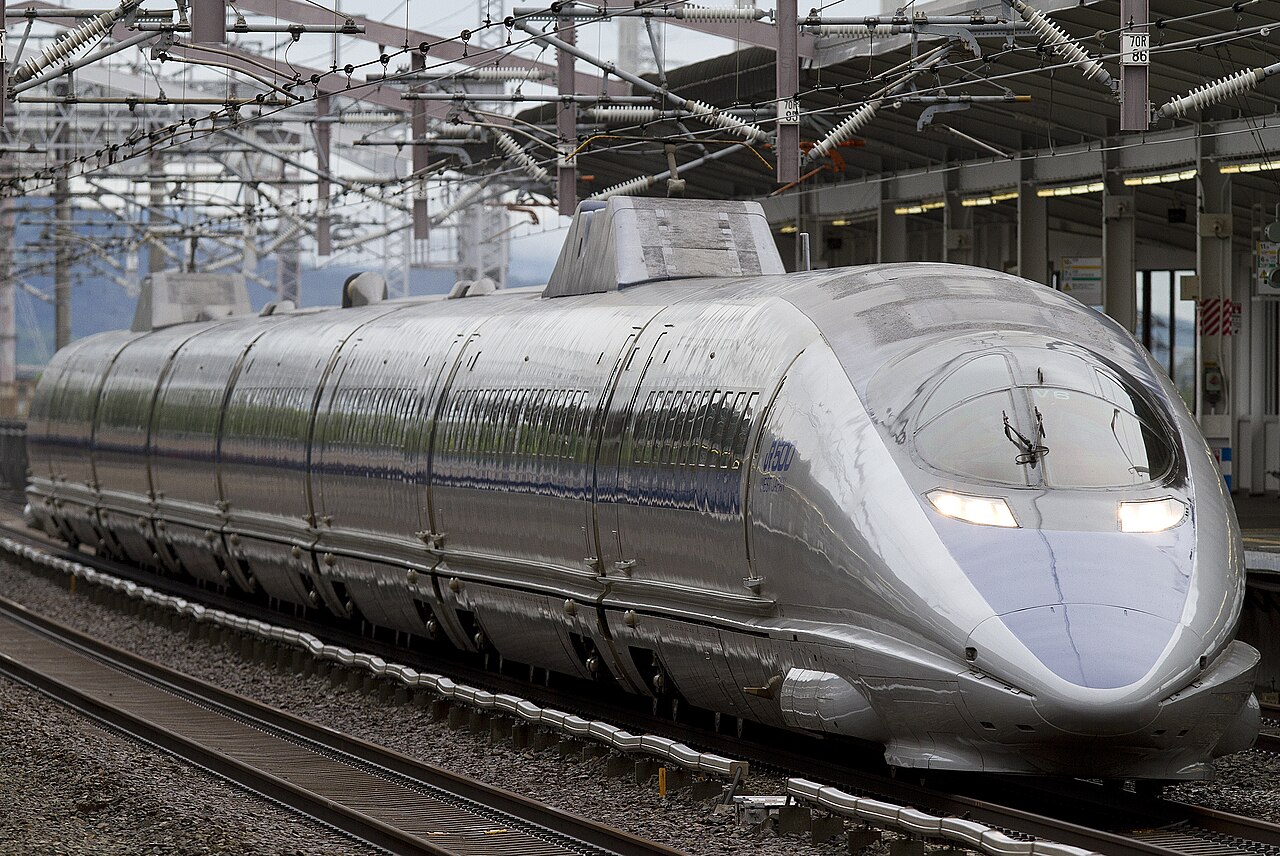
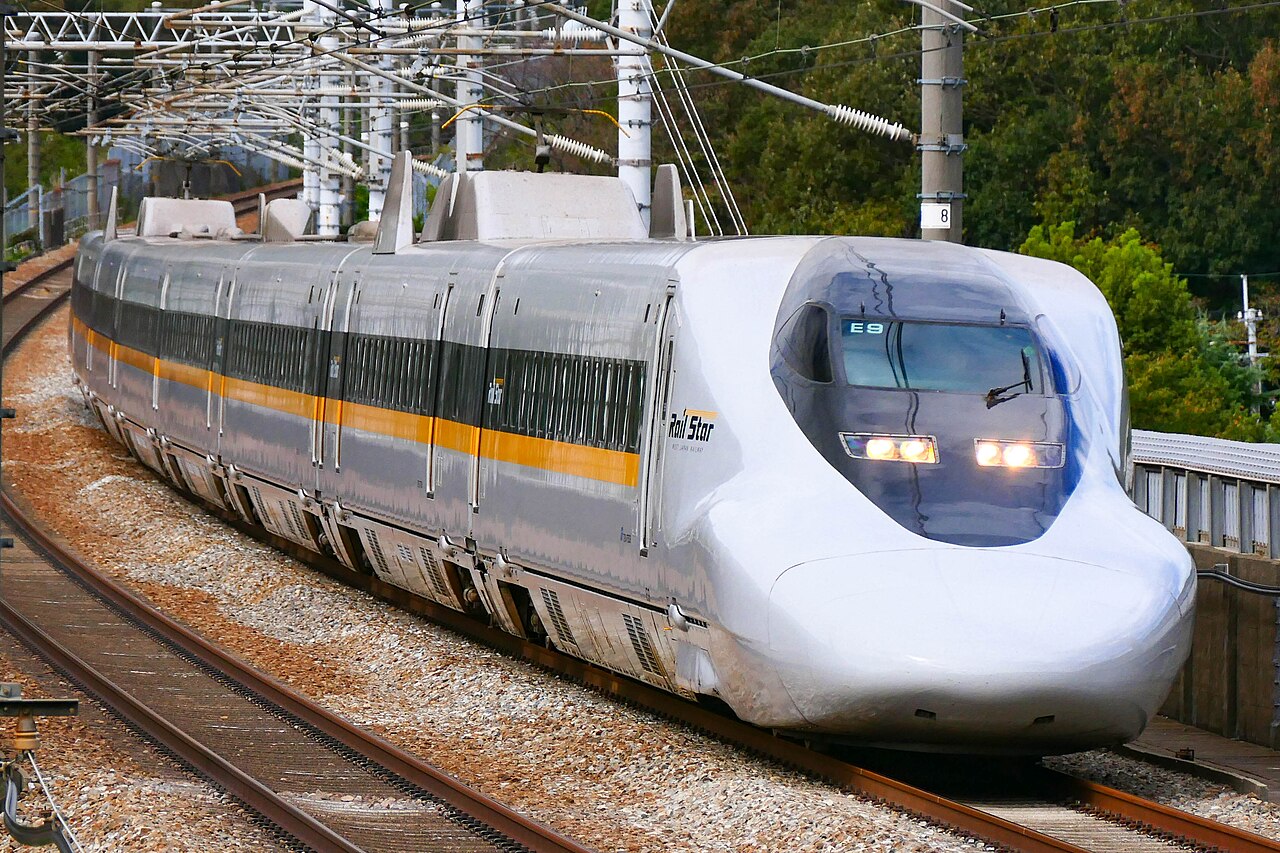
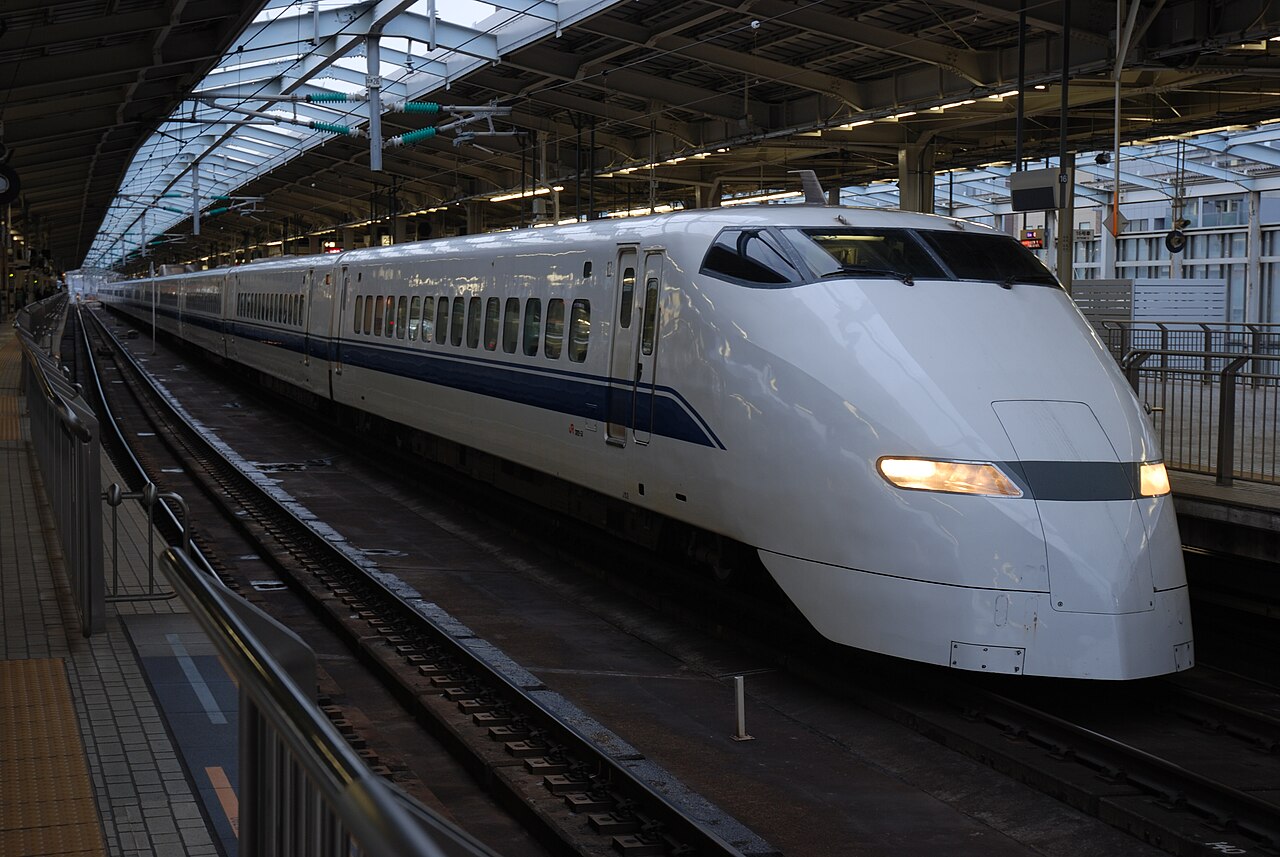
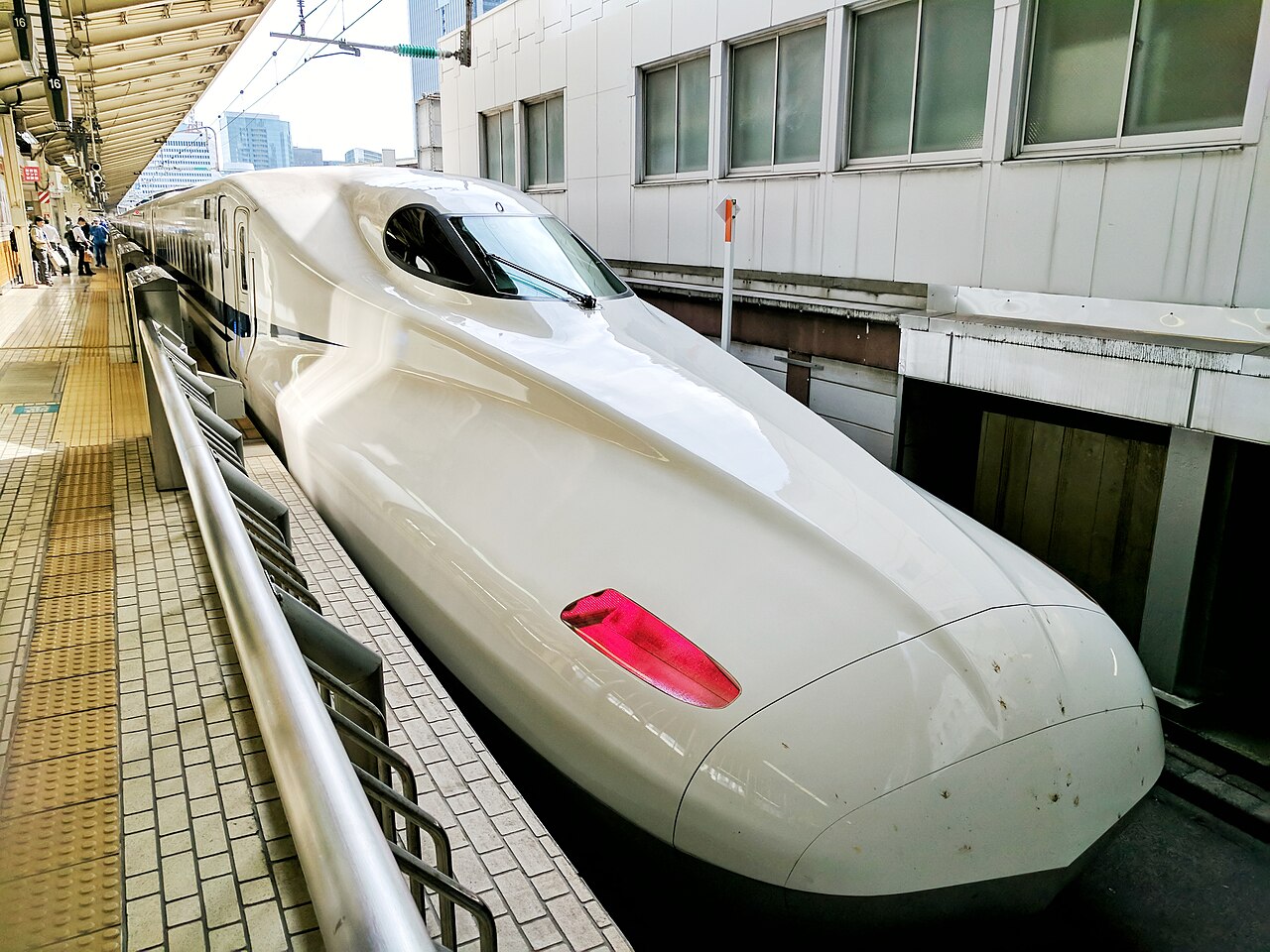
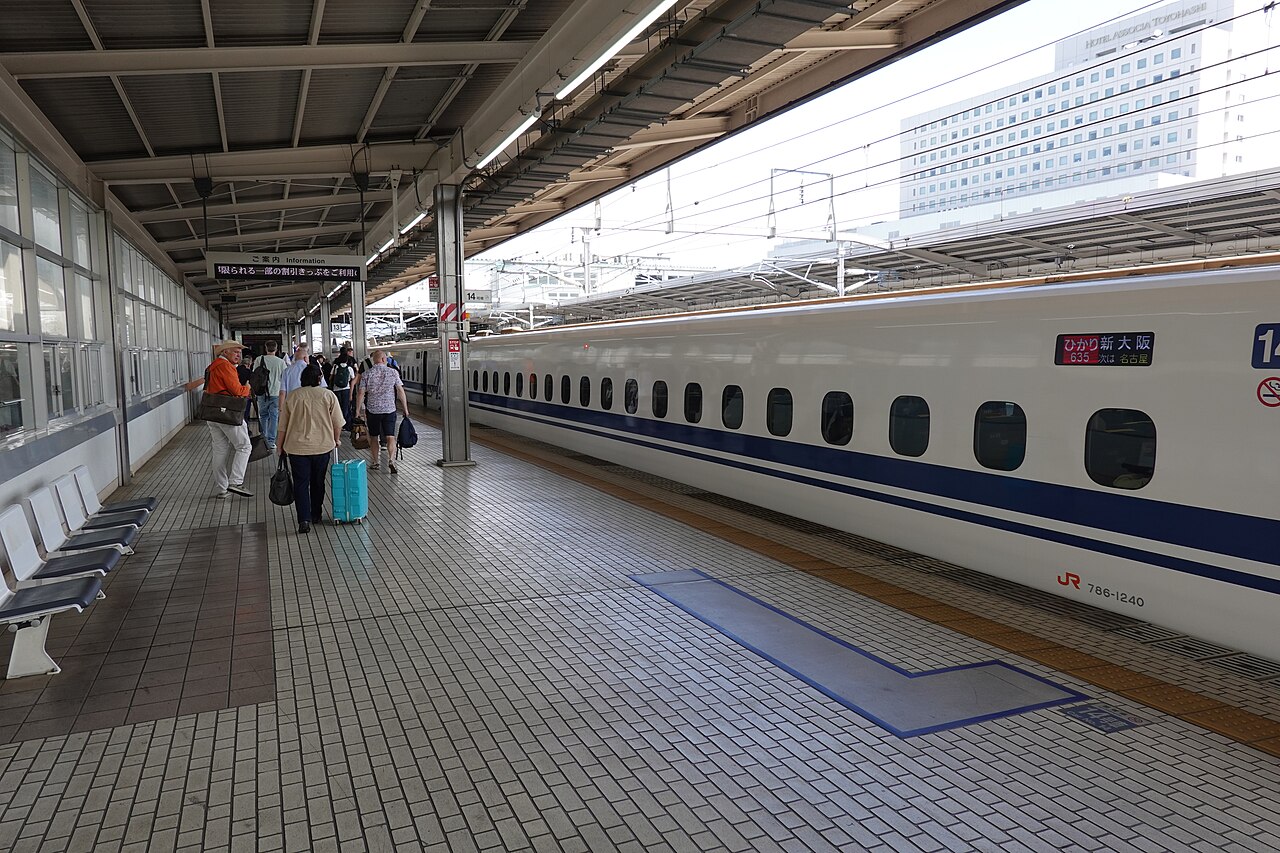
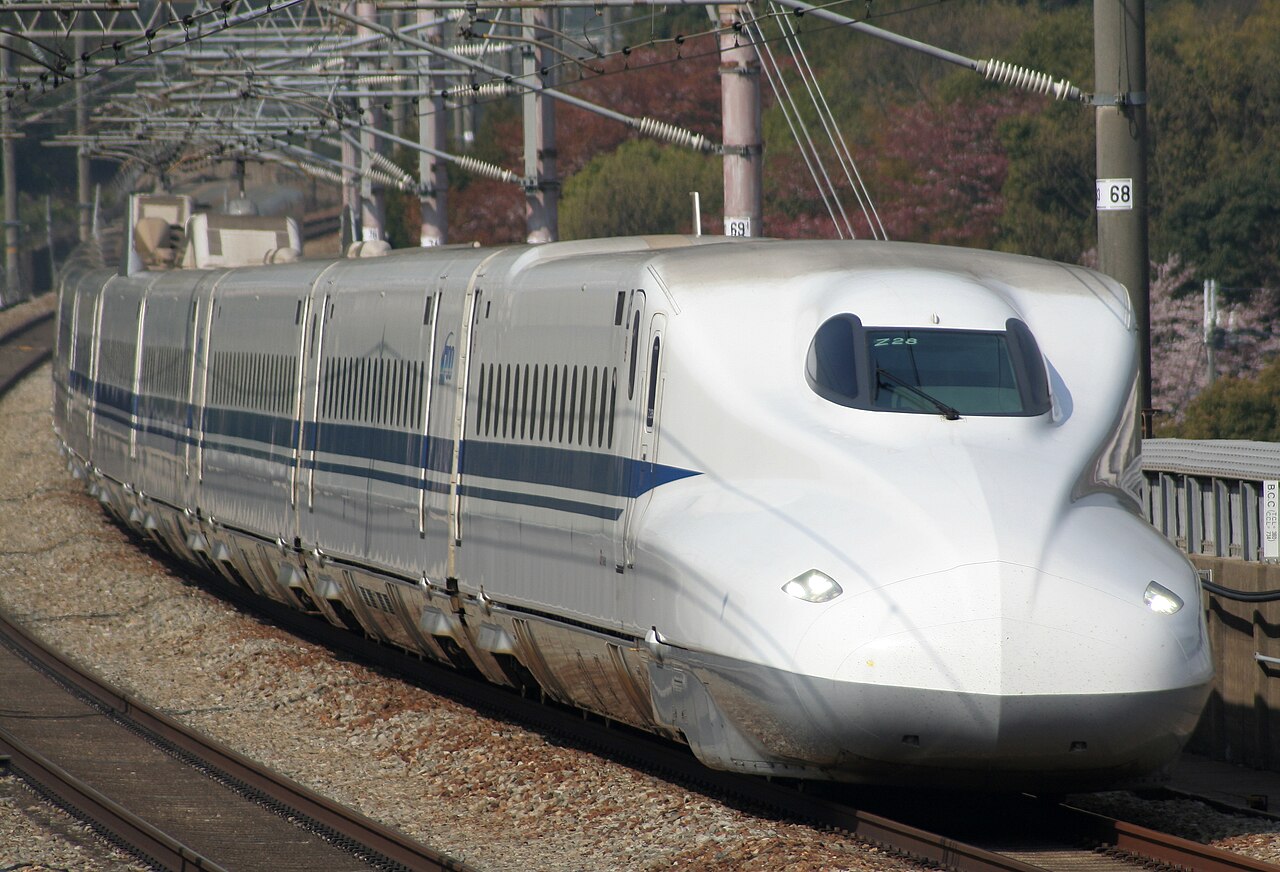
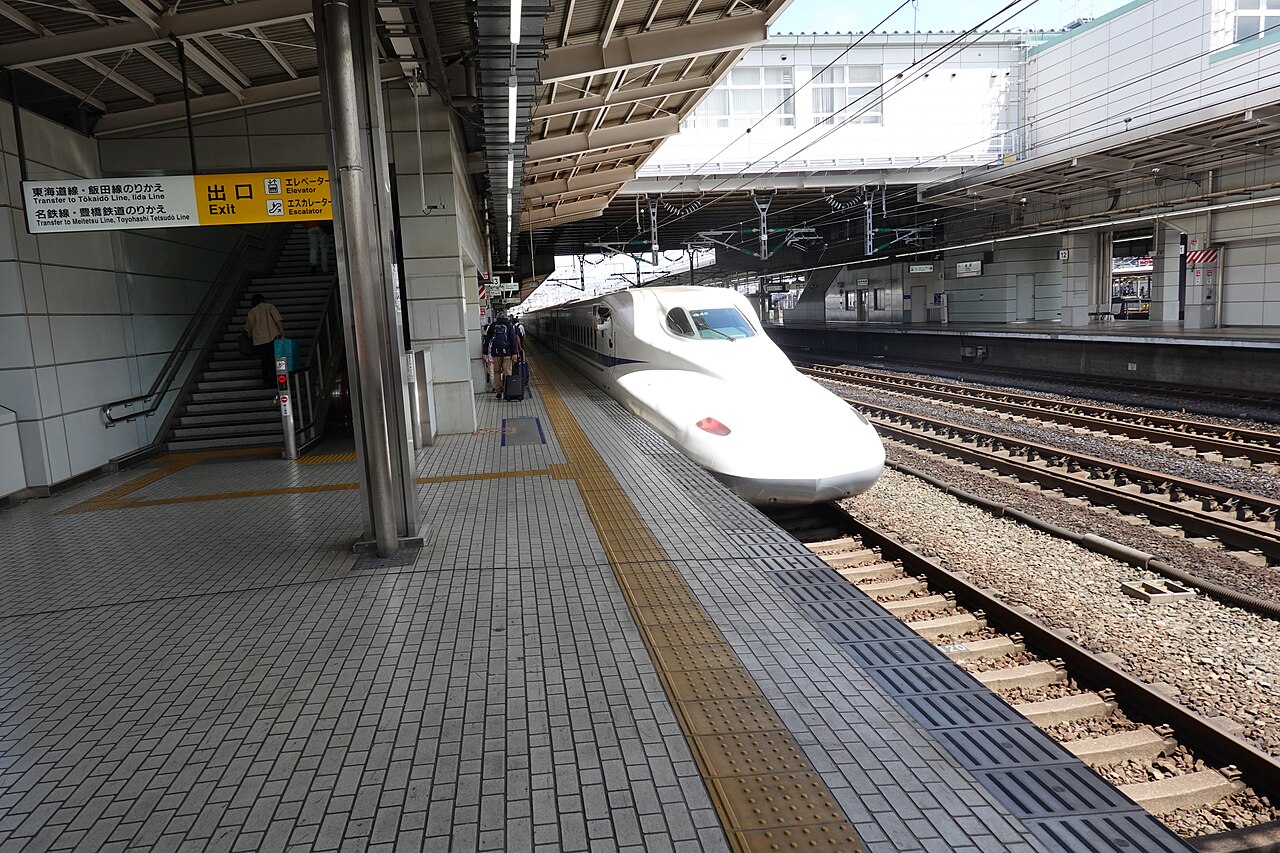
ひかりには「ウエストひかり」「グランドひかり」、そして2000年3月11日に登場した山陽区間限定の700系8両編成「ひかりレールスター」など、さまざまな派生列車が存在した。使用車両は0系・100系・300系・500系・700系を経て、現在はN700系・N700S系が用いられ、最高速度は東海道新幹線で285km/h、山陽新幹線で300km/hである。N700系ひかりは2008年3月15日に新横浜 - 広島間で運用を開始した。九州新幹線全線開業などにより「ひかりレールスター」は削減され、2023年3月18日のダイヤ改正で上り1本のみとなった。
年表
- 1964The Tōkaidō Shinkansen opens on 1 October; the Hikari debuts as the line's fastest train, running Tokyo–Shin-Ōsaka with only two stops (Nagoya and Kyoto), and is classed a 'super-express' above the all-stations Kodama.
- 1972The San'yō Shinkansen opens to Okayama on 15 March and Hikari service is extended west; at this point non-reserved seating is introduced on the Hikari, the 'super-express' label falls out of use, and the fare differential with the Kodama is dropped everywhere except Tokyo–Nagoya.
- 1974On 5 September the Hikari begins operating the first dining car on the Shinkansen.
- 1975The San'yō Shinkansen is extended through to Hakata on 10 March; the remaining Tokyo–Nagoya fare differential on the Hikari is abolished.
- 1992The Nozomi debuts on 14 March; the Hikari ceases to be the fastest train on the Tōkaidō Shinkansen, and some Hikari runs begin waiting for Nozomi services to overtake.
- 2000JR West launches the eight-car 700-series 'Hikari Rail Star' on 11 March, a San'yō Shinkansen-only service introduced to compete better with airlines on the Osaka–Fukuoka route.
- 2008The N700 series enters Hikari service in March on a morning run between Shin-Yokohama and Hiroshima (plus a late-night Tokyo–Nagoya run); the service started on 15 March on Hikari 493.
- 2023From the 18 March timetable revision the Hikari Rail Star is reduced to a single up service.
ギャラリー 7枚
このページの全写真 ― 画像をタップすると原寸大で表示します。すべてウィキメディア・コモンズより(各写真の下にクレジット)。